
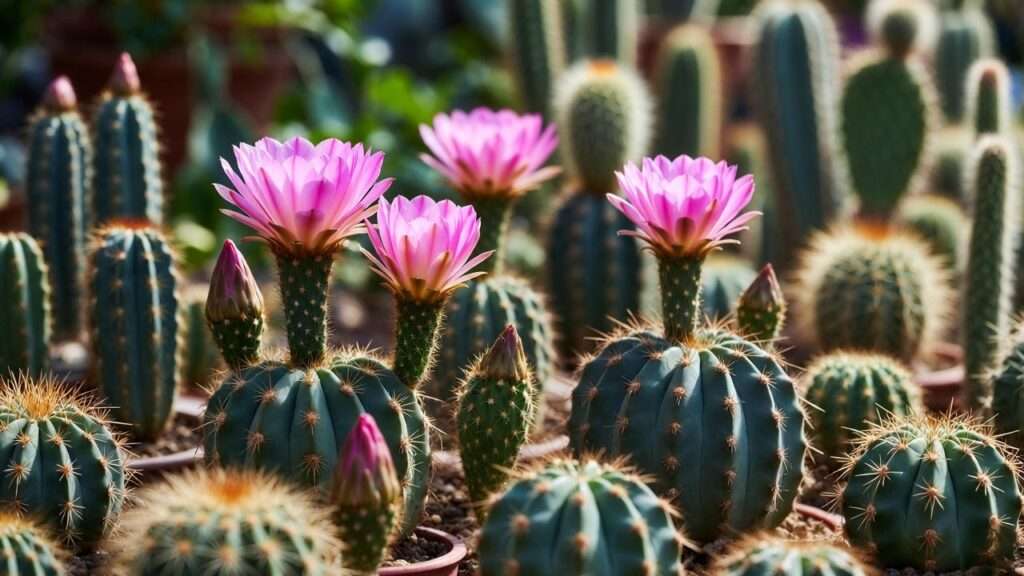
Imagine stepping into your living room on a dreary winter day, only to be greeted by a burst of vibrant pink blooms atop spiky, resilient green stems. That’s the magic of a cactus plant with pink flowers—a low-maintenance wonder that brings desert beauty and cheerful color into your home year-round. 🌺❄️ These charming succulents aren’t just tough survivors; they’re prolific bloomers that reward even beginner plant parents with spectacular displays.
If you’ve been searching for the perfect cactus plant with pink flowers to brighten your space, identify stunning varieties, or finally get those elusive blooms, you’re in the right place. In this ultimate guide, we’ll explore 13 of the most gorgeous pink-flowering cacti, from classic favorites to rare gems. You’ll get expert identification tips, detailed care instructions tailored to encourage maximum blooming, troubleshooting advice, and pro styling ideas—all based on years of hands-on experience growing desert plants.
Written by Alex Rivera, a certified horticulturist with over 15 years of experience specializing in cacti and succulents. I’ve grown hundreds of varieties in greenhouses, indoor collections, and outdoor desert gardens, and I’m passionate about helping you succeed with these resilient beauties. 🌟
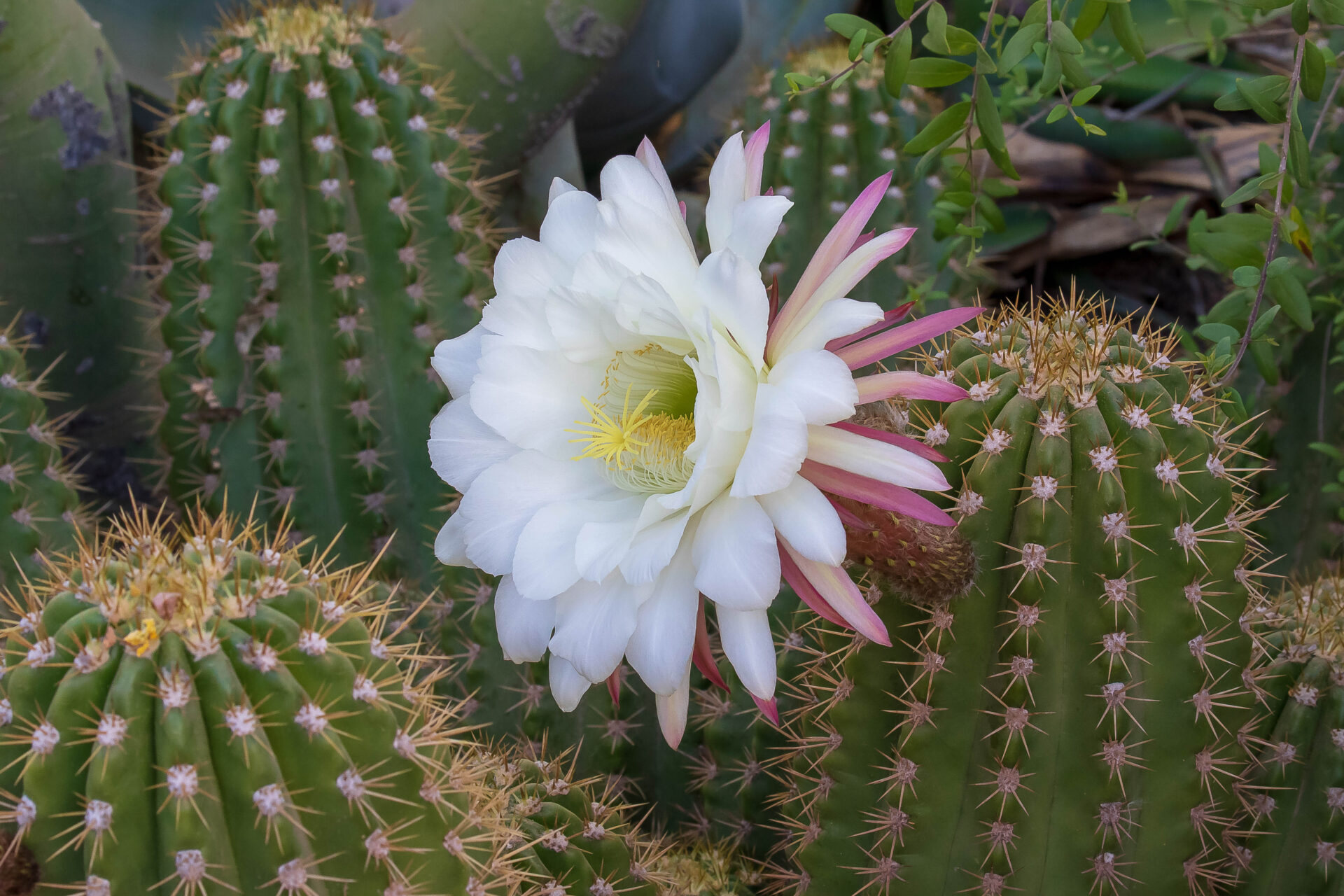
Why Choose a Cactus with Pink Flowers? 🌺
Pink-flowering cacti are more popular than ever, and for good reason. These plants combine the rugged, drought-tolerant nature of desert cacti with soft, feminine pink blooms that add a pop of color to any room. Here’s why they’re an excellent choice:
- Low Maintenance Magic: Perfect for busy lifestyles or those new to plant care—they thrive on neglect! 💪
- Air-Purifying Power: Like many succulents, they help filter indoor air while requiring minimal water.
- Year-Round Interest: Spiky textures provide structure, and pink flowers offer seasonal surprises.
- Versatile Decor: Fit seamlessly into boho, minimalist, or modern interiors, whether on windowsills, shelves, or as hanging specimens.
- Beginner-Friendly Blooms: Many varieties flower reliably indoors with basic care, boosting your confidence as a plant parent.
Unlike finicky tropicals, pink cacti forgive forgetful watering and poor soil, making them ideal for apartments, offices, or anyone who wants beauty without the fuss. 😊
Understanding Pink-Flowering Cacti: The Basics 🌵
To grow stunning blooms, it’s helpful to understand how these plants work.
How Cacti Produce Flowers
Cactus flowers emerge from specialized structures called areoles—the fuzzy or spiny spots on the stem. Pink pigments come from anthocyanins, the same compounds that color roses and berries. These attract pollinators like bees and hummingbirds in the wild.
Why Pink is Common
Pink shades are prevalent in many cactus species because they effectively draw in pollinators under harsh desert sunlight. From soft pastel to hot magenta, pink blooms stand out against green pads or barrels.
Blooming Seasons and Triggers
Most pink-flowering cacti bloom in spring or summer, but holiday types (like Thanksgiving and Christmas cacti) shine in fall/winter. Key triggers include:
- Longer nights (photoperiodism)
- Cooler temperatures (50–60°F/10–15°C at night)
- Mature growth (many need 2–4 years to flower)
Expert Insight: A consistent “winter rest” with reduced water and cooler temps is crucial for bud formation in most species. I’ve seen dramatic bloom increases just from dropping nighttime temps by 10°F! 🌙
Top 13 Stunning Cactus Plants with Pink Flowers 🌸
Here are my top picks for the most beautiful and reliable pink-blooming cacti. Each includes key details to help you choose and identify them.
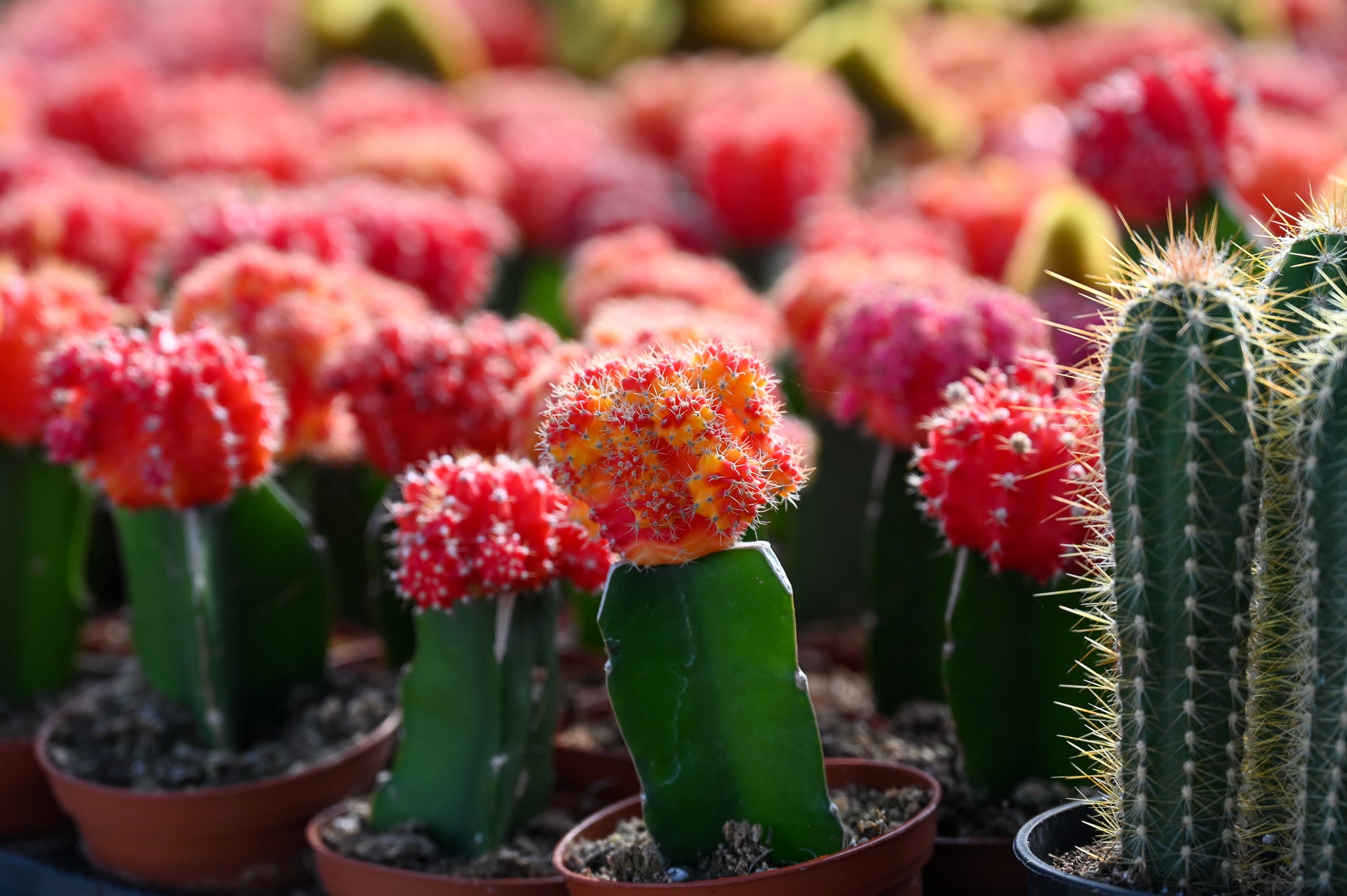
1. Gymnocalycium mihanovichii ‘Moon Cactus’ (Grafted Pink Varieties) 🌙
The iconic Moon Cactus features a colorful, chlorophyll-lacking top grafted onto a green rootstock. Pink varieties are among the most vibrant.
- Flowers: Small, but the “moon” itself is bright pink (technically a mutated body, not flowers—but hybrids can produce pink blooms too).
- Bloom Time: Spring/summer.
- Size: 3–6 inches tall.
- Difficulty: Beginner ⭐⭐⭐
- Why Stunning: Bubblegum-pink globe looks like candy on a stick!
2. Echinopsis chamaecereus (Peanut Cactus) 🥜
This trailing cactus forms finger-like stems and explodes with flowers.
- Flowers: Large, vivid pink-orange (often pink-dominant), funnel-shaped.
- Bloom Time: Late spring.
- Size: Trails up to 12 inches.
- Difficulty: Beginner ⭐⭐⭐⭐
- Why Stunning: Dozens of blooms at once—perfect for hanging baskets!
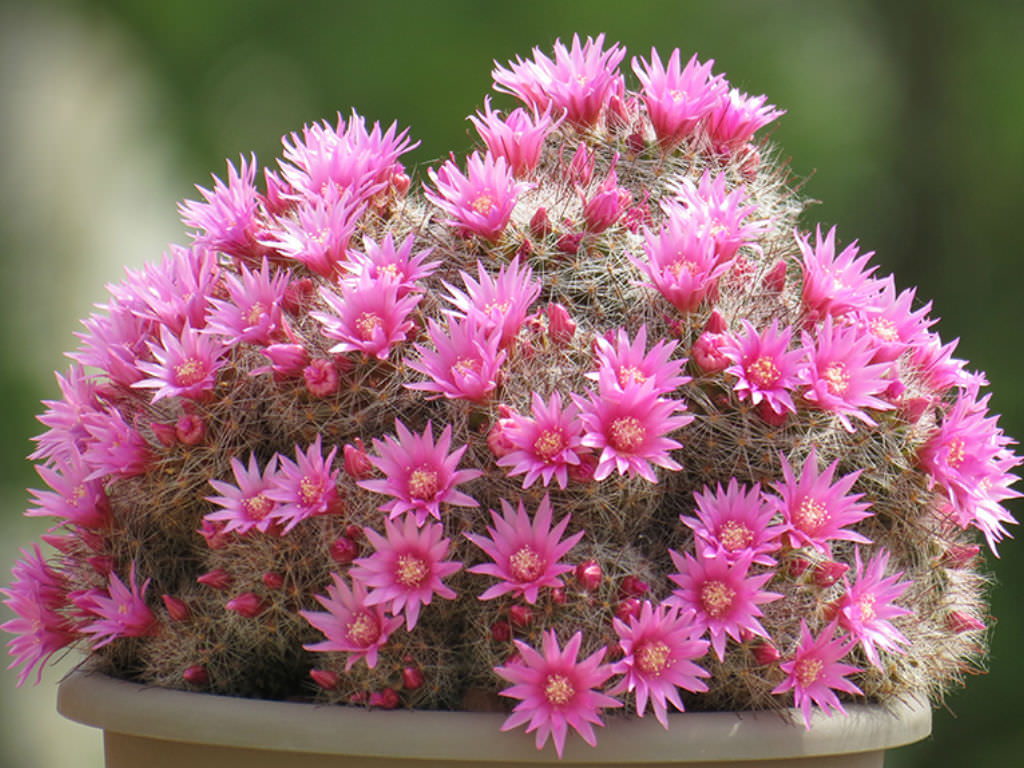
3. Mammillaria zeilmanniana (Rose Pincushion Cactus) 🌹
A classic pincushion with rings of blooms.
- Flowers: Bright pink-purple crowns around the top.
- Bloom Time: Spring, often repeats.
- Size: 4–6 inches.
- Difficulty: Beginner ⭐⭐⭐⭐
- Why Stunning: Flower rings create a “rose” effect.
4. Rebutia spp. (Crown Cactus – Pink Cultivars) 👑
Small globular cacti known for abundant flowers.
- Flowers: Hot pink to soft rose, covering the base.
- Bloom Time: Early spring.
- Size: 2–4 inches.
- Difficulty: Beginner ⭐⭐⭐⭐
- Why Stunning: Completely smothered in blooms!
5. Schlumbergera truncata (Thanksgiving Cactus – Pink Hybrids) 🦃
Segmented stems with claw-like leaves.
- Flowers: Pendulous pink tubes, often multi-toned.
- Bloom Time: Late fall.
- Size: Trails 12–24 inches.
- Difficulty: Beginner ⭐⭐⭐⭐
- Why Stunning: Cascading holiday color.

6. Schlumbergera hybrids (Christmas Cactus – Pink Varieties) 🎄
Similar to Thanksgiving but with rounded segments.
- Flowers: Layered pink blooms.
- Bloom Time: Winter.
- Size: Trails 18–36 inches.
- Difficulty: Beginner ⭐⭐⭐⭐
- Why Stunning: Classic holiday cheer in pink.
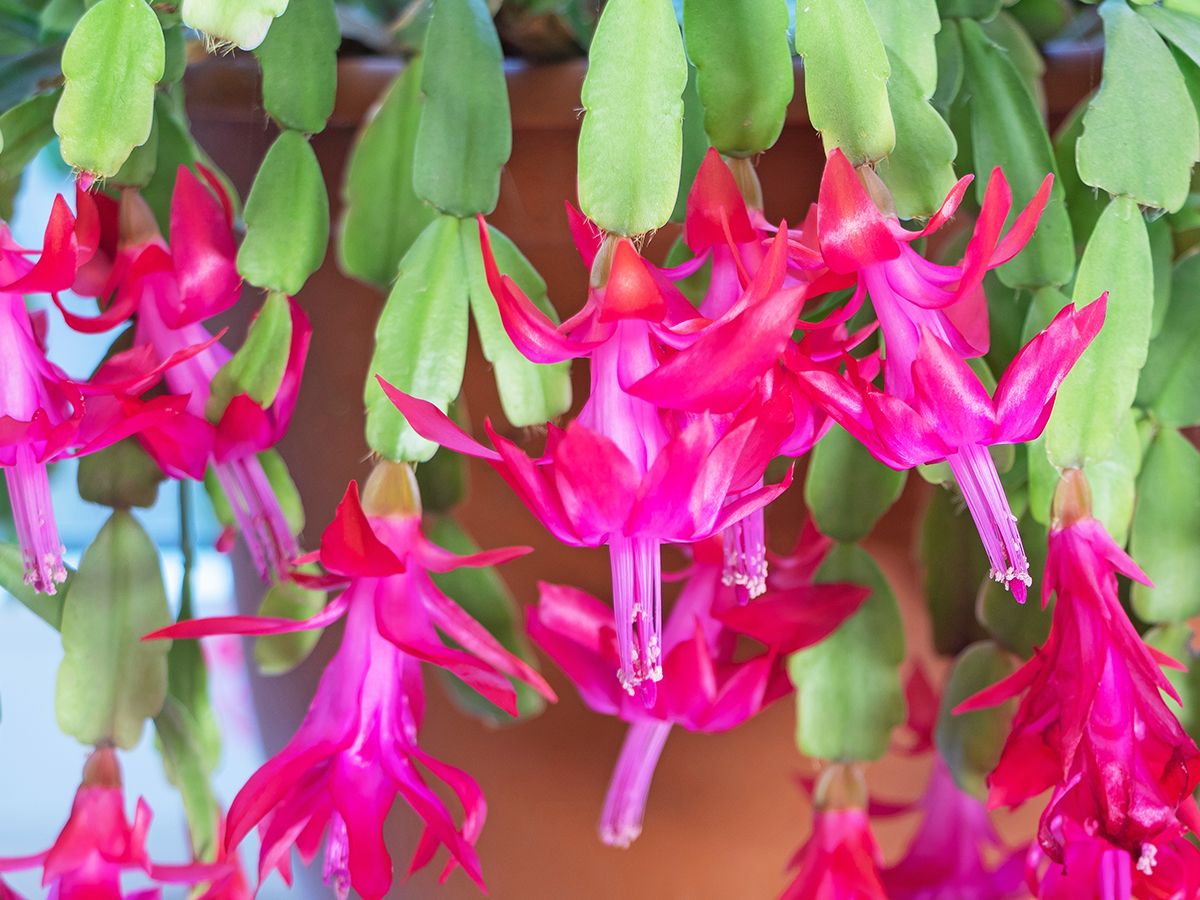
7. Epiphyllum hybrids (Orchid Cactus – Pink Varieties) 🌺
Epiphytic with flat, leaf-like stems.
- Flowers: Huge, fragrant pink (or bi-color) nocturnal blooms.
- Bloom Time: Spring/summer nights.
- Size: Trails several feet.
- Difficulty: Intermediate ⭐⭐⭐
- Why Stunning: Dinner-plate-sized flowers!
:max_bytes(150000):strip_icc()/GettyImages-1154319300-9adacba63a27432d942db0491c6c4a34.jpg)
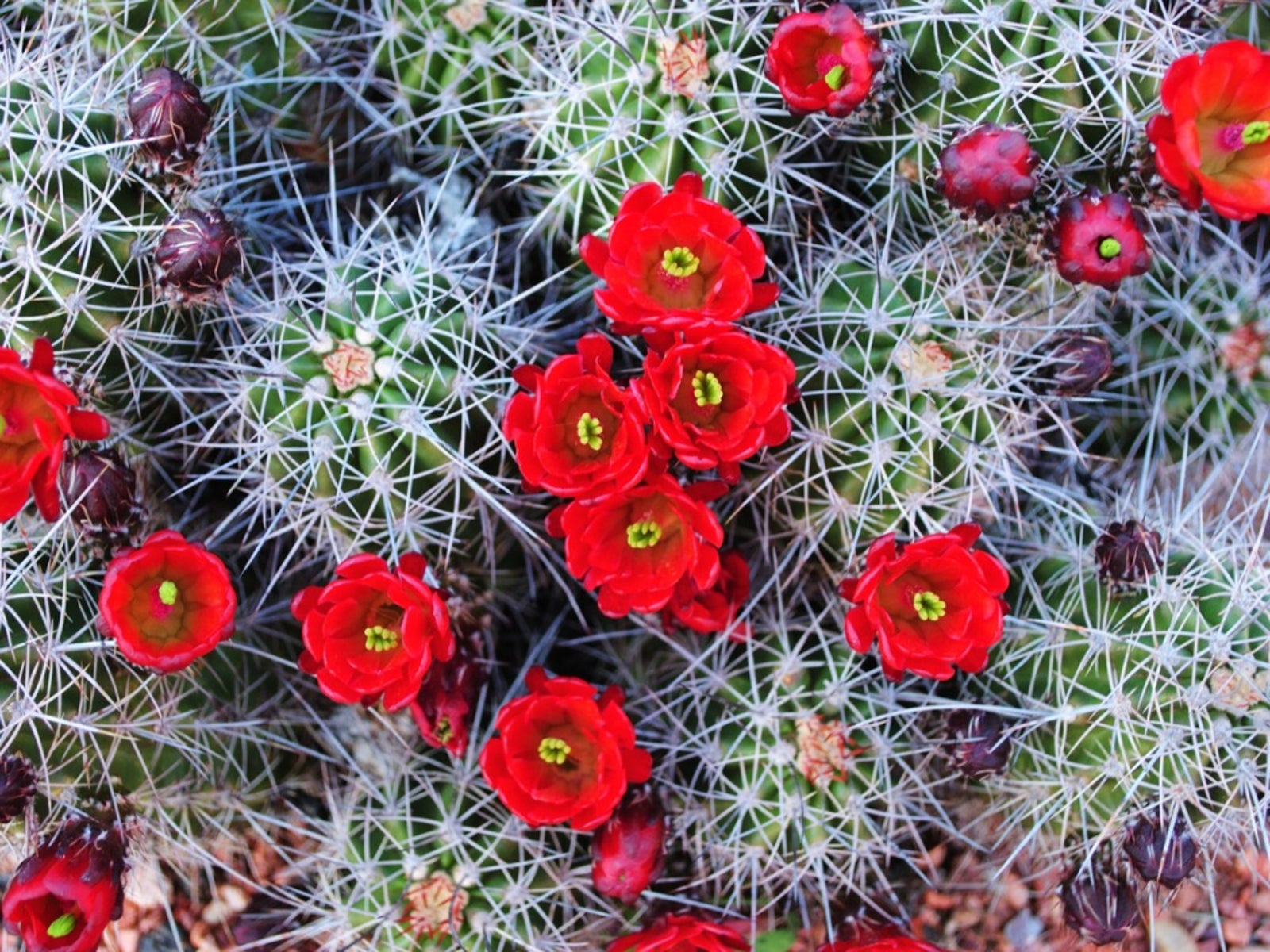
8. Echinocereus triglochidiatus var. melanacanthus (Claret Cup – Pink Forms) 🍷
Clumping barrels with showy clusters.
- Flowers: Magenta-pink cups.
- Bloom Time: Spring.
- Size: Forms mounds up to 2 feet.
- Difficulty: Intermediate ⭐⭐⭐
- Why Stunning: Mass blooming effect.
9. Opuntia basilaris (Beavertail Prickly Pear – Pink Blooms) 🦫
Flat pads without major spines.
- Flowers: Soft pink to rose.
- Bloom Time: Spring.
- Size: 1–3 feet wide.
- Difficulty: Beginner (outdoors) ⭐⭐⭐⭐
- Why Stunning: Large, silky petals.
10. Ferocactus latispinus (Devil’s Tongue Barrel – Pinkish Tones) 😈
Ribbed barrel with hooked spines.
- Flowers: Pinkish-purple rings.
- Bloom Time: Late summer.
- Size: Up to 12 inches.
- Difficulty: Intermediate ⭐⭐⭐
- Why Stunning: Contrasting fierce spines and soft flowers.
11. Parodia haselbergii (Silver Ball Cactus) ⚪
White-spined globe.
- Flowers: Bright pink to scarlet.
- Bloom Time: Spring.
- Size: 4–6 inches.
- Difficulty: Beginner ⭐⭐⭐⭐
- Why Stunning: Snowy spines + vivid blooms.
12. Lobivia cinnabarina (Hot Pink Blooms) 🔥
Small clustering cactus.
- Flowers: Intense hot pink.
- Bloom Time: Summer.
- Size: 3–5 inches.
- Difficulty: Beginner ⭐⭐⭐⭐
- Why Stunning: Electric color pop.
13. Notocactus uebelmannianus (Deep Pink Rare) 💗
Globular with woolly crown.
- Flowers: Deep rose-pink.
- Bloom Time: Spring.
- Size: 6 inches.
- Difficulty: Intermediate ⭐⭐⭐
- Why Stunning: Rich, velvety petals.
Essential Care Guide for Pink-Flowering Cacti 🌵💡
Getting your cactus plant with pink flowers to bloom reliably comes down to mimicking its native desert or epiphytic habitat. Here’s my proven care routine, refined from growing thousands of specimens.
Light Requirements ☀️
Most pink-flowering cacti need bright light to produce buds.
- Desert types (Gymnocalycium, Mammillaria, Rebutia, Echinocereus): 6–8 hours of direct sun daily. South-facing windows are ideal indoors; outdoors in USDA zones 9–11.
- Forest/holiday types (Schlumbergera, Epiphyllum): Bright indirect light—east or west windows. Too much direct sun scorches segments.
Pro Tip: Gradually acclimate new plants to stronger light to prevent sunburn. I’ve rescued many bleached cacti by moving them to filtered light for a few weeks.
Watering Schedule 💧
The #1 killer of cacti is overwatering. Follow the golden rule: soak thoroughly, then let dry completely.
- Growing season (spring–fall): Water when the top 2 inches of soil are dry—every 1–2 weeks indoors.
- Winter rest (especially for spring bloomers): Reduce to once a month or less. This drought stress triggers flower buds.
- Holiday cacti: Keep evenly moist (not soggy) during bud set in fall.
Use rainwater or distilled if your tap is hard—cacti hate mineral buildup.
Best Soil Mix 🪴
Perfect drainage is non-negotiable for healthy roots and vibrant blooms.
My Go-To Recipe (makes ~5 quarts):
- 50% coarse potting soil or cactus mix
- 30% perlite or pumice
- 20% coarse sand or gravel
This ensures rapid drainage while retaining just enough moisture.
Avoid regular potting soil—it stays wet too long and invites rot.
Temperature & Humidity 🌡️
- Daytime: 70–85°F (21–29°C)
- Nighttime drop: Crucial for blooming—50–60°F (10–15°C) in fall/winter
- Minimum: Most tolerate 40°F briefly, but holiday cacti prefer above 55°F
Humidity: Low (30–40%) for desert types; slightly higher for epiphytics.
Fertilizing for Spectacular Blooms 🌸
Feed sparingly—over-fertilizing causes leggy growth and fewer flowers.
- Use a balanced, low-nitrogen formula (e.g., 5-10-10 or cactus-specific) diluted to half strength.
- Apply monthly during active growth (spring–summer).
- Stop feeding in fall/winter to encourage bud set.
Expert Secret: A high-potassium boost (like tomato fertilizer) 4–6 weeks before expected bloom time produces larger, brighter pink flowers.
Repotting & Propagation Tips ✂️
Repot every 2–3 years in spring.
- Choose terracotta pots with drainage holes—one size larger.
- Handle carefully—use newspaper wraps for spiny types.
Propagation:
- Offsets/pups: Twist off and root in dry soil.
- Cuttings (holiday/Epiphyllum): Let callus 1–2 days, then plant.
- Seeds: For advanced growers—slow but rewarding.
Common Problems & How to Fix Them 🛠️
Even expert growers face issues—here’s how to troubleshoot.
No Flowers? Here’s Why (and solutions) 😔
Common causes:
- Insufficient light → Move to brighter spot
- No winter rest → Cooler temps + reduced water
- Immature plant → Many need 3+ years
- Over-fertilizing → Flush soil and pause feeding
Root Rot Prevention 🚫
Symptoms: Mushy base, wilting despite dry soil.
Fix: Remove rotten roots, repot in fresh mix, withhold water 2 weeks.
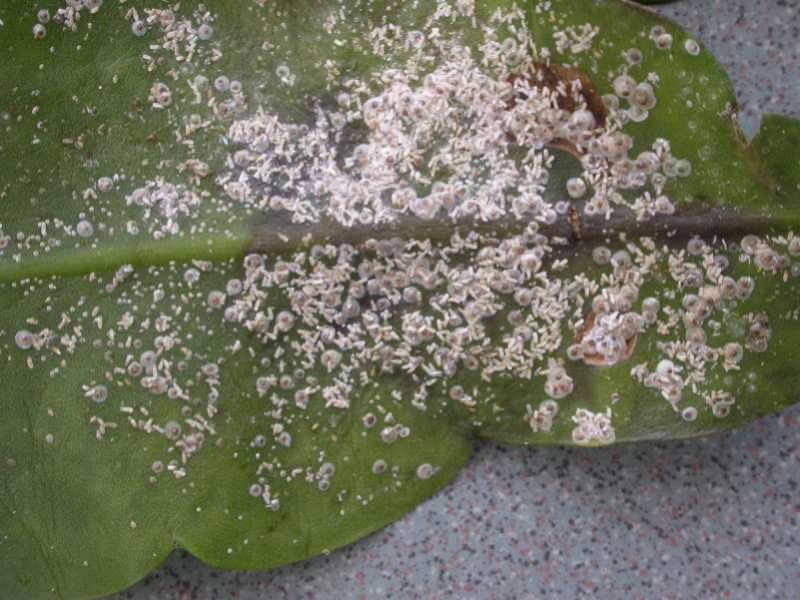
Pests (mealybugs, scale) and organic treatments 🐛
These sap-suckers love hidden crevices.
- Inspect regularly.
- Treat with 70% isopropyl alcohol on a Q-tip or neem oil spray.
- Severe cases: Insecticidal soap weekly.
Etiolation (stretched growth) and correction
Cause: Low light → “Stretched” weak stems.
Fix: Gradually increase light; prune elongated parts for bushier regrowth.
Expert Tips for Bigger, Brighter Pink Blooms ✨
After 15+ years, these are my top bloom-boosting hacks:
- Controlled Stress: Slight drought + cool nights = more buds.
- Pot Choice: Slightly root-bound plants flower better—don’t oversize.
- Air Circulation: Good airflow prevents fungal issues and strengthens stems.
- Deadhead Spent Blooms: Encourages repeat flowering in species like Mammillaria.
- Outdoor Summer Vacation: Move hardy types outside for natural light/temperature swings (bring in before frost).
Styling Your Pink-Flowering Cacti at Home 🏡
Pink blooms shine in thoughtful displays.
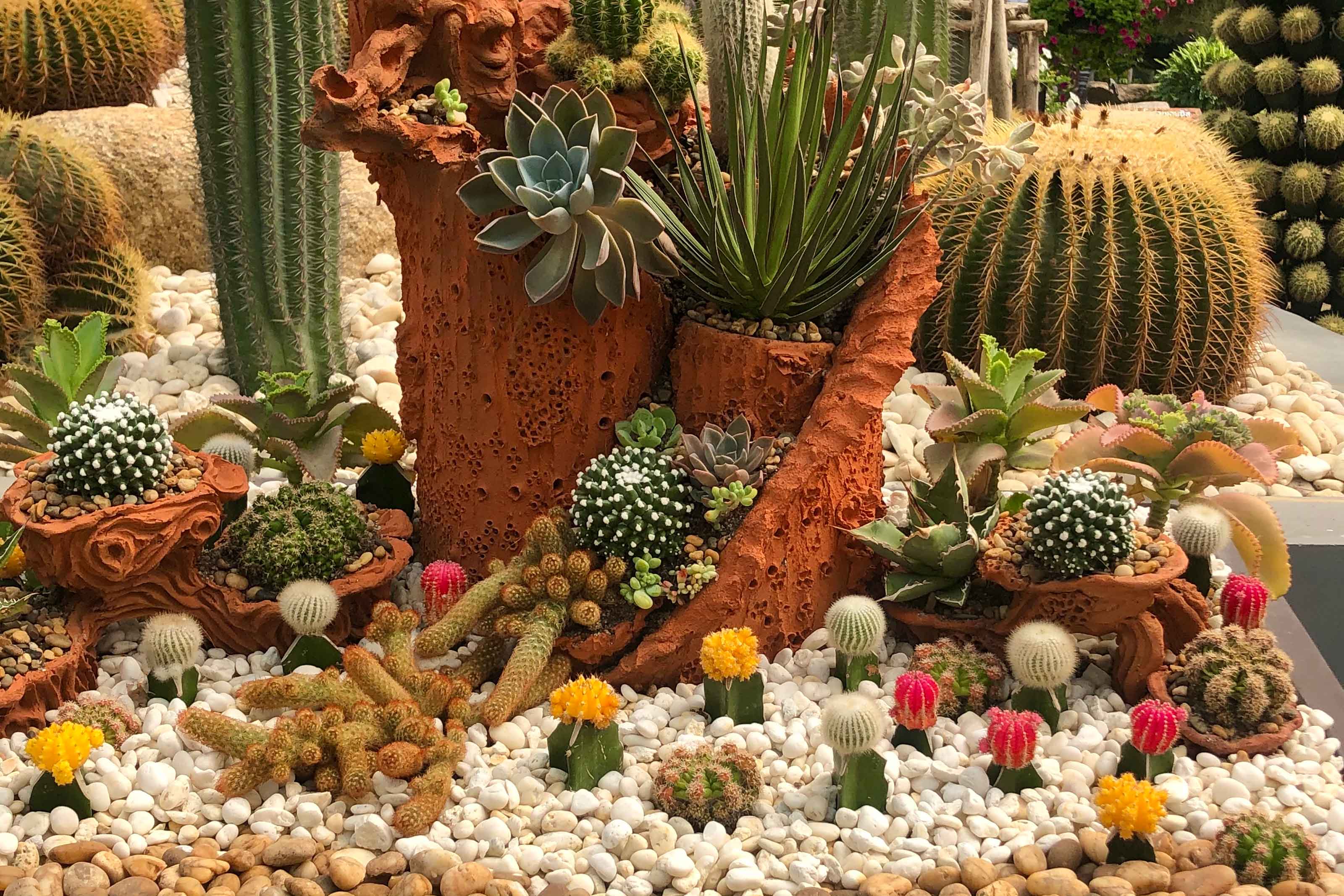
- Dish Gardens: Group small globular types (Rebutia, Parodia) with gravel mulch.
- Hanging Baskets: Trailing Peanut or holiday cacti for cascading pink waterfalls.
- Modern Shelves: Moon cacti in colorful ceramic pots for pops of pink.
- Terrariums: Open-top only—closed ones trap moisture.
Pair with neutral decor to let those pink flowers steal the show! 📸
Quick Comparison Table: Top Pink-Flowering Cacti
| Variety | Bloom Shade | Bloom Season | Mature Size | Difficulty | Indoor/Outdoor |
|---|---|---|---|---|---|
| Moon Cactus | Bright pink body | Spring | 3–6″ tall | Beginner | Indoor |
| Peanut Cactus | Vivid pink | Late spring | Trailing 12″ | Beginner | Indoor |
| Rose Pincushion | Pink-purple | Spring/repeat | 4–6″ | Beginner | Both |
| Rebutia | Hot pink | Early spring | 2–4″ | Beginner | Both |
| Thanksgiving Cactus | Soft pink | Fall | Trailing 24″ | Beginner | Indoor |
| Christmas Cactus | Layered pink | Winter | Trailing 36″ | Beginner | Indoor |
| Orchid Cactus | Huge pink | Spring nights | Trailing feet | Intermediate | Indoor |
| Claret Cup | Magenta | Spring | Mounds 2′ | Intermediate | Outdoor |
| Beavertail Prickly Pear | Rose pink | Spring | 1–3′ wide | Beginner | Outdoor |
| Silver Ball | Bright pink | Spring | 4–6″ | Beginner | Both |
Frequently Asked Questions (FAQ) ❓
What cactus has the brightest pink flowers? Lobivia or certain Rebutia cultivars deliver electric hot-pink blooms that glow under light.
Are pink moon cacti real or grafted? The colorful top is a chlorophyll-lacking mutant grafted onto a green rootstock—completely real and popular!
How often do these cacti bloom? Once mature, many flower annually; some (Mammillaria, Rebutia) repeat multiple times with good care.
Can I grow them outdoors year-round? Hardy types (Echinocereus, Opuntia) in zones 8–11; others need protection or indoor overwintering.
Why is my cactus flowering pink instead of red/orange? Genetics + environmental factors like pH and temperature influence pigment intensity.
Conclusion 🌟
A cactus plant with pink flowers offers unbeatable beauty with minimal effort—vibrant blooms, sculptural forms, and forgiving nature make them perfect for any home. Whether you choose the whimsical Moon Cactus, cascading holiday varieties, or prolific spring bloomers, following this guide will reward you with stunning pink displays year after year.
Pick your favorite from our top 13, start with proper light and drainage, and watch the magic happen. Happy growing—share your blooming successes in the comments below! 🌸🌵











