
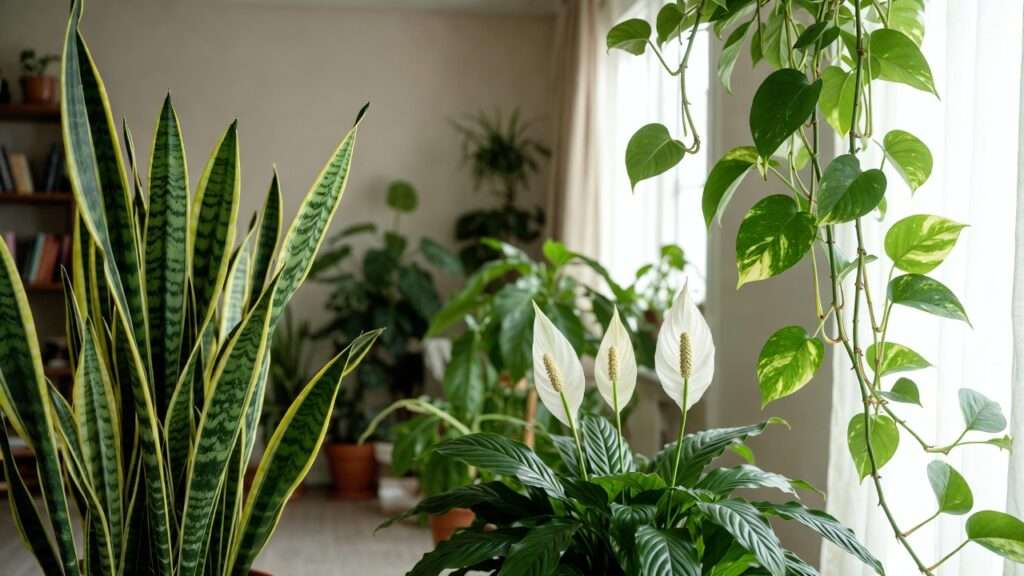
In our hectic, always-on world, finding a moment of true calm at home can feel like a luxury. Picture this: you step through the door after a long day, and instead of chaos, you’re greeted by soft, lush greenery that instantly eases your shoulders and slows your breathing. Your heart rate dips, stress melts away, and a gentle sense of balance settles in. That’s not magic—it’s the calming effect of green color in décor, amplified powerfully by living houseplants.
As someone who’s spent years nurturing indoor gardens and studying how plants transform living spaces (and minds), I can tell you this isn’t just feel-good advice. Color psychology shows green as one of the most restful hues for the human eye—its wavelength requires minimal effort to process, reducing eye strain and promoting physical relaxation. Paired with the biophilia hypothesis (our innate affinity for nature), houseplants deliver authentic green tones that go beyond paint or pillows: they purify air, release oxygen, and create dynamic, ever-changing serenity. 🌱
Whether you’re dealing with urban stress, poor sleep, or simply craving a more peaceful home sanctuary, this in-depth guide draws on scientific insights, practical plant expertise, and real-world styling strategies to help you harness the calming effect of green color in décor through easy-to-care-for houseplants. Let’s turn your space into a living oasis of tranquility.
Why Green Has Such a Powerful Calming Effect on Our Minds 🧠💚
Green isn’t just a pretty color—it’s deeply wired into our biology and psychology.
The Science of Color Psychology and Green 🔬 Research consistently shows that green evokes relaxation because it’s the dominant color in nature, symbolizing growth, renewal, harmony, and balance. Studies in environmental psychology reveal that viewing green lowers heart rate, reduces blood pressure, and decreases cortisol (the primary stress hormone). For instance, exposure to green environments has been linked to faster stress recovery, improved mood, and even enhanced creativity—thanks to shorter wavelengths that feel “cool” and soothing to our eyes and brain.
One fascinating finding: green is often the most restful color optically, as it falls in the middle of the visible spectrum, causing the least strain on retinal muscles. This explains why “green rooms” are used backstage to calm performers before shows. In interior design, green promotes emotional stability, reduces anxiety, and fosters a grounded sense of security—making it ideal for homes where peace is the goal. 💆♀️
Green in Interior Design: More Than Just Aesthetic 🎨 Historically and today, designers use green to create nurturing, balanced spaces. Compared to blue (cool and serene but sometimes distant), green feels more nurturing and alive—evoking forests, meadows, and renewal. While walls painted sage or mint can help, they remain static. Living green through houseplants outperforms static décor by being dynamic: leaves move gently with air currents, colors shift with light, and the plants grow, reminding us of life’s quiet resilience. This living element ties directly into biophilic design, which research shows combats urban fatigue and boosts overall well-being.
The Unique Advantages of Using Houseplants to Harness the Calming Effect of Green Color in Décor 🌱❤️
Houseplants aren’t just décor—they’re natural wellness tools that deliver multifaceted benefits.
Biophilic Design Benefits The biophilia hypothesis suggests humans are biologically wired to connect with nature. Bringing plants indoors reduces loneliness, lowers stress, and improves mental health by mimicking outdoor environments. Studies show biophilic interiors speed stress recovery, with participants in plant-filled spaces reporting lower anxiety and better mood after stressors. In real terms, even a few well-placed plants can make your home feel like a restorative retreat. 🌳
Air Quality & Sleep Improvement Classic NASA research (and follow-up studies) highlights how certain houseplants filter indoor toxins like formaldehyde and benzene while boosting humidity and oxygen levels—especially valuable in bedrooms. Snake plants, for example, release oxygen at night, supporting deeper, more restful sleep. Cleaner air means fewer headaches and better focus, compounding the calming vibe.
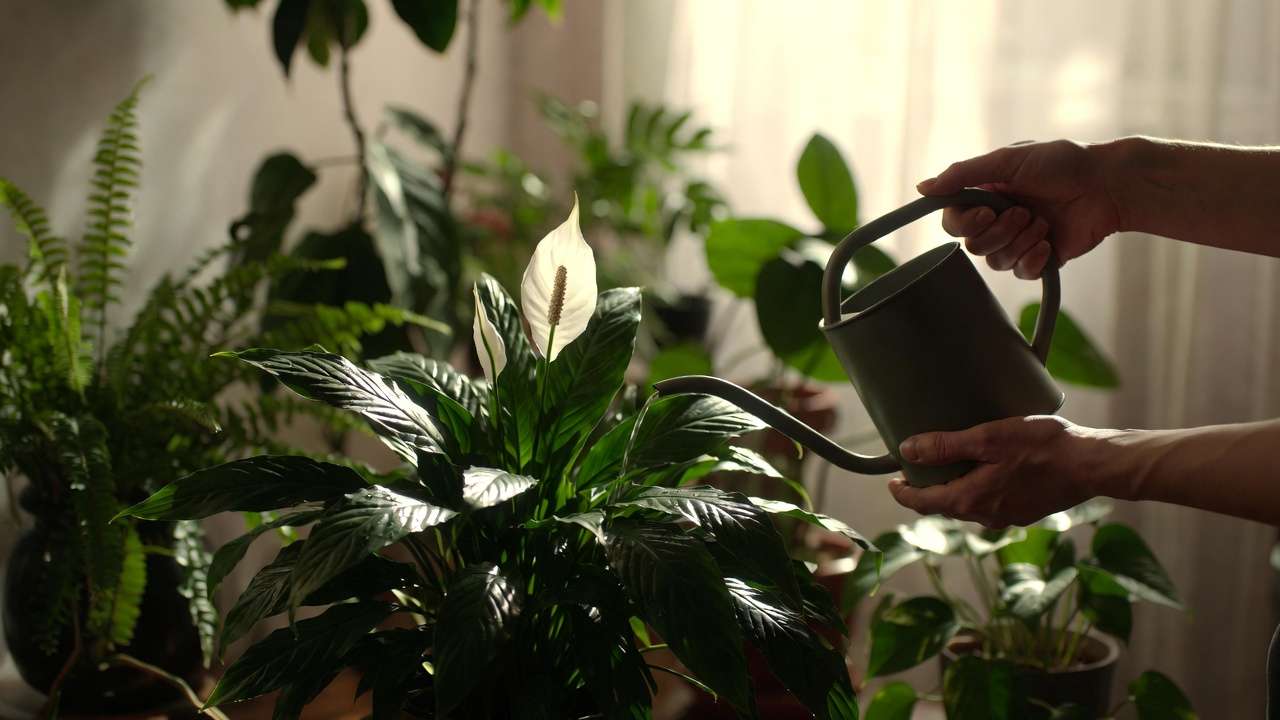
Mindfulness & Purpose Caring for plants builds gentle routines: watering, pruning, observing growth. This mindful interaction acts as natural therapy, fostering patience, accomplishment, and presence—perfect antidotes to burnout and digital overload. Many find the simple act of tending greenery therapeutic, turning daily chores into moments of peace.
Versatility for Any Space From cozy apartments to spacious homes, plants scale beautifully. Low-light tolerant varieties thrive in dim corners, while trailing types soften shelves—making the calming effect accessible no matter your setup.
Top Calming Houseplants That Maximize the Soothing Power of Green 🍃🏆
Selecting the right plants is key to truly capturing the calming effect of green color in décor. The best choices combine lush, restful foliage with forgiving care needs, air-purifying abilities, and visual textures that promote relaxation. Drawing from color psychology (where deep, natural greens evoke balance) and recent studies on indoor greenery for stress relief, here are standout recommendations tailored for peace-seeking homes.
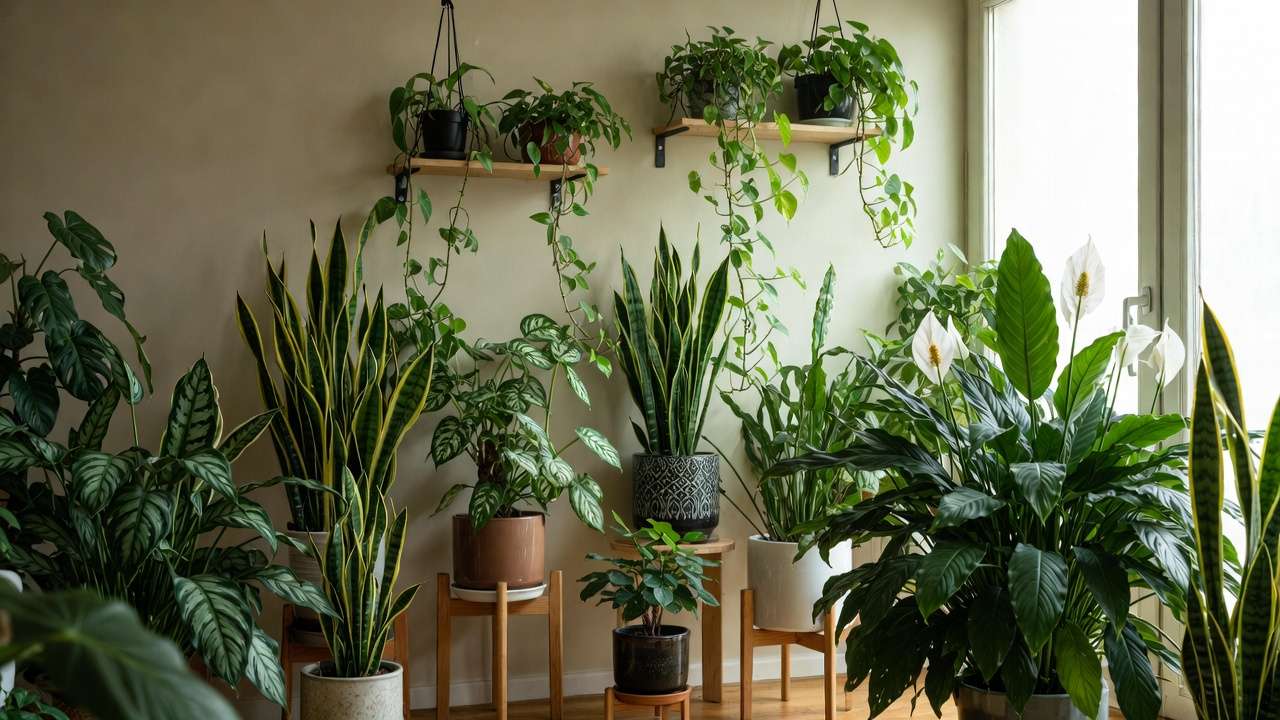
Beginner-Friendly & Low-Maintenance Stars 🌟 These resilient varieties deliver instant calm without demanding expert-level care—perfect if you’re new to plants or have a busy life.
Snake Plant (Dracaena trifasciata, formerly Sansevieria): Often called the “unkillable” plant, its upright, sword-like leaves in rich green tones create a grounding, architectural presence. It purifies air by removing toxins like formaldehyde and benzene (supported by the classic NASA Clean Air Study and ongoing validations), and uniquely releases oxygen at night—ideal for bedrooms to enhance restorative sleep. Its bold yet serene form reduces visual clutter and promotes mental clarity. Low light? No problem. Water sparingly. Pure stress-relief in plant form. 🐍
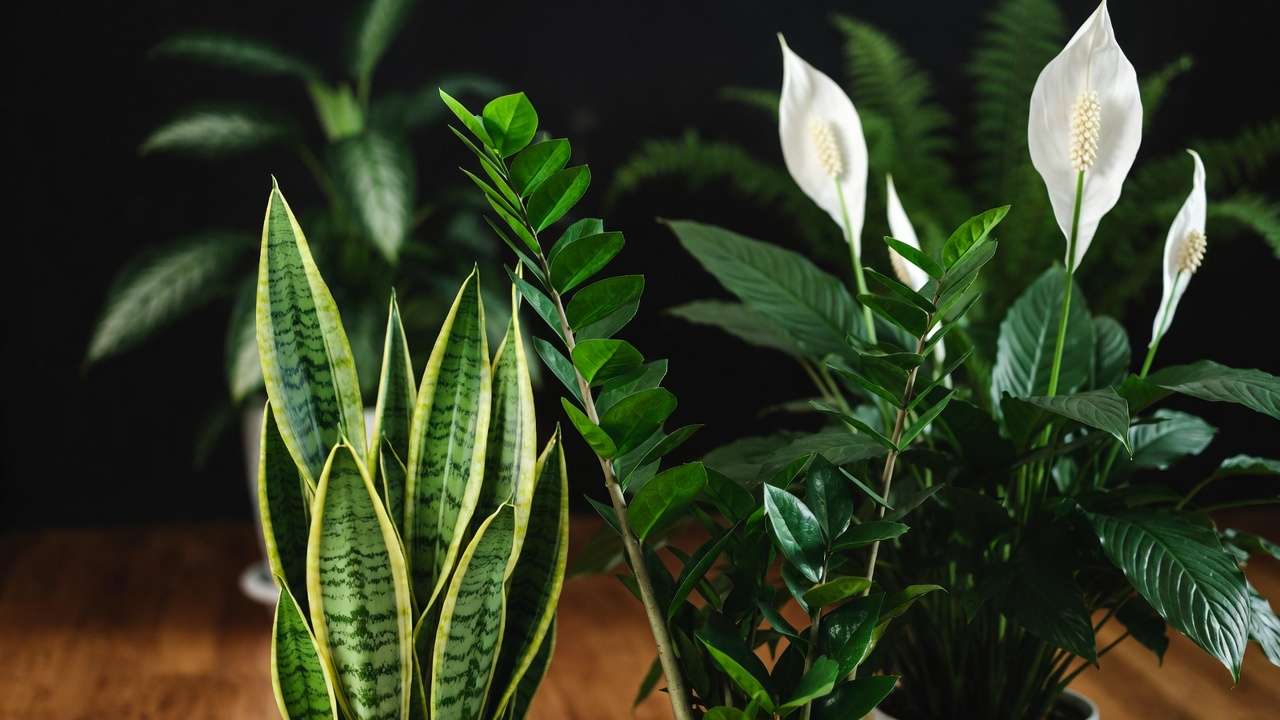
Pothos (Epipremnum aureum): Also known as Devil’s Ivy, this trailing beauty with heart-shaped, glossy green (or variegated) leaves cascades softly, softening hard edges and creating flowing, gentle movement. Research highlights pothos as one of the top plants for perceived well-being, thanks to its calming green hues and easy propagation (snip a vine, root in water—watch new life grow, boosting feelings of accomplishment). Forgiving in low-to-medium light, it thrives on neglect, making it a forgiving companion for anxiety reduction.
ZZ Plant (Zamioculcas zamiifolia): With shiny, deep emerald leaves on sturdy stems, the ZZ exudes quiet confidence and stability. Extremely drought-tolerant and low-light loving, it’s a symbol of resilience—perfect for reminding you that calm can endure tough conditions. Its glossy texture reflects light softly, adding a spa-like serenity without fuss.
Elegant & Air-Purifying Options 🌸 For those wanting graceful beauty plus proven wellness perks:
- Peace Lily (Spathiphyllum): True to its name, this plant’s lush dark-green leaves and occasional delicate white blooms (which contrast beautifully with the foliage) symbolize tranquility. It excels at increasing humidity and filtering toxins, creating a fresher, more breathable space that feels restorative. Studies link peace lilies to reduced stress and improved mood—place one in a dim corner, and watch it become your daily dose of peace. Note: Keep soil moist but not soggy.
- Spider Plant (Chlorophytum comosum): Airy, arching leaves in bright green produce adorable “pups” (baby plants) that dangle like friendly reminders of growth and renewal. NASA-ranked for air purification, it’s non-toxic and thrives in indirect light—great for hanging baskets that create soft, floating green layers. Its playful yet soothing form helps shift focus from worries to gentle observation.
Statement Plants for Deeper Tranquility 🌳 These larger specimens mimic mini-forests, enveloping you in immersive calm.
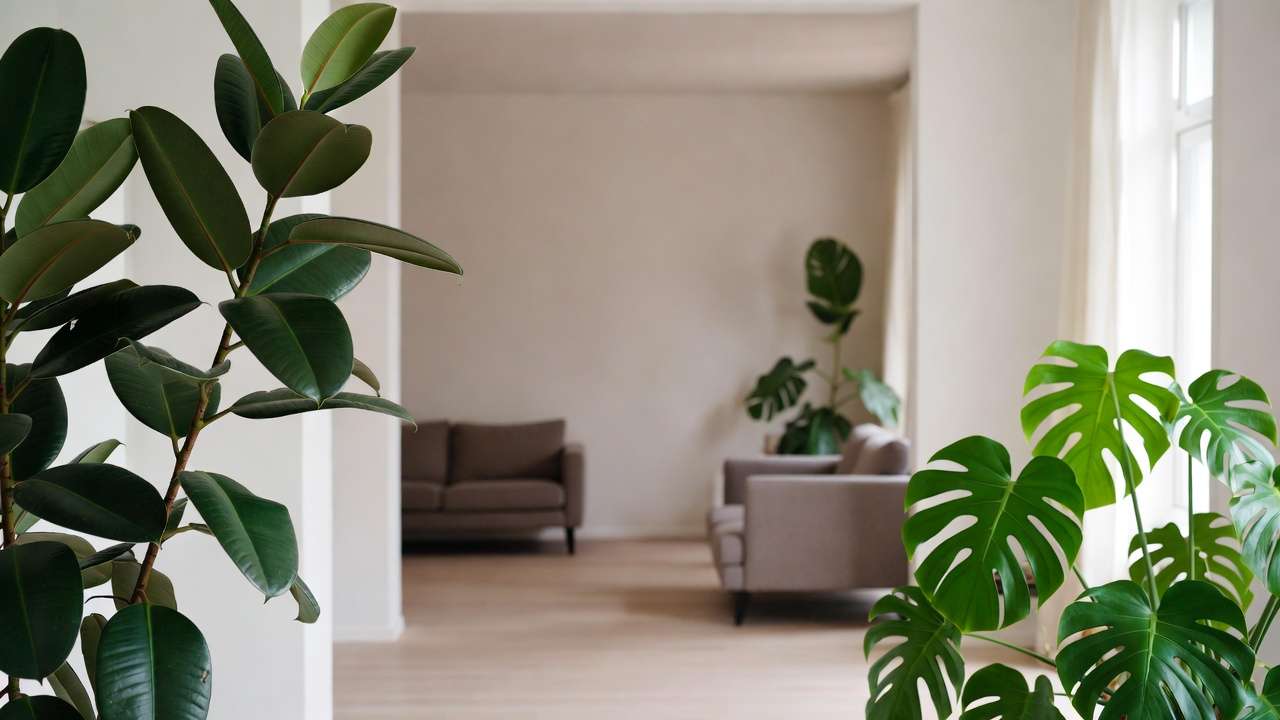
- Rubber Plant (Ficus elastica) or Fiddle Leaf Fig (Ficus lyrata): Tall, broad glossy leaves in vibrant green create canopy-like shade and depth, evoking peaceful woodland vibes. They add vertical interest and biophilic scale—research shows larger greenery clusters enhance restoration effects. (Pro tip: Wipe leaves for shine to maximize reflective calm.)
- Monstera (Monstera deliciosa): Iconic split “Swiss cheese” leaves bring tropical serenity and a sense of exotic escape. Its bold yet organic shape promotes creativity while grounding the space—perfect for living rooms craving balance.
- Ferns (e.g., Boston Fern – Nephrolepidaceae): Soft, feathery fronds in fresh green mimic misty forest floors. Humidity-loving and air-purifying, they create a spa-like mistiness that soothes dry indoor air and minds.
Bonus Mood-Boosters 🌺
- Lavender (if you can provide bright light): Its subtle herbal scent enhances relaxation—aromatherapy meets greenery.
- Aloe Vera: Sculptural, fleshy green leaves offer healing vibes (gel for minor burns) and low-care calm.
A 2025 study suggests aiming for about 20% greenery coverage (e.g., 15–20 plants in a medium room) for peak restoration—too much can feel overwhelming, so start gradually and observe what feels most peaceful to you.
How to Style Houseplants for Maximum Calming Green Impact 🪴✨
Styling isn’t just about looks—it’s about curating an environment that actively supports relaxation through thoughtful placement and balance.
Create Intentional Green Corners Group plants at varying heights: a tall anchor (like a snake plant), medium fillers (pothos on a stand), and trailing accents (spider plant in a hanger). This mimics natural layering in forests, adding depth without chaos. Mix textures—glossy ZZ leaves next to feathery ferns—for visual interest that engages the eye gently.
Room-by-Room Ideas 🏠
- Bedroom: Place low-light peace lilies or snake plants on nightstands or hanging pothos for soft, flowing green that promotes deeper sleep. Avoid strong fragrances; focus on clean lines.
- Living Room: Use statement rubber plants or monsteras as focal points, grouped with smaller companions for an immersive oasis. Neutral walls let the green pop.
- Home Office: Desk-sized pothos or ZZ plants reduce screen fatigue—position to catch peripheral vision for subtle mood lifts during work.
- Bathroom/Kitchen: Humidity-loving ferns or peace lilies thrive here, turning routines into spa moments.
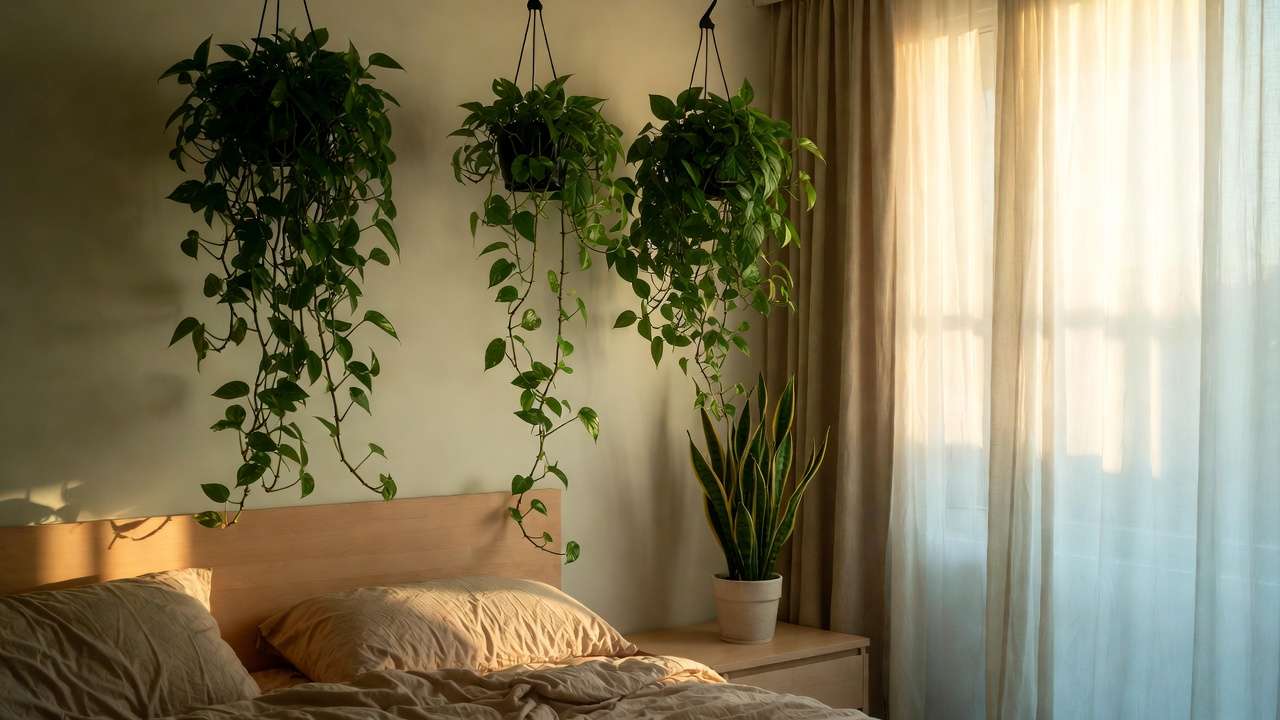
Decor Pairing Tips Pair with earthy neutrals (beige, soft wood, white) so green becomes the star. Choose matte ceramic pots in terracotta tones or woven macramé hangers for organic texture. Maximize natural light—morning sun makes greens glow vibrantly, reinforcing renewal and positivity.
Essential Care Tips to Keep Your Calming Green Oasis Thriving 🌿💧
Healthy plants sustain the calming effect—wilted ones can add subtle stress.
Light, Water, & Humidity Basics Most calming plants prefer bright, indirect light (east/west windows ideal). Water when the top 1–2 inches of soil feel dry—overwatering is the #1 killer. Boost humidity with pebble trays or grouping plants (they transpire together).
Common Mistakes to Avoid Poor drainage leads to root rot; always use pots with holes. Dust blocks photosynthesis—wipe leaves monthly. Watch for pests (mealybugs, spider mites)—treat early with neem oil.
Seasonal Adjustments & Troubleshooting Reduce watering in winter; fertilize sparingly in spring/summer. Yellow leaves? Often overwatering or low light—adjust and observe.
Sustainable & Eco-Friendly Practices Propagate cuttings to grow your collection for free (more green = more calm). Choose organic soil and avoid chemical pesticides—nurturing plants mindfully amplifies the mindfulness benefit.
Real-Life Transformations: Before-and-After Inspiration & Reader Stories 📸🌟
Imagine a cluttered apartment: bare walls, high stress. Adding a snake plant cluster and trailing pothos transformed it—residents report sleeping better, feeling less anxious, and enjoying quiet “plant check” moments daily. In offices, plant groupings cut reported tension by noticeable margins (echoing studies on productivity boosts up to 15%). Visualize your space: one peace lily on a shelf, and suddenly evenings feel softer.
Frequently Asked Questions (FAQs) ❓
- Does green décor really reduce stress scientifically? Yes—multiple studies show viewing green lowers cortisol, heart rate, and anxiety while boosting mood and recovery.
- Which houseplant is best for beginners seeking calm? Snake plant or pothos—tough, low-care, and instantly soothing.
- Can too much green be overwhelming? Possibly—research points to ~20% coverage as ideal; balance prevents “jungle fatigue.”
- How many plants do I need for noticeable calming benefits? Start with 5–10; even a few deliver air and mood perks, scaling up for deeper immersion.
- Are there pet-safe calming green plants? Yes—spider plant, Boston fern, and pothos (mildly toxic if chewed excessively, but generally safe); avoid peace lily around pets.
Conclusion: Bring Lasting Peace Home with Green Today 🌳🙏
The calming effect of green color in décor isn’t fleeting—it’s amplified beautifully by houseplants that live, breathe, and grow alongside you. From lowering stress hormones to purifying air and fostering gentle mindfulness, these living elements offer real, science-backed sanctuary in a chaotic world.
Start small: Choose one forgiving plant like a snake plant or pothos this week. Place it where you’ll see it daily, care for it mindfully, and notice how your space—and your inner calm—begins to shift. In time, your home becomes more than walls; it becomes a growing haven of peace.
Have you added green to your décor yet? Share your calming plant stories or favorite varieties below—I’d love to hear how nature is bringing you peace! 🌱💚











