
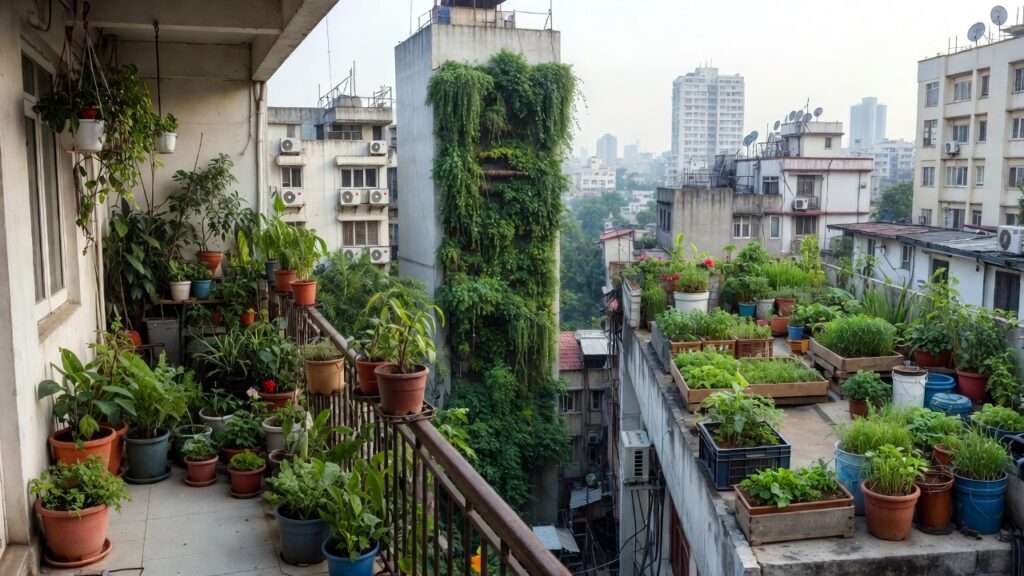
Imagine stepping onto your cramped balcony in the heart of Dhaka, surrounded by towering concrete buildings, honking traffic, and hazy air, yet finding a vibrant mini-oasis of lush greens, fresh herbs, and even a small fruit tree bearing ripe tomatoes. 🌱🍅 Sounds dreamy? For many city dwellers, it starts as a dream but quickly hits harsh realities: tiny spaces, questionable soil, choking pollution, flickering sunlight, and relentless pests.
Yet urban gardening is booming—offering fresh produce, stress relief, better air quality, and a touch of nature in our concrete jungles. In densely populated cities like Dhaka, where rooftop and balcony spaces are untapped goldmines, turning these challenges into opportunities isn’t just possible—it’s essential for healthier living and sustainability.
This in-depth guide dives deep into the challenges of urban gardening solutions, drawing from extension services, university research (like USDA and local Bangladeshi initiatives), and real-world successes. We’ll cover proven strategies to overcome space limits, contaminated soil, air pollution, low light, water issues, pests, and more—empowering you to grow thriving plants and trees right in your urban home. Whether you’re a beginner on a tiny balcony or scaling up a rooftop setup, these expert-backed tips will help your city garden flourish. Let’s turn barriers into bountiful harvests! 🚀
Why Urban Gardening Matters in Cities Today 🌍💚
Urban gardening isn’t just a hobby—it’s a lifeline in fast-growing cities. In places like Dhaka, where green spaces are shrinking and air pollution often ranks among the world’s worst, small-scale plant care brings big benefits.
For individuals: Homegrown veggies and herbs mean fresher, pesticide-free food, reduced grocery bills, and mental health boosts from nurturing plants—studies show gardening lowers stress and improves mood. 🌸
Broader impacts: Urban gardens combat urban heat islands (where cities are 2–7°C hotter than surroundings due to concrete), filter pollutants, sequester carbon, support pollinators, and enhance biodiversity. Rooftop greenery can lower building temperatures, cut energy use for cooling, and even mitigate flooding by absorbing rainwater.
Backed by organizations like the FAO and local efforts (e.g., Green Savers in Dhaka promoting rooftop gardens), urban agriculture promotes food security, community building, and climate resilience. In polluted, space-scarce environments, these small acts create healthier, greener cities—one pot at a time. 🌳
Major Challenges in Urban Gardening & Practical Solutions 🛠️
1. Limited Space: Turning Tiny Areas into Productive Gardens 📏🌱
Space is the #1 barrier in cities—most Dhaka apartments offer only balconies, windowsills, or rooftops, with no ground access.
Solutions that maximize every inch:
- Vertical gardening is a game-changer: Use wall pockets, hanging planters, trellises, or modular systems to grow upwards. Stack shelves or PVC pipes drilled with holes for herbs like coriander, mint, or lettuce.
- Containers and raised beds: Lightweight pots (fabric or plastic) on balconies; ensure proper drainage to avoid waterlogging.
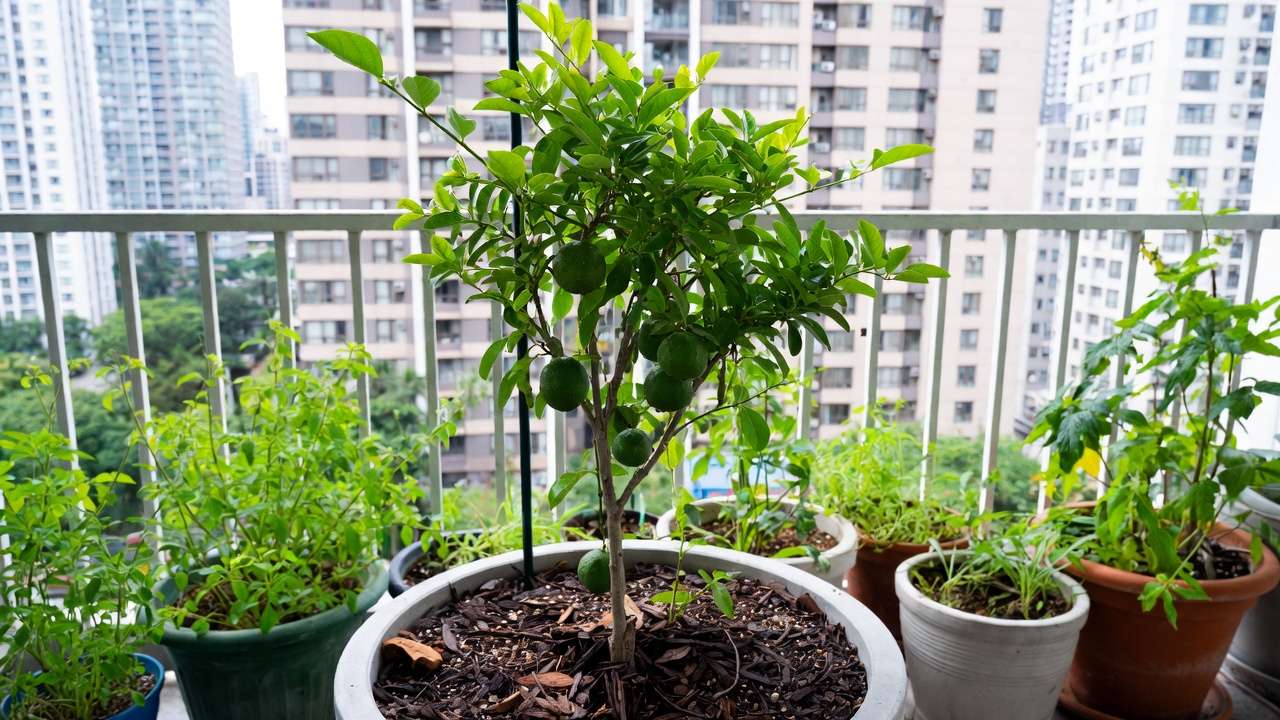
- Compact varieties: Choose dwarf fruit trees (e.g., dwarf mango or lemon suited to pots), bush beans, or trailing plants like strawberries.
- Multi-level setups: Tiered stands or railing planters create layers without crowding floors.
Expert tip: Always check rooftop weight limits—consult a structural engineer if adding heavy soil or large containers. In Dhaka’s humid climate, opt for wind-resistant designs with secure anchors. Start small: One vertical wall can yield herbs for daily cooking!
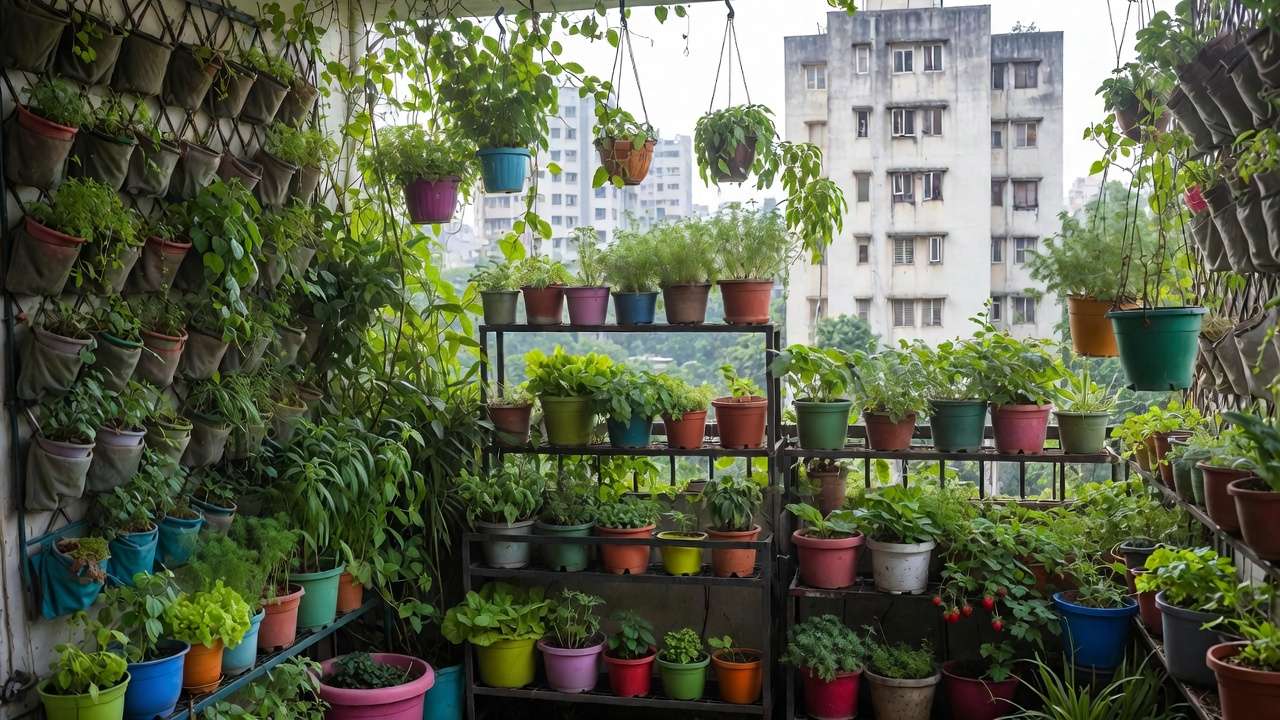
2. Poor or Contaminated Soil: Building Healthy Foundations Safely 🪴⚠️
Urban soil is often compacted, nutrient-poor, or contaminated with heavy metals (lead from old paint/traffic), chemicals, or debris—common in older Dhaka areas near roads or industrial zones.
Solutions for safe, fertile growing:
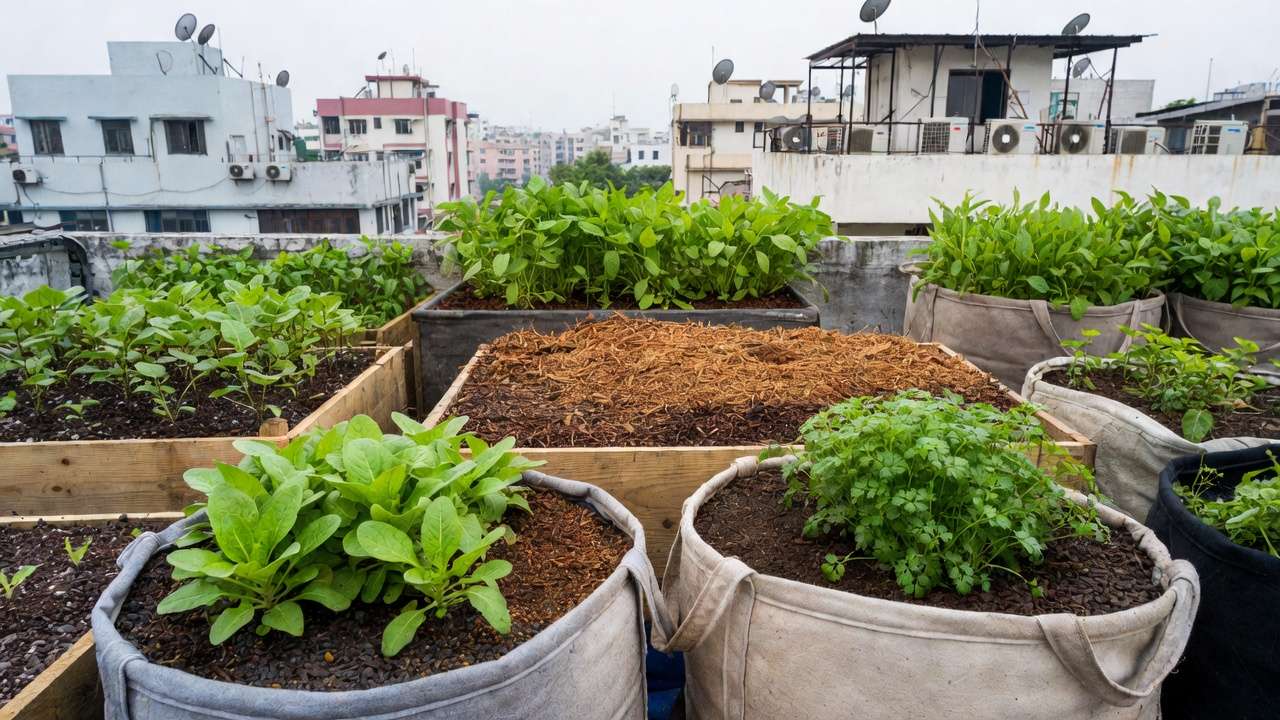
- Skip in-ground planting: Use raised beds or containers filled with clean potting mix (equal parts loamy soil, compost/cow dung, and coco peat—widely available locally).
- Soil testing: Get a basic test for pH, nutrients, and contaminants before starting edibles.
- Organic amendments: Add compost, vermicompost, or neem cake to boost fertility and microbial life naturally.
- Phytoremediation: Grow sunflowers or mustard greens first to absorb some toxins (then discard them).
H3: Safe Practices for Edible Plants For veggies/herbs, avoid root crops in suspect soil; wash produce thoroughly. Focus on leafy greens (spinach, coriander) or fruits above ground. In polluted cities, container gardening with fresh media is the safest bet—many Dhaka rooftop gardeners swear by this method for toxin-free harvests.
Pro insight: Prevention beats cure—regular composting builds resilient soil over time, reducing disease risks.
3. Air Pollution and Environmental Stressors: Protecting Plants from City Hazards 🌫️
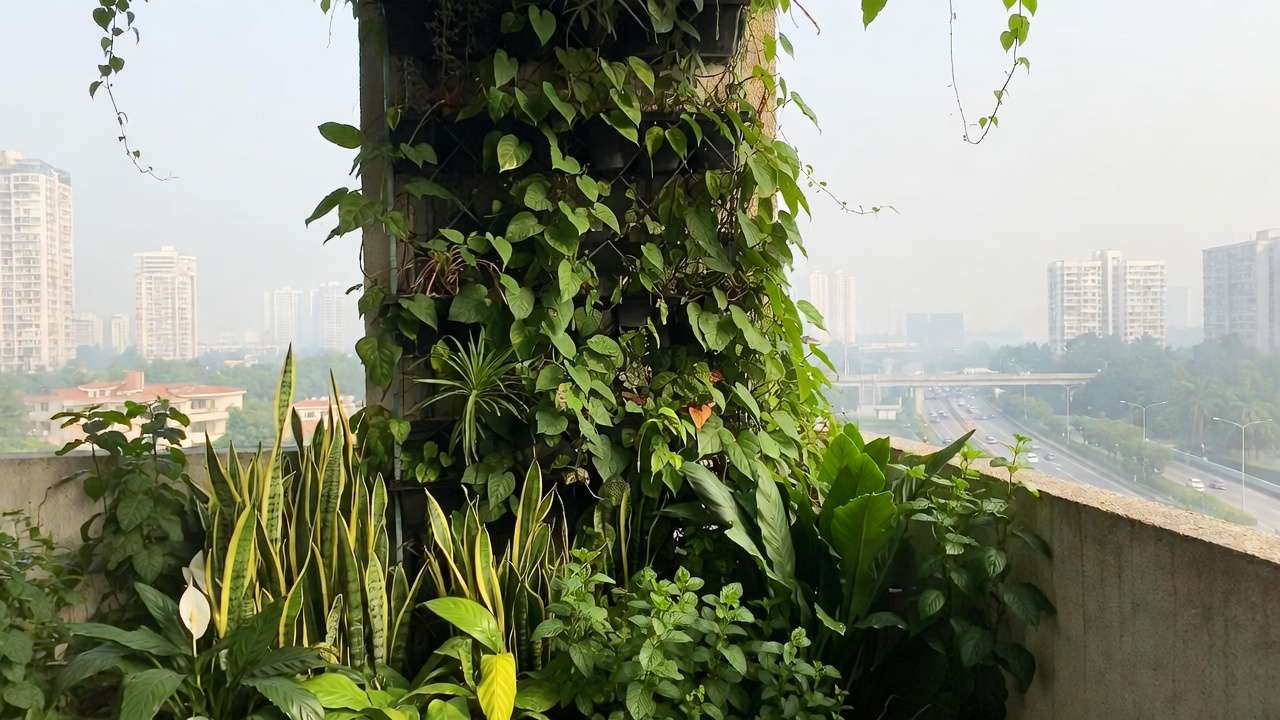
Dhaka’s notorious air pollution (particulates, ozone, vehicle emissions) stresses plants, causing leaf damage, stunted growth, or reduced yields. Urban heat islands amplify this with extreme temperatures.
Solutions to build resilience:
- Pollution-tolerant plants: Hardy options like snake plant, spider plant, peace lily (air-purifiers indoors/outdoors), or tough herbs (mint, basil). For trees: Neem or drumstick (moringa) handle city conditions well.
- Barriers: Position plants away from busy roads; use windbreaks like bamboo screens.
- Leaf care: Wipe leaves regularly to remove dust buildup, improving photosynthesis.
- Mulching and shading: Thick mulch retains moisture and cools roots; provide afternoon shade during peak heat.
Bonus: Your garden fights back—plants filter air, reduce urban heat (trees can cool areas by 1–5°C via shade/evapotranspiration), and boost oxygen. Large-scale rooftop adoption could ease Dhaka’s heat and pollution woes! 🌬️
4. Limited Sunlight and Microclimates: Maximizing Light in Shaded Cities ☀️🕶️
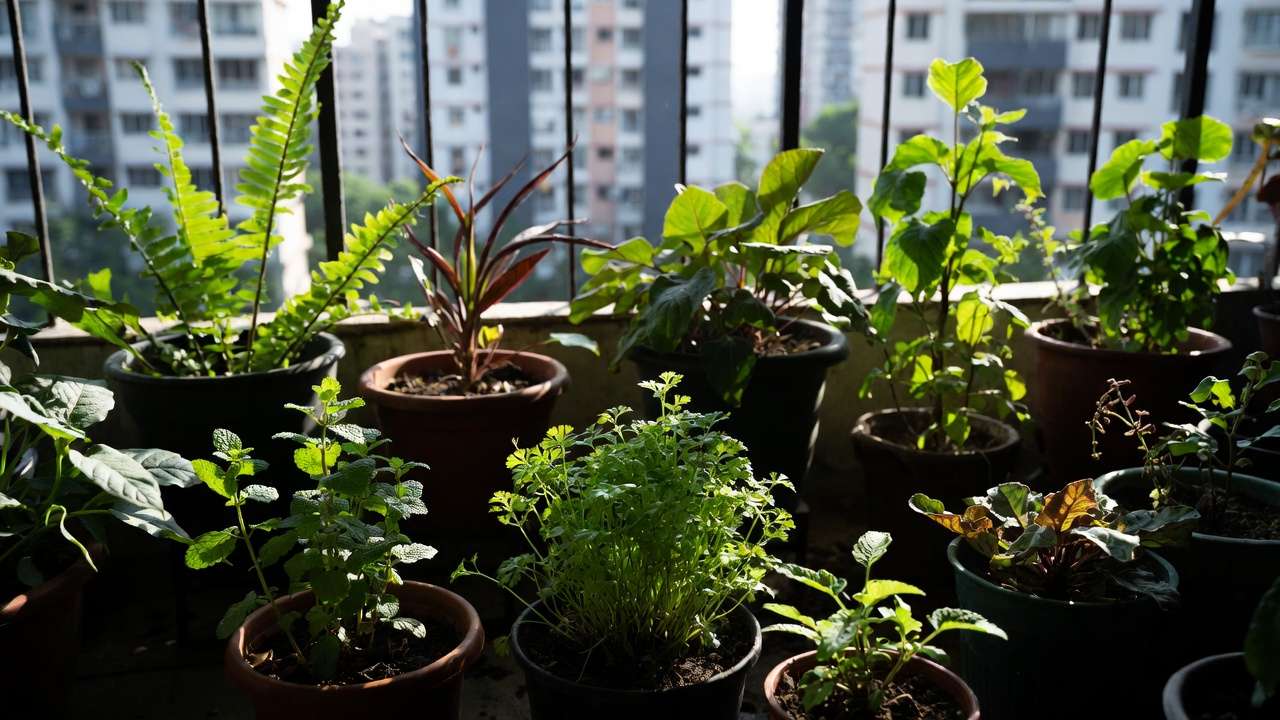
Tall buildings block sun, leaving many balconies with partial or dappled light—common in Dhaka’s high-rises.
Solutions for brighter results:
- Map your space: Track sunlight hours; place sun-lovers (tomatoes, chilies) in brightest spots.
- Shade-tolerant picks: Ferns, mint, coriander, spinach, or leafy greens thrive in low light.
- Reflective aids: White walls/pots bounce light; supplemental grow lights (LED) for indoors or very shaded areas.
- Tree care angle: Prune overhanging branches if possible; choose sun-tolerant urban trees like small citrus in pots.
Observe microclimates—balcony corners can vary dramatically—and adjust plant placement seasonally.
5. Water Management Woes: Efficient Watering in Urban Settings 💧
High evaporation, inconsistent rain, and water restrictions challenge urban gardeners.
Solutions for smart hydration:
- Drip irrigation or self-watering pots reduce waste.
- Rainwater harvesting: Collect monsoon rain in barrels (huge in Dhaka’s wet season).
- Mulching: Organic mulch locks in moisture.
- Timing: Water early morning to minimize loss.
- Sustainable hacks: Reuse greywater (from washing veggies) cautiously after filtering.
In humid Dhaka, overwatering risks root rot—check soil moisture with your finger!
6. Pests, Diseases, and Wildlife Intruders 🐛🦟
Urban proximity boosts pests (aphids, slugs, birds) with fewer natural predators.
Solutions via Integrated Pest Management (IPM):
- Prevention: Healthy soil/plants resist better; proper spacing.
- Natural controls: Neem oil, companion planting (marigolds deter nematodes), beneficial insects.
- Common foes: Aphids on new growth—blast with water; slugs—beer traps.
- Avoid chemicals: Protect pollinators and edible safety.
Monitor weekly—early action prevents outbreaks.
7. Additional Barriers: Time, Cost, Regulations, and Community Issues ⏰💰
Busy lives, startup expenses, building rules (some ban heavy rooftops), and isolation.
Solutions: Low-maintenance natives, budget pots from local markets, join Dhaka gardening groups (Facebook communities thrive!), or start micro—herbs need little time/money. Check regulations early.
Advanced Techniques for Thriving Urban Plant & Tree Care 🌳✨
Once you’ve tackled the core barriers, elevate your urban garden with these proven advanced methods tailored for city conditions—especially in humid, polluted, high-density environments like Dhaka.
Hydroponics and Aquaponics for Space-Efficient Growing No soil? No problem! Hydroponic systems (nutrient-rich water solutions) allow you to grow herbs, lettuce, or even small tomatoes vertically with 90% less water than traditional methods. Simple DIY setups using PVC pipes, net pots, and an air pump cost under 5,000–10,000 BDT to start. Aquaponics adds fish (tilapia works well locally) for natural fertilizer—perfect for balconies with limited floor space. Pro tip: Monitor pH (5.5–6.5) and EC levels weekly; local suppliers in Dhaka (e.g., near Farmgate or online) offer affordable kits.
Rooftop-Specific Best Practices Dhaka rooftops get intense sun, monsoon winds, and heat reflection—design accordingly:
- Install windbreaks (bamboo fencing or trellised vines).
- Use excellent drainage (gravel base + perforated pots) to prevent waterlogging during heavy rains.
- Lightweight growing media (coco coir + perlite mix) reduces load.
- Shade cloth (30–50% during peak summer) protects delicate plants.
Many successful Dhaka rooftop farms grow okra, brinjal, and even drumstick trees using these techniques.
Seasonal Planning and Succession Planting Plan around Dhaka’s seasons:
- Winter (Nov–Feb): Cool-season crops like spinach, radish, cauliflower.
- Summer (Mar–May): Heat-tolerant okra, amaranth, chilies.
- Monsoon (Jun–Oct): Focus on drainage, fungal-resistant varieties, and quick crops like beans. Succession planting—stagger sowing every 2–3 weeks—ensures continuous harvest in small spaces.
Container Tree Care: Root Pruning, Fertilizing, and Long-Term Health Urban trees in pots need extra love:
- Repot every 2–3 years; root prune to prevent circling.
- Use slow-release organic fertilizer (cow dung compost + bone meal).
- Stake young trees against wind; mulch heavily. Recommended resilient urban trees: Moringa (drumstick), guava, curry leaf, or small citrus—all thrive in Dhaka’s climate with proper care. 🌿
Real-Life Success Stories & Case Studies 📖
Case Study 1: The 200 sq ft Balcony Transformation A young professional in Dhanmondi started with just five pots of herbs in 2023. By adopting vertical gardening and self-watering containers, she now harvests basil, mint, coriander, chilies, and cherry tomatoes year-round—saving ~2,000 BDT monthly on greens. Key lesson: Start small, observe what thrives, and scale gradually.
Case Study 2: Rooftop Community Garden in Mirpur A group of 12 families converted a shared rooftop into a productive space with raised beds, rainwater barrels, and composting. They grow seasonal veggies, share harvests, and even sell surplus at local markets. Despite initial pollution and water challenges, neem-based sprays and tolerant varieties turned it into a thriving model—proving community support beats isolation.
Case Study 3: Overcoming Heavy Pollution Near Tejgaon Industrial Area A homeowner used container gardening with clean media, air-purifying companion plants (snake plant, aloe), and regular leaf washing. After two years, his potted lemon tree produces 50+ fruits annually. Lesson: Pollution is manageable with the right plant choices and maintenance routines.
These stories show failures are common (overwatering, poor light choices), but persistence + smart tweaks lead to success.
Quick-Reference Tips & Checklists ✅
10 Must-Know Urban Gardening Hacks 🌟
- Use old buckets/paint cans as free pots (drill drainage holes).
- Coffee grounds + eggshells = free slow-release fertilizer.
- Plant marigolds to naturally repel pests.
- Reflective foil under pots boosts light for low-sun areas.
- Group plants by water needs to simplify care.
- Compost kitchen scraps in a bokashi bin for odor-free urban composting.
- Use mosquito-repellent plants (citronella, lemongrass) around seating areas.
- Label pots with planting dates for better succession.
- Take weekly photos to track progress and spot issues early.
- Join local Facebook groups like “Dhaka Urban Gardeners” for free seeds, advice, and swaps.
Beginner Starter Kit Checklist
- 5–10 lightweight containers (10–20 liter size)
- Quality potting mix + compost
- Basic tools: trowel, watering can, pruner
- Seeds/seedlings: coriander, mint, spinach, chili
- Neem oil spray bottle
- pH test strips (optional but helpful)
Seasonal Maintenance Calendar (Dhaka Climate)
- January–February: Sow cool-season crops, fertilize lightly.
- March–May: Mulch heavily, water consistently, watch for heat stress.
- June–October: Improve drainage, treat fungal issues early, harvest monsoon crops.
- November–December: Prune trees, prepare for winter planting.
Expert Insights from a Plant Care Specialist 👨🌾
As someone who has guided hundreds of urban gardeners in South Asia (including many in Dhaka), here are my top insider tips:
- Biggest mistake to avoid: Overcrowding plants—give them breathing room to reduce disease.
- Favorite resilient plants for polluted cities: Moringa, holy basil (tulsi), aloe vera, and pigeon pea—they tolerate stress and offer multiple uses (food, medicine, shade).
- Long-term tree health secret: Consistent deep watering (not frequent shallow) builds strong roots even in pots; add mycorrhizal fungi inoculants when repotting for better nutrient uptake.
- Sustainability mindset: Every small urban garden contributes to cooling the city and reducing food miles—your efforts matter more than you think!
Frequently Asked Questions (FAQs) ❓
Is urban gardening worth it in heavily polluted cities like Dhaka? Absolutely! While pollution poses challenges, container gardening with clean media and tolerant plants yields safe, fresh produce. Plus, your garden actively improves local air quality.
How do I start on a tiny balcony with almost no direct sun? Begin with shade-loving herbs (mint, coriander, parsley) in vertical pockets. Add reflective surfaces or low-watt LED grow lights for 4–6 hours supplemental light daily.
What if my building society doesn’t allow rooftop or balcony gardening? Start indoors with windowsill pots or negotiate for “light” greenery. Many societies now encourage it for heat reduction—present it as a building benefit!
Which low-maintenance plants are best for absolute beginners? Snake plant, pothos, ZZ plant (indoors), mint, basil, and moringa (outdoors)—they forgive neglect and thrive in city conditions.
How often should I test my potting soil? Every 6–12 months for nutrients/pH; test for heavy metals only if using old urban soil or suspect contamination.
Can I grow fruit trees successfully in urban pots? Yes—dwarf varieties of lemon, guava, papaya, or drumstick do exceptionally well with annual root pruning and balanced feeding.
How do I deal with monsoon fungal problems? Improve air circulation, avoid overhead watering, use neem spray preventatively, and choose resistant varieties.
Are there free or low-cost resources for urban gardeners in Dhaka? Yes—join Facebook groups, visit Krishi Mela, or contact local nurseries for seedling swaps. BRAC and some NGOs offer free workshops.
Conclusion: Your Path to a Thriving Urban Oasis 🌿🏡
The challenges of urban gardening solutions—limited space, poor soil, pollution, low light, water issues, pests, and city constraints—are very real, but they are far from insurmountable. With smart choices (containers, vertical systems, tolerant species), sustainable practices (mulching, composting, IPM), and a bit of experimentation, you can transform even the smallest urban corner into a productive, beautiful plant haven.
Start small today: Pick one balcony spot, plant a few resilient herbs, and watch your confidence (and harvest) grow. Your urban garden isn’t just about plants—it’s about healthier food, lower stress, cleaner air, and contributing to a greener Dhaka.
Have you started your city garden yet? Share your challenges, successes, or favorite plant in the comments—I’d love to hear and help! Happy gardening! 🌱💚











