
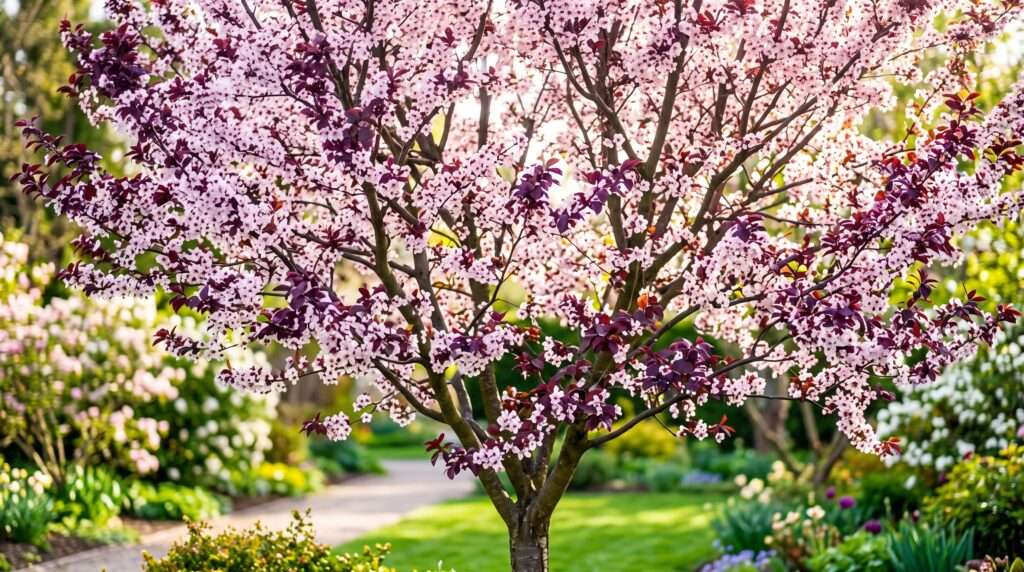
There is a brief, magical window in early spring when the garden awakens, and the cherry plum tree (Prunus cerasifera) steals the show. Before most other plants have even pushed out their first green shoots, this ornamental jewel erupts into a cloud of delicate, pale pink and stark white blossoms. But the real magic happens weeks later, as those flowers give way to a dense canopy of dramatic, deep burgundy and ruby-purple leaves.
Unfortunately, for many homeowners and landscape enthusiasts, the dream of maintaining that royal purple foliage often falls short. Without proper care, a once-vibrant cherry plum tree can quickly fade to a lackluster bronzy-green, suffer from brittle branches, or fall victim to notorious stone-fruit diseases like black knot or bacterial canker.
As an arborist and plant care specialist, I often see these magnificent trees struggling unnecessarily. The secret to a breathtaking, long-lived cherry plum isn’t found in reactive chemical sprays; it relies on proactive, preventative cultural practices. In this comprehensive guide, we will walk through a full-lifecycle roadmap to safeguard your tree’s color, ensure abundant spring blooms, and build bulletproof disease resistance. ✨
💡 Quick Reference: Cherry Plum Care at a Glance
-
Botanical Name: Prunus cerasifera
-
Hardiness Zones: USDA Zones 4/5 – 8/9 (depending on the specific cultivar)
-
Sunlight: Full sun (a minimum of 6–8 hours daily is required to maintain deep purple color)
-
Soil: Well-drained, fertile loam; slightly acidic to neutral (pH 6.0–7.5)
-
Key Vulnerabilities: Black knot disease, silver leaf, fungal leaf spot, and peach tree borers
2. Choosing & Identifying Your Variety: Ornamental vs. Fruiting 🍇🌳
While all cherry plums belong to the Prunus genus, not all are created equal. Cultivating the perfect tree starts with understanding exactly what is growing in your yard. Most modern cherry plums are bred specifically for their foliage rather than their fruit.
Top Ornamental Cultivars for Intense Foliage 🎨
If you are planting a new tree, selecting the right cultivar for your microclimate is your first step toward success:
-
‘Thundercloud’: The undisputed classic. It boasts persistent ruby-purple color throughout the brutal summer heat and is a standard in residential landscaping.
-
‘Newport’: A fantastic, cold-hardy selection. If you live in Zone 4, this is your safest bet. It features bronze-purple leaves and is highly revered for its exceptional spring flower display.
-
‘Krauter Vesuvius’: Similar to Thundercloud but better adapted to warmer, drier climates. It produces less fruit and maintains a stunning, dark-foliage contrast.
-
‘Nigra’: Offering the darkest foliage of the group, its leaves are a near-black purple that perfectly offsets its blush-pink blossoms.
Edible vs. Purely Ornamental Expectations 🍒🥄
A common question among new tree owners is: “Can I eat the plums?” The short answer is yes, but temper your expectations. The fruit of an ornamental cherry plum is small, tart, and contains a large pit. While they make excellent tart jams, jellies, or treats for local birds, they aren’t the sweet, fleshy plums you buy at the grocery store. Furthermore, many cultivars are bred to be sterile to prevent the messy dropping of fruit on driveways and sidewalks.
🐾 Pet Safety Note: While the fruit flesh is safe, the pits, stems, and wilting leaves of the cherry plum tree contain amygdalin, which breaks down into hydrogen cyanide. Keep dogs, cats, and livestock away from chewing on dropped twigs or grazing on fallen foliage.
3. The Foundation: Optimal Growing Conditions for Deep, Rich Color ☀️💧
A tree is only as healthy as the environment it is planted in. For the Prunus cerasifera, sunlight, soil aeration, and watering architecture are the holy trinity of horticultural success.
Sun Exposure: The Science of Purple Pigments 🔬
Have you ever wondered why your purple plum tree turns muddy green by July? The answer usually lies in sunlight. The rich purple coloration is caused by pigments called anthocyanins. These pigments act like a natural sunscreen for the tree. When the tree is planted in partial shade, it doesn’t need this “sunscreen.” Instead, it produces more green chlorophyll to maximize photosynthesis in low-light conditions, effectively masking the purple color.
-
The Fix: Ensure your tree receives 6 to 8 hours of direct, unfiltered sunlight daily. In sweltering southern zones (USDA 8-9), a location that provides intense morning sun and a brief respite from the scorching late-afternoon rays can prevent heat scorch while preserving the purple hue.
Soil Composition & Drainage: Avoiding Wet Feet 🪴
Cherry plums are incredibly susceptible to root rot (Phytophthora) and crown rot. They despise “wet feet.”
-
Ideal Soil: They thrive in loose, loamy, aerated soil.
-
The Clay Problem: Heavy, stagnant clay suffocates the root system. If you have clay soil, do not dig a deep “teacup” hole that will just trap water. Instead, plant the tree slightly high (with the root flare an inch or two above the natural soil line) and create a wide, gently sloped mound.
-
Amendment: Blend organic compost into the native soil, but avoid over-amending the backfill. If the soil in the hole is too rich compared to the surrounding earth, the roots will refuse to spread outward, leading to a weak, unstable tree.
Watering Architecture: From Sapling to Established Specimen 🚰
How you water dictates how your tree’s roots grow.
-
Avoid daily, shallow sprinkling. This encourages weak surface roots that dry out quickly during a drought and are easily damaged by lawnmowers.
-
Embrace deep, infrequent soaks. Use a soaker hose or drip line at the drip line of the canopy (the outer edge of the branches, not right against the trunk). Soak the ground deeply once a week during the first two growing seasons. Once established, cherry plums are moderately drought-tolerant and only require supplemental watering during prolonged dry summer spells.
4. Precision Nutrition: Feeding for Foliage Without Causing Pests 🧪🍃
Fertilizing a cherry plum requires a delicate balance. Over-feeding is often more detrimental than under-feeding.
The Nitrogen Trap: Why More Isn’t Better 🚫
It is tempting to blast your tree with high-nitrogen lawn fertilizer to force rapid growth. Resist this urge! Excessive synthetic nitrogen creates weak, highly succulent vegetative growth. This tender new growth is an absolute magnet for aphids and lacks the cellular wall strength needed to fend off fungal spores.
Balanced Fertilization Strategies ⚖️
If a soil test indicates a deficiency, feed your tree with a balanced, slow-release fertilizer (such as a 10-10-10 ratio) or an organic granular feed enriched with mycorrhizal fungi to support root health.
-
Timing is Everything: Apply fertilizer in early spring just as the buds begin to swell. Never fertilize in late summer or autumn. Late feeding stimulates tender new growth that will not have time to harden off before the first winter frost, leading to severe branch dieback.
Micronutrients & Soil pH Management 🪵
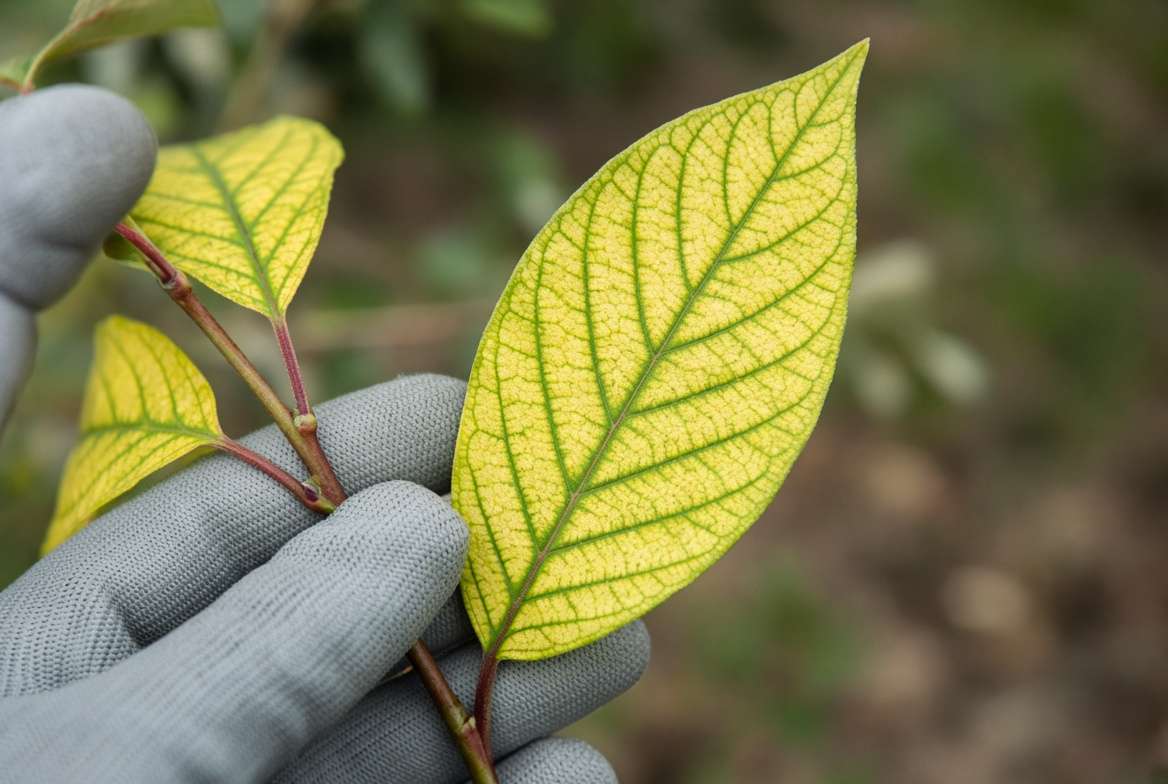
Keep a close eye out for iron chlorosis. If you notice the leaves turning a sickly pale yellow or green while the veins remain starkly dark, your tree is struggling to uptake iron. This usually happens in highly alkaline soils (pH above 7.5).
-
The Fix: Lower the soil pH gradually using elemental sulfur, and treat the immediate symptom with a soil drench of chelated iron to restore the tree’s vigor and color.
5. The Master Pruning Guide: Shaping, Airflow, and Sterilization ✂️🧤
Pruning a cherry plum isn’t just about aesthetics; it is a critical defense mechanism against disease. Dense, tangled canopies trap moisture and humidity, creating a perfect incubator for fungal spores.
The Crucial Timing Rule: Avoiding Silver Leaf Disease 🗓️
For many deciduous trees, late winter dormancy is the standard pruning season. However, cherry plums (and most stone fruits in the Prunus genus) are highly susceptible to Silver Leaf disease (Chondrostereum purpureum). The spores of this fatal fungus are highly active during the damp, cool days of late winter and early spring.
-
When to Prune: Wait until late spring or early summer to do your heavy structural pruning. Choose a period of dry, sunny weather. Pruning during active growth in dry conditions allows the tree to rapidly seal and callous over the cuts before fungal spores can infiltrate the wounds.
Step-by-Step Canopy Management (The 3 D’s) 🌲
When you approach your tree with shears, always follow a systematic process:
-
The 3 D’s First: Immediately remove any wood that is Dead, Damaged, or Diseased.
-
Open the Center: Cherry plums look and perform best with a “vase” or “open center” shape. Remove branches that are crossing and rubbing against each other, as the friction creates open wounds. Prune away inward-growing branches to ensure sunlight and wind can penetrate the very center of the canopy.
-
Manage Suckers and Water Sprouts: Ornamental cherry plums are almost always grafted onto a hardy, wild rootstock. If you see rapid, perfectly straight green shoots rocketing up from the base of the trunk or from the roots, these are root suckers. They drain energy from the desirable top canopy and will grow green, non-ornamental leaves. Cut them off completely flush with the trunk or root as soon as you see them.
Sanitation Protocols (Arborist-Grade Best Practices) 🧼
Never move from a diseased branch to a healthy branch without sterilizing your tools.
-
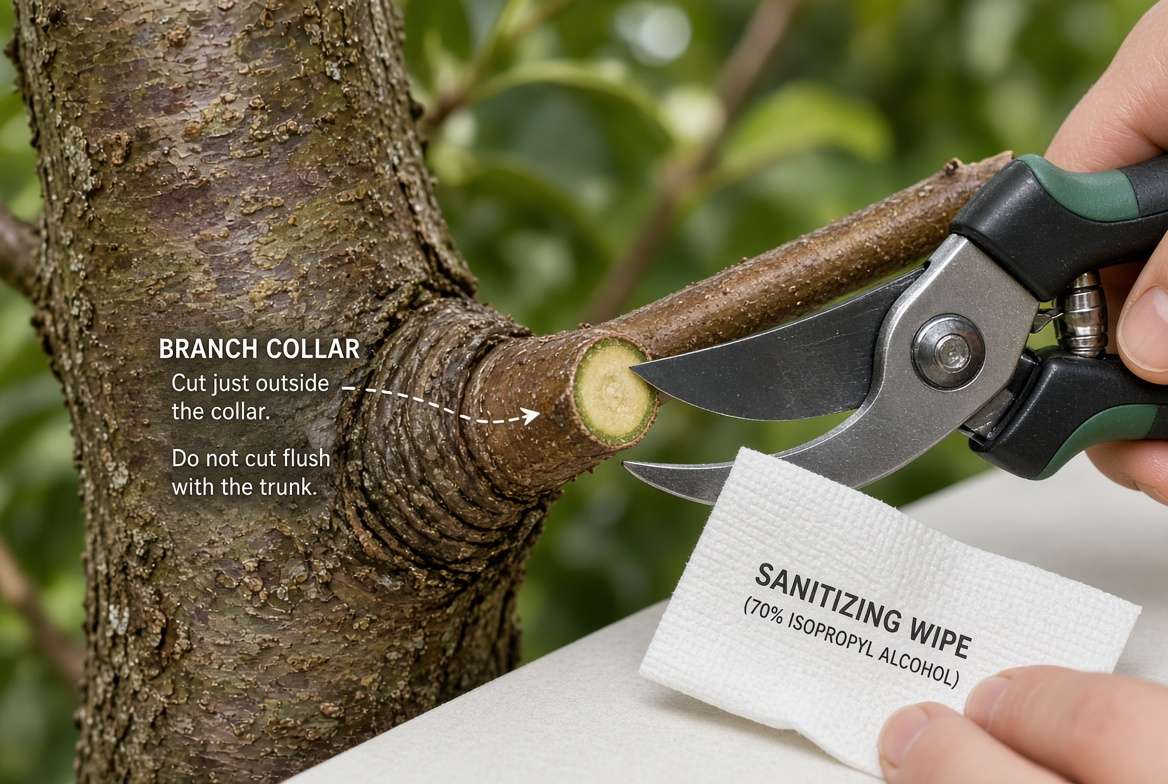
The Dip: Keep a rag soaked in 70% isopropyl alcohol or a spray bottle of 10% bleach solution handy. Wipe down your bypass pruners and pruning saws between every single cut if you are dealing with a diseased tree, and between trees during routine maintenance.
-
The Collar Cut: When removing a branch, do not cut completely flush against the main trunk, but do not leave a long, dead stub either. Look for the “branch collar”—the slightly swollen, wrinkled area where the branch meets the trunk. Make your cut just outside this collar. The collar contains the specialized cells required to heal the wound.
6. Diagnosis & Treatment: Conquering Common Diseases 🩺🛡️
Despite your best preventative efforts, cherry plums are targets for several specific pathogens. Early identification is the difference between a minor pruning job and losing the entire tree.
Black Knot (Apiosporina morbosa) 🪨
This is the most infamous and destructive disease for ornamental plums.
-
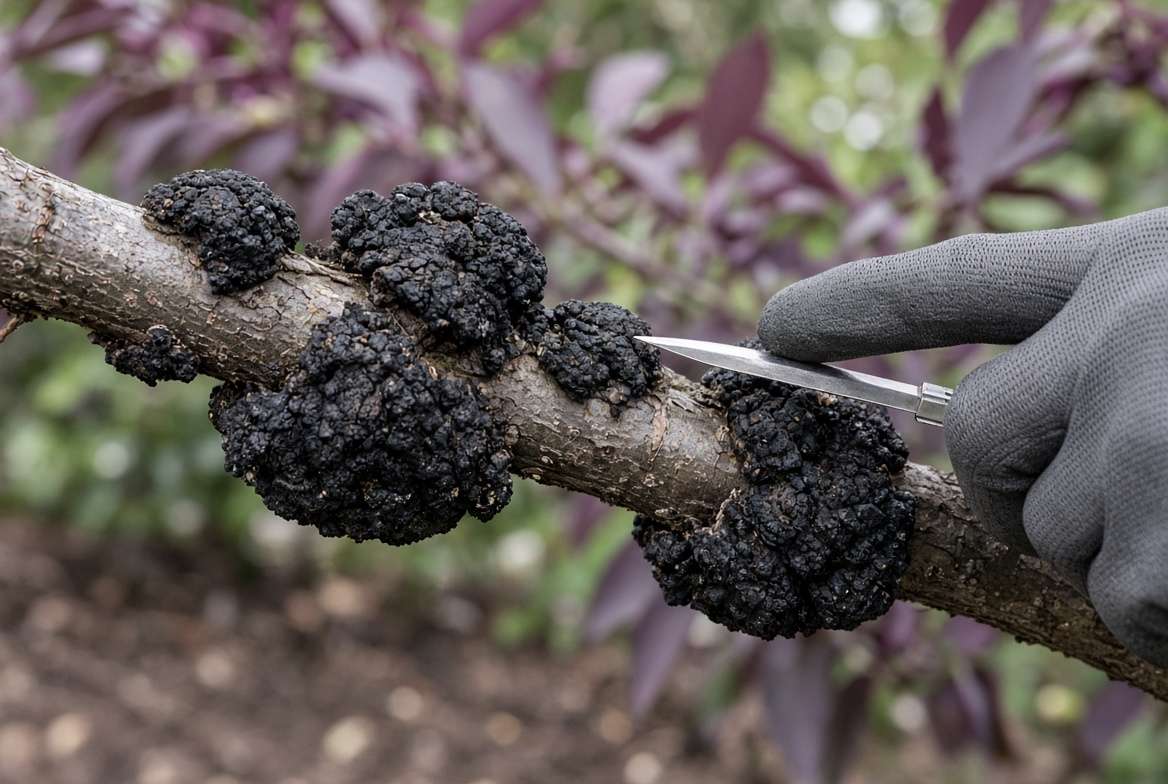
Symptoms: It looks exactly like it sounds—ugly, hard, charcoal-black, warty galls that encircle twigs and larger limbs. It looks almost like scorched, melted plastic.
-
Action Plan: You cannot spray away mature black knot. The only cure is surgical. During dry weather, prune out the infected branches, making your cut at least 4 to 6 inches below the visible gall to ensure you remove the microscopic fungal threads spreading inside the wood.
-
Disposal: Burn the infected branches or bag them securely for the trash. Never put black knot in your compost bin, as it will continue to release spores.
Shot Hole Disease & Fungal Leaf Spot 🕳️
-
Symptoms: Leaves develop tiny, reddish-purple spots. Eventually, the dead tissue in the center of the spots falls out, leaving the leaves looking as though they have been blasted with a shotgun.
-
Action Plan: This is largely a cosmetic issue caused by overhead watering or an excessively rainy spring. Switch to drip irrigation. If the tree has a severe history of shot hole defoliation, apply a preventative copper fungicide spray just as the buds begin to swell in early spring, before they open.
Bacterial Canker (Pseudomonas syringae) 🪵
-
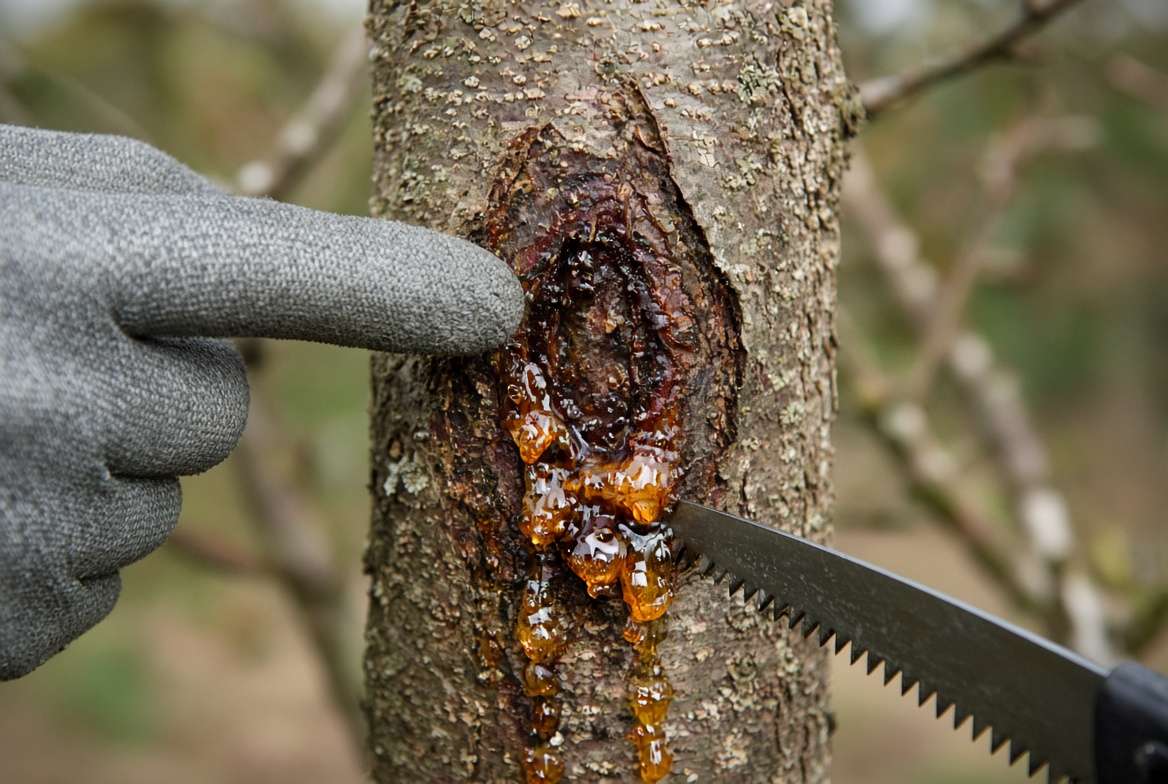
Symptoms: You will notice sunken, oval-shaped lesions on the trunk or branches. These cankers often ooze a sticky, amber-colored sap (a symptom known as gummosis), followed by rapid branch dieback above the canker.
-
Action Plan: Bacterial canker exploits stress and winter injury. Ensure your tree is receiving adequate calcium in the soil. Prune out cankered branches well below the infection during dry summer weather.
7. Integrated Pest Management (IPM): Bugs You Need to Know 🐛🐞
A healthy cherry plum can withstand minor insect pressure, but keeping populations in check prevents secondary fungal infections.
Aphids & Leafcurl 🐜
In early spring, aphids flock to the tender, succulent new growth. Their feeding causes the beautiful purple leaves to curl, twist, and deform. They also excrete “honeydew,” a sticky substance that invites ugly black sooty mold.
-
Action Plan: Avoid heavy nitrogen fertilizers. Use a strong blast of water from the hose to knock them off, or apply an insecticidal soap spray. Encourage beneficial predators like ladybugs and lacewings in your garden.
Peach Tree Borers (Synanthedon exitiosa) 🪵
These are silent killers. The adult is a clearwing moth that lays eggs at the base of the trunk. The hatching larvae bore into the bark and eat the vascular tissue of the tree.
-
Symptoms: Look for a mixture of sap, sawdust, and insect frass accumulating at the very base of the trunk, near the soil line.
-
Action Plan: Protect the trunk from mechanical damage (like string trimmers), which invites egg-laying. In severe cases, apply beneficial, parasitic nematodes to the soil around the base in late summer to attack the larvae.
8. Year-Round Care Calendar: Seasonal Checklist 📅🍁
Keep this simple checklist handy to stay ahead of seasonal maintenance.
-
Spring 🌱:
-
Apply a preventative dormant spray (copper or horticultural oil) right at bud-swell if there is a history of disease/pests.
-
Apply slow-release fertilizer if soil tests dictate.
-
Diligently snap off any green root suckers emerging from the base.
-
-
Summer ☀️:
-
Perform heavy structural and airflow pruning on dry, sunny days.
-
Maintain a 3-inch layer of organic mulch over the root zone to retain moisture. (Pro Tip: Keep the mulch pulled 4 inches away from the trunk—no “mulch volcanoes”—to prevent trunk rot.)
-
Water deeply during prolonged droughts.
-
-
Autumn 🍂:
-
Rake up and dispose of all fallen leaves. Do not let them overwinter, as they harbor fungal spores that will splash back onto the tree in spring.
-
Do not fertilize or prune.
-
-
Winter ❄️:
-
Inspect the dormant tree to plan your summer pruning cuts.
-
Install plastic spiral tree guards on young saplings to protect the tender bark from hungry mice, voles, and rabbits.
-
9. Expert Troubleshooting: Quick Fixes for Common Headaches ⚠️💡
-
“My purple leaves are turning green!” ➔ This is almost always caused by a lack of direct sunlight. However, if the green leaves are only on perfectly straight branches shooting up from the base, the wild rootstock has taken over. Prune those suckers off immediately!
-
“My tree didn’t bloom this year!” ➔ The most common culprit is a late, hard frost that killed the flower buds before they could open. Alternatively, pruning too late in the fall can accidentally remove the wood that was holding the spring flower buds.
-
“Amber sap is leaking from the bark!” ➔ This is called gummosis. It is a general stress response. Check for the sawdust-like frass of peach tree borers at the soil line, evaluate for bacterial canker, or consider if the trunk was accidentally whacked by a lawnmower.
10. Frequently Asked Questions (FAQ) ❓🔍
What is the lifespan of a cherry plum tree? Ornamental cherry plums are relatively short-lived landscape trees. With excellent care, preventative pruning, and a little luck regarding disease, they typically live for 15 to 20 years.
Are the plums from a cherry plum tree edible and safe to eat? Yes, the fruit flesh is perfectly safe and edible, though generally quite tart. However, remember that the pits, stems, and leaves contain toxic compounds and should not be ingested by humans or pets.
How fast does a cherry plum tree grow per year? They are considered moderate to fast growers. A healthy sapling can put on 1 to 2 feet of new growth per year until it reaches its mature height of 15 to 25 feet.
Can you keep a cherry plum tree small or grow it in a large container? While you can limit their size with aggressive summer pruning, cherry plums possess aggressive root systems and do not perform well as long-term container plants. They are best suited for planting in the ground.
How do I prevent black knot from spreading to my other fruit trees? Sanitation is paramount. Prune out infected galls in winter or dry summer conditions, sterilize your tools between every single cut, and completely destroy the infected wood. Monitor wild plum or cherry trees in nearby woods, as they are often the source of the windblown spores.
11. Conclusion: Protecting Your Purple Jewel 🏁🌸
Keeping your cherry plum tree vibrant, healthy, and disease-free requires a shift in perspective. Instead of reacting to pests and fungi after they arrive, the goal is to create an environment where the tree is strong enough to defend itself.
Remember the three non-negotiables: Provide full, direct sun to fuel those brilliant purple pigments, practice dry-weather sanitation pruning to keep the canopy open and airy, and rigorously clean up fallen leaves in the autumn to break the disease cycle.
If you put these proactive cultural practices into place, you won’t just extend the relatively short lifespan of your cherry plum; you will ensure that every spring brings a breathtaking display of delicate blossoms and undeniably rich, royal foliage.
What cultivar of cherry plum are you growing in your yard, and what has been your biggest challenge? Let me know in the comments below!











