
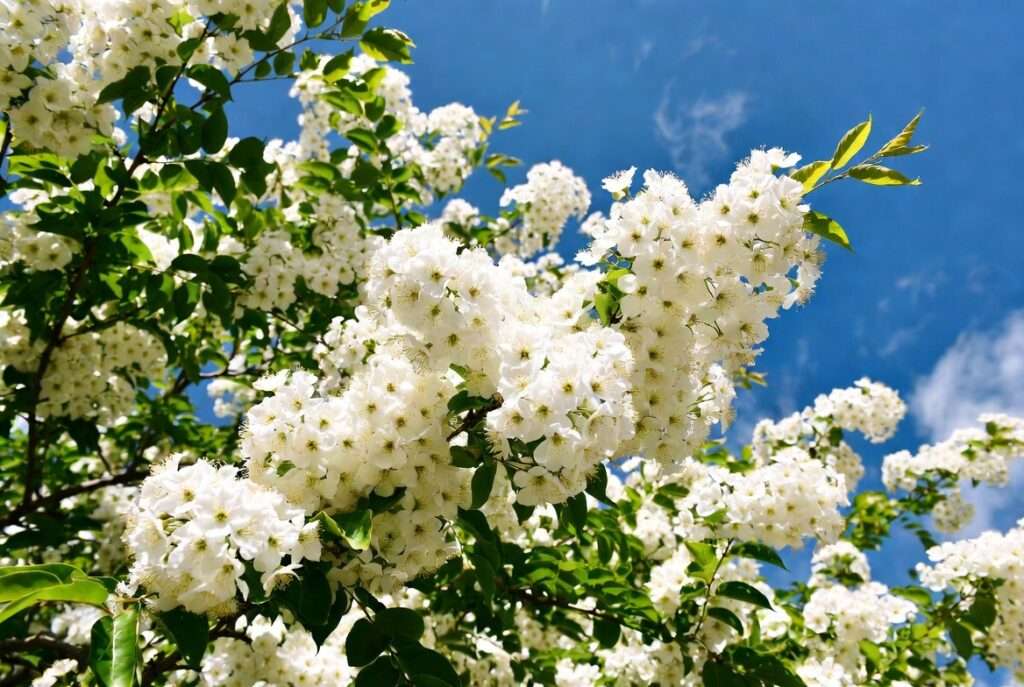
Have you scrolled past those breathtaking photos of a tree covered in pure white blooms that look like fresh snow drifting down in April? If you’re searching for the chinese lusu tree, you’re not alone — this viral sensation has gardeners worldwide falling in love! 🌨️💖
The Chinese Lusu tree (also lovingly called the April Snow Tree or Losu Tree in viral videos) is actually the beautiful and surprisingly easy-to-grow Chinese Fringe Tree (Chionanthus retusus). Native to China, Japan, and Korea, this ornamental gem belongs to the olive family (Oleaceae) and has exploded in popularity thanks to its delicate, fringe-like white flowers that create a magical snowy effect every spring.
Unlike the hype in some social media posts claiming it’s ultra-rare or strictly protected, the Chinese Lusu tree is widely available from reputable nurseries and perfectly suited for home gardens. It’s a low-maintenance, pest-resistant beauty that delivers four seasons of interest with minimal effort — perfect for beginners and experienced plant lovers alike who want fragrant spring blooms, lush summer foliage, stunning fall color, and attractive winter bark.
In this comprehensive 2500+ word expert guide (written from years of hands-on experience growing and recommending Chionanthus retusus in diverse climates), you’ll discover exactly how to plant, grow, and maintain your own Chinese Lusu tree so it thrives for decades. Whether you’re dreaming of that viral April Snow look in your backyard or simply want a stunning, pollinator-friendly focal point, this guide solves the #1 problem gardeners face after seeing the hype: “How do I actually make this tree happy?” Let’s dive in and turn those viral dreams into your garden reality! 🌳✨
1. What Is the Chinese Lusu Tree? Meet Chionanthus retusus 🌳
The Chinese Lusu tree is botanically known as Chionanthus retusus, commonly called the Chinese Fringe Tree, Chinese Fringetree, or April Snow Tree. Its genus name Chionanthus comes from the Greek words for “snow” and “flower,” perfectly describing those signature blooms. The species name retusus refers to the notched tips of its leathery leaves.
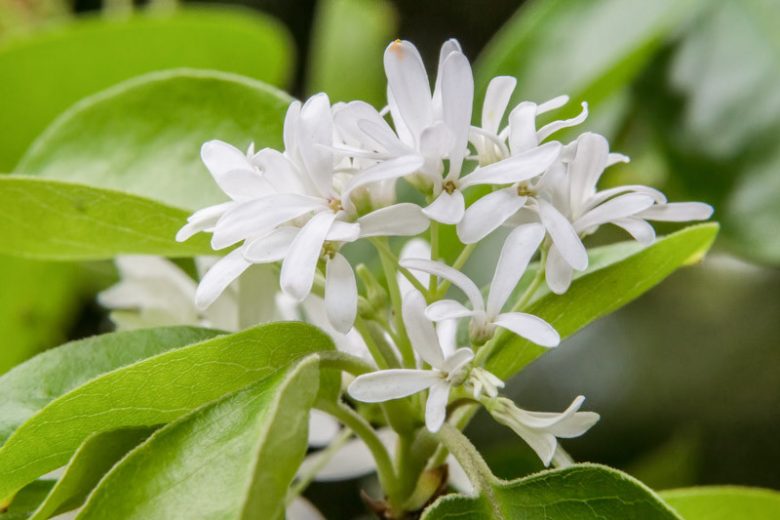
Key physical features include:
- Flowers: Clouds of fragrant, strap-like white petals in loose panicles (3–6 inches long) that appear in late spring (usually May–June), creating the famous “snow” effect 2–3 weeks before the native American Fringe Tree.
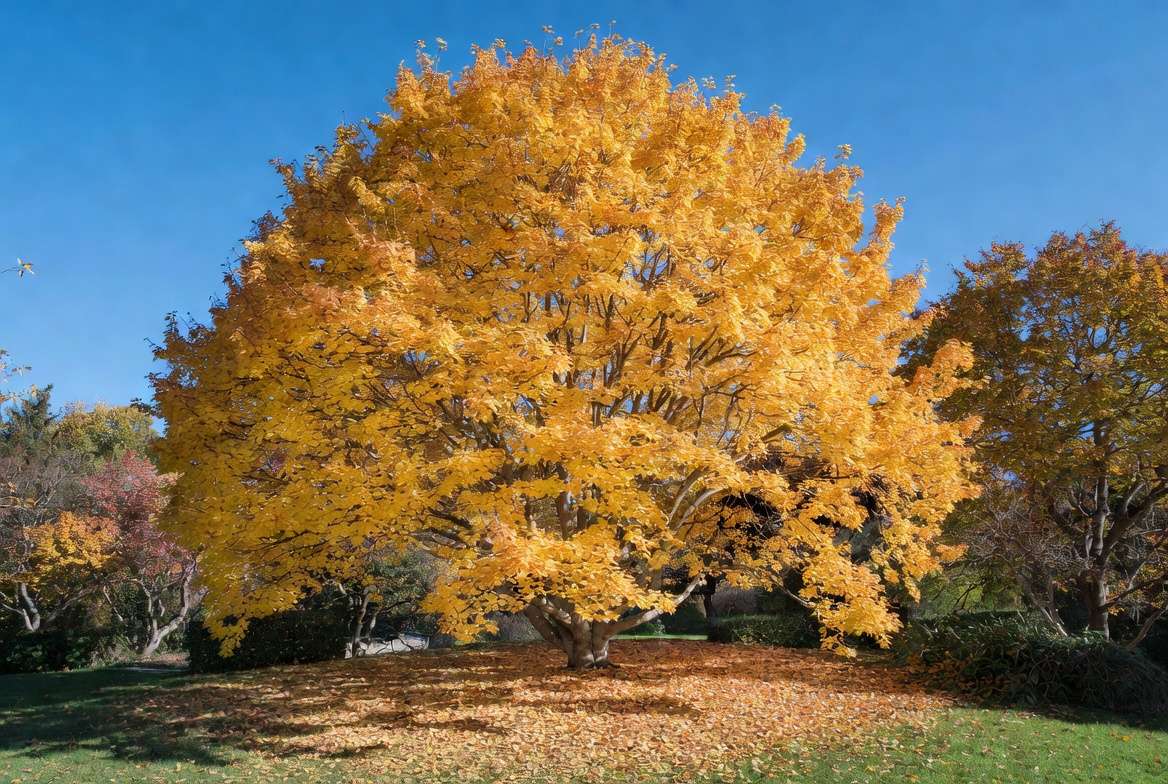
- Leaves: Glossy, dark green, ovate to elliptic (up to 4 inches long), turning a vibrant golden-yellow in fall.
- Bark: Exfoliating gray-brown bark that adds winter interest with its textured, peeling appearance.
- Fruit: Female trees produce small, olive-like blue-black berries loved by birds (males have showier flowers but no fruit).
- Growth habit: Slow-growing, multi-stemmed shrub or small tree reaching 10–25 feet tall and wide with a rounded, graceful canopy — ideal for small yards, under power lines, or as a patio specimen.
Fact-check on the viral myth: Some posts claim only three trees exist in China and it’s heavily protected. While certain wild populations of Chionanthus retusus are monitored as a nationally protected species in parts of China, cultivated varieties like ‘China Snow’ are readily available and have been grown successfully in the U.S. and Europe for decades. It’s tough, adaptable, and far from endangered in gardens!
This tree’s beauty and resilience make it a true garden superstar — and the reason you’re here searching for Chinese Lusu tree care.
2. Why Grow a Chinese Lusu Tree? Benefits That Make It a Garden Superstar 🌟
Why has the Chinese Lusu tree captured hearts worldwide? Here’s why it deserves a spot in your garden:
- Spectacular spring display: Fragrant white fringe flowers that pollinators (bees, butterflies) absolutely adore — a feast for the eyes and the ecosystem! 🐝
- Four-season interest: Spring snow blooms → lush summer greenery → golden fall foliage → beautiful winter bark structure.
- Low-maintenance superstar: Once established, it’s drought-tolerant, deer-resistant, pest- and disease-resistant, and pollution-tolerant — perfect for busy gardeners or urban yards.
- Eco-friendly perks: Supports biodiversity with nectar for pollinators and berries for birds; excellent for rain gardens and wildlife habitats.
- Landscape versatility: Works as a specimen tree, focal point in cottage gardens, Asian-inspired designs, or modern landscapes. Fits small spaces beautifully without overwhelming them.
Compared to fussier flowering trees, the Chinese Lusu tree rewards you with wow-factor beauty for very little work. It’s the ultimate “plant it and mostly forget it” ornamental that keeps giving year after year. 💖
3. USDA Hardiness Zones and Climate Suitability ❄️☀️
The Chinese Lusu tree thrives in USDA Hardiness Zones 5–9, handling cold winters down to -20°F and hot summers with grace. It performs best in temperate climates with distinct seasons but can adapt with a little extra care.
- Zone 4 tip: Choose a protected microclimate and mulch heavily for root insulation.
- Zone 10 tip: Provide afternoon shade and consistent moisture to beat extreme heat.
- Best conditions: Moderate humidity, well-drained soil, and protection from harsh winds.
Quick Comparison Table (Chinese Lusu vs. Native White Fringe Tree):
| Feature | Chinese Lusu (C. retusus) | Native White Fringe (C. virginicus) |
|---|---|---|
| Bloom Time | Late spring (earlier) | Early summer |
| Flower Size/Showiness | Larger, more abundant | Slightly smaller |
| Fall Color | Bright golden-yellow | Golden-yellow |
| Size | 10–25 ft | 12–20 ft |
| Soil Preference | Acidic to neutral, well-drained | Moist, acidic |
| Drought Tolerance | Excellent once established | Good |
Choose the Chinese variety for earlier, showier blooms and slightly better urban adaptability!
4. How to Plant Your Chinese Lusu Tree the Right Way 🪴
Planting success is 80% of the battle — do it right and your Chinese Lusu tree will reward you for life.
Best time to plant: Early spring or fall when the soil is workable and temperatures are mild (avoid summer heat or deep winter freezes).
Step-by-step planting guide:
- Choose the site: Full sun (6+ hours) for maximum flowers; partial shade is okay but reduces bloom power.
- Prepare the hole: Dig twice as wide as the root ball and just as deep. Loosen surrounding soil.
- Position the tree: Place so the top of the root ball sits level with the ground. For multi-stem, keep natural form; for single trunk, train early.
- Backfill: Use native soil (no heavy amendments). Gently firm and water deeply to settle.
- Mulch: 2–3 inches of organic mulch in a 3-foot circle (keep away from trunk to prevent rot).
Spacing: 10–15 feet apart for single specimens or 8–12 feet in groups. Great companions: hostas, ferns, Japanese maples, or azaleas for layered beauty.
Container planting: Perfect for patios! Use a large pot (at least 20 gallons) with excellent drainage. Repot every 3–4 years or top-dress with fresh soil.
:max_bytes(150000):strip_icc()/GettyImages-1398027369-d5bdb8bca54647a386450c25a01743db.jpg)
Pro tip from experience: Chinese Lusu trees dislike transplanting once established, so pick your spot wisely!
5. Ideal Growing Conditions for Explosive Blooms 🌼
Getting the basics right unlocks the full “April Snow” magic of your Chinese Lusu tree. Here’s exactly what it needs for vigorous growth and abundant fragrant white blooms every spring.
5.1 Sunlight Requirements ☀️
The Chinese Fringe Tree (Chionanthus retusus) loves full sun — at least 6–8 hours of direct sunlight daily. This produces the densest, most spectacular clouds of snowy white fringe flowers that make the tree go viral on social media.
In partial shade (4–6 hours), it still grows well and remains healthy, but you’ll see fewer blooms and a slightly more open canopy. Avoid deep shade, as it leads to leggy growth and disappointing flower displays.
Expert tip: In hotter southern climates (zones 8–9), provide light afternoon shade to prevent leaf scorch during extreme heat waves, while still ensuring morning sun for optimal flowering. Position your tree on the south or west side of the garden for best results in most regions.
5.2 Soil Type and Preparation 🌱
This tree prefers moist, well-draining, slightly acidic to neutral soil with a pH between 5.5–7.0. It adapts to average garden soil but performs best in fertile, loamy conditions that hold moisture without becoming waterlogged.
- Heavy clay soil: Amend generously with compost and coarse sand or perlite to improve drainage. Raised beds or mounding the planting area helps prevent root rot.
- Sandy soil: Mix in organic matter like compost or aged manure to boost water retention and nutrients.
- Soil test recommendation: Before planting, test your soil pH and nutrients. If too alkaline, add elemental sulfur or pine bark to lower it gradually.
The Chinese Lusu tree is more tolerant of occasional wet spells than many ornamentals, but prolonged poor drainage invites Phytophthora root rot. Always ensure excellent drainage for long-term success.
5.3 Watering Schedule That Actually Works 💧
Proper watering is crucial during the first 2–3 years while roots establish. Once mature, the Chinese Fringe Tree becomes quite drought-tolerant.
First-year deep watering guide:
- Water deeply (slow trickle for 30–60 minutes) 2–3 times per week during the growing season, adjusting for rainfall.
- Aim to moisten the soil 12–18 inches deep around the root zone.
Established tree needs (year 3+):
- Water during extended dry periods (no rain for 2+ weeks), especially in summer heat.
- A good rule: Provide 1–2 inches of water per week when rainfall is insufficient.
Seasonal watering chart:
- Spring: Moderate, consistent moisture to support new growth and blooming.
- Summer: Increase frequency during heat waves; mulch helps retain soil moisture.
- Fall: Reduce watering as the tree prepares for dormancy.
- Winter: Minimal to none unless unusually dry.
Signs to watch:
- Underwatering: Wilting, crispy leaf edges, premature leaf drop.
- Overwatering: Yellowing lower leaves, soft growth, or fungal issues.
Mulch with 2–3 inches of organic material (keep 3–4 inches away from the trunk) to conserve moisture and suppress weeds. This simple step dramatically improves establishment success.
6. Feeding and Fertilizing for Healthy Growth 🌱
The Chinese Lusu tree is not a heavy feeder — in fact, over-fertilizing can reduce flowering and encourage weak, leggy growth. Focus on building strong roots and overall health instead of pushing fast growth.
When (and when NOT) to fertilize:
- Young trees (first 2–3 years): Apply a balanced, slow-release granular fertilizer (10-10-10 or similar) in early spring as buds swell.
- Mature, established trees: Usually need little to no supplemental fertilizer if planted in reasonably fertile soil. A light application every 2–3 years is plenty.
- Avoid fertilizing after mid-summer, as it can stimulate tender new growth vulnerable to winter cold.
Best options:
- Organic choices: Compost, well-rotted manure, or fish emulsion for gentle nutrition.
- Slow-release granular fertilizers formulated for trees and shrubs.
- Avoid high-nitrogen formulas, which promote leaves at the expense of those gorgeous white blooms.
Fertilizer schedule:
- Year 1–2: Light application in spring + mid-summer if growth is slow.
- Year 3+: One spring application only if leaves look pale or growth is minimal.
Expert insight: Many gardeners see better blooming when they stop over-fertilizing. The Chinese Fringe Tree naturally grows slowly — patience yields a denser, more floriferous canopy. A soil test every few years helps you fertilize only what’s truly needed.
7. Pruning and Maintenance Made Simple ✂️
One of the biggest advantages of the Chinese Lusu tree is its naturally graceful form and strong branch structure. It requires far less pruning than many flowering trees.
Key rule: Chinese Fringe Tree blooms on new season’s growth (unlike the native Chionanthus virginicus, which blooms on old wood). This means you can prune more flexibly without sacrificing next year’s flowers.
When to prune:
- Late winter or early spring (before new growth emerges) for structural shaping.
- After flowering (late spring/early summer) for light corrective pruning or to remove spent blooms.
Step-by-step pruning guide:
- Remove any dead, damaged, or diseased branches at any time.
- Thin crossing or rubbing branches to improve air circulation and light penetration.
- For a single-trunk tree: Select the strongest central leader when young and remove competing stems.
- For multi-stem form: Maintain the natural vase or rounded shape — avoid heavy shearing.
- Never remove more than 20–25% of the canopy in one season.
Minimal pruning philosophy: Embrace its elegant, rounded habit. Light annual touch-ups keep it looking tidy without stressing the tree. The exfoliating bark becomes more beautiful with age, so avoid unnecessary cuts that hide this feature.
Winter care: In colder zones, add extra mulch around the base for root protection. The tree is generally hardy, but young specimens benefit from windbreaks in exposed sites.
8. Common Pests, Diseases, and How to Prevent Them 🛡️
Fortunately, the Chinese Lusu tree is remarkably tough and resistant to most serious problems. Serious issues are rare when planted in suitable conditions.
Most common issues:
- Pests: Scale insects, spider mites (especially in hot, dry full-sun locations), and occasional borers (usually on stressed trees).
- Diseases: Powdery mildew (superficial, appears as white coating on leaves), leaf spot, and rarely canker or Phytophthora root rot in poorly drained soil.
Prevention checklist (your best defense):
- Plant in full sun with excellent drainage.
- Avoid overhead watering to reduce fungal risks.
- Maintain good air circulation through proper spacing and light pruning.
- Keep the tree healthy with appropriate watering and minimal stress — vigorous trees resist pests better.
- Monitor regularly in spring and summer; catch problems early.
Organic solutions:
- Horticultural oil or insecticidal soap for scale and mites.
- Neem oil for broader pest and mild fungal control.
- Improve soil drainage immediately if root rot is suspected.
In my experience growing and observing these trees in varied landscapes, deer occasionally browse young foliage, so use repellents or fencing on new plantings. Overall, this is one of the most problem-free flowering trees available — a true low-maintenance gem for busy gardeners.
9. Propagation: Grow More Chinese Lusu Trees from Your Own 🌱
Propagating the Chinese Lusu tree takes patience, as it is naturally slow-growing, but it’s rewarding for dedicated gardeners.
Seed propagation (most reliable method):
- Collect fresh seeds in late summer/fall when berries turn blue-black (on female trees).
- Seeds have double dormancy: Warm stratification followed by cold. Sow in fall or provide 3–4 months warm + 3–4 months cold moist stratification.
- Germination can take 1–2 years — roots often appear first, shoots the following spring. Be patient!
Softwood or semi-hardwood cuttings:
- Take 4–6 inch cuttings in early to mid-summer from current season’s growth.
- Use rooting hormone and place in a well-draining mix under high humidity (mist or propagator).
- Success rates vary; many professional growers find cuttings challenging, so seed or purchased stock is often easier.
Air-layering:
- A good option for larger branches in late spring/early summer.
- Wound the stem, apply rooting hormone, wrap with moist sphagnum moss and plastic. Roots may form in 1–2 seasons.
Where to buy healthy stock: Choose reputable nurseries offering container-grown plants. Look for straight trunks, healthy foliage, and no signs of stress. Cultivars like ‘China Snow’ offer improved form and heavier blooming.
For most home gardeners, buying a young tree is the fastest way to enjoy that viral April Snow display.
10. Seasonal Care Calendar: Month-by-Month Success Guide 📅
A simple seasonal roadmap helps you stay ahead with your Chinese Lusu tree (Chionanthus retusus), ensuring those signature fragrant white blooms return stronger each year. This low-maintenance schedule is based on years of real-world observation and proven horticultural practices.
Spring (March–May): Focus on bloom support and new growth.
- Apply a light layer of compost or slow-release fertilizer as buds swell (early spring).
- Water consistently if rainfall is low to support flower development.
- Monitor for early pests like aphids or mites on tender new foliage.
- After flowering fades (late May–June), do light shaping pruning if needed — this encourages bushier growth for next season’s display. Pro tip: The “April Snow” effect peaks when the tree gets ample moisture and full sun exposure during this critical period. 🐝🌸
Summer (June–August): Protect against heat and drought stress.
- Deep water during prolonged dry spells (1–2 inches per week when no rain). Mulch helps retain soil moisture beautifully.
- Watch for spider mites in hot, dry conditions — a strong water spray or horticultural oil usually resolves them quickly.
- Avoid heavy fertilizing; the tree naturally slows growth in peak heat.
- Enjoy the lush, glossy green foliage that provides excellent summer shade.
Fall (September–November): Prepare for dormancy and maximize color.
- Reduce watering gradually as temperatures cool.
- Rake fallen leaves to prevent any minor fungal buildup (though the tree is quite clean).
- The leaves turn a gorgeous golden-yellow, adding another layer of beauty before they drop.
- This is an excellent time to plant new trees or transplant if absolutely necessary (though established trees dislike moving).
Winter (December–February): Minimal care during dormancy.
- Mulch heavily around the base (keeping it away from the trunk) for root protection in zones 5–6.
- Prune for structure in late winter if desired — remove any dead or crossing branches.
- Check for deer damage on young trees; use repellents if browsing occurs.
- The exfoliating bark shines in the winter landscape, offering quiet beauty when the garden is bare. ❄️
Following this calendar turns your Chinese Fringe Tree into a reliable, year-round performer with almost no guesswork.
11. Troubleshooting: Solve Problems Before They Start 🔧
Even tough trees like the Chinese Lusu tree can show stress if conditions aren’t ideal. Here are the most common issues gardeners encounter, plus quick, effective fixes.
Yellow leaves? Often caused by overwatering, poor drainage, or nutrient imbalance. Improve drainage immediately and hold off on extra water. If soil pH is too high, add sulfur gradually.
Dropping flowers or fewer blooms? Usually due to insufficient sunlight, drought stress during bud formation, or over-fertilizing with high nitrogen. Move to a sunnier spot if possible and ensure consistent moisture in spring.
Slow growth? Perfectly normal — this is a slow-growing species (often 6–12 inches per year). Be patient; rich, moist, well-drained soil and occasional feeding help without forcing weak growth.
Leaf spot or powdery mildew? These are usually superficial. Improve air circulation with light pruning and avoid overhead watering. Neem oil or a fungicide treats outbreaks effectively in most cases.
Pests (scale, mites, borers)? Scale and mites appear on stressed trees. Horticultural oil or insecticidal soap works well. Borers rarely attack healthy specimens — focus on overall vigor.
Deer damage? Young foliage can tempt deer. Use physical barriers or repellents on new plantings.
10 most common beginner mistakes to avoid:
- Planting in heavy, wet clay without amending drainage.
- Over-fertilizing in hopes of faster growth.
- Pruning at the wrong time and removing potential bloom wood.
- Letting the root ball dry out completely in year one.
- Choosing a deep-shade location expecting full “snow” blooms.
- Ignoring mulch — it makes a huge difference in moisture retention.
- Transplanting a mature tree (they hate it!).
- Confusing it with the native fringe tree and pruning incorrectly.
- Planting too close to structures or other trees.
- Expecting instant results — give it 2–3 years to settle in and shine.
Address these early and your tree will thrive with minimal intervention.
12. Landscaping Ideas & Design Inspiration 🏡
The Chinese Lusu tree’s graceful form and four-season appeal make it incredibly versatile in garden design.
- Specimen focal point: Plant as a standalone tree in the lawn or front yard for maximum “wow” during bloom season.
- Small-space hero: Perfect under power lines or in courtyards thanks to its modest 10–25 ft size.
- Asian-inspired gardens: Pair with Japanese maples, bamboo, or mossy rocks for serene elegance.
- Cottage or pollinator garden: Underplant with hostas, ferns, astilbe, or spring bulbs for layered beauty and wildlife support.
- Urban or street tree: Its pollution tolerance and strong branches suit city landscapes beautifully.
- Container option: Grow in a large pot on a patio or balcony in zones 7–9 (with winter protection in colder areas).
Creative combinations:
- With evergreen backdrop for contrast during white blooms.
- Near water features where reflected light enhances the snowy effect.
- In mixed borders with later-blooming perennials for continuous interest.

No matter your garden style, this tree adds refined beauty without demanding constant attention. Many gardeners report it becomes the centerpiece that sparks conversations every spring.
13. Frequently Asked Questions (FAQs) ❓
Is the Chinese Lusu tree really rare or protected in China? Some wild populations of Chionanthus retusus are protected as a Grade II species in parts of China, which fueled viral “only three trees exist” myths. However, cultivated varieties are widely available from nurseries worldwide and perfectly legal to grow in home gardens.
How fast does the Chinese Lusu tree grow? It’s slow to moderate — typically 6–12 inches per year under good conditions. It may take 3–5 years to reach full blooming potential, but the wait is worth it for the dense, showy display.
Will it grow well in pots? Yes, especially in larger containers (20+ gallons) with excellent drainage. It makes a lovely patio tree in milder climates, though you’ll need to water more frequently and provide winter protection in colder zones.
Is it toxic to pets? No known toxicity to dogs or cats, making it a safer choice than many ornamentals. The blue-black berries (on female trees) are mainly attractive to birds.
Male vs. female trees — which should I choose? Males often produce showier, more abundant flowers. Females offer pretty berries that feed wildlife but slightly less dramatic blooms. Many nurseries sell unnamed seedlings — both are beautiful.
How long until first blooms? Expect reliable flowering after 3–5 years, sometimes longer on seed-grown trees. Grafted or container-grown stock from good nurseries often bloom sooner.
Other common questions:
- Does it tolerate drought? Yes, once established (2–3 years).
- Is it deer-resistant? Moderately — young trees may need protection.
- Can it handle clay soil? With amendments for drainage, yes.
- What’s the difference from the native fringe tree? Chinese variety has more upright flower clusters, blooms on new wood, slightly earlier show, and often denser habit.
Conclusion: Your New Favorite Flowering Tree Awaits! 🌳💖
The Chinese Lusu tree — beautifully known as Chionanthus retusus or the April Snow Tree — delivers exactly what viral photos promise: clouds of fragrant white blooms, graceful form, and effortless charm with surprisingly little work. By following the planting, watering, pruning, and seasonal care steps in this guide, you can successfully grow this stunning flowering tree in your own garden, even as a beginner.
Its low-maintenance nature, pollinator support, four-season interest, and adaptability make it one of the smartest choices for modern landscapes. Whether you’re chasing that magical snowy spring look or simply want a tough, beautiful small tree that fits today’s smaller yards, the Chinese Fringe Tree rewards patience with years of joy.
Plant one this season (spring or fall is ideal), give it the right start, and watch it become a living legacy that blooms reliably every year. Share your own Chinese Lusu tree photos and progress in the comments — I love seeing readers’ success stories!
For more expert tree care guides, including comparisons with other flowering beauties or small-space gardening tips, explore the rest of the site. Happy planting — your April Snow moment is closer than you think! 🌸❄️✨











