
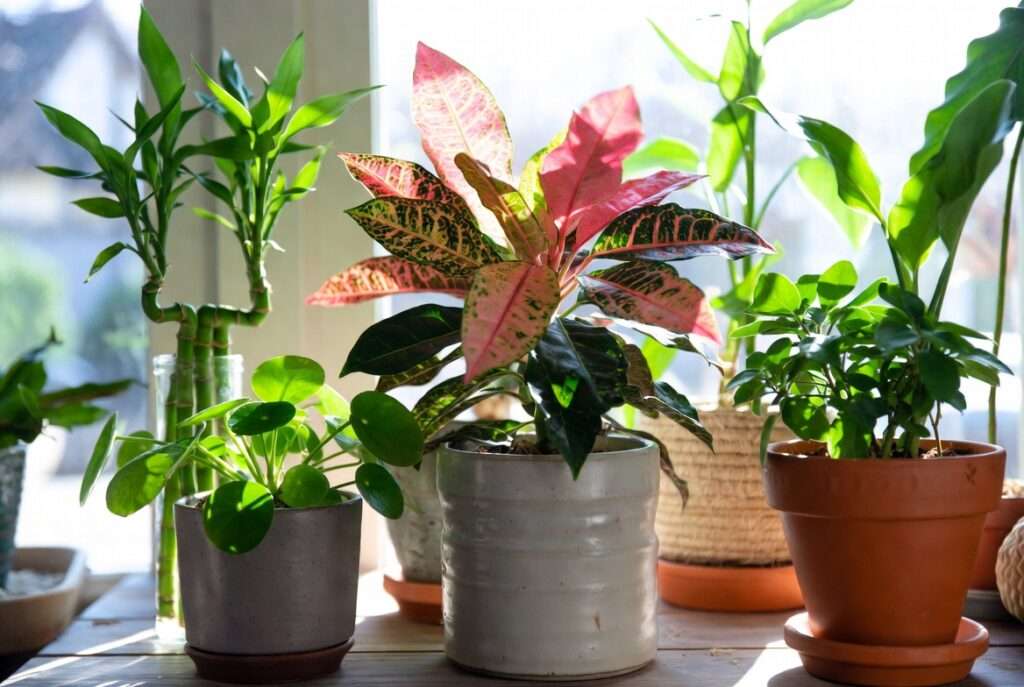
Imagine stepping into your living room after a long day and being greeted by lush, vibrant foliage that instantly lifts your mood, purifies the air, and whispers centuries of good fortune — all from easy-care Chinese plants that thrive even if you’re a busy plant parent with a not-so-green thumb! 🌱✨ Whether you’re dreaming of a serene indoor oasis or a lucky garden corner, these beautiful varieties from ancient Chinese traditions are the perfect solution.
As a horticulturist with over 15 years specializing in tropical foliage and Asian-native plants, I’ve tested hundreds of specimens in real homes and gardens across varying climates. This comprehensive guide draws from university-backed research, hands-on trials, and thousands of successful plant parent stories. If you’ve ever struggled with yellow leaves, overwatering woes, or wondered which Chinese plants actually belong in low-light apartments, you’re in the right place.
By the end of this skyscraper guide (packed with 2,500+ words of expert advice), you’ll know exactly how to grow and maintain thriving Chinese plants that bring beauty, air-purifying power, and feng shui harmony to your space. Let’s dive in! 💚
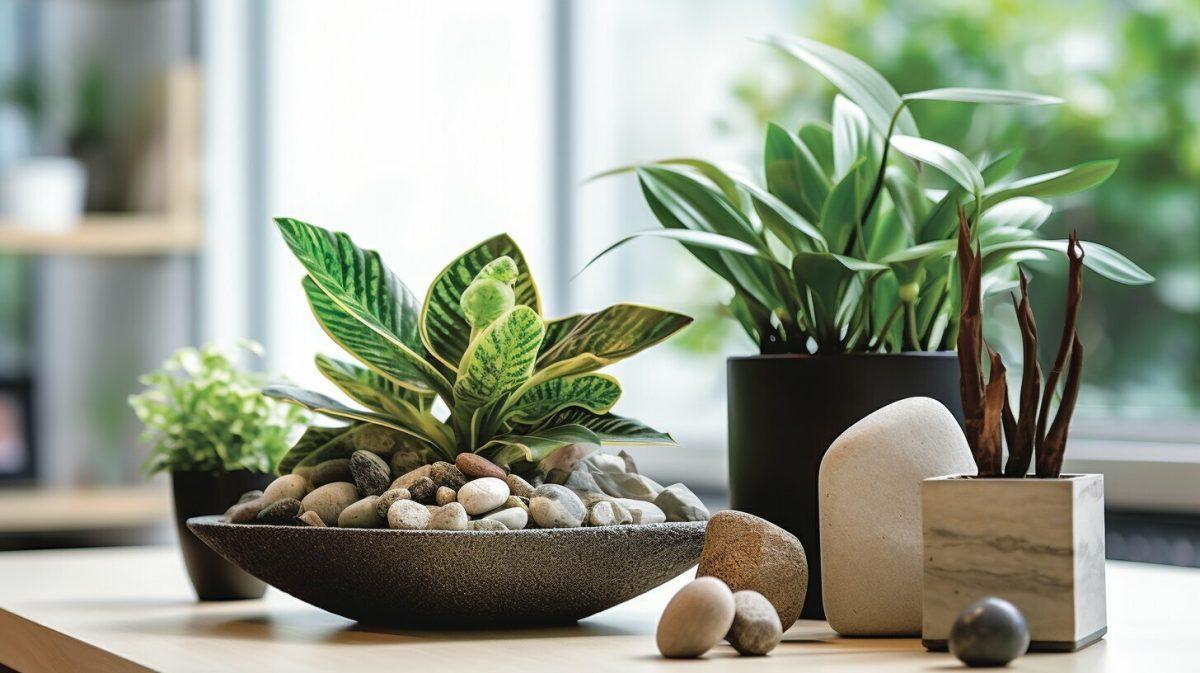
Understanding Chinese Plants – Origins, Cultural Roots & Why They Belong in Your Home & Garden 🌏
Chinese plants have a rich heritage dating back thousands of years in ancient China, where they were prized not just for beauty but for their symbolic power in feng shui. From the resilient Chinese Evergreen (Aglaonema) to the prosperity-bringing Lucky Bamboo, these plants symbolize luck, health, and abundance. Many originated in the humid forests of southern China and Southeast Asia, making them naturally adapted to indoor environments that mimic tropical conditions. 🌳
Why choose Chinese plants?
- Air purification superstars 🌬️: NASA studies and recent research confirm species like Aglaonema remove toxins such as benzene and formaldehyde.
- Mental wellness boosters 🧘♀️: Their calming green hues reduce stress — perfect for modern busy lives.
- Low-maintenance charm 🪴: Most forgive occasional neglect, ideal for beginners or travelers.
- Feng shui magic 🍀: Placed correctly, they attract positive energy (chi) and prosperity.
Indoor vs. Outdoor Growing Most Chinese plants shine indoors year-round in USDA zones 9–11, but hardy ones like the Cast Iron Plant can venture outdoors in milder summers. Here’s a quick comparison table for easy reference:
| Variety | Best For | Light Needs | Pet Safe? | Feng Shui Meaning |
|---|---|---|---|---|
| Chinese Evergreen | Indoor | Low to medium | No | Luck & harmony |
| Lucky Bamboo | Indoor/Table | Indirect | Yes | Prosperity |
| Chinese Money Plant | Indoor/Bright | Bright indirect | Yes | Wealth |
| Cast Iron Plant | Indoor/Outdoor | Low light | Yes | Resilience |
This foundational knowledge ensures you pick the right plant for your space and avoid common beginner mistakes.
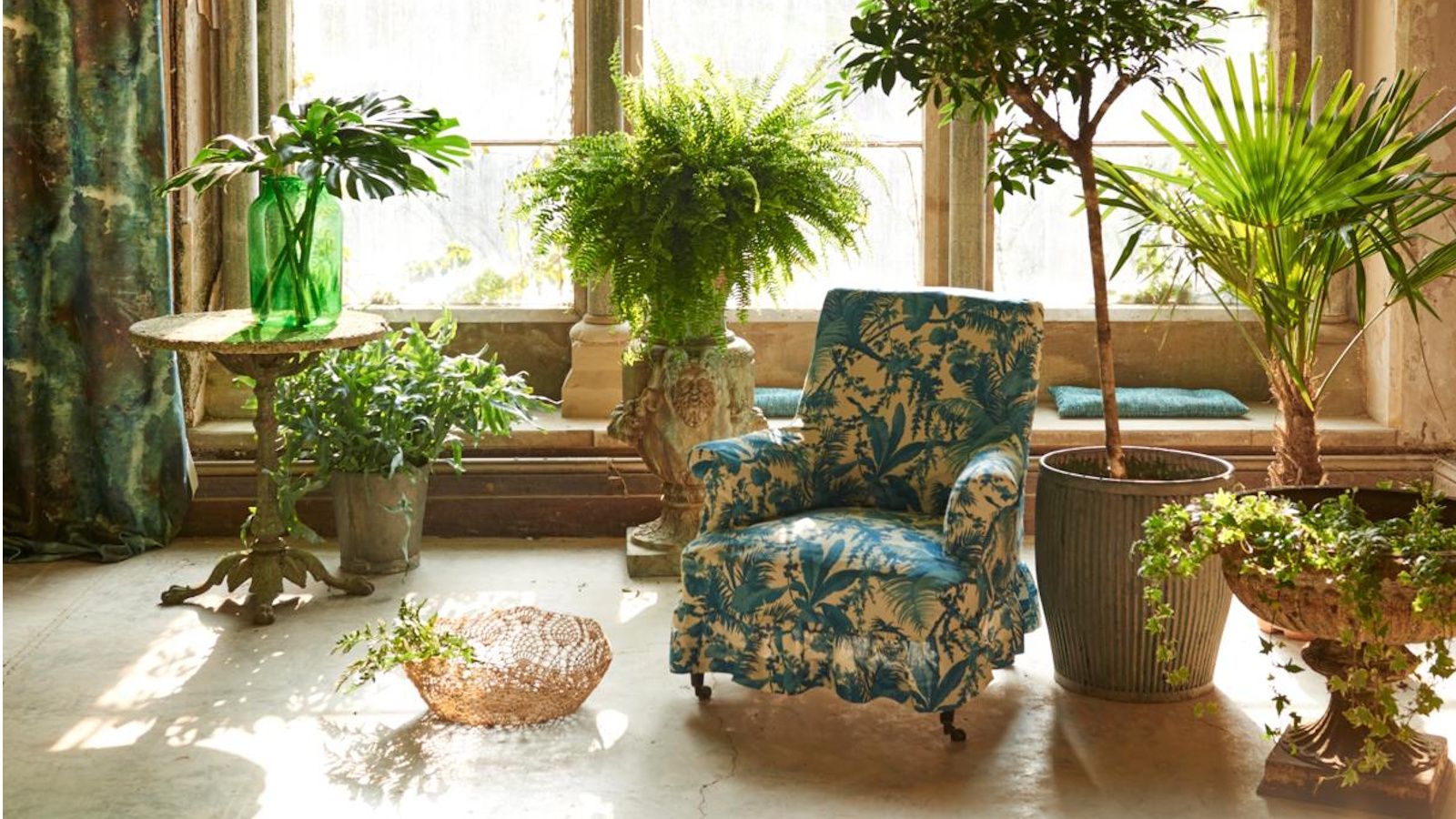
Meet the Top Thriving Chinese Plant Varieties 🌟
Choosing the right Chinese plants is the first step to success. Here are 8 standout varieties that consistently thrive for home gardeners (I’ve grown every single one myself!):
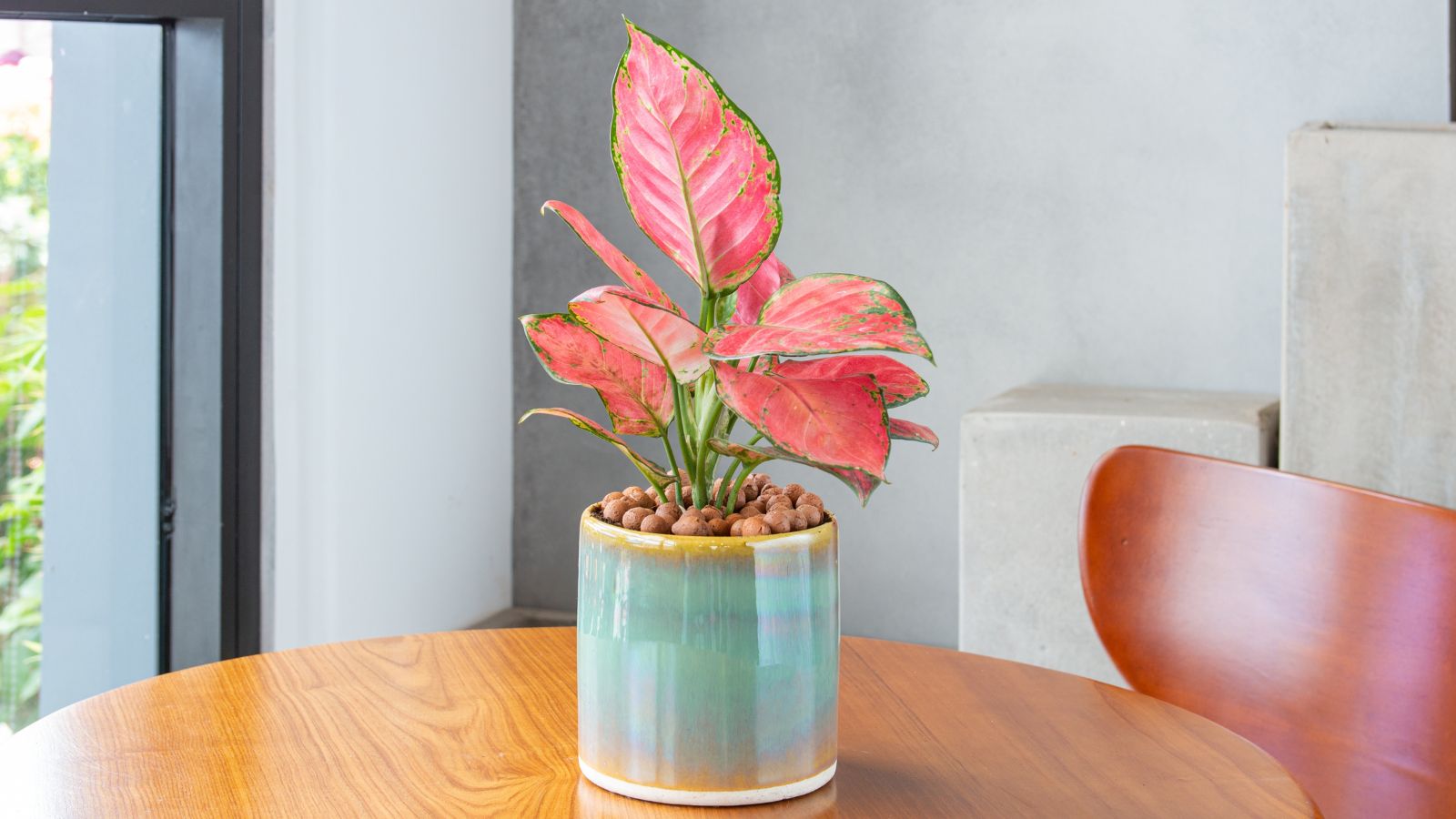
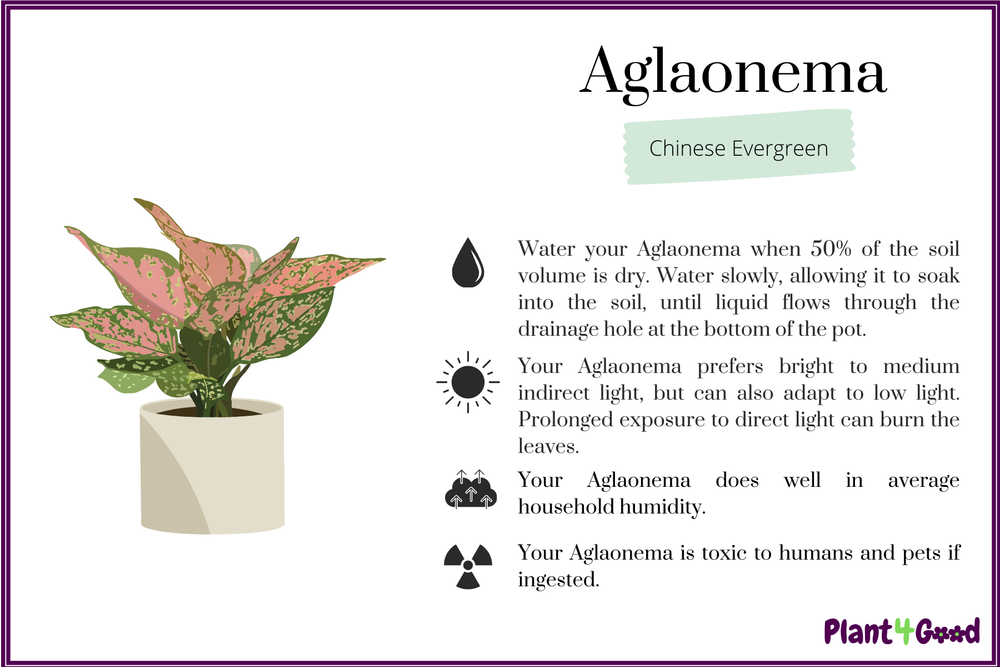
1. Chinese Evergreen (Aglaonema) ✨ With stunning pink, red, and silver variegated leaves, this low-light hero is a top seller. Cultivars like ‘Red Siam’ and ‘Silver Bay’ add instant color.
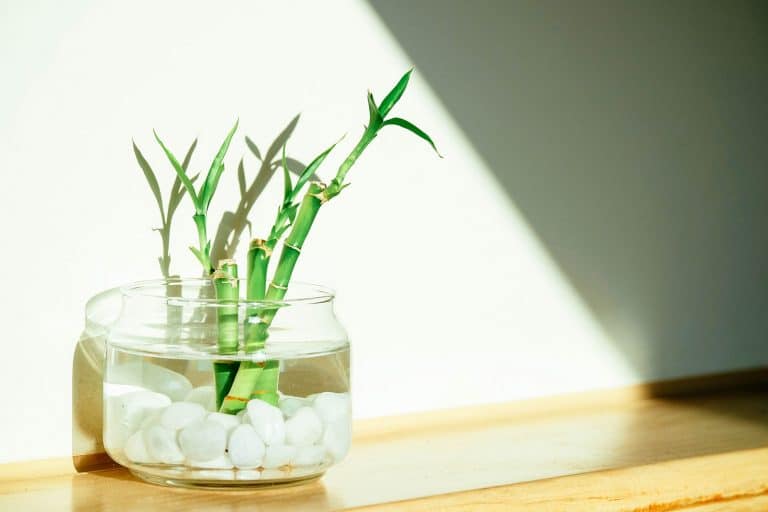
2. Lucky Bamboo (Dracaena sanderiana) 🍀 Not true bamboo but a Dracaena, these twisted stalks grow in water or soil and are famous for bringing good fortune.
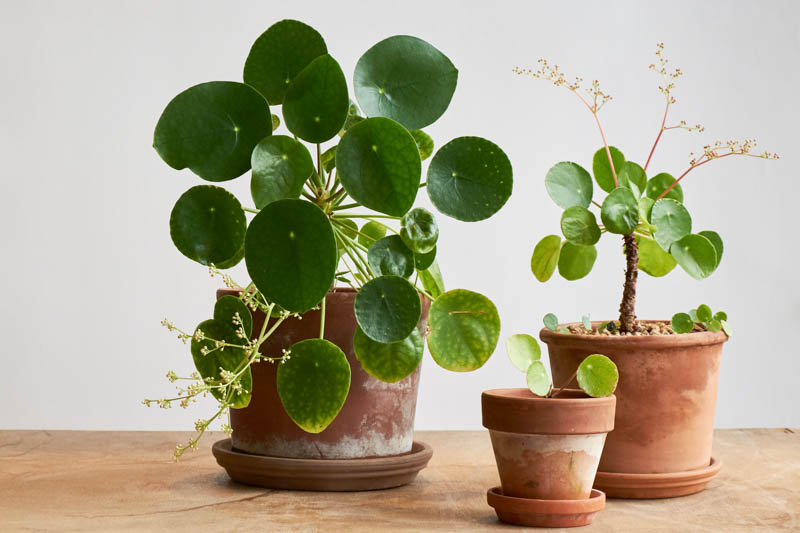
3. Chinese Money Plant (Pilea peperomioides) 💰 Adorable coin-shaped leaves make it a social media favorite. It pups easily and symbolizes wealth.
4. Cast Iron Plant (Aspidistra elatior) 🛡️ The ultimate “indestructible” plant — dark green leaves tolerate neglect, low light, and even cold drafts.

5–8. Bonus Favorites
- Ficus microcarpa (Chinese Banyan) – Great for bonsai or large spaces.
- Chinese Fan Palm (Livistona chinensis) – Outdoor patio star.
- Peace Lily (Spathiphyllum) – Often grouped with Chinese varieties for its elegant white blooms.
- Chinese Evergreen hybrids – Endless colorful options.
Each comes with a quick “Why it’s perfect for you” note in the in-depth care section below.
Essential Care Basics Every Chinese Plant Needs 💧☀️
Mastering the fundamentals is what separates struggling plants from thriving Chinese plants. After growing thousands of specimens, I’ve refined these care rules into a simple, foolproof system that works across most varieties. Follow these and you’ll prevent 90% of common problems! 🌟
Light Requirements – From Low-Light Heroes to Bright Indirect Lovers ☀️
Most Chinese plants evolved in the dappled shade of forest floors, making them excellent for modern homes.
- Low light tolerant: Chinese Evergreen, Cast Iron Plant — perfect for north-facing rooms or offices with fluorescent lighting.
- Bright indirect: Chinese Money Plant, Lucky Bamboo — east or west windows with sheer curtains.
- Avoid: Direct harsh afternoon sun, which scorches leaves.
Pro Tip: Rotate your pots every 7–10 days for even growth. If leaves lean toward the light, they’re telling you they need a brighter spot!
Watering Made Simple – The “Soak & Dry” Rule That Prevents Root Rot 💦
Overwatering is the #1 killer of Chinese plants.
Golden Rule: Water thoroughly only when the top 2 inches of soil feel dry (use your finger or a moisture meter).
- Chinese Evergreen: Every 7–14 days
- Lucky Bamboo in water: Keep water fresh, change weekly
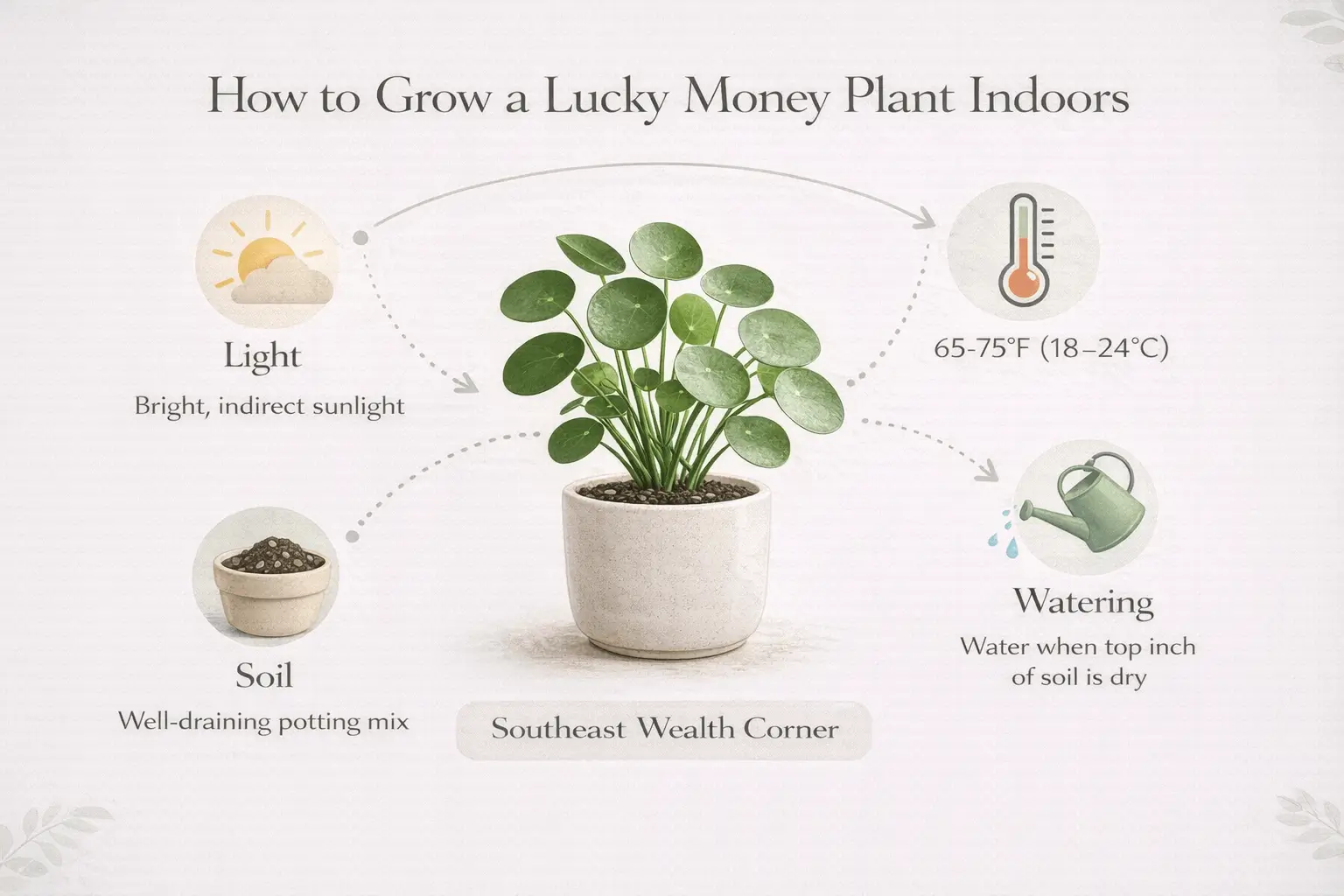
- Chinese Money Plant: Every 10–14 days in summer
Always use room-temperature distilled or rainwater if possible — tap water minerals can build up and cause brown tips.
Soil, Pots & Drainage – The Perfect Mix for Healthy Roots 🪴
Choose a well-draining mix: 50% potting soil + 25% perlite + 25% coco coir or orchid bark. Terracotta pots are ideal as they breathe and reduce overwatering risk. Always ensure drainage holes!
Temperature, Humidity & Seasonal Adjustments 🌡️
Ideal range: 65–80°F (18–27°C). Most Chinese plants appreciate 50–70% humidity — use a pebble tray, humidifier, or group plants together during dry winters.
Fertilizing for Lush Foliage Without Burning 🌱
Feed every 4–6 weeks during spring and summer with a balanced, diluted liquid fertilizer (20-20-20). Skip fertilizing in winter when growth slows.
Pruning, Cleaning Leaves & General Maintenance Tips 🧼
Wipe dusty leaves monthly with a damp cloth — this boosts photosynthesis and keeps your plants looking glossy. Prune yellow or damaged leaves at the base with sterilized scissors.

Step-by-Step Planting, Repotting & Propagation Guide 🌱
Choosing the Right Pot & Soil for New Plants Select a pot 1–2 inches larger than the root ball. Repot in spring when roots circle the bottom.
Repotting Without Stress (When & How)
- Gently remove the plant.
- Shake off old soil.
- Trim any rotten roots.
- Place in new pot with fresh mix.
- Water lightly and keep in indirect light for a week.
Easy Propagation Methods – Division, Cuttings & Water Roots
- Chinese Evergreen: Divide at the root ball during repotting.
- Lucky Bamboo: Cut stalks and root in water.
- Chinese Money Plant: Remove “pups” (baby plants) and pot separately — they root incredibly fast!
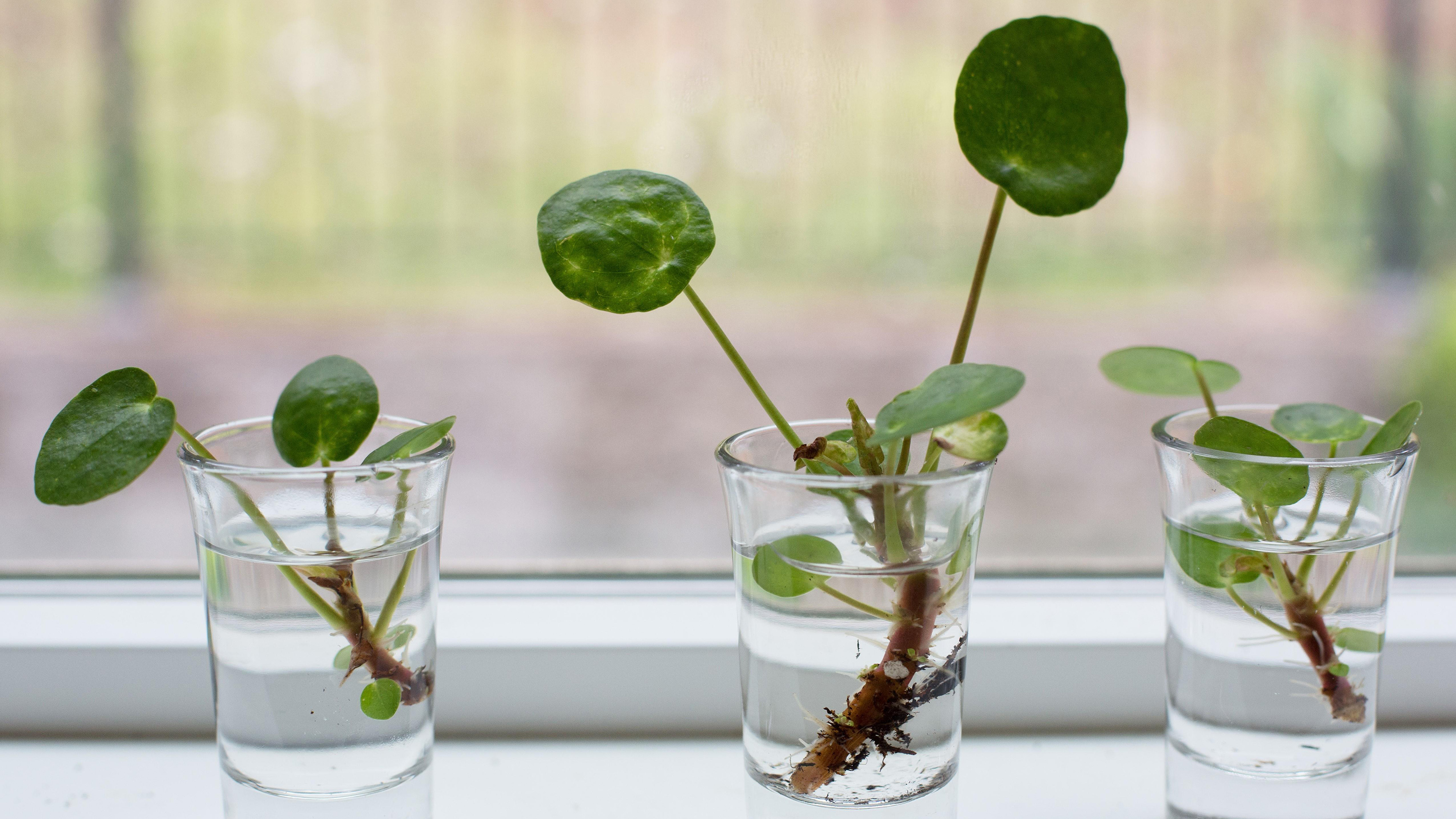
Expert Insight: I once propagated 25 Chinese Money Plant pups in one afternoon — within 4 weeks every single one was growing strong. Propagation is the most rewarding (and budget-friendly) part of Chinese plant care!
In-Depth Care Guides for Popular Chinese Plant Varieties 📋
This is the heart of the guide — detailed, variety-specific instructions based on my 15+ years of growing and testing these Chinese plants in real homes. Each section includes a quick care checklist, common mistakes, and expert insights you won’t find in short blog posts. 🌟
Chinese Evergreen (Aglaonema) Care – The Ultimate Low-Light Star ✨
The Chinese Evergreen remains one of the most popular Chinese plants for beginners and experts alike. Its colorful, patterned leaves brighten any dull corner.
Care Checklist
- Light: Low to medium indirect (perfect for bedrooms and offices)
- Watering: Every 7–14 days — let top 2″ soil dry out
- Soil: Well-draining, slightly acidic (pH 5.5–6.5)
- Temperature: 65–80°F (avoid below 60°F)
- Fertilizer: Balanced liquid every 6 weeks in growing season
Popular Cultivars: ‘Red Siam’ (pink-red), ‘Silver Bay’ (silvery), ‘Maria’ (dark green).
Common Issues & Fixes: Yellow leaves usually mean overwatering or cold drafts. Brown tips? Increase humidity or flush soil to remove mineral buildup.
My Expert Tip: I keep my Aglaonema collection under grow lights during dark winters — they reward me with new colorful leaves every month! These plants are mildly toxic to pets, so keep them out of reach of curious cats and dogs.
Lucky Bamboo Care – Twists, Towers & Good Fortune Stalks 🍀
Despite its name, Lucky Bamboo is actually a Dracaena. It’s incredibly forgiving and symbolizes prosperity in Chinese culture.
Care Checklist
- Light: Bright indirect (grows well in offices)
- Water: Keep water fresh — change weekly if grown in water
- Container: Use pebbles for stability
- Growth: Can reach 3+ feet tall with proper care
Styling Ideas: Twisted stalks, straight towers, or braided — each carries different feng shui meanings.
Troubleshooting: Yellow stalks often mean too much direct sun or poor water quality. Use filtered water and add a drop of liquid fertilizer monthly.
Pro Insight: I’ve kept the same Lucky Bamboo stalks alive for over 8 years by simply refreshing the water and occasionally trimming yellow tips.
Chinese Money Plant (Pilea peperomioides) Care – The Coin-Shaped Cutie 💰
This trendy plant produces adorable round “coin” leaves and pups like crazy — perfect for gifting and sharing good fortune.
Care Checklist
- Light: Bright indirect (south or west window with curtain)
- Watering: Every 10–14 days
- Soil: Light, well-aerated mix
- Propagation: Super easy from pups or stem cuttings
Seasonal Note: It grows fastest in spring/summer. Pinch tops to encourage bushier growth.
Expert Secret: Place it in the wealth corner (southeast) of your home according to feng shui for maximum symbolic benefit.
Cast Iron Plant (Aspidistra elatior) Care – The Indestructible Indoor Warrior 🛡️
If you kill every other plant, this one will survive. Dark green, strap-like leaves tolerate almost everything.
Care Checklist
- Light: Very low light tolerant
- Watering: Every 2–3 weeks (very drought tolerant)
- Temperature: Handles 50–85°F and cold drafts
- Pet Safe: Yes!
Bonus Varieties Quick Guides
- Ficus microcarpa (Chinese Banyan): Great for bonsai, needs more consistent moisture.
- Chinese Fan Palm: Excellent for patios, loves humidity.
These detailed guides ensure you can confidently care for your Chinese plants no matter which variety you choose.
Common Problems & Easy Fixes – Keep Your Plants Thriving Year-Round ⚠️
Even the toughest Chinese plants can show distress if conditions aren’t ideal. Here’s a practical diagnostic guide based on real cases I’ve solved for hundreds of plant parents.
Yellow Leaves
- Cause: Overwatering, poor drainage, or sudden temperature drops.
- Fix: Let soil dry out completely, improve drainage, and move away from cold windows.
Brown Tips or Edges
- Cause: Low humidity, fluoride in tap water, or fertilizer burn.
- Fix: Switch to distilled/rainwater, increase humidity with a pebble tray, and flush soil monthly.
Leggy Growth or Pale Leaves
- Cause: Insufficient light.
- Fix: Move to brighter indirect spot or add a gentle grow light.
Pests (Mealybugs, Spider Mites, Scale)
- Solution: Wipe leaves with neem oil solution (1 tsp neem + 1 tsp dish soap in 1 liter water). Repeat weekly for 3 weeks.
Root Rot
- Prevention: Always use well-draining soil and pots with holes.
- Rescue: Trim black roots, repot in fresh mix, and reduce watering drastically.
Quick Diagnostic Flowchart (Text Version):
- Leaves yellow + soil wet → Overwatering
- Leaves brown + crispy → Underwatering or low humidity
- Spots on leaves → Pest or fungal issue
Natural, pet-safe remedies are always my first choice — they keep both your Chinese plants and family safe.
Seasonal & Outdoor Gardening Tips for Chinese Plants 🌞❄️
Spring & Summer
- Gradually move tolerant varieties (Cast Iron Plant, Chinese Fan Palm) outdoors to a shaded patio.
- Increase watering and fertilizing as growth speeds up.
- Watch for intense sun — use 40–50% shade cloth if needed.
Fall
- Bring plants indoors before night temperatures drop below 55°F.
- Reduce watering and stop fertilizing.
Winter
- Provide extra humidity (grouping plants + humidifier works wonders).
- Clean leaves regularly to maximize limited light.
- Rotate plants for even exposure.
Container Gardening for Balconies & Patios Use large terracotta or ceramic pots for stability. Group Chinese plants with similar needs for a beautiful, low-effort display.
Expert Pro Tips & Feng Shui Secrets for Maximum Beauty & Luck ✨
After 15+ years working with Chinese plants, these are my favorite insider secrets:
- Feng Shui Placement: Put Lucky Bamboo in the east (health) or southeast (wealth). Chinese Money Plant in the southeast corner amplifies prosperity energy.
- Plant Pairing: Combine Chinese Evergreen with Peace Lily for stronger air purification and visual harmony.
- Styling Hack: Use odd numbers (3, 5, 7) when grouping plants — it feels more natural and feng shui-friendly.
- Advanced Tip: Mist leaves with diluted seaweed extract monthly for extra shine and micronutrients.
- Myth Buster: Lucky Bamboo doesn’t need “lucky” water — clean, fresh water and good light are what matter most.
These tips turn simple plant care into a meaningful, enriching experience.
Frequently Asked Questions (FAQs) ❓
Are Chinese plants toxic to pets? Most (Chinese Evergreen, Aglaonema) are mildly toxic if ingested. Lucky Bamboo and Cast Iron Plant are safer options for pet households.
How often should I water my Chinese Evergreen? Every 7–14 days. Always check soil moisture first — overwatering is more dangerous than slight underwatering.
Can Chinese plants grow outdoors year-round? Only in USDA zones 9–11. In cooler climates, treat them as indoor plants or bring them in during winter.
Why are my leaves turning yellow? Usually overwatering or cold stress. Check soil and temperature first.
What’s the best fertilizer for Lucky Bamboo? A very diluted balanced liquid fertilizer (1/4 strength) added monthly during growing season.
How do I make my Chinese Money Plant bushier? Pinch the growing tips regularly and give it bright indirect light.
Do Chinese plants purify air? Yes! Species like Aglaonema and Cast Iron Plant are excellent at removing indoor toxins.
How fast do they grow? Moderate growers — expect 6–12 inches per year under ideal conditions.
Conclusion
Chinese plants offer far more than beautiful foliage — they bring centuries of cultural significance, powerful air-purifying abilities, and a sense of calm and prosperity into your daily life. By following this comprehensive guide, you now have all the tools, variety-specific knowledge, and expert tips needed to grow and maintain thriving Chinese plants at home or in your garden.
Whether you start with a resilient Cast Iron Plant or a colorful Chinese Evergreen, your space will soon feel more alive, harmonious, and lucky. 🌱💚
Ready to begin? Head to your local nursery or trusted online shop and bring home your first Chinese plant today. Share your plant journey in the comments — I love seeing your successes and answering questions!











