
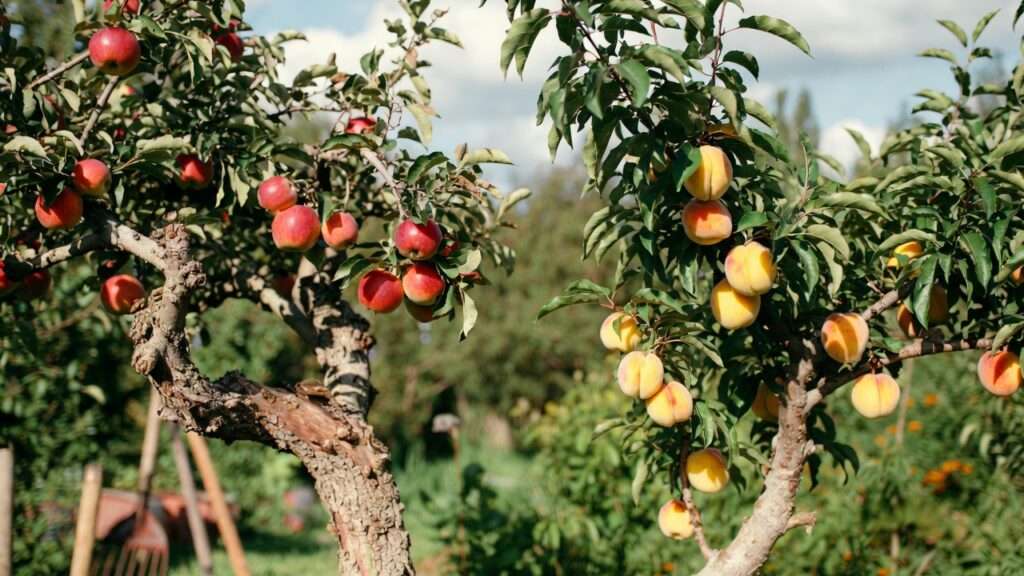
Imagine stepping into your backyard on a warm summer morning, reaching up to pluck a sun-kissed apple that bursts with layers of rich, nostalgic flavor you’ve only dreamed of from store-bought fruit. 🍏 Or picture harvesting armloads of flawless, spot-free peaches year after year with minimal fuss, even in a challenging humid climate. These two visions represent the heart of the heirloom vs. hybrid fruit trees debate that confuses so many home gardeners, homesteaders, and backyard orchard enthusiasts.
Choosing heirloom vs. hybrid fruit trees isn’t about one being universally “better”—it’s about aligning your planting decisions with your real goals: exceptional taste and heritage charm, or reliable high yields and low-maintenance ease? Fruit trees are a long-term investment (often 20–50+ years of productivity!), so getting this choice right can mean the difference between a thriving edible landscape and frustrating disappointment.
In this comprehensive guide, we’ll break down the definitions, key differences, pros/cons, expert recommendations, and a practical decision framework. Drawing from horticultural research, university extension services, experienced orchardists, and real-world home grower feedback, we’ll help you select the perfect fruit trees for your space, climate, and lifestyle. Whether you’re a beginner in a small urban yard or an seasoned homesteader, you’ll walk away knowing exactly what to plant.
What Are Heirloom Fruit Trees? 🌿
Heirloom fruit trees are open-pollinated varieties that have been passed down through generations—typically defined as at least 50 years old without significant modern modification. These trees carry stories: a Gravenstein apple from 19th-century California orchards, or a Seckel pear beloved by early American farmers.
Propagation for heirlooms (like most fruit trees) relies on grafting—attaching the desired variety (scion) onto hardy rootstock. This ensures consistency, as growing from seed rarely produces a true-to-type tree due to genetic variation from cross-pollination.
Heirlooms shine in genetic diversity, supporting pollinators and preserving rare traits. Popular examples include:
- Ashmead’s Kernel apple (complex, honey-like flavor)
- Black Oxford apple (deep purple skin, excellent storage)
- Seckel pear (small, intensely sweet)
- Illinois Everbearing mulberry (prolific, sweet berries)
- Dolgo crabapple (beautiful blooms, disease-tolerant fruit for jelly)
These varieties often thrive in specific regional conditions where they’ve adapted over decades.
What Are Hybrid Fruit Trees? 🚀
Hybrid fruit trees result from intentional cross-breeding of two parent lines to combine desirable traits (F1 hybrids). This traditional breeding—not genetic modification—targets vigor, disease resistance, yield, and uniformity.
Like heirlooms, hybrids are grafted for reliability. They aren’t GMOs (which involve lab insertion of foreign genes); hybrids occur naturally but are selectively controlled.
Hybrids excel in predictability and performance under modern home conditions. Common examples:
- Liberty apple (top-tier scab and fire blight resistance)
- Many modern peaches and plums bred for brown rot resistance
- Disease-resistant cherries and apricots for humid areas
Hybrids often fruit earlier and more consistently, making them favorites for beginners.
Key Differences: Heirloom vs. Hybrid Fruit Trees Side-by-Side ⚖️
Here’s a clear comparison to help visualize trade-offs:
| Aspect | Heirloom Fruit Trees 🌟 | Hybrid Fruit Trees 🚀 |
|---|---|---|
| Flavor | Often superior, complex, nostalgic | Good to excellent, sometimes milder or uniform |
| Disease Resistance | Variable (some strong, many need care) | Usually higher (bred for scab, fire blight, rot) |
| Yield & Consistency | Variable year-to-year, less uniform | Higher, more predictable |
| Vigor & Growth | Can be slower, less stress-tolerant | More vigorous, faster to fruit |
| Adaptability to Climate | Often regionally adapted | Bred for broad or specific conditions |
| Longevity & Sustainability | Excellent for biodiversity, heritage preservation | Reliable, but may need replacement sooner in tough conditions |
| Cost & Availability | Sometimes rarer/expensive | Widely available, often more affordable |
These differences stem from breeding priorities: heirlooms for taste and history, hybrids for performance and ease.
Pros and Cons of Heirloom Fruit Trees 🍎
Pros ✨
- Unmatched flavor depth—think aromatic apples that make pies unforgettable
- Greater genetic diversity, benefiting bees, birds, and ecosystem health
- Cultural and emotional connection (grandma’s variety!)
- Unique traits like extended storage or unusual colors/shapes
Cons ⚠️
- Higher susceptibility to diseases/pests in many climates
- Inconsistent or lower yields, especially under stress
- Slower to bear fruit (sometimes 5–8 years)
- Harder to source authentic, high-quality stock
Pros and Cons of Hybrid Fruit Trees 🌟
Pros ✅
- Excellent built-in disease resistance—less spraying needed
- Higher, more reliable yields and earlier production
- Uniform fruit size/shape ideal for preserving/canning
- Easier for beginners and challenging sites
Cons ⚠️
- Flavor can feel less complex or “commercial” to some palates
- Reduced genetic diversity overall
- Seeds won’t produce identical trees (though irrelevant for grafted fruit trees)
Which Should You Choose? Decision Framework 🗺️
Follow this step-by-step to match your needs:
- Primary Goal — Crave exceptional taste and heritage? Lean heirloom. Want reliable harvests with minimal effort? Choose hybrid.
- Experience Level — New to fruit trees? Start with hybrids for higher success rates.
- Climate & Location — Humid, disease-prone areas (e.g., many tropical/subtropical zones)? Hybrids win. Mild, heritage-rich regions? Heirlooms thrive.
- Space & Time — Small yard or want fruit fast? Hybrids on dwarf rootstock. Larger space and patience? Mix in heirlooms.
- Sustainability Focus — Prioritize biodiversity? Heirlooms contribute more to genetic preservation.
Many experts recommend a mix: plant 70% hybrids for steady production and 30% heirlooms for flavor adventures!
Best Heirloom Fruit Trees for Home Gardens 🍏🌳
If flavor and heritage are your top priorities, heirloom varieties deliver unforgettable taste experiences that modern hybrids often can’t match. These trees have been treasured for generations precisely because of their unique profiles—aromatic, complex, and perfect for fresh eating, baking, or cider.
Here are some standout recommendations suitable for most home gardens (check your USDA hardiness zone and local chill hours for best matches):
- Ashmead’s Kernel apple (USDA zones 4–8): A 1700s English heirloom with russeted skin and an intense honey-pear-spice flavor that’s often called one of the best-tasting apples ever. Excellent keeper (stores 3–6 months).
:max_bytes(150000):strip_icc()/ms-northern-spy-apple-8c79867f0f1548c28e9c16e2d942dc51.jpg)
- Black Oxford apple (zones 4–8): Deep purple-black skin, crisp white flesh with a tart-sweet balance. Legendary storage life (up to 6 months in cool conditions) and great for pies or fresh snacking.
:max_bytes(150000):strip_icc()/86-Apple-Varieties-You-Should-Know-FT-2-MAG1123-adad193ac64e4fa8a1959c2b4851b676.jpg)
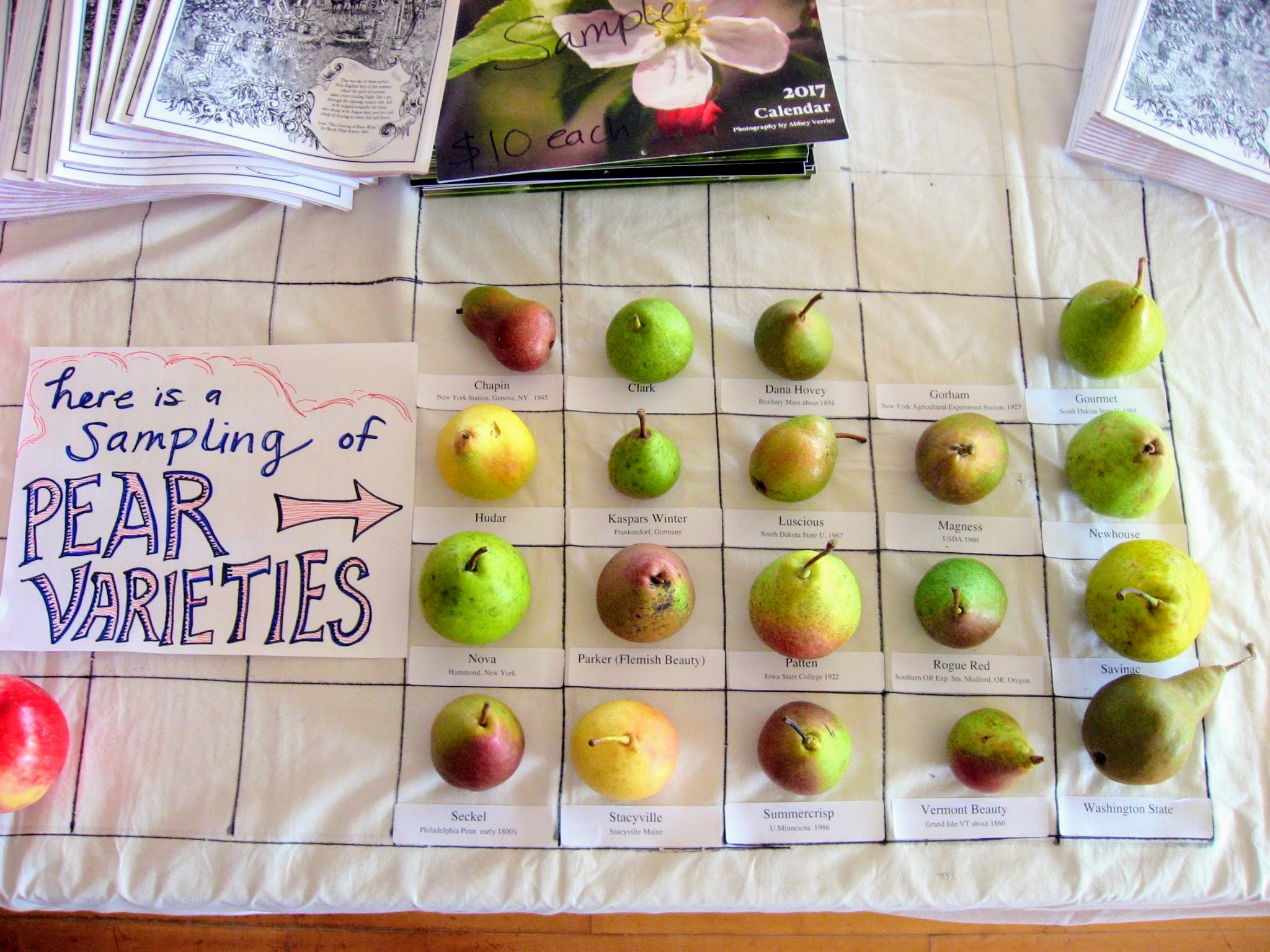
- Seckel pear (zones 5–8): Tiny, intensely sweet “sugar pear” from the 1700s—often described as candy-like. Perfect for small yards on dwarf rootstock.
- Illinois Everbearing mulberry: Prolific, sweet berries over a long season; great for wildlife and low-maintenance flavor.
- Dolgo crabapple (zones 3–8): Beautiful pink blooms, tart fruit excellent for jelly, and good disease tolerance for an heirloom.
Tip: Source from reputable nurseries specializing in heritage varieties (e.g., Fedco, Trees of Antiquity, or Stark Bro’s heirloom section) to ensure true-to-name stock. Always verify pollination compatibility—most need a second variety nearby.
Best Hybrid Fruit Trees for Reliable Results 🌟🍑
For consistent production, especially in disease-prone or variable climates, hybrids shine. These are bred for performance without sacrificing too much taste.
Top picks include:
- Liberty apple (zones 4–8): Outstanding resistance to apple scab, fire blight, and cedar apple rust—often called the “organic grower’s dream.” Crisp, juicy, tart-sweet flavor. Fruits early (3–4 years).

- Modern disease-resistant peaches (e.g., Contender, Redhaven hybrids): Bred to resist brown rot and bacterial spot—huge advantage in humid areas.
- Stella cherry (self-fertile hybrid): Reliable sweet cherries without needing a pollinator partner.
Hybrids often come on dwarf or semi-dwarf rootstocks, making them ideal for small spaces and quicker harvests.
Special Considerations for Fruit Trees 🌱
Fruit trees differ from annual plants in key ways—here’s what every grower should know:
- Grafting is essential: The fruit variety (scion) is grafted onto rootstock for size control, disease resistance, and adaptability. Dwarf rootstocks (e.g., M27, M9 for apples) keep trees 6–10 ft tall; semi-dwarf (MM106) reach 12–18 ft. Choose rootstock suited to your soil and drainage.
- Pollination requirements: Most apples, pears, and cherries need cross-pollination from a compatible variety blooming at the same time. Check charts from your nursery. Self-fertile exceptions (e.g., some peaches, Stella cherry) simplify planting.
- Long-term commitment: Trees produce for decades—plan for mature size, sunlight (6–8+ hours), and spacing (10–20 ft apart depending on rootstock).
- Organic compatibility: Hybrids often require fewer interventions due to resistance; heirlooms may need more vigilant IPM (integrated pest management).
Expert Tips for Success No Matter Which You Pick ✂️🌿
Success comes down to fundamentals:
- Site selection & soil prep: Full sun, well-drained soil (pH 6.0–7.0). Amend clay/heavy soils with compost; test drainage (no standing water after rain).
- Planting best practices: Plant in early spring or fall; dig hole 2–3× wider than root ball but same depth. Keep graft union above soil line. Water deeply at planting.
- Pruning for health & yield: Train young trees to open center or modified central leader. Annual pruning removes dead/diseased wood and encourages fruiting spurs.

- Pest & disease management: Use neem oil, beneficial insects, and resistant varieties first. Monitor for codling moth, aphids, fire blight.
- Consider a mix: Plant 2–3 hybrids for reliable crops and 1–2 heirlooms for special treats—best of both worlds!
Common Myths Debunked ❌
- Myth: Hybrids are GMOs → No! Hybrids result from traditional cross-pollination; GMOs involve lab gene insertion (rare in fruit trees).
- Myth: Heirlooms always taste better → Many do, but some hybrids (e.g., Honeycrisp, Liberty) rival or exceed heirlooms in blind taste tests.
- Myth: You can easily save seeds from fruit trees → Seeds produce variable offspring—not true to type. Propagation is via grafting.
Frequently Asked Questions (FAQs) ❓
Are heirloom fruit trees better for the environment? Yes—higher genetic diversity supports pollinators and resilience against future threats like climate change or new diseases.
Can I grow heirloom trees organically more easily? Not necessarily; many heirlooms lack modern resistance, so they may need more natural pest controls in tough conditions.
How long until my fruit tree produces? Dwarf/semi-dwarf: 2–5 years. Standard: 5–8+ years. Hybrids often fruit sooner.
What’s the best for beginners? Hybrids on dwarf rootstock—higher success rate, less space, quicker rewards.
Do hybrids last as long as heirlooms? Both can live 30–100+ years with good care; hybrids may perform better longer in disease-heavy areas.
Conclusion 🌳🍎
Choosing heirloom vs. hybrid fruit trees ultimately comes down to what brings you joy in the garden. Passionate about savoring rare, complex flavors and preserving history? Heirlooms will reward your patience. Want dependable baskets of beautiful fruit with less headache? Hybrids deliver satisfaction faster.
Many successful home orchardists plant a thoughtful mix—reliable producers alongside a few treasured heirlooms. Start small, observe your microclimate, and enjoy the journey. Your future self (and taste buds) will thank you!











