
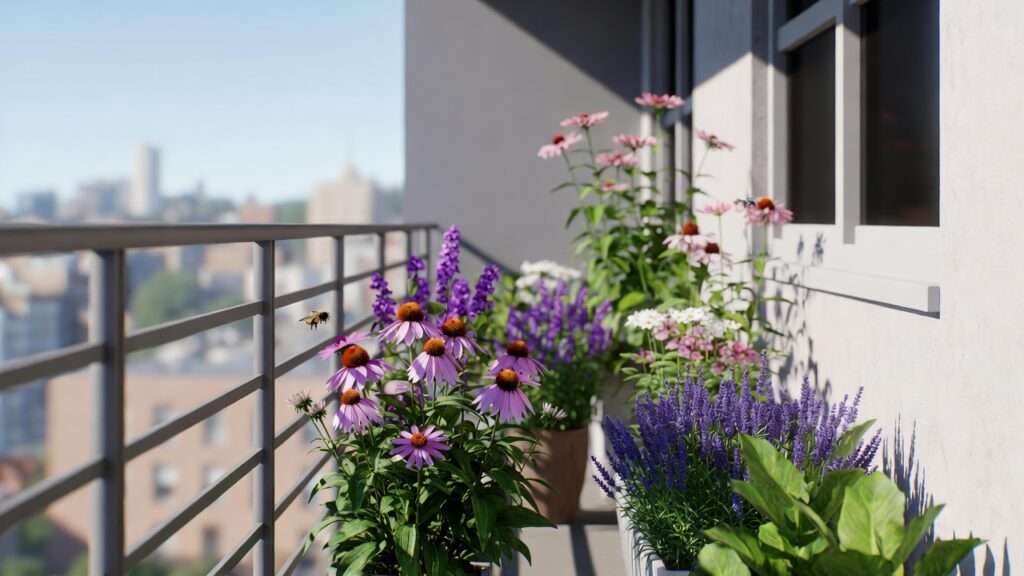
Imagine stepping onto your balcony in the heart of a bustling city, where concrete and traffic dominate the view, yet suddenly you hear a gentle buzz. A tiny bee dances from flower to flower on a vibrant pot of purple coneflowers, while a butterfly flutters nearby on bright orange butterfly weed. This isn’t a dream—it’s a reality thousands of urban dwellers are creating right now. Pollinator populations—bees, butterflies, hummingbirds, and more—are declining sharply due to habitat loss, pesticides, and urban sprawl. But even the smallest balcony, rooftop, or patio can become a vital oasis. City-friendly pollinator plants are the key: compact, tough, container-adapted varieties that provide nectar, pollen, and host sites while thriving amid wind, heat, pollution, and limited space. 🏙️🌿
In this comprehensive guide, we’ll explore the best city-friendly pollinator plants that solve the real problem urban gardeners face: how to support struggling wildlife without a big yard. Drawing from experts like the Xerces Society, native plant societies, and real-world urban successes, you’ll get proven recommendations, setup tips, and maintenance hacks. Whether you’re a beginner or seasoned gardener, these plants deliver beauty, biodiversity, and environmental impact—turning your tiny space into a buzzing conservation hub. Let’s dive in and make your urban spot a pollinator paradise! ✨
Why Urban Pollinator Gardens Matter More Than Ever 🐝
Pollinators aren’t just nice to have—they’re essential. They support over 85% of flowering plants worldwide, including many crops we rely on. In cities, where green space is scarce, pollinators struggle to find food and shelter between buildings. Urban areas can actually become powerful corridors if residents step up: studies show even small patches connect habitats and boost local populations.
Your balcony garden offers huge benefits:
- Provides nectar and pollen season-long for bees 🐝, butterflies 🦋, moths, and hummingbirds.
- Improves air quality and reduces urban heat.
- Enhances your mental well-being—nothing beats watching wildlife thrive from your own space.
- Creates stepping stones in fragmented landscapes.
But cities pose unique challenges: strong winds dry out pots fast, heat islands bake plants, pollution stresses foliage, and space limits root growth. That’s why city-friendly pollinator plants prioritize natives or well-adapted species that are compact, drought-tolerant once established, pollution-resistant, and perfect for containers. Prioritizing natives ensures the best nutritional match for local insects—many specialist bees rely on specific plants!
How to Choose the Best City-Friendly Pollinator Plants 🌱
Success starts with smart selection. Look for these traits in urban settings:
- Container compatibility — Compact roots (under 18–24″ deep ideally), non-aggressive spreaders.
- High pollinator value — Abundant nectar/pollen; host plants for caterpillars (e.g., milkweed for monarchs).
- Urban toughness — Drought, wind, heat, and poor soil tolerance; pollution resistance.
- Seasonal succession — Blooms from spring to fall for continuous food.
- Low-maintenance — Perennials over finicky annuals; deer/pest resistance where possible.
Assess your balcony: South-facing? Full sun heroes shine. North/east? Shade-tolerant picks thrive. Use quality potting mix (well-draining, organic) and pots with holes to prevent rot.
Pro tip: Start with region-specific natives—check Xerces Society lists or local extension services for Bangladesh or tropical/subtropical adaptations (e.g., heat-loving Asclepias or salvias). Even non-natives like lavender work well if they support generalists!
Top 15+ Best City-Friendly Pollinator Plants for Urban Spaces 🌼
Here are standout performers, grouped for your balcony’s conditions. Each is container-proven, attracts multiple pollinators, and handles city life like a champ.
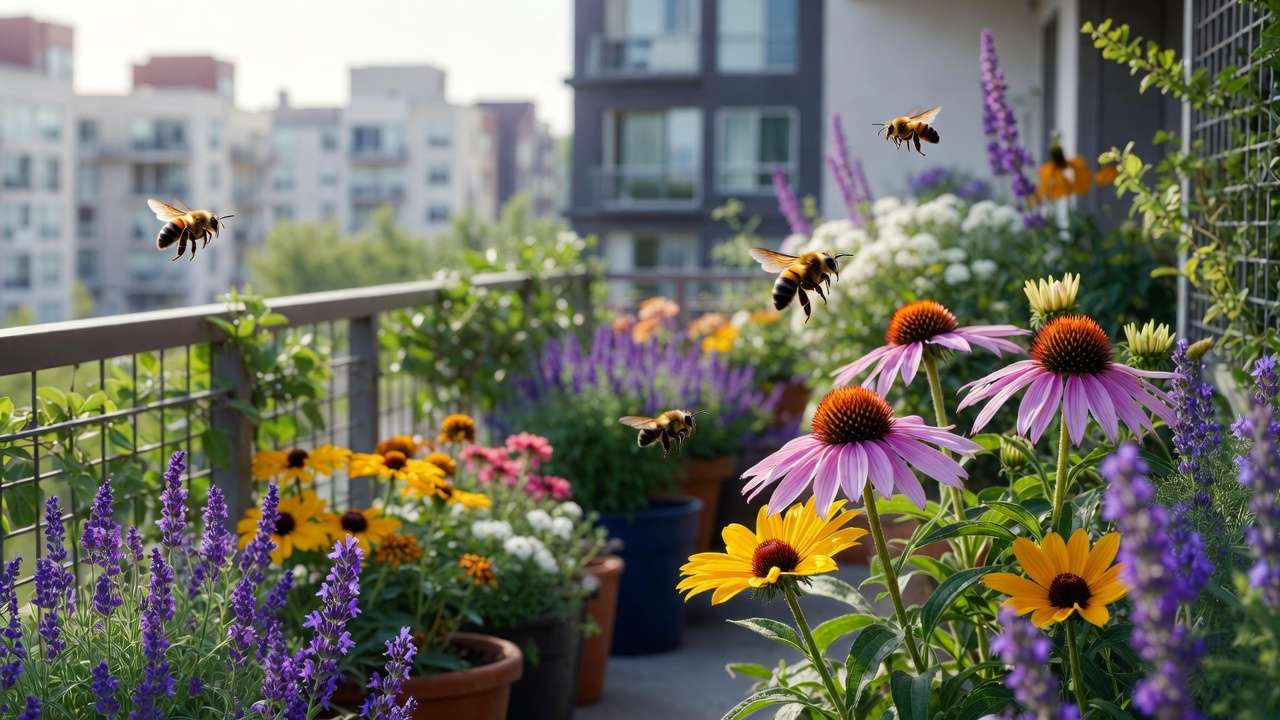
Sun-Loving Superstars (Full/Partial Sun Balconies) ☀️
These thrive in 6+ hours of sun—perfect for south/west-facing spots.
- Purple Coneflower (Echinacea purpurea) 🌼 Iconic daisy-like blooms in pink-purple. Long-flowering (summer–fall), drought-tolerant, attracts bees, butterflies, goldfinches on seeds. Height: 2–4 ft (dwarf cultivars for pots). Why city-friendly: Tough perennial, pollution-tolerant. Care: Deadhead for more blooms.
- Black-Eyed Susan (Rudbeckia hirta) 🌻 Cheerful yellow petals with dark centers. Blooms summer–fall, bee/butterfly magnet. Compact varieties fit pots. Drought-resistant, self-seeds gently. Pro insight: Handles urban heat exceptionally.
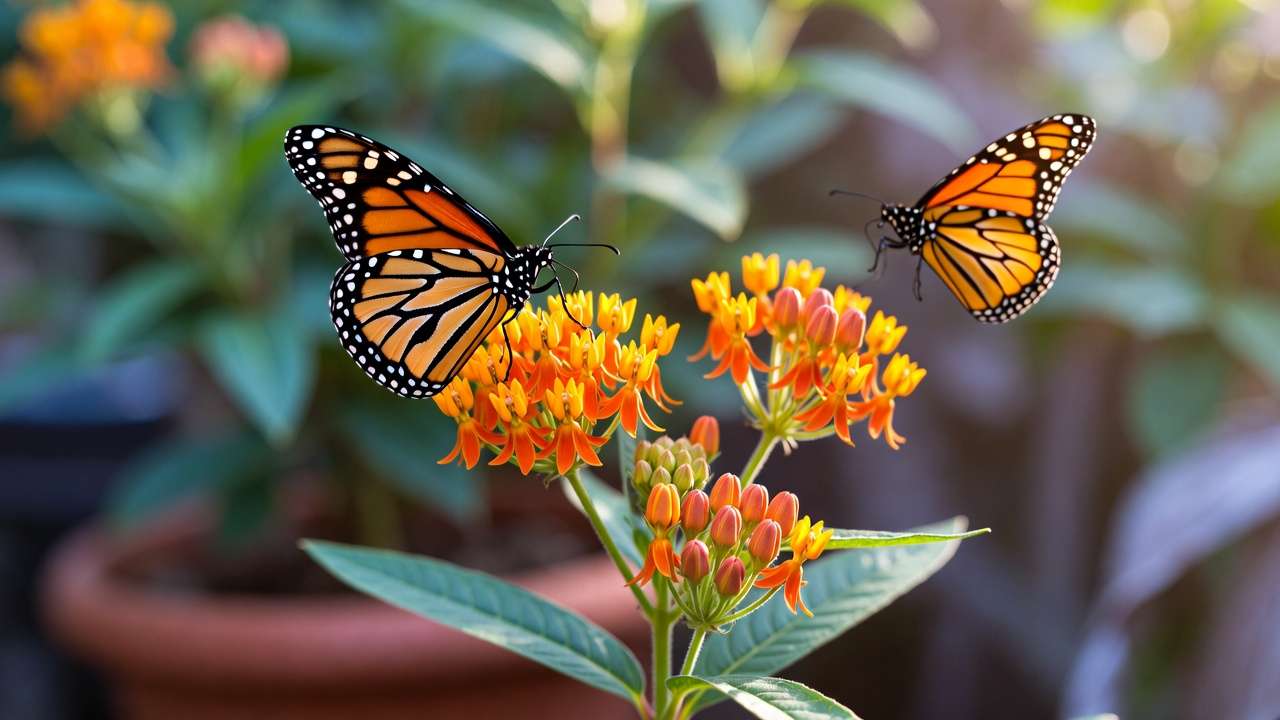
- Butterfly Weed (Asclepias tuberosa) 🦋 Bright orange clusters essential for monarch caterpillars/hosting. Nectar-rich for bees. Compact (1–2 ft), deep taproot but container-ok with large pots. Why urban: Native toughness, low water once established.
- Lavender (Lavandula angustifolia) 💜 Fragrant purple spikes loved by bees. Mediterranean heritage = wind/heat tolerant. Compact cultivars ideal. Bonus: Aromatic foliage deters some pests.
- Anise Hyssop (Agastache foeniculum) 🌿 Licorice-scented spikes bloom nonstop summer–fall. Pollinator favorite (bees go wild!). Upright, 2–3 ft, drought-tolerant. Pro: Deer-resistant, aromatic.
Shade-Tolerant Heroes (North/East-Facing Spots) 🌿
Limited sun? These perform in 3–6 hours or dappled light.
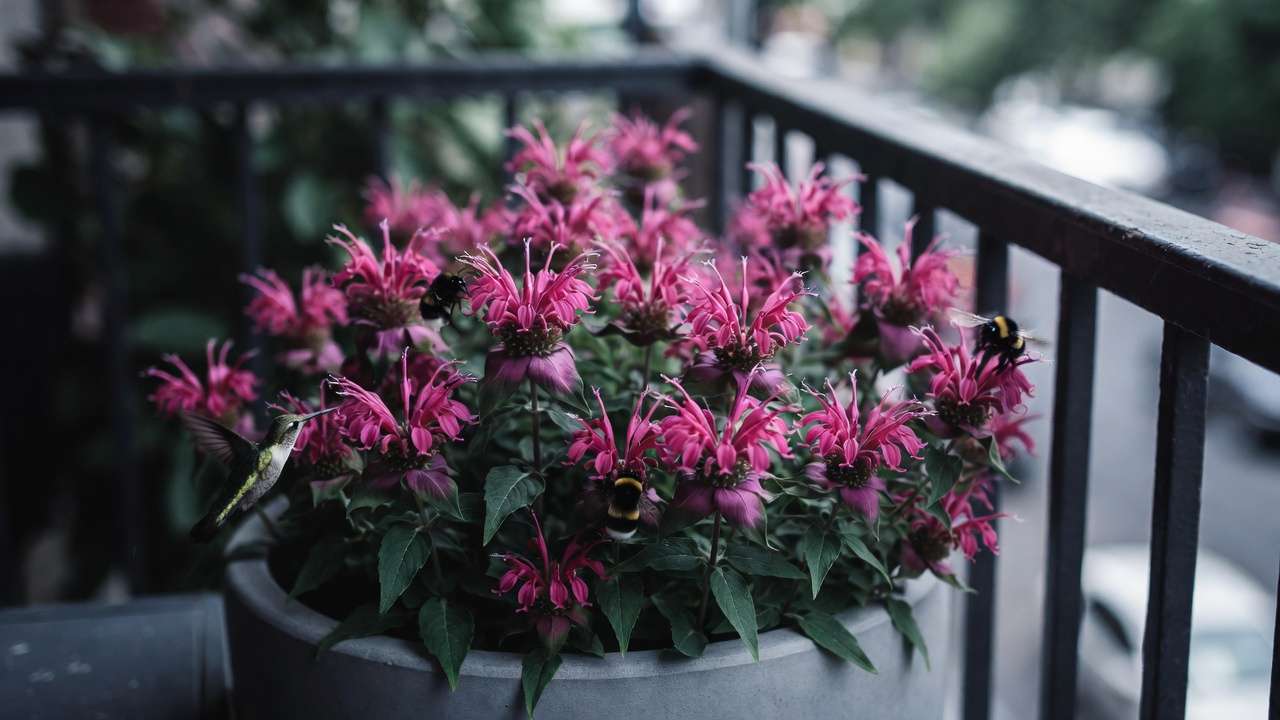
- Bee Balm (Monarda spp.) 🐝 Tubular red/pink/purple flowers draw hummingbirds, bees. Mildew-resistant cultivars best for humid cities. Height: 2–3 ft. Why city: Native, fragrant.
- Coral Bells (Heuchera) 🌸 Delicate bell flowers on tall stems + colorful foliage. Attracts hummingbirds, bees. Shade-loving, compact.
- Cardinal Flower (Lobelia cardinalis) 🔥 Stunning red spikes for hummingbirds. Moist soil lover—great in self-watering pots.
Herbs That Double as Pollinator Powerhouses 🌱
Edible + ecological!
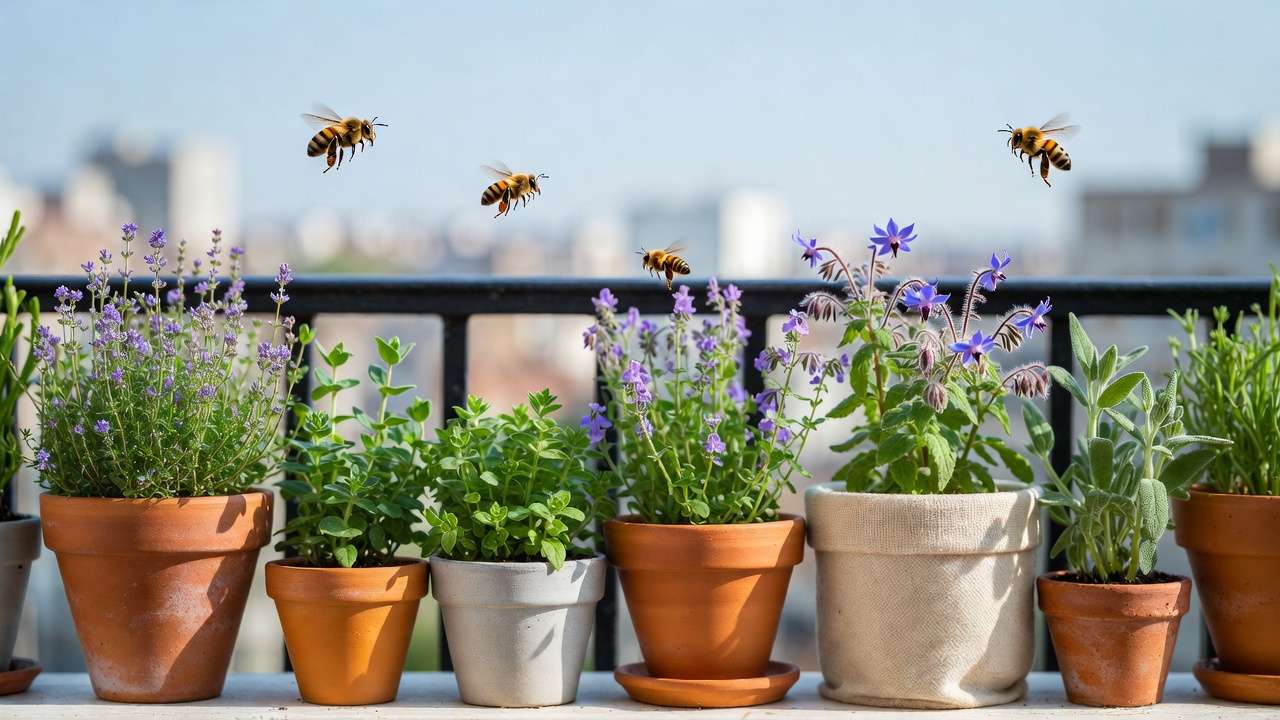
- Thyme, Oregano, Sage, Borage, Mint (contain mint!). Let them flower—bees adore. Compact, fragrant, harvest while helping pollinators.
Late-Season & Specialty Picks 🍂
Fill bloom gaps:
- Blazing Star (Liatris spicata) ⚡ Tall purple spikes, late summer nectar. Vertical drama in pots.
- Calamint or Mountain Mint (Pycnanthemum) ❄️ Tiny flowers = pollinator frenzy. Deer-resistant.
- Compact Zinnias 🎨 Annual color burst for bees/butterflies.
- Swamp Milkweed (Asclepias incarnata) (for wetter pots) — Monarch must-have.
Designing Your Urban Pollinator Oasis: Practical Setup Tips 🏡
Creating a thriving pollinator habitat in limited space requires thoughtful design. Here’s how to maximize every square inch of your balcony, patio, or windowsill.
Choose the Right Containers Size matters: Use pots at least 12–18 inches deep and wide for most perennials (larger for taprooted plants like Asclepias tuberosa). Self-watering pots are excellent in hot, windy cities—they reduce watering frequency by 30–50%.
- Materials: Lightweight fiberglass or plastic for weight limits; terracotta looks beautiful but dries out faster.
- Drainage: Always essential—add a layer of pebbles or broken pottery at the bottom to prevent root rot.
- Weight consideration: Check your balcony’s load capacity; group heavier pots near railings or structural supports.
Go Vertical for More Bloom Power Rail planters, hanging baskets, wall pockets, and trellises dramatically increase planting area.
- Trailing nasturtiums or sweet alyssum spill beautifully over edges and attract hoverflies.
- Climbing clematis (compact varieties) or morning glory can cover railings while offering nectar.
- Stackable planters or tiered stands create mini “pollinator towers.”
Plant in Strategic Clusters Pollinators prefer groups of the same species—it’s easier for them to find food. Plant 3–5 of each kind together rather than one of everything scattered. Mix heights for visual interest and layered nectar access: tall blazing star in back, medium coneflowers in middle, low creeping thyme at edges.
Add Pollinator “Amenities”
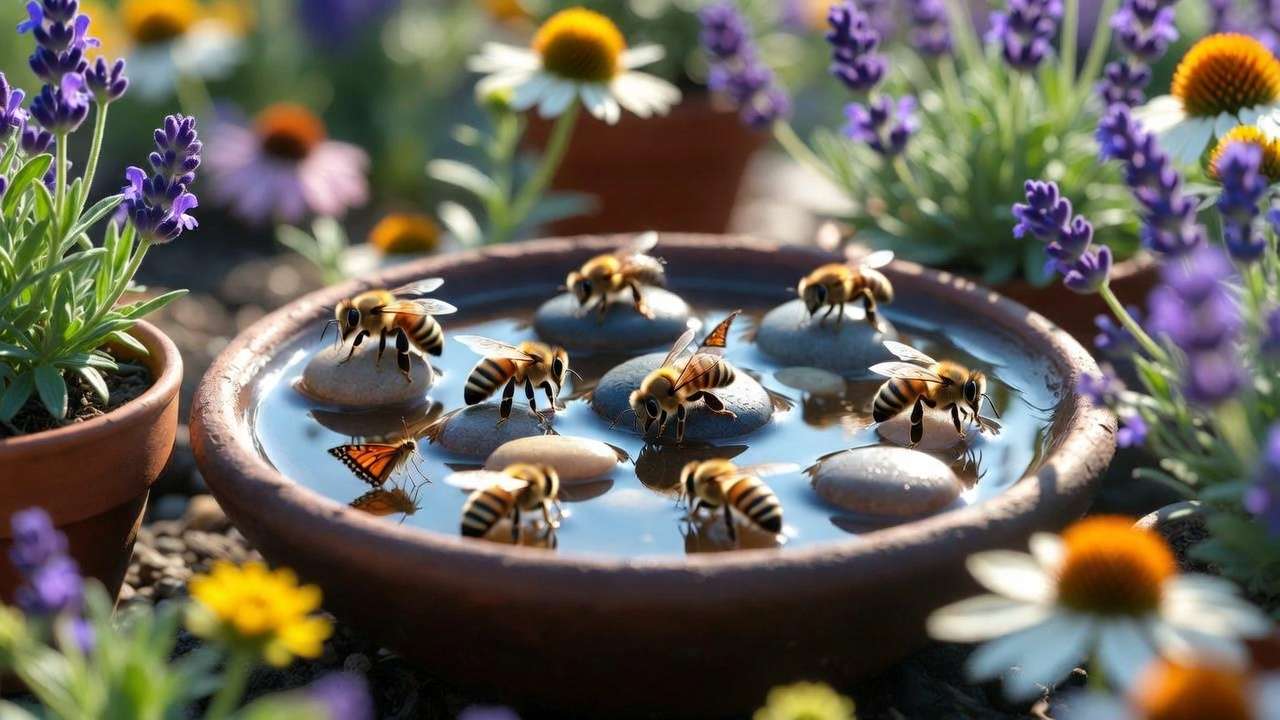
- Water source: Shallow dish or birdbath with pebbles so bees can drink safely without drowning. Refresh every few days.
- Shelter: Small bee hotels (with bamboo or drilled wood tubes) for solitary bees. Leave last season’s hollow stems uncut for overwintering insects.
- Mud puddles (for some butterflies): A small container of moist soil tucked in a corner.
Plan for Continuous Bloom Create a simple succession calendar:
- Spring: Early bulbs (crocus, allium) + borage
- Early summer: Lavender, salvia, catmint
- Mid-summer: Coneflower, black-eyed Susan, bee balm
- Late summer/fall: Anise hyssop, blazing star, asters, zinnias
This ensures pollinators have food from March through November in most climates.
Maintenance Made Simple: Low-Effort Care for Busy Urban Gardeners 🌿
Urban life is hectic—your pollinator garden shouldn’t add stress. These plants and practices keep maintenance minimal.
Watering Wisely Most recommended plants become drought-tolerant after the first season. Water deeply but infrequently (check top 2 inches of soil). Morning watering reduces evaporation and fungal issues. In extreme heat, mulch pots with bark or pebbles to retain moisture.
Soil & Fertilizing Start with high-quality, well-draining potting mix (add 20–30% perlite or vermiculite for extra drainage). Avoid heavy feeding—over-fertilizing produces lush leaves but fewer flowers. Use slow-release organic fertilizer once in spring, or compost tea monthly during peak growth.
Pruning & Clean-Up Deadhead spent blooms on coneflowers, zinnias, and salvias to encourage reblooming. In fall/winter: Leave seed heads and stems standing—they provide food for birds and overwintering habitat for beneficial insects. Cut back in early spring only.
Pest & Disease Management Without Harming Pollinators Never use systemic pesticides or broad-spectrum insecticides. Instead:
- Hand-pick aphids or rinse with water.
- Encourage ladybugs and lacewings (they love fennel and dill flowers).
- Use neem oil sparingly in evenings if absolutely necessary. Common urban issues: Powdery mildew on bee balm—choose resistant cultivars and ensure good air circulation.
Avoid These Common Mistakes
- Overcrowding pots → poor airflow and root competition
- Using garden soil in containers → compaction and poor drainage
- Deadheading everything → removes valuable seed sources for birds
- Ignoring wind protection → tall plants can snap; use windbreaks or heavier pots
Bonus: Expert Hacks to Boost Success & Impact 🚀
- Companion planting: Pair bee balm with black-eyed Susan (they look stunning together and attract complementary pollinators).
- Micro-natives: Even in tropical/subtropical regions like Bangladesh, look for local equivalents—Lantana camara (non-invasive cultivars), Ixora, or Clerodendrum for heat-loving nectar.
- Track your visitors: Use iNaturalist or Seek app to log sightings—contribute to citizen science and see which plants work best for you.
- Start small, scale up: Begin with 3–5 pots this season. Next year, double it based on what thrives.
- Community power: Share cuttings or extra seedlings with neighbors—create a mini pollinator corridor in your building or street.
Frequently Asked Questions (FAQ) ❓
What are the easiest pollinator plants for absolute beginners on a balcony? Start with lavender, zinnias (from seed), and compact coneflowers. They’re forgiving, bloom reliably, and attract tons of bees and butterflies with minimal fuss.
Can I grow milkweed in pots for monarch butterflies? Yes! Butterfly weed (Asclepias tuberosa) and swamp milkweed (A. incarnata) do well in 12–16 inch pots. Use deep containers and don’t let them dry out completely in the first year.
How do I attract butterflies to a high-rise balcony with lots of wind? Plant in sheltered corners, use heavier pots, and include flat-topped flowers like coneflower and lantana where butterflies can land easily. Add a shallow water dish with pebbles.
Are these plants safe around pets and kids? Most are non-toxic (coneflower, black-eyed Susan, lavender, anise hyssop). Avoid true milkweed sap contact (mildly irritating), and keep borage away from curious nibblers. Always check specific cultivars.
Do I need to worry about invasive plants in containers? In pots, invasiveness is greatly reduced. Still avoid truly aggressive spreaders (e.g., regular mint without containment). Stick to listed recommendations for safety.
How many plants do I realistically need to make a difference? Even 5–10 well-chosen pots can provide meaningful habitat. One large cluster of coneflowers or bee balm often attracts more visitors than many scattered singles.
Conclusion: Start Small, Make a Big Buzz 🐝🌟
Your balcony may be small, but its potential is enormous. Every pot of city-friendly pollinator plants you add becomes a lifeline for struggling bees, butterflies, and hummingbirds navigating an urban jungle. You don’t need a huge garden or expert skills—just thoughtful choices, a little planning, and consistent care.
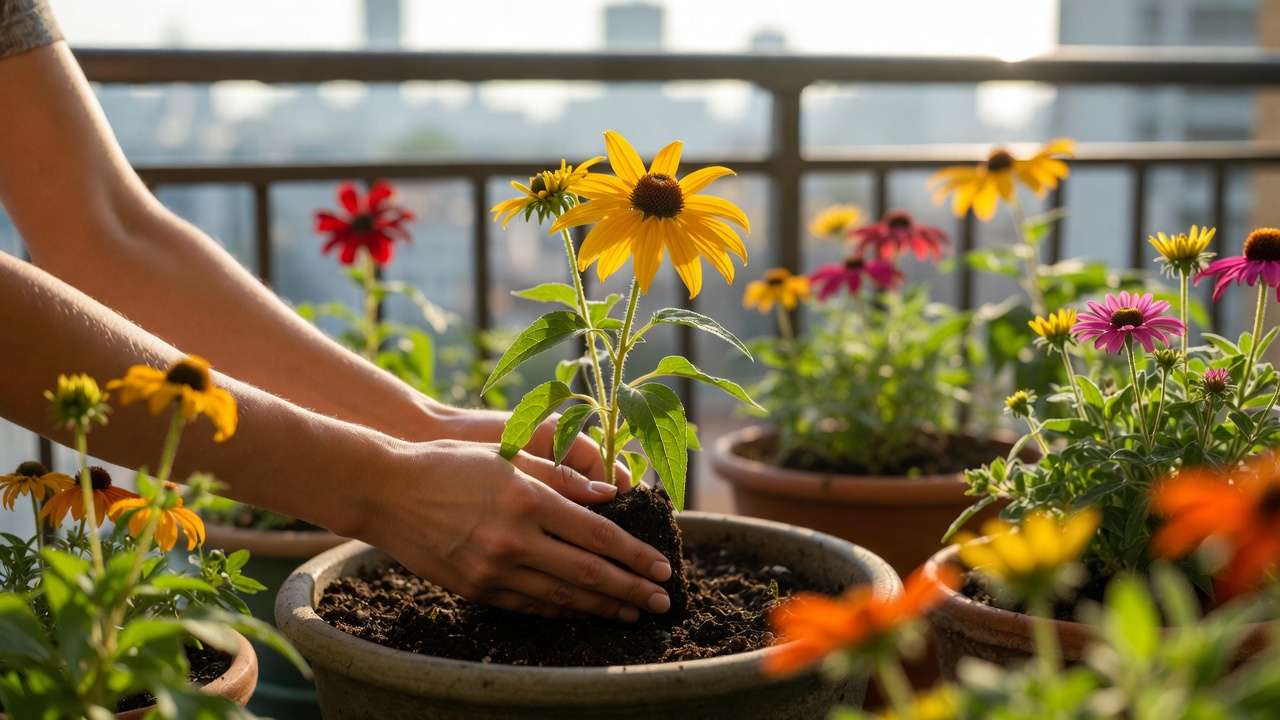
Pick 3–5 plants from this guide, set them up this season, and watch the transformation. Within weeks you’ll notice more buzzing, fluttering life right outside your door. Your tiny green space isn’t just decoration—it’s active conservation, beauty, and joy rolled into one.
Ready to get started? Grab a pot, choose your first pollinator hero plant, and join the growing movement of urban wildlife gardeners. Share your progress in the comments—I’d love to hear which plants are buzzing on your balcony! 🌿✨











