
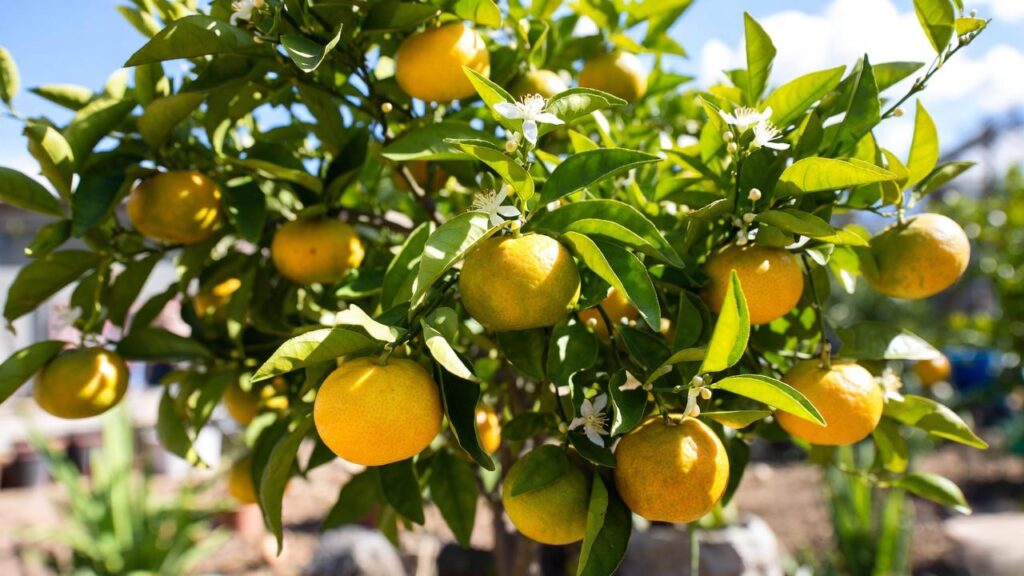
Imagine stepping into your garden or onto your patio on a crisp winter morning, reaching up to pluck a perfectly ripe, bright orange clementine straight from your own tree. The thin skin peels away effortlessly in your hands, revealing juicy, seedless segments bursting with sweet, tangy flavor—no grocery store run required. Growing a clementine mandarin tree (Citrus reticulata ‘Clementine’) can turn this dream into reality, whether you have a sunny backyard in a warm climate or a bright indoor space in cooler regions. These compact citrus trees not only deliver baskets of delicious, easy-to-peel mandarins but also add evergreen beauty, fragrant spring blossoms, and year-round appeal to your home or landscape. In this ultimate guide, we’ll cover everything you need to know for thriving growth and abundant harvests. 🌱✨

What Is a Clementine Mandarin Tree? 🍊
The clementine mandarin tree is a delightful hybrid citrus variety, prized for its small, sweet, and typically seedless fruits that are a holiday favorite worldwide.
Origins and History
Believed to have originated as a chance seedling in Algeria around 1902 in the orchard of Father Clément Rodier (hence the name), the clementine is thought to be a natural cross between a mandarin orange and a sweet orange. It quickly gained popularity in the Mediterranean, Spain, and California, where commercial production boomed. Today, varieties like ‘De Nules’ (also called Clemenules) dominate markets due to their reliable fruit set and exceptional flavor.
Key Characteristics
- Fruit: Small (2-3 inches), bright orange, thin and loose skin that’s incredibly easy to peel (“zipper skin”), juicy flesh with a perfect sweet-tart balance, and usually seedless (especially when isolated from other citrus pollinators).
- Tree Size: Standard trees reach 10-15 feet tall and wide; dwarf varieties on specialized rootstocks stay 6-10 feet, ideal for containers.
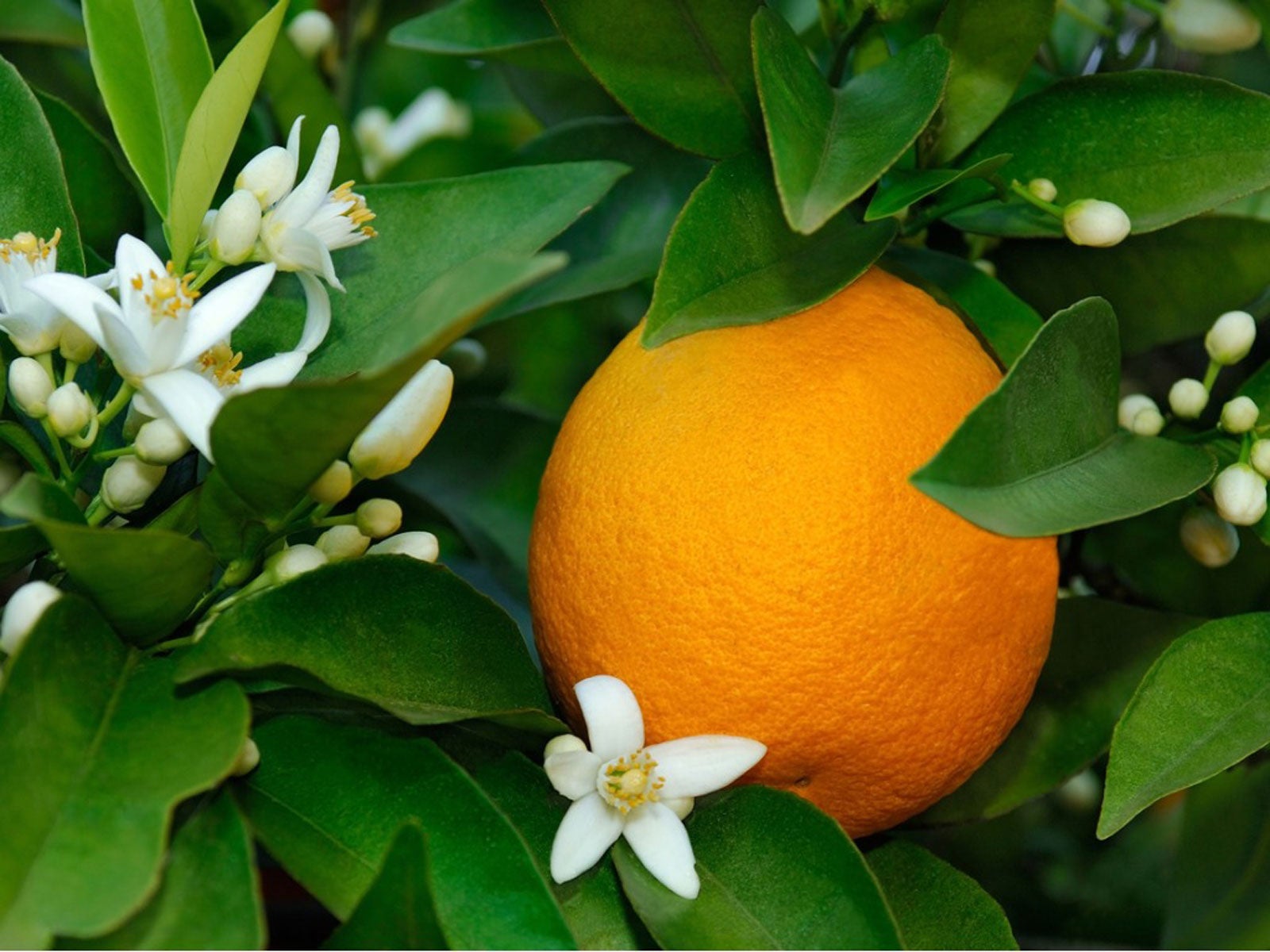
- Foliage and Blooms: Glossy, dark green evergreen leaves; highly fragrant white spring flowers that attract bees 🐝.
- Cold Hardiness: More tolerant than many citrus, surviving brief dips to 20-25°F (-4 to -6°C), making it suitable for USDA zones 9-11 outdoors.
Benefits of Growing Clementines at Home
Homegrown clementines are fresher, more flavorful, and organic if you choose. The tree serves as an ornamental plant with year-round greenery, air-purifying qualities, and pollinator-friendly blooms. Plus, container growing allows northern gardeners to enjoy citrus too!
Choosing the Right Clementine Mandarin Tree 🌳
Selecting a healthy tree is the foundation of success.
Popular Varieties
- Algerian (Classic Clementine): The original, reliable seedless type with excellent flavor.
- De Nules (Clemenules): The most widely grown commercially; heat-tolerant, prolific, deep orange fruit with few seeds.
- Monreal: Slightly seedy but self-fertile and very sweet.
Look for grafted trees on hardy rootstocks like trifoliate orange for better disease resistance and dwarfing.
Dwarf vs. Standard Trees
Dwarf clementine mandarin trees (on Flying Dragon or similar rootstocks) are perfect for pots, reaching only 6-8 feet. Standards suit in-ground planting in warm climates.
Where to Buy Healthy Trees
Purchase from reputable nurseries specializing in citrus (e.g., Four Winds Growers or local certified sources). Choose grafted, disease-free specimens with vibrant leaves and no signs of pests. Avoid big-box store trees if possible—they may lack proper rootstock.
Ideal Growing Conditions ☀️
Clementines thrive in warm, sunny environments but adapt well with protection.
USDA Hardiness Zones
Best outdoors in zones 9-11; marginal in zone 8b with frost protection. In zones 4-8, grow in containers and overwinter indoors.
Outdoor vs. Indoor Growing
- Outdoor: Full sun in sheltered, south-facing spots in mild climates.
- Indoor/Patio: Bright south-facing windows or grow lights; ideal for apartments or cold regions.
Sunlight Requirements
Minimum 6-8 hours of direct sun daily—essential for flowering, fruit set, and sweet mandarins. Supplemental LED grow lights help indoors.
Temperature and Humidity
Optimal: 60-90°F (16-32°C) daytimes. Protect below 40°F (4°C); brief cold to 25°F tolerated if acclimated. Aim for 50%+ humidity indoors—use pebble trays or humidifiers 💧.
Planting Your Clementine Mandarin Tree 🕳️
Timing and technique matter for strong establishment.
Best Time to Plant
Spring or fall to avoid extreme heat or cold stress.
Site Selection and Soil Preparation
Choose well-draining, slightly acidic soil (pH 6-7). Amend heavy clay with compost, sand, or pine bark for drainage—citrus hates “wet feet.”
Step-by-Step Planting Guide
- In-Ground: Dig a hole twice as wide as the root ball, same depth. Plant so the graft union is above soil line. Backfill, water deeply, and mulch 3-4 inches (keep away from trunk).
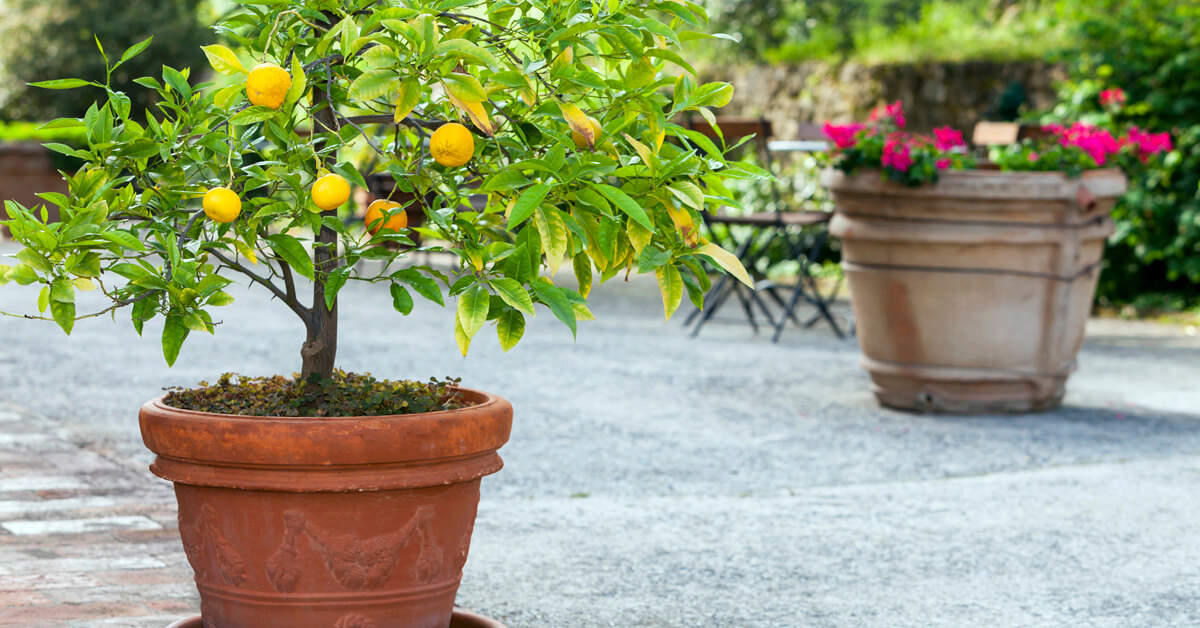
- Containers: Use 10-20 gallon pots with drainage holes. Fill with citrus-specific potting mix.
Container Growing Tips
Repot every 2-3 years or when roots circle. Use terracotta or glazed pots for breathability. Wheels make moving easy for winter protection.
Watering Essentials 💦
Proper watering is one of the most critical aspects of clementine mandarin tree care—get it right, and you’ll enjoy vigorous growth and heavy fruit loads; get it wrong, and issues like root rot or fruit drop can quickly arise.
How Much and How Often
Clementine trees prefer consistently moist but never waterlogged soil. Water deeply when the top 2-3 inches of soil feel dry to the touch. In general:
- Young trees (first 1-2 years): Water 2-3 times per week during active growth.
- Established trees: Once or twice weekly, depending on climate and container size.
- Aim for 1-2 inches of water per session, ensuring it penetrates the root zone.
Deep, infrequent watering encourages strong root development over shallow, frequent sips.
:max_bytes(150000):strip_icc()/how-to-grow-citrus-indoors-tree-getty-0723-15a2ccc1f3b6498e9f022b7898523df9.jpg)
Seasonal Adjustments
- Spring/Summer: Increase frequency during hot, dry periods or when fruit is developing—trees may need water every 3-5 days.
- Fall/Winter: Reduce significantly as growth slows; water only when soil is dry several inches down, perhaps every 10-14 days indoors.
- Always adjust based on rainfall, humidity, and pot drainage.
Signs of Over/Underwatering
- Overwatering: Yellowing lower leaves, wilting despite moist soil, mushy roots, or fungal growth. Root rot (Phytophthora) is a common killer.
- Underwatering: Drooping leaves, dry brittle tips, premature fruit drop.
Use a moisture meter for precision, especially in containers.
Expert Tip: Mulching for Moisture Retention
Apply a 2-3 inch layer of organic mulch (bark chips, compost) around the base, keeping it 4 inches from the trunk. This conserves moisture, moderates soil temperature, and suppresses weeds. Refresh annually.
Fertilizing for Abundant Fruit 🌿
Citrus trees are heavy feeders, and clementines are no exception. Balanced nutrition ensures lush foliage, strong blooms, and sweet, plentiful mandarins.
Best Fertilizers for Clementines
Use citrus-specific formulations with higher nitrogen for foliage and fruiting (e.g., 2-1-1 or 3-1-1 ratios like 6-3-3). Include micronutrients: iron, zinc, manganese.
Recommended options:
- Slow-release granular (e.g., Espoma Citrus-tone organic).
- Liquid feeds like fish emulsion or seaweed for quick boosts.

Feeding Schedule
- Spring (new growth): First application as buds swell.
- Every 4-6 weeks through summer and early fall.
- Stop fertilizing in late fall/winter to allow dormancy.
- For containers: More frequent but lighter doses, as nutrients leach faster.
Apply to moist soil, then water in.
Nutrient Deficiencies to Watch For
- Nitrogen shortage: Pale/yellow older leaves.
- Iron deficiency: Yellow new leaves with green veins (chlorosis)—common in alkaline soils.
- Magnesium: Yellowing between veins on older leaves.
Correct with chelated micronutrient sprays.
Organic vs. Synthetic Options
Organic (compost teas, worm castings) builds soil health long-term. Synthetic provides quick results. Many experts combine both for optimal outcomes.
Pruning Your Tree for Health and Shape ✂️
Pruning keeps your clementine mandarin tree productive, disease-free, and attractively shaped.
When to Prune
Late winter or early spring, just before new growth starts—after frost risk but before blooming. Light pruning anytime for dead wood.
Pruning Techniques
- Remove dead, damaged, or crossing branches.
- Thin crowded areas for better airflow and light penetration.
- Cut back overly vigorous shoots to encourage fruiting wood.
- Never remove more than 20-30% of canopy at once.
Use clean, sharp bypass pruners; disinfect between cuts.
Shaping Young vs. Mature Trees
- Young: Pinch tips to encourage branching; aim for open vase shape.
- Mature/Container: Maintain size by heading back long branches.
Common Pruning Mistakes to Avoid
Pruning too heavily (reduces fruit), cutting fruiting wood (short spurs), or leaving stubs (invite disease).
Flowering, Pollination, and Fruit Production 🌸
The magic moment—watching your tree burst into fragrant blooms and set fruit.
Blooming Cycle
Clementines typically flower profusely in spring (March-May in warm climates), filling the air with jasmine-like scent.

Self-Pollinating Nature
Most varieties (especially De Nules) are self-fertile—no need for a second tree. Bees help, but indoors…
Hand-Pollination Boosts Indoor Yields
Use a soft brush to transfer pollen between flowers. Do this midday when pollen is dry.
From Flower to Fruit
- Petal drop → tiny green fruitlets.
- June drop (natural thinning).
- Fruit matures in 6-9 months, ripening fall to winter.
Maximizing Yield
Thin excess fruitlets (leave one per cluster) for larger mandarins. Avoid stress from drought or cold.
Common Pests and Diseases 🐛
Vigilant monitoring and preventive care keep most issues at bay. Early detection is key—inspect leaves (top and bottom), stems, and fruit regularly.
Frequent Pests
- Aphids: Small, soft-bodied insects clustering on new growth, causing curled leaves and honeydew.

- Scale Insects: Armored or soft scales appear as bumps on stems/leaves, sapping vigor.
- Spider Mites: Tiny pests causing stippled, yellowing leaves and fine webbing (worse in dry conditions).
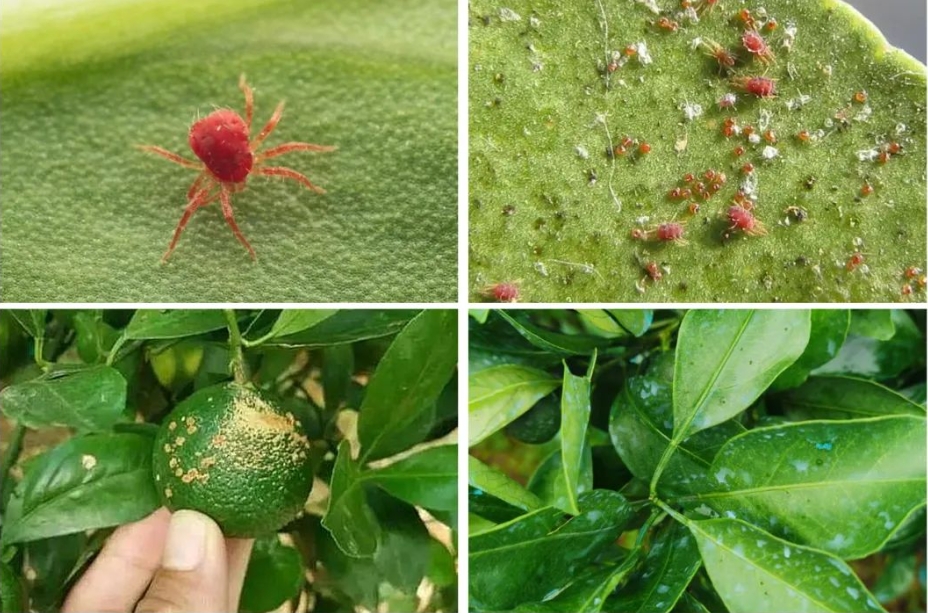
- Citrus Leaf Miners: Moth larvae burrow into leaves, creating silvery trails that distort growth.

Organic and Chemical Controls
Start with organic: Hose off aphids, apply neem oil or insecticidal soap weekly.
Introduce beneficials like ladybugs. For severe infestations, use horticultural oils or systemic insecticides labeled for citrus.
Diseases to Prevent
- Citrus Canker: Bacterial disease causing corky lesions on fruit/leaves.
- Phytophthora Root/Foot Rot (Gummosis): Fungal issue from wet soil, causing gum exudate and decline.
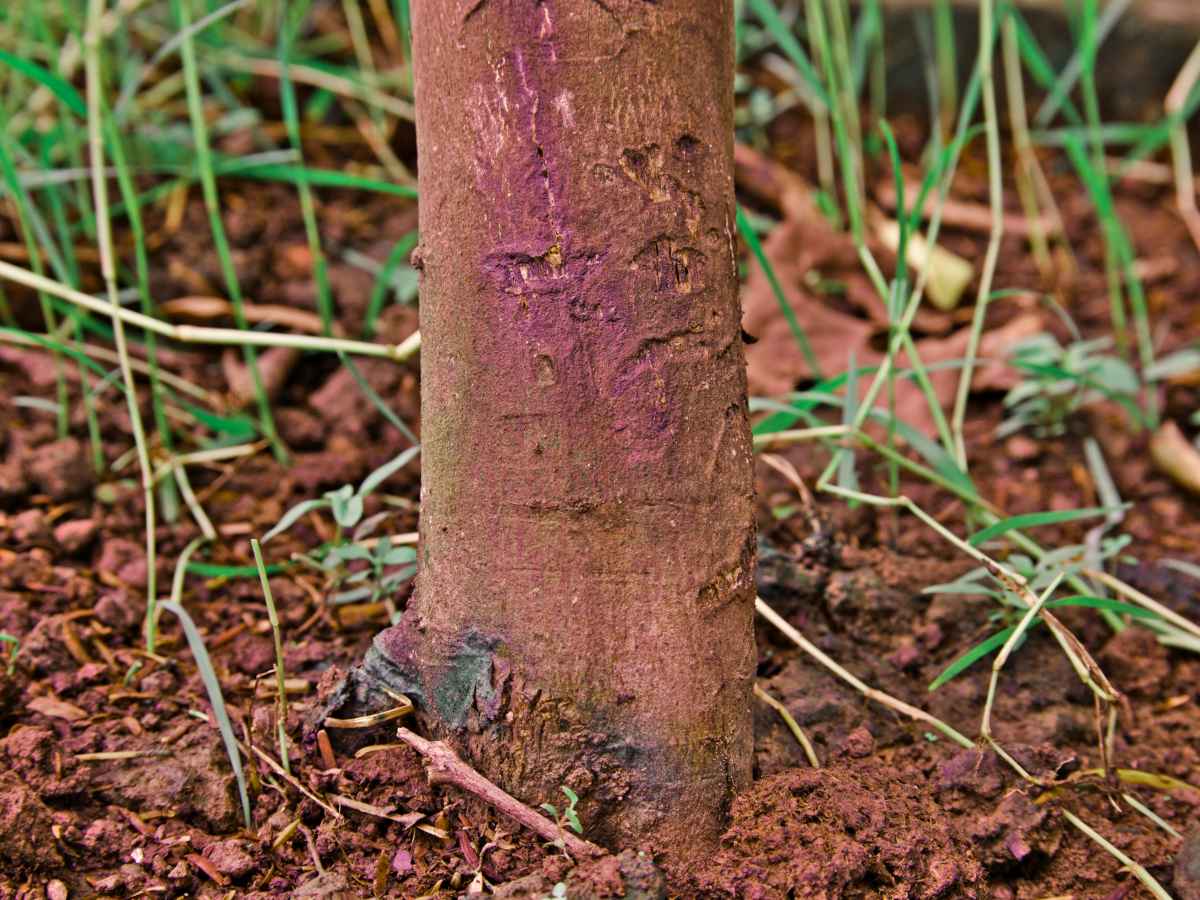
- Root Rot: Overwatering leads to decayed roots.
Prevention Strategies
Plant on resistant rootstocks (e.g., trifoliate), ensure excellent drainage, prune for airflow, and quarantine new plants. Copper sprays help with canker in permitted areas.
Harvesting and Enjoying Your Clementines 🍊🍊
The reward after patient care—sweet, homegrown fruit!
When Are They Ripe?
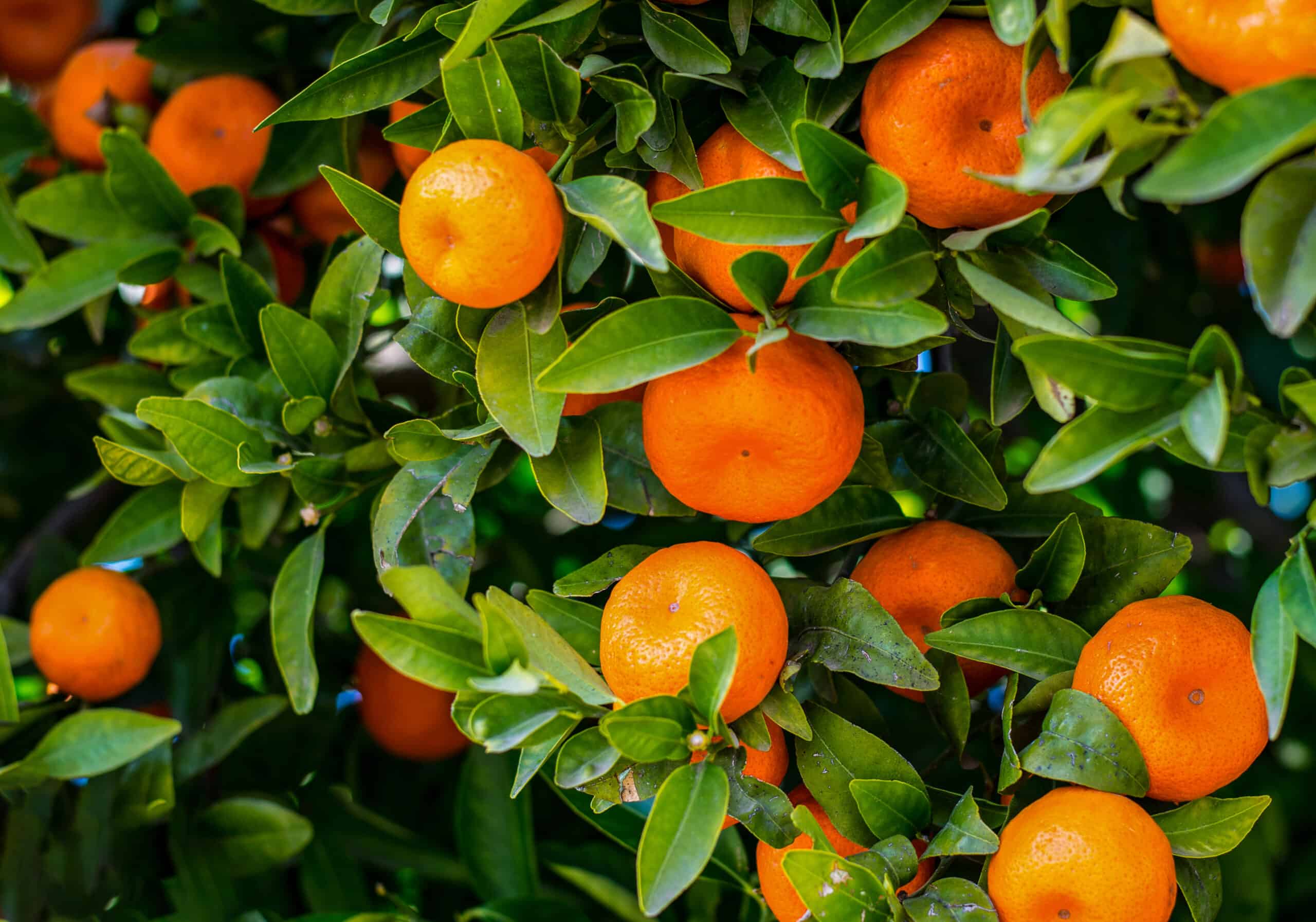
Clementines ripen from late fall through winter. Signs: Full deep orange color, slight give when gently squeezed, easy-peeling skin, and a taste test (sweet with no green notes).
Harvesting Tips
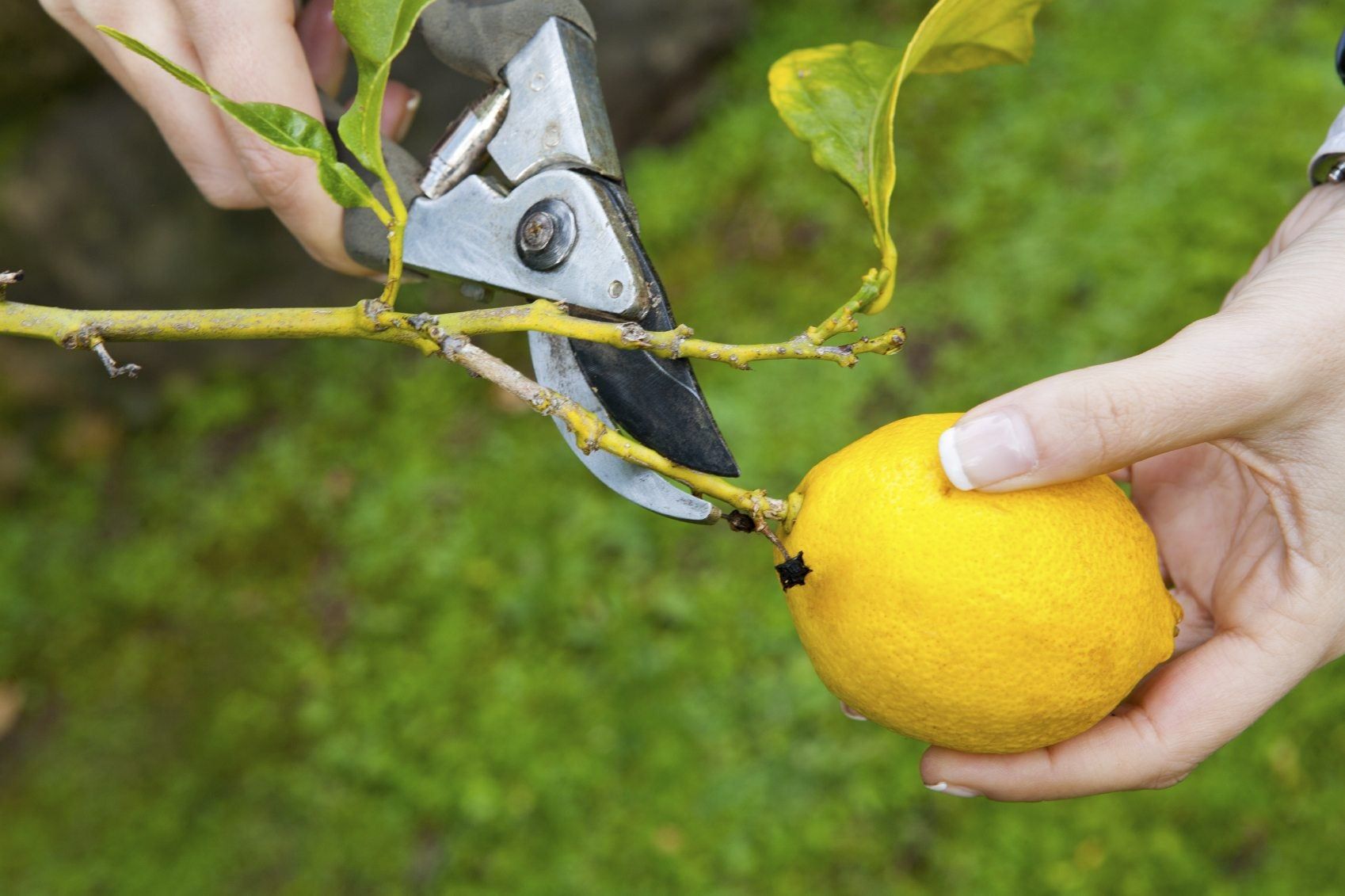
Use clean pruning shears to clip fruit with a short stem—twisting can damage branches.
Fruit holds well on the tree for weeks, allowing staggered picking.
Storage and Uses
Store at room temperature for a week or refrigerate up to a month. Enjoy fresh, in salads, desserts, or juiced. Zest the peel for cooking!
Expected Yield
A mature, healthy tree can produce 50-200 fruits per season, depending on size and conditions.
Troubleshooting Common Problems ⚠️
Even experienced growers face challenges—here’s how to diagnose and fix them.
Leaf Drop or Yellowing
Common causes: Over/underwatering, nutrient deficiency (especially iron in alkaline soil), cold shock, or pests.
Adjust care accordingly; chelated iron sprays often resolve chlorosis quickly.
No Fruit Production
Possible reasons: Tree too young (2-4 years to fruit from graft), insufficient sun/pollination, excessive nitrogen (lush growth, few blooms), or stress. Ensure 8+ hours sun and balanced fertilizer.
Winter Protection Tips
In marginal zones, wrap trunks with burlap, use frost cloths or blankets on cold nights, or move potted trees indoors/garage.
String lights under covers add gentle warmth.
Expert Insights and Advanced Tips 🔍
- Overwintering in Cold Climates ❄️: Gradually acclimate trees to cooler temps; use grow lights (full-spectrum LED, 12-16 hours daily) indoors.
- Companion Planting: Marigolds deter pests; nasturtiums attract beneficials.
- Propagation: While seeds grow true mandarins, they’re often thorny and slow to fruit—stick with grafted trees for reliable clementines.
- Seasonal Care Calendar:
- Spring: Fertilize, prune, watch for pests.
- Summer: Water deeply, mulch.
- Fall: Reduce fertilizer, prepare protection.
- Winter: Minimal water, enjoy harvest!
Frequently Asked Questions (FAQs) ❓
Can I grow a clementine tree from store-bought fruit seeds? Possible, but not recommended. Seeds produce variable trees (often seedy, less flavorful) that take 7+ years to fruit. Grafted nursery trees fruit in 1-3 years and match the parent.
How long until my tree fruits? Grafted dwarfs: 1-3 years; standards: 3-5 years.
Is it safe indoors with pets? Mostly yes, but leaves/fruit can cause mild upset if ingested—keep out of reach.
Why are my clementines splitting? Irregular watering (dry then flood) causes split skin. Maintain consistent moisture.
Can I grow clementines in pots long-term? Absolutely—many thrive indefinitely with annual repotting/refreshing.
How do I make fruit sweeter? Full sun, proper ripening on tree, and potassium-rich fertilizer.
What if my tree drops flowers/young fruit? Normal “June drop”; excessive drop from stress—stabilize conditions.
Best rootstock for containers? Flying Dragon for true dwarfing and cold tolerance.
Do clementines need a pollinator tree? No—most are self-fertile.
How tall do they get indoors? Prune to 4-6 feet for manageability.
Conclusion: Start Your Clementine Journey Today! 🌟
Growing a clementine mandarin tree is incredibly rewarding—delicious fruit, beautiful foliage, and the satisfaction of nurturing your own citrus. With consistent care guided by this comprehensive resource, you’ll enjoy thriving growth and abundant sweet harvests for years. Whether on a sunny patio or in-ground grove, your tree will become a cherished part of your landscape. Happy gardening, and savor those homegrown clementines! 🍊🌳✨











