
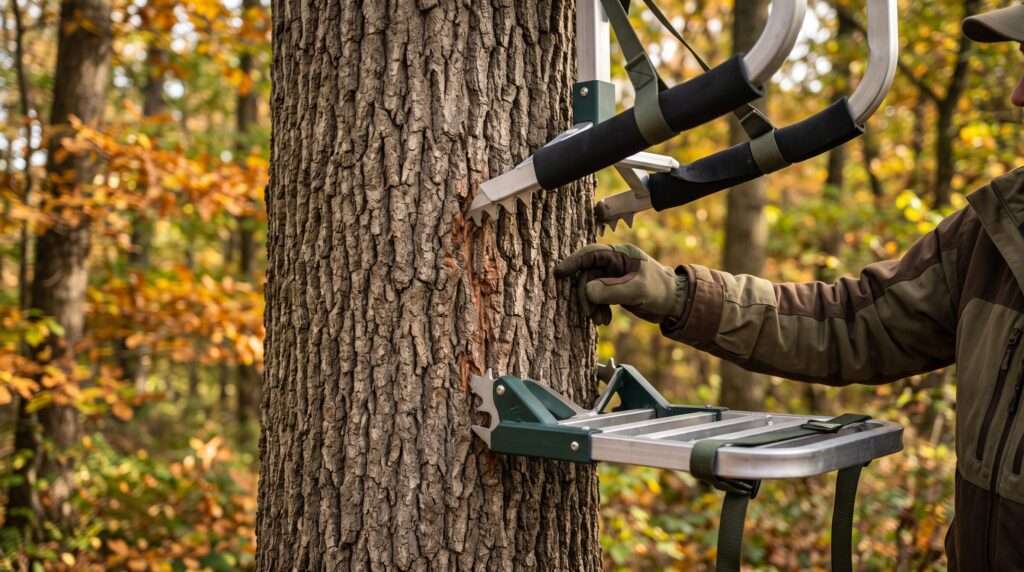
As the crisp autumn air settles in and outdoor enthusiasts head into the woods, the focus is usually on preparation, weather conditions, and finding the perfect location. You locate an ideal vantage point, check your harness, and prepare to scale a majestic oak or pine. But in the excitement of the season, a silent and stationary victim is frequently overlooked: the tree itself. Using a climbing tree stand might give you the ultimate elevation, stealth, and mobility, but without proper precautions, those sharp metal teeth and heavy-tension cables can cause devastating, irreversible damage to your timber. 🍂
As property owners, arborists, and nature lovers, we dedicate years—sometimes decades—to cultivating healthy, robust forests and landscapes. Yet, mechanical damage from recreational equipment remains one of the leading causes of preventable tree decline on private properties. This comprehensive guide merges the science of arboriculture with practical outdoor advice to help you understand the hidden impact of your gear. We will explore tree anatomy, species vulnerability, and arborist-approved strategies to ensure you can enjoy your time in the canopy while preserving the life and value of your trees for generations to come. 🌲
🌳 Understanding the Impact: How a Climbing Tree Stand Hurts Trees
To truly grasp the damage caused by heavy metal equipment, we first need to look beneath the surface. A tree is not a solid, lifeless block of wood. It is a dynamic, living organism with a highly complex circulatory system located just millimeters beneath its rugged exterior. When you attach heavy, rigid gear to a trunk, you are interacting directly with the tree’s lifeline.
The Vital Cambium Layer 🔬
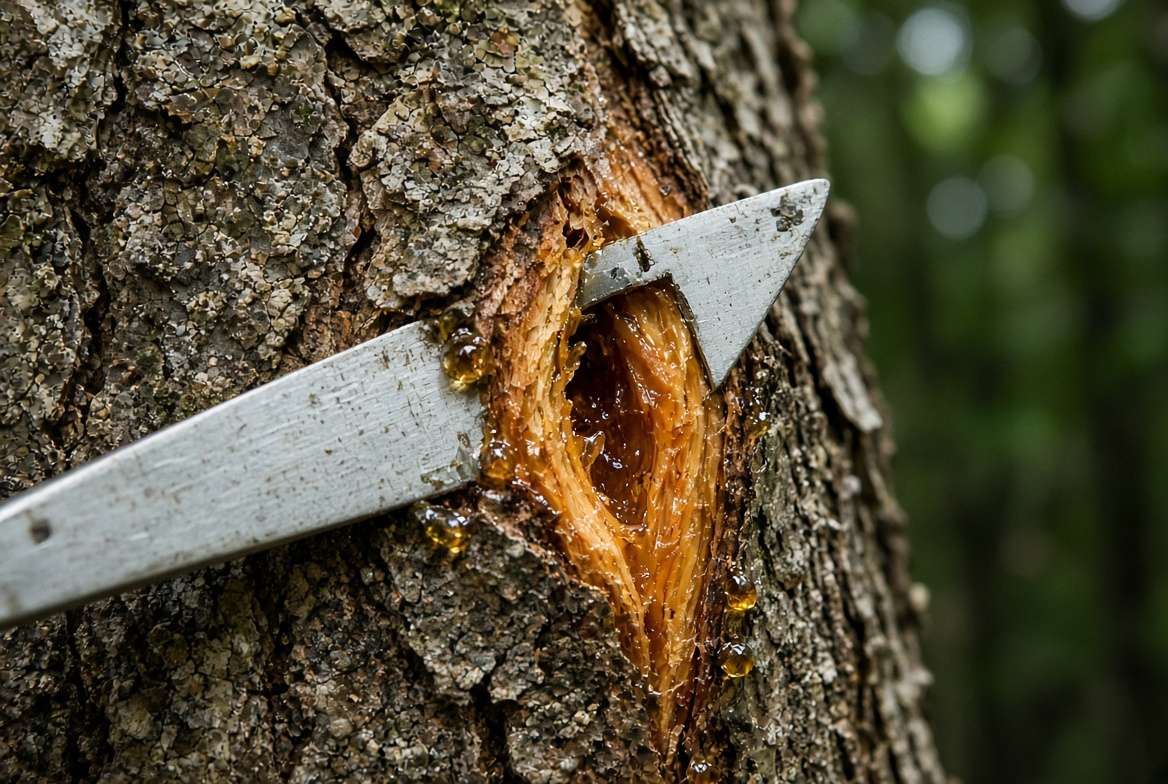
The most critical part of a tree’s anatomy is the cambium layer. This is a microscopically thin band of actively dividing cells situated right between the protective outer bark and the inner wood. The cambium is responsible for generating new phloem (which transports sugars and nutrients from the leaves down to the roots) and new xylem (which transports water and dissolved minerals from the roots up to the canopy).
When a climber uses equipment equipped with aggressive metal teeth or sharp V-bars to grip the trunk, those metal points do more than just scratch the surface. Under the weight of an adult human, these teeth easily puncture through the outer bark and completely sever the cambium layer.
Expert Note: Repeatedly puncturing the cambium disrupts the tree’s ability to transport vital nutrients. While a single small puncture might heal, dozens of deep gouges created by ascending and descending a trunk can essentially starve the upper canopy of water and the root system of food.
Friction & Girdling Risks 🪢
Beyond the immediate puncture wounds, the mechanics of ascending a tree introduce severe friction. As you shift your weight to inch your way up the trunk, the metal cables, chains, or rubberized bands grind against the bark. This repetitive rubbing action acts like sandpaper, stripping away the tree’s natural armor.
Furthermore, if equipment is left tightly secured to the tree for extended periods (such as leaving the top half of the stand attached while you take a break or leave for the week), you risk partial girdling. Girdling occurs when pressure around the circumference of a trunk chokes off the vascular tissue. Even temporary high-tension constriction can crush the phloem and xylem, leading to long-term stunted growth or localized tissue death.
Secondary Infections 🦠
Perhaps the most dangerous consequence of bark damage isn’t the physical wound itself, but what that wound invites inside. The outer bark acts exactly like human skin—it keeps pathogens out. When metal teeth gouge the trunk, they create open, weeping wounds.
These open sores exude sap, which acts as a powerful attractant for a variety of pests and pathogens:
-
Wood-Boring Insects: Beetles and borers are drawn to stressed trees and will lay their eggs in the exposed wood.
-
Fungal Pathogens: Spores that cause wood rot and decay easily infiltrate open wounds.
-
Vascular Diseases: In certain regions, devastating diseases like Oak Wilt can be transmitted by sap-feeding beetles drawn to fresh wounds. If a red oak is punctured during the active season, the resulting infection can kill the tree in a matter of weeks.
🍂 Tree Vulnerability: High-Risk vs. Low-Risk Species
In the world of arboriculture, we know that not all trees are created equal when it comes to mechanical stress. The thickness and elasticity of a tree’s bark dictate how well it can withstand the pressure of heavy equipment. Knowing how to identify the right species is crucial for both your safety and the health of the forest.
Highly Susceptible Species 🍁
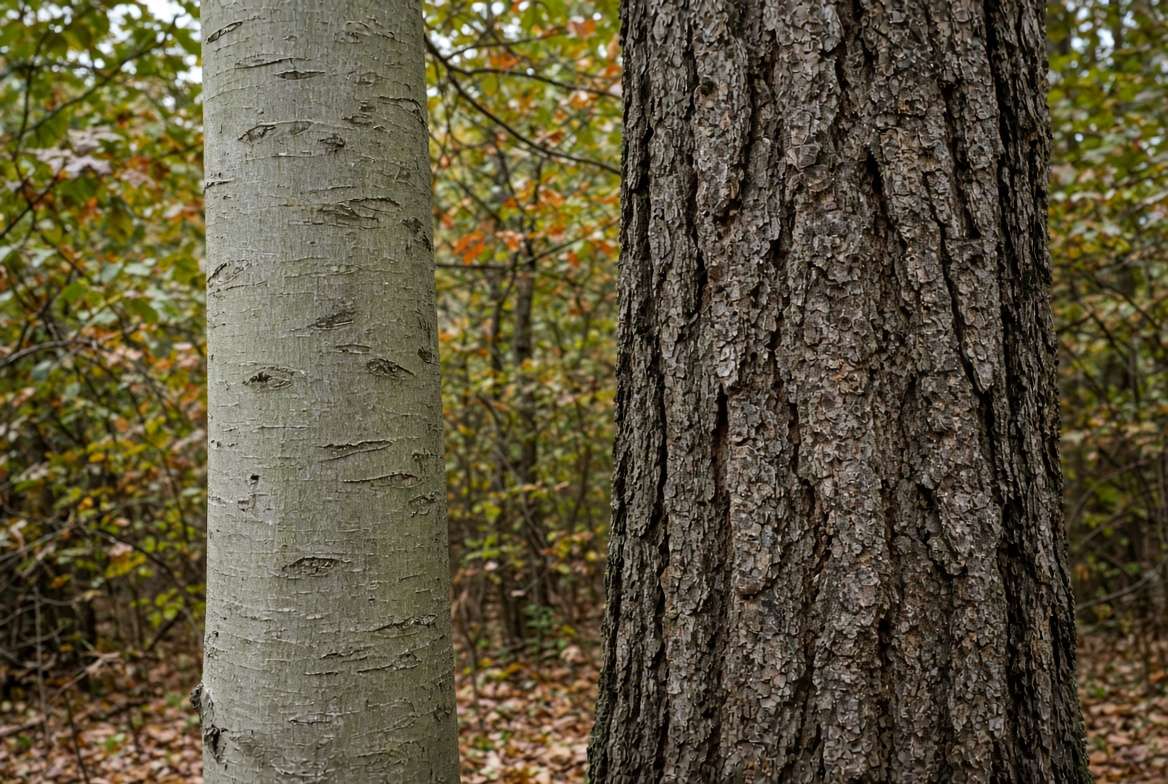
Thin-barked trees should be strictly avoided when deciding where to place your equipment. Because their outer protective layer is so delicate, even slight pressure can cause massive cambium damage.
Avoid using climbing gear on these vulnerable species:
-
Maples: Both red and sugar maples have relatively smooth, thin bark, especially when young, making them highly susceptible to deep gouging and subsequent rot.
-
Birches and Beeches: Known for their beautiful, paper-thin or smooth gray bark, these trees offer almost no resistance to metal teeth.
-
Sycamores: While they can grow quite large, their exfoliating bark provides poor grip and minimal protection against crushing forces.
Resilient Candidates 🌲
If you want to minimize your ecological footprint, identifying the right tree is half the battle. Thick-barked tree species possess a rugged, corky outer layer of dead wood that acts as a natural shock absorber. This robust outer shield can take the brunt of the mechanical stress, often preventing the metal teeth from ever reaching the living cambium layer underneath.
When scouting for a location, prioritize these resilient species:
-
Mature White Oaks: Unlike red oaks (which are highly susceptible to oak wilt), white oaks have deep, blocky bark that provides excellent grip for your gear without exposing the inner wood.
-
Thick-Barked Pines: Mature pine trees, such as Loblolly or Ponderosa pines, have deeply furrowed bark. While they may ooze sap if slightly nicked, their thick armor generally protects the vascular tissue from major trauma.
-
Shagbark Hickory: True to its name, this tree has thick, peeling plates of bark that create a sturdy buffer, though you must be careful not to knock off large protective plates while climbing.
Expert Note: Even on thick-barked species, repetitive use of the same tree day after day will eventually wear down its natural defenses. To practice proper tree conservation, rotate your climbing locations to give each tree time to recover.
Diameter Guidelines 📏
Arborists measure trees using a metric called DBH (Diameter at Breast Height). When choosing a tree for your climbing tree stand, DBH is critical not just for your personal safety, but for the tree’s structural integrity.
-
Too Small (Under 12 inches DBH): Young trees lack the thick bark required to defend against mechanical injury. Furthermore, a small trunk will sway excessively under a human’s weight. This swaying creates dynamic tension that causes the stand’s cables to saw violently into the bark, maximizing friction damage.
-
Too Large (Over 20 inches DBH): While a massive, ancient oak might seem like the sturdiest option, climbing stands are not engineered to safely wrap around exceptionally large trunks. Forcing the equipment to bite into a massive tree can lead to uneven weight distribution, putting immense localized pressure on a single section of the trunk’s vascular system.
The “Goldilocks zone” for preserving tree health and ensuring optimal gear performance is typically a healthy, straight trunk between 12 to 18 inches in diameter.
🛡️ Arborist-Approved Protection Strategies & Alternatives
You do not have to abandon your outdoor passions to be a good steward of your timber. By integrating a few simple tree care strategies into your setup routine, you can drastically reduce the environmental impact of your hunting gear and recreational equipment.
Protective Padding 🧤
The simplest way to protect the phloem and xylem from crushing forces is to increase the surface area of the contact points. The thinner the cable or chain, the deeper it will bite into the wood.
-
Use Neoprene Sleeves: Slide heavy-duty neoprene tubing or specialized rubber sleeves over the cables or chains of your stand. This cushions the grip and prevents the bare metal from sawing into the bark as you ascend.
-
Bark Protectors: Some conservation-minded outdoorsmen use heavy canvas or specialized bark protector straps that wrap around the tree before the stand is attached. While this requires a slightly modified climbing technique, it entirely eliminates metal-on-bark contact.
Duration Limits: Do Not Leave It Up ⏱️
One of the most damaging practices arborists observe is equipment left attached to a tree long after the season has ended. A climbing tree stand is designed to be mobile; it is not meant to be a permanent fixture.
When a stand is left strapped to a trunk for months or years:
-
Moisture Trapping: Rain and morning dew become trapped between the metal grips and the bark, accelerating fungal growth and bark rot.
-
Girdling via Growth: Trees grow outward, adding a new ring of wood each year. If a strap or cable is left tight around the trunk, the tree will attempt to grow over it. This leads to severe girdling, permanently cutting off the nutrient supply and often killing the tree above the point of restriction. Always pack your gear out when you are done! 🎒
Low-Impact Alternatives 🪜
If you are managing a private property with valuable hardwoods and want to achieve zero-impact elevation, consider shifting away from climbing models entirely.
-
Ladder Stands with Padded Stand-Offs: A traditional ladder stand rests its weight on the ground rather than the trunk. By padding the “stand-off” bracket that leans against the tree and using wide, ratchet-style straps (which distribute tension evenly), you bypass cambium-piercing damage entirely.
-
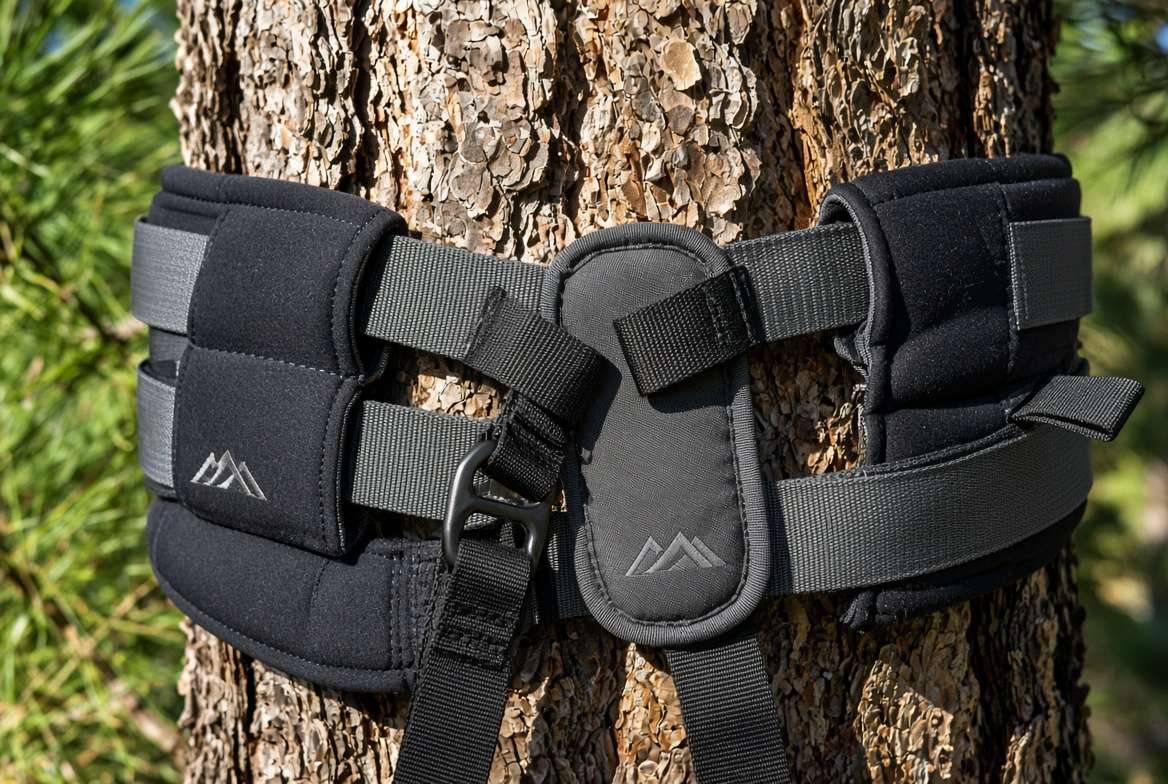
Tree Saddles: Saddle hunting has surged in popularity, and arborists love this trend! Much like an arborist’s climbing harness, a tree saddle utilizes wide webbing and specialized ropes (like a lineman’s belt and tether) that wrap around the tree without any metal teeth. This distributes the climber’s weight smoothly and safely across the bark without puncturing the vascular system. 🧗♂️
❓ FAQs & First-Aid: Healing Existing Wounds
If you’ve used aggressive equipment in the past and are now noticing scars or oozing sap on your favorite timber, you might be wondering how to fix it. Here is the arborist-approved science on tree wound recovery.
Can a tree survive deep gouges from a stand? 🩹
Yes, but it depends on the severity. Unlike humans, trees do not “heal” their wounds by regenerating damaged tissue. Instead, they seal them.
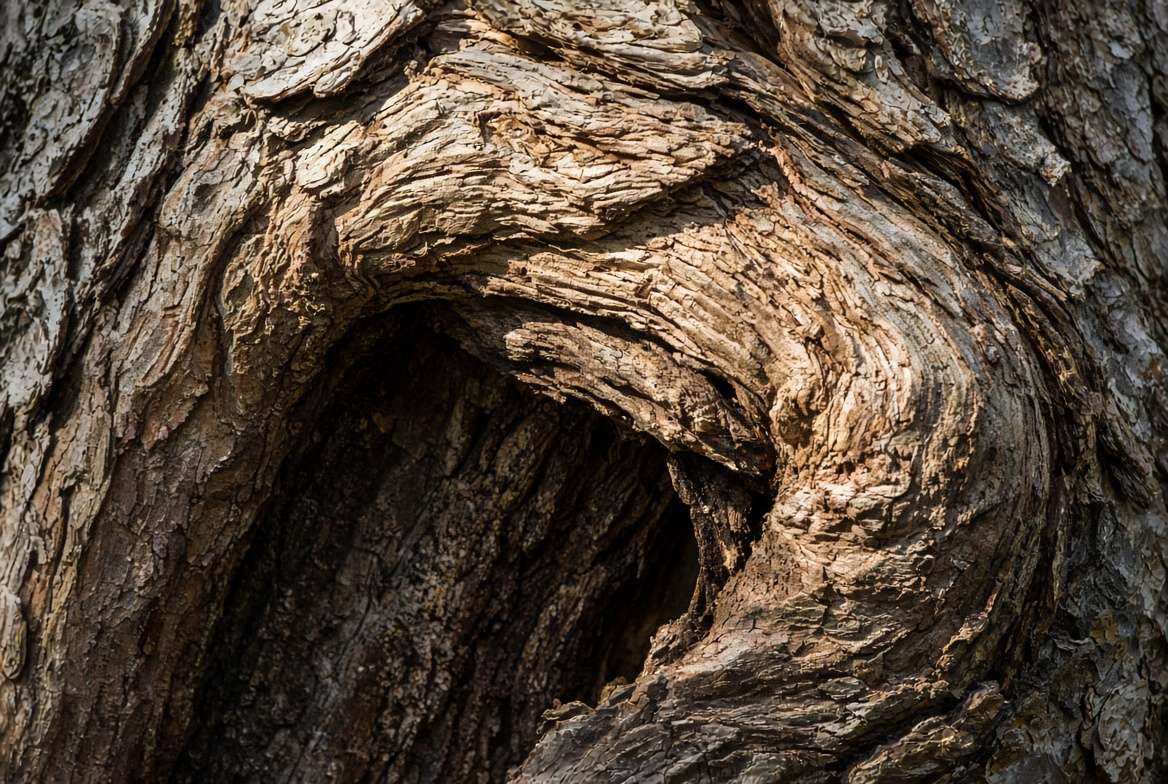
This process is known in arboriculture as CODIT (Compartmentalization of Decay in Trees). When the cambium layer is ruptured, the tree immediately begins building chemical and physical walls around the injury to stop decay from spreading into the healthy heartwood. Over time, you will notice “wound wood” or a callus rolling over the gouge. If the tree is vigorous and the gouges do not connect in a ring around the trunk (girdling), the tree will likely compartmentalize the damage and survive. 🌱
Should I use tree wound paint or black sealer? 🚫
Absolutely not. This is one of the most persistent and harmful myths in plant and tree care.
Decades of arboricultural research have proven that applying tar, black paint, or petroleum-based sealers to a tree wound actually harms the tree. These sealers trap excess moisture and existing fungal spores directly against the open wood, creating a perfect incubator for rot. The best first-aid for a tree wound is fresh air and sunlight. Let the tree’s natural CODIT process do its job without chemical interference. ☀️
What are the Public Land Laws regarding tree damage? ⚖️
If you are stepping off private property and onto state or federal land, tree conservation becomes a matter of law. Because of the exact cambium damage outlined in this article, the vast majority of public lands, national forests, and state wildlife management areas strictly prohibit any equipment that pierces the bark.
Using screw-in steps, heavy-toothed climbing stands, or driving nails into public timber can result in hefty fines and the confiscation of your gear. Protecting these trees ensures that the forest canopy remains healthy and accessible for the wildlife and the public for decades to come. 🌲🦌
Final Thoughts on Tree Conservation
A climbing tree stand is a brilliant piece of engineering that offers unmatched mobility in the woods. But true mastery of the outdoors requires an understanding of the environment we are interacting with. By recognizing the vulnerability of the cambium layer, choosing thick-barked resilient species, utilizing protective padding, and respecting the limits of the tree, you can elevate your outdoor experience without degrading your landscape.
Whether you are managing a 50-acre woodland or just looking out for the health of a single prized oak in your backyard, prioritizing tree care ensures that your timber remains strong, healthy, and structurally sound season after season. 🌳✨











