
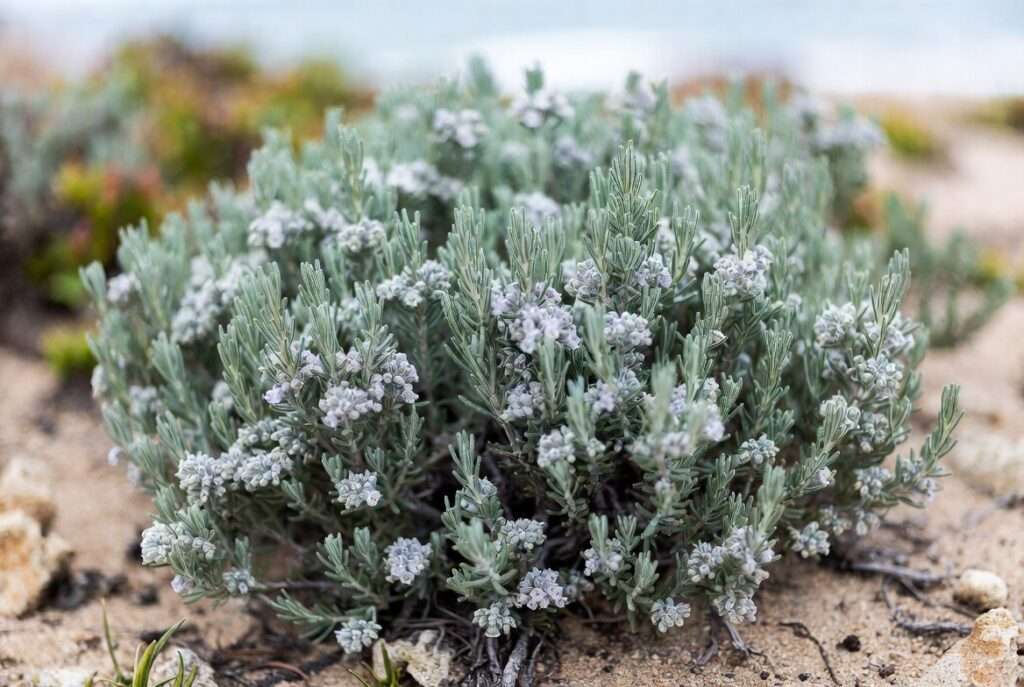
Imagine stepping into your garden after a scorching summer or a wild coastal storm… and finding one tough, evergreen shrub still looking lush, covered in delicate white-to-lilac flowers, with zero signs of stress. That’s the magic of the coastal rosemary plant! If you’ve been dreaming of a resilient, low-maintenance beauty that laughs in the face of drought, salt spray, and wind, you’re in the right place.
In this complete guide, I’ll share everything I’ve learned from 15+ years as a horticulturist specializing in Mediterranean and native Australian plants. By the end, you’ll know exactly how to grow, care for, and even propagate your own thriving coastal rosemary plant — no matter if you’re a beginner or a seasoned gardener. 🌱
What Is the Coastal Rosemary Plant? 🌿
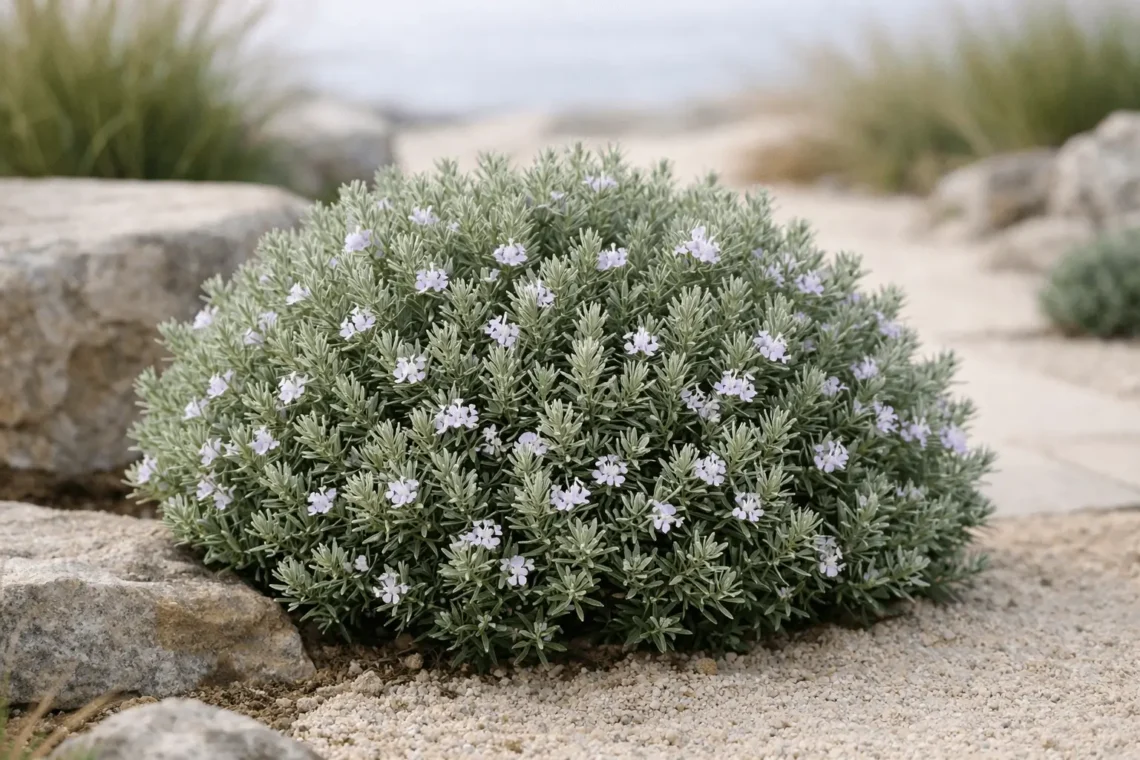
The coastal rosemary plant (scientific name Westringia fruticosa) is a gorgeous evergreen shrub native to the rocky cliffs and coastal dunes of eastern Australia. Despite its common name, it is not the same as culinary rosemary (Salvia rosmarinus). It earned the nickname because its fine, needle-like leaves look remarkably similar — but don’t try cooking with it!
Key physical features you’ll love:
- Compact, rounded growth habit (usually 1–2 meters tall and wide)
- Grey-green, aromatic (but non-edible) foliage that stays fresh year-round
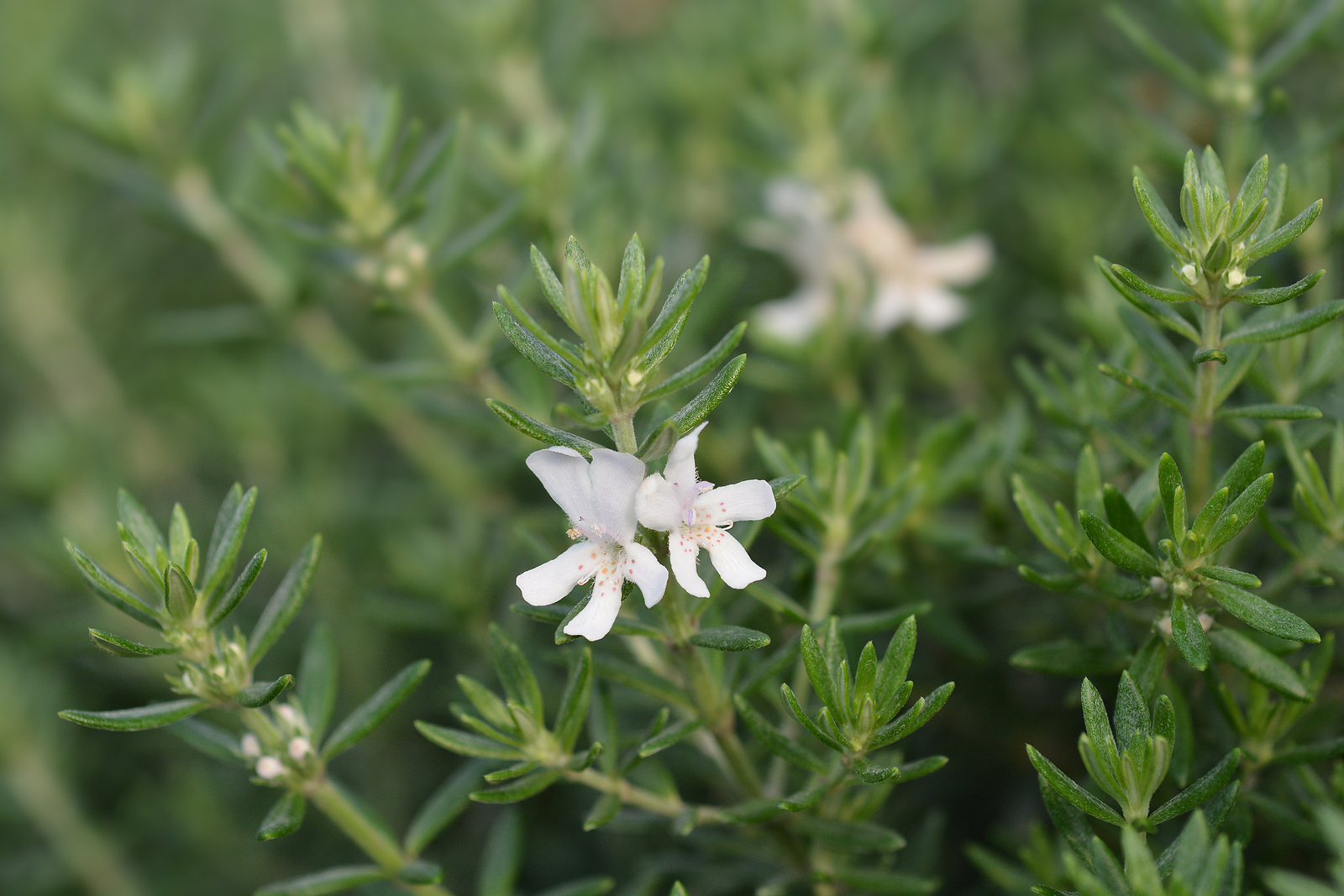
- Masses of small, star-shaped white to pale lilac flowers that bloom almost continuously
- Tough, woody stems that handle salt spray and strong winds like a champ
This plant is a true survivor, perfectly adapted to harsh seaside conditions. No wonder it’s become a superstar in modern gardens worldwide!
How it differs from true rosemary While both have needle-like leaves, coastal rosemary (Westringia) has softer foliage, smaller flowers, and far better tolerance for poor soil, drought, and coastal exposure. True rosemary is more culinary-focused and can struggle in salty or extremely dry spots. Knowing this distinction prevents common mix-ups and helps you choose the right plant for your space. 🧪
Why Gardeners Love Growing Coastal Rosemary ⭐
If you’re tired of high-maintenance plants that demand constant attention, the coastal rosemary plant is about to become your new best friend. Here’s why it’s winning hearts (and gardens) everywhere:
🌟 Extreme drought and heat tolerance – Once established, it survives weeks without water. Perfect for water-wise gardens! 🌊 Salt spray and wind resistance – Ideal for seaside properties or windy balconies. 🪴 Low-maintenance appeal – Busy families and beginners rejoice: minimal watering, feeding, and pruning. 🐝 Pollinator magnet – Bees, butterflies, and even small birds flock to its flowers all year. 🌲 Year-round evergreen beauty – Provides structure and subtle fragrance even in the dead of winter.
In short, this shrub solves the #1 problem most gardeners face: “I want beauty without the hassle.” It delivers lush greenery, flowers, and wildlife support with almost zero effort.

Choosing the Best Coastal Rosemary Variety for Your Garden 🪴
Not all coastal rosemary plants are created equal! Selecting the right cultivar makes the difference between “meh” and “wow.” Here’s a quick expert comparison of the most popular ones:
| Variety | Height & Spread | Flower Color | Best For | Cold Hardiness |
|---|---|---|---|---|
| Westringia ‘Nana’ | 0.5–1 m | White | Small gardens, pots | USDA 8–11 |
| ‘Smokey’ | 1–1.5 m | Pale lilac | Hedges, coastal screens | USDA 7–11 |
| ‘Jervis Gem’ | 1.5–2 m | White with pink | Larger landscapes | USDA 8–11 |
| ‘Blue Mountains’ | 1–1.5 m | Lilac-blue | Cooler climates | USDA 7–10 |
Pro tip: If you have a tiny balcony or want something ultra-compact, go for ‘Nana’. For a dramatic seaside hedge, ‘Smokey’ is unbeatable. Match the variety to your climate and space — I always recommend checking your local nursery for the healthiest stock.

When and How to Plant Coastal Rosemary – Step-by-Step 🌍
Timing and technique are everything. Plant your coastal rosemary plant in spring or early autumn when soil is warm but not baking hot.
Step-by-step planting guide:
- Choose the spot – Full sun (6+ hours) is ideal; it tolerates light shade but flowers less.
- Prepare the soil – Drainage is non-negotiable! Mix sandy loam with gravel or perlite if your soil is heavy clay. Aim for slightly acidic to neutral pH (6.0–7.5).
- Dig the hole – Twice as wide as the pot, same depth.
- Plant carefully – Gently tease out roots, position so the crown sits at soil level, and backfill.
- Water deeply – Give it a good soak, then apply 5–7 cm of organic mulch (keep it away from the stem to prevent rot).
Container vs. in-ground Potted coastal rosemary is fantastic for patios — just use a terracotta or ceramic pot with excellent drainage holes. In-ground planting gives it more room to spread and become even more drought-proof.
Companion planting ideas Pair it with lavender, succulents, kangaroo paw, or ornamental grasses for a stunning, low-water Mediterranean or coastal vibe.
Ideal Growing Conditions for Thriving Plants ☀️
The coastal rosemary plant is famously adaptable, but giving it the right conditions from the start ensures faster establishment and more abundant flowering.
Sunlight requirements This shrub craves full sun — at least 6 to 8 hours of direct sunlight daily. In hot inland climates, it can tolerate afternoon shade, but too much shade leads to leggy growth and fewer flowers. If you’re in a very hot region (USDA zones 9–11), morning sun with light afternoon protection works beautifully.
Soil type, pH, and drainage Westringia fruticosa is a champion of poor, sandy soils. It demands excellent drainage above everything else. Heavy clay soils are its biggest enemy because they hold water around the roots, leading to rot.
Ideal mix:
- Sandy loam or native soil amended with 30–50% coarse sand or gravel
- pH range: 6.0 – 7.5 (slightly acidic to neutral)
- Add perlite or pumice in containers for extra aeration
Watering needs Newly planted coastal rosemary needs consistent moisture for the first 3–6 months to develop a strong root system. Water deeply 2–3 times per week. Once established (usually after the first year), it becomes highly drought-tolerant and may only need supplemental watering during extreme dry spells. Overwatering is far more dangerous than underwatering!
USDA hardiness zones and temperature tolerance Coastal rosemary performs best in USDA zones 8–11. It handles light frost down to about -5°C (23°F) once mature, but young plants appreciate protection in colder snaps. In zone 7, choose hardier cultivars like ‘Blue Mountains’ and provide winter mulch. It thrives in humid coastal areas as well as dry Mediterranean climates — truly a versatile performer.
Complete Coastal Rosemary Care Guide 💧
Caring for this hardy shrub is refreshingly simple. Follow these expert-backed practices and your plant will reward you with years of beauty.
Watering schedule
- First 4–6 weeks: Keep soil evenly moist (not soggy).
- Months 2–6: Water deeply once the top 5 cm of soil dries out.
- Established plants: Water only during prolonged drought. A good rule: if the leaves start looking dull or slightly wilted, it’s time for a deep soak.
Fertilizer dos and don’ts Coastal rosemary is a light feeder. Over-fertilizing causes weak, leggy growth and reduces flowering.
Recommended approach:
- Use a low-phosphorus, slow-release native plant fertilizer in early spring.
- Apply a light dressing of compost or worm castings once a year.
- Avoid high-nitrogen fertilizers — they make the plant grow too fast and become susceptible to pests.
Pruning and shaping techniques Light pruning keeps your coastal rosemary plant compact and bushy. The best time is right after the main flowering flush (usually late spring or early summer).
How to prune:
- Trim back up to one-third of the growth.
- Cut just above a leaf node to encourage branching.
- Shape it into a neat dome or hedge — it responds beautifully to regular clipping.
- Never cut into old, woody stems without green growth; it may not regrow.
Mulching best practices Apply 5–8 cm of organic mulch (bark, gravel, or pebbles) around the base. This conserves moisture, suppresses weeds, and keeps roots cool. Keep mulch 5 cm away from the main stem to prevent fungal issues.
Seasonal care calendar
- Spring: Fertilize lightly, prune for shape, watch for new growth.
- Summer: Minimal watering; enjoy the flower display and pollinators.
- Autumn: Plant new shrubs; light trim if needed.
- Winter: Protect from heavy frost in marginal zones; reduce watering significantly.
Easy Propagation Methods – Grow More Plants for Free! ✂️
One of the best things about the coastal rosemary plant is how easily it propagates. You can expand your garden or share with friends without spending a cent.
Stem cuttings (most reliable method) Success rate: 80–95% with proper technique.
Step-by-step:
- Take 10–15 cm semi-hardwood cuttings in spring or autumn.
- Remove lower leaves, leaving 4–5 at the top.
- Dip the cut end in rooting hormone (optional but helpful).
- Plant in a well-draining mix (perlite + coco coir or sand).
- Keep moist and in bright, indirect light under a plastic bag or propagator until roots form (usually 4–6 weeks).

Layering technique Bend a low, flexible branch to the ground, wound it slightly, and cover with soil. Keep moist until roots develop, then sever from the parent plant.
Growing from seed Possible but slower and less common. Seeds need stratification and can take months to germinate. Cuttings are almost always the better choice for home gardeners.
Common mistakes to avoid
- Taking cuttings that are too soft or too woody
- Keeping them in direct hot sun
- Overwatering during rooting (leads to rot)
With these methods, one healthy plant can easily become a dozen in a single season!
Troubleshooting Common Problems 🛠️
Even tough plants like coastal rosemary can run into issues. Here’s how to diagnose and fix the most common ones quickly.
Pests
- Scale insects and aphids: Look for sticky honeydew or distorted new growth. Treat with neem oil or insecticidal soap.
- Spider mites: Common in hot, dry conditions. Increase humidity and spray with water regularly.
Diseases Root rot is the #1 killer — almost always caused by poor drainage or overwatering. Prevention is simple: never let the plant sit in water.
Yellow leaves, leggy growth, or no flowers?
- Yellow leaves → usually overwatering or poor drainage.
- Leggy growth → insufficient sunlight. Move to a sunnier spot.
- Few flowers → too much shade, too much nitrogen fertilizer, or the plant is still young.
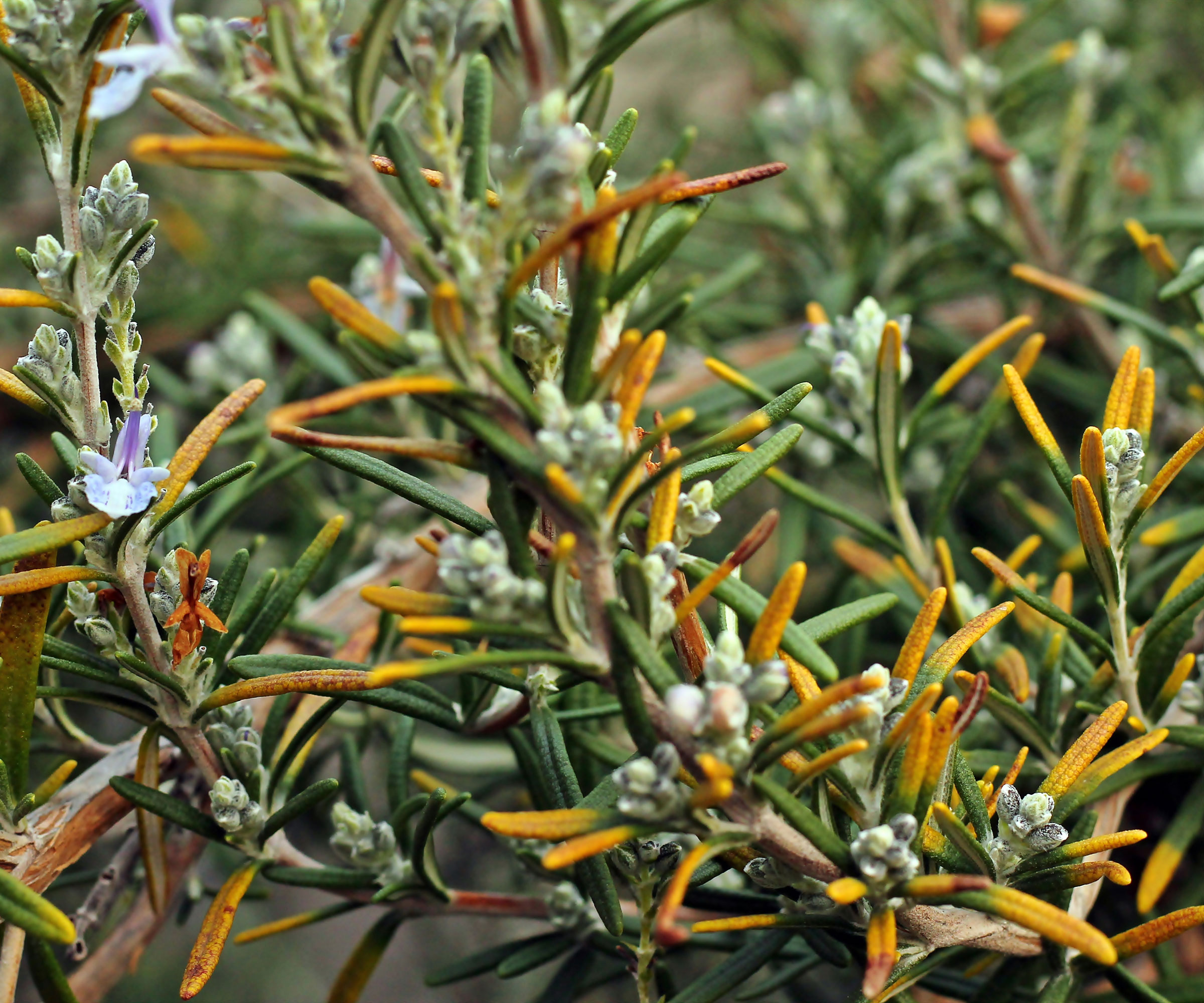
Expert troubleshooting tip: If leaves turn brown at the tips, check for salt buildup (common in coastal areas) and flush the soil thoroughly with fresh water.
Creative Landscaping Ideas with Coastal Rosemary 🌳
The coastal rosemary plant is incredibly versatile in garden design. Its neat, mounded shape and silvery-green foliage make it a standout in both formal and naturalistic settings.
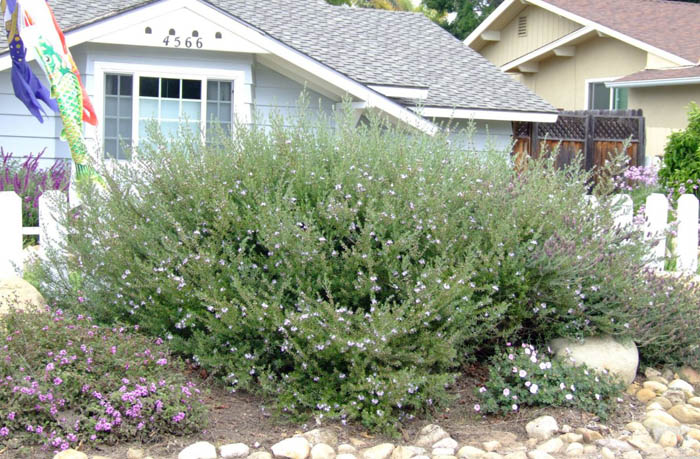
Coastal-style hedges and privacy screens Plant Westringia fruticosa 60–80 cm apart for a dense, wind-breaking hedge. It grows quickly enough to form a beautiful screen in 2–3 years while staying salt-tolerant and low-water. Trim it twice a year for a tidy look that withstands strong sea breezes.
Rock gardens and xeriscaping Pair it with boulders, gravel paths, and drought-loving companions for a stunning water-wise landscape. Its fine texture contrasts beautifully with bold succulents and ornamental grasses.
Container and patio displays Coastal rosemary shines in large pots on balconies or terraces. Choose a wide, shallow container for better stability and root spread. Combine with trailing plants like dichondra or calibrachoa for a cascading effect.
Beautiful companion plants
- Lavender (similar water and sun needs)
- Kangaroo paw for vibrant color contrast
- Succulents (sedum, echeveria)
- Ornamental grasses like lomandra or festuca
- Native Australian plants such as grevillea or callistemon
These combinations create a pollinator-friendly, low-maintenance Mediterranean or coastal garden that looks good year-round.
Is Coastal Rosemary Safe for Pets and Kids? ❓
Many gardeners ask this important question before planting.
Toxicity facts Unlike true culinary rosemary, Westringia fruticosa (coastal rosemary) is generally considered non-toxic to dogs, cats, and humans. It does not appear on major pet poison control lists as a dangerous plant. However, it is not edible — the leaves are bitter and not meant for cooking or consumption.
Safety tips
- It’s safe to have around curious pets and children, but discourage chewing on any garden plants.
- If your pet ingests a large amount, mild stomach upset is possible (as with most non-food plants).
- Always choose pet-friendly gardens by avoiding truly toxic plants nearby (like oleander or foxglove).
This makes coastal rosemary an excellent choice for family gardens where safety matters.
Pro Expert Tips & Advanced Growing Secrets 👩🌾
After growing hundreds of these shrubs over the years, here are my top insider tips that most beginner guides miss:
- Salt flush technique — In coastal areas with heavy salt spray, hose down the foliage every few weeks to prevent leaf burn.
- Root pruning for containers — Every 2–3 years, gently trim circling roots during repotting to keep the plant vigorous.
- Flower power boost — A light application of potassium-rich fertilizer (like seaweed extract) in late winter can dramatically increase blooming.
- Winter protection hack — In marginal zones, wrap young plants with horticultural fleece during unexpected frosts.
- Eco-friendly pest control — Encourage ladybugs and lacewings by planting nearby flowering natives — nature does the work for you.
Mistakes 90% of beginners make
- Planting in heavy clay without improving drainage
- Watering too frequently after establishment
- Pruning at the wrong time (avoid heavy cuts in winter)
- Expecting it to behave exactly like culinary rosemary
Follow these tips and your coastal rosemary will outperform almost any other shrub in tough conditions.
Frequently Asked Questions (FAQs) ❔
How fast does coastal rosemary grow? It grows moderately fast — about 30–60 cm per year once established, reaching full size in 3–5 years depending on conditions.
Can it survive freezing winters? Mature plants tolerate light frost (down to -5°C). In colder areas, choose hardier cultivars and provide winter protection.
How often should I water in summer? Established plants usually need watering only every 2–4 weeks during hot, dry summers. Always check soil moisture first.
Does it need fertilizer every year? No — once or twice a year with a light, native-plant formula is plenty. Over-fertilizing causes more harm than good.
Is coastal rosemary invasive? No, it is not considered invasive. It stays well-behaved in garden settings and does not spread aggressively by seed in most climates.
Best time to prune? Right after the main flowering period in late spring or early summer for best regrowth and shape.
Can I grow it indoors? It prefers outdoor conditions with plenty of sunlight. Indoors it struggles without very bright light and good air circulation.
Conclusion: Your New Favorite Low-Maintenance Garden Hero 🌟
The coastal rosemary plant truly is one of the most rewarding shrubs you can grow. With its incredible drought tolerance, salt and wind resistance, beautiful evergreen foliage, and nearly continuous flowers, it solves the common gardener’s dilemma: wanting a stunning garden without endless work.
Whether you’re creating a coastal hedge, a water-wise rock garden, or a low-maintenance patio display, Westringia fruticosa delivers beauty and resilience in equal measure.
Ready to transform your garden? Grab a healthy plant from your local nursery, follow the steps in this guide, and watch it thrive with minimal effort.
I’d love to hear about your coastal rosemary journey — drop a comment below with your variety, location, or any questions! Share your photos too; seeing readers’ success stories is what makes writing these guides worthwhile.
For more expert plant care advice, explore my guides on drought-tolerant shrubs, best plants for coastal gardens, and easy propagation techniques.
Happy gardening — may your coastal rosemary bring you years of joy and effortless beauty! 🌊🌿✨











