
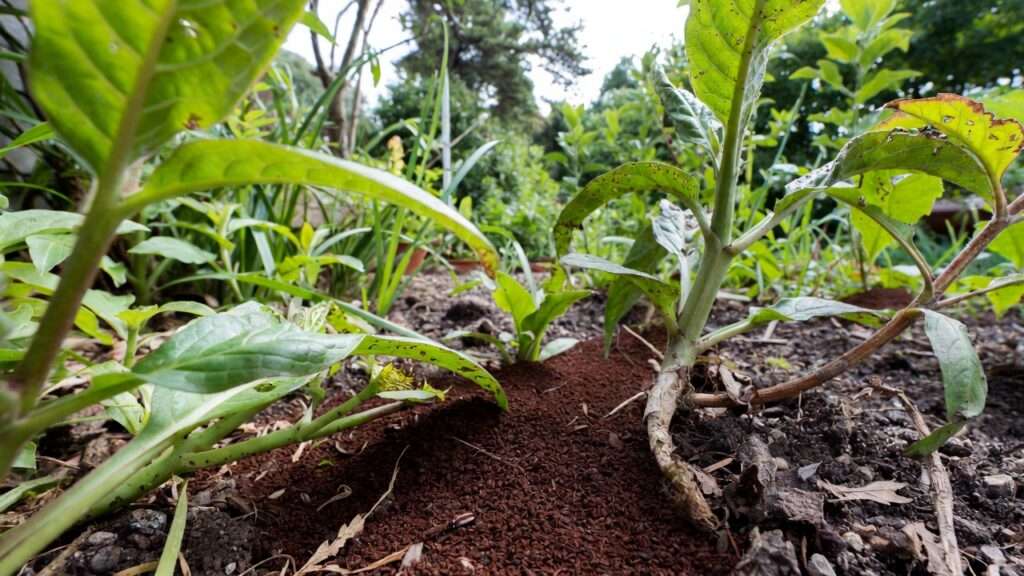
Picture this: It’s a beautiful morning in your garden, the sun is just rising, and you head out with your coffee to admire your thriving hostas, young tree seedlings, and crisp lettuce rows. But overnight, disaster struck — leaves riddled with irregular holes, silvery trails glistening on the soil, and tender new growth completely devoured. 😱 The culprits? Those sneaky, soft-bodied night raiders: slugs and snails.
If you’re like many plant lovers, you’ve probably tried expensive chemical baits, frustrating hand-picking sessions at dusk, or even copper tape that never quite works as promised. But what if the solution was sitting in your kitchen all along? Enter coffee grounds for pest deterrence — a simple, zero-waste, eco-friendly hack that turns your morning brew’s byproduct into a powerful natural shield for your plants and trees.
As a horticulture enthusiast with years of hands-on experience in organic gardening (and backed by university extension research from places like Oregon State University), I’ve tested this method extensively in my own beds and around acid-loving shrubs. The key? It’s not just about sprinkling dry grounds — the real magic comes from understanding the science of caffeine and smart application techniques.
In this in-depth guide, you’ll learn exactly how coffee grounds (and brewed coffee) can help deter slugs and snails, why the dry barrier myth persists but often falls short, proven step-by-step methods that actually work, bonus soil benefits for your trees and plants, honest limitations, and expert tips to maximize success. Let’s brew up some real protection for your garden! 🌿🐌
Why Coffee Grounds Work for Pest Deterrence (The Science Behind It)
The effectiveness of coffee in pest control isn’t garden folklore — it’s rooted in solid research. Caffeine, a natural alkaloid in coffee beans, acts as a neurotoxin to soft-bodied pests like slugs and snails. While humans enjoy a gentle buzz, these mollusks experience far more severe effects: disrupted nerve signals, paralysis, dehydration, and ultimately death at higher concentrations.
Key studies highlight this:
- Oregon State University Extension (citing USDA Agricultural Research Service findings) reports that a 1% to 2% caffeine solution used as a soil drench caused 100% of slugs to flee the treated area, with many dying from caffeine poisoning. A 2% caffeine application even outperformed metaldehyde-based slug baits in some trials, killing up to 95% of snails in orchid media.
- Early research published in Nature (2002) showed concentrations as low as 0.01% repelled slugs, while 1-2% solutions killed most within days.
But here’s the crucial distinction many articles miss: Used (spent) coffee grounds contain only trace amounts of caffeine after brewing — most gets washed out. This means dry grounds offer limited direct toxicity and primarily work through:
- Abrasive texture — The gritty particles irritate soft mollusk bodies, making crossing uncomfortable (though determined slugs often do cross after rain softens it).
- Strong scent — The bitter aroma can temporarily disrupt slug/snail trails and feeding behavior.
- Mild repellent effect — Combined with other factors, it reduces visits in many gardens.
Experts like Linda Brewer from OSU Extension emphasize: “People are often too enthusiastic” about dry grounds alone. For reliable deterrence, the liquid caffeine solution (from strong brewed coffee) is far superior. This honesty separates myth from fact — and helps you avoid disappointment.
Secondary benefits extend to other pests: The scent can mildly confuse ants (disrupting pheromone trails), and some gardeners report reduced visits from certain beetles. However, evidence is weaker for broader insect control. ☕🚫
Which Pests Do Coffee Grounds Deter Best?
Slugs and snails top the list — they’re the primary targets for most gardeners using this method. These pests thrive in moist, shady conditions and can decimate seedlings, hostas, strawberries, and young tree bark overnight.
Quick effectiveness breakdown (based on university studies and gardener reports):
- Slugs & Snails → High potential (especially with caffeine drench; 50-95% reduction possible when applied consistently)
- Ants → Moderate/short-term (scent disruption works best for trails; refresh after rain)
- Other insects (beetles, mosquitoes) → Low to weak (anecdotal; not a primary solution)
This approach shines for organic gardeners avoiding synthetic pesticides, especially around edibles, ornamentals, and trees where chemical runoff is a concern. It’s sustainable, cheap (free kitchen waste!), and pollinator-friendly when used thoughtfully. 🌼🐝
Here are some real-life examples of gardeners applying barriers around vulnerable plants:
Step-by-Step Guide: How to Use Coffee Grounds Effectively for Pest Control
Preparation is key to success. Always use used (spent) grounds from home brewing — they’re safer and less acidic than fresh. Dry them first to avoid mold: Spread on a tray in the sun or indoors for 1-2 days.
Method 1 – The Classic Dry Barrier (Simple & Low-Effort)
- Collect 1-2 cups of dried used grounds.
- Create a 1-2 inch wide, ½ inch thick ring around plant bases, seedlings, or tree trunks.
- Reapply after rain or every 7-10 days.
This creates a gritty, scented obstacle. Many gardeners see reduced damage on hostas and veggies, though it’s not 100% foolproof.
Method 2 – Powerful Caffeine Soil Drench (Most Effective – Science-Backed) This is the star method from OSU research!
- Brew strong coffee (double strength works best).
- Mix 1 part brewed coffee + 1 part water for ~1-2% caffeine solution.
- Cool completely.
- Pour around plant bases and soil (avoid leaves unless diluted further 9:1 for foliar).
- Apply in evening; repeat every 5-7 days during moist seasons.
Safety: Test on a small area first — some sensitive plants may show leaf burn.
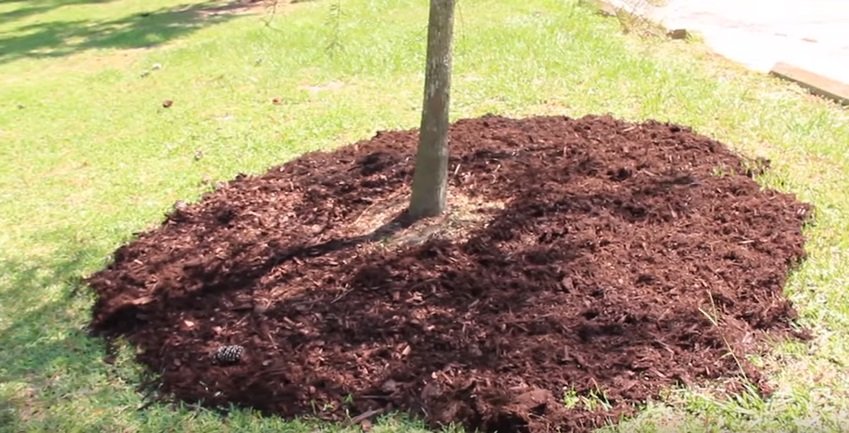
Method 3 – Coffee Mulch Blend (Great for Trees & Shrubs) Mix 1 part dried grounds with 3-4 parts leaves, compost, or wood chips. Spread ½-1 inch layer around tree bases and shrubs (acid-lovers like rhododendrons love it). This provides slow nutrient release while deterring pests.
Method 4 – Targeted Spot Treatment For ant mounds or heavy slug zones, sprinkle dry grounds directly or pour concentrated drench. Combine with beer traps for extra power!
Pro Tip: Always integrate with IPM — hand-pick at night, encourage predators (frogs, birds), and maintain dry mulch zones. 🌳💚
Real application around tree bases:
Bonus Benefits: Soil Health, Fertilizer & Sustainability Perks
Beyond pest deterrence, used coffee grounds are a garden superstar! They’re rich in nitrogen (about 2% by weight), making them an excellent slow-release organic fertilizer. This nutrient boost supports healthy leaf growth in plants, trees, and shrubs — especially acid-loving varieties like rhododendrons, azaleas, blueberries, and many evergreens.
Additional perks include:
- Improved soil structure — Grounds help aerate heavy clay soils and increase water retention in sandy ones.
- Microbial activity — They feed beneficial fungi and bacteria, enhancing overall soil health.
- Zero-waste sustainability — By reusing brewed grounds, you’re diverting kitchen waste from landfills (a single household can produce 5–10 lbs yearly!).
- Tree & shrub love — Apply as mulch around tree bases for gradual acidity and nutrient delivery, promoting stronger root systems.
Many gardeners notice greener foliage and better vigor after consistent use. Just remember: moderation is key! Test your soil pH first (aim for 6.0–7.0 for most plants) and limit to 10–20% of total mulch to avoid over-acidifying. 🌳💚
Here are some inspiring visuals of coffee grounds used as mulch around tree bases and plants:
And a beautiful example of thriving, protected hostas:

Safety, Limitations & When to Avoid Coffee Grounds
While eco-friendly, coffee grounds aren’t a silver bullet — and they come with caveats:
- Not 100% effective — Dry barriers often work partially; slugs may cross after rain or if motivated. The caffeine drench is stronger but still requires regular reapplication.
- Potential harm to beneficials — In large quantities, caffeine residues might stress earthworms (though most vermicomposters report worms love moderate amounts). Pollinators are generally unaffected, but avoid foliar sprays.
- Pet safety — Caffeine is toxic to dogs and cats if ingested in quantity. Use sparingly in pet-accessible areas and monitor.
- Acid-sensitive plants — Skip or use lightly on veggies like tomatoes, carrots, or alkaline-loving species (e.g., lavender).
- Mold risk — Never apply wet/fresh grounds in thick layers.
The key is balance and integration with other organic methods. Always start small and observe your garden’s response. 🐛⚠️
For context, here’s a close-up of slug/snail damage that coffee methods help prevent:

Expert Insights & Real Gardener Success Stories
Oregon State University Extension’s soil scientist Linda Brewer notes: “A 1% to 2% caffeine solution as a soil drench caused 100% of slugs to leave treated soil and die of caffeine poisoning — often outperforming commercial baits.” Recent confirmations (up to 2025) reinforce that brewed coffee solutions deliver reliable results, while dry grounds shine more as a soil amendment.
Many gardeners report 50–80% reductions in slug damage when combining drench with barriers, especially around hostas and young trees. One common success story: “After two weeks of evening drenches, my seedling losses dropped dramatically — and my compost thrived!” These real-world experiences align with extension research, proving this method’s value for organic plant care. 📊🌿
FAQs (Your Most Common Questions Answered)
Do coffee grounds really kill slugs? Used dry grounds mostly deter; strong brewed coffee drench can kill via caffeine toxicity (backed by OSU studies).
How often should I reapply? Dry barriers: every 7–10 days or after rain. Drench: every 5–7 days during wet seasons.
Can I use them on trees? Yes! Great as mulch blend around acid-tolerant trees/shrubs for nutrition + mild deterrence.
Are fresh grounds okay? Avoid — they’re too acidic and can burn roots. Always use spent (used) grounds.
Do they repel ants effectively? Moderately — scent disrupts trails short-term; refresh often for best results.
Will it harm earthworms? Small amounts are fine (many worms love them); excessive use may deter.
Is it safe for pets? Generally yes in garden amounts, but keep dogs/cats from eating large piles due to caffeine.
Can I use instant coffee? Yes for drench (strong solution), but brewed is preferred and more sustainable.
How much is too much? Limit to 1–2 cups per 10 sq ft monthly; monitor soil pH.
Does it work on other pests? Best for slugs/snails; mild effects on ants/beetles; weak for mosquitoes/flies.
❓☕
Conclusion & Call to Action
Coffee grounds offer a smart, sustainable way to deter slugs and snails while enriching your soil — a true win for eco-conscious plant and tree care lovers. By combining science-backed caffeine drenches with thoughtful dry barriers, you can protect your hostas, seedlings, and young trees without harsh chemicals.
Start small: save your next brew’s grounds, dry them, and try the drench method this week. Your garden (and the planet) will thank you! 🌱











