
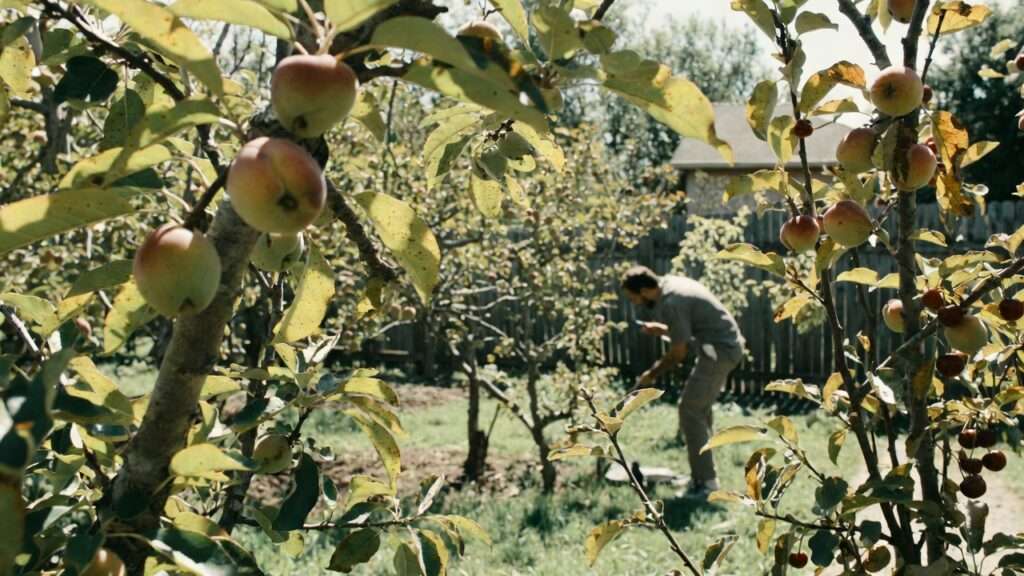
Imagine stepping into your backyard orchard, excited to harvest juicy apples or perfectly ripe peaches, only to find ugly spots, wilted shoots, or fuzzy mold ruining your hard work. 😔 Heartbreaking, isn’t it? The good news is that most fruit tree losses stem from a handful of common fruit tree diseases that are entirely preventable with early vigilance and smart care. Whether you’re a beginner home gardener or tending a small backyard orchard, spotting these issues early can save your trees, boost yields, and deliver delicious, homegrown fruit for years. 🍑✨
In this comprehensive guide, we’ll cover the top common fruit tree diseases to watch for, their telltale early signs (with detailed descriptions you can match to your trees), proven prevention strategies, and safe, effective treatment options—prioritizing organic methods where possible. Drawing from university extension resources like Penn State, Cornell, WSU, and Purdue, this skyscraper-level resource goes beyond basic lists to give you seasonal checklists, resistant variety recommendations, real-world tips, and more. Let’s protect your trees and reclaim that bountiful harvest! 🌟
Why Early Detection Is Your Best Defense Against Fruit Tree Diseases 🌱🔍
Fruit tree diseases—mostly fungal, but some bacterial—thrive in warm, humid conditions, spreading rapidly once established. Waiting until symptoms are severe often means lost fruit, weakened trees, or even death in cases like fire blight. Early detection flips the script: small interventions stop outbreaks before they explode.
Regular scouting pays off big time. Check trees weekly during the growing season (spring through fall), focusing on leaves, new shoots, fruit, and trunks. Grab a magnifying glass, your phone for photos, and sanitized pruning shears. Track weather—rainy springs trigger many fungal issues like apple scab or brown rot.
Seasonal Calendar for Vigilance 📅
- Spring (bloom to early fruit set): Highest risk for fire blight, peach leaf curl, cedar apple rust—scout daily during wet periods.
- Summer: Watch for powdery mildew, brown rot on ripening fruit.
- Fall: Clean up dropped leaves/fruit to break disease cycles.
- Winter: Prune dormant trees and inspect for cankers/galls.
Tools like apps (e.g., NEWA from Cornell for disease risk models) or local extension forecasts help time checks perfectly. Early action reduces chemical needs and saves money—prevention is always cheaper than cure! 🛡️
Top 10 Common Fruit Tree Diseases to Watch For (Detailed Breakdown)
Here’s the most widespread threats in home orchards, grouped by primary fruit type. Each includes the pathogen, affected trees, early/progression signs, risk factors, prevention, and treatments (organic-first approach).
1. Apple Scab 🍏
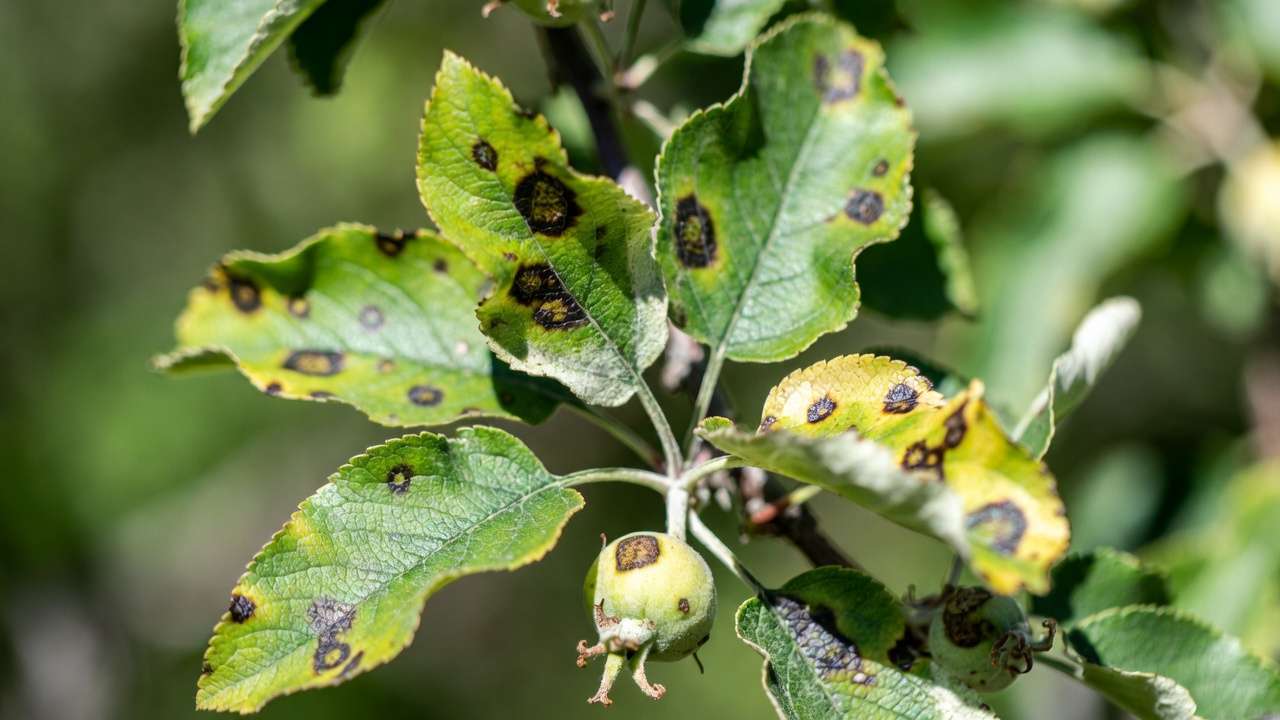
Caused by fungus Venturia inaequalis. Hits apples (and crabapples); pears sometimes. Early Signs: Olive-green to black velvety spots on leaves/young fruit; spots darken and corky over time. Leaves yellow/drop prematurely. Risk Factors: Wet springs, poor airflow, susceptible varieties. Prevention: Plant resistant varieties (Liberty, Enterprise, Freedom, GoldRush). Rake/burn fallen leaves in fall. Prune for airflow. Treatment: Protectant fungicides (captan, sulfur) timed at green tip to petal fall. Organic: neem oil or potassium bicarbonate sprays. Severe cases need multi-season management.
2. Fire Blight 🔥
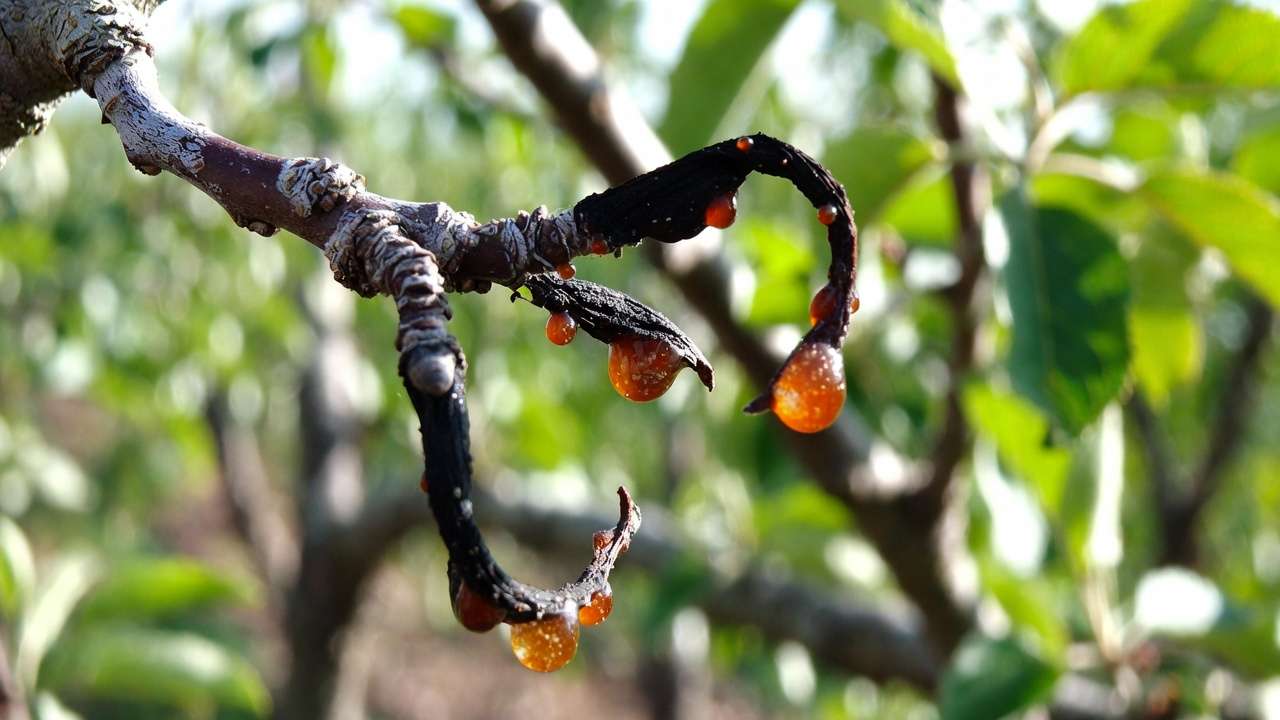
Bacterial (Erwinia amylovora). Devastates apples, pears; some stone fruits. Early Signs: Wilted, blackened shoots (“shepherd’s crook”), amber bacterial ooze from cankers. Looks like fire damage. Risk Factors: Warm, wet springs during bloom; wounds from pruning/hail. Prevention: Choose resistant varieties (Honeysweet pear, Enterprise apple). Prune in dry weather only. Avoid excess nitrogen. Treatment: Prune 12–18 inches below visible infection (sanitize tools with 10% bleach between cuts!). Copper sprays at bloom; streptomycin in high-risk areas (check local regs). Remove severely infected trees.
3. Powdery Mildew ⚪
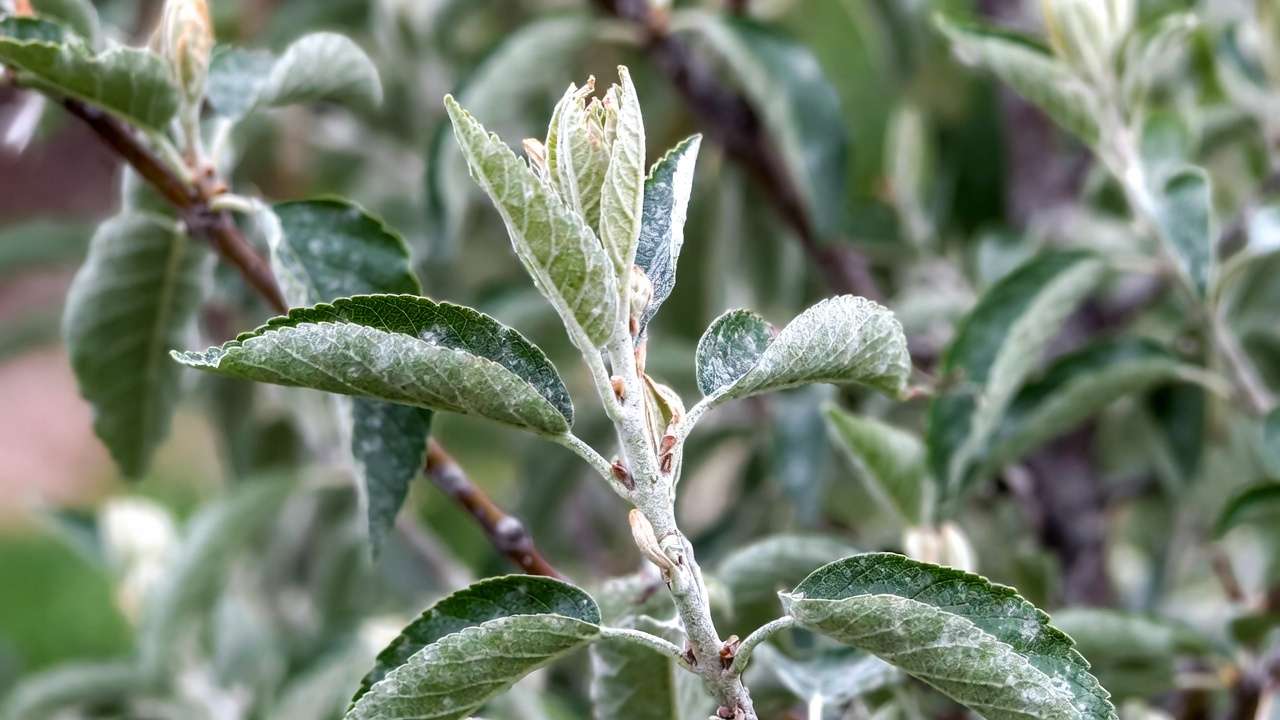
Fungus (Podosphaera spp.). Affects nearly all fruit trees, especially in shade. Early Signs: White, powdery coating on leaves, shoots, buds; distorted growth. Risk Factors: High humidity, crowded branches, poor sun exposure. Prevention: Plant in full sun. Prune for airflow. Avoid overhead watering. Treatment: Organic favorites: baking soda + soap spray, sulfur, horticultural oil. Conventional: myclobutanil if needed.
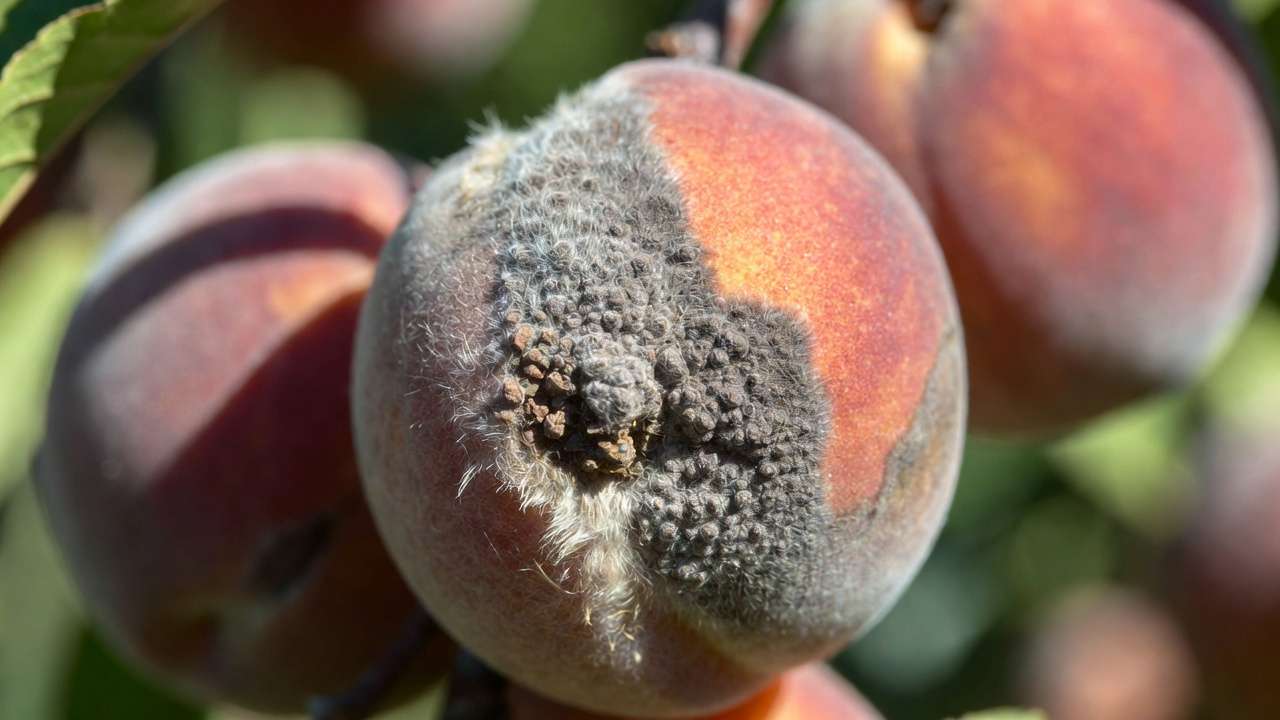
4. Brown Rot 🍑🍒
Fungus (Monilinia spp.). Stone fruits’ biggest enemy (peach, plum, cherry, apricot). Early Signs: Brown-gray fuzzy mold on blossoms/ripening fruit; mummified fruit hangs on tree. Risk Factors: Wet weather near harvest, wounded fruit, mummies left on tree. Prevention: Thin fruit clusters. Remove mummies promptly. Harvest early. Treatment: Organic fungicides (sulfur, captan) at bloom/shuck fall. Prompt removal of infected parts.
5. Peach Leaf Curl 🌿
Fungus (Taphrina deformans). Primarily peach, nectarine; some apricots. Early Signs: Red, puckered, distorted leaves in spring; white spore coating later. Leaves drop early. Risk Factors: Cool, wet winters/springs. Prevention: Apply dormant copper spray late winter (before buds swell). Choose resistant varieties (Frost, Q-1-8). Treatment: Rarely effective post-infection—focus on next season’s prevention.
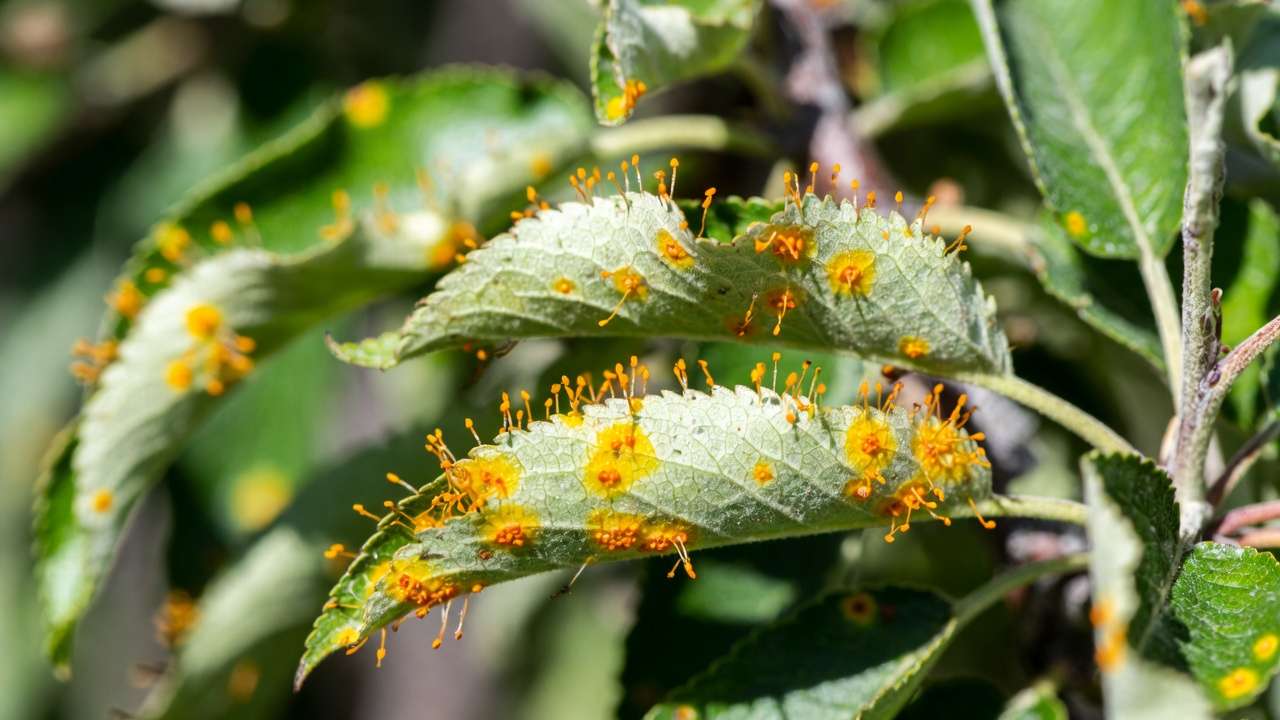
6. Cedar Apple Rust (and related Gymnosporangium Rusts) 🟠
Fungus needing juniper/cedar alternate host. Hits apples, hawthorn. Early Signs: Bright yellow-orange spots on apple leaves; orange spore tubes underneath. Risk Factors: Nearby junipers, wet springs. Prevention: Remove nearby cedars if possible. Plant resistant apples (Liberty, Enterprise). Treatment: Fungicides (myclobutanil) during wet springs. Sulfur for organic.
7. Black Knot (Plum & Cherry) ⚫
Fungus (Apiosporina morbosa). Early Signs: Hard, black swollen galls on branches (start olive-green, darken). Risk Factors: Wet springs, susceptible plums. Prevention: Prune out galls in winter (destroy them). Resistant varieties available. Treatment: Fungicides on new growth; severe pruning.
8. Bacterial Canker/Spot (Stone Fruits) 🩹
Bacteria (Pseudomonas syringae). Early Signs: Sunken lesions, gummy ooze on trunks/branches; dieback. Risk Factors: Wounds, stress, poor drainage. Prevention: Avoid pruning in wet weather. Ensure good drainage. Treatment: Copper sprays in dormancy. Prune affected parts.
9. Common Citrus Issues (Warmer Zones) 🍊
Huanglongbing (citrus greening) or similar: Mottled/yellow leaves, bitter fruit. Regional—consult local extension.
10. Root/Crown Rot (Phytophthora) 🌳💧
Fungal-like (Phytophthora spp.). Early Signs: Wilting despite watering, bark discoloration at base, stunted growth. Risk Factors: Poor drainage, overwatering. Prevention: Plant in well-drained soil. Avoid mulch against trunk. Treatment: Improve drainage; fungicides in severe cases.
General Prevention Strategies: Build Resilient Fruit Trees 🛡️
Prevention beats cure every time. Focus on cultural practices:
-
Site & Planting: Full sun, good airflow, well-drained soil (test pH/nutrients). Space trees properly.
-
Pruning & Thinning: Annual dormant pruning opens canopy. Thin fruit to reduce stress.
-
Resistant Varieties Table (examples from extension sources):
Fruit Resistant to Scab/Rust/Fire Blight/Powdery Mildew Examples Apple High resistance Liberty, Enterprise, Freedom, GoldRush Pear Fire blight resistant Honeysweet, Kieffer, Asian pears Peach Leaf curl resistant Frost, Q-1-8 Plum Black knot tolerant Various hybrids -
Organic IPM: Encourage beneficial insects, companion plants (e.g., garlic near trees). Mulch to retain moisture without excess.
-
Water & Fertilize Smart: Deep, infrequent watering; balanced fertilizer to avoid lush, disease-prone growth.
Treatment & Management Toolkit 🧰
- Timing Charts: Dormant (copper/oil), pink bud (sulfur), petal fall (captan). Use models like NEWA.
- Organic Roundup: Neem, sulfur, copper, bio-fungicides (Bacillus subtilis).
- Conventional: Myclobutanil, captan—for severe cases, follow labels/safety.
- DIY Remedies: Baking soda for mildew; avoid ineffective ones like milk sprays alone.
- Sanitation: Always disinfect tools (alcohol/bleach). Bag/burn infected debris.
Seasonal Monitoring Calendar & Checklist 📅
- Spring: Dormant sprays, bloom watches (no insecticides during bloom for pollinators).
- Summer: Weekly checks; treat at first sign.
- Fall: Major cleanup—key to breaking cycles.
- Winter: Prune + inspect.
Common Mistakes Home Growers Make (And How to Avoid Them) 🚫
- Overwatering → root rot. Fix: Improve drainage.
- Poor pruning → dense canopy, mildew/fire blight. Fix: Annual thinning cuts.
- Ignoring early signs → full outbreak. Fix: Scout religiously.
- Skipping sanitation → reinfection. Fix: Clean tools/debris.
Expert Insights & Real-World Case Studies 🌟
University extensions (Cornell, WSU, Penn State) emphasize IPM: “Prevention through resistant varieties and sanitation reduces sprays by 70% in many orchards.” One gardener shared: “Spotting brown rot early on my peaches let me save 80% of the crop with prompt harvest and sulfur—next year, I planted resistant types!” Regional note: Humid areas need more vigilance on fungal issues; drier zones focus on bacterial canker.
Frequently Asked Questions (FAQs) ❓
- What’s the most common fruit tree disease overall? Apple scab in pome fruits; brown rot in stone fruits.
- Can I save a tree with severe fire blight? Yes, if pruned aggressively early; otherwise, removal may be needed.
- Are there natural ways to prevent powdery mildew? Yes—better airflow, sulfur sprays, baking soda mixes.
- How do I know if it’s disease or nutrient deficiency? Diseases show spots/mold; deficiencies cause uniform yellowing—soil test helps.
- When should I call a professional arborist? For large trees, severe cankers, or diagnosis uncertainty.
Conclusion: Protect Your Harvest with Vigilance & Care 🌈🍐
Spotting common fruit tree diseases to watch for early, preventing through smart planting/pruning, and treating promptly turns potential disasters into minor bumps. Start scouting this week—your trees (and taste buds) will thank you! Share your tree stories or photos in the comments, and subscribe for more expert plant care guides. Healthy fruit trees mean years of sweet, homegrown bounty ahead! 🌟🍏











