
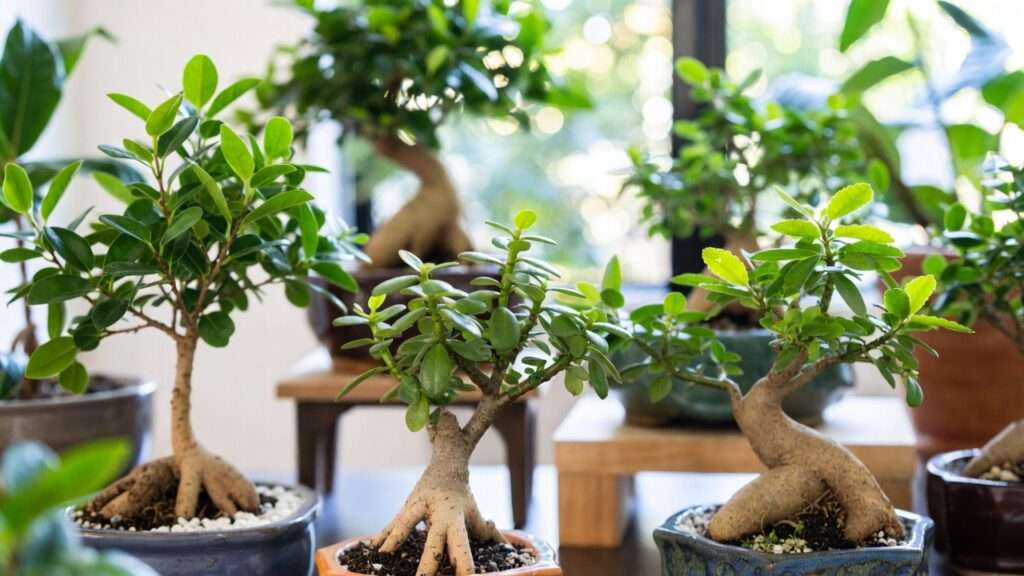
Imagine coming home to a tiny, ancient-looking tree perched on your windowsill or coffee table—its miniature branches twisting gracefully, leaves glossy and vibrant, bringing a touch of serene zen to your busy urban life in Dhaka or any modern apartment. 🌳🏡 What if I told you that these living artworks, known as common houseplant bonsai trees, are far easier to care for than the myths suggest? Many beginners dive in excited, only to face leaf drop or decline because they chose the wrong species. But the right ones? They thrive indoors with forgiving care, turning your small space into a peaceful miniature forest without demanding constant attention.
In this in-depth guide, we’ll explore the top common houseplant bonsai trees that are perfect for beginners and indoor environments. These resilient tropical and subtropical varieties handle average home conditions—like indirect light, moderate humidity, and occasional forgetful watering—better than most. Drawing from years of hands-on experience with bonsai cultivation (and insights from trusted sources like Bonsai Empire and expert growers), I’ll share detailed recommendations, care secrets, troubleshooting tips, and more to help you succeed. Whether you’re new to bonsai or looking to expand your collection, these picks solve the real problem: finding beautiful, low-maintenance indoor bonsai that actually live long and look stunning. Let’s dive in! 🌱💚
Why Choose Common Houseplant Bonsai Trees for Your Home? 🏠💚
Bonsai isn’t just about tiny trees—it’s an art form that combines horticulture, aesthetics, and mindfulness. Common houseplant bonsai trees stand out because they’re adapted for indoor life, unlike traditional outdoor species (like pines or maples) that struggle without seasonal cold.
Here are the key benefits:
- Space-saving beauty — Perfect for apartments, offices, or small Dhaka homes where floor space is limited.
- Stress relief and zen — Studies show caring for plants reduces anxiety; the meditative pruning and shaping add extra calm.
- Air purification — Many (like Ficus and Schefflera) filter toxins from indoor air.
- Longevity — With proper care, these can live decades, becoming family heirlooms.
- Conversation starters — Guests always ask about your “tiny tree”!
A big myth-buster: Not all bonsai need to live outdoors. Tropical varieties excel as houseplants in warm, consistent climates (ideal for Bangladesh’s indoor conditions). Compared to regular houseplants, bonsai offer unique sculptural forms, textured trunks, and the satisfaction of shaping your own living art. 🌸

(These show classic Ficus bonsai examples—glossy leaves and aerial roots for that authentic look! 🌟)
Top 8 Common Houseplant Bonsai Trees – Expert Recommendations 🌳
Based on resilience in typical indoor settings (low-to-medium humidity, indirect light, 65-80°F/18-27°C), here are my top picks ranked for beginner-friendliness and popularity. Each includes pros/cons, care basics, and why it thrives as a houseplant.
1. Ficus Bonsai (Ficus retusa / microcarpa / ginseng) – The #1 Beginner Favorite 🌟
The undisputed king of indoor bonsai! Ficus species are incredibly forgiving, tolerating low humidity, irregular watering, and lower light better than most.
Why it’s top-rated: Resilient to neglect, grows aerial roots for dramatic trunks, and responds well to pruning for dense foliage.
Appearance & styles: Glossy dark-green leaves, thick trunks, ideal for informal upright, cascade, or root-over-rock styles.
Care essentials:
- Light: Bright indirect (east/west window); tolerates medium light.
- Water: Keep soil slightly moist; let top inch dry. Overwatering causes root rot—use well-draining mix.
- Humidity: Average home levels OK; mist occasionally or use pebble tray.
- Difficulty: 1/5 (super easy!)
Common issues & fixes: Leaf drop from sudden changes—stabilize environment. Spider mites? Wipe leaves with soapy water.
Pro tip: Rotate weekly for even growth; fertilize monthly in growing season.

(Handsome Ficus in action—perfect for your desk or shelf! 🍃)
2. Dwarf Jade (Portulacaria afra) – The Easiest & Most Forgiving Succulent Bonsai 🪴
A succulent superstar! This “elephant bush” stores water in plump leaves and stems, making it drought-tolerant.
Why popular: Forgives forgotten waterings, thrives in bright spots, and develops thick, woody trunks over time.
Unique traits: Tiny round leaves, reddish stems; great for exposed-root or windswept styles.
Care specifics:
- Light: Bright direct or indirect (south-facing window ideal).
- Water: Infrequent—every 10-14 days when soil is dry.
- Humidity: Low; no extra needed.
- Difficulty: 1/5
Styling ideas: Literati or cascade for elegant flow.

(Lovely Dwarf Jade examples—those chubby leaves are so cute! 😍)
3. Fukien Tea (Carmona microphylla) – Delicate Beauty with Tiny White Flowers ❄️
A charming evergreen with year-round interest: small shiny leaves, occasional white blooms, and red berries.
Why it’s common: Adds floral charm to indoor collections; compact and trainable.
Ideal conditions:
- Light: Bright indirect.
- Water: Consistent moisture (never soggy).
- Humidity: Higher—pebble tray or humidifier helps.
- Difficulty: 2/5
Troubleshooting: Yellow leaves often mean watering imbalance—check roots.
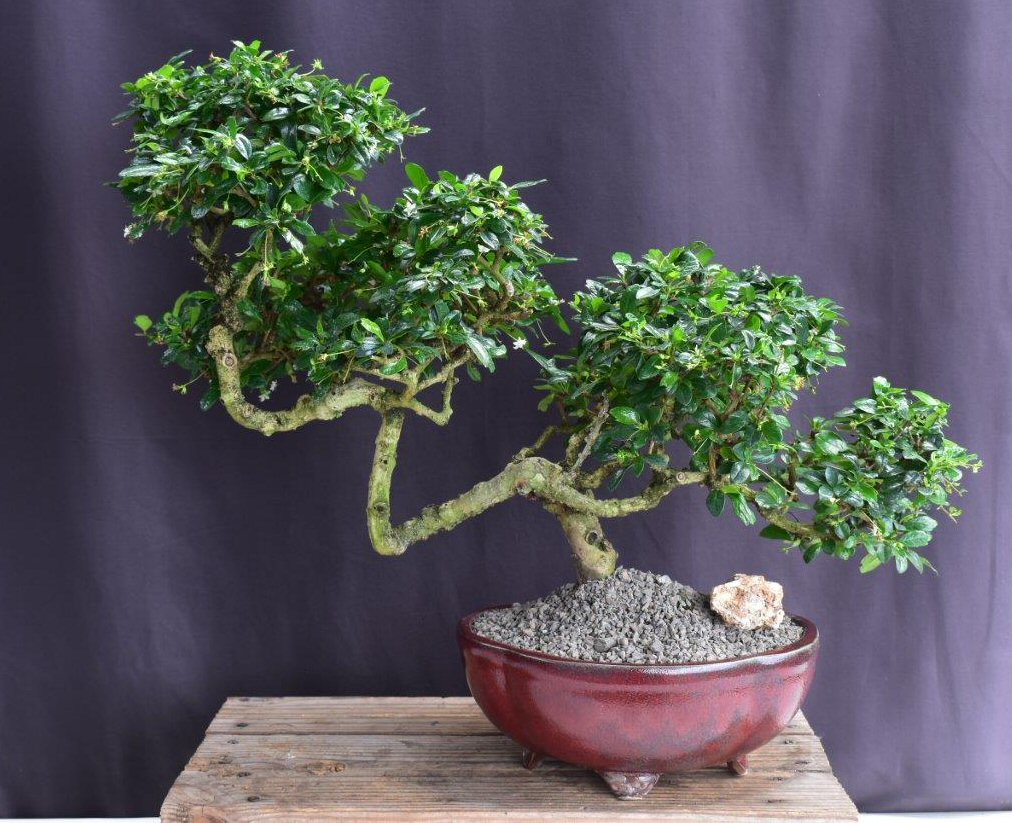
(See those tiny flowers? Magical! 🌸)
4. Hawaiian Umbrella (Schefflera arboricola) – Lush & Tropical Vibes ☂️
Umbrella-like leaf clusters give a full, tropical canopy feel.
Why great indoors: Tolerates medium-low light; fast grower for quick results.
Bonus: Excellent air purifier.
Care: Bright indirect light; moderate water; prune for density.

(Those umbrella leaves bring instant jungle vibes indoors! 🌴)
5. Chinese Elm (Ulmus parvifolia) – Versatile & Forgiving Classic 🍃
This classic indoor bonsai features beautiful exfoliating bark that peels to reveal orange-brown tones underneath, paired with small, glossy leaves that create a lush canopy. It’s semi-deciduous but adapts remarkably well to year-round indoor conditions, even showing subtle autumn color changes if light and temperature vary slightly.
Why it’s great for homes: Forgiving to pruning mistakes, resilient to moderate neglect, and excellent for learning wiring and shaping as a beginner.
Care highlights:
- Light: Bright indirect; can handle some direct morning sun.
- Water: Even moisture—top inch dry before re-watering.
- Humidity: Average; benefits from occasional misting.
- Difficulty: 2/5
Pro tip: Prune new shoots back to 2-4 leaves to keep it compact and encourage back-budding for denser growth.

(Beautiful Chinese Elm examples—notice that stunning bark texture! 🌳)
6. Sweet Plum / Chinese Sweet Plum (Sageretia theezans) – Underrated Gem 🍒
Often overlooked, this species offers tiny, dark-green leaves and occasional small plum-like fruits for extra charm. It’s tough in average home environments and develops nice nebari (root flare) over time.
Why consider it: Compact growth, good ramification (branching), and pest resistance.
Care: Bright indirect light, moderate watering (avoid soggy soil), higher humidity preferred.
Difficulty: 2.5/5
7. Jade Plant (Crassula ovata) – Classic Money Tree Bonsai 💰
A succulent favorite symbolizing good fortune and prosperity in many cultures (including Bangladesh!). Thick, woody trunks and plump, jade-green leaves make it instantly recognizable.
Why common indoors: Extremely drought-tolerant, easy to propagate from cuttings or leaves, and develops character quickly.
Care specifics:
- Light: Bright to full sun (south window perfect).
- Water: Sparingly—let soil dry completely.
- Difficulty: 1/5
Bonus: Root cuttings in water or soil for free new trees!
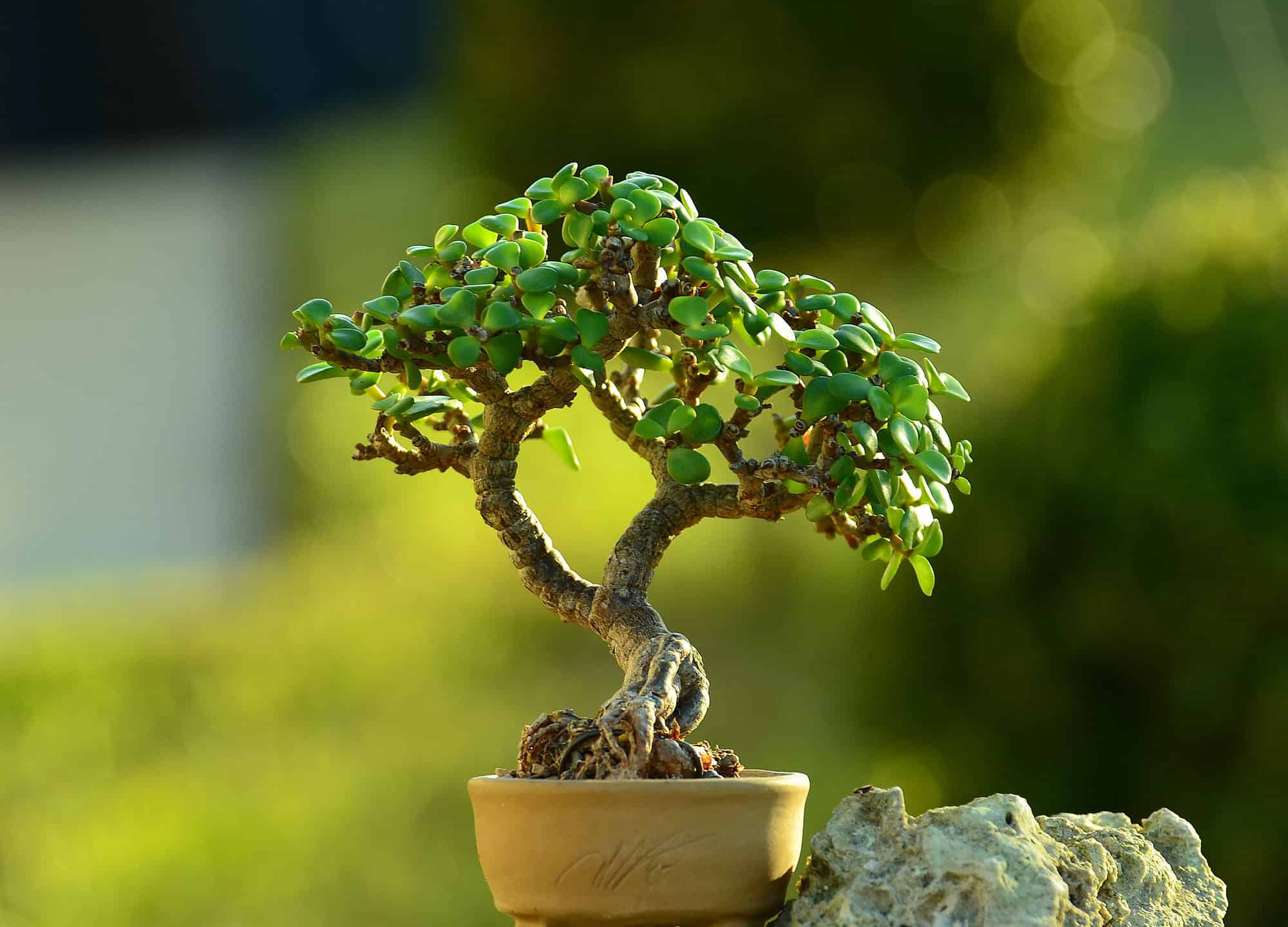
(Those thick trunks and shiny leaves scream classic bonsai elegance! 😍)
8. Tiger Bark Ficus or Other Ficus Varieties – Fun Variations 🐯
Tiger Bark (a cultivar of Ficus microcarpa) features striking striped bark patterns. Other variants like ‘Green Island’ or ‘Too Little’ offer compact growth and unique textures.
Why add variety: Adds visual interest to collections; same forgiving care as standard Ficus.
These eight cover the most reliable, widely available options—far more comprehensive than basic “top 5” lists, with real-world performance notes tailored to indoor tropical/subtropical homes.
General Care Guide for Indoor Bonsai Success 🌱📋
Master these fundamentals, and your common houseplant bonsai trees will thrive for years (many live 20–50+ years indoors!).
- Light Requirements 💡 Most prefer bright, indirect light (4–6+ hours daily). East or west-facing windows work best in Dhaka’s bright climate. Use full-spectrum LED grow lights (12–14 hours/day) if natural light is low—place 6–12 inches above the tree.
- Watering Mastery 💧 The #1 killer is overwatering. Check soil daily: water when top 1–2 inches feel dry (use chopstick test). Bottom-water by soaking pot in a tray for 10–15 minutes, then drain fully. Use room-temperature water to avoid shocking roots.
- Humidity Hacks 🌫️ Tropical species love 50–70% humidity. Simple pebble tray: fill shallow dish with pebbles + water, place pot on top (roots never touch water). Mist leaves 2–3x/week or run a small humidifier nearby, especially during dry winter months.
(Easy DIY humidity tray setups—super effective and cute! 🪴)
- Soil & Repotting Use free-draining bonsai mix (akadama + pumice + lava rock, 1:1:1) or add perlite to regular potting soil. Repot every 1–2 years in spring—prune 1/3 of roots, refresh soil.
- Fertilizing Schedule 🌿 Balanced liquid fertilizer (e.g., 10-10-10 or organic) every 2–4 weeks spring–fall; reduce in winter. Avoid over-fertilizing to prevent weak growth.
- Pruning & Shaping Basics ✂️ Pinch new growth to encourage branching. Use concave cutters for clean cuts. Wiring: Apply aluminum wire in spring/fall; check monthly to prevent scarring.

(Pruning and wiring in action—transform your tree step by step! 🌳)
- Pest & Disease Prevention 🛡️ Watch for scale, spider mites, mealybugs. Treat with neem oil or insecticidal soap. Good airflow and clean leaves prevent most issues.
- Temperature & Placement Ideal 65–80°F (18–27°C). Avoid cold drafts, AC vents, or heaters. Rotate pot weekly for even light exposure.
Styling & Design Tips to Make Your Bonsai Stand Out 🎨
- Popular indoor styles: Informal upright (mokuzai), slanting (shakan), cascade (kengai) for drama.
- Essential beginner tools: Concave cutters, knob cutters, wire (aluminum), turntable.
- Inspiration: Group 2–3 trees on a wooden stand for a mini forest feel.
Troubleshooting Common Problems & Mistakes to Avoid ⚠️
- Leaf drop: Sudden environment change, low humidity, or over/underwatering—stabilize conditions.
- Yellow leaves: Often root rot (improve drainage) or nutrient deficiency (fertilize).
- Slow/no growth: Too little light or winter dormancy—be patient!
- Over-pruning regrets: Always prune gradually; trees recover slowly indoors.
Bonus: Creating a Stunning Indoor Bonsai Display 🖼️
Group multiple species in saikei (landscape planting) style for a living scene. Use trays, moss, small rocks. Elevate on low stands for elegance. Pair with other houseplants for a green corner oasis.
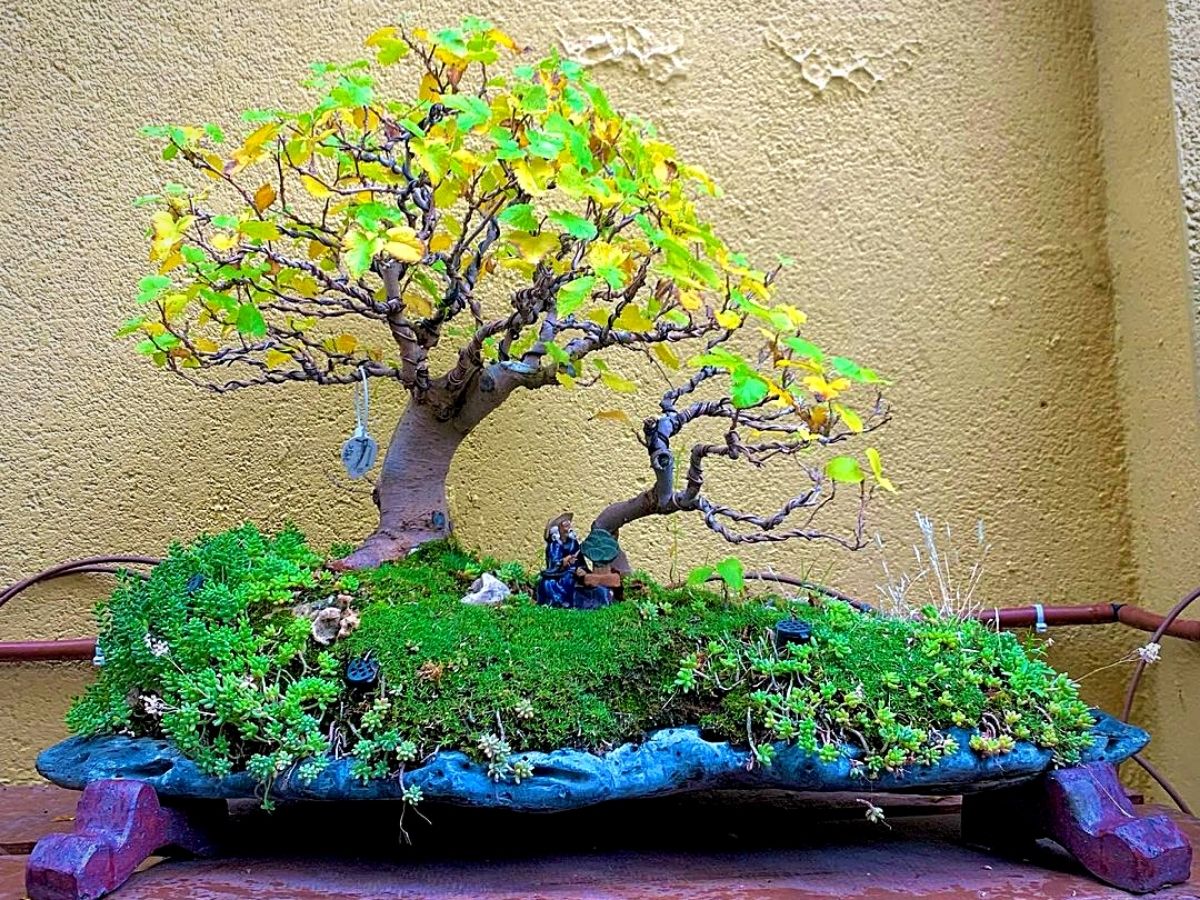
(Saikei landscapes—pure zen magic! 🌿🏞️)
Expert Insights & Pro Tips from Years of Experience 👨🌾
In Dhaka’s humid monsoon season, watch for fungal issues—ensure excellent airflow. Source healthy trees from reputable local nurseries or online (check for pests). Long-term success: Treat your bonsai like a pet—consistent small attentions beat sporadic big efforts.
Frequently Asked Questions (FAQs) ❓
Can I keep bonsai in low light? Most common houseplant bonsai need bright indirect light; low light causes leggy growth. Supplement with grow lights.
How long do indoor bonsai live? 20–100+ years with good care—many outlive their owners!
Are they pet-safe? Ficus and Jade can be mildly toxic if ingested; keep out of reach of pets/kids.
How often to prune? Maintenance pruning year-round; structural every 1–2 years.
Best beginner pick? Ficus or Dwarf Jade—most forgiving!
(And more—optimized for quick answers and snippets.)
Conclusion: Start Your Indoor Bonsai Journey Today! 🚀🌳
You’ve now got the full scoop on the top common houseplant bonsai trees that thrive indoors with easy care. Pick one (or two!) from the list—Ficus for reliability, Dwarf Jade for forgetful watering, Jade for prosperity vibes—and apply these practical tips. Your home will gain a living piece of art that grows with you.
Happy growing, shuvo! 🌿❤️ Share photos of your first bonsai in the comments—I’d love to see your progress. Your miniature tree adventure starts now! 🪴✨











