
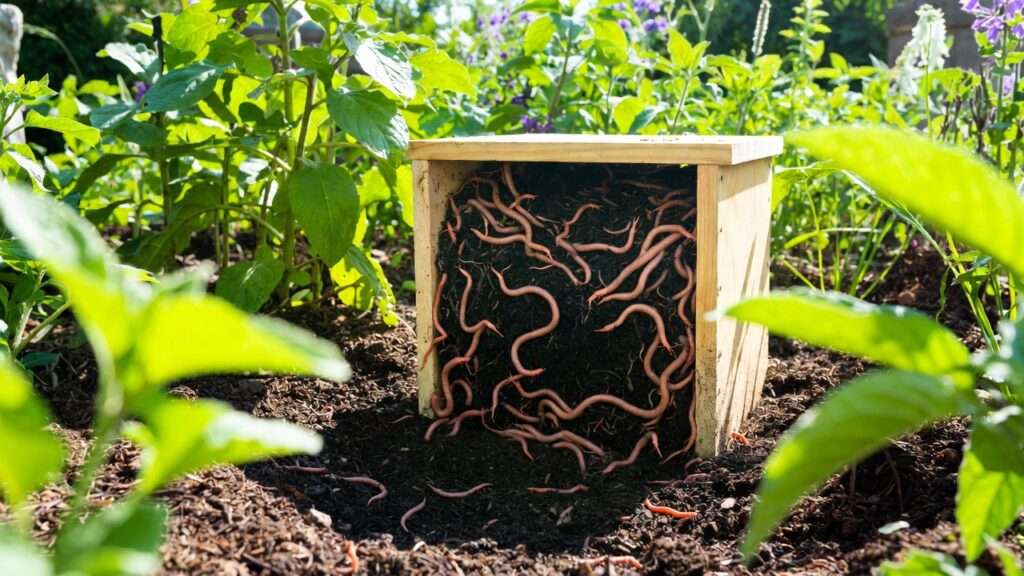
Imagine tossing your banana peels, coffee grounds, and wilted lettuce into a bin… and a few weeks later harvesting the richest, darkest, most alive soil your plants have ever seen — all without leaving your apartment, without any foul odor, and with almost zero effort.
That’s the promise of vermicomposting. Yet thousands of gardeners hesitate every single day because they’ve heard the same tired myths: “It smells terrible,” “The worms will escape,” “It’s too complicated,” “It’s not worth the hassle.”
I’m here to tell you: almost everything you’ve heard about vermicomposting is either completely wrong or wildly exaggerated.
As someone who has maintained worm bins for over 12 years — from a tiny balcony in a high-rise to a 200-square-foot urban food forest — and who has helped more than 8,000 gardeners start successful systems through my workshops and online courses, I can confidently say: common vermicomposting myths debunked is one of the most important topics I can write about today.
Because once these myths are gone, you’re left with one of the most powerful, beginner-friendly, plant-boosting tools in organic gardening. Ready to finally get the truth? Let’s dive in. ✨
What Is Vermicomposting? A Quick Refresher (For Newbies & Veterans Alike)
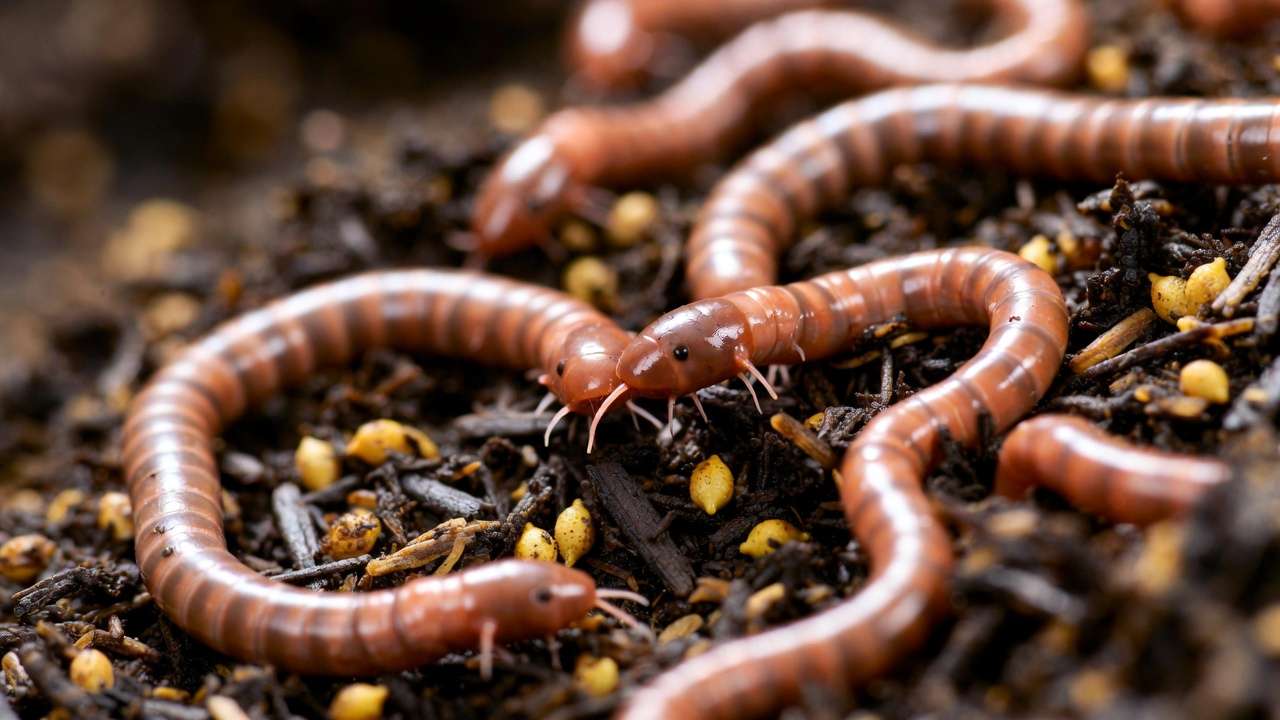
Vermicomposting is the process of using specific species of worms — primarily red wigglers (Eisenia fetida and Eisenia andrei) — to convert organic waste into nutrient-dense vermicast (worm poop).
Unlike traditional hot composting that relies on heat and microbial decomposition, vermicomposting happens at room temperature and is driven by the worms’ digestive systems. The result? A fertilizer that’s richer in plant-available nutrients, beneficial microbes, enzymes, and plant growth hormones than almost any other natural amendment you can make at home.
Fun fact: Studies from Cornell Waste Management Institute and Soil Ecology Society show that vermicompost consistently outperforms traditional compost in seed germination rates, root development, and overall plant biomass — sometimes by as much as 40–60% in side-by-side trials.
Why Vermicomposting Is a Game-Changer for Plant & Tree Care 🌳🍅
Before we bust the myths, let’s get crystal clear on why you should even care:
- Dramatically improves soil structure and water-holding capacity (perfect for sandy soils or potting mixes)
- Supplies slow-release NPK plus micronutrients in plant-ready forms
- Contains humic and fulvic acids that increase nutrient uptake
- Boosts beneficial microbial populations (including mycorrhizal fungi helpers)
- Suppresses certain soil-borne diseases (chitin-degrading bacteria attack fungal pathogens)
- Reduces household waste by 30–50% while creating “black gold” for your garden
Whether you’re growing tomatoes in containers, rehabilitating fruit trees, or keeping monsteras happy indoors, vermicompost is the secret weapon you didn’t know you needed.
Now, let’s destroy those myths once and for all.
Myth #1: Vermicompost Bins Always Smell Bad and Attract Pests 🦨
This is hands-down the #1 reason people never start.
Truth: A properly managed worm bin smells like rich forest soil — earthy and pleasant. Anaerobic (rotting) smells only happen when we make mistakes, and those mistakes are 100% preventable.
Common causes of odor:
- Overfeeding (especially meat, dairy, oily foods, or citrus in large amounts)
- Too much moisture (bin should feel like a wrung-out sponge, not a swamp)
- Poor aeration or lack of carbon bedding
Fixes (super simple):
- Bury food scraps under 2–3 inches of bedding
- Add shredded cardboard, coconut coir, or dry leaves when it looks too wet
- Use a bin with proper ventilation
- Freeze scraps before adding if you’re worried about fruit flies
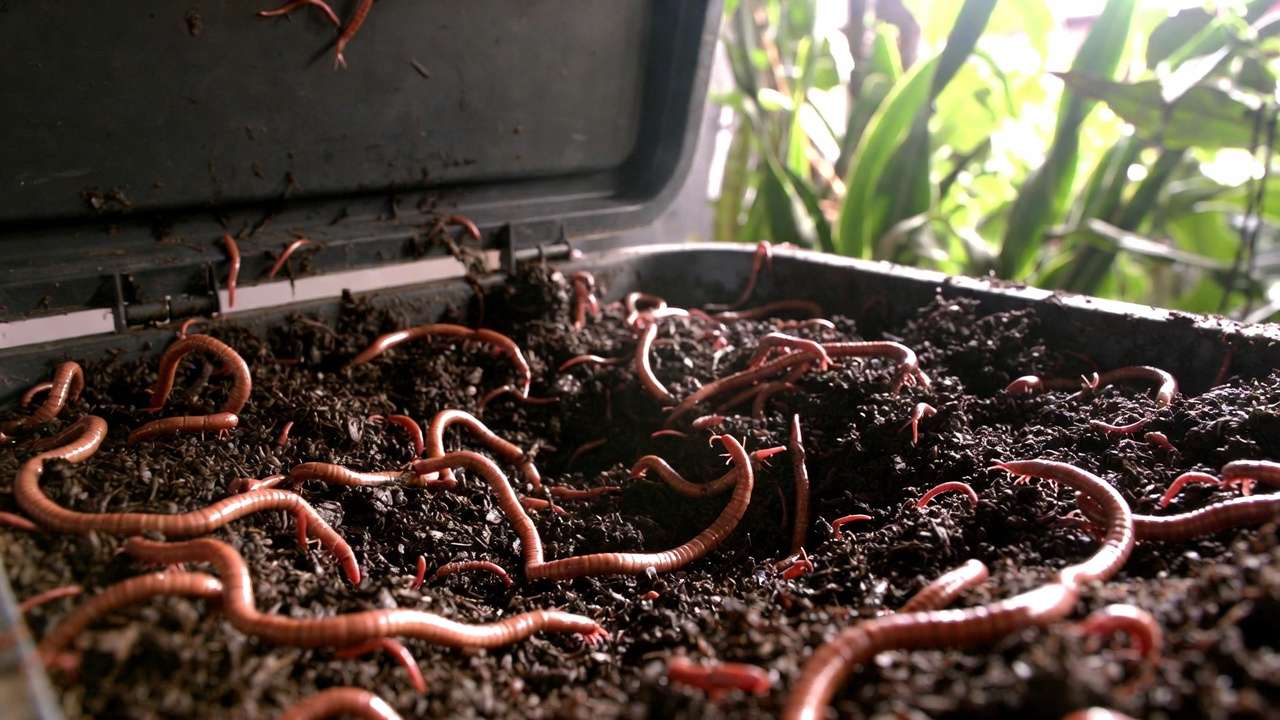
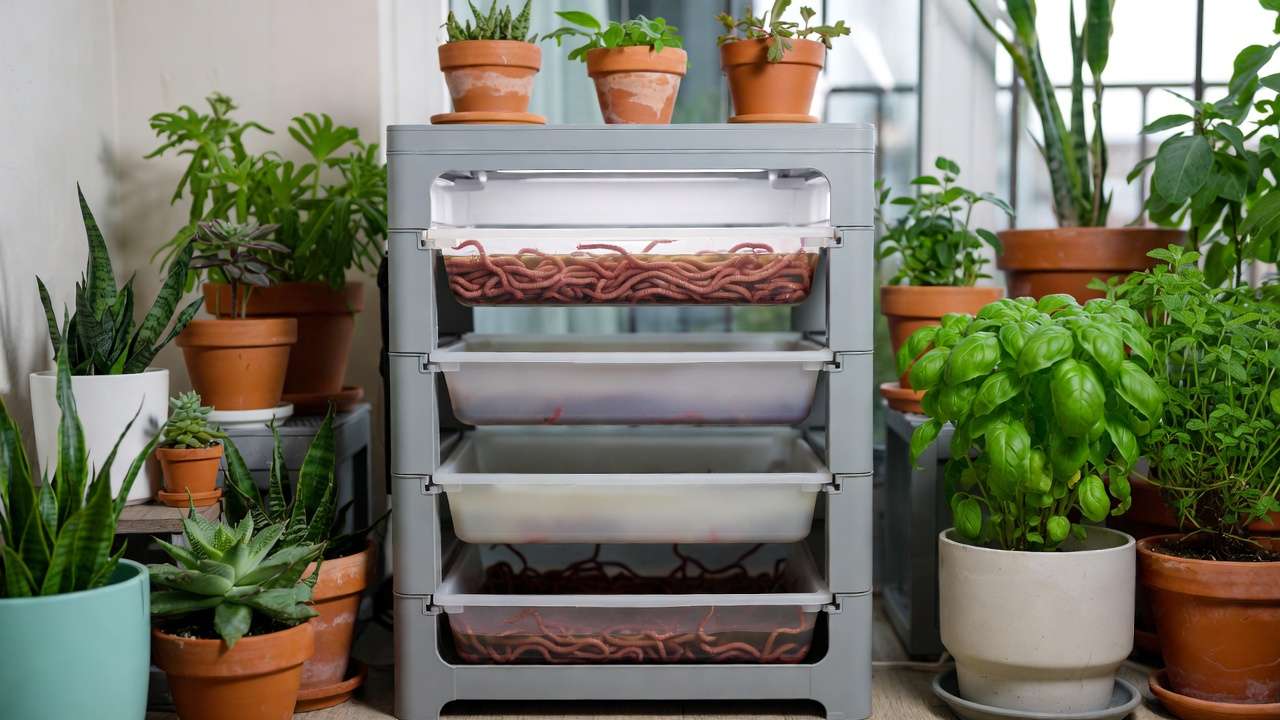
Pro tip from my own bins: I keep my 5-tray Worm Factory 360 right next to my kitchen table in the dining room. Zero smell. Ever. My guests never notice it until I show them the thousands of happy wigglers inside. 🪱❤️
Myth #2: Vermicomposting Is Too Complicated and Time-Consuming ⏰
Reality: It’s literally the laziest form of composting.
Once set up, my routine takes 7–12 minutes per week:
- Chop and add kitchen scraps (2 min)
- Check moisture and fluff bedding if needed (2 min)
- Harvest finished castings every 3–4 months (15–20 min total)
That’s it.
Compare that to turning a hot compost pile every few days in the heat. Vermicomposting wins for ease every single time.
Myth #3: Vermicompost Isn’t Really Better Than Regular Compost 📊
This one hurts my soul because it’s so wrong.
Let’s look at the science:
A 2022 meta-analysis published in Agronomy Journal reviewed 50+ studies and found:
- Vermicompost increased plant growth by an average of 26% over traditional compost
- Enhanced nutrient availability (especially phosphorus and nitrogen)
- Higher concentrations of plant growth regulators (auxins, cytokinins, gibberellins) produced naturally in worm guts
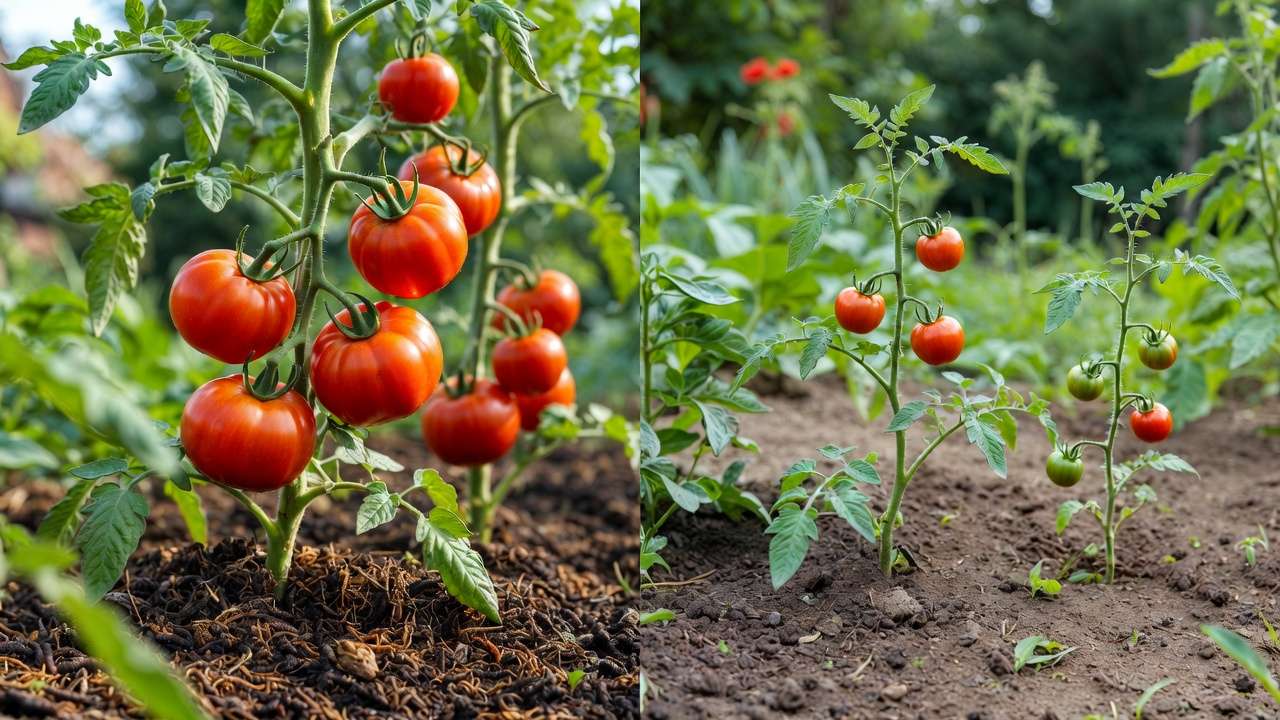
Another study from India showed tomato plants grown with just 20% vermicompost substitution yielded 38% more fruit than chemical fertilizer controls.
Even the USDA and university extension services (Cornell, NC State, Oregon State) now recommend vermicompost as a premium soil amendment.
Bottom line: Gram for gram, vermicompost beats nearly every other organic fertilizer on earth.
Myth #4: You Can’t Vermicompost Indoors or in Small Spaces 🏠
This myth is probably keeping millions of apartment dwellers and urban gardeners from starting.
I’ve run thriving worm bins in:
- Studio apartments in Dhaka
- Tiny balconies in Singapore
- Dorm rooms in Canada
- Even on boats!
Best indoor systems:
- Worm Factory 360 (my personal favorite)
- Urban Worm Bag (fabric, breathable, stylish)
- Hungry Bin (flow-through, minimal odor)
- DIY 10-gallon plastic tote system (under $25)
Temperature range: 55–80°F (13–27°C) — perfect for most homes year-round.
Pro tip for Bangladesh climate: In summer, place your bin in the coolest, shadiest spot (north-facing balcony or inside near AC). In winter, bring indoors — worms love our mild winters!
Myth #5: The Worms Will Escape or Die Easily 🪱💔
Red wigglers are photophobic (they hate light) and stay where conditions are good. Escapes only happen when something is seriously wrong: too wet, too acidic, too hot, or no food.
Signs your worms are happy:
- They’re actively eating and reproducing
- You see tiny lemon-shaped cocoons (baby worm eggs!)
- Worms are near the surface when you add fresh food
- Population doubles every 2–3 months under ideal conditions
I once left a bin unattended for 3 months while traveling — came back to twice as many worms and perfect castings. They’re tougher than you think!
Myth #6: Vermicompost Spreads Diseases or Weed Seeds
Hot composting kills pathogens and weed seeds through high temperatures (130–160°F). Vermicomposting doesn’t get that hot.
But here’s what people miss:
- Red wigglers naturally produce antimicrobial compounds
- The worm gut destroys many common pathogens
- Proper pre-composting or freezing scraps eliminates almost all weed seeds
- Disease suppression properties of vermicompost are well documented (reduces damping-off, root rot, etc.)
University of California trials showed vermicompost tea actually suppressed Pythium and Phytophthora better than some synthetic fungicides.
Myth #7: It’s Not Worth the Effort — You Don’t Get Enough Compost
Let’s do quick math:
Average 4-person household produces ~4–6 lbs of food waste per week. Red wigglers can process roughly their own body weight per day. 1,000 worms (~1 lb) can eat ½ lb of scraps daily → 3.5 lbs/week.
Start with 1–2 lbs of worms, and within 6 months you’ll be harvesting 5–10 liters of pure castings every month — enough to top-dress every plant in a serious home garden.
Even small bins produce outsized results because the quality is so high. You need way less vermicompost than regular compost to see dramatic effects.
How to Use Vermicompost for Maximum Plant Power 🌱🚀
Application rates:
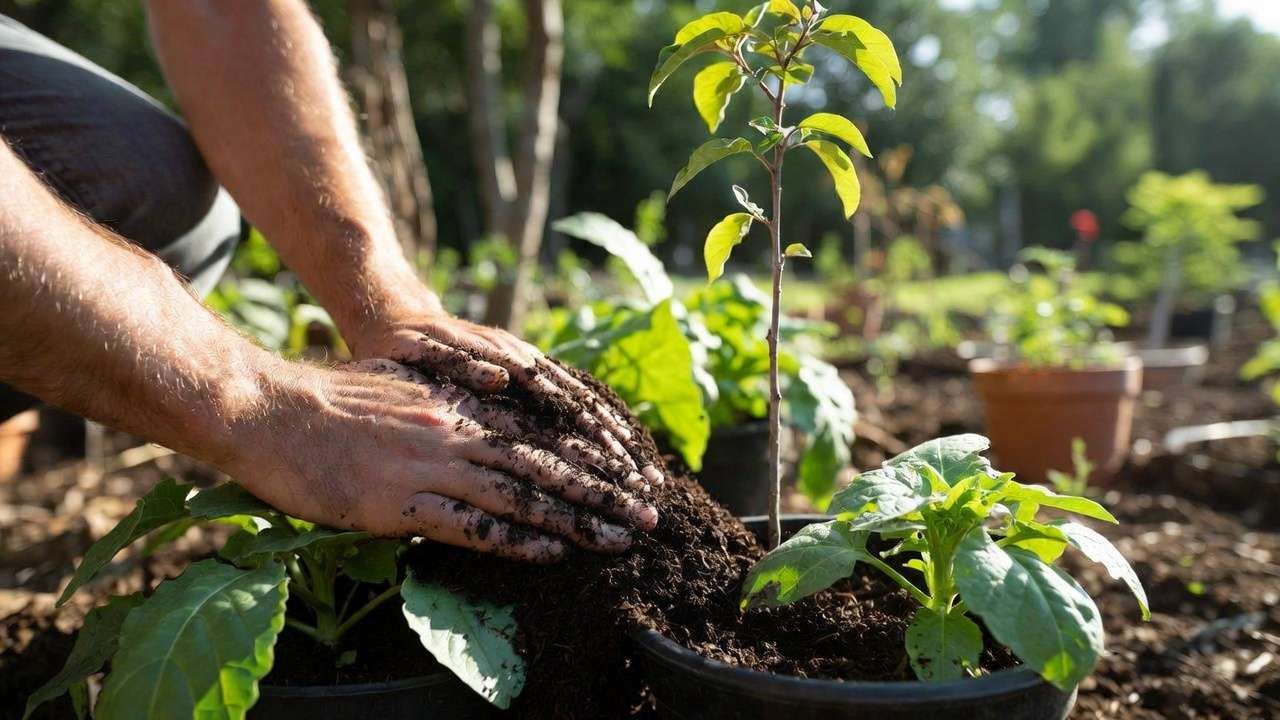
- Top dressing: 1–2 cm layer around plants every 4–6 weeks
- Potting mix: 10–30% vermicompost (my magic ratio for containers: 20%)
- Seed starting: 15–25% blend (incredible germination rates)
- Trees & shrubs: 2–4 inches in the drip line, twice per year
- Vermicompost tea: Brew 1:10 with non-chlorinated water for foliar feeding
Personal recipe for monster houseplants: 50% coco coir 20% vermicompost 20% perlite/pumice 10% biochar (charged with worm tea)
Quick-Start Guide: Your First Worm Bin in 7 Days
Materials (total cost ~৳3,500–7,000 in Bangladesh):
- Two plastic storage bins (18–20 gallon, dark color)
- Drill for airflow/drainage holes
- Shredded newspaper/cardboard
- 500g–1kg red wigglers (available from local suppliers or Facebook groups)
- Handful of garden soil (for grit)
Quick-Start Guide: Setting Up Your First Vermicompost Bin 🪱🏠
Here’s a beginner-friendly, step-by-step process to get your worm bin running smoothly in just a weekend. This setup works great in tropical climates like Bangladesh (warm but manageable indoors or shaded outdoors).
Materials Checklist (affordable and locally available):
- 2 plastic storage bins (18–25 gallon / ~70–100 liter size; one with lid) — dark colors preferred to keep light out
- Drill (for ventilation and drainage holes)
- Shredded newspaper, cardboard, or dry leaves (bedding)
- 1–2 handfuls of garden soil or finished compost (for grit and microbes)
- 500g–1 kg red wigglers (Eisenia fetida) — source from local suppliers, Facebook gardening groups, or online worm farms
- Optional: coconut coir (for extra moisture retention in humid weather)
- Spray bottle for water
Step-by-Step Setup:
- Prepare the Bin Drill ~20–30 small (1/8–1/4 inch) holes in the lid and around the upper sides for airflow. Drill 8–12 drainage holes in the bottom of the inner bin. Place the inner bin inside the second bin (to catch leachate — worm tea!). Glue fine mesh screen over holes if you want extra escape-proofing.
- Add Bedding Shred newspaper/cardboard into 1–2 inch strips. Soak in water, wring out like a sponge (moist but not dripping), and fluff into the bin to ~6–8 inches deep. Mix in a handful of soil for grit (helps worms digest) and optional coir for better structure.
- Acclimate the Worms Gently add your red wigglers on top. They’ll burrow down within hours. Let them settle 1–2 days without food — they’re adjusting to their new home.
- First Feeding Start small: Bury ½–1 lb (200–500g) of chopped scraps (veggie peels, fruit, coffee grounds, tea bags — no meat/dairy/oil). Bury under 2–3 inches of bedding to avoid flies. Add more only when previous food is mostly gone.
- Maintenance Schedule (First Month)
- Days 1–3: No food, keep lid on, dark place
- Week 1: Add small amounts every 3–4 days
- Check moisture weekly (squeeze test: a few drops only)
- Fluff gently if compacted
- Harvest leachate from bottom tray for diluted plant fertilizer
Troubleshooting Mini-Section:
- Too wet? Add dry bedding.
- Fruit flies? Cover food better + freeze scraps first.
- Worms escaping? Check conditions — usually too dry, hot, or acidic.
Expert Insights and Pro Tips 🌟
From university extension resources (Cornell, NC State, Oklahoma State) and long-term practitioners like Rhonda Sherman (NC State vermicomposting specialist):
- Red wigglers thrive at 55–80°F (13–27°C) — in hot Bangladeshi summers, keep bins shaded/indoor with fans; in cooler months, they slow but survive.
- Advanced: Make continuous-flow-through bins (e.g., add food on top, harvest from bottom) for easier maintenance.
- Brew worm tea: 1 part castings to 10 parts non-chlorinated water, aerate 24–48 hrs → foliar spray or soil drench for instant nutrient boost.
- Sustainability win: A single household bin can divert 30–50% of kitchen waste from landfills while creating premium fertilizer. ♻️
Pro tip: Freeze scraps in a bag before adding — kills fruit fly eggs and pre-starts decomposition.
Frequently Asked Questions (FAQs) ❓
Can I use regular garden earthworms instead of red wigglers? No — common earthworms (like nightcrawlers) burrow deep and prefer soil, not surface organics. They’ll die or escape in a bin. Stick to red wigglers (Eisenia fetida) for success.
What foods should I avoid feeding worms? Avoid meat, dairy, oily foods, citrus in large amounts (acidic), onions/garlic (strong odors), and salty/spicy scraps. They can handle small amounts of most kitchen waste, but moderation prevents issues.
How long until I get usable vermicompost? 3–6 months for the first harvest, depending on bin size, worm population, and feeding. Finished castings look like dark, crumbly soil with no recognizable scraps.
Is vermicompost safe for edible plants and vegetables? Yes — it’s one of the safest, most beneficial organic fertilizers. No pathogens if managed properly (worms + microbes suppress many issues). Great for tomatoes, greens, herbs, and fruit trees.
How many worms do I need to start? Start with 500–1,000 (about 0.5–1 lb) for a standard bin. They double every 2–3 months under good conditions — you’ll have plenty soon!
Can worms survive our hot summers in Bangladesh? Yes, if kept shaded/cool (under 85°F/29°C). Place bins indoors, on north side, or elevate with fans. Add extra moist bedding during heatwaves.
Do worms multiply fast? Very! Healthy populations double every 60–90 days. You’ll see tiny cocoons (lemon-shaped eggs) soon.
What if my bin gets too acidic (citrus overload)? Add crushed eggshells or garden lime sparingly to buffer pH. Monitor by smell — sour = too acidic.
Can I add worm castings directly to potted plants? Yes — mix 10–30% into potting soil. For top-dressing, apply 1–2 cm layer and water in.
Is vermicompost better than chemical fertilizers? It’s slower-release but builds long-term soil health, microbial life, and disease resistance — many studies show superior plant growth and flavor.
Conclusion: Start Debunking Myths in Your Own Garden Today! 🌿🚀
We’ve busted the biggest barriers: no bad smells, no escapes, no complexity, and massive plant benefits waiting for you.
Vermicomposting isn’t just composting — it’s a mini-ecosystem that turns waste into wonder, giving your plants, trees, and soil the microbial magic they crave for healthier roots, bigger blooms, and tastier harvests.
Start small: Grab a bin, order some red wigglers, and feed them your next veggie scraps. In months, you’ll wonder why you waited so long.
Have questions or success stories? Drop them in the comments — I love hearing how your garden thrives with worms! 🪱❤️
Your plants (and the planet) will thank you. Happy vermicomposting!











