
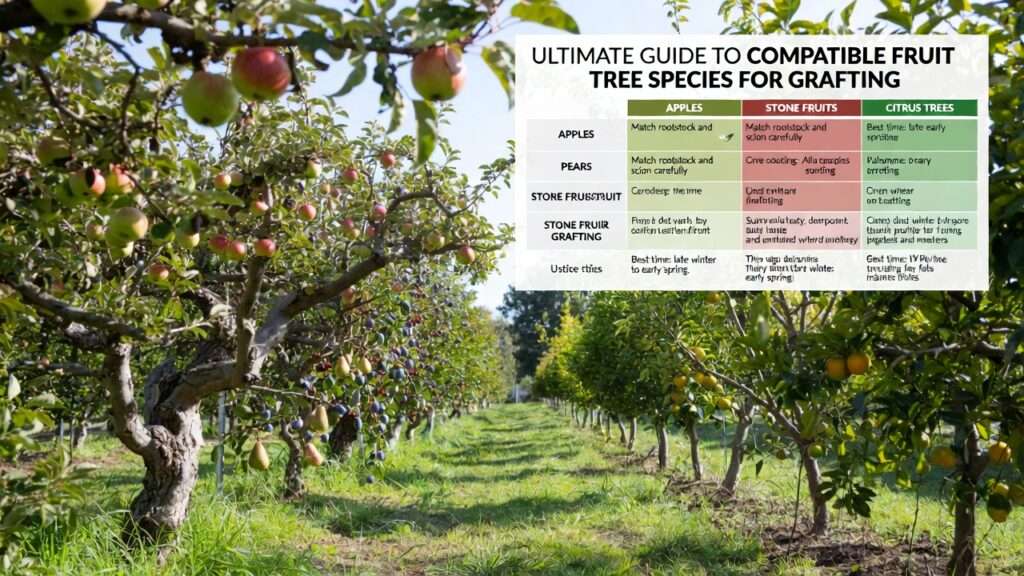
🌟 Imagine biting into a perfectly ripe peach, then reaching up to pluck a juicy plum and a sweet apricot—all from the same compact tree in your backyard! Or picture a single apple tree bursting with multiple varieties for extended harvest and better pollination, saving precious space in a small garden.
Grafting fruit trees is a time-honored technique that turns ordinary trees into custom powerhouses: multi-variety wonders, dwarfed for easy picking, disease-resistant, or adapted to tough soils. But the secret to long-term success lies in compatible fruit tree species for grafting — choosing the right scion (the top variety) and rootstock (or branch) so the union thrives for decades, not just a season.
Many home gardeners waste time and scions on incompatible combos, leading to weak growth, swelling at the graft, or sudden failure years later. In this ultimate guide, we’ll explore proven compatible combinations across pome fruits, stone fruits, citrus, and more — backed by horticultural research, nursery practices, and real-world grower experiences. You’ll get detailed charts, pro tips, and warnings to avoid pitfalls, helping you build thriving home orchards with confidence. Let’s graft smarter! 🍎🍑🌳
What Is Grafting and Why Does Compatibility Matter?
Grafting joins a scion (a cutting from a desired fruit variety) to a rootstock (the rooted base) so their cambium layers align and fuse. The cambium — that thin green layer under the bark — forms callus tissue, then vascular connections for water, nutrients, and sugars to flow freely.
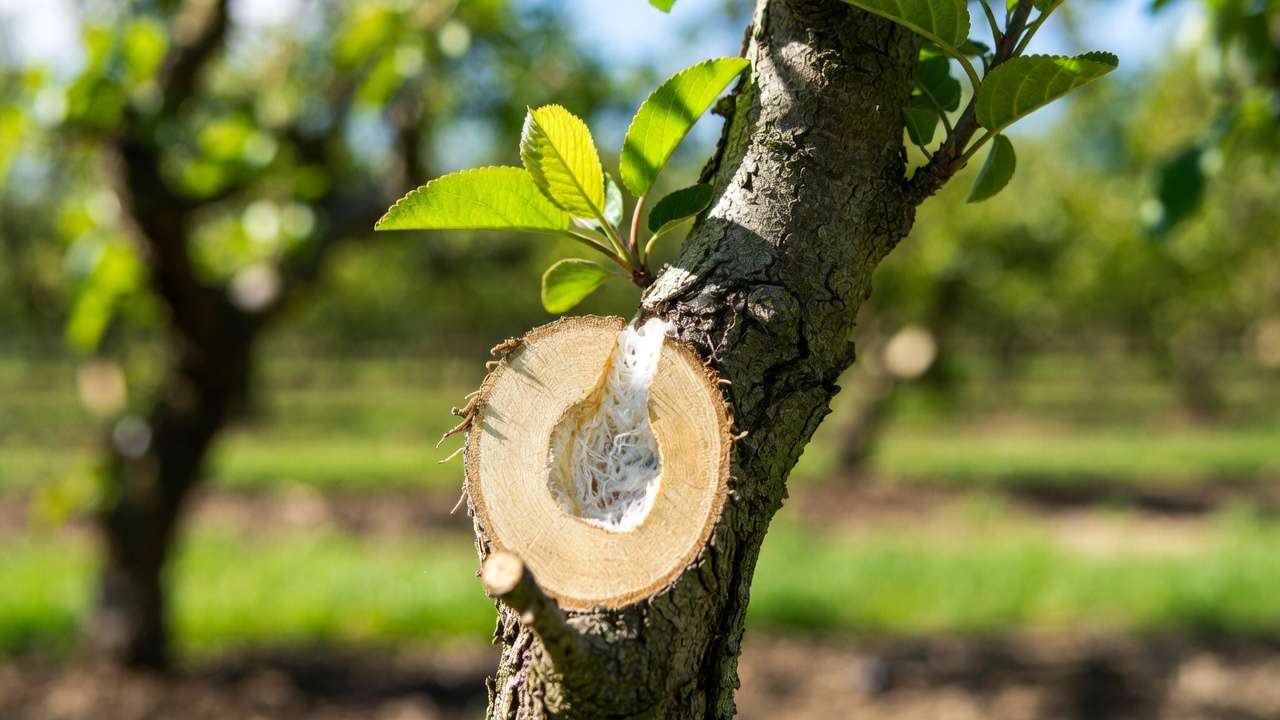
When species are compatible fruit tree species for grafting, the union heals smoothly, creating a strong, productive tree. Incompatibility shows up as:
- Overgrowth or swelling at the graft union
- Weak, stunted scion growth
- Bark cracking or peeling
- Sudden dieback after 1–5 years (delayed incompatibility) ⚠️
Benefits of nailing compatibility include:
- Dwarf or semi-dwarf trees for small spaces
- Disease/pest resistance from tough rootstocks
- Earlier fruiting
- Multi-variety “fruit salad” trees for diversity and pollination
- Overcoming poor soil or climate challenges
Intra-species grafts (e.g., any apple on apple) are nearly foolproof. Intra-genus (same genus, different species) often work well, like stone fruits in Prunus. Inter-genus (same family) can succeed with care or interstems (an intermediate graft). Beyond family? Almost impossible — no apples on citrus! 🚫
Understanding Graft Compatibility Levels
Compatibility follows botanical closeness:
- Intra-species (same species): Highest success — e.g., Gala apple on M9 rootstock ✅
- Intra-genus (same genus): Usually reliable — e.g., peach on certain plums
- Inter-genus (same family): Possible but trickier — e.g., pear on quince (often needs interstem)
- Inter-family: Extremely rare and unreliable
For tricky pairs, use interstems — graft a compatible middle variety first, then add your desired scion. This “double-grafting” bridges gaps, like using a compatible pear as an interstem for quince-rooted trees.
Timing, technique, and aftercare matter too, but species match is the foundation.
Pome Fruits: Apples, Pears, and Relatives
Pome fruits (Rosaceae family) include apples, pears, quince, and relatives — great for home orchards due to reliable compatibility and diverse rootstocks.
Apples (Malus domestica)
Apples are among the easiest to graft — any variety on apple rootstock succeeds nearly 100%. Popular rootstocks:
- Dwarf: M9, Budagovsky 9 (Bud.9), Geneva series (G.11, G.30, G.969) — ideal for small spaces, early fruiting
- Semi-dwarf: M26, G.30, MM106 — balanced size and vigor
- Larger: MM111, seedling — for bigger trees
Compatible scions: All apples, some crabapples. Experimental: Apple on pear (limited, needs interstem) or hawthorn (rare). Apples rarely cross well outside Malus.
Pro tip: Geneva rootstocks resist fire blight and woolly aphids — perfect for organic growers! 🌿
Pears (Pyrus communis & P. pyrifolia)
European pears graft excellently on quince (Cydonia oblonga) for dwarfing, but many varieties (e.g., Bartlett) show delayed incompatibility without an interstem like Comice or Anjou.
- Quince rootstocks (Quince C, Quince A): Dwarf, productive, but cold-sensitive
- Pyrus communis options: OHxF 87, OHxF 97 — fire blight resistant, adaptable
- Asian pears: Often on European pear or P. betulifolia rootstock
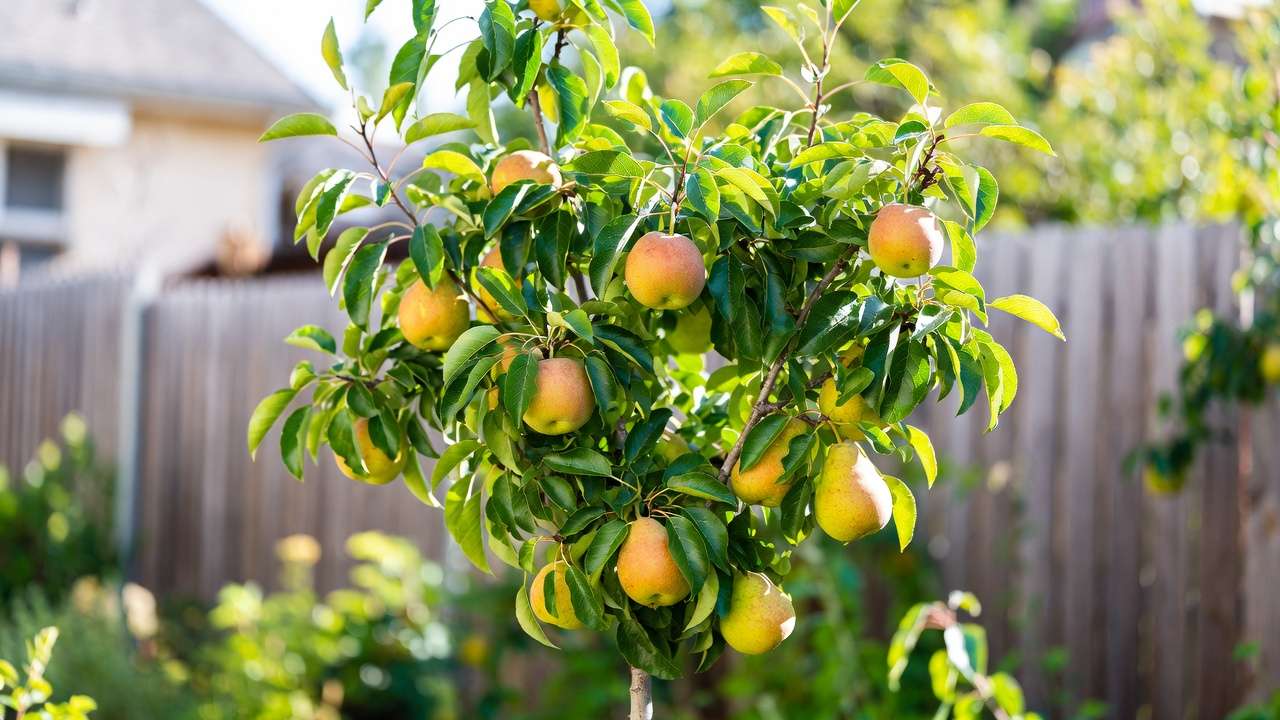
Compatible: Most pears within species; some Asian-European crosses. Pear on apple? Rare and inconsistent.
Other pome: Quince, medlar (Mespilus), serviceberry (Amelanchier) — interstem experiments possible for novelty.
Stone Fruits: The Prunus Powerhouse
Stone fruits (Prunus genus) shine for multi-grafting — many species cross-graft reliably, creating epic “fruit salad” trees! 🍑🍒🍑
- Peach & Nectarine (P. persica): Best on own species or plum rootstocks (e.g., Myrobalan, Marianna 2624). Short-lived on some Asian plums.
- Plum (European P. domestica, Asian P. salicina, hybrids): Super versatile — graft across types easily.
- Apricot (P. armeniaca): Good on peach/plum; use pluots or specific plums for tricky ones. Manchurian apricot seedlings for cold areas.
- Almond (P. dulcis): Excellent on peach or certain plums.
- Cherry (sweet P. avium, tart P. cerasus): Mostly within cherries (Gisela, Mazzard, Mahaleb rootstocks). Limited cross to other stone fruits.
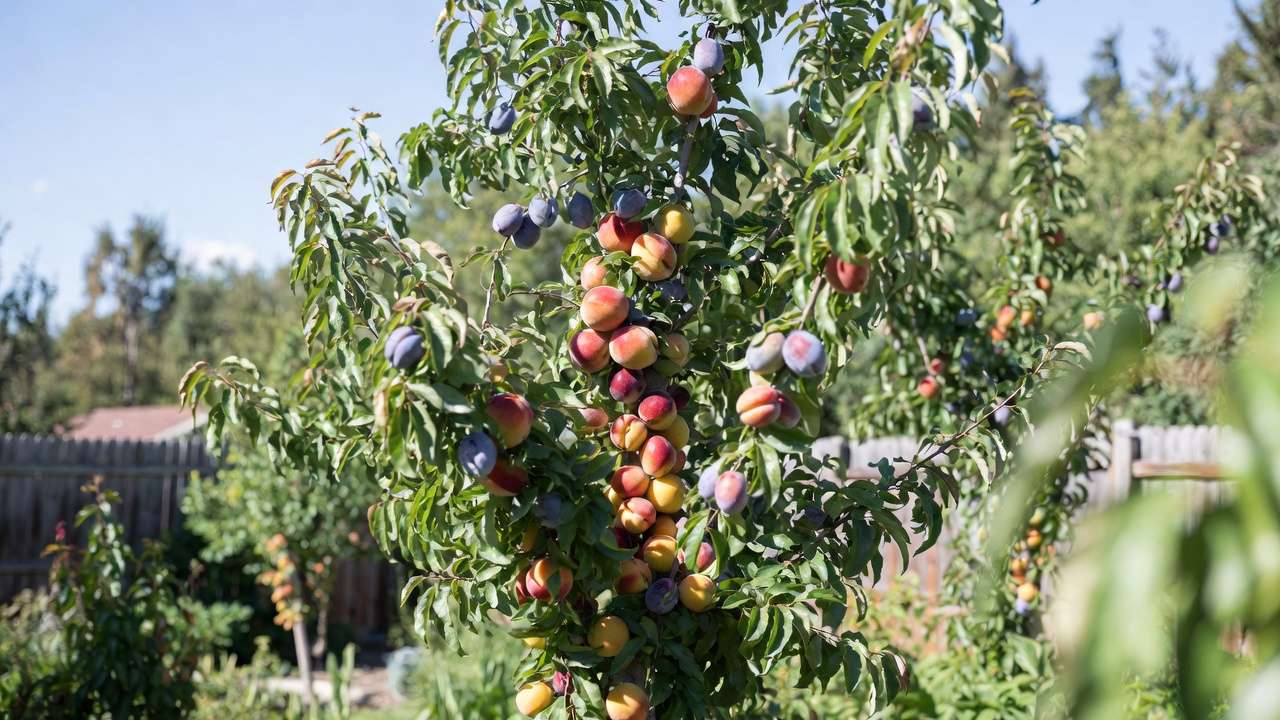
Popular multi-graft combos: Peach + nectarine + plum + apricot on plum rootstock like Myrobalan or Adara (Prunus cerasifera) — often the most versatile! Note: Direction matters — peach on plum works better than reverse in many cases.
Warning: Cherries are pickier; direct plum/peach on cherry often fails. Use interstems for broader success.
Citrus and Subtropical Fruits
Citrus (Rutaceae) offers near-universal compatibility — graft almost any citrus on any citrus rootstock! 🍊
Common rootstocks:
- Trifoliata (Poncirus trifoliata): Cold-hardy, disease-resistant
- Rough lemon, Cleopatra mandarin: Tolerant to various soils/pests
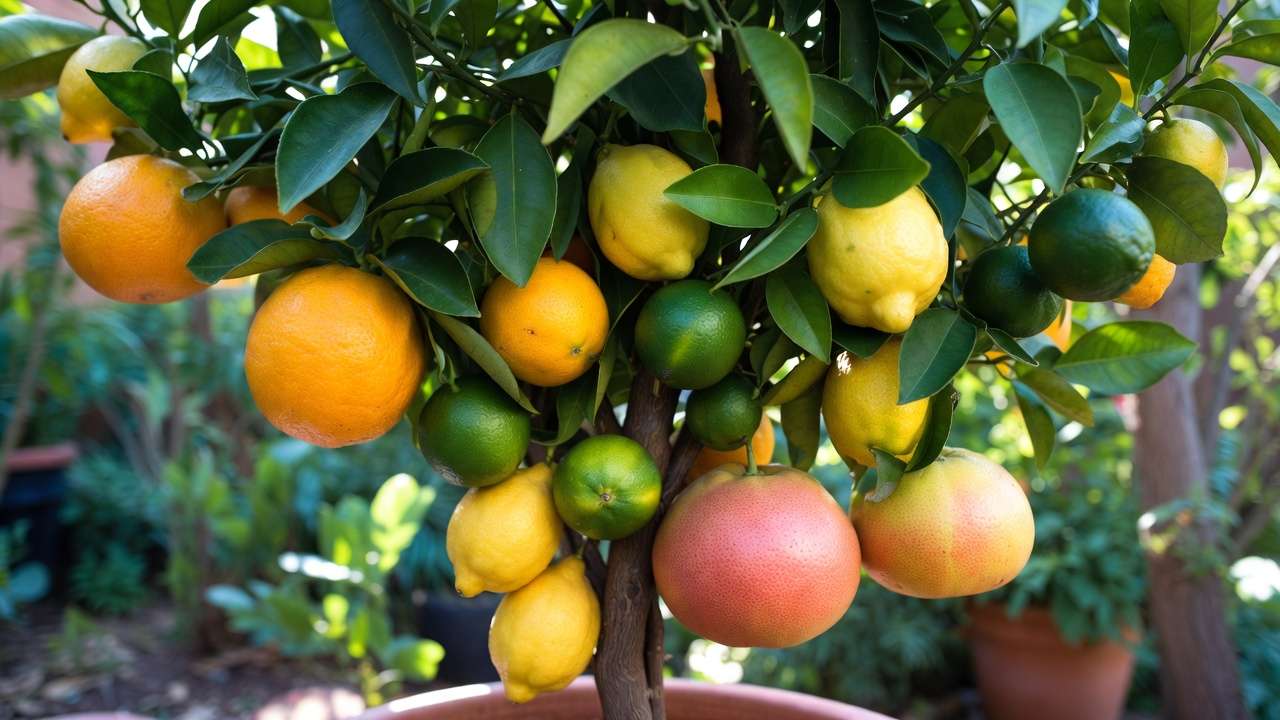
Multi-graft citrus trees (orange + lemon + lime + grapefruit) are easy and popular for patios.
Other subtropicals: Figs, mulberries, kiwis mostly self-graft or close relatives. No citrus on stone fruit — different families!
Exotic and Less Common Fruit Trees
- Persimmons (Diospyros): American and Asian often compatible within genus.
- Figs, mulberries: Self or closely related — straightforward.
- Pawpaw, jujube, olive: Typically self-grafting only.
- Experimental: Goumi, autumn olive — rare successes; stick to close relatives for reliability.
Comprehensive Compatibility Chart
Here’s a practical overview of compatible fruit tree species for grafting (success rates based on horticultural sources and grower reports):
| Rootstock Genus/Species | Compatible Scions (High Success) | Moderate/Conditional Success | Low/No Compatibility | Notes & Tips 🌟 |
|---|---|---|---|---|
| Apple (Malus domestica) | All apples | Some pears (with interstem) | Stone fruits, citrus | Use Geneva series for disease resistance! |
| Quince (Cydonia oblonga) | Many European pears | Asian pears, some medlar | Apples directly, stone fruits | Dwarfing king; interstem for most pears 🍐 |
| Peach (Prunus persica) | Peach, nectarine, some almonds | Apricot, plum (short-lived sometimes) | Cherries, pome fruits | Great base for stone fruit salads |
| Myrobalan Plum (P. cerasifera) | Many plums, apricot, peach, almond, some cherries | Variable cherries | Pome fruits, citrus | Super versatile; Adara cultivar excels! |
| Trifoliata (Poncirus trifoliata) | Most citrus (orange, lemon, grapefruit, etc.) | — | Non-citrus | Cold-hardy citrus rootstock 🍊 |
| Cherry (P. avium/cerasus) | Sweet/tart cherries | Limited other Prunus (with interstem) | Peach, plum, apricot directly | Use Gisela for dwarf cherries |
(Expand in full article with more rows/varieties; always test small!)
Factors That Influence Grafting Success Beyond Species
Even compatible pairs fail without:
- Timing — Dormant season (late winter) for most deciduous; active growth for citrus ⏰
- Technique — Whip-and-tongue for clean unions; cleft/bark for larger stocks
- Environment — Well-drained soil, proper climate (quince dislikes extreme cold)
- Variety quirks — Some cultivars graft poorly even intra-species
- Aftercare — Seal grafts, stake, water consistently; avoid stress
Common Mistakes and How to Avoid Graft Failures
- Ignoring delayed incompatibility (monitor 3–5 years) 😩
- Misaligned cambium
- Diseased/poor-quality scions
- Over-vigorous varieties dominating multi-grafts
- Expert fix: Start small, label everything, check unions yearly
Real-World Examples and Case Studies
- 4-in-1 stone fruit salad: Peach, plum, apricot, nectarine on Myrobalan — abundant harvest in small space!
- Dwarf pear on quince: Interstem with Comice for compact, productive tree
- Multi-apple: 4–5 varieties on G.969 rootstock — staggered ripening, cross-pollination boost
FAQs About Compatible Fruit Tree Species for Grafting
Can I graft apple on pear? Rarely directly; interstem needed, low success. Best rootstock for multi-graft stone fruits? Myrobalan or Adara plums — broad compatibility! Why did my graft grow then die? Likely delayed incompatibility or poor aftercare. Any citrus-stone fruit crosses? No — different families!
Final Thoughts and Next Steps
With the right compatible fruit tree species for grafting, you can create dream trees tailored to your space and tastes. Start small: source healthy scions from nurseries or exchanges, practice on spare branches, join local grafting workshops. Your home orchard awaits — abundant, diverse, and oh-so-rewarding! 🌱✨
Happy grafting! Share your multi-variety successes (or hilarious fails) in the comments. 🍏🍑











