
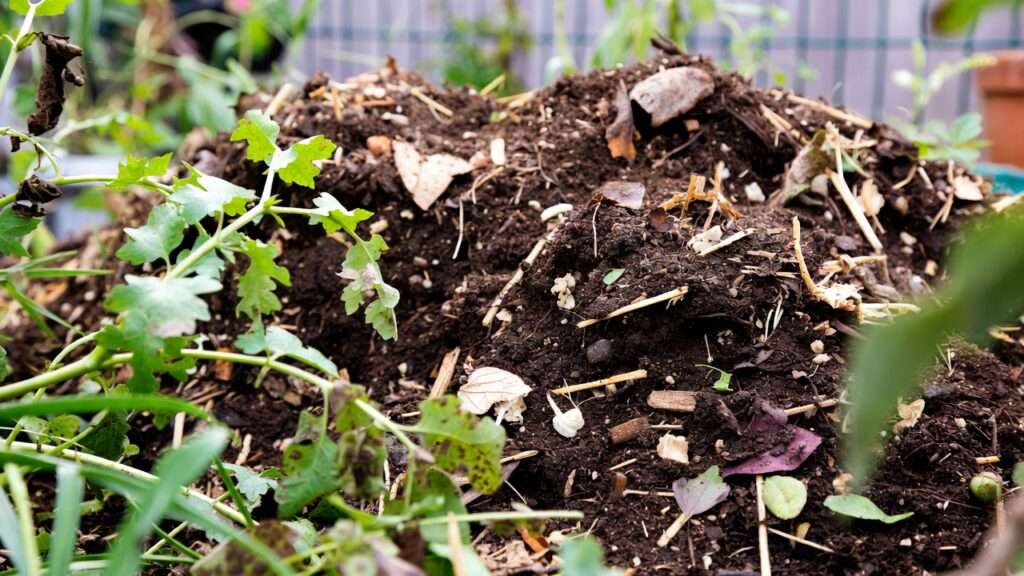
You’ve been diligently adding kitchen scraps, grass clippings, and fallen leaves to your compost bin for what feels like forever… yet every time you peek inside, it still looks like a messy pile of leftovers rather than the rich, dark soil your plants crave. 😩 If you’re a home gardener in a place like Barisal Division—where hot, humid weather can either supercharge decomposition or turn your pile into a soggy, smelly mess—this frustration is all too common.
The good news? How long does compost take to break down isn’t a mystery with a one-size-fits-all answer. Realistic timelines range from as little as 3–6 weeks for optimized hot composting to 1–3 years for passive piles or tough materials like wood chips. Understanding the process, key influencing factors, and proven acceleration techniques can cut months (or even years) off the wait, giving you nutrient-rich “black gold” to boost soil health, feed your vegetables, and nurture fruit trees faster and more reliably.
In this comprehensive guide, I’ll draw from established sources like Cornell University composting research, EPA guidelines, university extension services (e.g., Iowa State, UF/IFAS), and real-world tropical gardening experience to walk you through everything. Whether you’re new to composting or looking to optimize your setup in a humid climate, you’ll leave knowing exactly when your compost is ready, how to speed it up safely, and how to apply it for thriving plants. Let’s turn your waste into garden treasure! 🌿
Understanding the Composting Process: What Really Happens Inside Your Pile 🔬
Composting is nature’s recycling system accelerated. Billions of microorganisms—bacteria, fungi, actinomycetes, and larger critters like earthworms and insects—break down organic matter into humus, a stable, nutrient-rich substance that improves soil structure, retains moisture, and feeds plants slowly.
The Four Stages of Decomposition
- Mesophilic Stage (first few days): Moderate-temperature-loving microbes kick off the process, heating the pile to 70–100°F (21–38°C). This is when easy-to-decompose materials like fresh grass clippings start vanishing.
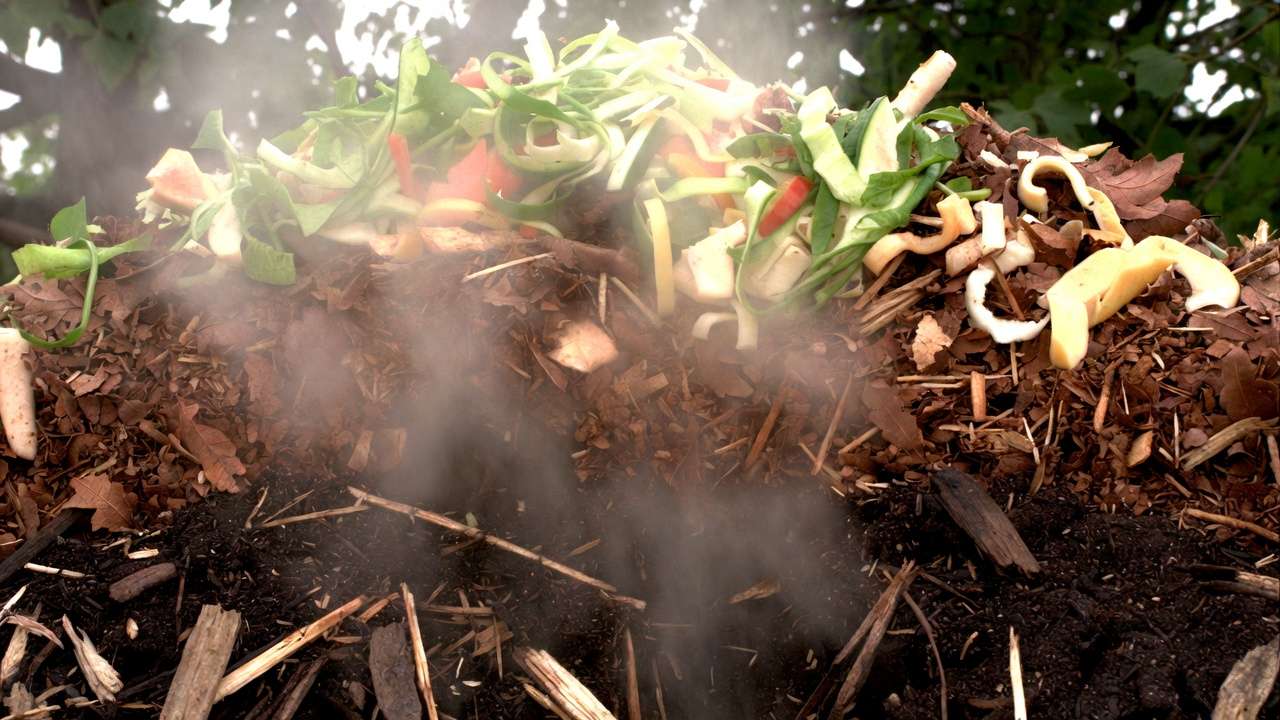
- Thermophilic Stage (peak heat): Thermophilic bacteria take over, pushing temperatures to 130–160°F (54–71°C) in hot piles. This kills weed seeds, pathogens, and fly larvae while rapidly breaking down proteins, sugars, and starches.
- Cooling Stage: As food sources dwindle, temperatures drop, and mesophilic organisms return to stabilize the material.
- Maturation (Curing) Stage: Fungi and slower microbes finish tough lignins (from wood/leaves), creating dark, crumbly humus. Skipping proper curing can leave “immature” compost that temporarily robs soil nitrogen as it continues breaking down.
Why “Finished” Compost Matters for Plant Health
Immature compost can cause nitrogen deficiency (yellowing leaves), root burn, or introduce pathogens. Finished compost, however, enhances microbial life, improves drainage in clay soils (common in Bangladesh), and provides slow-release nutrients for trees and veggies. 🌳
Realistic Timelines – How Long Does Compost Actually Take? ⏳
Timelines vary dramatically based on method, materials, and management. Here’s a breakdown backed by extension services and practical experience:
Hot/Active Composting (Fastest Method) – 3–6 Months 🌡️
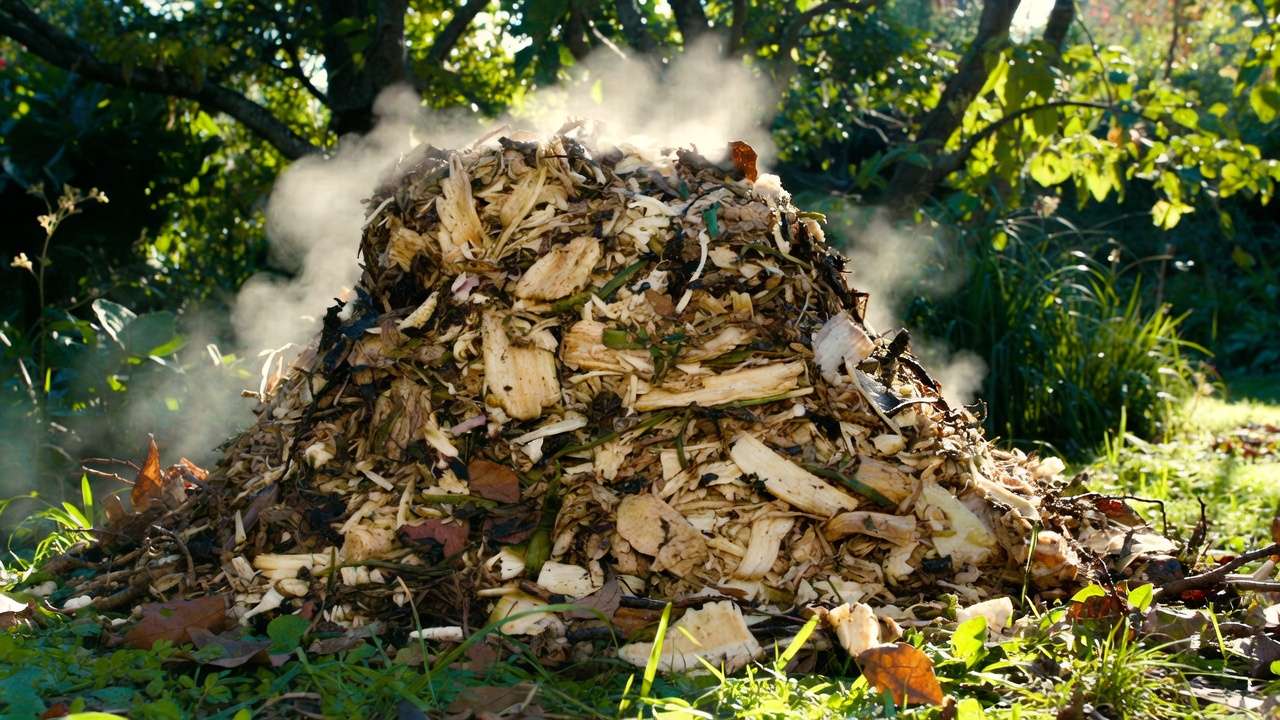
With proper balance, turning, and heat, many gardeners achieve usable compost in 3–6 months. Under ideal conditions (frequent turning), thermophilic hot piles can produce mature compost in 1–2 months.
Cold/Passive Composting (Low-Effort) – 6–12+ Months ❄️
Untended piles or bins relying on natural breakdown often take 6–18 months, especially in cooler seasons or with larger materials.
Worm Composting (Vermicomposting) – 3–6 Months 🪱
Red wigglers in indoor/outdoor bins process food scraps quickly, yielding rich castings in 3–6 months—perfect for apartment gardeners or rainy seasons.
Special Cases
- Leaf Mold (mostly leaves): 1–3 years (slow fungal process, great for acid-loving plants).
- Wood Chips/Branches: 2–5+ years (high lignin content; chip them small to speed up).
Quick Comparison Table
| Method | Timeline | Effort Level | Best For |
|---|---|---|---|
| Hot/Active | 3–6 months | High | Fast results, large gardens |
| Cold/Passive | 6–24 months | Low | Minimal maintenance |
| Vermicomposting | 3–6 months | Medium | Kitchen scraps, small spaces |
| Leaf Mold | 1–3 years | Low | Mulch for trees/shrubs |
In tropical climates like yours, heat and humidity often push hot piles faster—but excess rain can slow things if not managed.
Key Factors That Speed Up or Slow Down Decomposition ⚖️
The speed of breakdown depends on five main pillars: the carbon-to-nitrogen balance, particle size, moisture, oxygen supply, and temperature. Get these right, and your pile hums with activity; get them wrong, and it crawls or stinks. Here’s the science-backed detail, drawn from sources like Cornell Waste Management, EPA guidelines, and university extensions.
Carbon-to-Nitrogen Ratio (Ideal 25–30:1) – Greens vs. Browns Examples 🍂🥬
Microbes need carbon for energy and nitrogen for protein-building. The classic “browns” (carbon-rich) to “greens” (nitrogen-rich) ratio should hover around 25–30 parts carbon to 1 part nitrogen.
- Too high C:N (>40:1) → Slow decomposition (e.g., mostly dry leaves or straw alone). Microbes starve for nitrogen.
- Too low C:N (<20:1) → Fast but smelly anaerobic rot, nitrogen loss as ammonia.
Common materials in Bangladesh gardens:
- Greens (high N): Fresh grass clippings, kitchen scraps (veggie peels, banana skins), coffee grounds, poultry manure – C:N ~15:1
- Browns (high C): Dry leaves, rice straw, cardboard, sawdust, dried weeds – C:N ~50–150:1
Pro tip: Layer roughly 2–3 parts browns to 1 part greens by volume. In humid tropical areas, err slightly higher on browns to absorb excess moisture.
Particle Size – Why Shredding Everything Makes a Huge Difference ✂️
Larger pieces have less surface area for microbes → slower breakdown. Chop or shred to 1–5 cm max. Use a lawn mower over leaves, garden shears on branches, or a chipper for wood. Small particles also pack better for heat retention. In practice, shredding can cut timelines by 30–50%.
Moisture Levels – The “Wrung-Out Sponge” Rule 💧
Aim for 40–60% moisture (feels like a well-wrung sponge – damp but no drips when squeezed). Too dry (<40%) stalls microbes; too wet (>65%) turns anaerobic, producing foul odors and methane.
In Barisal’s rainy monsoon season, cover piles with tarps or build on slightly raised bases with drainage. Add extra browns if soggy. In dry winter months, water occasionally.
Aeration & Turning Frequency – Oxygen is the Secret Accelerator 🌬️
Aerobic microbes (the fast, heat-producing ones) need oxygen. Turn the pile every 3–7 days in hot composting to mix and re-aerate. Without turning, the center goes anaerobic. Tools like pitchforks or aerators help. In small bins, perforated pipes or tumbling designs work wonders.
Temperature – Ideal 130–160°F for Hot Piles (and What Happens in Winter)
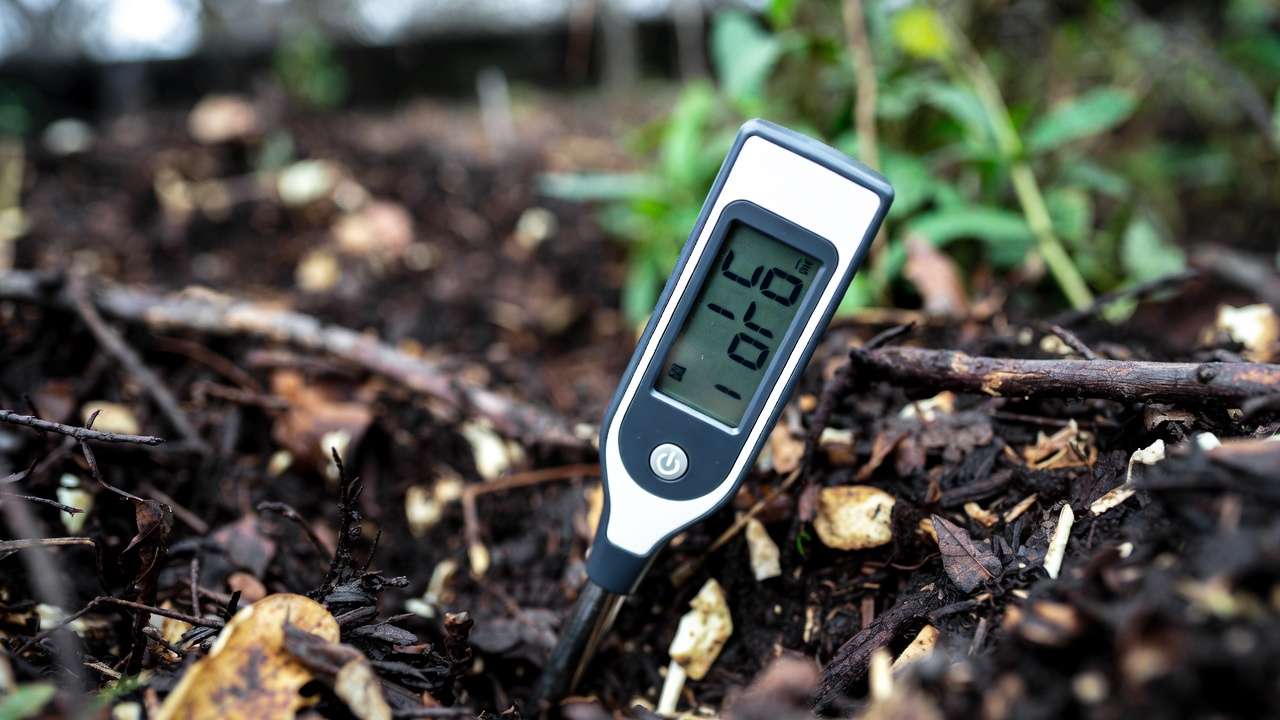
Thermophilic stage hits 55–71°C to kill pathogens and speed breakdown. Use a long compost thermometer to monitor. In Bangladesh’s warm climate (average 25–35°C year-round), piles heat quickly—but heavy rain can cool them. Winter dips slow things; insulate with straw or move to sunnier spots.
Pile Size & Location – Minimum 3x3x3 ft for Heat Retention 📏
Small piles lose heat fast. Minimum 1 cubic meter (about 3 ft³) retains warmth. Larger (1–2 m³) heat better. Place in partial shade to avoid drying out in hot sun, but ensure good airflow. Avoid low-lying flood-prone spots during monsoons.
Season & Climate Considerations (Especially Relevant for Bangladesh/Tropical Areas)
High humidity and heat accelerate microbial activity, but excess rain leaches nutrients and causes sogginess. Use covered systems or add absorbent browns. Dry spells require watering. Many local projects (e.g., Waste Concern models) succeed with community bins adapted for tropical conditions.
Proven Methods to Speed Up Your Compost (Get Results Faster!) ⚡
Want compost in months instead of years? These techniques work reliably.
Hot Composting Step-by-Step (Berkeley Method – 18–21 Days Possible!)
Developed by Dr. Robert Raabe (UC Berkeley), this fast hot method can yield usable compost in 14–21 days with perfect conditions:
- Shred all materials to <5 cm.
- Build a 1.5 m³ pile with ideal 30:1 C:N.
- Mix thoroughly and moisten to sponge consistency.
- Turn every 2 days for the first week, then every 3–4 days (total 8–10 turns).
- Maintain 55–65°C for at least 3–4 days to kill pathogens.
- After 18 days, check maturity.
Note: Real-world results often stretch to 4–8 weeks in home settings, but it’s dramatically faster than passive methods.
Using Compost Activators & Starters (Natural Options Like Manure or Finished Compost)
Add a shovelful of finished compost, garden soil, or fresh manure to introduce microbes. Avoid chemical activators—natural ones work best.
Bokashi vs. Traditional – When Fermentation Beats Decomposition
Bokashi (anaerobic fermentation with effective microorganisms) pre-composts kitchen waste in 2–4 weeks indoors, then buries it to finish in soil. Great for rainy seasons or odor control in small spaces.
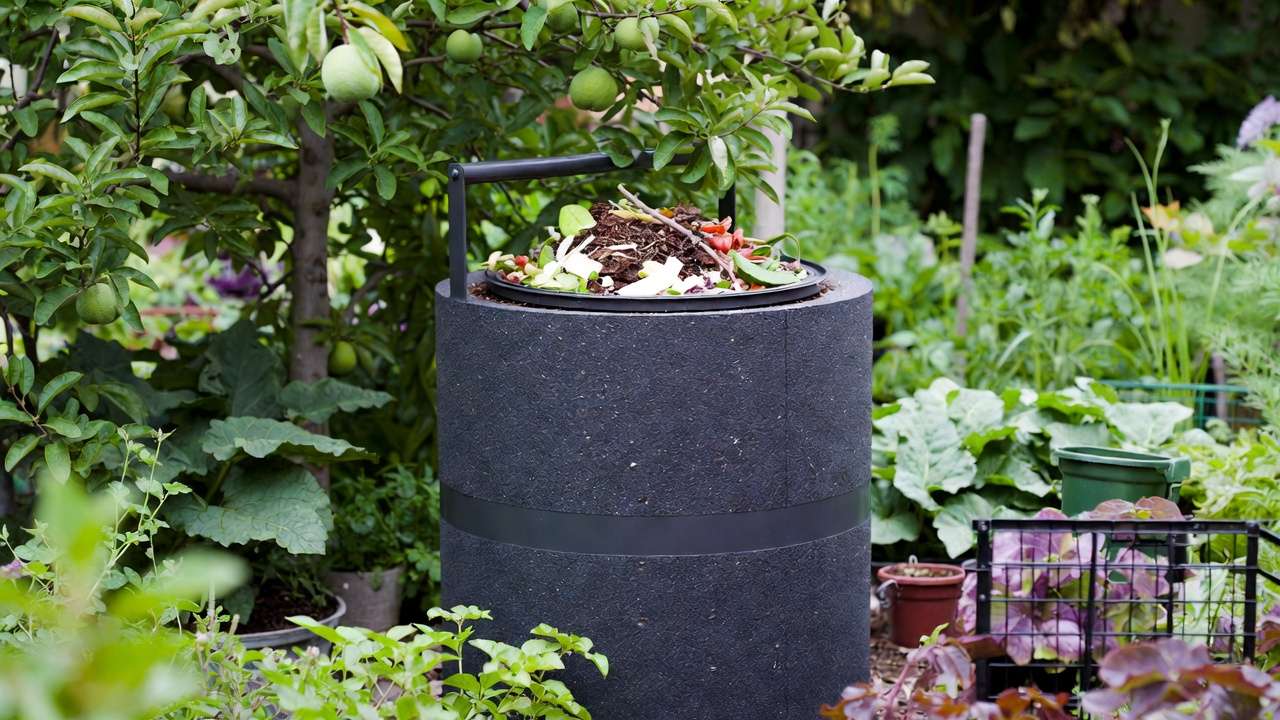
Tumbler Bins, Aerated Systems, and Other Tools That Cut Time in Half 🌀
Tumblers make turning effortless → faster oxygen supply. Static aerated bins (with pipes) reduce labor. In humid areas, these prevent sogginess.
Expert Tips for Tree & Plant Care Gardeners
Chip branches small, avoid diseased material, and never add meat/dairy/oils to prevent pests/pathogens.
How to Know When Your Compost Is Truly Ready to Use ✅
One of the biggest mistakes gardeners make is using compost too early. Immature compost can harm plants by tying up nitrogen, introducing pathogens, or even burning roots. Here’s how to confidently test readiness—methods trusted by extension services and experienced composters worldwide.
Visual & Sensory Tests: Color, Texture, Smell, Temperature
- Color: Finished compost is dark brown to black (like rich coffee grounds or chocolate cake).
- Texture: Crumbly, soil-like, no large recognizable pieces (though tiny bits of woody material are okay in mature compost).
- Smell: Earthy, forest-floor aroma. Any ammonia, rotten egg, or sour smell means it’s not done.
- Temperature: Should be ambient (same as surrounding air). If the pile is still noticeably warm in the center after weeks of no turning, curing is incomplete.
The “Ziploc Bag Test” & Seed Germination Test for Maturity
Two simple, reliable home tests:
- Ziploc Bag Test
- Fill a sealed plastic bag halfway with moist compost.
- Leave it in a warm spot for 3–7 days.
- Open and smell: Fresh, earthy = ready. Ammonia/sour = not ready (microbes still working).
- Cress Seed Germination Test (most accurate for plant safety)
- Fill small pots or trays with your compost (or 50/50 compost + sand mix).
- Sow cress, radish, or lettuce seeds (fast germinators).
- Compare to a control pot with plain potting soil.
- If germination rate and seedling vigor match or exceed the control after 5–10 days, it’s mature and safe for seedlings, veggies, and trees.
Signs It’s NOT Ready
- Still hot/warm in the center
- Visible food scraps, recognizable leaves/stems
- Strong odors
- Slimy or compacted texture
Curing Phase: Why Waiting Extra Months Creates Superior Compost
After the active heating phase, let the pile cure (rest) for 1–3 months without turning. This allows fungi to break down remaining lignins and complex compounds, producing more stable humus with better nutrient availability and disease suppression. Cured compost is noticeably darker and finer—ideal for top-dressing fruit trees or mixing into garden beds.
Safe & Effective Ways to Use Finished Compost in Your Garden 🌳
Once your compost passes the tests, it’s time to reap the rewards! Proper application maximizes benefits for vegetables, flowers, and especially trees in your Barisal-area garden.
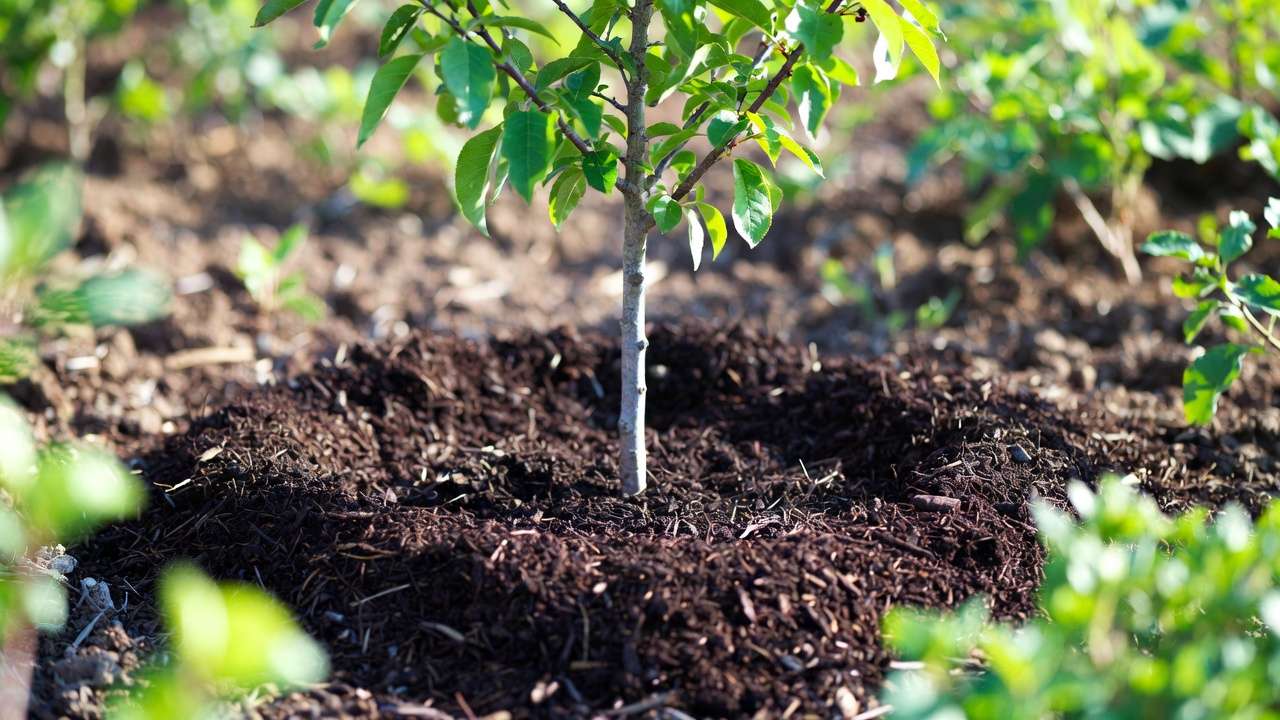
For Trees: Mulch Rings, Root Zone Top-Dressing, Transplant Mixes
- Mulch Rings: Spread 5–10 cm (2–4 inches) around the drip line (not touching the trunk) to retain moisture, suppress weeds, and feed mycorrhizal fungi that trees love. Reapply yearly.
- Root Zone Top-Dressing: Lightly work 2–5 cm into the soil surface under the canopy in early spring or after monsoon—great for mango, jackfruit, guava, or coconut trees.
- Transplant Mix: Blend 20–30% compost with native soil when planting new saplings to improve establishment and reduce transplant shock.
For Plants: Soil Amendment, Potting Mix Booster, Tea Recipes
- Garden Beds: Mix 2–5 cm into the top 15–20 cm of soil before planting veggies (tomatoes, brinjal, okra, spinach thrive on it).
- Potting Mix: Use 20–40% compost + 40% garden soil + 20–40% sand/coco coir for containers.
- Compost Tea: Steep finished compost in water (1:5 ratio) for 24–48 hours with occasional stirring. Use as a foliar spray or soil drench every 2–4 weeks during growing season for a nutrient and microbial boost.
Application Rates & Best Practices
- General rule: 2–5 cm (1–2 inches) per year for most gardens.
- Never exceed 10 cm at once—too much can create nutrient imbalances.
- Avoid using on acid-loving plants (e.g., blueberries) unless tested for pH (compost is usually near neutral).
Common Mistakes to Avoid
- Using immature compost on seedlings → stunted growth
- Applying thick layers against tree trunks → rot risk
- Over-applying to already fertile soil → nutrient runoff or imbalance
Troubleshooting Common Composting Problems & Fixes 🛠️
Even experienced gardeners hit snags. Here’s how to solve the most frequent issues in tropical home composting:
- Pile Not Heating Up? Too small / too dry / too much carbon / lack of greens. Fix: Add nitrogen source (grass clippings, manure), moisten, shred materials, build to at least 1 m³.
- Bad Odors Ammonia = too much nitrogen → add browns. Rotten eggs = anaerobic/wet → turn pile, add dry browns, improve drainage.
- Pests & Rodents Fruit flies, ants, rats love exposed food. Fix: Bury fresh scraps deep, cover pile, use enclosed bins/tumblers, avoid meat/dairy/oily foods.
- Slow Progress in Cooler or Monsoon Seasons Winter: Insulate with straw bales or black plastic. Monsoon: Cover with tarp, elevate base on bricks/pallets, add extra absorbent browns (rice straw, dry leaves).
Bonus: Seasonal Composting Calendar for Year-Round Success 📅
In Mathba and the wider Barisal Division, your climate gives you a huge advantage: consistent warmth means composting never truly stops. But monsoons, dry winters, and occasional heat waves require smart seasonal adjustments. Here’s a practical calendar tailored for southern Bangladesh gardeners:
- Early Dry Season (November–February) ❄️🌞
- Build new piles or refresh existing ones.
- Focus on collecting dry leaves, rice straw, and crop residues (excellent browns).
- Turn piles weekly—cooler nights slow heat, so frequent aeration helps.
- Start vermicomposting indoors if outdoor piles dry out too fast.
- Pre-Monsoon / Hot Summer (March–May) 🔥
- Peak hot composting season! Piles heat up quickly.
- Turn every 3–5 days to maintain oxygen and prevent drying.
- Water if needed (early morning is best).
- Harvest mature compost from last season to amend beds before summer planting.
- Monsoon (June–October) 🌧️
- Switch to covered or enclosed systems (tarps, bins, or raised pallets) to avoid waterlogging.
- Add extra browns (dry leaves, cardboard) to absorb excess rain.
- Reduce turning frequency—too much mixing brings in more wet material.
- Bokashi buckets shine here: ferment kitchen waste indoors without smell.
- Collect monsoon greens (grass clippings, weeds) but layer heavily with browns.
- Post-Monsoon Transition (October–November) 🌿
- Turn and aerate soggy piles to restart aerobic activity.
- Harvest finished compost for winter vegetable beds and fruit tree mulching.
Pro tip: Keep a small “active” pile going year-round by always adding fresh material to one section while letting another cure.
Frequently Asked Questions (FAQs) ❓
Here are answers to the questions I hear most often from gardeners just like you in Barisal and beyond:
How long does it take to compost banana peels, eggshells, or citrus? Banana peels: 2–6 weeks in hot piles (very fast). Eggshells: 6–12+ months unless crushed very finely. Citrus: 3–9 months—chop small and mix well; high acidity slows things slightly but isn’t a major issue in balanced piles.
Can I use unfinished compost as mulch around trees? Yes, but only if it’s at least partially matured (no strong smell, mostly broken down). Immature compost as mulch is safer than mixing into soil, but still monitor for nitrogen drawdown in the first few months.
Is homemade compost safe for fruit trees like mango or guava? Absolutely—when fully mature and cured. It improves soil structure, feeds beneficial fungi, and provides slow-release nutrients. Avoid fresh manure-heavy compost near young trees to prevent burn.
What if I live in a hot, humid climate like Bangladesh—does composting go faster or slower? Faster in ideal cases (heat speeds microbes), but humidity and heavy rain can slow it if the pile gets too wet and anaerobic. Manage moisture and aeration, and you’ll often beat temperate-zone timelines.
How can I compost in a small backyard or rooftop space? Use a tumbler, bokashi bucket, or worm bin. Layer greens and browns carefully, turn regularly (or tumble), and you can still produce great compost in 3–6 months.
Does adding urine speed up composting? Yes—human urine (diluted 10:1 with water) is an excellent free nitrogen source and accelerator. Use sparingly on hot piles only; avoid if you have concerns about salts or medications.
Why does my compost smell bad sometimes? Usually too wet, too much nitrogen, or not enough air. Turn it, add dry browns, and cover fresh scraps. Odor should fade within a day or two.
Can diseased plant material go in the compost? Avoid if possible—especially fungal diseases like blight or wilt. Hot composting (sustained 55–65°C for several days) kills most pathogens, but it’s safer to burn or dispose of heavily diseased waste.
Conclusion (Wrap-Up & Call to Action) 🌟
So, how long does compost take to break down? It depends—but now you have the full picture: 3–6 months with active hot composting, 6–18+ months passively, and everything in between shaped by C:N balance, moisture, aeration, particle size, and your local climate.
The real magic happens when you stop guessing and start managing those key factors. Even small tweaks—like shredding materials, turning regularly, and keeping moisture just right—can shave months off the process and give you dark, crumbly compost that transforms tired soil into thriving garden beds and healthy fruit trees.
Start today: check your current pile’s moisture and C:N ratio, give it a good turn, and watch the transformation begin. Your vegetables, flowers, and trees will reward you with stronger growth, better yields, and fewer problems next season. 🍅🌳
If you’ve tried any of these tips or have your own Barisal composting hacks, drop a comment below—I’d love to hear your experiences and help troubleshoot!











