
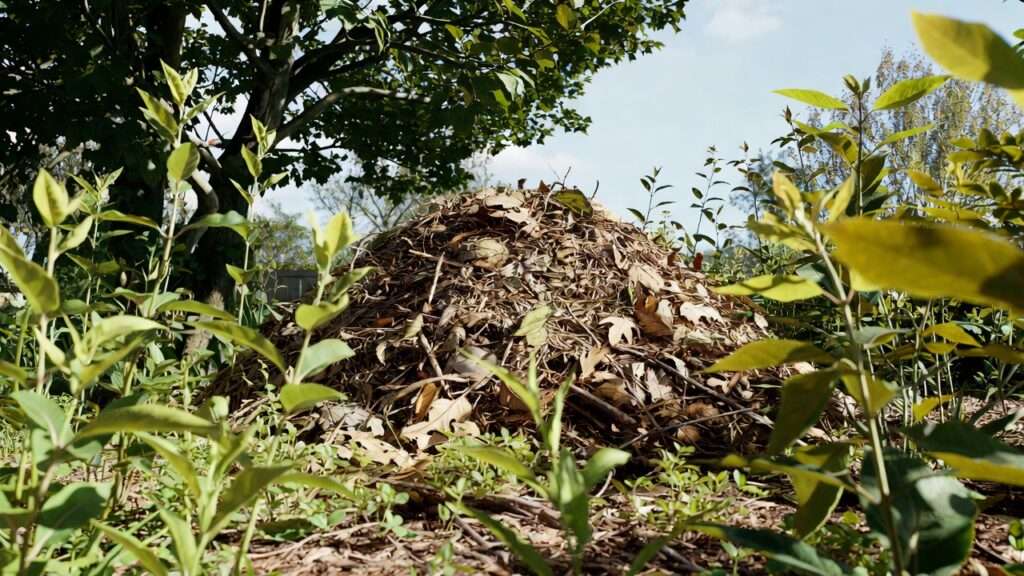
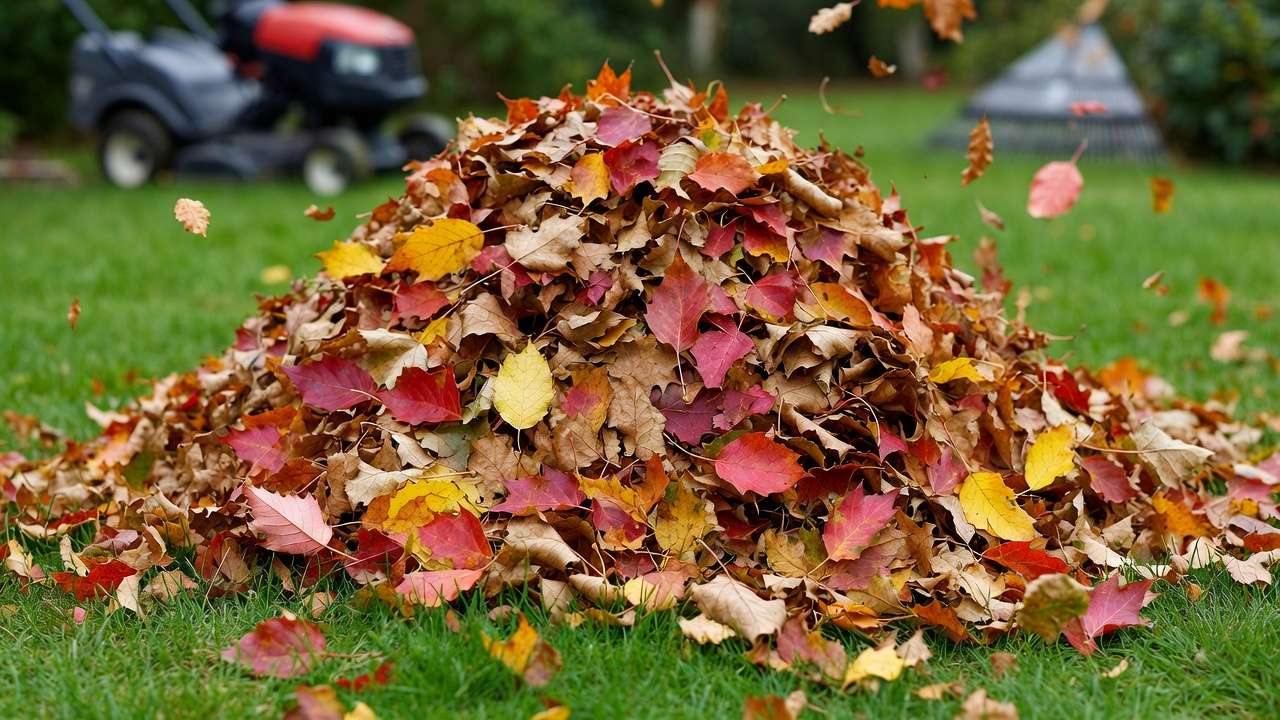
Every fall, yards across the country disappear under a colorful blanket of leaves 🍁. For many homeowners and gardeners, it’s a chore: raking, bagging, and hauling them away to landfills or curbside pickup. But what if those “waste” leaves were actually one of the most valuable resources your garden could ask for? Composting leaves for organic matter transforms this seasonal burden into rich, crumbly gold that builds healthier soil, supports thriving plants and trees, and reduces environmental impact—all for free.
In this ultimate guide, we’ll dive deep into why and how to compost leaves effectively. Whether you’re dealing with poor clay soil, sandy patches that dry out too fast, or just want to boost your trees’ root health naturally, you’ll learn proven methods backed by horticultural science and extension services. By the end, you’ll have the tools to create superior leaf-based organic matter (including classic leaf mold) that outperforms many commercial amendments. Let’s turn your fall cleanup into next year’s garden success! 🌱
Why Compost Leaves? The Science & Real Benefits for Plants and Trees 🌱🔬
Leaves aren’t just debris—they’re nutrient powerhouses. Trees pull up to 50–80% of their absorbed minerals (like calcium, magnesium, potassium, and trace elements) into their leaves before shedding them. When you compost leaves for organic matter, you’re recycling these nutrients back into the soil in a slow-release form that’s gentle and long-lasting.
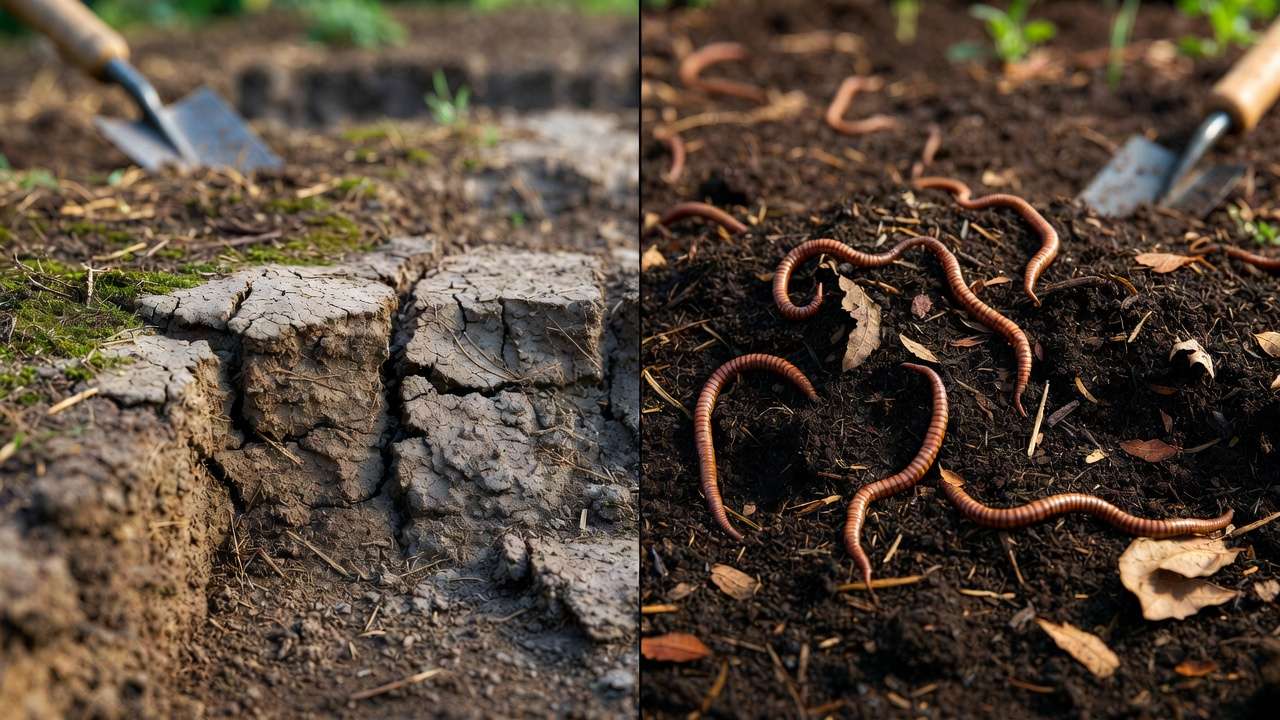
The biggest win? Soil structure improvement. Adding decomposed leaves increases organic matter, which:
- Enhances water-holding capacity (up to several times its weight in water), reducing drought stress for plants and trees.
- Improves aeration and drainage in heavy clay soils while helping sandy soils retain moisture.
- Boosts microbial activity, including beneficial fungi and bacteria that form symbiotic relationships with roots (mycorrhizae), aiding nutrient uptake and disease resistance.
Studies, including research from urban agriculture trials, show leaf mold compost can dramatically increase active soil organic matter (by 60%+ in some cases), suppress certain foliar diseases, and boost crop yields—like tomatoes—significantly. For trees, this means stronger roots, better resilience to pests/stress, and enhanced overall vigor without synthetic fertilizers.
Environmentally, composting leaves diverts waste from landfills (where they produce methane), sequesters carbon, and supports biodiversity in the soil food web. It’s sustainable gardening at its best: free, local, and planet-friendly! ♻️
Understanding Leaf Types & Preparation Essentials 🍂🛠️
Not all leaves are created equal for composting.
Best Leaves for Composting Maple, birch, ash, poplar, willow, and fruit tree leaves break down quickest thanks to lower lignin and higher calcium/nitrogen content. These “soft” leaves often yield usable organic matter in under a year when shredded.
Oak, beech, and holly leaves are higher in tannins and lignin, so they decompose slower (often 2+ years). They’re still excellent—especially for acid-loving plants like azaleas, rhododendrons, or blueberries—but shred them finely and be patient.
Leaves to Avoid or Use Sparingly Black walnut leaves contain juglone, a natural herbicide that can inhibit seed germination and harm sensitive plants (tomatoes, peppers, potatoes, etc.). While juglone breaks down during composting (especially with time and aeration), many experts recommend excluding them entirely or using finished compost cautiously on non-sensitive areas.
Eucalyptus, buckeye, and large quantities of pine needles can also be allelopathic or overly acidic—add sparingly or to dedicated piles.
To Shred or Not to Shred? Shredding is key! Whole leaves mat together, blocking air and water and slowing decomposition dramatically. Run over piles with a lawn mower (bagging attachment works great), use a leaf shredder, or even a string trimmer in a trash can. Smaller pieces (1/2 inch or less) speed breakdown by 2–5x and prevent matting.
Moisture & Size Sweet Spot Aim for a “damp sponge” feel—moist but not soggy. Dry leaves need watering; too wet ones compact. Start with shredded leaves about the size of a quarter for optimal results.
Choosing Your Composting Method: Find the Perfect Fit for Your Space & Time ⏳🏡
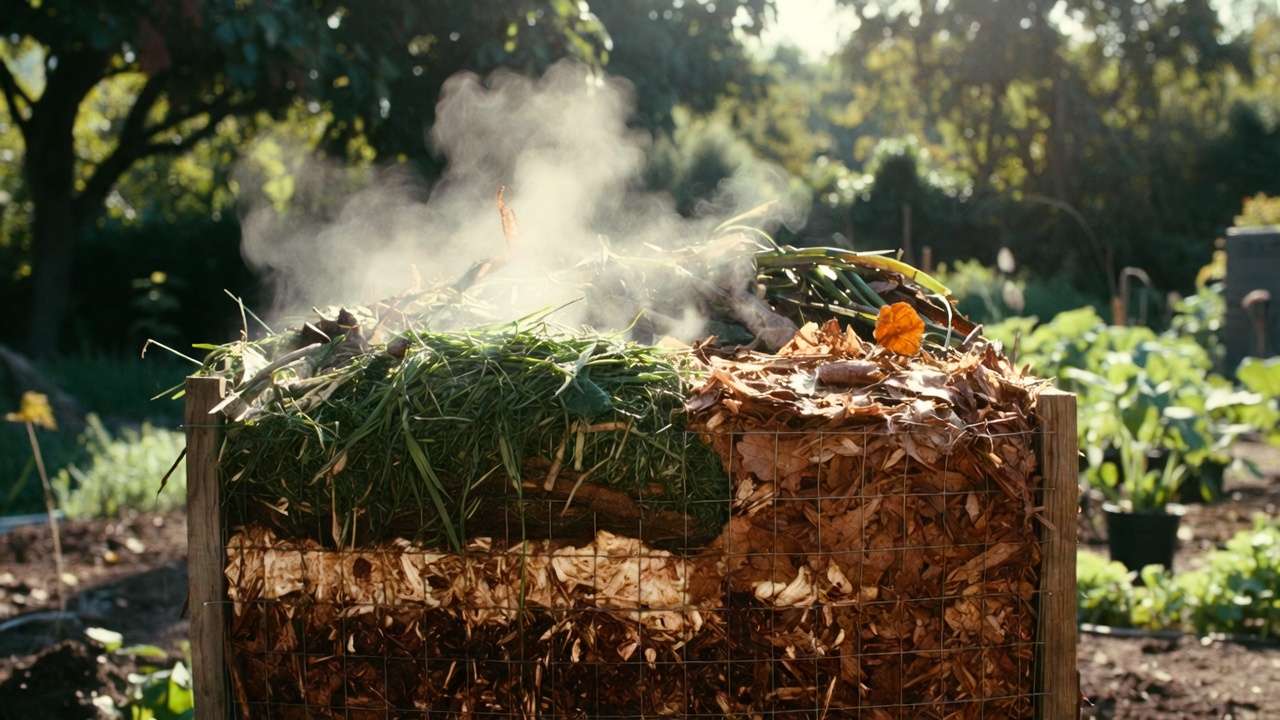
Hot Composting (Fast Results – 3–6 Months) 🔥
For quicker nutrient release, mix leaves (browns/carbon) with nitrogen-rich “greens” like grass clippings, kitchen scraps, or manure in a 3:1 ratio. Build a pile at least 3x3x3 feet for heat buildup.
- Layer shredded leaves with greens.
- Keep moist and turn every 1–2 weeks.
- Monitor temperature (aim 130–160°F for pathogen kill).
- Ideal for gardeners wanting balanced compost fast.
Cold Composting / Passive Pile (Low-Effort – 6–12+ Months) ❄️
Just pile shredded leaves (add occasional greens if available) and let nature work slowly via fungi. Minimal turning needed—perfect for busy folks.
Leaf Mold – The Premium, Fungal-Rich Organic Matter Method 🍄
This is the gold standard for pure leaf-based organic matter. It’s a cool, fungal-driven process producing dark, crumbly, earthy-smelling material superb for soil conditioning.
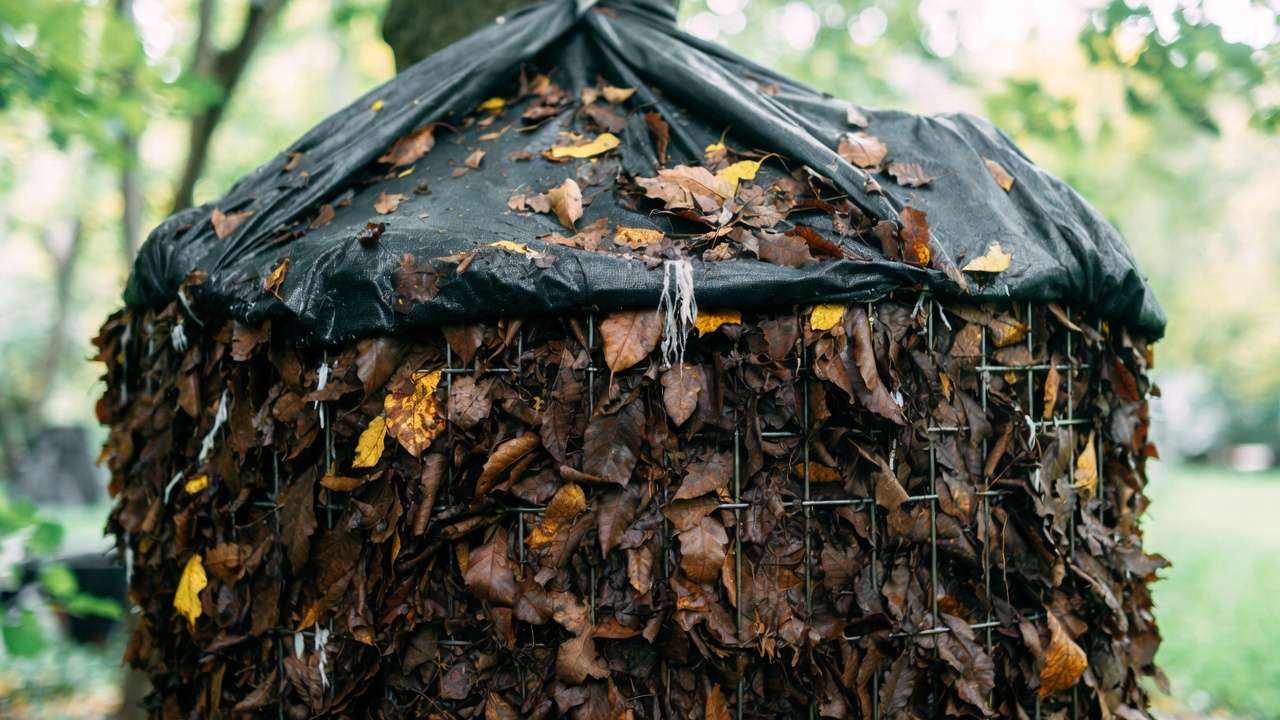
- Pile/Bin Method: Shred leaves, pile in a wire bin or enclosed area (at least 3–4 feet high), moisten thoroughly, cover with tarp to retain moisture.
- Bag Method: Stuff moist shredded leaves into black trash bags, poke holes for air, store in shade.
- Tarp-Covered Pile: Large pile covered to hold moisture. Why leaf mold shines: Higher fungal-to-bacterial ratio, excellent for seed starting, potting mixes, and mulching acid-lovers. Takes 1–3 years but requires almost zero effort.
Other Creative Techniques
- Sheet Composting/Lasagna Layering: Spread shredded leaves directly in beds, top with greens/compost, let decompose in place (great for no-dig gardens).
- Trench Composting: Bury leaves in trenches for direct soil improvement.
- Hybrids: Add leaves to worm bins or Bokashi for faster breakdown.
Step-by-Step: Building & Maintaining Your Leaf Compost System 📋✨
- Gather Materials — Shredded leaves as base; greens (grass, scraps, manure) for hot piles; tools (rake, mower, bin/tarp).
- Site Selection & Bin Options — Shady, level spot near garden; DIY wire bins, commercial tumblers, or simple heaps. Size: 3–5 cubic feet minimum.
- Layering Blueprint — For hot: alternate 4–6 inch leaves with 2-inch greens. Add starter (old compost/soil) for microbes. For leaf mold: just moist leaves.
- Moisture, Aeration & Turning Best Practices 🌧️ — Keep damp-sponge consistency; turn hot piles weekly; leaf mold needs occasional watering/checking.
- Troubleshooting Common Problems
- Slow Breakdown: Shred finer, add nitrogen, moisten, turn.
- Bad Smell (rotten eggs/ammonia): Too wet/anaerobic → add dry browns, turn for oxygen.
- Matting: Always shred; fluff pile.
- Pests: Bury food scraps deep; avoid meat/dairy.
- No Heat: Pile too small/dry → enlarge, moisten, add greens.
- Speeding It Up — Shred finely, add activators (compost tea, urine as mild nitrogen—diluted/safe), keep warm/moist.
When & How to Harvest & Use Your Finished Leaf Compost 🌟🪴
Knowing when your leaf-based organic matter is ready is straightforward once you know what to look for.
Signs It’s Ready
- Color: Deep dark brown to almost black (no longer recognizable as leaves).
- Texture: Crumbly, fluffy, and soil-like — breaks apart easily when squeezed, no matting.
- Smell: Rich, earthy forest-floor aroma (sweet and pleasant). If it smells sour or ammonia-like, it needs more time or turning.
- Volume reduction: Expect 50–75% shrinkage from original pile size.
Hot compost may be ready in 3–6 months; leaf mold typically takes 12–36 months depending on shredding, moisture, and climate (faster in warm, humid regions like parts of South Asia).
Curing Period Even after it looks finished, let it cure (rest) for 1–3 months in a covered bin. This stabilizes nutrients and allows any remaining decomposition to finish, reducing the risk of temporary nitrogen tie-up when applied.
Application Rates & Timing
- As soil amendment: Spread 1–2 inches (2.5–5 cm) over garden beds and gently work into the top 4–6 inches of soil in fall or early spring.
- As mulch: Apply 2–3 inches around trees, shrubs, and perennials to retain moisture, suppress weeds, and feed soil life slowly. Keep mulch 2–3 inches away from tree trunks to prevent rot.
- Top-dressing lawns: Thin ¼–½ inch layer in spring or fall (best with finely screened leaf mold).
- Timing tip: Fall application lets rain and microbes incorporate it over winter for spring planting boost.
Special Uses
- Potting mix recipe: Mix 1 part leaf mold + 1 part garden soil/compost + 1 part coarse sand/perlite for excellent drainage and water retention. Perfect for houseplants, seedlings, and containers.
- Seed-starting medium: Pure leaf mold or 50/50 with vermiculite — holds moisture without compacting, reduces damping-off disease.
- Ericaceous/acid-loving plants: Oak or beech leaf mold is naturally acidic (pH 4.5–6.0) — ideal for azaleas, rhododendrons, camellias, blueberries, and hydrangeas (blue varieties).
- No-dig gardening: Layer thickly over beds each fall to build fertility without tilling.
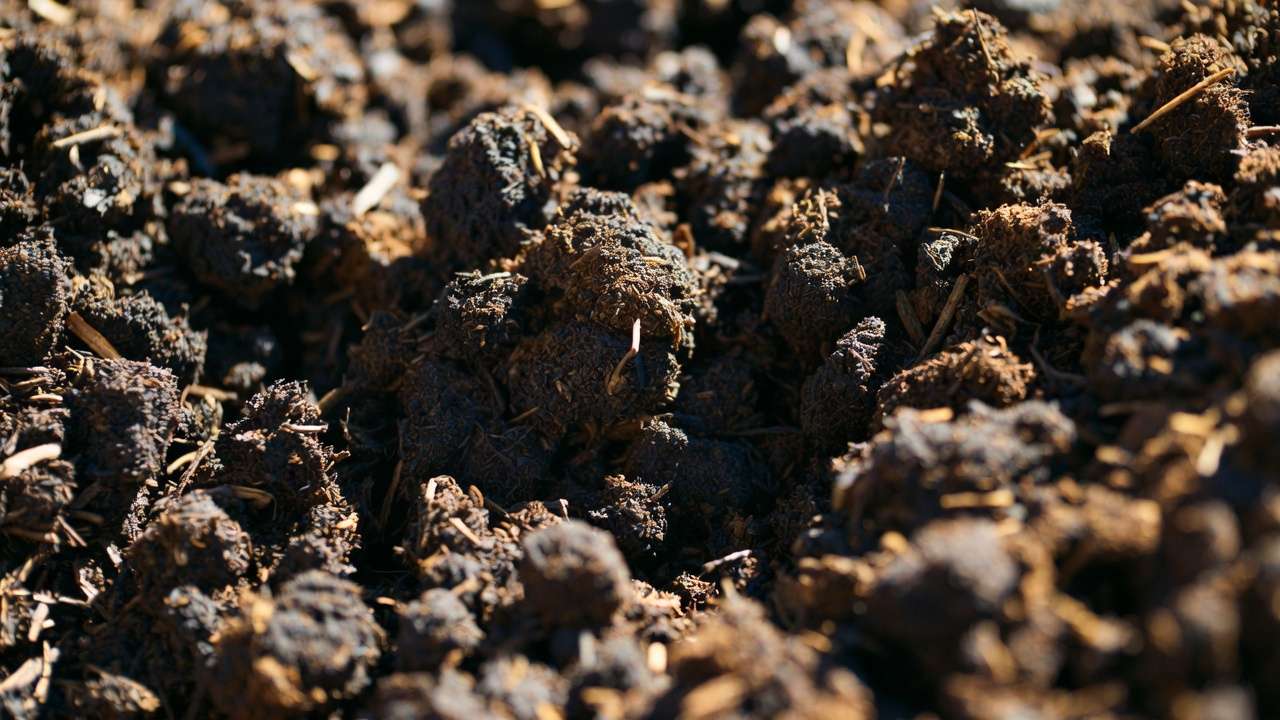
Storage Tips Store finished leaf mold/compost in covered bins, old trash cans, or heavy-duty bags in a shady spot. It keeps indefinitely if kept dry-ish — just re-moisten slightly before use.
Expert Insights & Pro Tips from Seasoned Gardeners 🌟
After years of working with leaf compost in home gardens, community plots, and extension demonstrations, here are some battle-tested insights:
- Myth Debunked: “Leaves tie up nitrogen forever” Fresh shredded leaves can temporarily immobilize nitrogen as microbes break down high-carbon material. Solution: Mix with nitrogen sources (greens) in hot piles, or use aged leaf mold (which has already completed most decomposition) — studies show no long-term nitrogen deficiency in properly aged leaf compost.
- Seasonal Timing Mastery Start collecting and shredding leaves in fall when they’re dry and easy to gather. A large pile started in October/November often yields usable material by the following spring/summer (hot method) or the next fall (leaf mold).
- Regenerative & No-Dig Integration Sheet-mulch with shredded leaves over cardboard/newspaper in new beds. Over one season, worms and microbes pull it down, creating rich topsoil without digging.
- Climate Considerations In warmer, humid climates (like many parts of Bangladesh), decomposition happens faster — leaf mold can mature in 12–18 months. In cooler or drier areas, add occasional watering and consider black plastic covers to trap heat/moisture.
- Pro Hack: Add a thin layer of finished compost or garden soil every few months to inoculate with diverse microbes. A handful of mycorrhizal fungi powder (available at garden centers) supercharges tree and perennial benefits.
FAQs: Your Top Composting Leaves Questions Answered ❓
Can I compost black walnut leaves? Sparingly, yes — juglone breaks down during hot composting (especially 6+ months with good aeration). For safety, exclude them from vegetable beds or use only on ornamentals/lawn after full maturity.
How long does leaf mold really take? Shredded and kept moist: 12–24 months in most climates. Whole leaves: 2–3+ years. Patience pays off with superior texture and fungal benefits.
Is it okay to add diseased leaves? Generally yes for fungal leaf spot diseases — high heat (hot pile) or long fungal decomposition (leaf mold) kills most pathogens. Avoid leaves with serious viral or bacterial issues (e.g., fire blight on fruit trees).
What if my pile isn’t heating up? Common causes: too small, too dry, too few greens, or cold weather. Enlarge pile, moisten, add nitrogen source (grass clippings, coffee grounds), and insulate with straw/tarp in winter.
Can I use fresh grass clippings with leaves? Absolutely — they’re perfect nitrogen balance for hot composting. Layer thinly to avoid clumping.
Will composting leaves attract pests or rodents? Rarely if you avoid meat, dairy, or large food scraps. Keep pile turned and covered; rodents usually ignore plain leaf piles.
Can leaf compost burn plants like fresh manure? No — it’s very low in soluble nutrients and won’t burn roots even when fresh (unlike high-nitrogen manures).
Is leaf mold good for clay soil? One of the best! It dramatically improves structure, drainage, and workability over time.
How much leaf compost should I add each year? 1–2 inches worked in annually is plenty for most gardens — more is better for poor soils, but build gradually.
Conclusion: Start Small, Grow Big — Your Soil (and Trees) Will Thank You! 🌳❤️
From a simple pile of fall leaves to dark, nutrient-rich organic matter that transforms your garden, composting leaves is one of the easiest, most rewarding acts of sustainable gardening. You’re not just cleaning up your yard — you’re closing the nutrient loop, feeding the soil food web, and giving your plants and trees the best possible foundation for health and beauty.
Grab a rake (or mower), start small with a single bin or bag this season, and watch your soil come alive. In a year or two, you’ll have your own “garden gold” — and you’ll never look at fallen leaves the same way again.
Have you started composting leaves yet? Drop a comment below with your method or questions — I’d love to hear your progress and help troubleshoot! Happy composting! 🍂✨











