
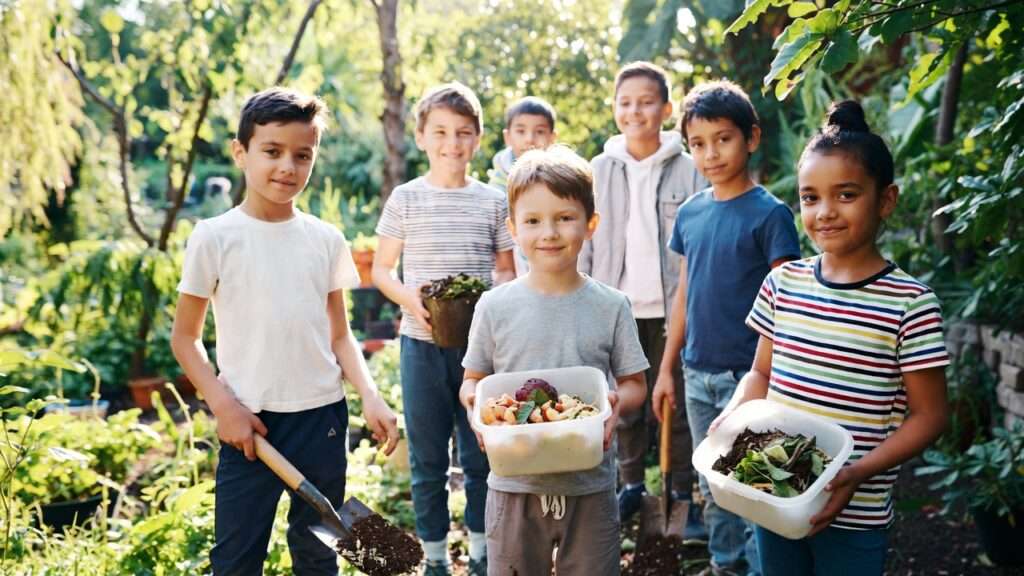
Imagine your little one’s eyes lighting up as a pile of yesterday’s vegetable peels and fallen leaves magically turns into rich, dark soil that makes your tomato plants explode with growth or your young fruit tree stand taller and stronger! 🌟 If you’ve ever wished for a hands-on way to teach your children about sustainability—one that feels like play but delivers real science and garden results—composting with kids activities is the perfect family adventure. As a passionate plant care specialist who’s helped countless families transform their backyards into thriving ecosystems (and watched kids go from “ew, gross!” to “can we add more scraps?”), I can tell you: this isn’t just about reducing waste. It’s about sparking curiosity, building responsibility, and creating healthier plants and trees right in your own garden.
In today’s world, parents and educators are searching for meaningful ways to connect children with nature while addressing real concerns like food waste, soil depletion, and climate awareness. Composting bridges all of that beautifully. It turns everyday kitchen scraps into “black gold” that improves soil structure, boosts nutrient availability, retains moisture for drought-resistant plants, and supports stronger root systems in trees. Plus, the hands-on process teaches biology, patience, and environmental stewardship in the most engaging way possible. Ready to dive in? This comprehensive guide shares over 10 proven, kid-tested activities—from quick indoor experiments to backyard projects—that make composting joyful, safe, and deeply educational. Let’s turn your garden into a living classroom! 🌍
Why Composting Matters for Kids (and Your Plants & Trees) 🔬🌳
Composting is nature’s ultimate recycling system. At its core, it’s the controlled decomposition of organic materials by microbes, fungi, insects, and worms, breaking down “greens” (nitrogen-rich items like fruit peels and grass clippings) and “browns” (carbon-rich items like dry leaves and cardboard) into nutrient-dense humus.
For your garden, the payoff is massive:
- Enriched soil health — Compost adds essential nutrients slowly and naturally, reducing reliance on synthetic fertilizers that can harm beneficial soil life.
- Better water retention & drainage — Improved soil structure helps plants and trees withstand dry spells or heavy rains, crucial for young saplings establishing deep roots.
- Stronger plant & tree growth — Studies from university extensions (like UGA Cooperative Extension) show compost-amended soil leads to healthier foliage, more vibrant blooms, and increased fruit/vegetable yields.
- Environmental wins — Diverting scraps from landfills cuts methane emissions (a potent greenhouse gas) and sequesters carbon in your yard.
For children, the benefits go beyond the garden:
- Hands-on decomposition teaches life cycles, microbiology, and responsibility.
- It fosters patience as they watch slow changes unfold.
- It builds observation skills through journals, measurements, and critter hunts.
- Most importantly, it cultivates a lifelong love of nature and eco-conscious habits.
From my experience guiding family gardening programs, kids who compost regularly show greater enthusiasm for planting and caring for trees—because they see the direct connection between their actions and thriving greenery. 📈
Getting Started: Composting Basics for Families 🛠️🥬
Before jumping into activities, let’s cover the essentials so your family adventure stays fun and frustration-free.
What exactly is composting? It’s a simple balance: roughly 2-3 parts browns to 1 part greens, plus air, moisture (like a wrung-out sponge), and time. Turn the pile occasionally to speed things up.
Kid-safe methods perfect for families:
- Tumbler bins — Enclosed, easy to turn, pest-proof, great for beginners.
- DIY pallet or wire bin — Affordable backyard option.
- Vermicomposting (worm bins) — Indoor-friendly, fascinating for kids (more below!).
- Trench composting — Dig shallow trenches in garden beds and bury scraps directly—ideal for tree mulching zones.
What to compost (and what to skip):
- Yes: Vegetable/fruit scraps, eggshells, coffee grounds, tea bags, shredded paper, dry leaves, grass clippings.
- No: Meat, dairy, oils, pet waste, diseased plants (to avoid pests/odors and keep it safe for little hands).
Age adaptations:
- Ages 3–5: Focus on sensory play, sorting, and simple additions.
- Ages 6–9: Experiments, observations, basic maintenance.
- Ages 10+: Independent projects, data tracking, troubleshooting.
Starter tools (low-cost & kid-friendly):
- Kitchen scrap bucket with lid 🪣
- Small shovel or trowel
- Gloves for tiny hands
- Clear plastic bin or 2-liter soda bottle for mini experiments
- Red wiggler worms (for vermi—order from reputable suppliers)
With these basics, you’re set for success! 🚀
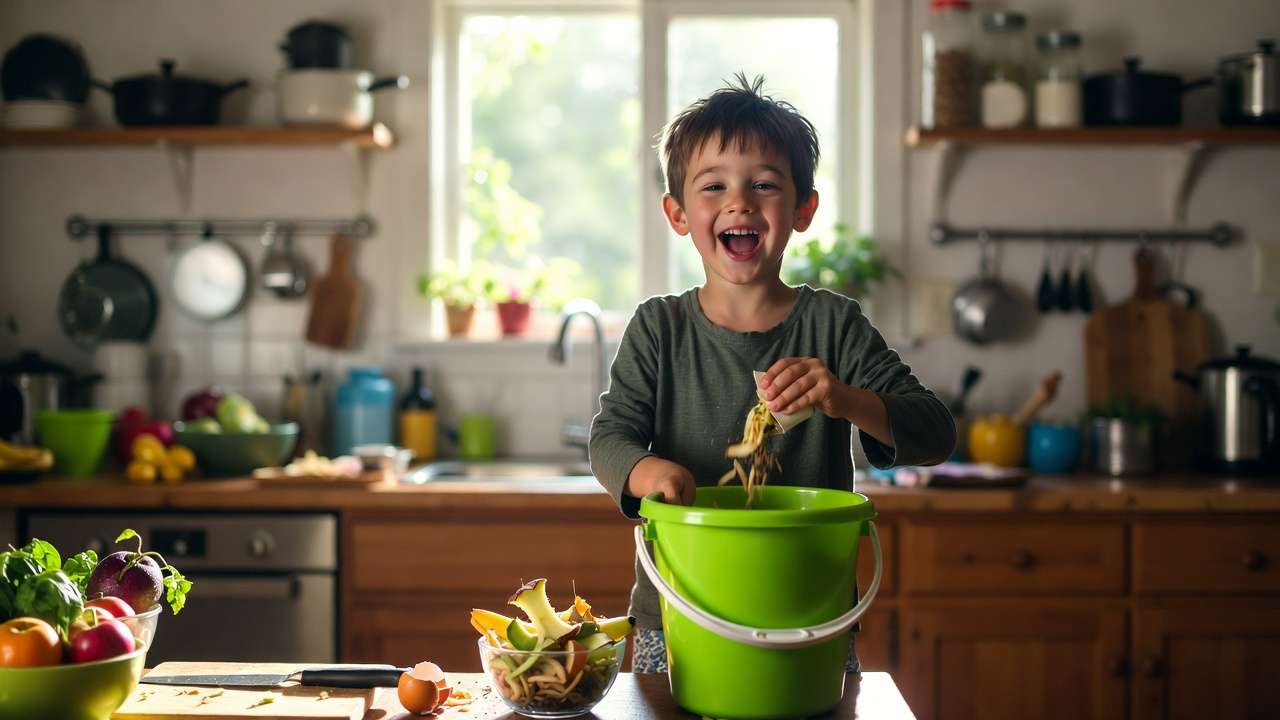
Fun & Educational Composting Activities for Kids 🎉
Here’s the heart of the guide—10+ engaging activities ranked roughly by simplicity to complexity. Each includes steps, learning outcomes, garden tie-ins, and tips from real family trials.
Activity 1: Soda Bottle Mini-Composter Experiment 🍼🔬 This classic indoor science project shows decomposition in fast-forward—perfect for apartments or winter starts!
Materials:
- Empty 2-liter soda bottle
- Scissors (adult help)
- Garden soil
- Green scraps (veggie peels)
- Brown scraps (shredded paper, dry leaves)
- Water spray bottle
Steps:
- Cut the top off the bottle ~2 inches below the neck; rinse clean.
- Layer 2–4 cm soil at the bottom (introduces microbes).
- Add alternating greens and browns (aim for 1:2 ratio).
- Mist lightly to moisten.
- Cap loosely or cover with plastic wrap with air holes.
- Place in a sunny window; observe weekly (mold, shrinkage, color changes).
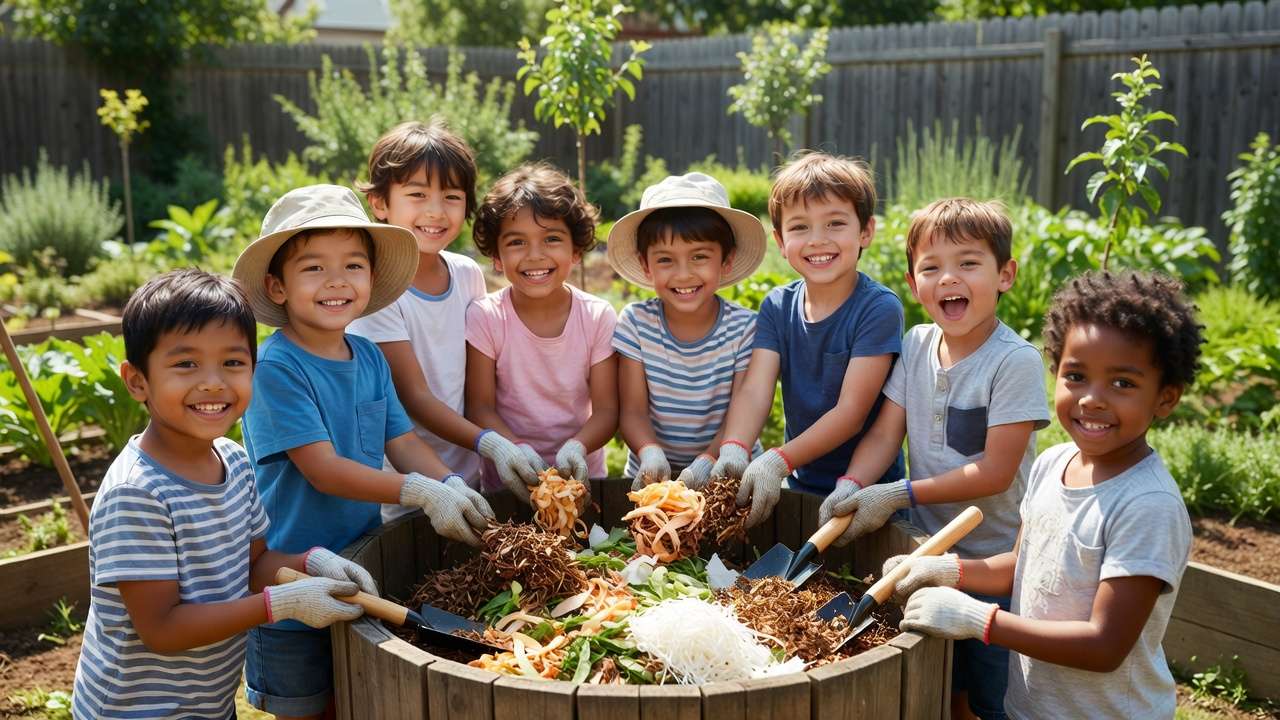
What kids learn: Timeline of rot, role of fungi/bacteria, why balance matters. Garden tie-in: After 4–8 weeks, mix finished bits into a potted plant or tree seedling to demonstrate growth boost. 🌱 Pro tip: Keep a photo journal—kids love seeing the “before and after” magic!
Activity 2: Worm Bin Adventure (Vermicomposting Fun) 🪱❤️ Worms make composting exciting and visible—kids adore their wriggly friends!
Materials:
- Plastic bin with lid (drill small air/drain holes)
- Shredded newspaper bedding
- Red wiggler worms (start with ½–1 lb)
- Kitchen scraps
Steps:
- Moisten bedding to sponge consistency; add to bin.
- Gently introduce worms.
- Bury small amounts of scraps in pockets weekly.
- Harvest castings every 2–3 months (screen or light separation).
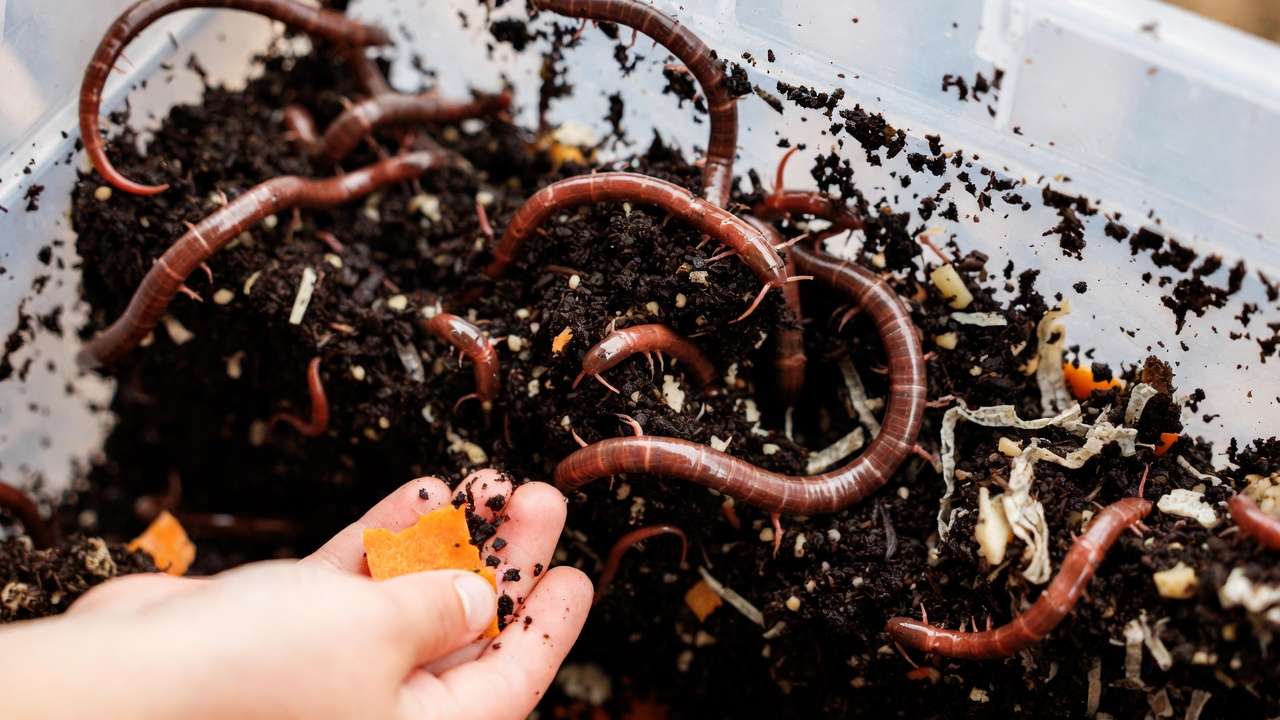
Daily kid tasks: Feed worms, mist if dry, draw worm portraits. Learning: Worm anatomy, nutrient cycling, gentle care for living creatures. Garden bonus: Worm castings are a mild, powerhouse fertilizer—ideal for watering tree seedlings or mixing into potting soil.
Activity 3: Edible Compost Pile Game 🍎🧸 A tasty intro for preschoolers—no dirt required!
How to play: Use cereal (browns), fruit snacks (greens), gummy worms (decomposers). Layer in a clear cup to “build” a pile, then “eat” the demo while discussing layers. Why it works: Sensory + fun reinforces what belongs in real piles.
Activity 4: Compost Critter Hunt & Magnifying Glass Exploration 🔍🐞 Head to the bin/backyard pile with magnifying glasses. Hunt for pill bugs, worms, springtails, fungi. Draw/ID them using simple charts. Learning: Decomposers’ roles—nature’s cleanup crew!
Activity 5: “Name That Scrap” Sorting Relay Race 🏃♀️🥕 Divide kids into teams; scatter real/kitchen items. Race to sort into “Compost,” “Recycle,” “Trash.” Twist: Add timed rounds or silly penalties for mistakes—keeps energy high!
Activity 6: Temperature Tracking & Decomposition Diary 📏🔥 Use a compost thermometer (or finger-test for cool piles). Record weekly in a family journal with drawings/photos. Insight: Hot piles mean active microbes—teaches cause/effect.
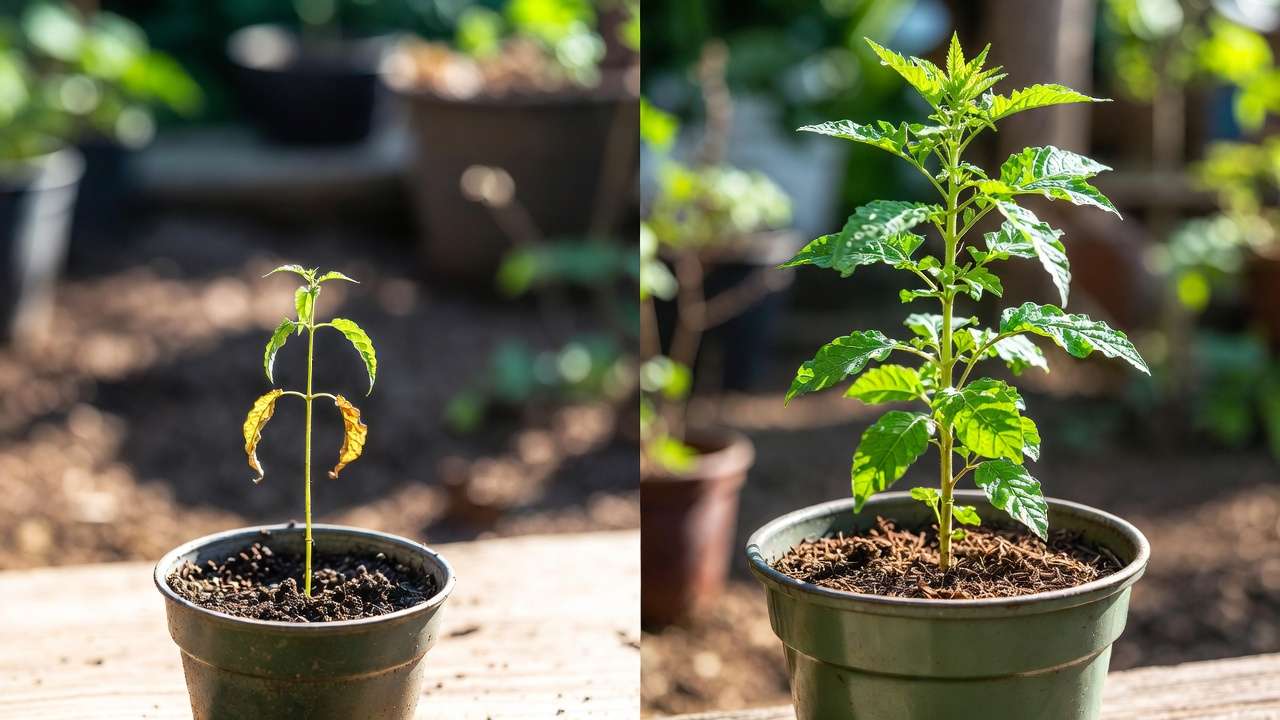
Activity 7: Compost-Fueled Plant Growth Challenge 🌿📊 Plant identical seeds/beans in pots: one with compost mix, one without. Measure height, leaf count weekly. Science fair ready! Perfect for showing compost’s real power on plant health.
Activity 8: Seasonal Backyard Composting Projects 🍂❄️
- Fall: Build leaf pile “forts” then turn into compost.
- Spring: Release worms or start new bin.
- Summer: Daily scrap collection while gardening.
Activity 9: Creative Crafts from Compost 🎨🌸 Use finished compost to make seed bombs (mix with clay/soil) or decorate pots. Fun extension: Paint worm faces on rocks!
Activity 10: Family “Compost Chef” Challenge 👨🍳🥗 Cook a meal, collect all compostable scraps together. Make “compost tea” (soak in water) to feed houseplants or young trees.
These activities scale up or down—start small, celebrate milestones with a new plant! 🌟
Tips for Success & Troubleshooting Common Kid Composting Challenges 🛡️😊
Even the most enthusiastic family composting projects can hit a few bumps. Here are battle-tested tips from years of working with parents, teachers, and kids to keep things smooth, safe, and exciting.
Keeping the excitement alive long-term:
- Celebrate milestones: When the pile shrinks noticeably or you harvest your first worm castings, plant a new flower or tree seedling together using the compost. Kids love seeing “their” soil make something grow! 🌸
- Rotate activities: Don’t do the same thing every week—switch between worm feeding, critter hunts, and growth challenges to prevent boredom.
- Create a “Compost Champions” chart: Add stickers or stars for consistent scrap collection, turning, or journal entries. Small rewards (extra story time in the garden, a new plant) work wonders.
Common problems & easy fixes:
- Bad smells → Almost always too many greens or too wet. Solution: Add more browns (dry leaves, shredded cardboard), mix thoroughly, and bury fresh scraps deep. A handful of garden soil introduces helpful microbes that reduce odor fast.
- Pests (flies, ants, rodents) → Meat, dairy, or exposed food attract them. Stick to veggie/fruit scraps, bury additions 15–20 cm deep, and keep the bin covered. Tumblers or worm bins indoors almost eliminate this issue.
- Pile not breaking down → Too dry, too cold, or lacking greens. Mist lightly if dry; turn more often for air; add coffee grounds or fresh grass clippings for nitrogen kick.
- Worms escaping or dying → Overfeeding, too wet/dry, or extreme temperatures. Keep bedding moist but not soggy, feed only what they can eat in 3–4 days, and move the bin to a garage or shaded spot if it gets very hot/cold.
Indoor & small-space solutions: No yard? No problem!
- Use a countertop worm bin or bokashi system (fermentation method—less odor, faster).
- Mini-composters in soda bottles or mason jars work beautifully on balconies or windowsills.
- Collect scraps in a freezer bag and drop off at community gardens or composting programs when full.
Pro tip from experience: Always involve kids in troubleshooting. Asking “Why do you think it smells funny?” turns a problem into a science lesson. They often spot the solution themselves! 🔍
How to Use Your Finished Compost in the Garden 🌿🪴
The moment you have dark, crumbly, earthy-smelling compost (usually 2–6 months depending on method and turning), it’s time to put that “black gold” to work—especially for plants and trees!
Best application methods:
- As a soil amendment — Mix 2–5 cm of compost into the top 15–20 cm of garden beds before planting veggies, flowers, or adding new perennials. For trees, create a 5–10 cm thick mulch ring (keep it away from the trunk to prevent rot).
- Compost tea — Steep a shovelful in a bucket of water for 24–48 hours (stir occasionally), then strain and dilute 1:10. Use as a gentle liquid feed for houseplants, seedlings, or stressed young trees.
- Top-dressing — Sprinkle 1–2 cm around established plants and lightly rake in. Excellent for fruit trees, berry bushes, and roses—improves moisture retention and feeds roots slowly.
- Seed-starting mix — Blend 1 part finished compost + 1 part coconut coir or peat + 1 part perlite/vermiculite for light, nutrient-rich potting soil.
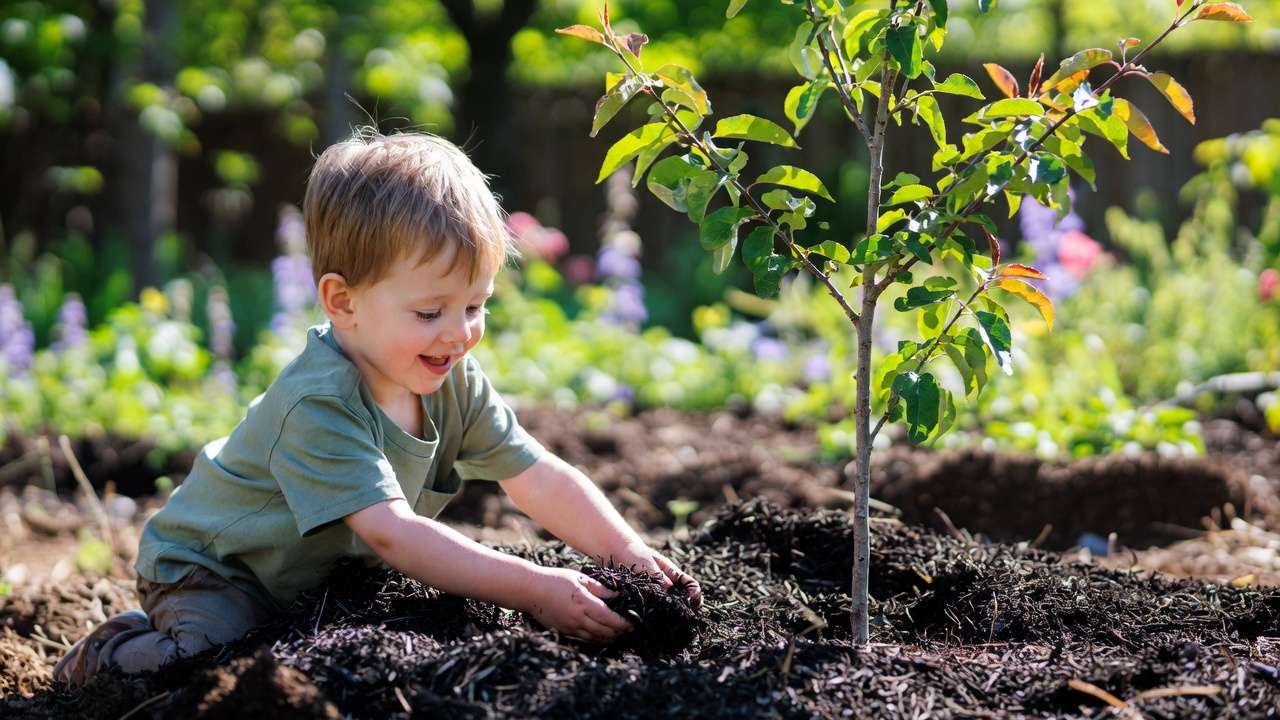
Tree-specific benefits kids can observe: Young trees planted with compost-enriched soil establish faster, develop deeper roots, and show better drought and disease resistance. In one family project I guided, a backyard apple sapling doubled its height in the first season after regular compost mulching—kids were thrilled to measure it weekly!
When to apply: Spring and fall are ideal. Avoid piling against stems/trunks.
Conclusion: Plant the Seeds for a Greener Future Today 🌍❤️
Composting with kids isn’t just about turning scraps into soil—it’s about turning curiosity into care, play into purpose, and small daily actions into big environmental impact. Through these fun, educational activities, your children learn science, responsibility, and the joy of nurturing living things… all while helping your garden and trees flourish.
Start small: Pick one activity this weekend (the soda bottle mini-composter or worm bin setup are fantastic first steps). Watch the wonder unfold as your kids proudly show off “their” compost to friends and family.
Your garden will thank you with healthier plants and stronger trees. Your kids will thank you with brighter eyes and bigger questions about the world. And the planet? It gets a little healthier with every scrap you divert from the landfill.
Ready to begin? Grab a bucket, call the kids, and let the adventure grow! 🌱✨
What will your family’s first composting project be? Drop a comment below—I’d love to hear and cheer you on!
Frequently Asked Questions (FAQs) ❓
What age can kids start composting activities? Most kids can begin simple sensory play (sorting scraps, adding to a mini bin) around age 3–4 with close supervision. By 6–7 they can handle feeding worms and basic turning. Teens love leading full projects and experiments.
How long does it take to make compost with kids? Mini bottle experiments show changes in 2–6 weeks. Standard backyard piles take 3–12 months (faster with frequent turning). Worm bins produce usable castings in 2–4 months. The journey is part of the fun!
Is composting safe for young children? Yes—when you stick to plant-based scraps, avoid meat/dairy, and use enclosed bins or supervise closely. Gloves, hand-washing after, and pest-proof setups keep everything family-friendly.
What if we don’t have a yard? Indoor worm bins, countertop bokashi, or small tumblers work great in apartments. Many cities now have community drop-off sites or curbside programs—perfect for teaching kids about collective action.
Can composting really help my trees grow better? Absolutely. Compost improves soil biology, water-holding capacity, and nutrient availability—key factors for healthy root development and long-term tree vigor. Many arborists recommend it as a top organic amendment.











