

Imagine stepping into your lush garden on a warm evening, the scent of blooming flowers in the air, birds chirping softly, and… no constant swatting at mosquitoes! 😩 Yet for many homeowners and gardeners, those pesky biters turn relaxing outdoor time into an itchy nightmare. Mosquitoes don’t just annoy—they breed in standing water, thrive in humid climates, and can transmit diseases like dengue, West Nile virus, and more.
The good news? You can control mosquito populations naturally using mosquito-repellent plants that fit beautifully into your plant care and tree care routine. These living barriers release essential oils and strong aromas that disrupt mosquitoes’ ability to detect human scents (like CO₂, body heat, and lactic acid). While no single method eliminates mosquitoes entirely, combining the right plants with smart garden practices offers eco-friendly, chemical-free protection that’s safe for pollinators, pets, and kids when used thoughtfully. 🌱🐝
Studies, including lab research from Iowa State University, show certain plants outperform even DEET in short-term repellency! In this comprehensive guide, we’ll explore the science, rank the top mosquito-repellent plants by effectiveness and ease of care, share expert growing tips, and provide an integrated natural strategy to reclaim your yard. Let’s dive in and make your garden a bite-free oasis! 💚
Why Natural Mosquito Control Matters for Gardeners and Homeowners
🌍🛡️
Choosing natural methods protects more than just your skin—it safeguards your entire ecosystem. Chemical repellents and insecticides can harm beneficial insects like bees and butterflies (essential for pollination), contaminate soil, and contribute to pesticide resistance in mosquitoes.
Plant-based solutions are eco-friendly, biodegradable, and promote biodiversity. They enhance your garden’s beauty while solving a real problem: fewer bites mean more enjoyable time outdoors tending plants, relaxing under trees, or hosting family gatherings. Many of these plants are pet- and child-safe when not ingested in large amounts (always supervise curious pets and kids), and they attract pollinators for a healthier yard. 🌸🐝
Plus, integrating mosquito-repellent plants aligns perfectly with holistic tree and plant care—better airflow, reduced standing water, and natural pest management lead to thriving landscapes without harsh interventions.
Understanding How Mosquito-Repellent Plants Actually Work
🔬🦟
Mosquitoes locate hosts using a sophisticated sense of smell. They detect carbon dioxide from our breath (up to 150 feet away!), body heat, and skin chemicals like lactic acid. Strong plant volatiles—essential oils such as citronellal, nepetalactone, linalool, geraniol, and eugenol—interfere with these cues, masking human scents or overwhelming the mosquitoes’ olfactory receptors.
Living plants provide mild, ongoing area protection through released aromas, while crushing leaves releases concentrated oils for stronger, short-term repellency (ideal for topical use). Systematic reviews and lab/field studies (e.g., from PMC and Iowa State) confirm effectiveness varies by species: catnip often ranks highest, followed by citronella and lavender.
Important note: Plants offer realistic reduction (50–80% in integrated setups), not total elimination. They shine as part of a multi-layered approach—best for nuisance control in gardens and yards. 🌿
Top 12 Mosquito-Repellent Plants: Ranked by Effectiveness & Ease of Care
🌟🪴
Here are the most proven, garden-friendly options, backed by studies. Rankings consider lab/field repellency, ease for home gardeners, and compatibility with pollinators/pets.

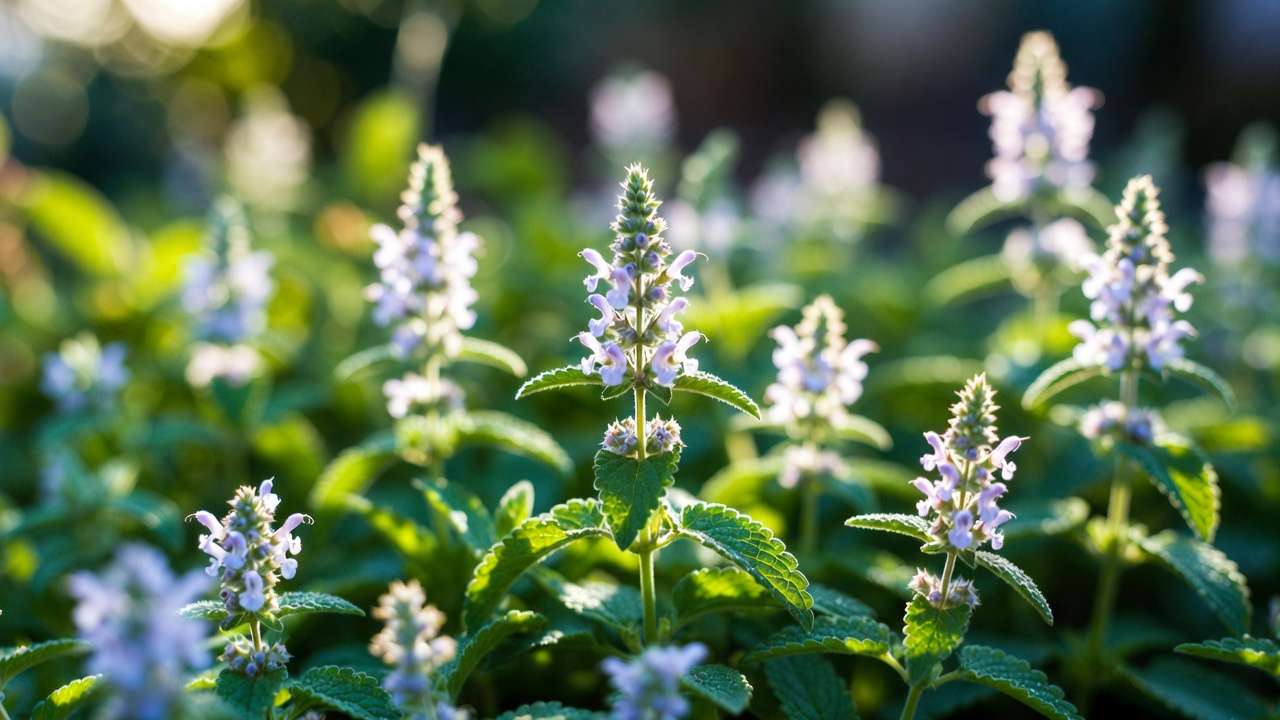
Catnip (Nepeta cataria) – The powerhouse champion! 🌟 Nepetalactone makes it up to 10x more effective than DEET in Iowa State lab tests.
-
- Care: Perennial (zones 3–9), full sun ☀️, well-drained soil. Contain spread in pots.
- Tips: Place pots near seating; crush leaves for personal protection. Pollinator-friendly and generally pet-safe (cats love it, but supervise).
- Effectiveness: Top spatial repellent.
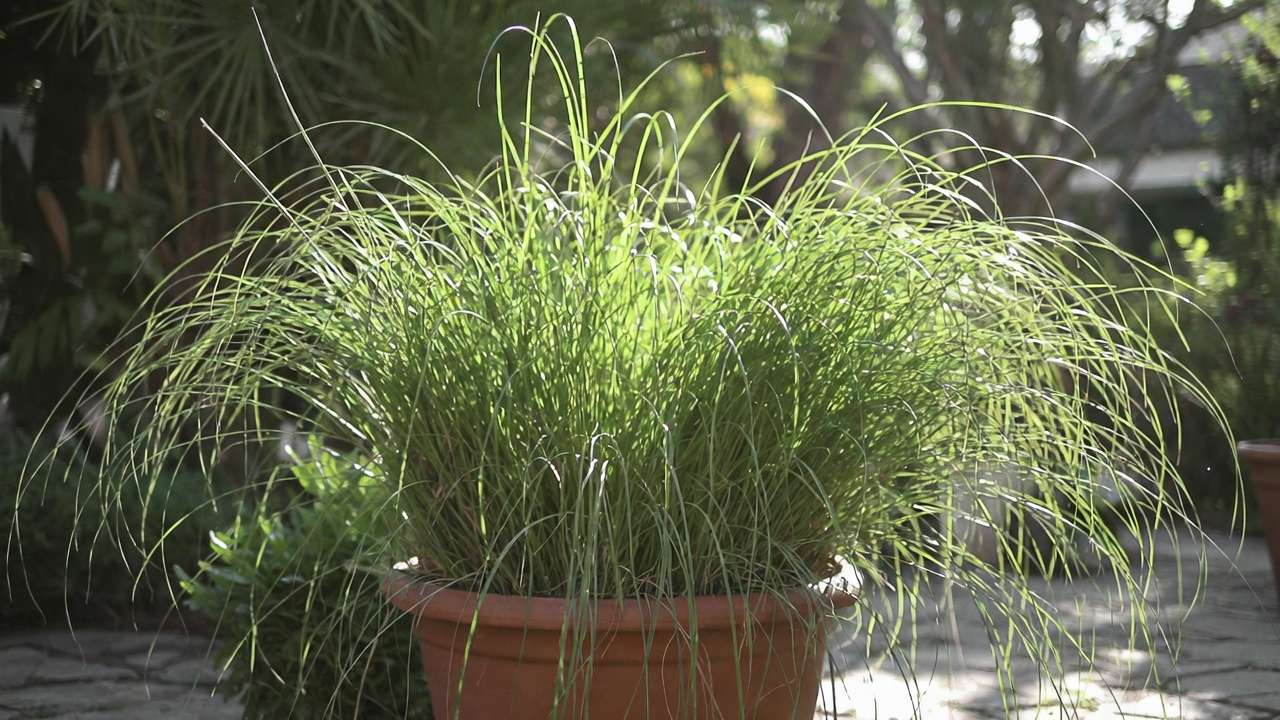
Citronella Grass / Lemongrass (Cymbopogon spp.) – Classic tall barrier Citronella oil disrupts senses; living plants most effective when brushed against.
-
- Care: Tropical perennial (pots in cold zones), full sun ☀️, moist soil 💧.
- Tips: Grow in clusters; crush for topical use. Attracts pollinators.
Lavender (Lavandula spp.) – Fragrant & beautiful Linalool provides 80%+ effectiveness in blends.
-
- Care: Drought-tolerant, sunny, well-drained soil.
- Tips: Borders & pots; safe for pets/kids.
- Basil (Ocimum basilicum) – Kitchen hero Strong scent repels without crushing; also deters flies.
- Care: Easy annual, full sun, regular water. Companion plant bonus.
- Lemon Balm (Melissa officinalis) – Citrusy mint-family gem Topical crush method works well.
- Care: Perennial, contain in pots to prevent spread.
- Rosemary (Rosmarinus officinalis) – Hardy aromatic Thrives in heat; repels multiple pests.
- Care: Drought-tolerant, full sun.
- Marigolds (Tagetes spp.) – Colorful multi-pest fighter Pungent borders deter mosquitoes + nematodes.
- Care: Annual, sunny spots.
- Peppermint / Mint – Vigorous spreader Menthol overwhelms senses.
- Care: Pot-only to avoid invasion.
- Lemon Thyme (Thymus citriodorus) – Low-growing & burnable Grill sprigs for extra protection.
- Care: Perennial, sunny.
- Scented Geraniums – Lemony varieties Container favorites.
- Catmint (Nepeta spp.) – Ornamental cousin to catnip.
- Bonus mentions: Eucalyptus (trees for large yards), Cedar (natural wood scent), Lantana (dense barrier—check local invasiveness).
(For visuals of these beautiful plants in gardens, imagine vibrant purple lavender borders, tall citronella grasses swaying, and colorful marigold pops—perfect for your yard!)
Strategic Planting & Garden Design for Maximum Mosquito Control
🗺️🌳
Create “mosquito-free zones” by clustering plants around patios, doors, and seating. Layer heights: tall citronella as backdrop, mid-level basil/rosemary, low marigolds. Plant under trees to deter breeding in hollows (avoid overwatering pots/tree bases). A simple layout: seating area surrounded by lavender + basil + citronella pots. 🌳🪴
Tie into tree care: Prune for airflow (releases more oils) and eliminate tree-hole water.

Additional Natural Ways to Control Mosquito Populations (Integrated Approach)
🚫💧
- Eliminate breeding sites: Dump standing water weekly from pots, gutters, tree hollows!
- Use BTI dunks (natural larvae killer) in unavoidable features.
- Encourage predators: Add bat houses, bird feeders, dragonfly-attracting ponds.
- Extras: Fans disrupt flight; coffee grounds/garlic sprays as mild deterrents.
- Maintenance: Regular pruning boosts oil release.
Common Mistakes to Avoid & Expert Tips
⚠️💡
- Mistake: Relying on plants alone for total control.
- Pro tip: Crush & rub leaves for personal repellency (reapply often).
- Seasonal: Start seeds indoors for robust summer plants.

Frequently Asked Questions (FAQs)
❓
- Do mosquito-repellent plants really work? Yes—studies show significant reduction when integrated, though not 100%.
- Which plant is most effective against mosquitoes? Catnip often tops lists (10x DEET in labs).
- Are these plants safe for pets/kids? Most (lavender, basil, rosemary) are; avoid large ingestion of mints/catnip. Consult vet for specifics.
- How do I care for citronella in cold climates? Grow in pots and overwinter indoors.
- Can I use these in shade/tree gardens? Yes—many like lavender/rosemary tolerate partial shade.
Conclusion: Reclaim Your Yard the Natural Way!
🌞💚
By planting these top mosquito-repellent plants and combining them with prevention, you’ll enjoy a beautiful, functional garden with far fewer bites. Start simple: Try basil, lavender, and marigolds this season—they’re easy, gorgeous, and effective. Your yard (and skin) will thank you!
Happy gardening—bite-free summers await! 🚀🌿











