
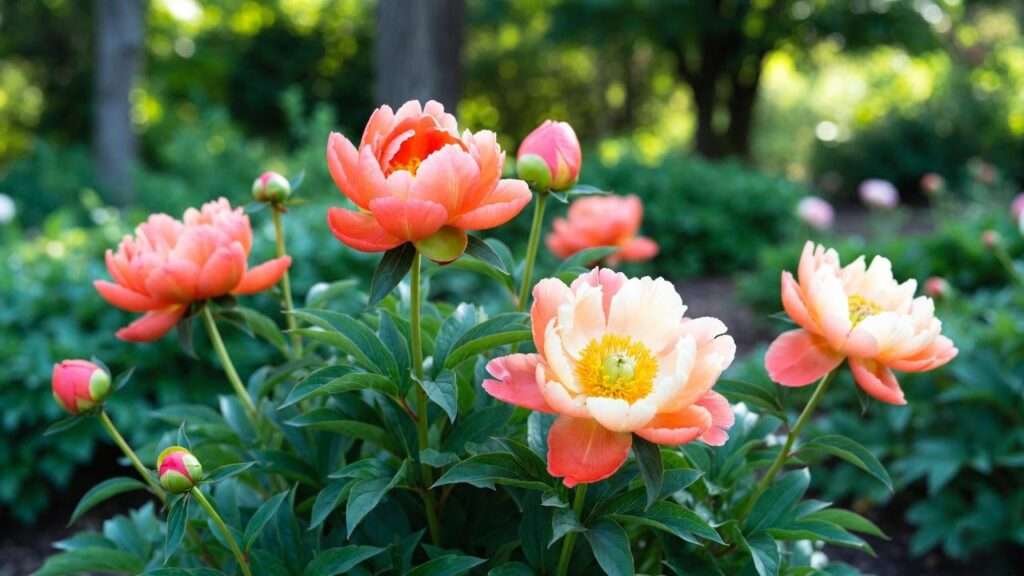
Imagine stepping into your garden on a crisp late-spring morning and being greeted by massive, bowl-shaped flowers that shift colors like a living sunset—starting as deep coral buds, unfurling into glowing coral-peach petals, and gracefully fading to soft ivory, all on the same coral charm peony plant. This isn’t fantasy; it’s the magic of Paeonia ‘Coral Charm’, one of the most celebrated herbaceous peonies ever bred.
As a horticulturist with over 15 years of experience growing peonies in diverse climates—from chilly Zone 3 winters to humid Zone 8 summers—I’ve seen firsthand why ‘Coral Charm’ consistently tops gardeners’ wish lists. This award-winning hybrid, introduced in 1964 by Samuel Wissing, earned the American Peony Society’s prestigious Gold Medal in 2005 and the Royal Horticultural Society’s Award of Garden Merit for its outstanding performance, reliability, and beauty.
Whether you’re a beginner frustrated with peonies that refuse to bloom or an experienced gardener seeking that perfect early-season stunner for cut flowers, this ultimate guide solves the common challenges of growing the coral charm peony plant. We’ll dive deep into proven planting techniques, care routines, troubleshooting, and advanced tips to help you achieve armloads of those jaw-dropping, color-changing blooms with minimal effort. By the end, you’ll have everything needed to cultivate thriving ‘Coral Charm’ peonies that can live 50–100 years in your garden. Let’s get started! 🌷
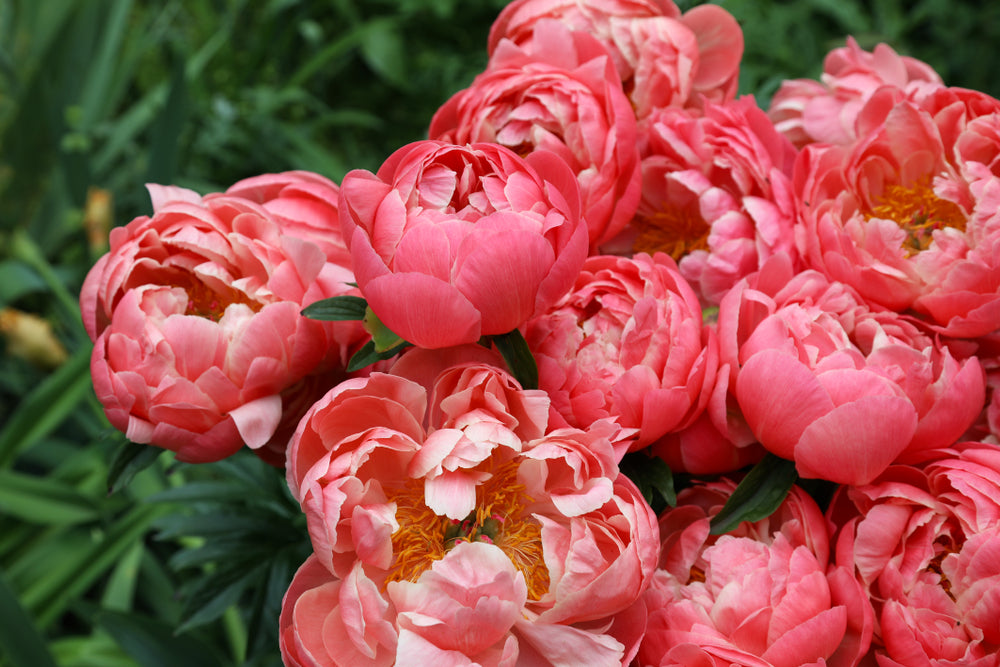
Why Choose the Coral Charm Peony Plant? 🏆
In a world of classic pink and white peonies, ‘Coral Charm’ stands out as a true innovator. Its unique coral tones broke new ground when introduced, offering gardeners a warm, exotic alternative to traditional shades.
Unique Characteristics and Awards
- Flower Form and Size: Large, semi-double blooms up to 8–9 inches across, with bowl-shaped, incurved petals surrounding a center of golden stamens 💛. The petals are neatly arranged in concentric rows, creating a perfectly cupped shape.
- Dramatic Color Evolution: Buds emerge deep coral, open to intense coral-peach, then soften to apricot, peach, and finally pale ivory. This progression means one plant displays multiple hues simultaneously for extended visual interest.
- Bloom Time: One of the earliest hybrid peonies, flowering in late spring to early summer (typically mid-May in Zone 5–6). This extends your peony season when combined with mid- and late-bloomers.
- Plant Habit: Compact and vigorous, reaching 24–36 inches tall and wide, with sturdy stems that rarely flop (though support helps in rain). Glossy, dark green, divided foliage remains attractive all season.
- Cut Flower Excellence: Strong stems and exceptional vase life of 7–10+ days make it a florist favorite. Mildly fragrant or fragrance-free, focusing purely on visual impact.
‘Coral Charm’ has earned its accolades through rigorous trials: the APS Gold Medal recognizes superior garden performance, while the RHS AGM confirms reliability across climates.
Benefits for Your Garden
- Longevity and Low Maintenance: Herbaceous peonies like this can thrive for generations—many plants over 50 years old still bloom profusely.
- Hardiness and Adaptability: USDA Zones 3–8, tolerating extreme cold, heat, and humidity better than many peonies. Deer-resistant and pollinator-friendly 🐝.
- Pest and Disease Resistance: Virtually trouble-free once established, with good airflow preventing most issues.
- Versatility: Ideal for perennial borders, cottage gardens, cutting gardens, or as specimen plants. Pairs beautifully with roses, irises, and salvia.
If you’re tired of peonies that underperform in your region, ‘Coral Charm’ delivers consistent, show-stopping results.
Best Planting Practices for Success 🕳️
The biggest mistake gardeners make with peonies—and the primary reason for no blooms—is improper planting depth. Get this right, and your coral charm peony plant will reward you for decades.
When to Plant
- Optimal Time: Fall (September–October), 4–6 weeks before the first hard frost. This allows roots to establish before winter dormancy ❄️.
- Spring Alternative: Possible in colder zones, but fall planting yields better first-year root growth and earlier blooms.
Purchase bare-root divisions in fall from reputable nurseries for the healthiest starts (3–5 eyes recommended).
Site Selection
- Sunlight: Full sun (6–8+ hours daily) for abundant blooms ☀️. In hot southern climates (Zone 8), afternoon shade prevents scorching.
- Air Circulation: Essential to prevent fungal diseases—avoid crowded spots.
- Avoid Competition: Keep away from tree or shrub roots that steal nutrients and water.
Soil Preparation
- Ideal Soil: Deep, fertile, humus-rich loam with neutral pH (6.5–7.5). Excellent drainage is non-negotiable—peonies hate wet feet.
- Amendments: Incorporate compost, aged manure, or organic matter to improve moisture retention and fertility. If soil is heavy clay, add grit or raised beds.
Step-by-Step Planting Guide (Critical for Blooms!)
- Dig a wide, shallow hole: 18–24 inches wide and 12–18 inches deep to encourage spreading roots.
- Create a mound in the center and position the bare root so the pink “eyes” (buds) are exactly 1–2 inches below soil level (shallower in warmer zones, slightly deeper in cold ones).
- Warning: Too deep = lush foliage but no flowers; too shallow = weak stems and frost damage ⚠️.
- Spread roots downward over the mound, backfill with amended soil, and firm gently.
- Space plants 3–4 feet apart for optimal airflow and mature size.
- Water deeply after planting and mulch lightly with organic material (avoid piling against crown).
Pro Tip from Experience: I’ve replanted “no-bloom” peonies for clients only to find them buried 6+ inches deep. Lifting them to proper depth often produces flowers the next season!
Ongoing Care for Vibrant Blooms 💧
Once your coral charm peony plant is properly planted, the good news is that it requires remarkably little fuss to produce those stunning blooms year after year. Peonies are famously low-maintenance perennials, but a few targeted care practices will maximize flower production, stem strength, and overall health.
Watering
- Establishment Year: New plantings need consistent moisture to develop strong root systems. Aim for about 1 inch of water per week, either from rainfall or supplemental irrigation. Water deeply but infrequently to encourage roots to grow downward.
- Mature Plants: Once established (after 1–2 years), ‘Coral Charm’ is quite drought-tolerant thanks to its fleshy roots that store water. However, provide deep watering during prolonged dry spells, especially in spring when buds are forming and during hot summers.
- Best Practices: Water at the base of the plant early in the day to keep foliage dry and reduce disease risk. Avoid overhead sprinklers—use soaker hoses or drip irrigation instead 🌧️.
- Signs of Stress: Wilting leaves indicate thirst; yellowing lower leaves can signal overwatering or poor drainage.
In my experience working with clients in varying climates, consistent (but not excessive) moisture in the bud-swelling stage often doubles the number of blooms.
Fertilizing
Peonies are not heavy feeders—over-fertilizing, especially with nitrogen, leads to lush foliage at the expense of flowers and can cause weak, floppy stems.
- Timing and Type: Apply a balanced, low-nitrogen fertilizer (such as 5-10-10 or bone meal) in early spring as new shoots emerge. A single application is usually sufficient.
- Organic Options: Top-dress with 1–2 inches of well-rotted compost or aged manure annually in spring or fall. This slowly releases nutrients and improves soil structure.
- Avoid Common Mistakes: Skip high-nitrogen lawn fertilizers near peonies, and never fertilize after midsummer to allow plants to harden off for winter.
Expert Insight: Soil tests from hundreds of gardens I’ve consulted show that most peony issues stem from nutrient imbalances rather than deficiencies—rich, amended soil at planting often eliminates the need for supplemental feeding for years.
Supporting Heavy Blooms
Despite ‘Coral Charm’s relatively sturdy stems, those massive 8–9 inch flowers can weigh branches down, especially after rain.
- Support Options: Install peony rings, grow-through grids, or tomato cages in early spring when shoots are 6–12 inches tall. This allows stems to grow up through the support naturally 🌿.
- DIY Alternatives: Link stakes with twine or use bamboo stakes tied in a crisscross pattern.
- Why It Matters: Proper support keeps blooms upright, prevents stem breakage, and improves air circulation.

(These images illustrate effective support methods for heavy peony blooms, keeping ‘Coral Charm’ looking pristine even in wet weather.)
Pruning and Deadheading
- Deadheading: Remove spent flowers just below the bloom (above the first strong leaf) to prevent seed formation and redirect energy back to the roots. This can encourage stronger growth for next year.
- Fall Cleanup: After the first hard frost, when foliage turns yellow/brown, cut stems to 2–3 inches above ground level. Remove and destroy (don’t compost) all debris to eliminate overwintering pathogens.
- No Summer Pruning: Never cut back green foliage—it’s photosynthesizing and building energy reserves.
Following this simple routine ensures your coral charm peony plant stays healthy and productive for decades.
Common Problems and Expert Solutions 🛠️
Even the toughest peonies can encounter occasional issues. Here’s how to diagnose and fix the most frequent problems with ‘Coral Charm’.
Why No Blooms? Troubleshooting Guide
This is the #1 question I receive from peony growers. Potential causes:
- Incorrect Planting Depth (Most Common): Eyes too deep (>2 inches) or too shallow (<1 inch). Solution: Carefully lift and replant at proper depth in fall.
- Insufficient Sunlight: Less than 6 hours daily reduces flowering. Relocate if possible or prune overhanging branches.
- Plant Immaturity: New divisions often take 2–3 years to bloom reliably as roots establish.
- Late Frost Damage: Buds blackened by spring frost. Protect with breathable fabric on cold nights.
- Nutrient Issues: Excess nitrogen or poor soil fertility. Adjust feeding accordingly.
- Insufficient Winter Chill: Rare in Zones 3–8, but southern gardeners may need varieties with lower chill requirements.
Pro Tip: Patience pays off—I’ve seen “non-blooming” peonies explode with flowers after one correction.
Pests and Diseases
‘Coral Charm’ is remarkably resistant, but vigilance helps.
- Ants on Buds: Completely harmless! Ants feed on sweet nectar and actually help open tight buds 🐜. No treatment needed.
- Botrytis Blight (Gray Mold): Fuzzy gray mold on buds/leaves in cool, wet springs. Prevention: Good airflow, morning sun, fall cleanup. Treatment: Remove affected parts; apply copper-based fungicide early if recurrent.
- Root Rot: From poorly drained soil. Ensure excellent drainage at planting.
- Other Rare Issues: Aphids (blast with water), powdery mildew (improve circulation), or viral diseases (remove infected plants).
Expert Prevention Strategy: Plant in raised beds in heavy soils, space properly, and clean up thoroughly each fall—these steps eliminate 95% of potential problems.
Advanced Growing Tips for Show-Stopping Results ✨
Ready to take your coral charm peony plant to the next level?
Container Growing
Yes, it’s possible! Choose a large container (minimum 20 gallons) with drainage holes.
- Use a rich, well-draining potting mix amended with compost.
- Water and fertilize more frequently than in-ground plants.
- Overwinter by mulching heavily or moving to an unheated garage in cold zones.
Great for patios or small spaces, though in-ground performance is superior long-term.
Extending Bloom Time
‘Coral Charm’ naturally blooms early, but strategic choices extend your peony season:
- Plant alongside midseason varieties like ‘Sarah Bernhardt’ and late ones like ‘Bartzella’ for 6+ weeks of flowers.
- For cut flowers: Harvest in the “marshmallow” stage (buds soft when squeezed) for maximum vase life and indoor color progression.

Companion Planting Ideas
Create breathtaking borders by pairing with complementary plants:
- Spring Bulbs: Daffodils, tulips, or alliums for early color.
- Perennials: Bearded irises, catmint (Nepeta), salvia, roses, or lupines for texture and extended bloom.
- Foliage Contrast: Lady’s mantle (Alchemilla) or heuchera for soft fillers.
- Color Themes: Coral pairs beautifully with purples (alliums, salvia) or blues (geranium ‘Rozanne’).

Seasonal Care Calendar 📅
A clear, month-by-month (or season-by-season) roadmap makes growing the coral charm peony plant foolproof. Here’s a practical calendar based on typical Zone 5–6 conditions—adjust slightly for your local climate.
Spring (March–May) 🌱
- Early Spring (as soon as soil is workable): Remove winter mulch gradually. Install peony supports or rings when red shoots (“noses”) emerge 4–8 inches tall.
- Mid-Spring: Apply a light dressing of balanced fertilizer or compost around the base (avoid direct contact with emerging shoots).
- Late Spring: Monitor for late frosts—cover buds with breathable fabric if temperatures dip below 28°F (-2°C). Begin deep watering if rainfall is insufficient as buds swell.
- Bloom Time (usually mid-to-late May): Enjoy the show! Cut flowers early in the morning for longest vase life.
Summer (June–August) ☀️
- Early Summer: Deadhead spent blooms promptly to keep plants tidy and redirect energy.
- Midsummer: Water deeply during heat waves or dry periods (1–2 inches per week). Mulch to retain moisture and suppress weeds.
- Late Summer: Allow foliage to remain—it’s feeding the roots for next year’s flowers. No pruning or fertilizing now.
Fall (September–November) 🍂
- Early Fall: Best time to plant new bare-root divisions or transplant established clumps.
- Mid-Fall: After first hard frost, cut foliage to 2–3 inches above ground. Remove and dispose of all debris (critical for disease prevention).
- Late Fall: Apply a light 2-inch layer of mulch (shredded leaves or straw) after ground freezes to protect from heaving in cold zones. Remove most mulch in early spring.
Winter (December–February) ❄️
- Dormancy period—no active care needed. ‘Coral Charm’ is fully hardy in Zones 3–8 and requires winter chill for strong blooming.
Following this calendar consistently is one of the biggest secrets to decades of reliable, abundant blooms.
Frequently Asked Questions (FAQs) ❓
How long do Coral Charm peonies live?
With proper planting and basic care, herbaceous peonies like ‘Coral Charm’ routinely live 50–100 years or more. Many historic gardens feature plants over a century old still blooming beautifully.
Do Coral Charm peonies have fragrance?
They have little to no fragrance—sometimes a very mild, pleasant scent. Gardeners choose ‘Coral Charm’ primarily for its unmatched color progression and flower form rather than scent.
Can I grow Coral Charm peonies in hot climates (Zone 8)?
Yes! It performs well up to Zone 8. Provide afternoon shade in the hottest regions, ensure excellent drainage, and mulch to keep roots cool. Many southern gardeners report excellent results.
Why are there ants on my peony buds?
Ants are attracted to the sweet nectar exuded by peony buds. They’re completely harmless and actually beneficial—they protect buds from other pests and help the flowers open fully 🐜. Never use insecticides; the ants will leave once blooms open.
When and how should I divide Coral Charm peonies?
Division is rarely necessary—only if the clump becomes overcrowded (reduced blooming in center) after 10–15 years. Divide in early fall:
- Dig up the entire clump.
- Wash roots gently to see eyes.
- Cut into sections with 3–5 eyes each using a sharp, clean knife.
- Replant immediately at correct depth.
Younger plants recover faster and bloom sooner.
Will Coral Charm bloom the first year after planting?
Usually not. Most bare-root divisions take 1–3 years to establish and produce full blooms. You may get a few flowers in year 2, with peak performance by year 3–4. Patience is key!
Are Coral Charm peonies deer-resistant?
Highly deer-resistant due to fuzzy buds and bitter foliage. In high-deer areas, new spring shoots may still get nibbled—use repellents or fencing until established.
Can I grow them from seed?
Technically yes, but not recommended. Peony seeds take 2 years to germinate and 5–7 years to bloom, and seedlings won’t be true to ‘Coral Charm’. Always propagate named hybrids by division.
Conclusion: Start Your Coral Charm Journey Today! 🌟
The coral charm peony plant isn’t just another flower—it’s a living masterpiece that brings drama, elegance, and joy to gardens for generations. From its captivating coral-to-ivory color transformation and massive, perfectly formed blooms to its remarkable hardiness and low-maintenance nature, ‘Coral Charm’ delivers everything a gardener could want in a perennial.
Whether you’re dreaming of armfuls of luxurious cut flowers, a show-stopping border that turns heads, or simply a reliable, long-lived beauty that requires almost no fuss, this award-winning peony checks every box.
Armed with this ultimate guide—covering correct planting depth (the #1 key to success), seasonal care, troubleshooting, and advanced tips—you now have the expert knowledge to grow thriving, breathtaking ‘Coral Charm’ peonies in your own garden.
Order those bare roots this fall, plant them with care, and get ready for a lifetime of stunning spring displays. Your future self (and your neighbors!) will thank you. Happy gardening! 🌸✨











