
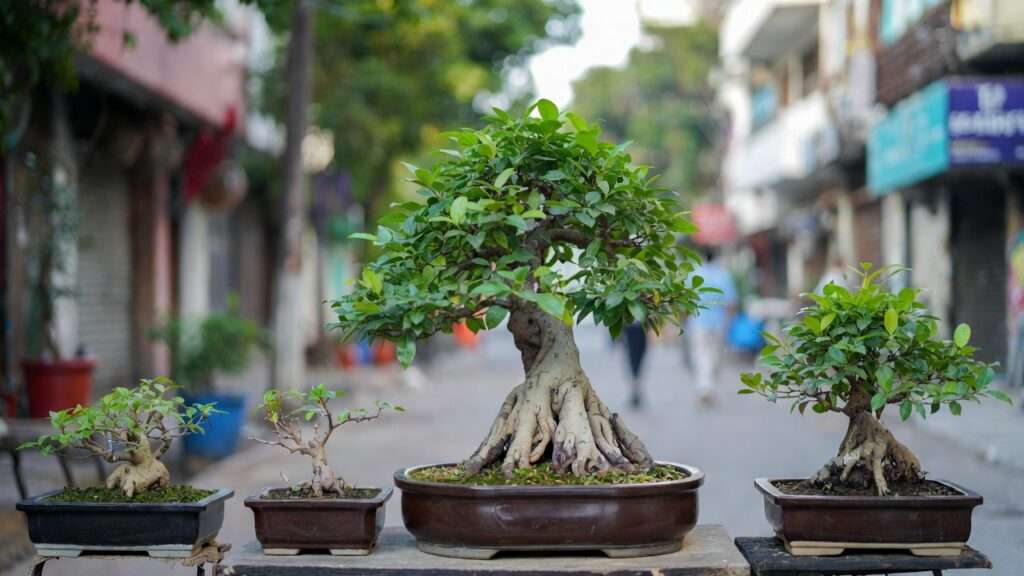
Imagine cradling an entire ancient forest in the palm of your hand – tiny twisted trunks, delicate branches, and lush foliage that capture the essence of a full-sized tree in miniature form. That’s the enchanting world of creating shohin and mame bonsai! 🌳👐
These petite masterpieces are perfect for urban gardeners in places like Dhaka, where space is limited and balconies or windowsills become your personal zen garden. Shohin (typically 10–25 cm or 4–10 inches tall) and mame (up to about 10 cm or 4 inches) bonsai offer portability, faster styling cycles, and breathtaking display impact without needing acres of land.
But here’s the real challenge many enthusiasts face: Standard bonsai guides focus on larger trees, leaving small-size creators battling rapid soil drying, ultra-precise pruning needs, fragile wiring, and the quest for that aged, mature look in record time. This comprehensive guide changes that. As a dedicated bonsai practitioner with years of hands-on experience refining miniature trees (inspired by masters like Morten Albek), I’ll walk you through every stage – from species selection to show-worthy refinement.
By the end, you’ll have the tools, techniques, and confidence to craft your own stunning miniature trees that thrive and impress. Let’s dive in! 🌱
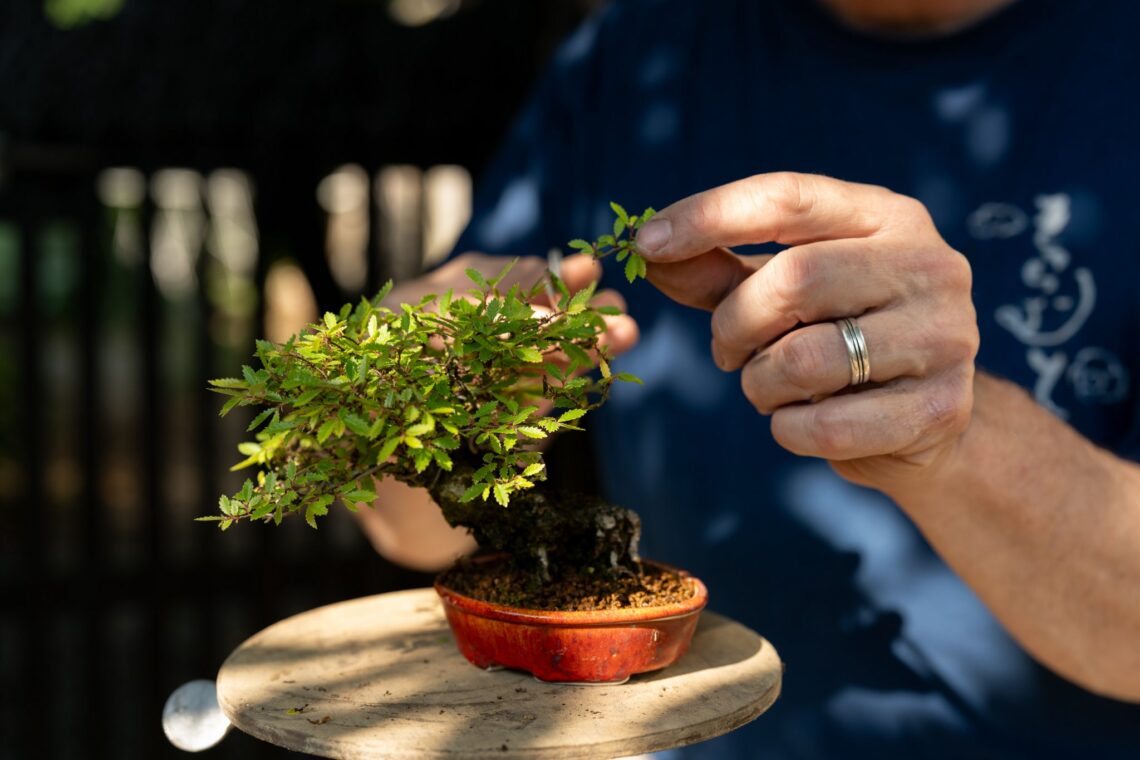
Understanding Shohin vs. Mame Bonsai – Key Differences & Why Size Matters 🆚
Shohin and mame bonsai fall under the “small goods” category in traditional Japanese classification, but they differ in scale and demands.
Official Size Classifications & Display Rules According to standards from the All Japan Shohin Bonsai Association and common bonsai communities:
- Mame bonsai: Up to ~10 cm (4 inches) tall from pot rim to apex – often called “one-hand” or “bean” size (mame means bean in Japanese). These are ultra-compact, ideal for group displays (saikei) or tiny shelves.
- Shohin bonsai: Typically 10–25 cm (4–10 inches), sometimes up to 20–28 cm depending on regional variations. Small enough for one-handed handling but with more room for detailed branching.
Display rules often allocate 90×180 cm areas for shohin exhibits (with 3–7 trees) and smaller 120 cm lengths for mame, emphasizing balance and harmony.
Unique Challenges & Advantages of Tiny Bonsai Advantages:
- Faster development – branches ramify quicker in small pots.
- Space-saving and portable – perfect for apartments or travel displays.
- High visual impact – tiny trees punch above their weight in elegance.
Challenges:
- Soil dries out extremely fast (daily or twice-daily watering in hot climates like Dhaka’s summers).
- Roots have limited space – aggressive root pruning needed without shocking the tree.
- Precision required – wiring tiny branches demands fine tools; overdoing it snaps them easily.
- Achieving maturity illusion – small leaves/nodes are key for realism.
When to Choose Shohin vs. Mame for Your Project Start with shohin if you’re new – more forgiving for building nebari (root flare) and taper. Move to mame once comfortable with frequent care. Both reward patience with jaw-dropping results!
Choosing the Best Species for Shohin and Mame Success (Beginner-Friendly Picks) 🌱🔝
Species selection is crucial – small leaves, compact growth, and resilience win for miniatures.
Top 8 Recommended Species for Beginners (with quick pros/cons):
- Ficus (e.g., Ficus microcarpa/retusa) – Forgiving, fast-growing, great indoor tolerance. Pros: Excellent ramification, heals well. Cons: Needs bright light.
- Chinese Elm (Ulmus parvifolia, especially ‘Hokkaido’) – Classic, adaptable, small leaves. Pros: Responds to pruning, good bark texture. Cons: Deciduous in cold.
- Juniper (J. procumbens ‘nana’ or J. chinensis ‘Kishu’) – Evergreen, classic bonsai look. Pros: Deadwood potential, hardy. Cons: Slower indoors.
- Trident Maple (Acer buergerianum) – Stunning fall color, fine branches. Pros: Great for shohin taper. Cons: Needs protection from extreme heat.
- Cotoneaster (horizontalis or dammeri) – Compact, berries add charm. Pros: Easy ramification. Cons: Prone to pests if stressed.
- Privet (Ligustrum) – Vigorous grower, small leaves. Pros: Forgiving for beginners. Cons: Can get leggy without pruning.
- Boxwood (Buxus) – Dense foliage, evergreen. Pros: Holds shape well. Cons: Slow growth.
- Japanese Maple (Acer palmatum varieties like ‘Kotohime’) – Elegant leaves. Pros: Seasonal drama. Cons: Sensitive to drying.
Avoid large-leafed species (e.g., standard oaks) initially – they look disproportionate in mini pots.
Expert Insight: Leaf/node size directly impacts realism. Tiny internodes create the illusion of age and scale – prioritize species with naturally small foliage for believable miniature landscapes.

Sourcing & Starting Material – The Foundation of Great Mini Bonsai 🛒🌿
Great shohin/mame start with promising raw material.
Nursery Stock Transformation (fastest for beginners):
- Hunt for young plants with thick bases, good roots, and compact growth.
- Step-by-step: Prune heavily to shape, wire trunk/branch structure, pot in small training container.
Yamadori & Collected Material Tips: Ethical wild collection (with permission) yields aged trunks – ideal for instant character.
Growing from Seed, Cuttings, or Air-Layering: Ultimate control – ficus cuttings root easily; maples from seed develop strong nebari over years.
Pro Tip: Look for thick lower trunk, surface roots, and short internodes – these scream shohin/mame potential!
Step-by-Step Creation Process – From Raw Material to Bonsai 🛠️📈
Now comes the exciting part: transforming your chosen material into a true miniature bonsai. Patience is key – shohin and mame often develop character faster than larger trees due to confined roots encouraging ramification.
Step 1: Initial Styling & Major Structural Pruning ✂️ Start by removing anything that doesn’t fit your vision: dead branches, crossing limbs, and excess foliage. For nursery stock: Cut back hard to 1/3–1/2 height to force low branching and taper. Use concave cutters for clean cuts that heal smoothly. Aim for a basic front view with good trunk movement (S-curve or informal upright). In hot Dhaka summers, do this in early morning or shade to reduce stress. Pro tip: Leave some sacrifice branches (long, vigorous shoots) at the base to thicken nebari and trunk quickly.
Step 2: Building Taper, Movement & Nebari (Root Flare) 🌿 Taper (thicker base narrowing upward) is the hallmark of aged bonsai.
- Ground growing hack (highly recommended for shohin/mame): Plant your pre-bonsai in a large training pot or directly in the ground for 1–2 years. Roots expand rapidly, thickening the trunk and creating surface nebari.
- After thickening, unearth, prune roots aggressively (remove 1/3–1/2), and pot into a smaller container. For movement: Gently bend the trunk during wiring or use guy wires for subtle curves. Avoid sharp bends in tiny trees – they snap easily.
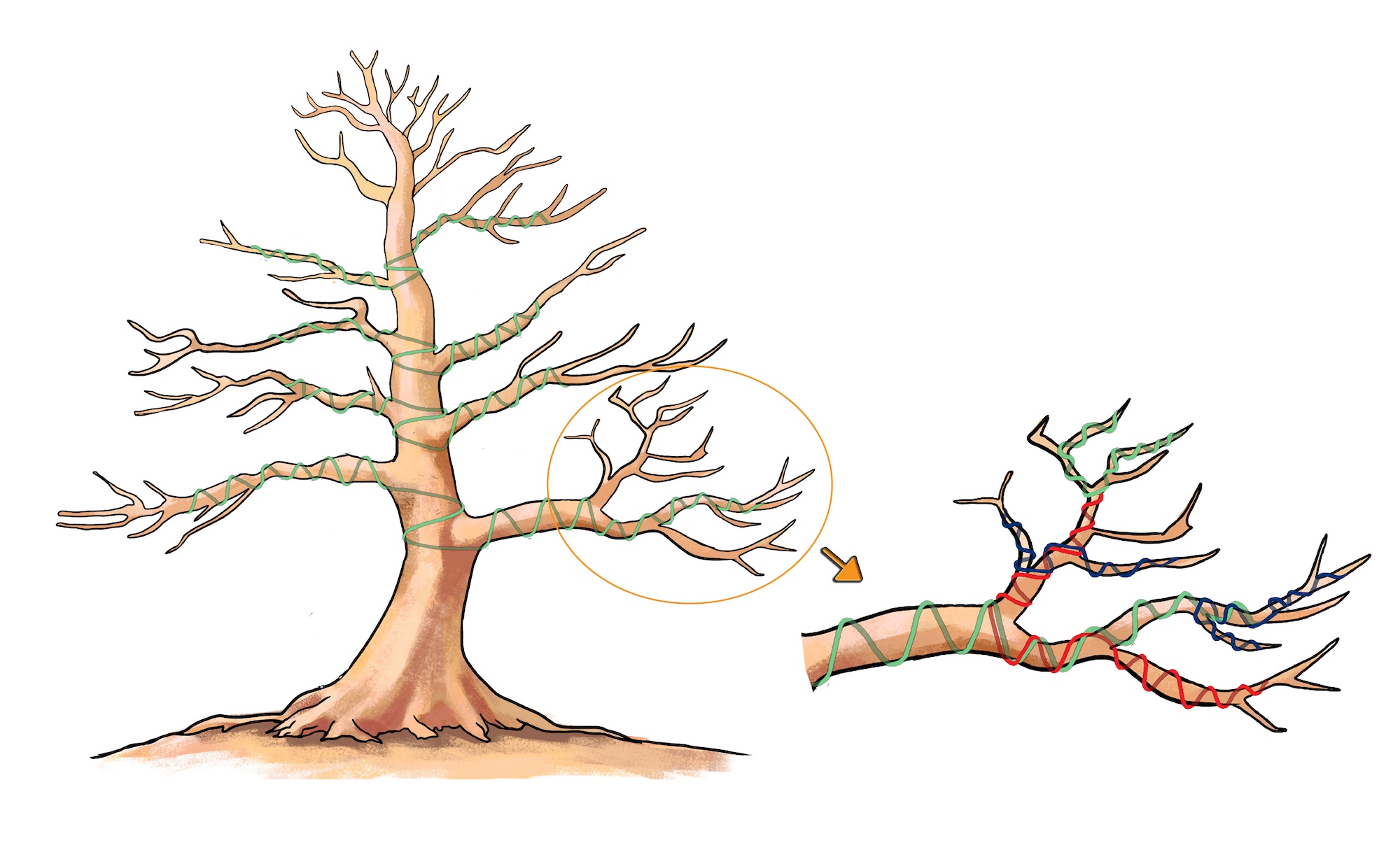
Step 3: Wiring Tiny Branches – Tools & Techniques 🔧 Wiring is essential for directing growth in small sizes – use anodized aluminum wire (softer than copper for delicate branches).
- Sizes: 1–2 mm for primary branches, 0.5–1 mm for secondary.
- Technique: Anchor wire at trunk base, coil at 45° angle, bend gently. Cover 1/3 of branch thickness max to avoid scarring.
- Remove after 3–6 months (check monthly – tiny branches thicken fast). Use fine pliers and branch cutters to avoid damage. Practice on scrap material first!
Step 4: First Potting & Soil Mix Secrets for Fast Drying Prevention 🪴 Mini pots dry out in hours during Dhaka’s heat – combat this with:
- Soil mix: 50–60% akadama (or baked clay), 20–30% pumice/lava rock for drainage, 10–20% organic (pine bark or sphagnum) for moisture retention. Sift for fine particles in mame.
- Pot choice: Shallow, unglazed for evaporation; ensure drainage holes.
- After potting: Water thoroughly, place in semi-shade for 2–4 weeks. Use humidity trays (pebbles + water) to boost ambient moisture.

Step 5: Developing Ramification & Fine Branching (pad creation) 🌳 Ramification (dense twigging) creates the full, mature look.
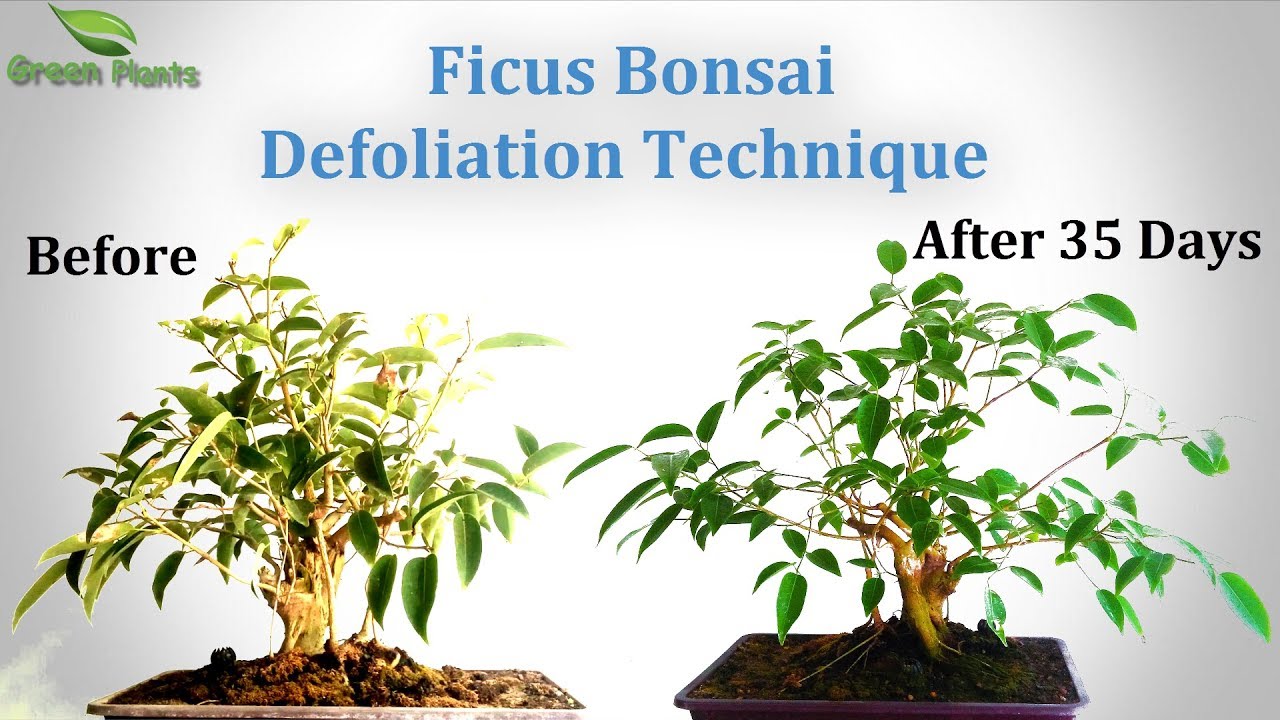
- Pinch new shoots when they extend 4–6 nodes (for ficus/elm).
- Use clip-and-grow: Let shoots grow, prune back to 2–3 leaves repeatedly.
- Create pads (foliage clouds): Position branches in layers, prune to encourage back-budding. In 1–3 years of consistent work, your tree transforms from sparse to lush!
Essential Care for Shohin & Mame – Daily, Weekly & Seasonal Routines 💧☀️
The biggest difference between large bonsai and miniature ones is care intensity. Shohin and mame demand near-daily attention, especially in Dhaka’s hot, humid, and often dusty climate. Master these routines and your tiny trees will thrive for decades.
Watering Mastery – The #1 Challenge in Mini Bonsai 🌊 Mini pots (especially shallow ones) can dry out completely in 4–12 hours during summer.
- Daily check: Stick your finger 1 cm into the soil – water when the top feels dry. In peak heat (April–June in Dhaka), water twice daily.
- Best method: Use a fine-nozzle watering can or mist sprayer to avoid disturbing soil. Water until it runs freely from drainage holes.
- Humidity tricks: Place pots on trays filled with pebbles and water (keep water below pot base). Group trees together to create a micro-humid zone. Indoor growers benefit from a small humidifier nearby.
- Overwatering warning: Never let roots sit in standing water – root rot kills fast in small volumes.
Ideal Light & Placement (Indoor vs. Outdoor) ☀️
- Outdoor preferred: Full morning sun + afternoon shade (east-facing balcony ideal). Rotate pots weekly for even growth.
- Indoor option: Bright indirect light (south-facing window) minimum 6 hours. Supplement with full-spectrum LED grow lights (6500K, 12–14 hours/day) during monsoon or winter gloom.
- Temperature note: Most species tolerate 15–35°C; protect from below 10°C (move indoors) and above 38°C (shade + misting).
Fertilizing Small Pots Without Burning Roots 🌱 Use diluted, balanced liquid fertilizer (e.g., 5-5-5 or bonsai-specific like Biogold) every 7–10 days in growing season (March–October).
- Halve the recommended strength – tiny root systems burn easily.
- Organic slow-release pellets (placed on soil surface) work well for consistent feeding.
- Winter: Reduce to monthly or stop if deciduous species drop leaves.
Pest & Disease Prevention in Confined Spaces 🐛 Common issues: Spider mites (dust + heat), scale, fungal spots from poor airflow.
- Inspect weekly under leaves with a magnifying glass.
- Preventive: Neem oil spray (diluted) every 2 weeks; good airflow (small fan on low).
- Treatment: Alcohol-dipped cotton swab for scale; horticultural soap for mites.
Repotting Schedule & Root-Pruning Precision 🪴 Repot every 1–2 years for mame, every 2–3 for shohin (spring, before new growth).
- Gently tease out old soil, prune 1/3–1/2 of roots (keep fine feeder roots).
- Use fresh soil mix; secure tree with wire through drainage holes if needed.
- Post-repot: Shade + frequent misting for 3–4 weeks.
Advanced Refinement Techniques for Show-Worthy Results 🏆✂️
Once the basic structure is set, focus on refinement to create that “ancient tree in miniature” illusion.
Creating Deadwood (jin/shari) on Tiny Trees Safely Deadwood adds age and character – but go slow on small trees.
- Jin (dead branch tips): Strip bark, carve with precise scalpel, whiten with lime sulfur (diluted).
- Shari (dead trunk areas): Carefully remove bark strips with chisel; preserve live veins. Use only on hardy species like juniper; avoid on ficus/elm initially.
Achieving Mature Bark Texture Quickly
- Trunk peeling: On Chinese elm or trident maple, gently flake loose bark annually.
- Fertilize moderately + sun exposure to encourage roughening.
- Ground-growing phase (as mentioned earlier) speeds bark development dramatically.
Seasonal Pruning Calendars by Species (Dhaka climate adapted)
- Ficus/Chinese Elm: Pinch year-round; heavy prune Feb–March.
- Juniper: Candle prune May–June; structural prune late winter.
- Maples: Prune after leaf drop (Dec–Jan) to avoid bleeding.
- Evergreens (Boxwood, Cotoneaster): Light trim spring–fall.
Grafting & Approach Techniques for Shohin Upgrades
- Thread grafting or approach grafting to add branches in ideal positions.
- Useful for fixing weak areas or creating twin-trunk designs on small trees.
Expert Insight (inspired by shohin specialists like Morten Albek): “In miniature bonsai, less is more. Every branch must earn its place – remove 70% of what grows to reveal the 30% that creates elegance.”
Common Mistakes & Troubleshooting for Shohin/Mame Growers ⚠️
Why Your Tree Dies Quickly (and fixes)
- Cause #1: Under-watering → Solution: Set phone reminders; use moisture meters.
- Cause #2: Over-fertilizing → Flush soil with plain water if burn appears.
- Cause #3: Poor drainage → Always use gritty mix + good pot holes.
Over-Wiring & Branch Dieback
- Wires left too long scar or girdle tiny branches. Mark wiring dates on pots!
Weak Ramification & How to Fix It
- Not pinching soon enough → Resume clip-and-grow aggressively.
- Insufficient light → Move to brighter spot or add grow lights.
Pot Selection & Aesthetic Rules for Mini Displays
- Pot should be 1/3–2/3 tree height; unglazed earthy tones suit most.
- Oval/rectangular for informal; round for formal upright.
Displaying Your Mini Masterpieces – Creative Ideas & Tips 🖼️🌸
The moment your shohin or mame bonsai reaches a refined stage, displaying it properly elevates it from “nice little plant” to “living artwork.” Miniature trees shine brightest when presented thoughtfully.
Solo vs. Group (Saikei) Displays
- Solo display: Ideal for shohin – use a simple wooden stand (dai) or minimalist table. Position the tree slightly off-center for dynamic asymmetry.
- Group plantings (saikei or penjing style): Mame excel here. Create tiny forests with 3–9 small trees of varying heights on a shallow tray. Use moss, small rocks, and accent plants (e.g., Selaginella or miniature ferns) to suggest a natural landscape. This format is especially popular in competitions and home displays because it tells a story in a tiny space.
Accent Plants & Stands for Shohin Impact
- Add kusamono (companion grass/herb) or shitakusa (accent plant) – something low and contrasting like dwarf mondo grass or small mondo.
- Stands: Choose dark wood or black lacquer for contrast. Height should be about 1/3 the pot height. Multi-tiered stands work beautifully for displaying several shohin together.
Photography Tips to Show Off Tiny Details
- Use macro lens or smartphone macro mode + natural diffused light (overcast day or near window).
- Background: Plain white/gray/black card or natural wood.
- Angles: Eye-level or slightly above to emphasize nebari and trunk movement.
- Post-processing: Slight sharpening and contrast boost to highlight bark texture and leaf detail. Share on bonsai forums – feedback accelerates improvement!
FAQs – Your Most Common Questions Answered ❓
1. How long does it take to create a nice shohin or mame bonsai? From nursery stock: 2–5 years to a presentable tree with good ramification. From seed/cutting: 5–10+ years for mature character. Ground-growing phase speeds trunk and nebari development significantly.
2. Can I keep mame bonsai indoors year-round? Yes for tropical species like ficus, but provide strong grow lights (12–16 hours) and high humidity. Deciduous species (maple, elm) need outdoor cold dormancy for best health.
3. What are the best beginner tools under $50 for shohin/mame work? Concave cutters (small size), fine wire (1–2 mm), twig shears, root hook, and a basic watering can with fine rose. A cheap jeweler’s loupe helps spot pests early.
4. Why do my miniature bonsai leaves stay large even after years? Insufficient light, over-fertilizing, or infrequent pinching. Increase sun/grow light, reduce nitrogen, and defoliate selectively (remove large leaves) in spring/summer.
5. How often should I repot shohin vs. mame? Mame: Every 1–2 years (roots fill fast). Shohin: Every 2–4 years depending on species and vigor.
6. Is it okay to use regular potting soil for miniature bonsai? No – it compacts and retains too much water. Always use a free-draining bonsai mix (akadama/pumice/lava).
7. Can I wire mame branches the same way as larger bonsai? Yes, but use thinner wire and remove sooner (often 2–4 months). Tiny branches scar more visibly.
8. What’s the easiest species to start creating shohin/mame right now? Ficus microcarpa or retusa – forgiving, fast-growing, tolerant of mistakes, and excellent for indoor Dhaka conditions.
9. How do I make my tree look older faster? Ground grow for trunk taper, heavy root pruning, sun exposure for bark, repeated pinching for ramification, and careful deadwood creation.
10. Where can I buy good shohin/mame pots in Bangladesh? Local nurseries in Dhaka (e.g., around Farmgate, Uttara, or Mirpur), online via Daraz/Facebook groups, or import affordable Chinese unglazed pots from bonsai suppliers.
Conclusion 🌟
Creating shohin and mame bonsai is one of the most rewarding journeys in plant care. These tiny trees teach patience, precision, and appreciation for nature’s smallest details – all while fitting perfectly into modern urban life in places like Dhaka.
From selecting the right species and starting material, through structural styling, wiring, and daily care, to advanced refinement and beautiful display, you now have a complete roadmap. Start small: Pick one promising nursery plant this week, follow the steps, and watch it transform.
The rewards? A living miniature masterpiece you can hold in your hand, a daily moment of calm, and the quiet pride of mastery over something truly delicate and beautiful.
Have you started your first shohin or mame yet? Share your progress, questions, or photos in the comments below – I’d love to see your tiny trees grow! 🌳💚











