
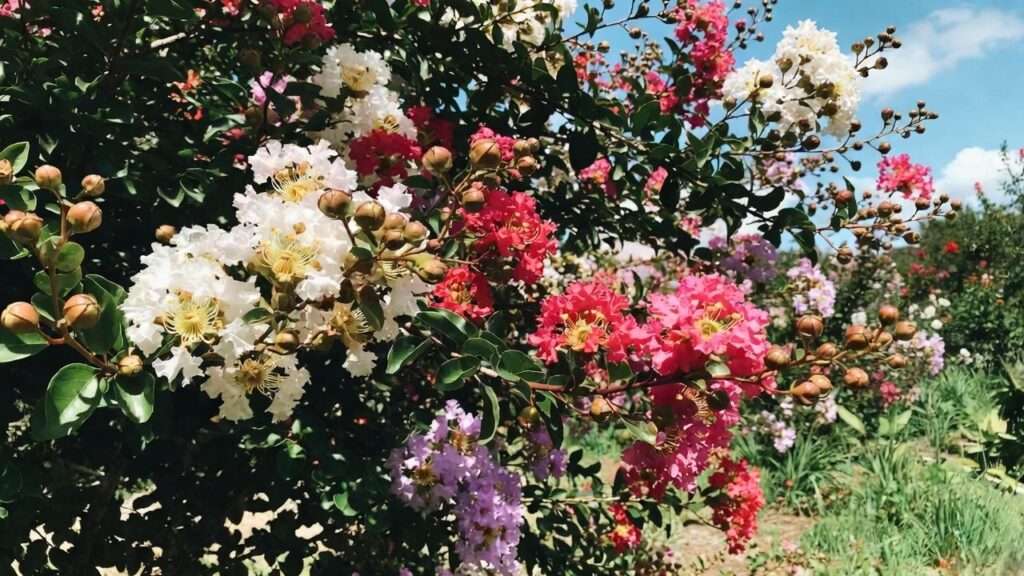
Imagine stepping into your backyard on a warm summer morning and being enveloped by massive panicles of ruffled, crepe-paper-like blooms exploding in vivid pinks, fiery reds, soft lavenders, or pristine whites. These aren’t fleeting flowers—they can last up to 120 days, turning an ordinary landscape into a breathtaking oasis. If you’re searching for crepe myrtle tree colours to elevate your garden, you’ve come to the right place.
Crepe myrtles (Lagerstroemia indica and hybrids) are among the most beloved ornamental trees and shrubs in warm climates, prized for their extended summer blooming season, stunning fall foliage, and attractive exfoliating bark that adds winter interest. As a horticulturist with over 15 years of hands-on experience designing landscapes and caring for these “lilacs of the South,” I’ve helped countless gardeners select the perfect bloom shades to match their vision, soil, and climate.
In this comprehensive guide, we’ll dive deep into the spectacular spectrum of crepe myrtle tree colours, explore top varieties (including mildew-resistant hybrids popular in 2026), and provide expert tips on choosing, planting, and caring for them to achieve the most vibrant displays. Whether you’re aiming for a romantic cottage garden, a bold focal point, or a pollinator-friendly haven, you’ll find everything you need to confidently pick the ideal shades for lasting beauty. Let’s unlock the magic of these versatile plants! 🌳✨
What Are Crepe Myrtles? A Quick Expert Primer 🌳
Crepe myrtles, often spelled crape myrtles, belong to the genus Lagerstroemia, with the most common species being Lagerstroemia indica (native to Asia) and its hybrids with Lagerstroemia fauriei for improved disease resistance. These deciduous trees or multi-stemmed shrubs are hardy in USDA zones 6-10 (some newer cultivars push into zone 5 with protection), making them ideal for Southern gardens but increasingly popular northward due to cold-hardy introductions.
What sets them apart? Their extraordinary bloom time—from early summer through fall—far outlasting many other flowering trees. Clusters (panicles) of crinkled petals appear in abundance, followed by brilliant autumn leaf colors in shades of orange, red, and purple. In winter, the smooth, peeling bark in tones of cinnamon, gray, and tan provides architectural interest.
From my experience consulting on thousands of plantings, crepe myrtles thrive in heat and humidity, tolerate drought once established, and attract pollinators like bees and butterflies. They’re low-maintenance champions, but proper variety selection—especially for bloom color and size—is key to avoiding common pitfalls like powdery mildew or mismatched scale in the landscape.
The Spectacular Range of Crepe Myrtle Tree Colours: From Soft Pastels to Bold Hues 🎨
Crepe myrtle flower colors span a dazzling array, but notably absent are true blues, yellows, or oranges. Instead, breeders have perfected whites, pinks (from blush to magenta), reds (cherry to watermelon), lavenders, and deep purples. Some cultivars even feature bi-color blooms or contrasting dark foliage for added drama.
Color intensity depends on several factors: full sun exposure (essential for the boldest hues), slightly acidic soil (pH 5.5-6.5), and genetic traits. In hotter climates, colors pop more vibrantly, while partial shade can mute them.
For visual inspiration, picture a color palette dominated by warm and cool tones that harmonize beautifully with perennials, evergreens, and hardscapes.
White Blooms: Elegant and Timeless ❕
White crepe myrtle flowers offer clean, sophisticated elegance, brightening shaded corners, reflecting moonlight in evening gardens, and pairing seamlessly with any color scheme. They’re especially cooling in hot climates and evoke classic Southern plantation charm.
Top varieties:
- Natchez: A tall (20-30 ft) tree-form with pure white panicles, outstanding cinnamon bark, and excellent mildew resistance. One of the most popular for specimen planting.
- Acoma: Dwarf/semi-dwarf (8-12 ft), weeping habit, abundant white blooms.
- Black Diamond Pure White: Contrasting blackish-purple foliage makes the white flowers glow.
Expert tip: White varieties like Natchez reflect heat, reducing urban heat island effects in patios or driveways.

Pink Blooms: Romantic and Versatile 💕
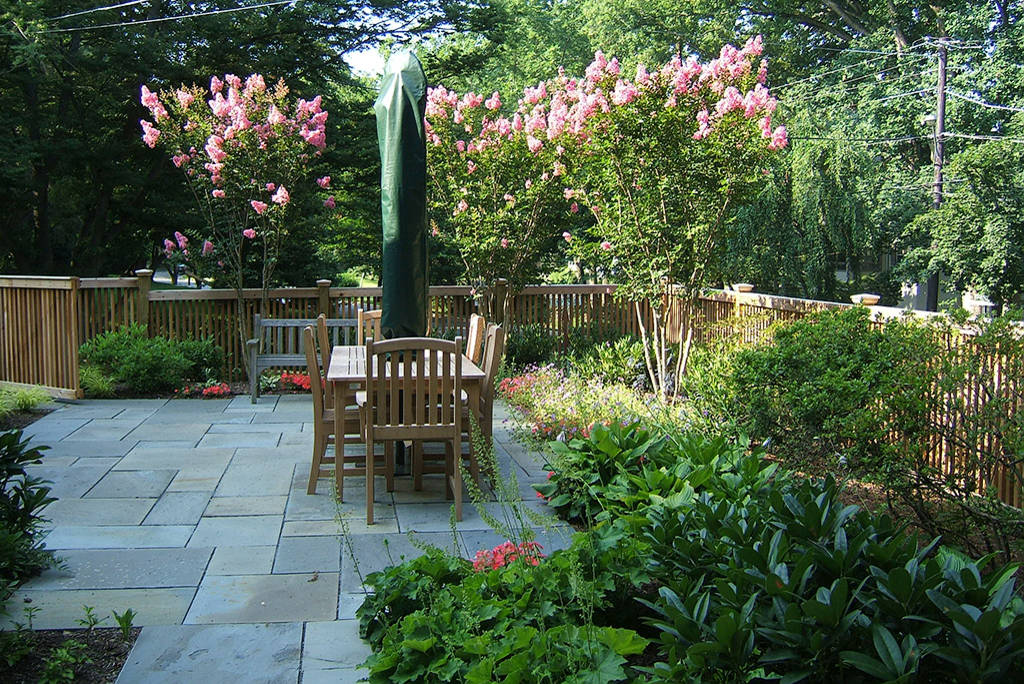
Pink crepe myrtle flowers range from delicate blush to vibrant hot pink, perfect for romantic cottage gardens, softening modern landscapes, or mixing with blue-flowering companions like salvia or agapanthus.
Top varieties:
- Pink Velour: Bright neon-pink blooms against dark burgundy foliage; compact (10-12 ft), mildew-resistant.
- Sioux: Medium pink panicles, vigorous growth to 12-15 ft, stunning orange-red fall color.
- Tonto: Fuchsia-red pink (often classified here), semi-dwarf, long-blooming.
Design ideas: Mass plant pinks along borders or pair with white for a soft, dreamy effect.

Red Blooms: Dramatic and Eye-Catching 🔥
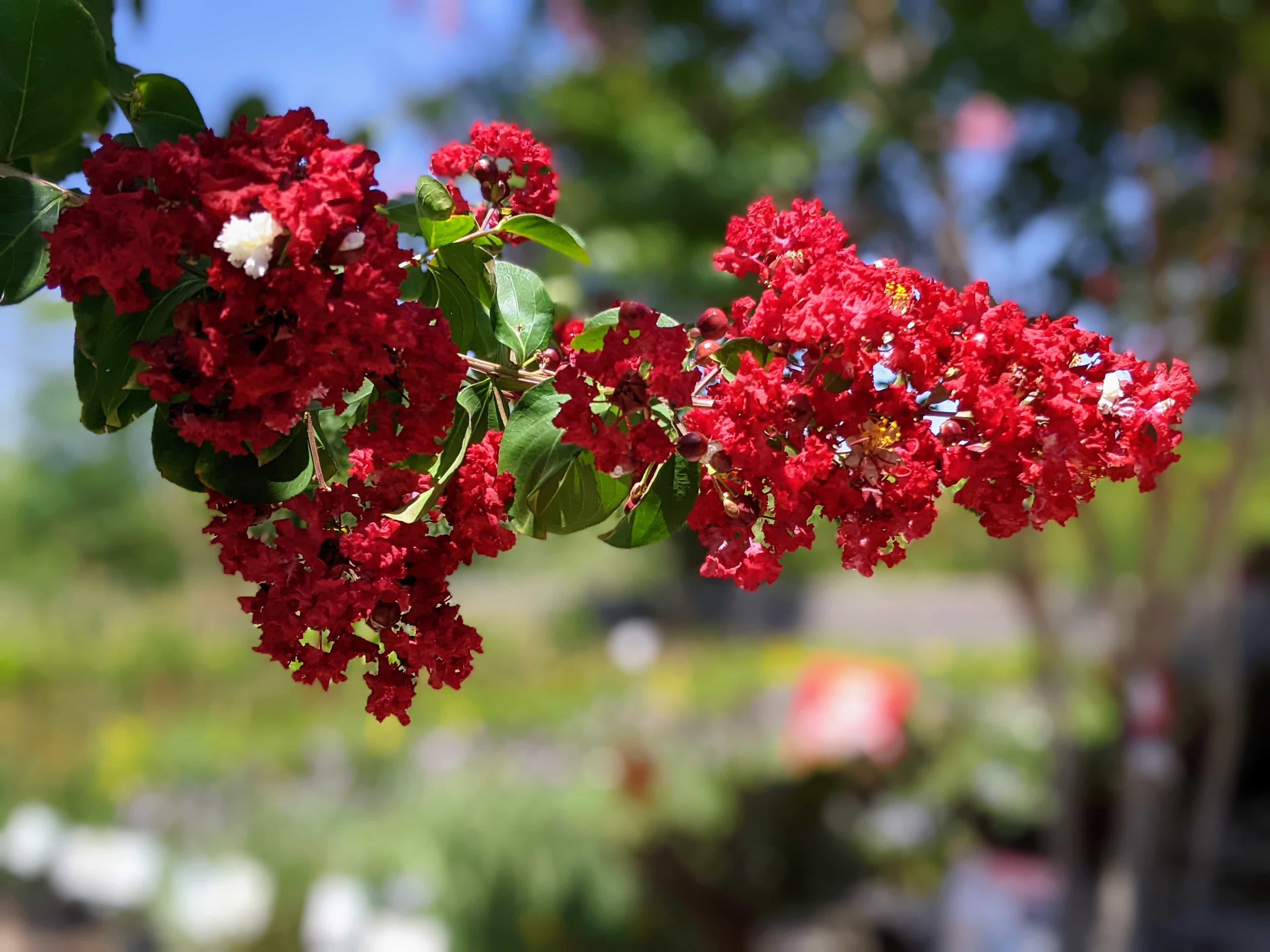
For maximum impact, nothing beats red crepe myrtle flowers—from cherry to true crimson. These create stunning focal points and hold color exceptionally well in intense sun.
Top varieties:
- Dynamite: Explosive cherry-red blooms, new growth reddish, grows 15-20 ft; one of the first true reds.
- Red Rocket: Fast-growing to 20-30 ft, ruby-red flowers that don’t fade.
- Center Stage Red (newer series, popular in 2026): Burgundy-black foliage, intense red blooms, disease-resistant.
Pro insight: Reds pair boldly with yellow black-eyed Susans or contrast against green lawns.
Lavender and Purple Blooms: Cool and Sophisticated 💜
Lavender to deep violet crepe myrtle flowers add cooling depth, contrasting beautifully with warmer tones and developing fiery fall foliage.
Top varieties:
- Muskogee: Light lavender-purple, tall (20-25 ft), longest bloom period, superior mildew resistance.
- Catawba: Deep violet-purple, compact (8-12 ft).
- Zuni: Dark lavender, medium size, orange-burgundy autumn leaves.
Bonus: Many in this group, like Muskogee, are National Arboretum introductions known for reliability.

Rare and Unique Shades: Bi-Colors and New Hybrids ✨
Emerging trends for 2026 include the Black Diamond series (dark foliage with bright flowers), Center Stage series (disease-resistant with bold colors), and occasional bi-colors like raspberry with white edges. Fragrant varieties and extended bloomers are also gaining traction.
Expert note: Hybrid developments prioritize powdery mildew and Cercospora resistance, making modern crepe myrtles easier to grow than ever.
Real Garden Inspiration: Stunning Examples and Design Ideas 📸
Nothing brings crepe myrtle tree colours to life like seeing them in real landscapes. Here are some transformative ideas that I’ve drawn from successful projects and renowned gardens—perfect for sparking your own creativity.
Monochromatic Magic: Create a serene border with all-white varieties like Natchez and Acoma along a walkway. The uniform elegance brightens evenings and pairs beautifully with green shrubs.
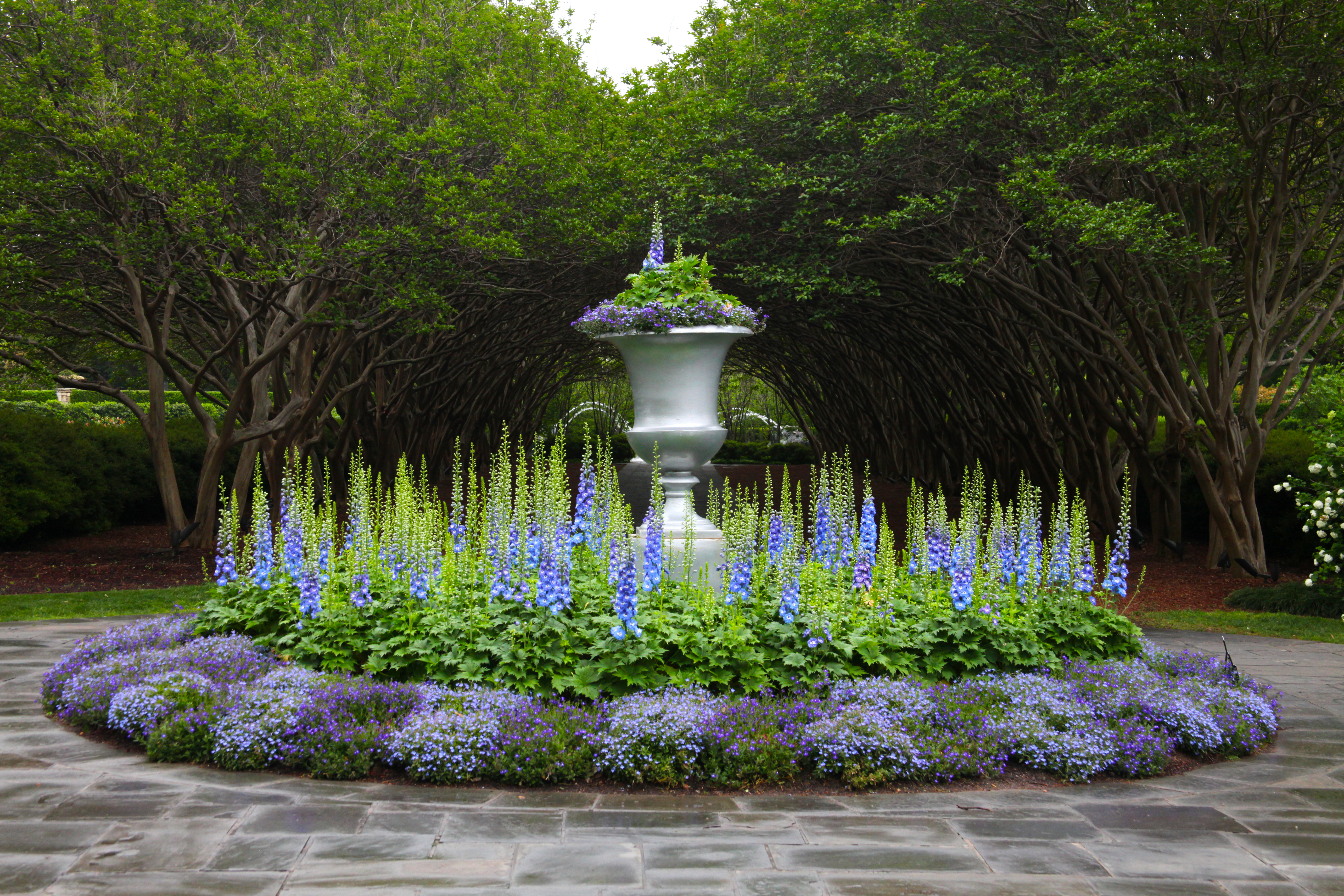
Multi-Color Mass Plantings: Mix reds (Dynamite), pinks (Sioux), and lavenders (Muskogee) for a vibrant summer spectacle. This approach mimics famous alleés, like the one at the Dallas Arboretum, where rows of varying shades create a tunnel of color.
Urban Container Gardens: Use compact Black Diamond series in pots on patios—the dark foliage contrasts dramatically with bright blooms, adding height and privacy without overwhelming small spaces.
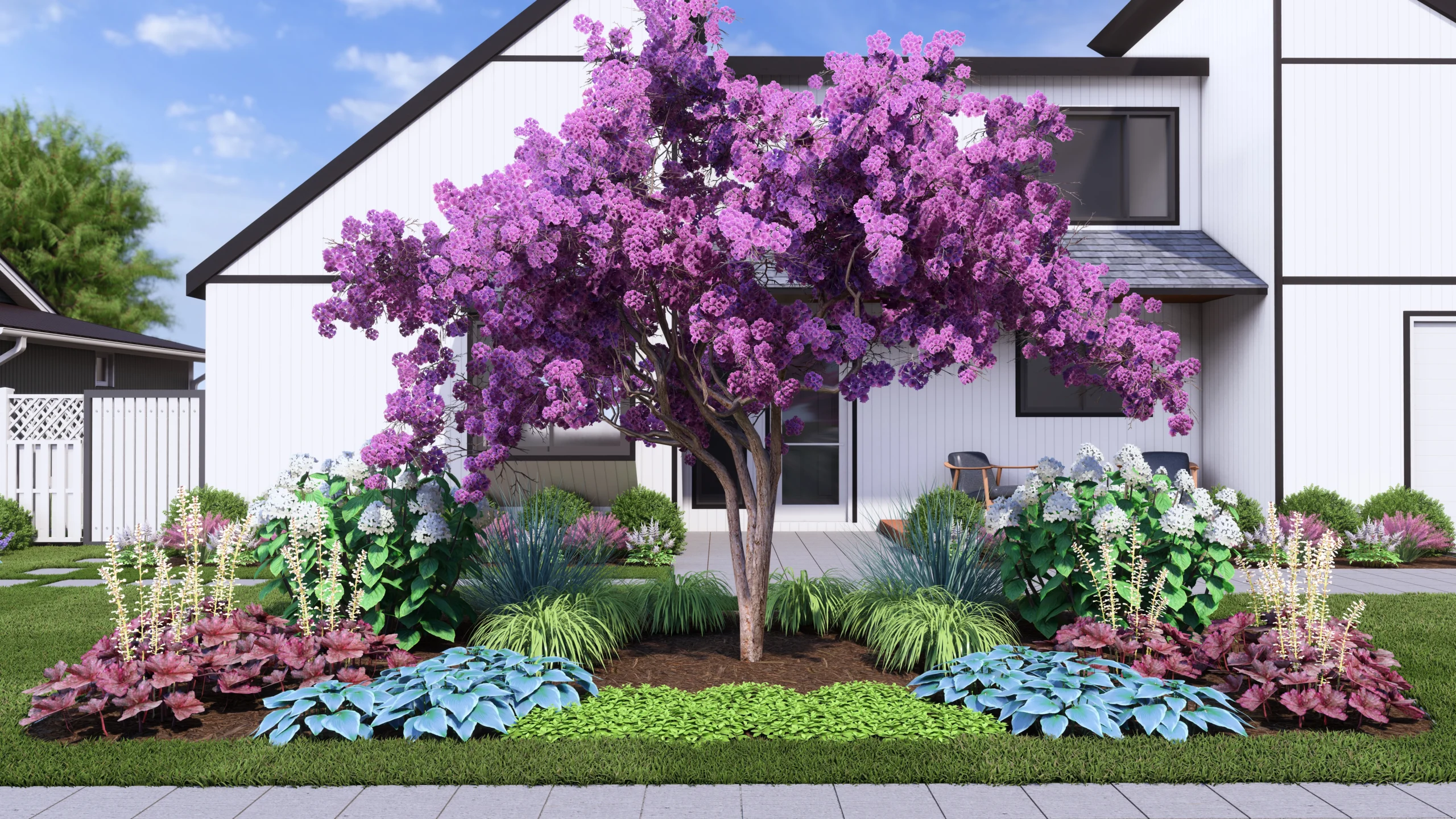
Before-and-After Transformations: Many gardens start bare but explode with color after adding crepe myrtles. Proper pruning turns overgrown shrubs into elegant trees, revealing beautiful bark and encouraging fuller blooms.
Seasonal Interest Beyond Blooms: Don’t forget fall foliage in fiery oranges and reds, plus winter bark that shines in sunlight—varieties like Natchez offer multi-season appeal.
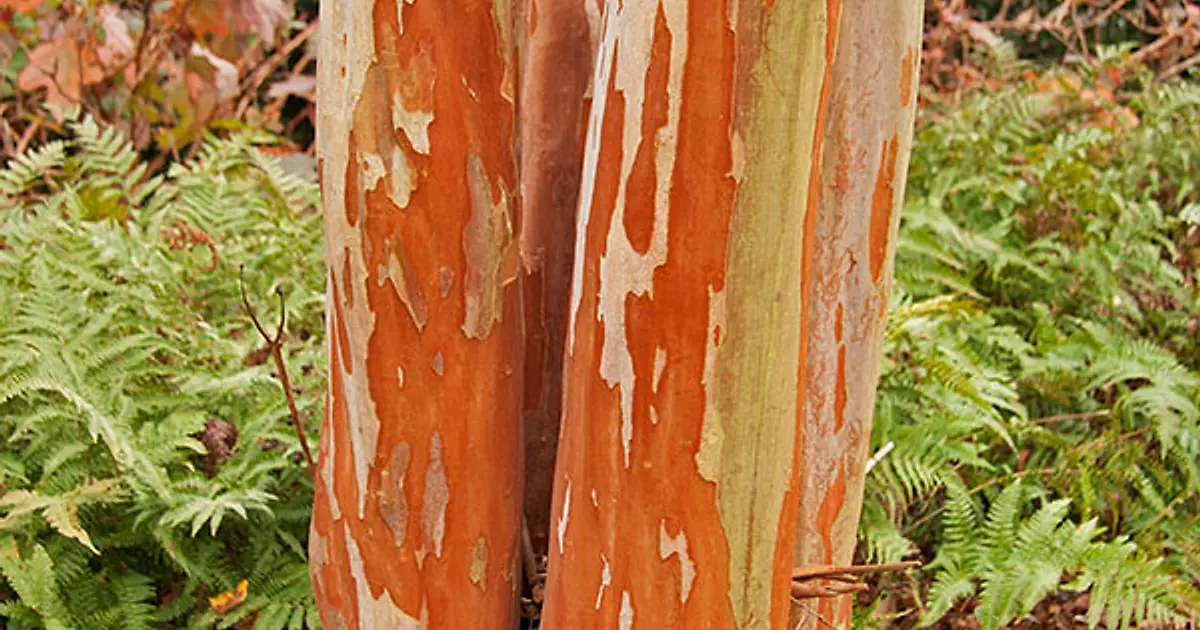
These examples show how versatile crepe myrtles are in turning ordinary yards into extraordinary retreats.
Expert Insights and Latest Trends for 2026 🔮
As we enter 2026, crepe myrtle breeding focuses on compactness, extended blooming, and enhanced disease resistance. The Center Stage® and Black Diamond® series lead with near-black foliage that makes flowers appear even more electric—perfect for modern, low-maintenance gardens.
Sustainability shines too: These trees are drought-tolerant once established, support pollinators throughout summer, and require minimal chemicals when you choose resistant cultivars.
My personal favorite combination? A backdrop of tall white Natchez for elegance, mid-height Dynamite reds for drama, and foreground Pink Velour for softness. This mix delivers waves of color from June to frost, plus stunning fall and winter interest.
Look for new fragrant releases and reblooming types at nurseries this year—they’re game-changers for sensory gardens.
Frequently Asked Questions (FAQs) About Crepe Myrtle Tree Colours ❓
What colors do crepe myrtles come in? Crepe myrtles bloom primarily in white, pink (blush to fuchsia), red (cherry to crimson), lavender, and purple. No true blue, yellow, or orange, but bi-colors and dark-foliage contrasts add variety.
Why are my crepe myrtle blooms fading or less vibrant? Common causes include insufficient sun (need 6-8+ hours), poor soil drainage, or nutrient imbalances. Ensure full sun, well-drained soil, and light spring fertilization.
What’s the best red variety for small yards? Center Stage Red or Black Diamond Best Red—both stay under 12 ft, offer intense red blooms, and feature excellent mildew resistance with dark foliage.
Can I change the flower color of my existing crepe myrtle? No, bloom color is genetically fixed. To introduce new shades, plant additional varieties nearby.
Are there true purple crepe myrtles? Yes! Deep violet-purples like Catawba or darker lavenders like Zuni come closest to true purple.
How do I get the brightest crepe myrtle tree colours possible? Prioritize full sun, slightly acidic soil, proper pruning (avoid heavy topping), and mildew-resistant varieties. Consistent moisture in the first years helps too.
Do different colors require different care? No—all share the same needs, though reds and deep purples often hold intensity best in hot, sunny conditions.
Which color attracts the most pollinators? Reds and pinks tend to draw more bees and butterflies, but all colors support pollinators generously.
Are newer hybrids’ colors more vibrant? Many yes—series like Center Stage boast saturated, long-lasting hues thanks to selective breeding.
What’s the most cold-hardy colorful variety? Many National Arboretum releases (e.g., Tonto fuchsia, Sioux pink) push into zone 6 with reliable blooming.
Can I grow crepe myrtles in containers for color on patios? Absolutely—dwarfs like Black Diamond or Pocomoke thrive in large pots with good drainage.
Do fall foliage colors match bloom colors? Often! Reds and purples frequently develop orange-red autumn leaves, while whites may turn yellow.
Conclusion: Bring Vibrant Crepe Myrtle Tree Colours to Your Garden Today! 🌟
From elegant whites and romantic pinks to dramatic reds and sophisticated lavenders, the world of crepe myrtle tree colours offers endless possibilities to create a garden that dazzles through summer, stuns in fall, and intrigues in winter.
With the right variety selection, proper care, and creative design, you can achieve a landscape that’s not only beautiful but resilient and pollinator-friendly.
Head to your local nursery this season—many are stocking the latest 2026 hybrids. Choose your perfect shades, plant with confidence, and watch as your garden transforms into a vibrant masterpiece. Your stunning, colorful oasis awaits! 🌺🏡











