
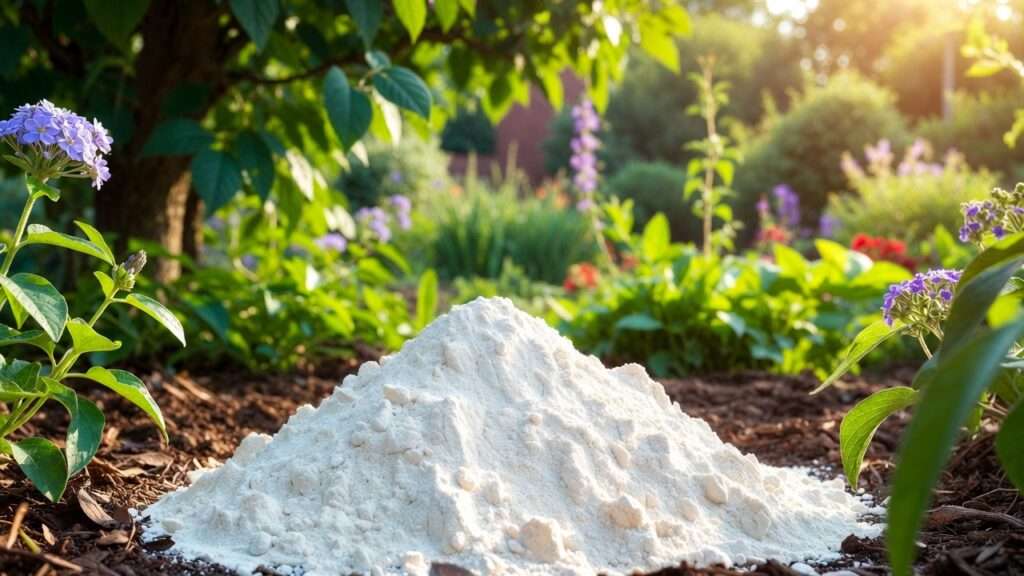
Imagine this: It’s early morning in your garden, the sun is just rising, and you spot those dreaded slugs turning your tender lettuce into lace overnight, or a swarm of aphids sucking the life out of your prized rose bushes. 😩 You’ve tried everything — from homemade sprays to store-bought chemicals — but nothing feels truly safe for your family, pets, or the buzzing bees you work so hard to attract.
Enter diatomaceous earth (DE), the natural, time-tested hero of organic gardeners everywhere! This miraculous powder offers powerful, chemical-free pest control and plant protection without harming your soil or the environment when used correctly. In this ultimate 2026 guide, we’ll explore every proven diatomaceous earth uses in gardening, from creating slug-proof barriers to dusting away spider mites, all backed by science and real-world success. Whether you’re tending a veggie patch, flower beds, or fruit trees, you’ll learn how to use food-grade DE safely and effectively for healthier, thriving plants. Let’s dive in and reclaim your garden naturally! ✨
What Is Diatomaceous Earth & Why Gardeners Love It? 🤔💎
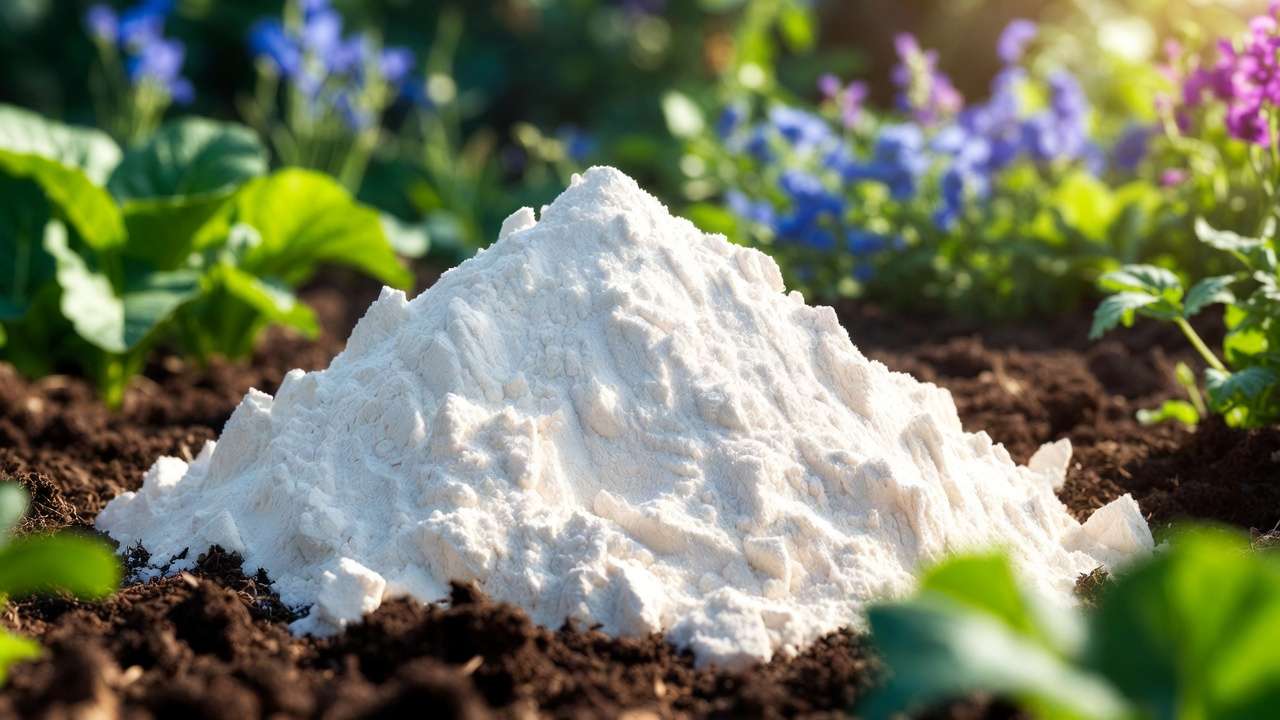
Diatomaceous earth is a fine, white-to-off-white powder made from the fossilized remains of ancient aquatic diatoms — tiny, single-celled algae with hard silica shells. Over millions of years, these deposits were compressed into sedimentary rock, mined, and ground into the ultra-fine powder we use today.
The magic lies in its composition: mostly amorphous silica (up to 80–90%), plus beneficial trace minerals like calcium, magnesium, sodium, and iron. This makes it a gentle soil amendment while delivering serious pest-fighting power.
Important: Always choose food-grade diatomaceous earth! It’s purified for safety around humans, pets, and edible plants. Pool-grade or industrial DE is treated with high-heat crystalline silica, which is dangerous if inhaled and NOT safe for gardening. Look for OMRI-listed (Organic Materials Review Institute) products to ensure it’s approved for organic use — popular reliable brands in 2026 include Harris, Perma-Guard, and DiatomaceousEarth.com’s own lines. 🌱
Gardeners adore DE because it’s non-toxic, leaves no chemical residues, and works mechanically (no pest resistance buildup like with synthetic pesticides).
How Does Diatomaceous Earth Actually Work as a Natural Pesticide? 🔬🪲
DE isn’t a poison — it’s a physical insecticide! Under a microscope, each particle has razor-sharp, jagged edges from those fossilized diatom shells.
When crawling insects or soft-bodied pests contact the powder:
- The sharp edges abrade and scratch the waxy protective cuticle (outer layer) of the insect’s exoskeleton.
- DE absorbs the lipids (oils and fats) from this layer, like a super-absorbent sponge.
- This causes rapid dehydration — the insect literally dries out and dies within hours to a few days, depending on humidity and exposure.
This desiccation process follows basic physics (Fick’s law of diffusion): moisture loss outpaces replacement, leading to death without any toxins entering the food chain. It’s highly effective against pests with exoskeletons like ants, fleas, beetles, and even soft-bodied ones like aphids and slugs when they crawl through it.
DE only works when dry — moisture deactivates the sharpness and absorption. That’s why reapplication after rain or heavy dew is essential! It targets crawling/contact pests best and has little effect on flying insects unless they land in treated areas.
Must-Know Safety Precautions & Best Practices (2026 Edition) 🛑❤️
While food-grade DE is considered safe (FDA recognizes it as GRAS — Generally Recognized As Safe — in small amounts), smart use protects you, your loved ones, and beneficial wildlife.
- Choose certified food-grade only — Check for OMRI listing and avoid anything labeled “pool filter” or “industrial.”
- Protect yourself during application — Wear an N95 mask, goggles, gloves, and long sleeves to avoid inhaling fine dust (which can irritate lungs like any powder).
- Pollinator & beneficial insect safety — DE is non-selective; it can harm ladybugs 🐞, lacewings, bees 🐝, butterflies, and other helpful insects if they contact it directly. Apply in the evening when bees are less active, avoid open flowers/blossoms, and use targeted barriers instead of blanket dusting.
- Pet & child safety — Keep them away during application until dust settles. It’s non-toxic if ingested in tiny amounts but can cause mild irritation.
- Environmental tips — Use sparingly to minimize impact. Reapply only as needed for sustainable gardening.
Follow these, and DE becomes one of the safest organic tools in your arsenal! 🌍
Top 12 Proven Diatomaceous Earth Uses in Gardening 🌱🔝
Here are the most effective, gardener-tested applications — perfect for veggies, flowers, and trees.
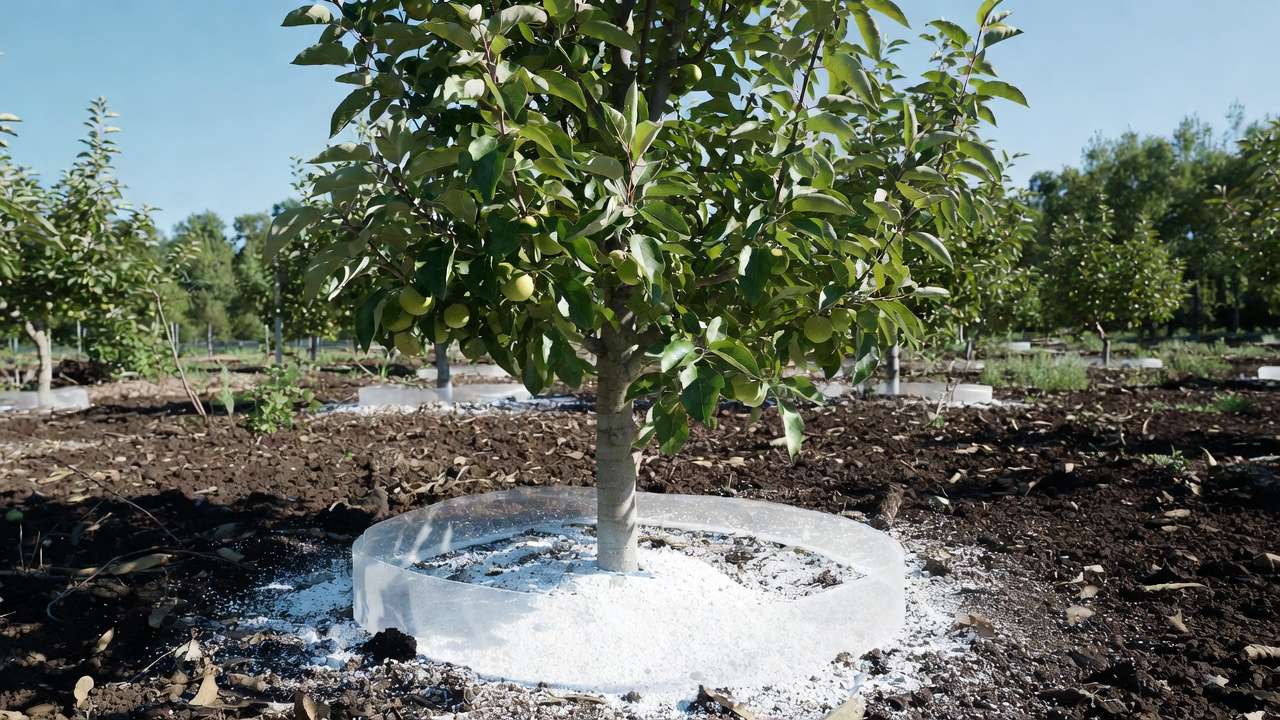
1. Barrier Method for Slugs, Snails & Crawling Pests 🐌🚫
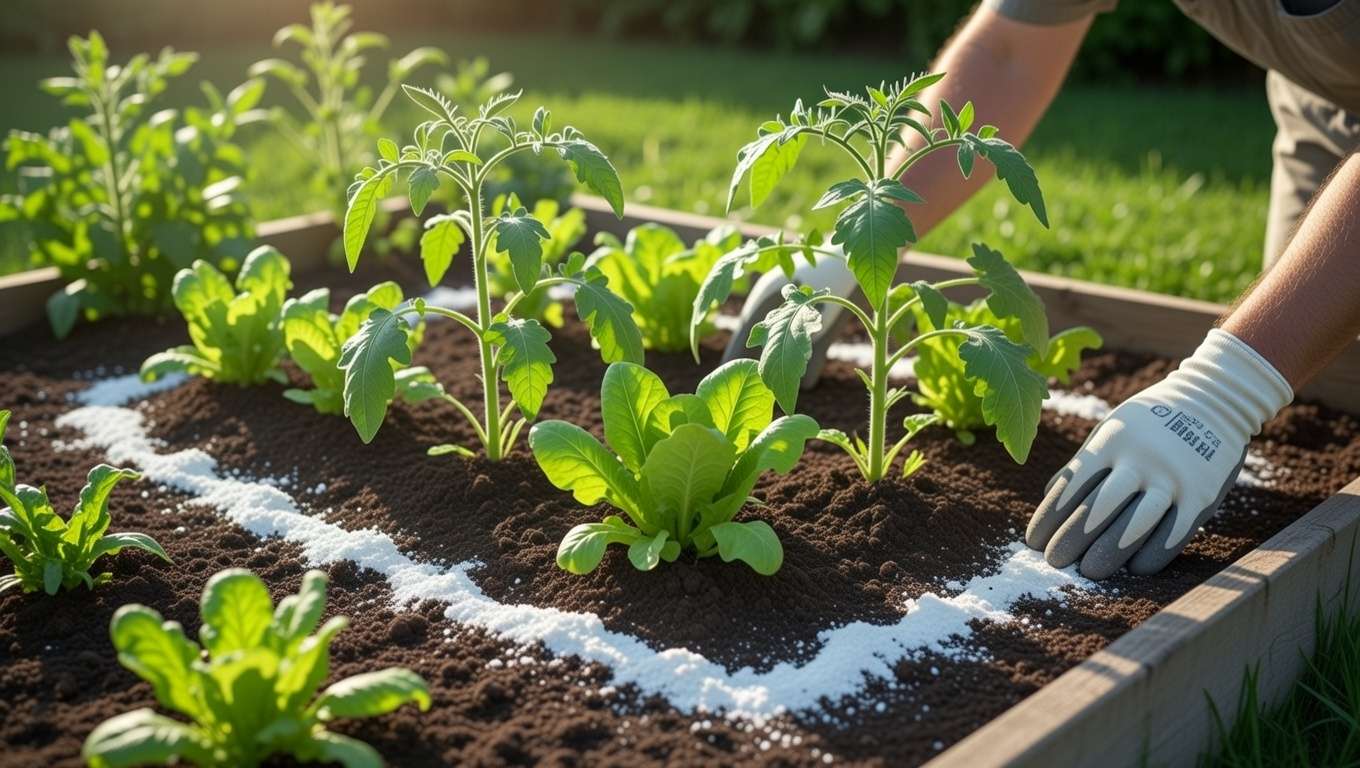
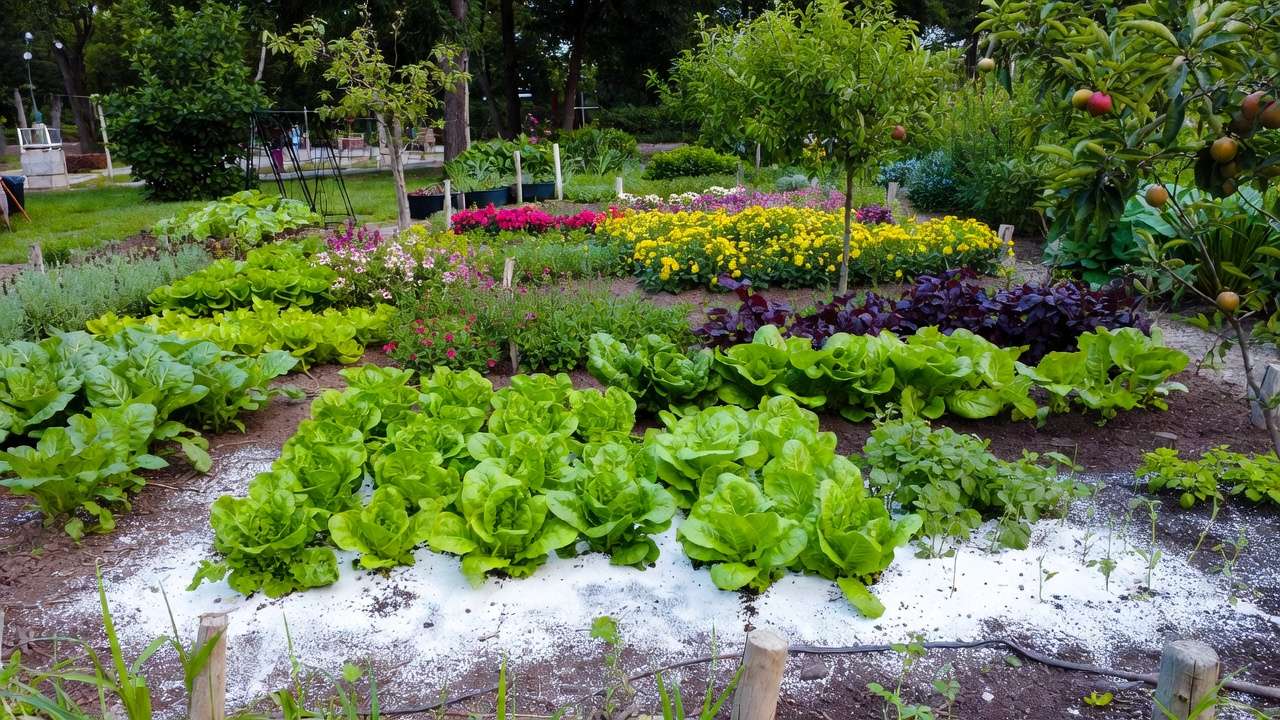
Create a 3–4 inch wide, unbroken ring around plant bases or tree trunks. Slugs/snails dehydrate trying to cross. Pro tip: Combine with copper tape for double defense! Reapply after rain.
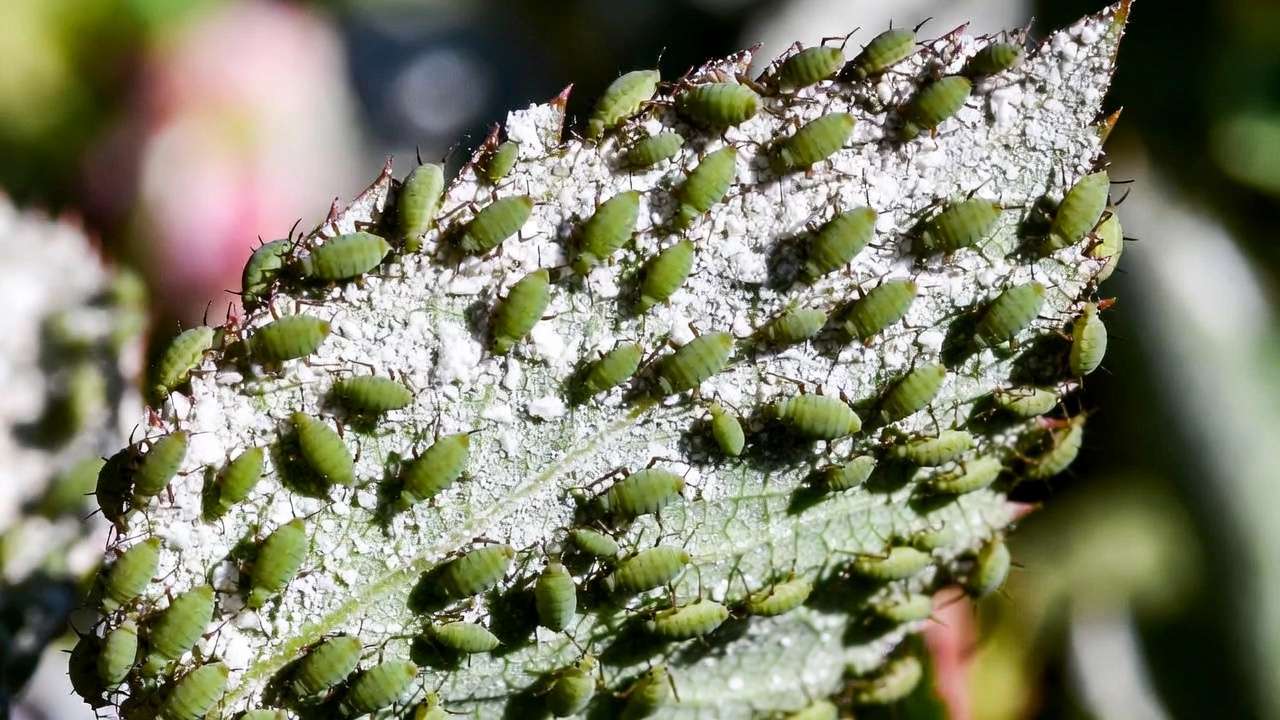
2. Direct Dusting for Aphids, Spider Mites & Soft-Bodied Insects 🕷️
Lightly dust infested leaves (especially undersides) on dry days. Works wonders on roses, tomatoes, and beans. Apply early morning or evening to avoid wind blow-off.
3. Ant & Fire Ant Control in Gardens & Around Trees 🐜
Dust perimeters around beds, tree bases, and trails. For nests, puff powder directly (carefully!). Ants carry it back, spreading dehydration.
4. Flea Beetles, Thrips & Other Veggie Garden Villains 🥕
Target brassicas, eggplants, and peppers. Dust soil and lower leaves for protection.
5. Fungus Gnats & Soil Pests in Pots & Raised Beds 🍄
Top-dress soil with a thin layer — gnats avoid laying eggs, larvae dehydrate.
6. Wet Application (DE Spray) for Hard-to-Reach Areas 💦
Mix 1–4 tablespoons DE per gallon water + a drop of mild dish soap (emulsifier). Spray undersides of leaves or tricky spots. Effective once dry (wait 24+ hours rain-free).
7. Protecting Fruit Trees & Ornamental Trees 🌳
Apply barrier at trunk base + light dusting on lower branches (avoid heavy bloom areas).
8. Storing Seeds & Bulbs Over Winter 📦
Dust lightly before storage to prevent weevils/moths.
9. Compost Bin Pest Control
Sprinkle layers to deter flies/ants.
10. Greenhouse Protection
Dust floors/edges for crawling invaders.
11. Lawn Edging Against Invaders
Create dry barriers along borders.
12. Seedling Protection from Cutworms
Ring young plants for cutworm defense.
These uses solve real problems — from veggie loss to tree damage — naturally! 🌟
How to Apply Diatomaceous Earth Like a Pro: Step-by-Step Guide 📋✨
Tools: Hand duster, flour sifter, or bulb duster for dry; pump sprayer for wet.
Dry method (most common):
- Apply on calm, dry days.
- Lightly coat — thin layer is enough (think dusting sugar on cookies, not snowstorm!).
- Reapply every 7–14 days or after rain/watering.
Wet method pros/cons:
- Pros: Better adhesion, reaches undersides.
- Cons: Must dry fully to activate.
- Compare in table:
| Method | Best For | Pros | Cons |
|---|---|---|---|
| Dry | Barriers, soil dusting | Immediate, simple | Wind-sensitive, needs dry weather |
| Wet | Leaves, hard spots | Clings better | Needs drying time |
Seasonal strategy: Prevent in spring, treat outbreaks in summer.
Common Mistakes & How to Avoid Them ❌➡️✅
Even experienced gardeners can slip up with DE — here are the top pitfalls I’ve seen (and learned from!) over years of organic growing:
- Using pool-grade or industrial DE — This is the #1 mistake! Pool-grade contains high levels of crystalline silica (a known lung irritant and potential carcinogen when inhaled). Stick strictly to food-grade, OMRI-listed products. Always check the label for “<1% crystalline silica” and certification. ⚠️
- Applying on wet plants, soil, or before rain — DE loses its sharpness and absorbency when moist. Apply only on completely dry days, and avoid watering treated areas for at least 24–48 hours. After any rain or heavy dew, reapply promptly!
- Over-dusting or blanket spraying — More isn’t better! Heavy layers can harm beneficial insects unnecessarily and waste product. Use a light, even dusting (like powdered sugar on a cake) — thin is effective.
- Ignoring personal protective equipment (PPE) — Skipping the mask leads to respiratory irritation. Always wear an N95 or better dust mask, goggles, and gloves, especially in windy conditions or enclosed greenhouses.
- Applying near open flowers without caution — DE is non-selective; it can dehydrate ladybugs 🐞, lacewings, butterflies, and bees 🐝 if they land in it. Target soil barriers, trunk bases, and leaf undersides instead of blooming areas. Apply in evenings when pollinators are less active.
- Expecting it to last forever — Wind, rain, and watering reduce effectiveness quickly. Plan to reapply every 7–14 days during active pest seasons.
Avoid these, and you’ll maximize results while keeping your garden ecosystem balanced! 🌱
Does DE Benefit Soil or Plants Directly? (Bonus Insights) 🌍
While DE’s primary superpower is pest control, many gardeners wonder about secondary perks — and yes, there are some!
- Silica powerhouse — DE is 80–90% amorphous silica, an essential micronutrient that strengthens plant cell walls. Stronger cells mean better resistance to drought, fungal diseases, lodging (in tall plants), and even some pest attacks. Studies and organic farming reports show silica boosts overall plant vigor, especially in tomatoes, cucumbers, roses, and fruit trees.
- Trace mineral contribution — It naturally contains small amounts of calcium (~19%), magnesium, iron, sodium, and other minerals. When mixed into soil or used as a light top-dressing, these slowly release, acting as a gentle, long-term soil amendment. In clay-heavy or nutrient-poor soils, this can improve structure and cation exchange over time.
- Realistic expectations — DE is not a full fertilizer replacement! Its mineral boost is supplemental — think of it as a bonus, not the main nutrient source. For best soil benefits, mix small amounts (1–2% by volume) into potting mixes or compost, or use foliar sprays occasionally.
Bonus tip: In container gardening, DE can help with moisture retention (like perlite but with added silica perks) without the mess of floating particles. Earthworms? Safe — their thick mucus layer protects them! 🪱
Expert Tips & Real Gardener Success Stories 🌟
From my own trials and chats with fellow organic growers:
- Combo power — Pair DE with neem oil or insecticidal soap for tougher pests (DE handles crawling, soaps hit soft-bodied). Apply DE first, let dry, then follow with soap spray.
- Timing mastery — Morning applications (before sun heats up) minimize wind drift. Evening dusting avoids midday bee activity.
- Success story 1 — “My rose bushes were aphid central last spring. I dusted undersides lightly every 10 days with food-grade DE + a drop of dish soap in water spray. Aphids gone in 2 weeks, roses bloomed beautifully — zero chemicals!” – Sarah, zone 7 gardener.
- Success story 2 — “Fire ants were ruining my citrus trees. Barrier rings at the trunk base + nest puffing worked miracles. Reapplied after rain, and the trees are thriving.” – Mike, Florida orchard keeper.
- Pro hack — For seedlings vulnerable to cutworms, make a “moat” of DE around each plant — they can’t cross without dehydrating.
These strategies turn DE from a basic tool into a garden game-changer! 🚀
Frequently Asked Questions (FAQs) ❓
Is diatomaceous earth safe for vegetable gardens? Yes — when using food-grade only! It’s OMRI-listed for organic production and safe on edibles. Just avoid heavy application near harvest and rinse produce if needed.
How long does DE last after application? Only while dry! Rain, watering, or high humidity deactivates it. Reapply every 7–14 days or after moisture exposure.
Will it kill earthworms or pollinators? Earthworms are safe (thick mucus protects them). Pollinators like bees 🐝, ladybugs 🐞, and butterflies can be harmed if they contact it directly — so use targeted applications, avoid flowers, and apply evenings.
Can I use DE around pets & children? Yes, with caution. Keep them away during dusting until it settles. It’s non-toxic if ingested in tiny amounts (FDA GRAS status), but avoid inhalation. Store securely.
Best brands in 2026? Top OMRI-listed picks include Harris Food Grade, Perma-Guard, and DiatomaceousEarth.com brands. Always verify current certification!
Conclusion: Embrace Natural Protection for a Thriving Garden 🌿🙌
Diatomaceous earth stands out as one of the most effective, eco-friendly tools for natural pest control and plant protection. From slug-proof barriers around your veggies to gentle aphid defense on roses and fruit trees, food-grade DE delivers results without chemicals — all while adding a touch of silica goodness to your soil.
Start small: Pick up a bag of certified food-grade DE, follow the safety tips, and experiment with barriers first. Watch your garden transform — healthier plants, fewer pests, and a happier ecosystem (bees included!). 🐝
Your garden is waiting — try these diatomaceous earth uses in gardening this season. Your plants (and the planet) will thank you! Share your success stories in the comments below. Happy gardening! 🌱✨











