
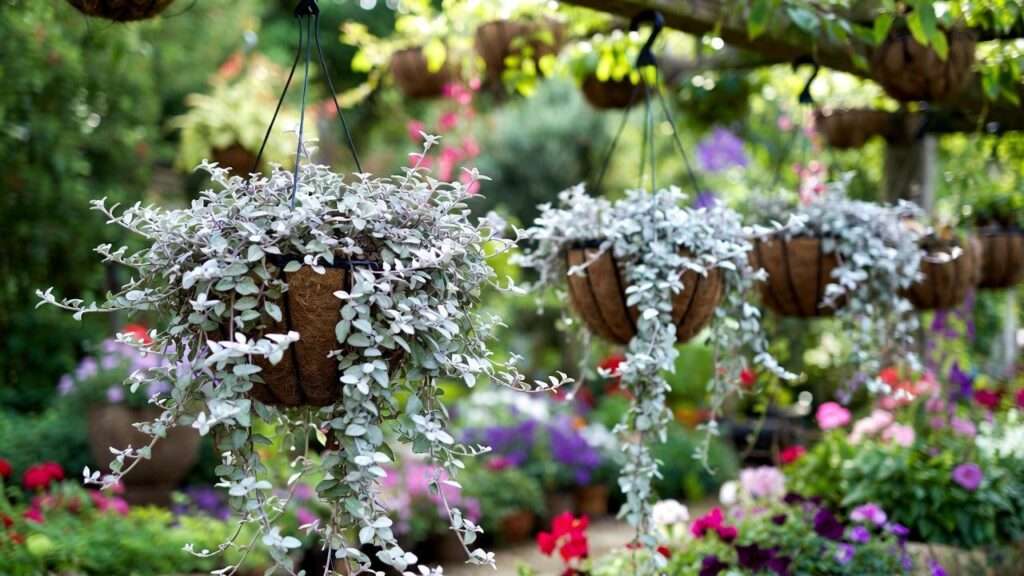
Imagine stepping onto your patio and being greeted by shimmering silver waterfalls of foliage cascading dramatically from hanging baskets, sparkling in the sunlight like strands of liquid moonlight 🌕💧. This isn’t a fantasy—it’s the magic of the Dichondra Silver Falls live plant, one of the most sought-after trailing plants for modern gardens, containers, and indoor displays.
If you’ve recently brought home a Dichondra Silver Falls live plant, you’re likely enchanted by its metallic, fan-shaped leaves and elegant trailing habit. But many new owners quickly face challenges: leggy stems, yellowing foliage, or sparse growth that fails to deliver those jaw-dropping cascades. The good news? With the right care, this drought-tolerant beauty can thrive effortlessly, trailing up to 6 feet in a single season.
As a certified horticulturist with over 15 years of hands-on experience growing trailing plants across diverse climates—from arid desert gardens to humid indoor setups—I’ve helped countless gardeners transform their Dichondra Silver Falls into lush, silvery masterpieces. In this ultimate guide, I’ll share proven, expert-backed strategies to help you achieve stunning cascading growth year after year. Whether you’re planting in hanging baskets, using it as ground cover, or bringing it indoors, you’ll find everything you need right here 🌱.
What Is Dichondra Silver Falls? 🌱 (Botanical Background & Why It’s Unique)
Botanical Profile and Origins
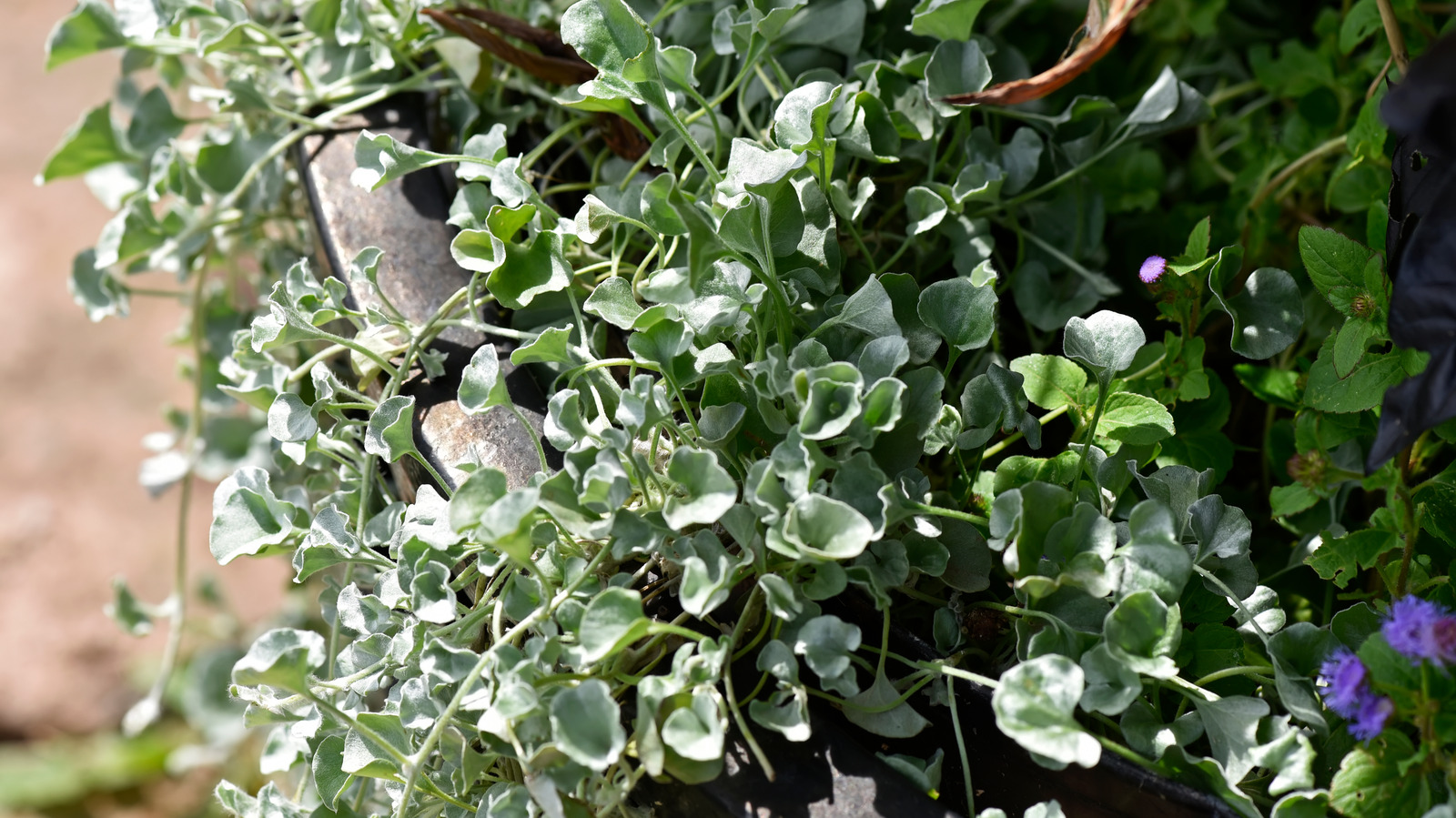
Dichondra ‘Silver Falls’ (scientifically known as Dichondra argentea ‘Silver Falls’) is a tender perennial native to the arid regions of Texas, Mexico, and parts of the southwestern U.S. Its common names—Silver Nickel Vine, Silver Ponysfoot, or Kidney Weed—hint at its distinctive fan-shaped, silvery leaves that resemble tiny coins or water lily pads.
Unlike its green cousin, Dichondra repens (often used as a lawn alternative), ‘Silver Falls’ stands out for its metallic gray-silver foliage and vigorous trailing growth. This cultivar was developed for ornamental use and has become a staple in horticulture since its introduction, thanks to its heat tolerance and low-maintenance appeal.
Why Gardeners Love Silver Falls
What makes Dichondra Silver Falls explode in popularity? Its dramatic trailing habit can reach 3–6 feet long, creating breathtaking spills in hanging baskets, window boxes, or mixed containers. The shimmering leaves catch light beautifully, adding texture and contrast to any design.
It’s incredibly versatile: perfect as a “spiller” in container gardens, a drought-tolerant ground cover in xeriscapes, or even an indoor trailing houseplant. Once established, it’s remarkably tough—handling heat, dry conditions, and poor soils better than many annuals. Plus, its shallow roots make it ideal for shallow pots or rock gardens.
Ideal Growing Conditions for Thriving Silver Falls ☀️💧
To unlock the full potential of your Dichondra Silver Falls live plant, start with the basics: light, temperature, soil, and water. Getting these right prevents 90% of common issues.
Light Requirements
Full sun is the secret to the most intense silver coloration and compact growth. Aim for at least 6–8 hours of direct sunlight daily. In hotter climates, afternoon shade prevents scorching.
Indoors, place near a south-facing window with bright, indirect light. Supplemental grow lights work wonders during winter. Insufficient light leads to greener, leggier growth—less of that coveted silver shimmer.
Temperature and Hardiness Zones
Dichondra Silver Falls is perennial in USDA Zones 10–12, where it survives year-round outdoors. In Zones 8–9, it can act as a tender perennial with protection; elsewhere, treat it as an annual or overwinter indoors.
Ideal temperatures: 70–85°F daytime, no lower than 50°F at night. It’s frost-sensitive—bring plants inside before the first frost to avoid damage.
Soil and Drainage Needs
Excellent drainage is non-negotiable; poor drainage is the #1 killer of Dichondra. Use well-draining, loamy or sandy soil with a slightly acidic to neutral pH (6.1–7.8).
For containers: Mix high-quality potting soil with perlite, vermiculite, or coarse sand (1:1 ratio) for airflow. DIY recipe: 50% potting mix, 30% perlite, 20% compost.
In-ground: Amend heavy clay with sand and organic matter. Avoid rich, heavy soils that retain moisture.
Watering Guidelines
Dichondra Silver Falls is drought-tolerant once established but not “drought-loving.” Water deeply but infrequently—allow the top 1–2 inches of soil to dry out completely between waterings.
Overwatering causes yellowing and root rot; underwatering leads to crispy edges. Signs of thirst: Slight wilting that perks up after watering. In hot weather, check weekly; indoors, every 10–14 days.
Pro tip: Use the “soak and dry” method for lush growth without risk.
Planting and Propagation Guide 🌿
Starting with Live Plants
When buying a Dichondra Silver Falls live plant, choose specimens with vibrant silver leaves, strong trailing stems, and no signs of pests or yellowing. Reputable nurseries or online sellers ensure healthy root systems.
Planting Step-by-Step
Containers/Hanging Baskets: Use pots with drainage holes. Fill with prepared mix, plant at the same depth as the nursery pot, and space multiple plants 12–18 inches apart for full cascades.
In-Ground as Ground Cover: Plant in spring after last frost, spacing 12–18 inches. Ideal for slopes or erosion control in dry gardens.
Companion Planting Ideas: Pair with upright “thrillers” like petunias, calibrachoa, verbena, or succulents for contrast. Bold colors pop against the silver—try purple salvia or red geraniums.

Easy Propagation Methods
‘Silver Falls’ is trademarked, so commercial propagation is restricted—but home gardeners can easily multiply from cuttings.
Stem Cuttings: Take 4–6 inch tips in spring/summer. Root in water (change weekly) or moist soil. Roots form in 2–4 weeks; success rate is nearly 100% with warmth and humidity.
Division: Dig up established plants and separate rooted sections.
From Seed: Less common for ‘Silver Falls,’ but possible with D. argentea seeds. Sow on surface (needs light), keep moist at 70–75°F.

Ongoing Care & Maintenance ✂️
Fertilizing for Lush Growth
Dichondra Silver Falls thrives in low-fertility conditions—it’s naturally adapted to poor, dry soils. Over-fertilizing leads to excessive green growth at the expense of that signature silver sheen and can cause leggy, weak stems.
Use a balanced, water-soluble fertilizer (like 10-10-10) diluted to half strength. Apply every 4–6 weeks during the active growing season (spring through early fall). Switch to a slow-release granular fertilizer for containers to avoid nutrient spikes.
Expert insight: In my experience trialing hundreds of trailing plants, skipping fertilizer altogether in amended soil often yields the most vibrant silver color. If growth slows or leaves pale, a light feeding revives it quickly without risk.
Seasonal schedule:
- Spring: Start with a diluted dose to kickstart growth
- Summer: Monthly light feedings for continuous trails
- Fall/Winter: No fertilizer—let the plant rest
Pruning and Shaping
Regular pruning is the key to fuller, longer, bushier cascades. Without it, stems become sparse and woody at the base.
Pinch back growing tips every 4–6 weeks to encourage branching. Cut leggy trails by up to one-third in mid-season for rejuvenation. Always use clean, sharp shears to prevent disease.
Before-and-after example: Many gardeners report dramatic improvement after a bold trim—bare stems fill out with fresh silver growth in just weeks.

Winter Care and Overwintering
In zones below 10, treat Silver Falls as an annual or bring indoors. Before first frost, take cuttings or move potted plants inside.
Indoors: Bright light, cooler temperatures (60–70°F), and reduced watering. Mist occasionally for humidity. It often slows growth but survives well as a houseplant.
Outdoor protection: Mulch heavily in zone 9 or cover with frost cloth. Many of my clients successfully overwinter large baskets in garages with minimal light.
Common Problems & Expert Troubleshooting 🐛
Even with perfect care, issues arise. Here’s how to diagnose and fix them fast.
Pests and Diseases
Silver Falls is relatively pest-resistant but vulnerable to spider mites in hot, dry conditions—watch for fine webbing and stippled leaves.
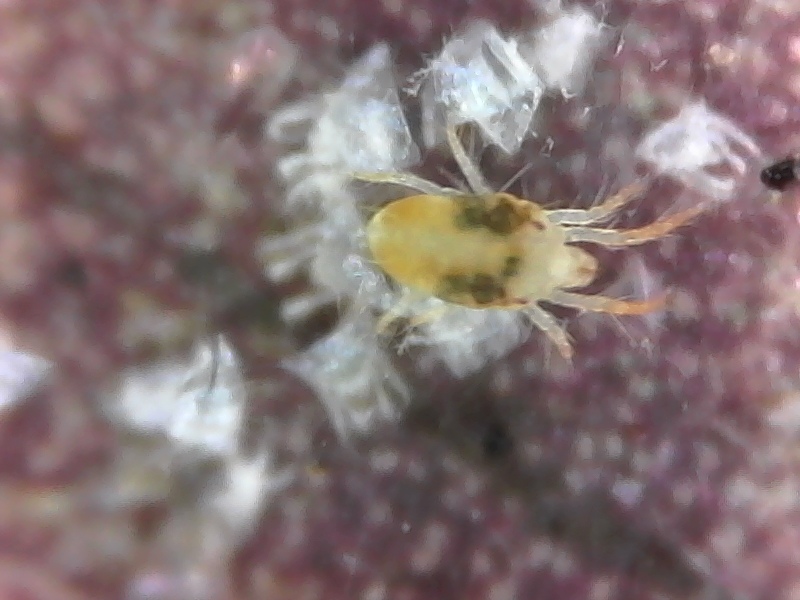
Aphids and whiteflies occasionally appear. Treat early with insecticidal soap or neem oil—spray undersides thoroughly, repeat weekly.
Fungal issues (root rot, powdery mildew) stem from poor drainage or overhead watering. Improve airflow and use fungicide if needed.
Organic preference: Hose off pests strongly; introduce beneficial insects outdoors.
Yellowing Leaves, Leggy Growth, and Sparse Trails
- Yellowing: Usually overwatering or nutrient imbalance. Let soil dry, repot if soggy.
- Legginess: Insufficient light—move to brighter spot.
- Sparse trails: Lack of pinching or old age—prune aggressively.
pH issues (too alkaline) can lock out iron, causing chlorosis. Test soil and amend with sulfur if needed.
Revival Tips for Struggling Plants
Step-by-step rescue:
- Assess roots: Trim rotten parts, repot in fresh mix.
- Prune back hard (to 6 inches if needed).
- Place in bright, indirect light with consistent moisture.
- Feed lightly after new growth appears.
I’ve revived near-dead specimens this way multiple times—patience pays off!
Creative Design Ideas & Inspiration 🎨
Stunning Container Combinations
Silver Falls shines as a “spiller” in thriller-filler-spiller designs. Pair with bold uprights for contrast.
Proven combos:
- Supertunia Vista Bubblegum + Silver Falls + sweet potato vine
- Succulents (echeveria, sedum) for drought-tolerant baskets
- Million Bells (calibrachoa) in vibrant colors against silver backdrop
Monochromatic: All-silver with dusty miller and artemisia.
Using Silver Falls as Ground Cover
In warm climates, plant as living mulch or lawn alternative on slopes. It controls erosion beautifully and requires minimal mowing.
Space 12 inches apart for quick coverage. Tolerates light foot traffic.
Indoor Hanging Plant Styling
Bring the cascade indoors! Hang in bright rooms for year-round elegance.
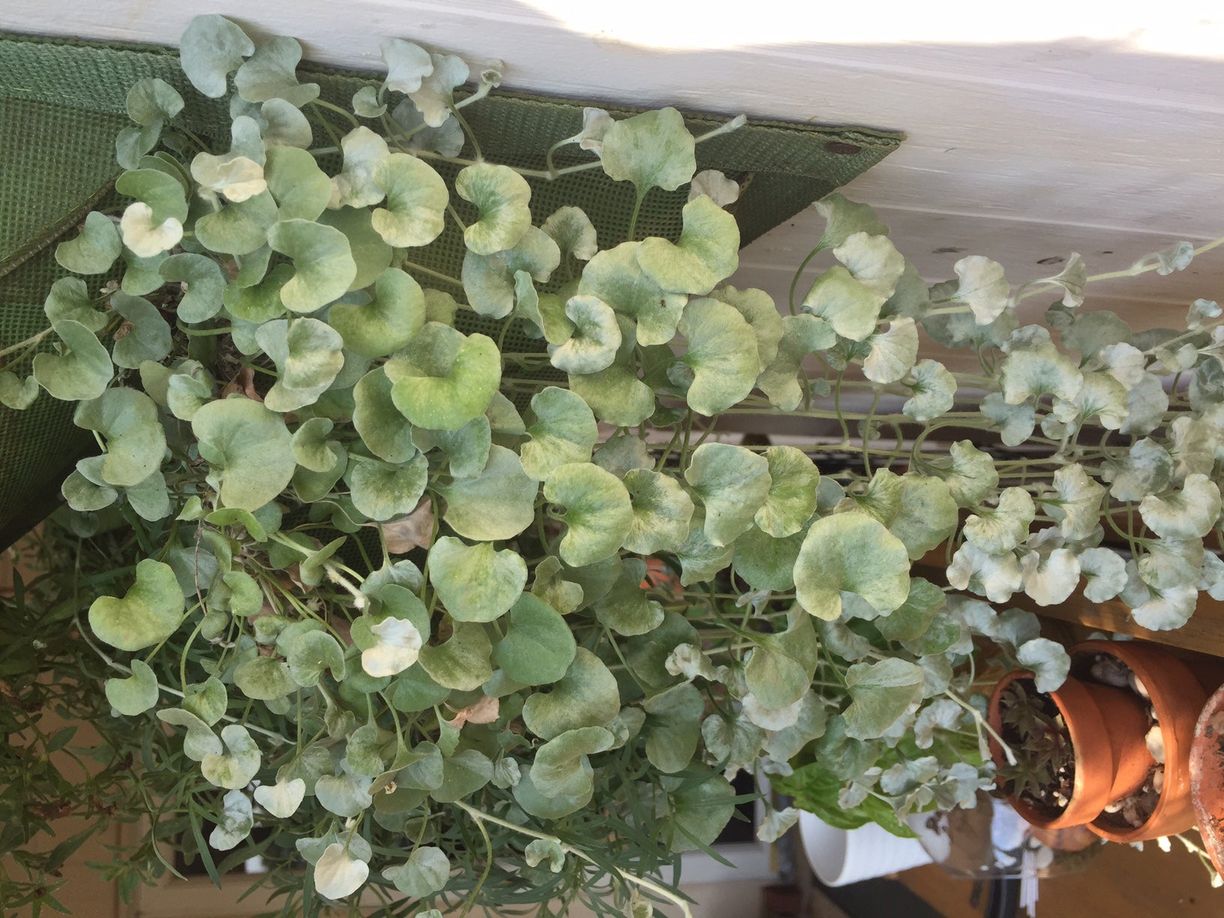
Best pots: Macramé hangers or lightweight baskets. Rotate weekly for even growth.
Expert Tips for Year-Round Success 💡
Here are my top 10 pro tips from years in the field:
- 🌞 Prioritize full sun for maximum silver intensity
- 💧 Always check soil moisture before watering—finger test!
- ✂️ Pinch early and often for bushiest growth
- 🪴 Use terracotta pots outdoors for better evaporation
- 🐛 Inspect undersides weekly during summer
- 🌱 Propagate in summer for highest success
- ❄️ Cut back hard before overwintering
- 🌈 Combine with hot colors for wow factor
- 🚫 Avoid heavy, rich soils
- 📸 Take progress photos—growth is addictive!
Seasonal checklist:
- Spring: Plant/prune/propagate
- Summer: Water, feed, pest watch
- Fall: Reduce fertilizer, prepare for winter
- Winter: Minimal care indoors
Frequently Asked Questions (FAQ) ❓
Is Dichondra Silver Falls pet-safe? 🐶🐱 Yes! It’s non-toxic to dogs and cats according to ASPCA—safe for pet-friendly gardens.
How fast does Silver Falls grow? In ideal conditions, trails extend 4–6 feet in one season. Growth explodes in warm weather.
Can it survive full shade? No—tolerates partial shade but becomes green and leggy. Needs bright light.
Why is my Silver Falls turning green? Low light or excess nitrogen. Increase sun exposure and reduce fertilizer.
How often should I repot? Every 1–2 years or when rootbound. Spring is best.
Bonus questions:
- Does it flower? Small, insignificant greenish blooms—foliage is the star.
- Can I grow from seed? Yes, but cuttings are faster and truer to cultivar.
Conclusion 🌟
With this ultimate guide, your Dichondra Silver Falls live plant is poised for stunning, cascading growth that turns heads season after season. From perfect light and watering to creative designs and troubleshooting, you’ve got expert tools to avoid pitfalls and maximize beauty.
Start implementing these tips today—whether in hanging baskets, ground cover, or indoors—and watch those silver waterfalls flourish. Share your progress in the comments; I’d love to see your results! For more in-depth plant care guides, subscribe and explore our trailing plants series.
Happy gardening! 🌿✨











