
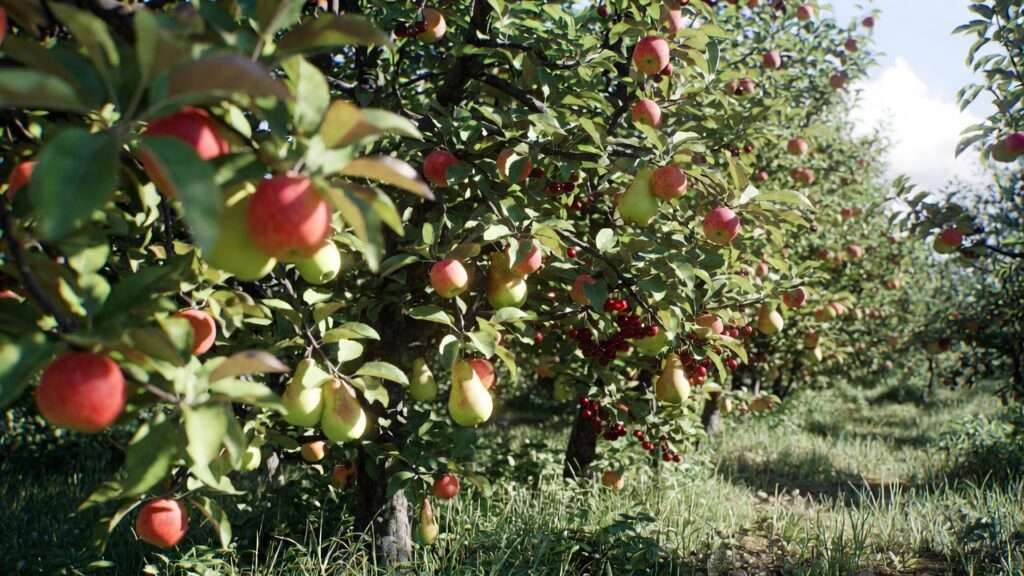
Imagine stepping into your backyard orchard on a crisp morning, picking ripe, flawless apples or juicy pears straight from the tree — no weekly fungicide sprays, no heartbreaking losses to scab or fire blight, and no guilt over chemical use 😩→🌟. For many home gardeners, this dream feels out of reach because common fruit trees demand constant vigilance against diseases. But here’s the good news: by choosing disease-resistant fruit tree cultivars, you can dramatically reduce (or even eliminate) spraying while enjoying abundant, healthy harvests.
In this comprehensive guide, we’ll explore the best disease-resistant varieties for apples, pears, peaches, plums, cherries, and more. Backed by university extension research from places like Purdue, Missouri Extension, Penn State, and Cornell (updated insights through 2025-2026), these picks come from proven breeding programs like the PRI series (Purdue-Rutgers-Illinois). Whether you’re a beginner in a humid climate or an eco-conscious grower tired of the spray routine, these cultivars solve the real problem of high-maintenance fruit growing. Let’s dive in and make your orchard thrive with less effort 🍏✨!
Why Disease-Resistant Cultivars Are a Game-Changer for Home Growers
Disease resistance isn’t about perfect immunity — it’s about built-in tolerance that slashes infection risk and minimizes interventions. Most “resistant” cultivars handle major threats like apple scab (Venturia inaequalis), cedar apple rust (Gymnosporangium juniperi-virginianae), powdery mildew (Podosphaera leucotricha), fire blight (Erwinia amylovora), brown rot (Monilinia spp.), and bacterial spot with far fewer issues than standard varieties.
Key benefits include:
- Reduced spraying — Often down to zero or just organic options like neem oil or sulfur when needed 🐝.
- Safer for family, pets, and pollinators — Less chemical exposure means a healthier yard.
- Time and cost savings — Skip the endless spray schedule and focus on pruning and enjoying fruit.
- Higher success for beginners — These trees forgive minor mistakes in site selection or care.
- Environmental wins — Lower pesticide runoff protects local waterways and beneficial insects 🌍.
Science supports this shift: Programs like PRI have bred scab-immune apples since the 1970s, and modern releases build on that with multi-disease resistance. In humid regions (common in many home gardens), these cultivars turn frustrating failures into reliable successes.
Understanding Common Fruit Tree Diseases (And Why Resistance Matters)
Before picking varieties, know your enemies — these fungal and bacterial foes thrive in wet, humid conditions:
- Apple scab — Black, velvety spots on leaves/fruit; causes defoliation and cracked apples.
- Cedar apple rust — Orange-yellow spots; needs nearby junipers/cedars to complete its cycle.
- Powdery mildew — White coating on shoots/leaves; stunts growth.
- Fire blight — “Shepherd’s crook” blackened shoots; spreads fast in warm, wet springs (devastating for pears/apples).
- Brown rot — Fruit rots quickly post-bloom or near harvest (stone fruits’ nemesis).
- Bacterial spot/leaf curl — Spots/holes on leaves; common in peaches/plums.
Susceptible trees in wet climates often need 8–12+ sprays per season. Resistant ones? Many need 0–2 preventive applications. A quick comparison table:
| Disease | Typical Impact on Susceptible Trees | Benefit of Resistant Cultivars |
|---|---|---|
| Apple Scab | Severe leaf/fruit loss | Immunity in many (Vf gene) |
| Fire Blight | Tree death possible | High tolerance reduces outbreaks |
| Brown Rot | Ruined harvests | Lower incidence, easier management |
Choosing resistance aligns perfectly with low-spray, organic-leaning home growing.
Top Disease-Resistant Apple Cultivars (The Easiest Winners) 🍎
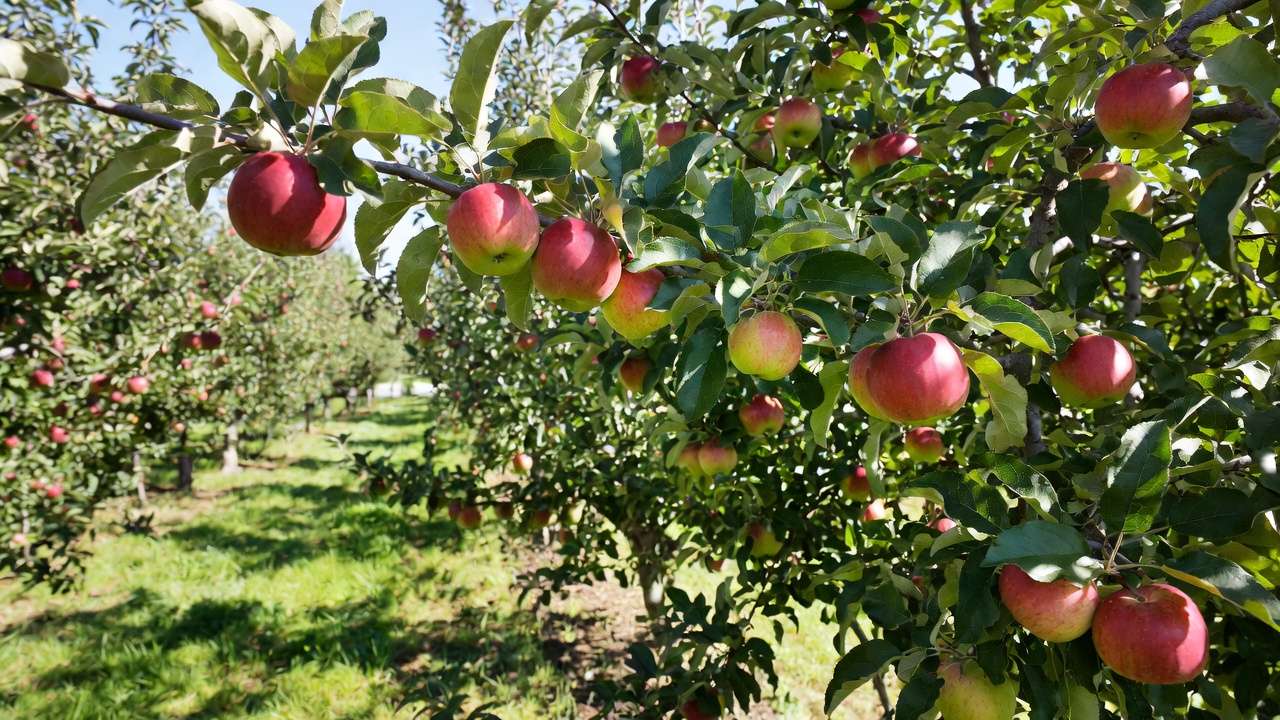
Apples lead in resistance breeding. The PRI program and others offer scab-immune (Vf gene) varieties with strong multi-disease profiles. Here are standout picks for home orchards:
- Liberty (top recommendation 🌟) — Released 1978, broad resistance to scab (immune), fire blight (resistant), cedar apple rust, and powdery mildew. Crisp, juicy, sweet-tart flavor like McIntosh. Ripens mid-September. Stores well. Zones 4–8. Gardeners rave: “No scab sprays in years!”
- Enterprise — Scab-immune, excellent fire blight and rust resistance, moderate mildew tolerance. Large, glossy red fruit with tart, spicy taste. Late-season (October), stores 6+ months. Vigorous tree.
- GoldRush — Scab-immune, moderate fire blight/powdery mildew resistance (note: some susceptibility to rust in certain areas). Complex sweet-tart flavor, excellent keeper (up to 6 months). Ripens late October/November.
- Freedom — Scab-immune, good overall resistance. Reliable producer with McIntosh-like qualities.
- Pristine — Early ripening (July/August), scab-immune, yellow fruit with sweet flavor.
- CrimsonCrisp — Scab-immune, moderate rust/mildew resistance. Crisp, tangy-sweet.
- Pixie Crunch — Compact tree, scab-immune, small but flavorful fruit — great for small spaces.
- Redfree — Early, scab-immune, good rust/fire blight tolerance.
- William’s Pride — Scab-immune, early summer fruit with rich flavor.
Comparison Table (Resistance Levels):
| Cultivar | Scab | Fire Blight | Rust | Mildew | Ripening | Flavor Notes |
|---|---|---|---|---|---|---|
| Liberty | Immune | Resistant | Resistant | Resistant | Mid-Sept | Sweet-tart, crisp |
| Enterprise | Immune | Excellent | Resistant | Moderate | Late Oct | Tart, stores great |
| GoldRush | Immune | Moderate | Variable | Moderate | Late Oct/Nov | Spicy, complex |
Start with Liberty for foolproof success in most climates 🍏.
Best Disease-Resistant Pear Cultivars (Fire Blight Fighters) 🍐
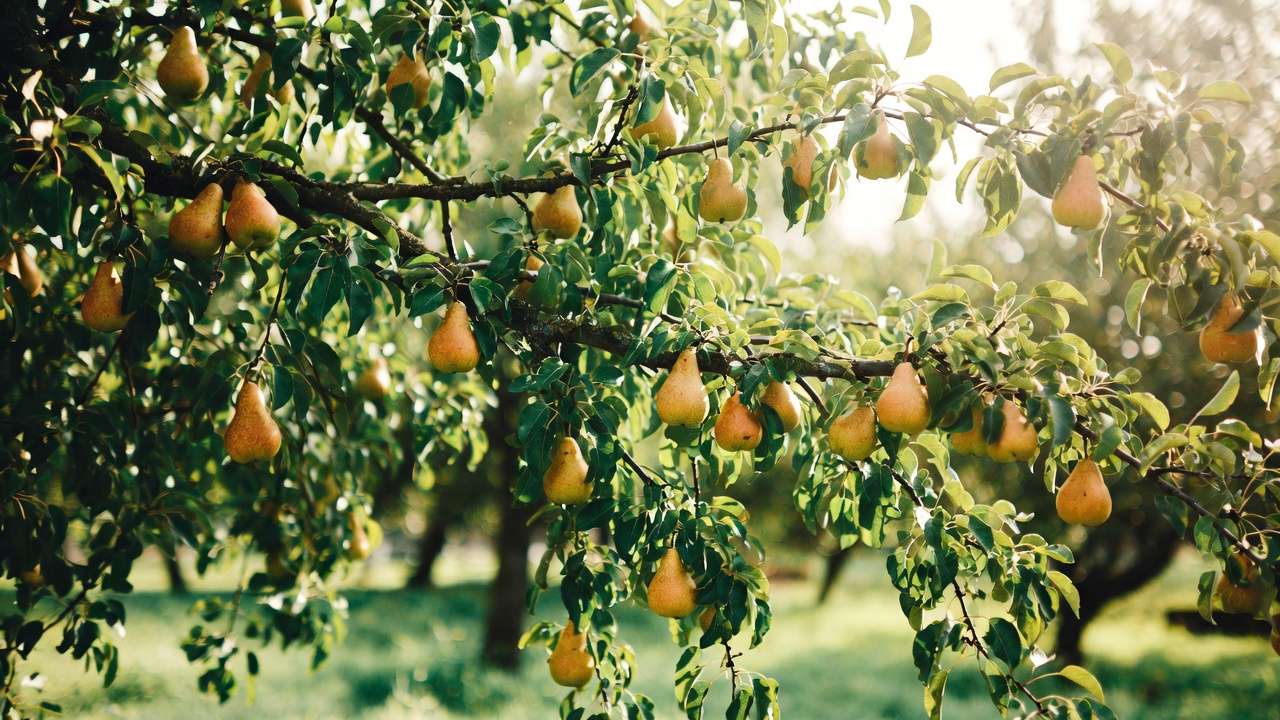
Fire blight is pears’ biggest threat, but these standouts resist it well:
European Pears:
- Harrow Delight — High fire blight resistance, juicy, Bartlett-like flavor. Early-mid season.
- Blake’s Pride — Excellent blight resistance, sweet, smooth texture.
- Moonglow — Good resistance, mild flavor, reliable.
- Potomac — Strong blight tolerance, productive.
Asian Pears:
- Shinko & Kikusui — Blight-resistant, crisp like apples, sweet.
Avoid super-susceptible ones like Bartlett unless you’re ready for vigilant monitoring. Use resistant rootstocks (e.g., OHxF series) for extra protection.
Stone Fruit Stars — Peaches, Plums, Nectarines & Cherries 🍑🍒
Stone fruits need more care overall, but these minimize sprays:
Peaches/Nectarines (brown rot/bacterial spot focus):
- Contender — Good resistance to bacterial spot/brown rot, cold-hardy, excellent flavor.
- Reliance — Hardy to -25°F, tolerant to key diseases.
- Redhaven alternatives like Candor or Bellaire (bacterial spot resistant).
Plums (often most forgiving):
- Stanley (European) — Self-fertile, low-maintenance, reliable.
- Methley or Santa Rosa — Good tolerance, juicy.
- Native/American plums — Nearly problem-free in right zones.
Cherries:
- Montmorency (tart) — Resilient to leaf spot/brown rot.
- North Star or Juliet (dwarf) — Tolerant, compact for small yards.
Stone fruits still benefit from good airflow and minimal organic sprays if humid.
Other Low-Spray Fruit Trees Worth Considering 🌳
- Figs (Brown Turkey, Celeste) — Naturally deterrent to pests/diseases.
- Persimmons & Pawpaws — Native, almost trouble-free.
- Mulberries & Serviceberries — Hardy, low-intervention bonuses.
How to Choose the Right Cultivar for Your Location & Needs
Match to your USDA zone, chill hours (e.g., low-chill for warmer areas), soil/drainage, and space (dwarf rootstocks like M9 for apples). Self-fertile? Great for solo trees. Prioritize taste: fresh eating vs. cooking/preserving. In humid South, prioritize scab/fire blight resistance; in cold North, add winter hardiness.
Planting & Care Tips to Maximize Disease Resistance 🌱
Even the toughest cultivars shine brightest with smart cultural practices. Here’s how to set them up for success and keep spraying to a bare minimum:
- Site Selection & Soil Prep — Choose a spot with at least 6–8 hours of full sun daily and excellent air circulation to dry leaves quickly after rain (key for preventing fungal issues). Avoid low-lying frost pockets or areas near junipers/cedars (hosts for cedar apple rust). Test soil pH (aim for 6.0–7.0) and amend with compost for good drainage — poor drainage invites root rots.
- Rootstock Importance — For apples, opt for Geneva series (e.g., G.41, G.214) — they offer dwarfing, better anchorage, and often improved fire blight tolerance. For pears, OHxF series resist fire blight better than older stocks. Stone fruits do well on hardy, disease-tolerant rootstocks like Lovell or Nemaguard for peaches.
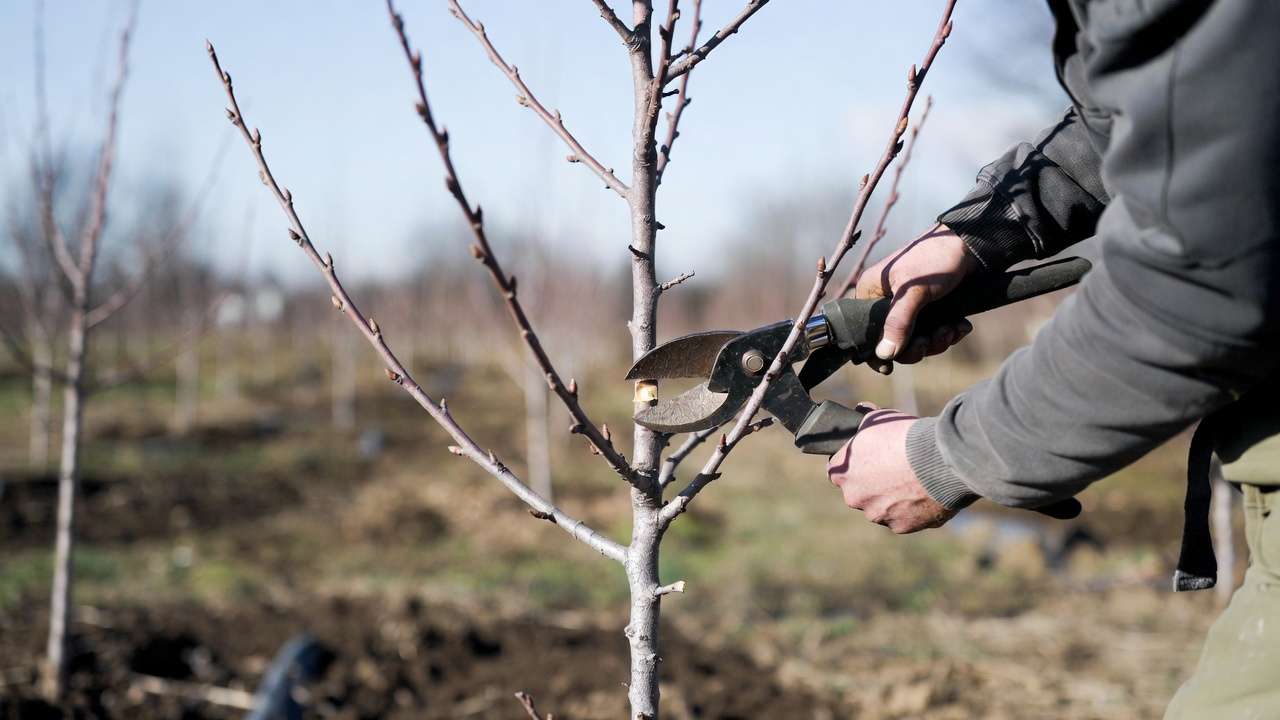
- Pruning for Airflow & Sunlight — Prune in late winter/dormant season to create an open center or modified central leader shape. Remove crossing branches, suckers, and water sprouts annually. Good structure lets light/ air reach inner canopy, slashing mildew and scab risk 🍂.
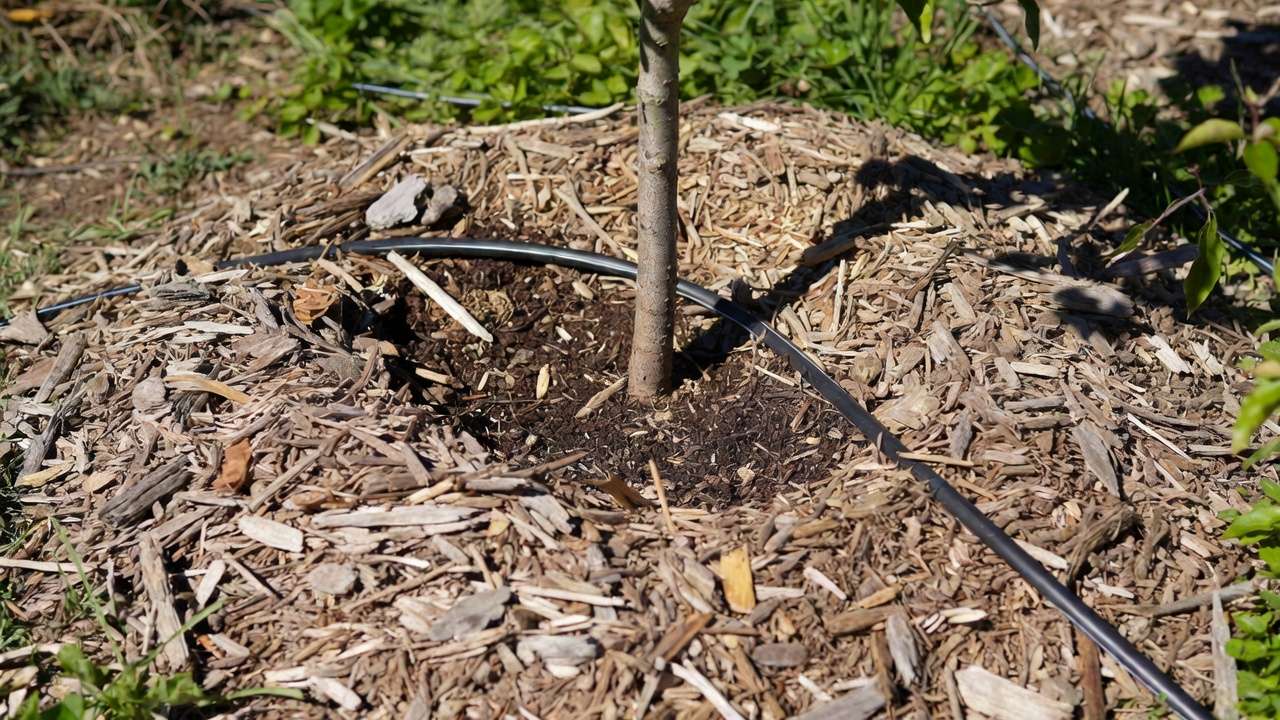
- Organic Boosts — Mulch with 2–4 inches of wood chips or compost around the base (keep away from trunk) to retain moisture, suppress weeds, and feed soil microbes. Encourage beneficial insects (ladybugs, lacewings) by planting companion flowers like marigolds or dill. Apply compost tea or seaweed extract in spring for natural vigor.
- Minimal Intervention Sprays (If Needed) — In tough years, use organic options: sulfur for mildew/scab prevention (early season), neem oil for aphids/mites, or copper-based sprays for bacterial issues (follow labels carefully). Many resistant cultivars need none after year 2–3.
- Monitoring & Early Action — Walk your trees weekly during wet springs. Prune out any fire blight strikes immediately (sanitize tools with alcohol between cuts). Remove fallen leaves/fruit in fall to break disease cycles.
Follow these, and your resistant trees will reward you with robust growth and minimal fuss.
Real Results: Case Studies & Gardener Success Stories 📖
University extensions and home grower forums overflow with proof these cultivars deliver:
- A Missouri gardener switched to Liberty apples in 2020: “Zero scab sprays for 5 seasons — crisp fruit every year, even in humid summers!” (MU Extension reports similar backyard wins).
- In humid Mid-Atlantic areas, Harrow Delight and Blake’s Pride pears survived severe fire blight years with no losses, while nearby Bartletts died back (Clemson & Penn State data echo this).
- Tennessee home orchardists praise Contender peaches: Late bloom dodges frosts, and bacterial spot resistance cuts sprays by 70%+ compared to older varieties (UT Extension trials).
- A northern beginner shared on forums: “Planted Reliance peach + Montmorency cherry — both thrived with just pruning and mulch. First real harvest in year 3, no brown rot disasters!”
These aren’t flukes — consistent selection of proven, regionally adapted resistant stock turns high-risk fruit growing into reliable joy 🌟.
Frequently Asked Questions (FAQs) ❓
Do disease-resistant cultivars taste as good as standard ones? Yes — often better! Liberty rivals McIntosh, GoldRush offers complex spicy notes like a premium dessert apple, and Harrow pears match or exceed Bartlett in flavor without the blight drama.
Can I grow them organically? Absolutely — many home growers do with zero synthetic sprays. Focus on prevention (good site/pruning) and organics if needed.
What if I already have susceptible trees? Graft resistant scions onto them (top-working) or plant new resistant ones nearby. Remove severely diseased wood to reduce inoculum.
Best sources to buy healthy stock? Reputable nurseries like Stark Bro’s, Raintree, or Cummins (certified disease-free). Check university extension lists for local suppliers. Avoid big-box stores for bareroot — they may carry untested stock.
Are there truly “no-spray” options? Plums (Stanley, Methley), native pawpaws/persimmons, and figs come closest. Apples/pears like Liberty or Harrow series often need zero in good years.
How many chill hours do these need? Varies: Liberty apples ~800–1000; Contender peach ~850; low-chill options exist for warmer zones (e.g., some Asian pears).
Will dwarf trees perform as well? Yes — especially on resistant rootstocks. They’re easier to prune/manage and suit small yards perfectly.
Any updates for 2026? Breeding continues! Newer releases build on classics — check extensions for emerging scab-immune apples or enhanced blight pears.
Conclusion
Growing fruit trees doesn’t have to mean endless spraying or disappointment. By prioritizing disease-resistant fruit tree cultivars like Liberty apples, Harrow Delight pears, Contender peaches, Stanley plums, and Montmorency cherries — and pairing them with basic smart care — you can harvest basketfuls of beautiful, tasty fruit with far less work and worry.
These varieties, honed by decades of university breeding (PRI, Cornell, Harrow programs), deliver real-world reliability for home orchards in 2026 and beyond. Start small: Pick 2–3 that suit your zone and taste preferences, plant this season, and watch your backyard transform into a low-maintenance bounty 🍎🍐🌳.
Ready to get growing? Share your picks or progress in the comments — I’d love to hear how your orchard thrives! Happy planting ✨🚀











