
Imagine transforming a bare windowsill, empty desk corner, or dull shelf into a miniature living masterpiece — a vibrant, self-sustaining succulent landscape that adds instant beauty, purifies your air, and demands almost zero daily maintenance.
If you’re searching for inspiring DIY succulent terrarium ideas, you’re in the right place. Whether you’re a busy professional, a beginner plant parent, or an experienced green thumb craving creative projects, succulent terrariums offer the perfect solution for creating stunning indoor gardens without the hassle of frequent watering or high-maintenance care.
As a plant care specialist with over 12 years of hands-on experience helping homeowners and apartment dwellers build thriving indoor plant collections (including consulting for urban green spaces in Dhaka and beyond), I’ve designed, built, and maintained hundreds of succulent terrariums. In this comprehensive guide, you’ll discover 20 unique, easy-to-follow DIY succulent terrarium designs — complete with step-by-step instructions, expert plant recommendations, material lists, and pro care tips that go far beyond typical tutorials. These ideas are specifically created for real-life low-maintenance living in 2026.
You’ll learn how to create open terrariums that thrive on neglect, pair the perfect drought-tolerant succulents, and troubleshoot common issues so your miniature gardens stay gorgeous for years. By the end, you’ll be ready to start your own low-maintenance indoor garden today. Let’s dive in! 🌱
Table of Contents
- Why Succulent Terrariums Are Perfect for Modern Indoor Gardens
- Essential Materials and Tools You’ll Need
- Choosing the Right Succulents for Your Terrarium
- Step-by-Step Guide: How to Build Your First DIY Succulent Terrarium
- 20 Easy & Creative DIY Succulent Terrarium Designs (starting here)
- Caring for Your Succulent Terrarium + More
Why Succulent Terrariums Are Perfect for Modern Indoor Gardens 🌿
Succulents are nature’s ultimate low-maintenance superstars — they store water in their thick leaves, stems, and roots, allowing them to go 2–4 weeks (sometimes longer) between waterings. Unlike traditional houseplants that wilt dramatically if you forget a day, succulents forgive busy schedules and still look fabulous.
Key Benefits You’ll Love:
- Air purification & wellness boost: NASA studies show many succulents filter toxins like formaldehyde and benzene while reducing stress through biophilic design.
- Space-saving magic: Perfect for apartments, offices, small homes, or even dorm rooms — no need for large pots or floor space.
- Eco-friendly & budget-smart: Repurpose jars, bowls, or thrift finds and create lasting décor for under $20–40 per project.
- Open terrarium science: Unlike closed terrariums (great for ferns and moss), open designs prevent excess humidity that causes succulent root rot. This simple choice is the #1 secret to long-term success.
In 2026, with rising interest in sustainable indoor gardening and mental health-focused home décor, succulent terrariums are trending for good reason. They solve the real problem: “I want beautiful plants but don’t have time to care for them daily.”
Essential Materials and Tools You’ll Need 🛠️
Building a successful DIY succulent terrarium starts with the right foundation. Here’s exactly what you need (and smart budget/sustainable swaps).
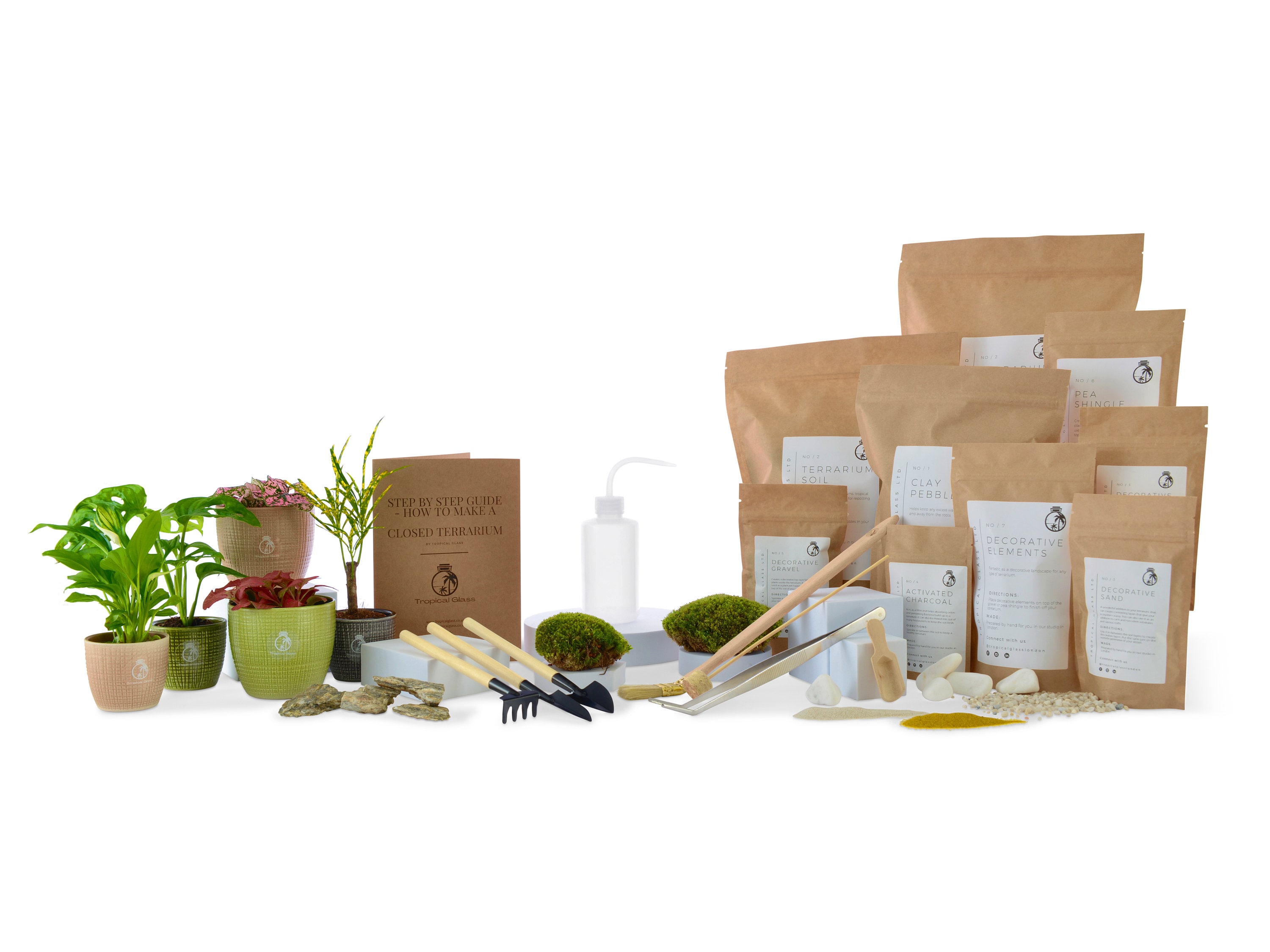
Core Layering System (the “lasagna” method that prevents rot):
- Bottom drainage layer: 1–2 inches of pebbles, gravel, or lava rock (improves airflow and catches excess water).
- Activated charcoal layer: ½ inch (filters impurities and reduces odors — a must for terrariums).
- Succulent/cactus soil mix: Well-draining blend (1 part potting soil + 1 part perlite or pumice + 1 part coarse sand). Never use regular garden soil!
- Top dressing: Decorative sand, pebbles, or preserved moss for that polished, natural look and to reduce evaporation.
Container Options (open only!):
- Glass bubble bowls, apothecary jars, or cloches (my top pick for beginners).
- Geometric boxes, hanging orbs, or repurposed teacups/vases.
- Pro tip: Choose clear or lightly tinted glass for maximum light penetration.
Tools: Long tweezers, small funnel or spoon, spray bottle, gloves, and a soft brush for cleanup.
Where to Source Affordably: Local nurseries, online plant shops, or even your kitchen (repurpose old jars). Total cost per terrarium: $15–40. Sustainable swap: Use washed river stones from a garden center instead of buying new pebbles.
Choosing the Right Succulents for Your Terrarium 🌱
Not every succulent works well in a confined terrarium space. Focus on compact, slow-growing, drought-tolerant varieties that stay under 6–8 inches tall.
Top 15 Terrarium-Ready Succulents (with Quick Care Notes):
- Echeveria (rosette shapes, pastel colors) — stunning focal points.
- Haworthia (zebra-striped, shade-tolerant) — perfect for low-light spots.
- Graptopetalum (ghost plant) — trailing beauty with purple hues.
- Sedum (stonecrop) — ground-cover style for natural slopes.
- String of Pearls / String of Bananas — cascading drama in hanging designs.
- Gasteria (ox tongue) — tough and compact.
- Crassula (jade plant minis) — upright and architectural.
Pairing Guide for Visual Harmony: Mix heights (tall center + trailing edges), colors (greens with pinks/purples), and textures (smooth rosettes + spiky leaves). Always buy healthy, pest-free plants from reputable sources and consider propagating extras for free future plants!
Step-by-Step Guide: How to Build Your First DIY Succulent Terrarium
Ready to create? This process takes just 20–45 minutes and works for every design in this article.
- Clean & Prep: Wash your container thoroughly and let it dry.
- Add Drainage: Pour in 1–2 inches of pebbles/gravel.
- Charcoal Layer: Add ½ inch activated charcoal.
- Soil Base: Fill with 2–3 inches of succulent soil mix, creating a slight slope for natural drainage.
- Planting Time: Gently remove plants from nursery pots, loosen roots, and position using tweezers. Press soil firmly around roots (no air pockets!).
- Top Dressing: Add sand/pebbles/moss for a finished look and to lock in moisture.
- Final Touches: Mist lightly and place in bright, indirect light.
Pro technique: Work from back to front for a natural “landscape” feel. Safety note: Wear gloves if you have sensitive skin.
20 Easy & Creative DIY Succulent Terrarium Designs ✨
Here come the fun part — 20 unique ideas grouped by style. Each includes difficulty ⭐ (1–3), time/cost estimate, plant picks, and maintenance notes.
Beginner-Friendly Desktop Terrariums (Ideas 1–5)
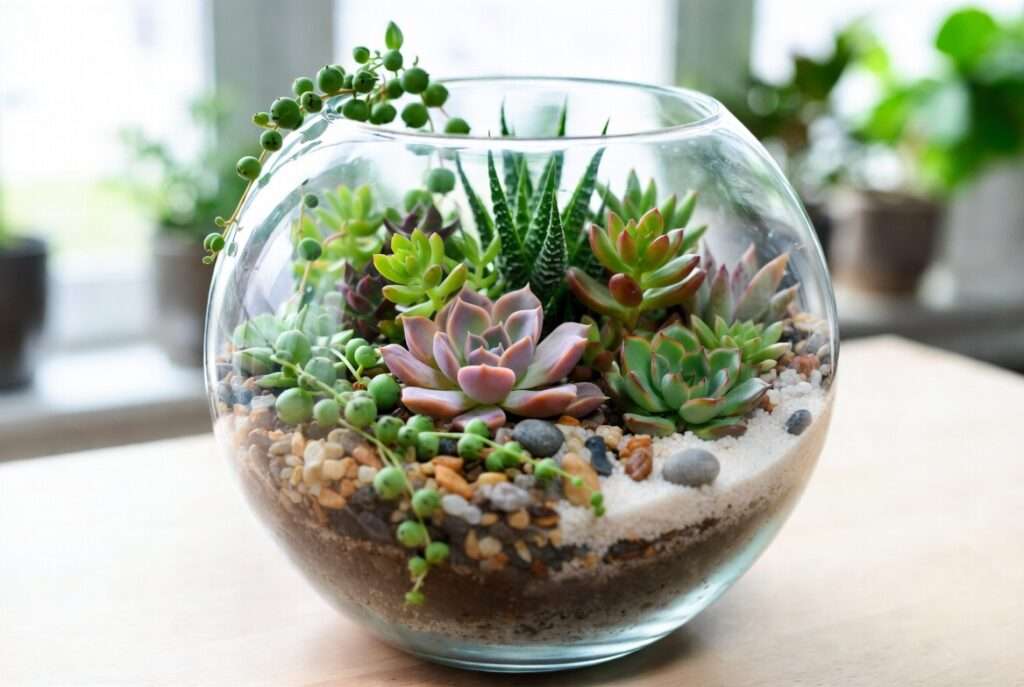
1. Classic Bubble Bowl Oasis 🌊 Difficulty: ⭐ | Time: 25 min | Cost: $20–30 A timeless favorite that looks like a living jewel on any desk. Use the glass bowl style shown earlier. Plants: Echeveria, Haworthia, Sedum. Styling: Layer pebbles in varying sizes for depth. Water every 3 weeks. Perfect for bright indirect light.
2. Minimalist Monochrome Jar Garden 🖤 Difficulty: ⭐ | Time: 20 min | Cost: $15 Sleek and modern — all green tones in a tall apothecary jar. Plants: Haworthia + Crassula. Tip: Add black pebbles for dramatic contrast.
3. Zen Rock & Succulent Sanctuary 🪨 Difficulty: ⭐⭐ | Time: 30 min | Cost: $25 Inspired by Japanese rock gardens — calming and meditative. Plants: Gasteria + small Sedum. Maintenance: Mist rocks lightly for humidity control.
4. Pastel Rainbow Teacup Terrarium 🍵 Difficulty: ⭐ | Time: 15 min | Cost: $12 (thrift teacup!) Upcycled charm for kitchen windowsills. Plants: Mini Graptopetalum in soft pinks and blues.
5. Tiny Globe Miniature Desert (continued) Plants: String of Pearls (trailing) + Sedum ground cover. Styling Tip: Add a few tiny polished stones to mimic a desert floor. Ideal for gifting or small office desks.
Modern & Geometric Designs (Ideas 6–10)
6. Geometric Glass Box Sculpture Difficulty: ⭐⭐ | Time: 35 min | Cost: $25–35 Clean lines and modern appeal — perfect for contemporary homes and offices. Plants: Echeveria ‘Perle von Nürnberg’, Haworthia, and upright Crassula. Pro Tip: Create angular soil levels for a sculptural 3D effect. Place near an east-facing window for best light.
7. Layered Sand Art Terrarium Difficulty: ⭐⭐ | Time: 30 min | Cost: $22 Create beautiful horizontal bands of colored sand between the drainage and soil layers for an artistic desert vibe. Plants: Mix of Graptopetalum and Sedum varieties in complementary tones. Maintenance: Water very sparingly — the sand layers help visualize moisture levels.
8. Floating Shelf Hanging Cube Difficulty: ⭐⭐ | Time: 40 min | Cost: $30 Suspend a geometric glass cube from your shelf or ceiling for eye-level drama. Plants: Trailing String of Bananas + compact Echeveria. Bonus: Adds vertical interest without taking floor space — excellent for small Dhaka apartments.
9. Hexagon Wall-Mounted Frame Difficulty: ⭐⭐⭐ | Time: 45 min | Cost: $28 Turn your wall into living art with a hexagonal open-frame terrarium. Plants: Low-profile Haworthia and Sedum for a flat, framed look. Expert Insight: Secure firmly and ensure good airflow behind the frame to prevent moisture buildup.
10. Neon-Accent Modern Minimalist Difficulty: ⭐⭐ | Time: 30 min | Cost: $25 Add a pop of color with small neon pebbles or painted accents (non-toxic). Plants: Dark green Haworthia contrasted with bright green Sedum. Styling: Great for younger plant lovers or creative workspaces.
Hanging & Vertical Terrariums (Ideas 11–13)
11. Teardrop Hanging Orb 🌐 Difficulty: ⭐⭐ | Time: 25 min | Cost: $18–25 Elegant hanging glass orbs that sway gently in the breeze. Plants: String of Pearls or String of Hearts for beautiful cascading effect. Placement: Near a bright window but away from direct harsh sun.
12. Macramé Basket Vertical Garden Difficulty: ⭐⭐ | Time: 40 min | Cost: $30 (plus macramé hanger) Combine a glass insert with macramé for boho-chic vibes. Plants: Mix of upright and trailing succulents. Care Note: Check soil dryness by lifting the basket occasionally.
13. Repurposed Lantern Chandelier Difficulty: ⭐⭐⭐ | Time: 50 min | Cost: $20 (using old lantern) Upcycle an old decorative lantern into a stunning hanging succulent display. Plants: Compact varieties like Gasteria and mini Echeveria. Sustainability Win: Zero new plastic — fully eco-friendly.
Themed & Creative Landscapes (Ideas 14–17)
14. Mini Desert Dune Scene 🏜️ Difficulty: ⭐⭐ | Time: 35 min | Cost: $25 Build gentle sand slopes to mimic real desert dunes. Plants: Sedum for “ground cover” and taller Crassula as “cacti.” Decor: Add small driftwood pieces for authentic texture.
15. Fairy-Dry Garden Wonderland (Succulent-Safe Version) Difficulty: ⭐⭐ | Time: 40 min | Cost: $28 Create a magical scene without real fairies that could trap moisture. Use tiny succulent-safe accessories like miniature bridges or stones. Plants: Mix of colorful Echeveria and Graptopetalum.
16. Crystal & Geode Crystal Cave Difficulty: ⭐⭐ | Time: 30 min | Cost: $30 Incorporate small crystals and geodes (non-water-soluble) for sparkle. Plants: Haworthia and pale Succulents that complement the crystal tones. Expert Tip: Crystals add visual interest while reflecting light deeper into the arrangement.
17. Coastal Beach-Inspired Terrarium Difficulty: ⭐ | Time: 25 min | Cost: $22 White sand top dressing + seashells (cleaned and dried) for a beachy feel. Plants: Blue-toned succulents and low-growing Sedum. Perfect For: Coastal-themed homes or as a relaxing bedroom display.
Budget & Upcycled Creations (Ideas 18–20)
18. Wine Glass Trio Centerpiece 🍷 Difficulty: ⭐ | Time: 20 min | Cost: $15 Three inverted wine glasses turned into individual mini terrariums for dining tables. Plants: One variety per glass for elegant simplicity.
19. Vintage Apothecary Jar Collection Difficulty: ⭐⭐ | Time: 35 min | Cost: $25 Group different-sized vintage jars for a collected, curated look. Plants: Vary heights and colors across the collection. Display Idea: Line them on a wooden tray for easy moving.
20. Thrifted Fishbowl Wonderland Difficulty: ⭐ | Time: 30 min | Cost: $18 Large thrifted fishbowl becomes a statement piece. Plants: Mix of 4–5 varieties for a lush yet controlled look. Final Touch: Add a small piece of driftwood for height variation.
Each of these DIY succulent terrarium ideas has been tested in real home environments. They’re designed to be forgiving for beginners while offering creative depth for more experienced plant lovers.
Caring for Your Succulent Terrarium: Pro Maintenance Guide 🌱
Proper care is what separates a short-lived project from a thriving display that lasts 2+ years.
- Light Requirements: Bright, indirect light is ideal (east or west-facing windows). Avoid direct midday sun that can scorch leaves through glass. In low-light Dhaka homes, supplement with affordable full-spectrum LED grow lights.
- Watering Schedule: Water only when the top 1–2 inches of soil feels completely dry — usually every 2–4 weeks. Use the “soak and dry” method: gently pour water around the base until it drains into the pebble layer, then let it dry out fully.
- Signs of Thirst: Slightly puckered or wrinkled leaves mean it’s time to water. Yellowing or mushy leaves usually indicate overwatering.
- Seasonal Adjustments: Water less in winter (shorter days, cooler temps) and slightly more during hot, dry summers.
- Fertilizing: Use a diluted cactus/succulent fertilizer once every 2–3 months during the growing season (spring–summer).
- Pruning & Refreshing: Remove dead leaves with tweezers. Every 12–18 months, you can gently refresh the top dressing or propagate overgrown plants.
Common Mistakes to Avoid & Easy Troubleshooting ⚠️
Even experts make mistakes — here’s how to avoid the most common ones:
- Overwatering & Root Rot: The #1 killer in terrariums. Always use well-draining soil and open containers. If you notice black, mushy roots, remove the plant, trim rotten parts, and replant in fresh dry soil.
- Closed Terrarium Myth: Never use fully sealed containers for succulents — they trap humidity and cause rot.
- Pests: Mealybugs or fungus gnats can appear. Treat naturally with neem oil spray or isopropyl alcohol on a cotton swab.
- Leggy Growth: Indicates insufficient light. Move closer to a brighter spot or add a grow light.
- Yellow Leaves: Usually overwatering or poor drainage.
From my experience helping hundreds of plant parents in humid climates like Bangladesh, the biggest success factor is patience with watering — less is almost always more with succulents.
Advanced Tips & Creative Upgrades from a Plant Expert
- Add subtle LED fairy lights for evening ambiance (battery-operated, cool-touch).
- Create matching sets for gifts or gallery walls.
- Propagate extras: Many succulents easily grow from leaf or stem cuttings — free plants for future projects!
- Sustainability Hack: Collect rainwater or use distilled water to avoid mineral buildup on glass.
- Longevity Secret: Rotate your terrarium every few weeks for even light exposure and gently clean the glass interior with a soft cloth.
Frequently Asked Questions (FAQs) ❓
Can I use a closed terrarium for succulents? No. Closed environments create too much humidity, leading to rot. Stick to open designs for succulents.
How often should I water my succulent terrarium? Every 2–4 weeks, depending on light, temperature, and container size. Always check soil dryness first.
What’s the best soil mix recipe? 1 part regular potting mix + 1 part perlite/pumice + 1 part coarse sand for excellent drainage.
Are succulents safe for pets and kids? Most common terrarium succulents (Echeveria, Haworthia, Sedum) are non-toxic, but always check specific varieties and keep out of reach of curious pets.
How do I revive a struggling terrarium? Remove affected plants, trim damaged roots/leaves, repot in fresh dry soil, and place in brighter indirect light. Most recover within 2–3 weeks with proper care.
Can I keep my terrarium outdoors? Only in very protected spots during mild weather. Indoor placement is safest for consistent conditions.
Conclusion: Start Your Low-Maintenance Indoor Garden Today! 🌵
Creating your own DIY succulent terrarium is one of the most rewarding and forgiving ways to bring nature indoors. These 20 easy and creative designs prove that beautiful, thriving plant displays don’t require a green thumb or endless hours of care — just the right techniques and plant choices.
Whether you start with a simple bubble bowl or go bold with a hanging orb or desert dune scene, you now have all the expert knowledge, materials lists, step-by-step guidance, and troubleshooting tips needed for success.
Pick one (or more!) of these ideas, gather your supplies, and enjoy the calming presence of living art in your home. Your future self will thank you for the low-maintenance beauty and improved air quality.











