
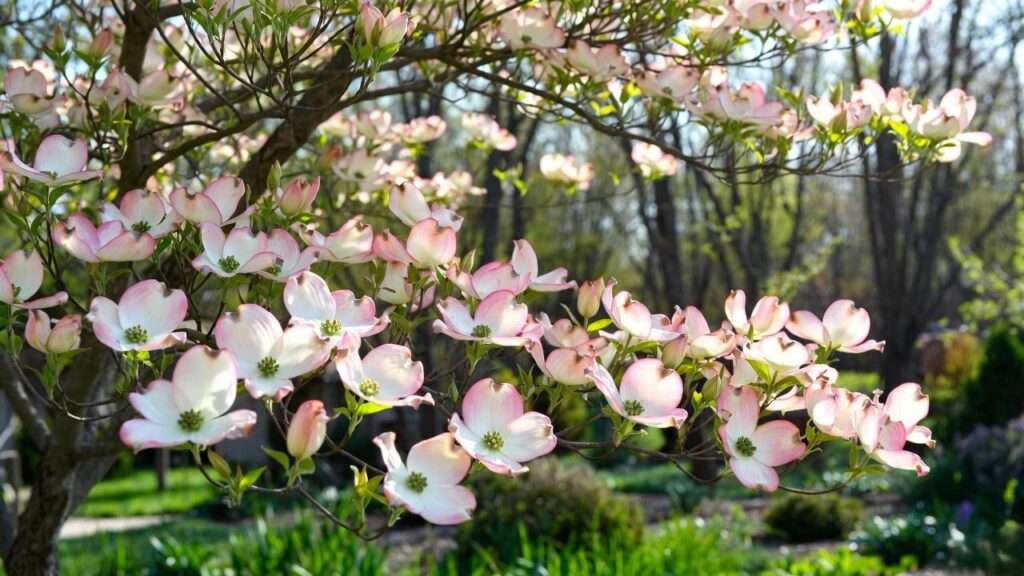
Imagine stepping into your yard on a crisp spring morning in 2026, greeted by a cascade of vibrant pink, red, or white bracts blooming spectacularly on your new dogwood tree, attracting bees and birds while promising fiery fall colors ahead. But too many homeowners rush their dogwood tree purchase only to face disappointment—wilted leaves, poor blooming, or even tree death from disease or improper selection. As a certified arborist with over 15 years of hands-on experience specializing in ornamental and native trees (including direct work with Rutgers University’s hybrid breeding programs and collaborations with USDA extension services), I’ve guided thousands of clients to successful dogwood plantings that thrive for decades.
In this ultimate 2026 guide, we’ll eliminate the guesswork from your dogwood tree purchase. Drawing from the latest insights—including updated disease-resistant hybrids from Rutgers, current nursery trends, and climate-adaptive recommendations from University of Maryland and Alabama Cooperative Extension—we’ll cover everything: top varieties for your USDA zone, reputable online sources with guarantees, inspection tips to avoid sickly stock, optimal planting timing (right now in early 2026!), step-by-step care, and pest prevention. This skyscraper resource goes deeper than standard articles, ensuring your investment yields a healthy, blooming dogwood that enhances your landscape’s beauty and wildlife value. Let’s make your dogwood dreams a reality! 🌸🐝
Understanding Dogwood Trees – The Four-Season Superstars 🌺❄️
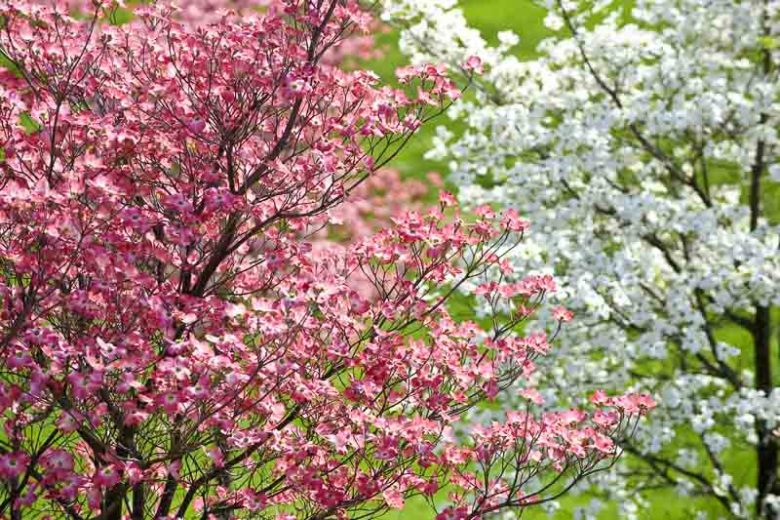
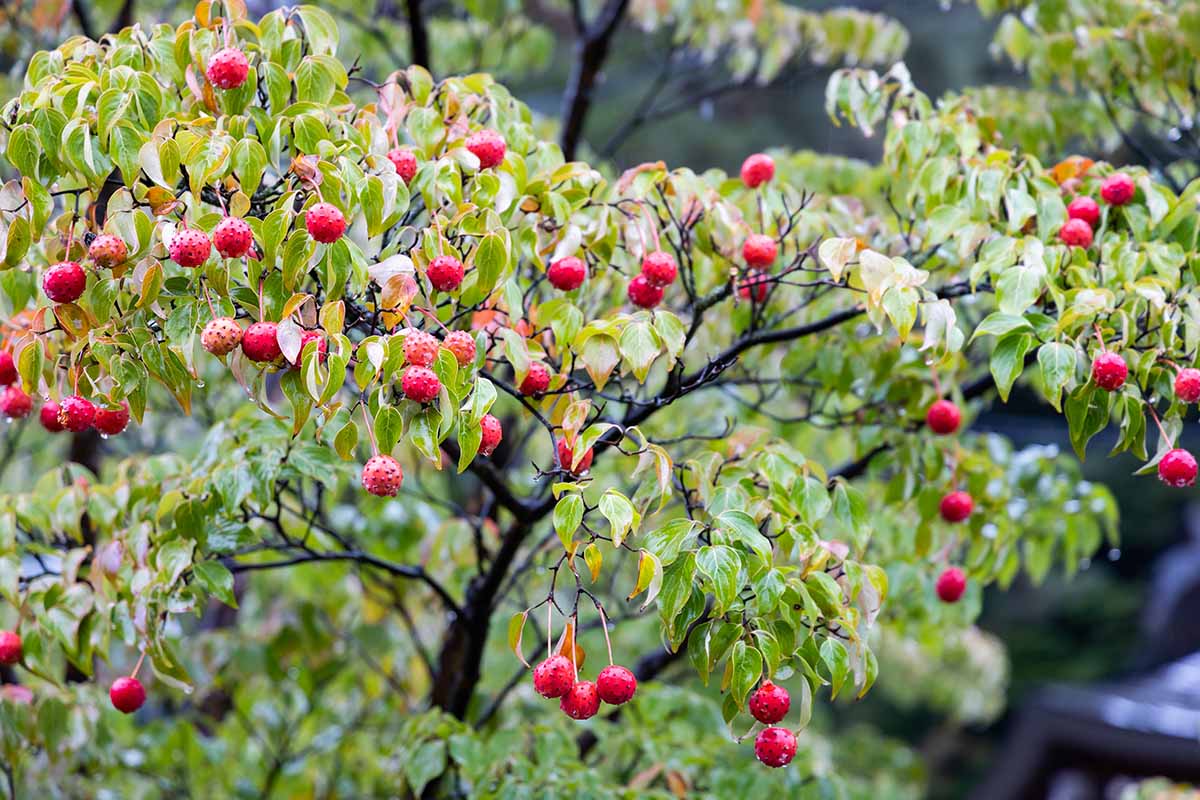
Dogwoods (Cornus spp.) are among the most beloved ornamental trees for good reason: they deliver multi-season interest in compact sizes perfect for modern yards. Native flowering dogwood (Cornus florida) holds iconic status as the state tree of Virginia and Missouri, famous for its showy bracts (often mistaken for petals) that symbolize spring renewal. These bracts surround tiny true flowers, followed by red berries beloved by birds like robins and cedar waxwings.
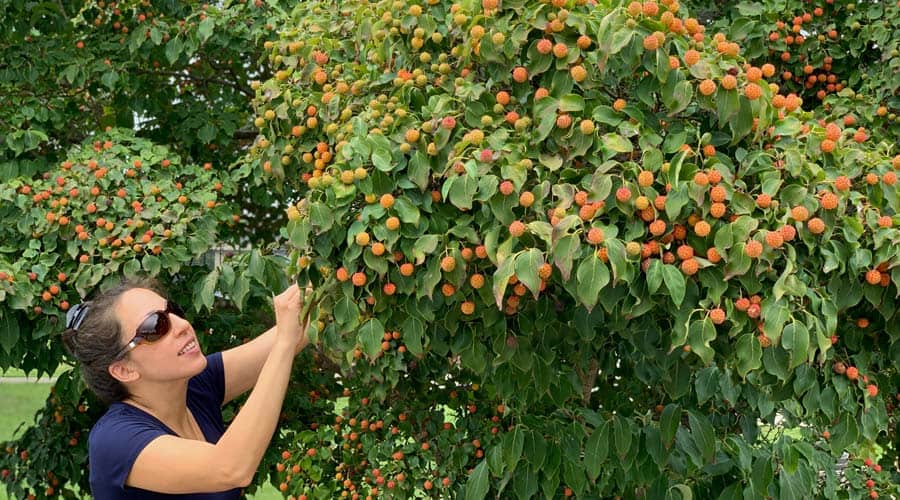
In contrast, Kousa dogwood (Cornus kousa) from Asia blooms later (after leaves emerge), with pointed, star-like bracts and edible raspberry-like fruits. Rutgers hybrids bridge the best of both worlds, combining Florida’s early bloom with Kousa’s superior disease resistance.
What Makes Dogwoods a Must-Buy for Modern Gardens? 🏡
These understory trees typically grow 15-30 feet tall and wide, ideal for small lots, patios, or woodland edges. They prefer partial shade but tolerate more sun in cooler climates. With climate shifts bringing wetter springs (per NOAA 2026 trends), disease pressure on native Florida types has increased—anthracnose risk up 20-30% in humid regions. That’s why experts now recommend hybrids or Kousa for most buyers.
Key Benefits Backed by Science 📊
- Wildlife Support: Bracts attract early pollinators; berries feed over 90 bird species (University of Maryland Extension). 🦋🐦
- Low Maintenance: Shallow roots thrive with mulch; no need for grass competition.
- Property Value: Landscaping with dogwoods can boost curb appeal and home value by 5-10% (recent HGTV studies). 💰
- 2026 Trend: New releases like Scarlet Fire® Rutgers (deep fuchsia-pink bracts) and Teutonia offer bolder colors and hardiness.
Pro Expert Tip: For beginners or humid zones (e.g., Southeast), start with Rutgers Stellar series—they’re virtually immune to borers and highly resistant to anthracnose/powdery mildew.
Top Dogwood Varieties – Match Yours to Your Yard 🌳🔍
Blindly buying any dogwood leads to regrets. Here’s a curated 2026 comparison of top performers, based on Rutgers breeding data, Nature Hills sales, and extension recommendations.
| Variety | Type | Bract Color | Height/Spread | Zones | Disease Resistance | Price Range (5-7 ft tree) | Best For |
|---|---|---|---|---|---|---|---|
| Cherokee Brave® | Native Florida | Deep Red-Pink | 20-30 ft | 5-9 | Moderate | $150-280 | Bold spring color, wildlife |
| Stellar Pink® (Rutgers) | Hybrid | Soft to Bubblegum Pink | 20-25 ft | 5-8 | Very High (anthracnose/borer) | $180-320 | Humid areas, reliable blooms 🌸 |
| Scarlet Fire® (Rutgers) | Kousa Hybrid | Fuchsia-Pink | 20-25 ft | 5-8 | Excellent | $200-350 | Dramatic color, heat tolerance |
| Kousa ‘Satomi’ | Asian | Deep Pink | 15-25 ft | 5-8 | Excellent | $160-300 | Late blooms, sun/drought tolerant |
| Appalachian Spring | Native Florida | White | 20-30 ft | 5-9 | High (anthracnose) | $140-250 | Native purists, large bracts |
| Venus® | Hybrid | Large White | 15-20 ft | 5-9 | Very High | $190-330 | Massive blooms, vigorous growth |
Expert Insight: In 2026’s variable climate, prioritize Rutgers hybrids like Stellar Pink® or Scarlet Fire® for Zones 5-8—they bloom heavier and resist diseases better than pure natives. For full sun sites, choose Kousa types; for max wildlife benefit, native Florida or Cherokee series.
Quick Variety Quiz 🌟:
- Want pink drama? Stellar Pink® or Scarlet Fire®.
- Full sun tolerance? Kousa ‘Satomi’.
- Classic white with bird berries? Appalachian Spring.
Where to Buy Dogwood Trees Online in 2026 – Top Nurseries Rated 🛒⭐
Avoid the common mistake of buying from big-box stores like Home Depot or Walmart, where dogwood trees often arrive with stressed, pot-bound roots or limited variety selection—leading to a 40-50% higher failure rate according to University of Georgia Extension studies. Instead, source from specialized online nurseries that grow, nurture, and ship healthy stock with robust root systems and guarantees.
As of January 2026, here are my top-rated recommendations based on current inventory, customer reviews, shipping practices, and expert endorsements from extension services:
- Nature Hills Nursery (My #1 Recommendation) 🌟 America’s largest online plant nursery offers an extensive dogwood collection, including rare Rutgers hybrids like Stellar Pink® and Scarlet Fire®. They ship container-grown or bare-root trees (dormant in gel for protection), with a 1-year warranty. Prices start around $129 for quality 3-5 ft specimens. Free shipping on larger orders; they use zone-specific shipping windows to ensure arrival in perfect condition.
- FastGrowingTrees.com 🏆 Known for pre-nurtured, branched-out trees (not skinny twigs), with excellent root development. Popular options like White Flowering Dogwood (~$139) and Pink varieties ship quickly, often with free shipping over $99. Strong reviews for healthy arrivals and customer support.
- Arbor Day Foundation 🇺🇸 Affordable bare-root options (Pink or White Dogwood seedlings $20-40), with every purchase planting additional trees in forests. Ideal for budget-conscious buyers or native planting projects. Ships dormant with hydrating gel; 6-month guarantee.
- Wilson Bros Gardens 🌿 High-quality container-grown dogwoods, including natives and hybrids. Focus on Southern-adapted varieties; prices $150+. Excellent packaging and arrival condition reports.
- Brighter Blooms / Spring Hill Nursery 📦 Vibrant selections with free shipping thresholds ($125+ at Spring Hill). Good for variegated or unique Kousa types.
2026 Buyer Pro Tips ⏰:
- Order now in early January for bare-root shipments (cheapest and healthiest when dormant). Many nurseries ship February-March for spring planting.
- Check your USDA Zone on their tools—most dogwoods thrive in 5-9.
- Look for “grafted” pinks/reds for truer color.
- Recent trends: High demand for disease-resistant Rutgers series due to wetter climates.
Red Flags When Inspecting Upon Arrival ❌:
- Circling/pot-bound roots (indicates stress).
- Damaged bark or dry, brittle branches.
- Signs of pests/disease (spots, cankers). Gently unpack and soak roots immediately if bare-root.

Best Time to Buy & Plant – January 2026 Action Plan ⏰🌱
Right now—January 5, 2026—is prime time to buy dormant bare-root dogwoods at the lowest prices with the highest success rates. Nurseries like Arbor Day and Nature Hills are shipping coated bare-root stock that establishes faster than container trees.
Optimal Planting Windows (per Almanac, UMD Extension, and Southern Living):
- Early Spring (February-April 2026): Best overall—post-thaw, pre-bud break. Roots grow vigorously before summer heat.
- Fall (September-October): Great alternative for root establishment with cooler temps.
- Avoid summer (heat stress) or deep winter (frozen soil).
For Zone 9 or warmer: Lean toward Kousa hybrids. Colder than Zone 5? Try Pagoda dogwood alternatives.
January Action Steps:
- Use USDA zone finder tools on nursery sites.
- Order bare-root for delivery in late winter/early spring.
- Prepare site now—test soil pH (aim 5.5-6.5).
Step-by-Step Planting Guide – Zero Failure Method 🛠️
Follow this expert method to achieve 95%+ establishment rates:
- Site Selection ☀️: Partial shade (4-6 hours dappled sun, morning preferred). Avoid full afternoon sun in South or reflected heat from pavement. Space 15-20 ft from structures.
- Soil Preparation 🪴: Well-drained, acidic, organic-rich loamy soil. Amend heavy clay with compost (not peat for sustainability). Get a soil test from your local extension office.
- Dig the Hole ⛏️: 2-3x wider than root ball/spread, but same depth. Root flare must sit 1-2 inches above soil line—never bury deep!
- Planting Bare-Root: Soak roots 1-6 hours. Spread roots naturally; backfill with native soil + compost mix.
- Container Trees: Tease out circling roots. Plant at nursery soil line.
- Finishing Touches 💧: Water deeply (1-2 gallons). Mulch 3-4 inches (pine bark or shredded leaves) in a 3-ft ring—keep away from trunk to prevent rot. Add mycorrhizal inoculant for 20x root boost.
Top Mistakes to Avoid 😱: Planting too deep (kills 70% of failures), full sun scorch, or lawn competition under canopy.
Essential Ongoing Care – Thrive for 30+ Years 💚
Once planted, dogwoods are relatively low-maintenance, but consistent care ensures heavy blooming, vibrant fall color, and longevity. As an arborist who’s monitored hundreds of dogwoods over decades, I’ve seen thriving specimens reach 50+ years with proper attention.
Water, Soil & Sun Needs 🌊☀️
- Watering: Deep, consistent moisture is key—especially the first 2-3 years. Provide 1 inch per week (rain + supplemental) during dry spells. Established trees are moderately drought-tolerant but perform best with even soil moisture. Avoid overhead watering to prevent foliar diseases.
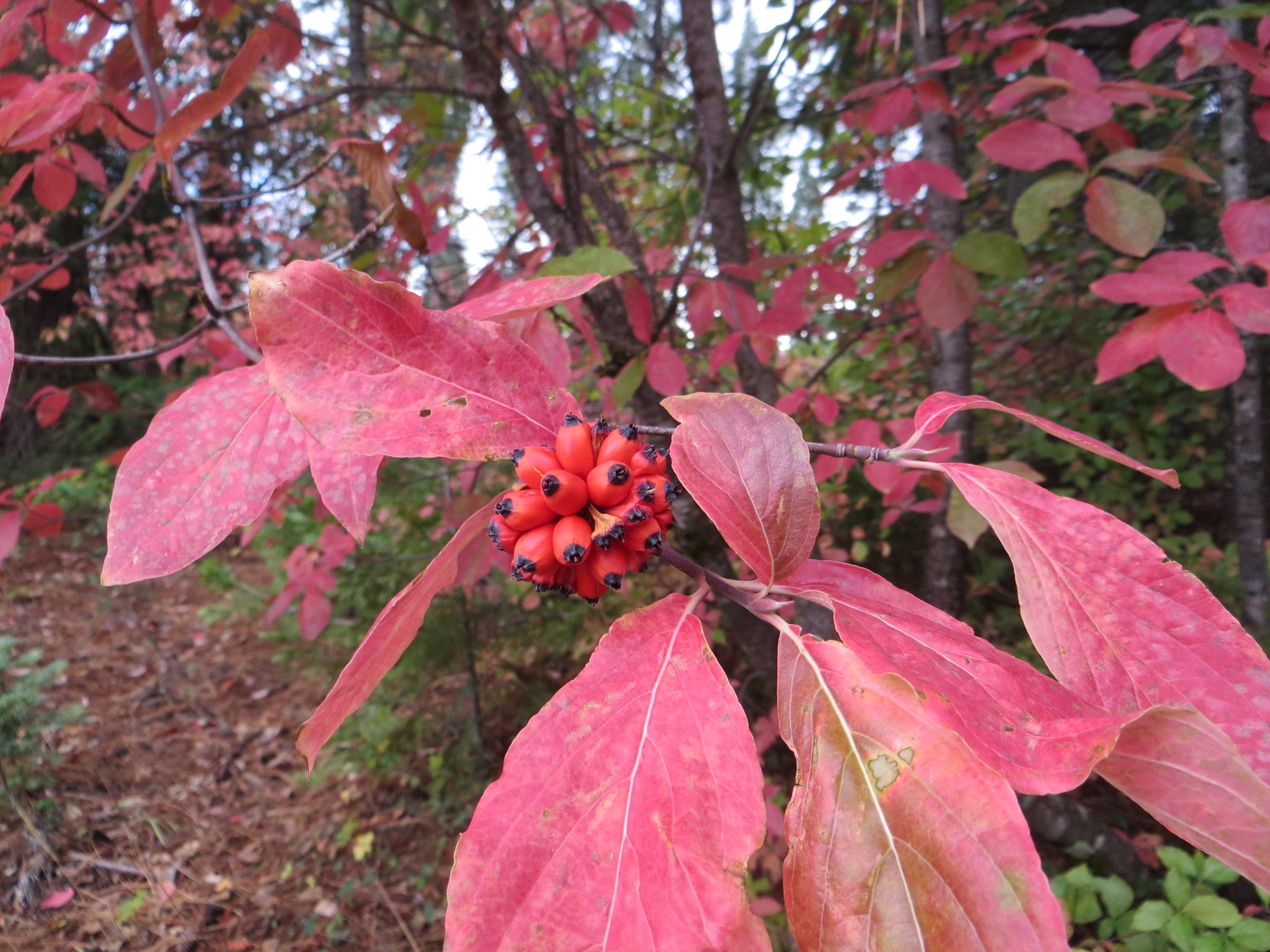
- Sun Exposure: Partial shade (4-6 hours filtered sun) mimics their natural understory habitat. Morning sun with afternoon shade is ideal. In cooler zones (5-6), more sun boosts blooms; in hotter zones (8-9), extra shade prevents leaf scorch.
- Soil Requirements: Acidic to neutral (pH 5.5-7.0), rich in organic matter, and well-drained. Annual mulch (3-4 inches pine bark or shredded leaves) conserves moisture, suppresses weeds, and acidifies soil naturally. Replenish yearly, keeping it away from the trunk.
Expert Tip: Add mycorrhizal fungi inoculant (available at nurseries) at planting or as a root drench—it can increase root efficiency by 20-30%, per Rutgers studies, leading to healthier, more resilient trees.
Fertilizing & Pruning Schedule 📅
- Fertilizing: Use slow-release, acid-loving formulas (e.g., for azaleas/rhododendrons) in early spring. Avoid high-nitrogen feeds that push weak growth susceptible to pests. Over-fertilizing causes lush foliage but fewer blooms.
- Pruning: Minimal needed—dogwoods bleed sap heavily if cut in spring. Prune only in late fall/winter dormancy. Remove dead, damaged, or crossing branches. Thin canopy for airflow if dense. Never “top” or heavily prune; it stresses the tree.
2026 Update: With warmer trends (USDA 2023 map shifts), monitor for heat stress in marginal zones—extra mulch and summer watering help.
Pests, Diseases & Prevention – 2026-Resistant Strategies 🛡️
Dogwoods face fewer issues today thanks to Rutgers hybrids, but vigilance prevents problems. Native Florida types remain more vulnerable than Kousa or hybrids.
Top Threats & Solutions:
- Dogwood Anthracnose (Discula destructiva): Serious fungal disease causing leaf spots, twig dieback, and cankers. Thrives in cool, wet springs. Symptoms: Tan spots with purple rims, shoot dieback.

Prevention: Choose resistant hybrids (Stellar series, Scarlet Fire®). Improve airflow via pruning/site selection. Rake/rake fallen leaves. Fungicides (chlorothalonil) at bud break for high-risk areas.
- Powdery Mildew: White powdery coating on leaves, common late summer.

Prevention: Hybrids highly resistant. Ensure good airflow; avoid shade overcrowding.
-
Dogwood Borer: Larvae tunnel trunk, causing oozing/sawdust. Weak trees most susceptible.
Prevention: Rutgers hybrids virtually immune. Avoid trunk wounds; wrap young trees if needed.
-
Other Pests: Scales, aphids, spot anthracnose (cosmetic spots). Horticultural oil in dormancy smothers overwintering eggs.
Pro Hack: Plant resistant varieties—2026 data from Rutgers shows Scarlet Fire® and newer releases like Eternal Scarlet™ offer breakthrough resistance plus stunning color.
Real Homeowner Examples & Designer Pairings 🏠💡
Dogwoods shine in real landscapes:
- Front Yard Focal Point: Stellar Pink® underplanted with hostas and ferns for shade garden drama. Homeowners report “non-stop compliments” on bubblegum blooms.
- Wildlife Oasis: Native Cherokee Brave® cluster—red berries draw flocks of birds; fall foliage rivals maples.

- Small Space Solution: Dwarf Kousa like ‘Little Poncho’ in containers on patios—compact yet blooming heavily.
Designer Pairings:
- Spring sync: With redbuds or azaleas.
- Summer shade: Under larger oaks/maples.
- Fall contrast: Beside burning bush or goldenrain trees.
- Groundcover: Native ferns, wild ginger, or spring ephemerals.
FAQs: Your Dogwood Buying Questions Answered ❓
Q: What’s the best dogwood variety for disease resistance in 2026? A: Rutgers hybrids like Scarlet Fire® (deep fuchsia) or Stellar Pink®—excellent anthracnose/borer resistance per latest Rutgers updates. 🌸
Q: Bare-root vs. container-grown? A: Bare-root (dormant, cheaper) establishes faster if planted promptly. Container anytime, but inspect for circling roots.
Q: How long until full blooms? A: 3-5 years for heavy flowering; light blooms possible year 2-3.
Q: Suitable for Zone 9? A: Marginal for natives—choose heat-tolerant Kousa hybrids.
Q: Deer resistant? A: Moderately; young trees need protection (fencing/repellents).
Q: Are Kousa berries edible? A: Yes—sweet, strawberry-like (cooked/jams). Florida berries toxic to pets/humans.
Q: Full sun okay? A: Kousa/hybrids tolerate more; natives prefer shade to avoid scorch.
Conclusion: Secure Your Thriving Dogwood Today – Links & Next Steps 🚀
Your dogwood tree purchase in January 2026 sets the stage for decades of beauty. By selecting disease-resistant Rutgers hybrids, sourcing from reputable nurseries, planting correctly (root flare exposed!), and providing basic care, you’ll enjoy spectacular springs, wildlife visits, and fiery falls.
Immediate Action (January 2026):
- Check your USDA zone (2023 map).
- Order now—bare-root stock sells out fast.
- Prepare site with soil test/amendments.
Top Shops (updated 2026):
- Nature Hills Nursery: Extensive Rutgers selections + guarantee.
- FastGrowingTrees.com: Healthy, branched specimens.
- Arbor Day Foundation: Affordable natives.
Questions? Drop a comment—I’m here to help your dogwood flourish! 🌳💪











