
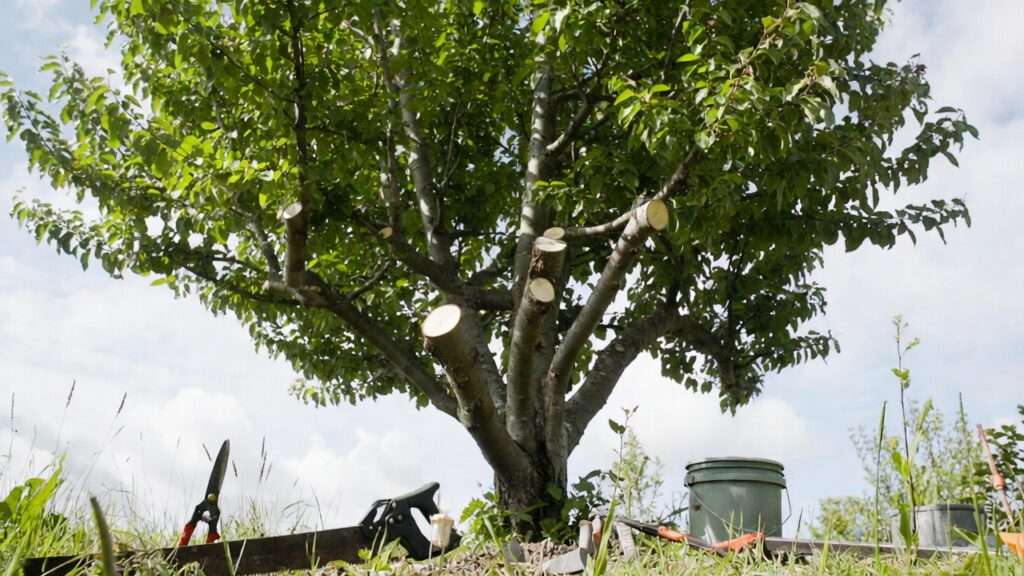
Have you ever admired a plum tree bursting with beautiful white blossoms in spring, only to end up with a disappointing harvest, broken branches, or signs of disease later in the season? 😔 Many home gardeners face this frustration, often because they overlook one key seasonal task: dormant pruning for plum trees.
Timing your cuts during the tree’s dormant period (late winter to early spring) can dramatically improve tree structure, boost fruit production, enhance airflow, and promote overall health — but it comes with important caveats, especially in humid climates like yours in Dhaka! 🌧️ In this comprehensive guide, we’ll cover everything you need to know about dormant pruning for plum trees, from safe timing and proven techniques to avoiding common pitfalls like silver leaf disease. Whether you’re a beginner or have an established tree, you’ll walk away with the confidence to prune for healthier growth and bigger, juicier harvests. 🍒 Let’s dive in!
Why Prune Plum Trees During Dormancy? Benefits & Science Behind It 🌟
Dormant pruning (when the tree has no leaves and is resting) stimulates vigorous new growth in spring by redirecting the tree’s energy to remaining buds. This leads to stronger branches that can support heavy fruit loads without snapping — a common issue with overloaded plums!
Key benefits include:
- Better light and air circulation through the canopy → fewer fungal diseases and higher-quality fruit.
- Removal of dead, damaged, or crossing branches early → prevents breakage and pest entry.
- Size control for backyard gardens, especially useful in smaller spaces.
- Renewal of fruiting wood → plums bear on 1-2 year old shoots, so strategic cuts encourage fresh, productive growth.
Science note: During dormancy, the tree’s sap flow is minimal, making it easier to see the branch structure clearly (no leaves in the way!). Pruning then encourages strong spring regrowth without stressing the tree during active growth. However, in many regions, summer pruning is preferred for disease control — more on that later!
Here’s a quick comparison table:
| Aspect | Dormant Pruning (Late Winter/Early Spring) | Summer Pruning (Mid-June to August) |
|---|---|---|
| Growth Stimulation | High (vigorous new shoots) | Low (controls size) |
| Disease Risk (Silver Leaf) | Higher in wet/humid areas | Lower (fewer spores) |
| Best For | Young trees, structure building | Established trees, size management |
| Visibility of Structure | Excellent (bare branches) | Good, but leaves can obscure |
When Is Dormant Pruning Safe for Plum Trees? (Timing Guide) ⏰
True “dormant” means the tree is fully leafless and buds haven’t swollen yet — typically late winter to very early spring.
Ideal timing:
- Dry climates (e.g., parts of the US or drier regions) → Late winter (January–February) works well, as low humidity reduces infection risk.
- Humid/tropical climates like Bangladesh → Caution advised! High year-round humidity and monsoon conditions make silver leaf disease (caused by Chondrostereum purpureum) a major threat. Spores spread in damp weather, entering fresh pruning wounds easily during dormancy.
Expert recommendation (backed by RHS and horticultural extensions): Avoid true winter dormant pruning in humid areas. Instead:
- For young trees (1–3 years) → Light pruning in early spring (just before bud break) is often safer.
- For established trees → Summer pruning (mid-June to late July/August) is generally preferred worldwide to minimize silver leaf risk.
- Golden rule: Only prune dormant if you can guarantee dry weather for at least 7–14 days after cuts. In Dhaka’s climate (heavy monsoon, high humidity), this is rarely reliable in true winter — consider early spring or shift to summer!
Always check local weather forecasts. If in doubt, delay until conditions improve. 🌤️
Tools You’ll Need for Safe & Clean Cuts 🔧
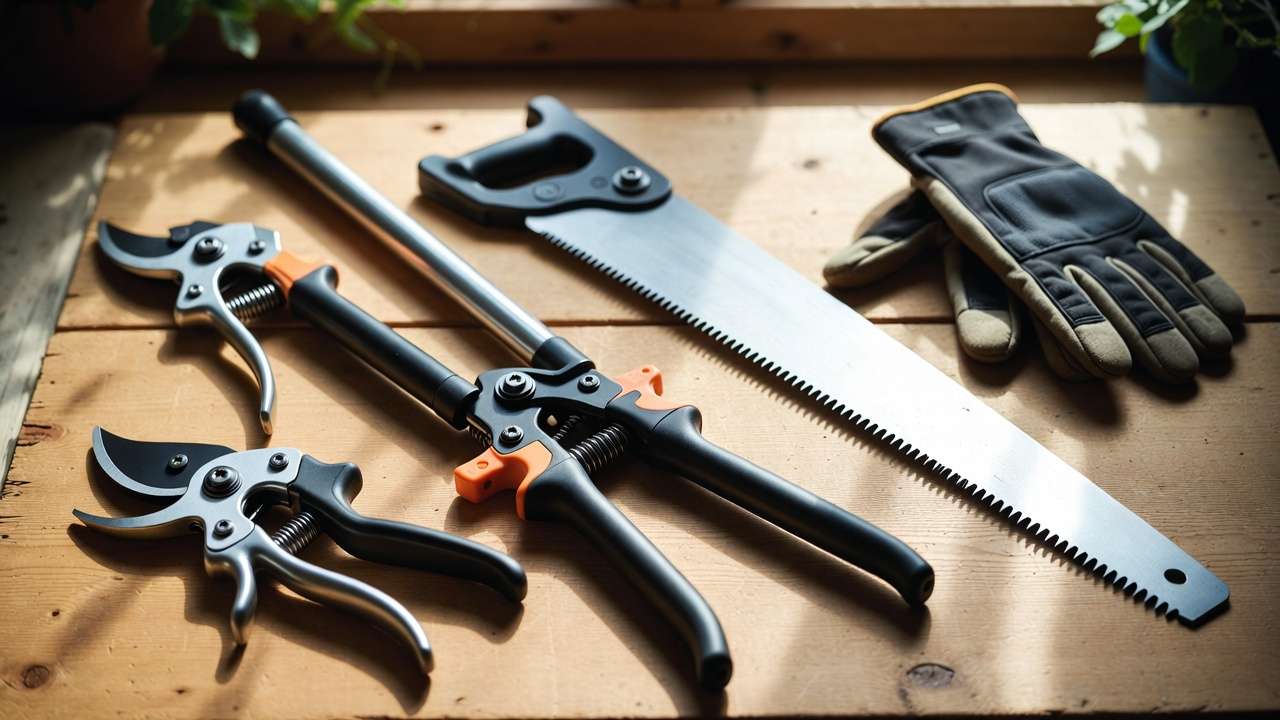
Invest in quality tools for clean cuts that heal quickly:
- Sharp bypass pruners (for branches up to ¾ inch).
- Loppers (for 1–2 inch branches).
- Pruning saw (for larger limbs).
- Pole pruner (for high branches).
Pro tip: Always sterilize tools with alcohol or bleach solution between cuts to prevent disease spread. Sharpness reduces tearing — dull blades crush tissue and invite infection! Gloves and safety glasses are must-haves too. 😷
Step-by-Step Guide to Dormant Pruning Plum Trees ✂️
(Visualize diagrams here: Suggest including before/after photos in your final article!)
1. Assess Your Tree Before You Start
Stand back and observe: Identify dead/diseased branches, overall shape, and structure type.
- Japanese plums (Prunus salicina) → Prefer open-center (vase) shape for spreading growth.
- European plums (Prunus domestica) → Often central leader (pyramidal) for upright form.
2. Remove the “Three Ds” First
Dead, damaged, diseased — always start here! Cut back to healthy wood.
3. Create or Maintain the Ideal Shape
- Young trees: Select 3–5 strong scaffold branches, remove competitors.
- Mature trees: Thin crowded areas, open the center, eliminate water sprouts (vigorous upright shoots) and suckers.
4. Make Proper Pruning Cuts (Technique Matters!)
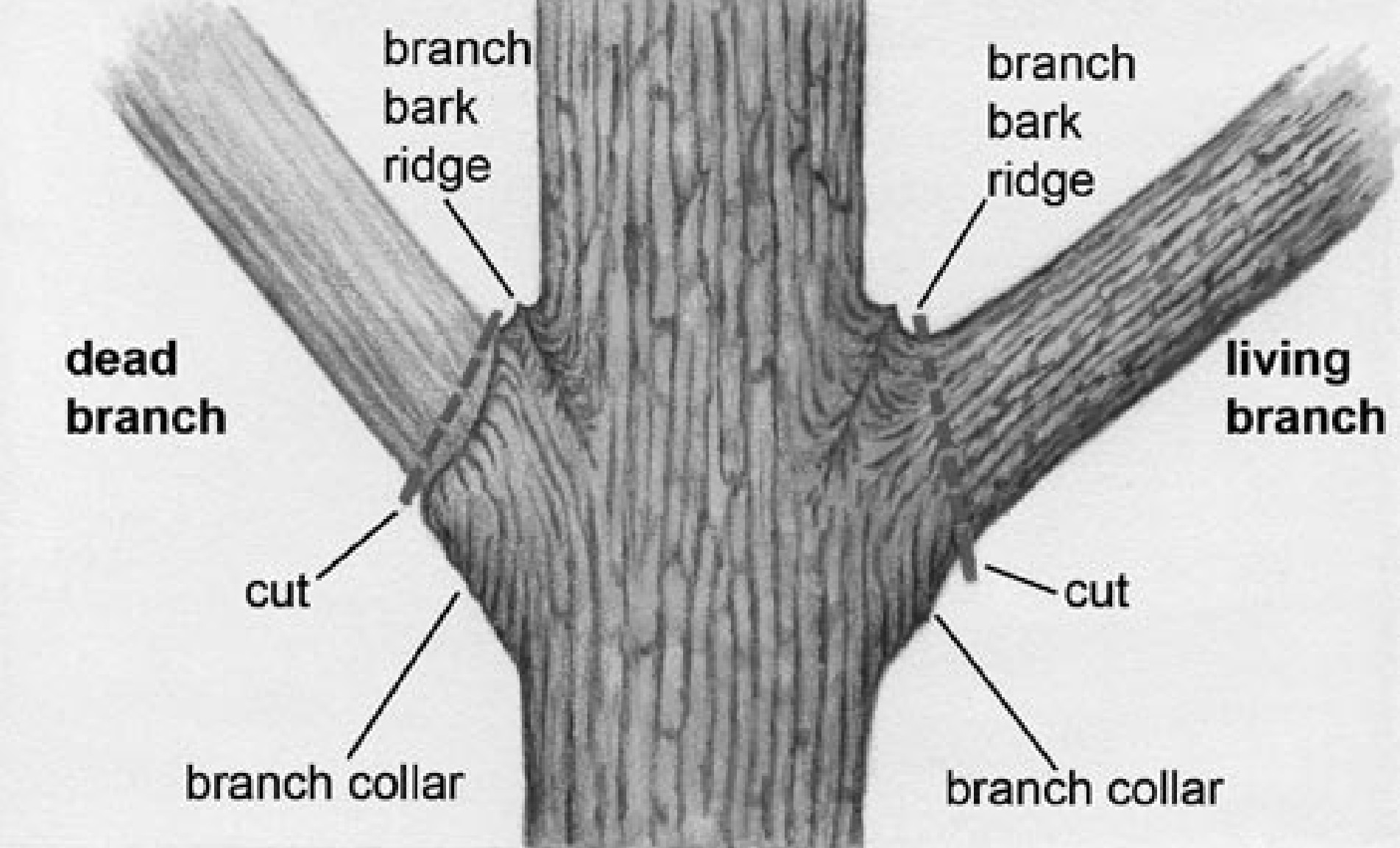
- Cut just outside the branch collar (swollen area where branch meets trunk).
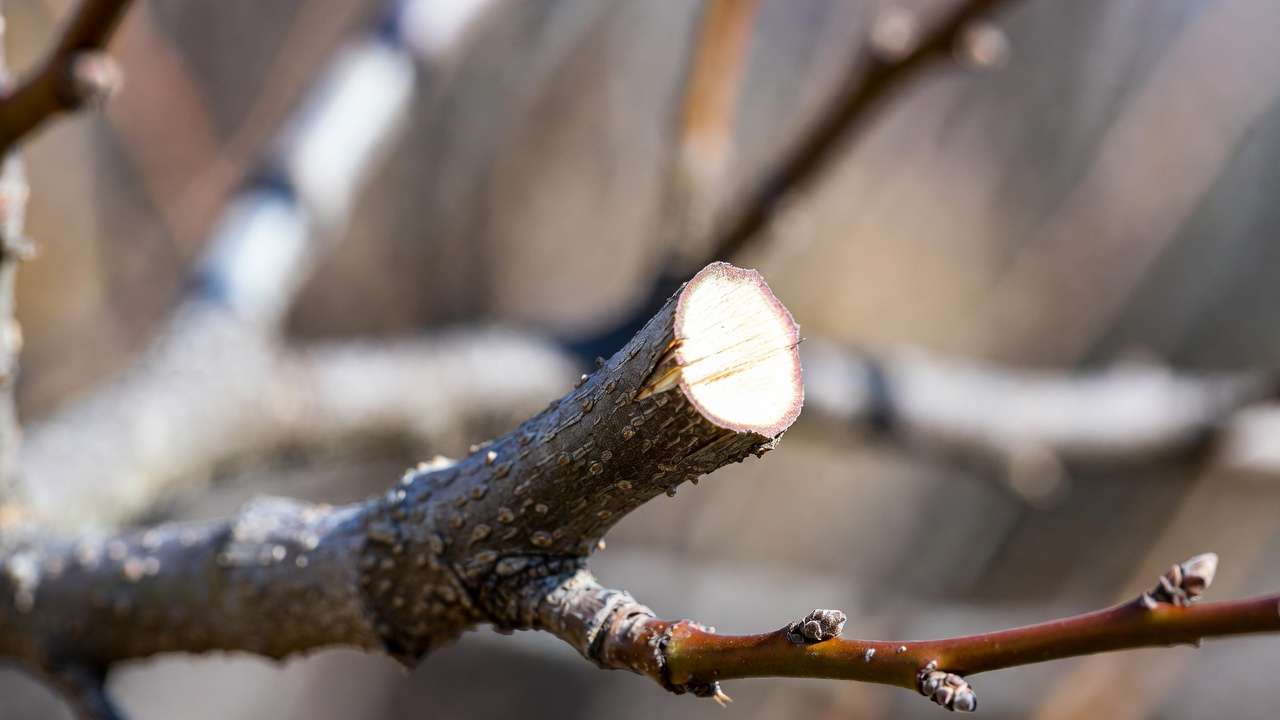
- Angle cuts at 45° to shed water.
- No stubs — they rot!
- Thinning cuts remove entire branches; heading cuts shorten tips to encourage branching.
5. Year-by-Year Pruning Plan for Plum Trees
- Year 1: After planting, head back to 24–30 inches for strong scaffolds.
- Years 2–4: Build framework — remove crossing branches, encourage outward growth.
- Year 5+: Maintenance — thin old wood, renew fruiting spurs.
6. How Much to Remove? (The 25–30% Rule)
Never remove more than 25–30% of the canopy in one season. Over-pruning stresses the tree and triggers excessive water sprouts. For neglected trees, spread renovation over 2–3 years.
Common Mistakes & How to Avoid Them 🚫
Even experienced gardeners can slip up when doing dormant pruning for plum trees — especially since plums are particularly sensitive! Here are the most frequent errors, backed by expert sources like the Royal Horticultural Society (RHS) and university extension programs:
- Pruning in wet or humid weather This is the #1 killer in humid climates like Dhaka! Silver leaf disease spores love damp conditions and enter fresh wounds easily. Avoid if rain is forecast for the next 7–14 days. Always prune on a dry, sunny day. 🌞
- Pruning established trees heavily in true dormancy In wet/humid regions (including much of Bangladesh and tropical areas), RHS strongly recommends avoiding winter dormant pruning for mature plums to minimize silver leaf risk. Young trees (1–3 years) can handle light early-spring cuts, but established ones do better with summer pruning.
Here are some visual examples of silver leaf disease symptoms — notice the characteristic silvery sheen on leaves:

- Leaving stubs or tearing bark Stubs rot and invite disease. Always cut just outside the branch collar (that swollen ring where the branch meets the trunk).
Check out these proper pruning cut examples showing the correct angle and collar placement:
- Over-pruning in one go Removing more than 25–30% of the canopy shocks the tree, causing excessive water sprouts (vigorous upright shoots that steal energy from fruiting). For neglected trees, spread heavy renovation over 2–3 years.
- Ignoring crossing/rubbing branches or water sprouts These cause wounds and shade out fruiting wood. Remove them early!
- Using dull or dirty tools Dull blades crush tissue; dirty ones spread disease. Sharpen and sterilize every time!
Aftercare: Helping Your Plum Tree Recover Post-Pruning 💚
After any pruning session (dormant or otherwise):
- Clean up thoroughly — rake up all debris and dispose of diseased material (don’t compost it!).
- Mulch generously — apply 2–4 inches of organic mulch around the base (keep it away from the trunk) to retain moisture and suppress weeds.
- Water wisely — give a deep soak if the soil is dry, but avoid overwatering in humid climates.
- Fertilize lightly in spring — use a balanced fruit tree fertilizer once new growth starts.
- Monitor closely — watch for signs of silver leaf (silvery leaves that later curl and die) or other issues in the following summer. Early detection = easier control.
When Dormant Pruning Isn’t Ideal: Summer Pruning Alternative ☀️
In humid/tropical areas like Bangladesh, summer pruning is often the safer, RHS-recommended choice for established plum trees:
- Timing: Mid-June to late August (after main growth flush, ideally post-harvest if possible).
- Benefits: Wounds heal fast in active growth, fewer fungal spores in the air, controls size without stimulating excessive spring shoots.
- Technique: Similar steps — remove the Three Ds, thin crowded areas, shorten overly long shoots to 3–4 leaves. Focus on opening the canopy for light and air.
Many growers in humid regions prune lightly in early spring for young trees and switch to full summer maintenance for mature ones. This hybrid approach minimizes risk while keeping your tree productive! 🌿
Expert Tips & Pro Secrets from Experienced Growers 🌟
- Variety matters — ‘Victoria’ plums are especially prone to silver leaf; extra caution needed!
- Regional tweaks — In drier climates, dormant works great. In monsoonal Dhaka, lean toward early spring light cuts or summer.
- Fruit thinning bonus — After bloom, thin clusters to 1–2 fruits per spur for bigger, juicier plums (this pairs perfectly with good pruning).
- Notching trick — For bare areas, notch above a dormant bud in spring to encourage new growth.
- Festooning — Tie down flexible young branches horizontally in summer to reduce vigor and promote fruiting spurs.
Frequently Asked Questions (FAQs) ❓
Is dormant pruning safe for my plum tree in humid Dhaka? Only lightly for young trees in very early spring (before buds swell) and only if dry weather follows. For established trees, summer is safer to avoid silver leaf.
How do I know if my tree has silver leaf disease? Leaves develop a distinctive silvery sheen, often on one side first, then curl and die. Cut branches show brown staining in the wood.
Can I prune a neglected old plum tree in dormancy? Yes, but spread heavy cuts over 2–3 years and prioritize summer sessions if possible in humid areas.
What if I accidentally pruned in wet winter? Monitor closely for silver leaf signs next summer. Seal large cuts with pruning paint if available (though RHS says it’s often unnecessary).
Do I need to use pruning sealant? Not usually — clean cuts heal best. But in high-risk areas, some growers apply it to large wounds.
How much fruit should I expect after good dormant pruning? With proper structure, airflow, and thinning — expect significantly bigger, better-quality harvests!
Conclusion: Transform Your Plum Tree This Season! 🌸🍒
Dormant pruning for plum trees can be a game-changer for healthier structure, disease resistance, and massive juicy harvests — but timing and technique are everything, especially in humid climates like yours! Follow the guidelines here: prioritize dry conditions, make clean cuts, don’t overdo it, and consider summer as your main season for established trees.
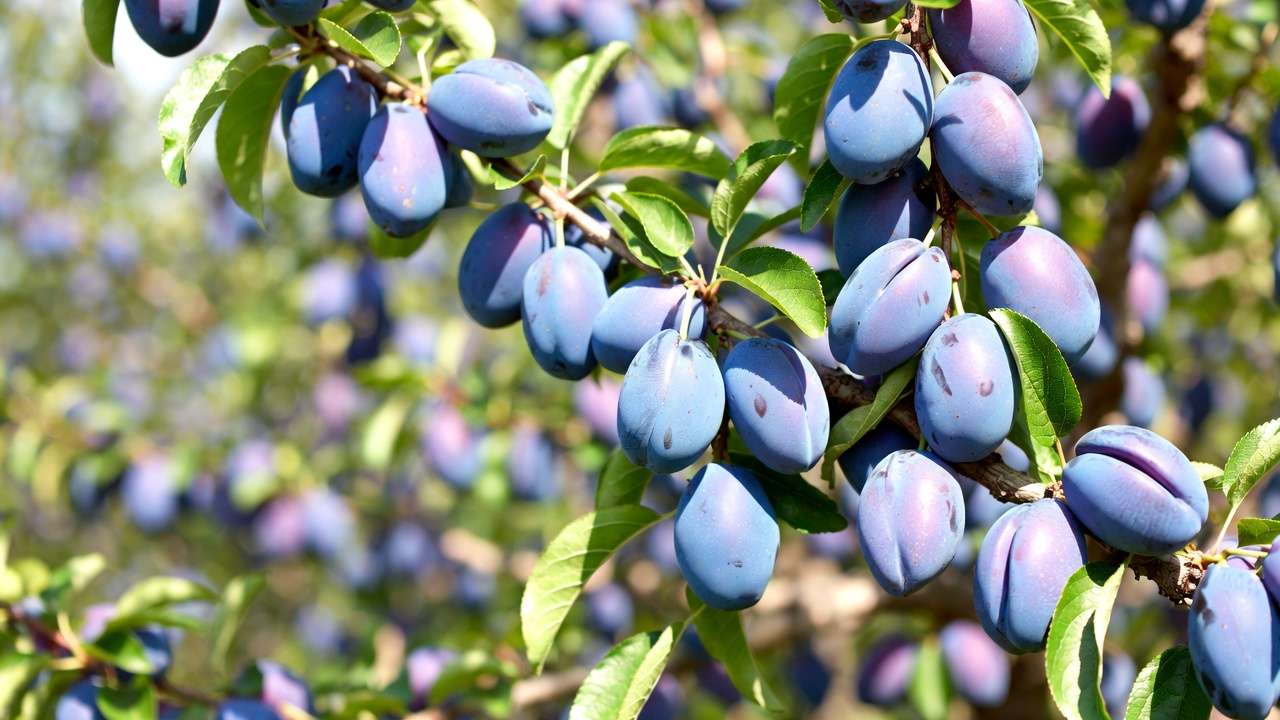
Grab your sharp, sterilized pruners on the next clear late-winter/early-spring day (or shift to summer), assess your tree, and give it the care it deserves. Your plum tree will reward you with stronger branches, better light, and baskets full of sweet fruit! 🍑
Have you pruned your plum tree yet? Share your before/after photos or questions in the comments — I’d love to help! Subscribe for more expert tree care guides tailored to tropical gardeners. Happy pruning! ✂️🌟











