
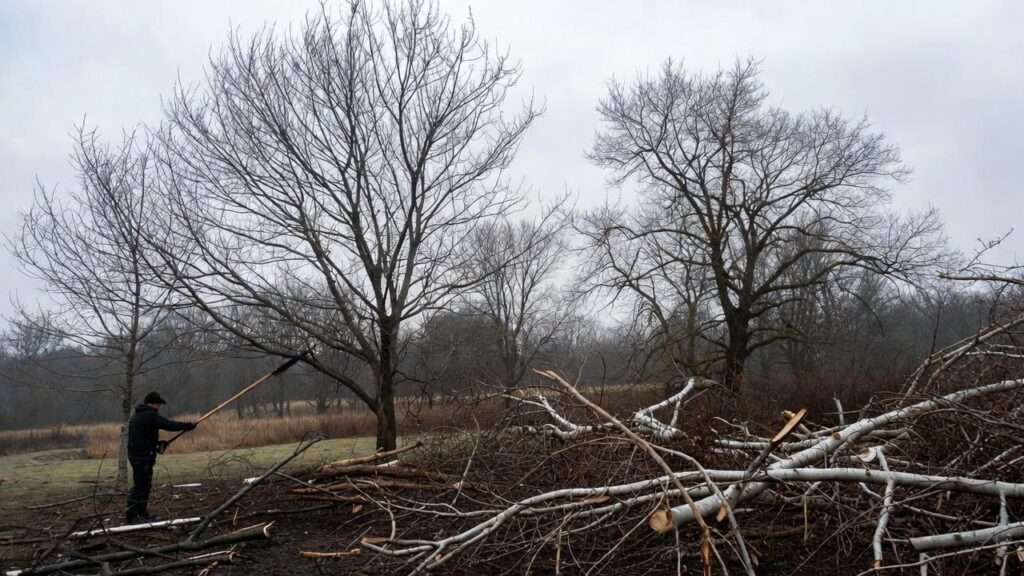
Picture this: It’s a crisp winter morning in your yard. The leaves have long fallen, revealing the bare skeleton of your trees. You step back, coffee in hand, and suddenly see it all clearly — those crossing branches rubbing together, the weak co-dominant leader threatening to split in the next storm, the deadwood hiding like secrets among the limbs. With a few thoughtful cuts now, while the tree rests in dormancy, you set the stage for explosive, healthy spring growth, fewer diseases, and a stronger, more beautiful tree for years to come. 🌱
Many homeowners wait until spring or summer to prune, only to stress their trees, spread pests, or miss hidden structural problems buried under foliage. But dormant season tree pruning benefits make late fall through late winter (before buds swell) the gold-standard timing recommended by university extension services, certified arborists, and the International Society of Arboriculture (ISA). This low-stress window minimizes sap flow, reduces pest/disease risks, and gives wounds time to heal before active growth resumes.
In this comprehensive guide, we’ll dive deep into why winter pruning outperforms other seasons, the science-backed dormant season tree pruning benefits, which trees thrive with this approach, a step-by-step how-to, common pitfalls, and expert tips to help your landscape thrive. Whether you’re caring for shade trees, fruit orchards, or ornamentals, mastering dormant pruning solves real problems: preventing branch failure, boosting vigor, and saving on future corrective work or tree removal. Let’s explore how this seasonal task transforms your trees.
What Is the Dormant Season for Trees? 🌨️
Dormancy is nature’s pause button for most deciduous trees. As temperatures drop and daylight shortens, trees shed leaves and shift energy from growth to root storage. Sap flow slows dramatically, leaves are gone, and physiological activity nearly halts — perfect conditions for pruning.
Timing varies by climate:
- In temperate zones (USDA zones 4–7), late fall after leaf drop through late winter/early spring (January–March) is ideal.
- Late dormant (February–early March) often wins: worst freezes have passed, but buds haven’t broken, maximizing visibility and minimizing cold damage to fresh cuts.
- In milder or subtropical areas (like parts of Bangladesh or warmer zones), focus on the coolest, driest months when growth is slowest — consult local extension resources for adjustments.
Evergreens and some tropical species have lighter dormancy, so heavy pruning may need different timing. For most landscape trees, though, true dormancy equals prime pruning time. ❄️
8 Key Dormant Season Tree Pruning Benefits 🌟
University extension experts (from Penn State, Illinois, Minnesota, and more) consistently highlight these advantages over growing-season pruning.
- Minimal Stress on the Tree 🌿 Without active growth, trees lose little sap and expend minimal energy healing. Stored carbohydrates stay focused on root health and future buds rather than compensating for removed foliage. This reduces shock compared to summer cuts that force regrowth during heat/drought stress.
- Faster Wound Healing & Better Compartmentalization ⚡ Cuts made in dormancy begin callus formation as spring arrives. Trees compartmentalize (seal off) wounds efficiently, blocking decay spread. Fresh cuts in summer attract insects/fungi immediately, delaying healing.
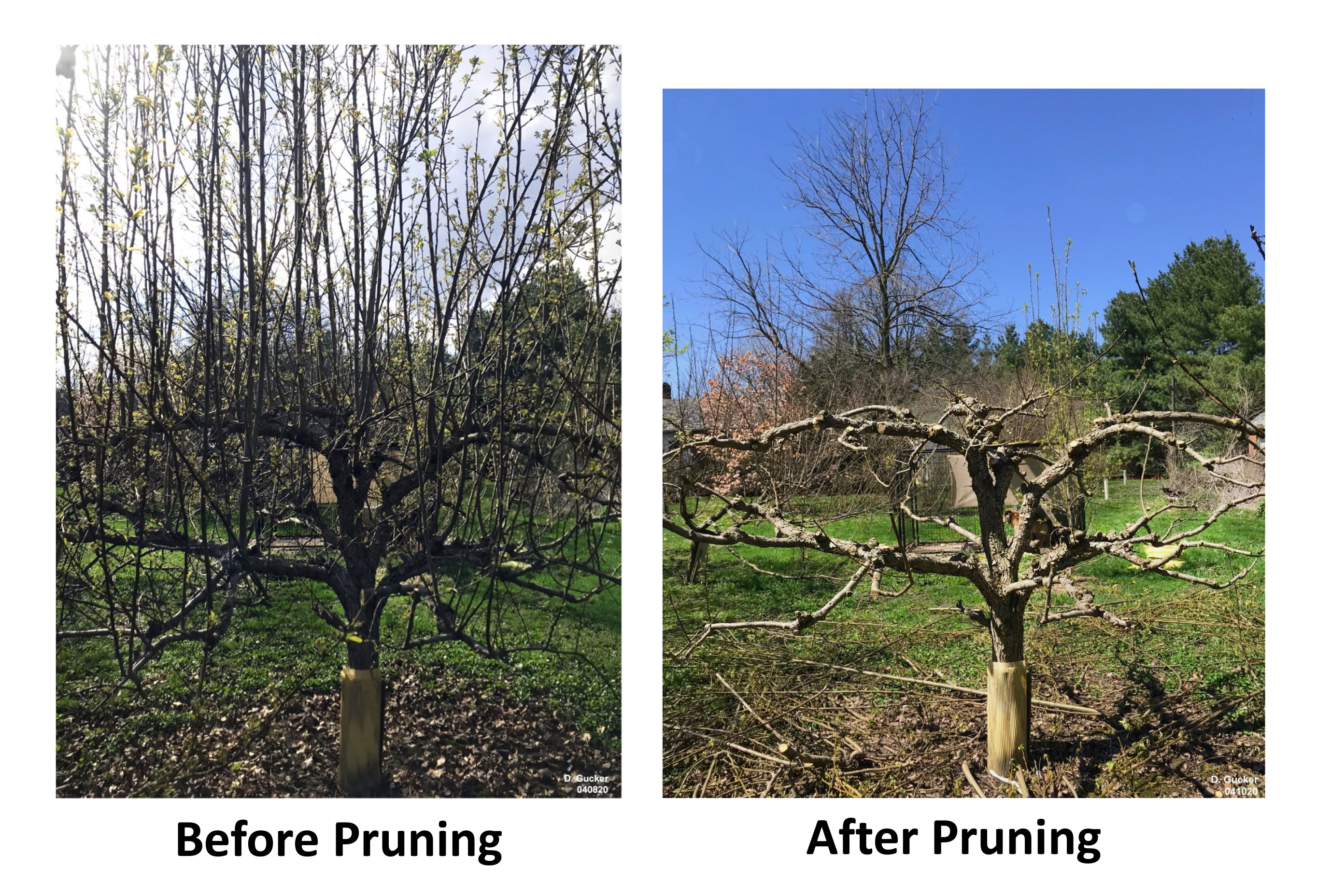
- Superior Visibility for Precise, Structural Pruning 👀 Bare branches expose the tree’s true architecture: weak unions, included bark, crossing limbs, and deadwood become obvious. This allows corrective pruning for long-term strength — impossible when leaves hide issues.
- Significantly Lower Risk of Disease & Pest Transmission 🛡️ Many pathogens (oak wilt, fire blight, Dutch elm disease) and insects (borers, beetles) are inactive or dormant in winter. Cuts avoid attracting sap-feeding vectors. In growing season, pruning can spread issues rapidly.
- Improved Tree Structure & Storm Resistance 💪 Removing co-dominant stems, weak angles, and excess weight creates balanced architecture. Better load distribution prevents splits during wind, ice, or snow — a huge safety and longevity win.
- Enhanced Spring Growth & Overall Vigor 🌸 Redirected energy fuels vigorous shoots, denser canopies, and better light/airflow (reducing interior dieback). Trees emerge healthier, fuller, and more resilient.
- Increased Fruit/Flower Production (for Ornamentals & Fruit Trees) 🍎 Open centers let light penetrate, boosting bloom/fruit set in apples, pears, cherries, and plums. Dormant pruning shapes for productivity without sacrificing next year’s flowers.
- Safer & More Efficient Pruning Process 🪚 Frozen or firm ground prevents soil compaction from ladders/equipment. No leaves mean clearer sightlines and safer climbing. Fewer bugs reduce irritation during work.
These benefits compound over years, creating resilient, low-maintenance trees.
Which Trees Benefit Most from Dormant Season Pruning? 🌳
Not every tree or shrub responds the same way to winter pruning — timing matters based on species, growth habits, and flowering patterns. Here’s a clear guide to help you decide:
Best Candidates for Dormant-Season Pruning
- Deciduous shade trees: Oaks, maples, elms, lindens, birches, ash, poplars, and sycamores thrive with late-winter cuts. This removes deadwood, corrects structure, and reduces risks like oak wilt (avoid pruning oaks in growing season in high-risk areas).
- Fruit trees: Apples, pears, peaches, plums, cherries, and apricots are classic candidates. Dormant pruning opens the canopy for light penetration, improves air circulation (reducing fungal issues), and promotes better fruit set. Open-center (vase-shape) or modified central-leader systems are often shaped in winter. 🍎
- Ornamental and flowering trees/shrubs that bloom on new wood: Butterfly bush, crape myrtle, panicle/smooth hydrangeas, and summer-blooming spirea benefit greatly — winter pruning encourages vigorous new growth for maximum flowers.
Exceptions and Special Cases
- Spring-flowering trees/shrubs (bloom on old wood): Lilacs, forsythia, rhododendrons, azaleas, magnolias, dogwoods, and some viburnums — prune these after flowering (late spring/early summer) to avoid removing next year’s buds. Dormant pruning here cuts off future blooms.
- “Bleeding” trees: Birch, maple, walnut, and grapevines can “bleed” sap heavily if pruned too early in winter. Wait until late dormant (February–March) when sap pressure is lowest.
- Evergreens: Pines, spruces, firs, junipers, and yews have minimal true dormancy. Light pruning can happen almost anytime, but avoid heavy cuts in deep winter to prevent cold damage or browning. Best for shaping: early spring or late summer.
- Tropical/subtropical species (relevant for warmer climates like parts of Bangladesh): Mango, jackfruit, or neem may not enter full dormancy. Prune lightly during the coolest, driest period or after harvest to minimize stress.
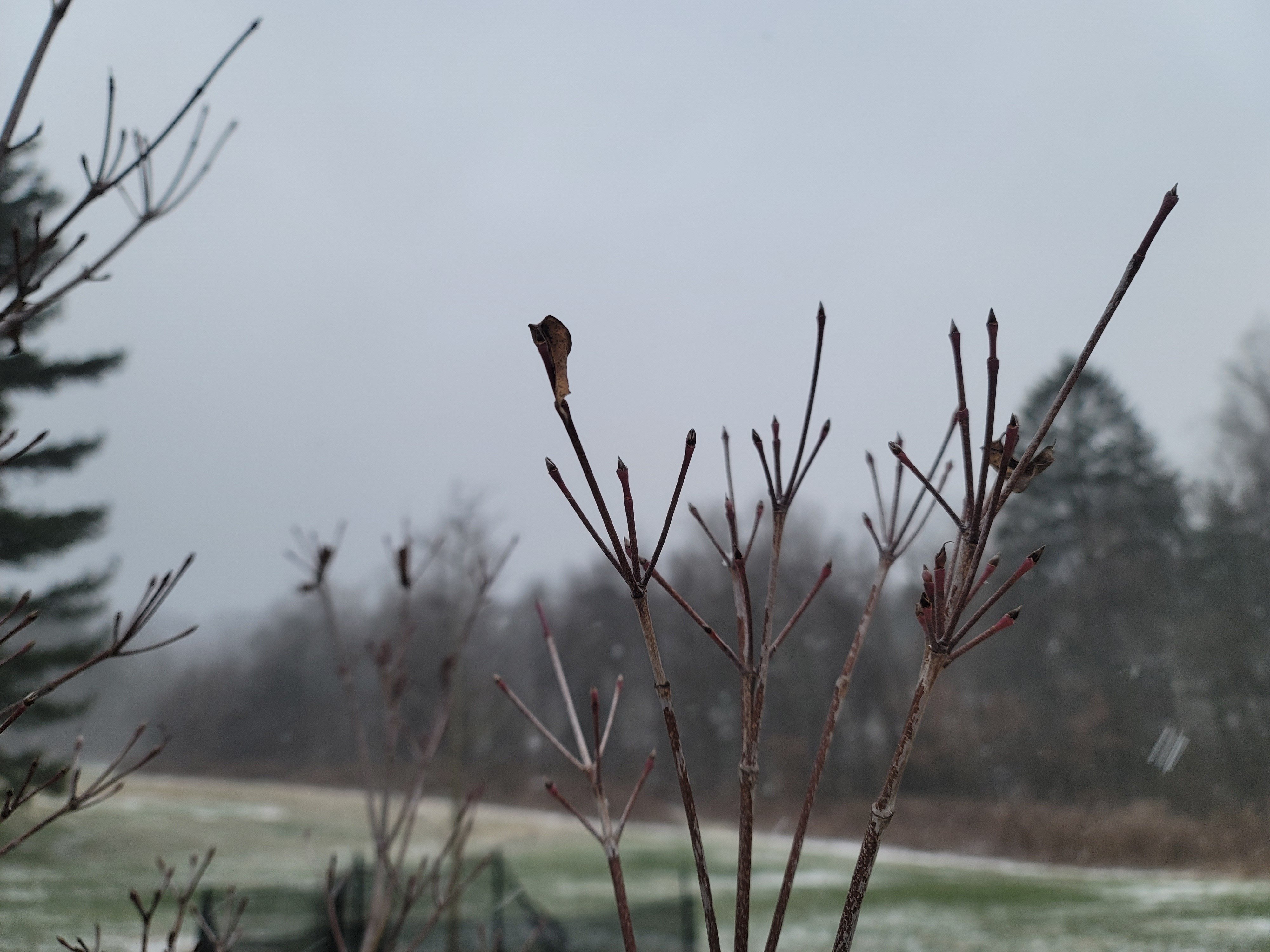
Quick tip: If unsure about your tree, check local agricultural extension resources or observe bud development — prune before swelling buds show green tips.
How to Prune During the Dormant Season: Step-by-Step Guide 🪚
Successful dormant pruning follows proven arborist techniques to promote health and avoid harm.
Tools You’ll Need
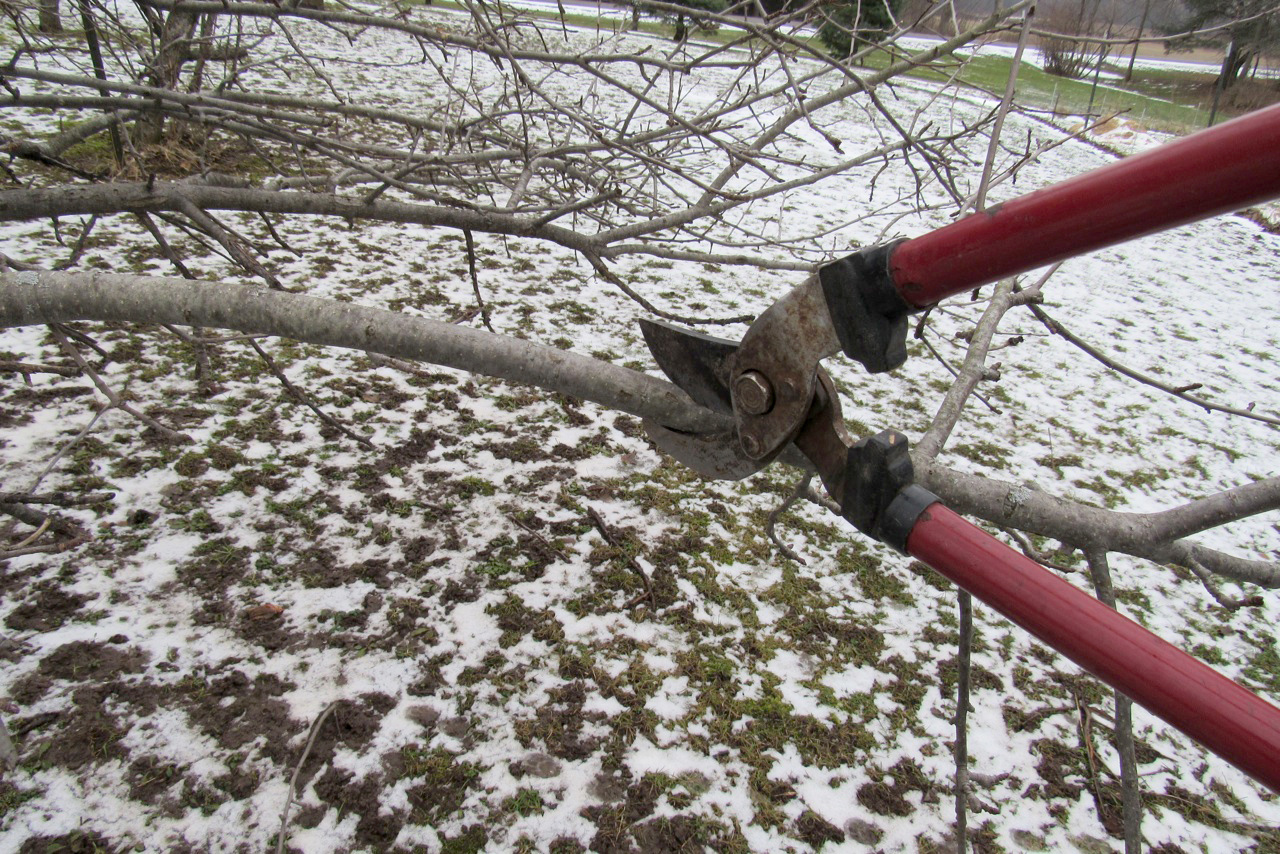
- Sharp bypass pruners (for branches up to ¾ inch)
- Loppers (for ¾–1½ inch)
- Pruning saw or pole saw (for larger limbs)
- Disinfectant (alcohol or bleach solution) — clean tools between trees to prevent disease spread
- Gloves, safety glasses, sturdy ladder (or hire pros for heights)
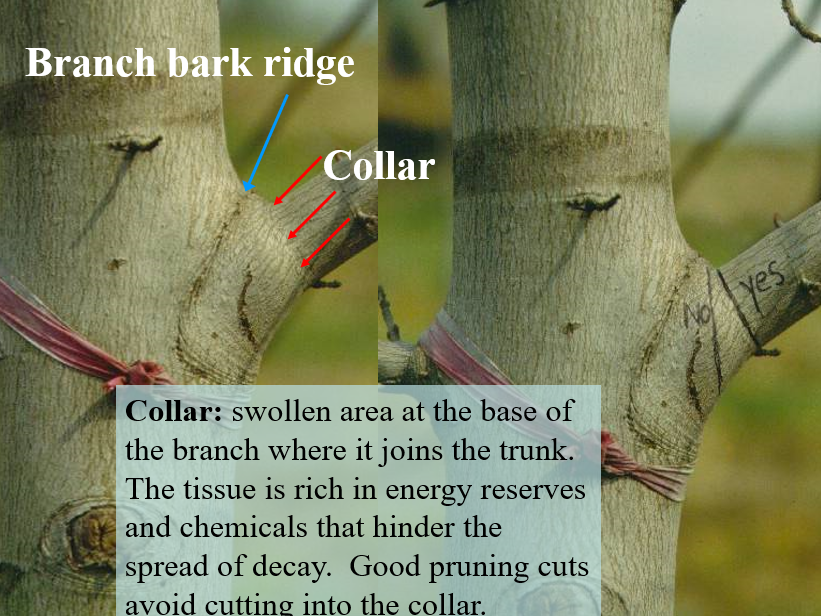
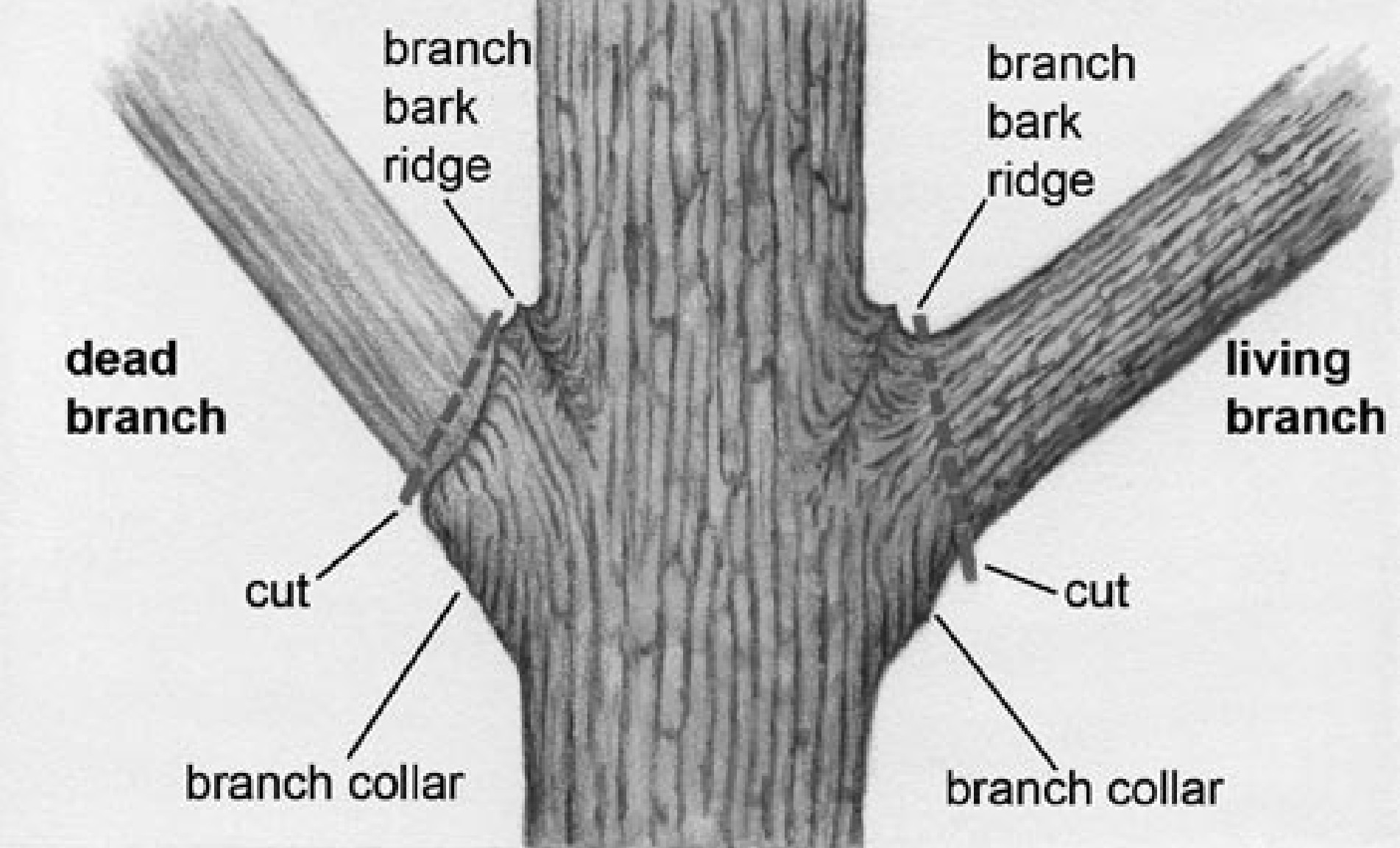
Core Pruning Principles Always cut just outside the branch collar (swollen area where branch meets trunk) — never leave stubs or cut flush into the trunk. Avoid “topping” (heading back large limbs), which creates weak, hazardous regrowth.
The 3-Cut Method for Larger Branches (prevents bark tearing)
- Undercut 6–12 inches out from trunk, about ⅓ through the branch.
- Top-cut slightly farther out to remove the bulk (branch falls safely).
- Final cut just outside the branch collar, angled to shed water.
What to Remove (The 3 Ds + More)
- Dead, diseased, damaged branches first.
- Crossing or rubbing limbs — choose the healthier, better-positioned one.
- Co-dominant stems (competing leaders) — reduce to one strong central leader.
- Water sprouts (vigorous upright shoots) and suckers (from base/roots).
- Weak, narrow-angled branches prone to splitting.
- For fruit trees: Thin overcrowded areas, open center for light/air.
How Much to Remove? Limit to 15–25% of canopy in one season for mature trees (less for young ones). Over-pruning stresses even dormant trees.
If dealing with large limbs (>4 inches), near power lines, or suspecting disease — call a certified arborist. Safety and tree health come first!
Common Mistakes to Avoid in Dormant Pruning 🚫🌳
Even with the best intentions, homeowners sometimes make errors that reduce dormant season tree pruning benefits or cause long-term harm. Here are the top pitfalls — and how to sidestep them:
- Pruning too early in deep winter ❄️: In very cold climates, cuts during extreme freezes (below -10°C/-14°F) can damage bark tissues around the wound, leading to dieback or cracking. Solution: Wait for late dormant (February–March in most zones) when temperatures moderate but buds remain dormant. In Dhaka’s milder winters, this is less critical — focus on dry, cool days.
- Over-pruning (lion-tailing or removing >25–30%) 😿: Removing too much canopy at once stresses the tree, even in dormancy, and triggers excessive water-sprout growth. Solution: Stick to the 15–25% rule for mature trees; spread heavy pruning over 2–3 years.
- Topping or heading back large branches 🔝: This old practice creates weak, poorly attached regrowth prone to breaking. It also invites decay. Solution: Use proper thinning cuts to branch collars instead — promote natural form.
- Ignoring species-specific rules ⚠️: Pruning spring bloomers in winter removes flower buds; cutting “bleeders” too early causes excessive sap loss. Solution: Research your tree (e.g., lilacs after bloom; birches late winter only).
- Using dull or dirty tools 🔪: Dull blades tear bark (inviting pathogens); dirty tools spread diseases like fire blight or canker. Solution: Sharpen tools regularly and disinfect with 10% bleach or 70% alcohol between cuts/trees.

Expert Tips for Maximum Results 🌟
As a certified arborist with over 15 years helping homeowners (and drawing from ISA best practices), here are pro-level insights:
- Time it by bud swell 👀: Late winter is often optimal — swelling buds clearly show live vs. dead wood, so you prune precisely.
- Combine with winter care ❄️: After pruning, apply mulch (3–4 inches, kept off trunk) to insulate roots and retain moisture for spring. Consider slow-release fertilizer if soil tests show need (avoid high-nitrogen in late winter).
- Monitor post-prune response 📊: In spring, watch for vigorous new growth — if weak or excessive sprouts appear, note for next season’s adjustments.
- For Dhaka’s climate 🌴: With milder winters, target December–February for most deciduous/fruit trees. Avoid rainy spells to prevent fungal entry on cuts. Local species like mango or neem benefit from light post-harvest pruning in cooler months.
- Safety first 🪜: Never prune near power lines yourself — contact professionals. Use two people for ladder work if needed.
These small tweaks amplify the dormant season tree pruning benefits dramatically.

Frequently Asked Questions (FAQ) ❓
Is winter pruning safe for all trees? Mostly yes for deciduous trees, but exceptions exist (spring bloomers, bleeders, evergreens). Always check species needs.
What if I live in a mild/warm climate like Dhaka? Dormant pruning still works during the coolest, driest months (Dec–Feb). Benefits like better visibility and lower pest activity hold true, though timing is more flexible.
Can pruning in dormancy hurt flowering or fruiting? No — for trees that bloom on new wood (e.g., crape myrtle, summer apples), it actually boosts production. For old-wood bloomers (lilac, dogwood), prune after flowering instead.
How much can I safely prune at once? 15–25% of the canopy for established trees; up to 30% for young ones. Less is often more.
Do evergreens benefit from dormant pruning? Light shaping yes, but heavy pruning risks winter burn. Best for evergreens: late spring or early fall.
Should I seal pruning cuts? No — modern research shows wound dressings can trap moisture and promote decay. Healthy trees compartmentalize naturally.
Conclusion 🌸
Dormant season tree pruning isn’t just a chore — it’s one of the most powerful, low-risk ways to ensure healthier, stronger, safer, and more beautiful trees. By taking advantage of winter’s natural pause, you reduce stress, prevent diseases, improve structure, and set your landscape up for vibrant spring growth and long-term resilience.
Grab your sharp tools this winter (or your local cool season), inspect those bare branches, and make thoughtful cuts. Your trees — and future you enjoying shade, fruit, or flowers — will thank you! 🌳
Have you tried dormant pruning? Share your experiences or tree types in the comments below — I’d love to hear how it went for you in Dhaka or wherever you garden. Happy pruning! 😊✂️











