
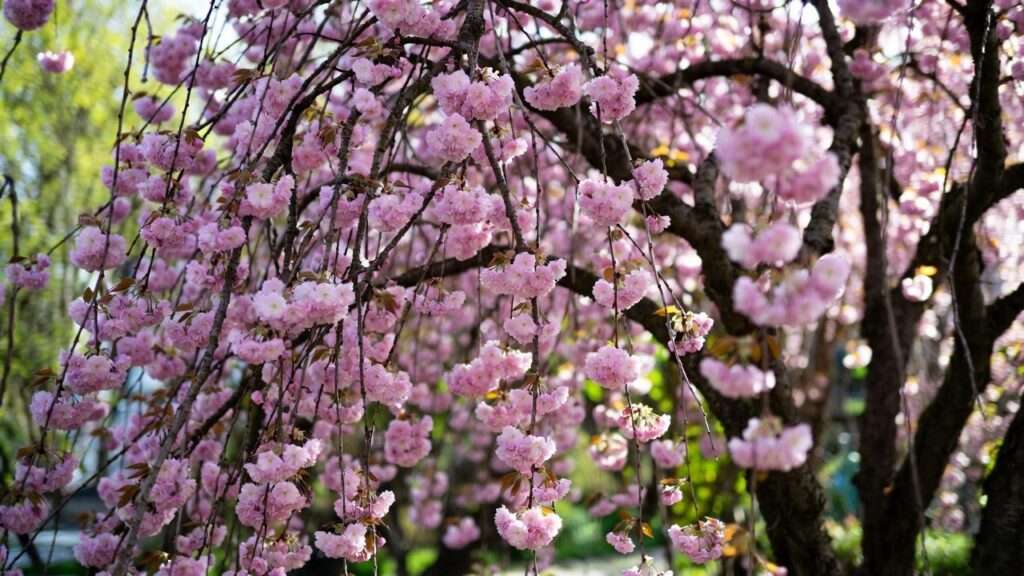
Imagine stepping into your garden in early spring, only to be greeted by a living waterfall of fluffy, double pink blossoms cascading from graceful, arching branches—like a scene straight out of a dream. That’s the magic of a mature double pink weeping cherry tree in full bloom. These ornamental beauties transform ordinary landscapes into breathtaking focal points, drawing admiring glances from neighbors and providing that perfect Instagram-worthy backdrop. But here’s the catch: many homeowners fall in love with this tree’s ethereal charm, only to struggle with sparse flowers, pest invasions, or premature decline. If you’ve ever wondered why your weeping cherry isn’t delivering those show-stopping blooms year after year, you’re not alone.
As a certified arborist with over 15 years of hands-on experience caring for ornamental cherries across various climates, I’ve helped countless gardeners turn lackluster trees into thriving spectacles. In this ultimate guide, we’ll dive deep into everything you need to know about the double pink weeping cherry tree—from selection and planting to advanced care techniques that maximize those gorgeous double pink flowers. Whether you’re planting your first specimen or troubleshooting an established one, this comprehensive resource will equip you with expert-backed strategies for vibrant, healthy growth and decades of stunning spring displays. Let’s get your tree blooming like never before! 🌿
:max_bytes(150000):strip_icc()/weeping-cherry-light-pink-big-5a2d63899802070037117b92.jpg)
What Is a Double Pink Weeping Cherry Tree? 🌸
The double pink weeping cherry tree, often botanically known as Prunus pendula ‘Pendula Plena Rosea’ or Prunus subhirtella ‘Pendula Plena Rosea’, is a grafted ornamental deciduous tree prized for its dramatic weeping habit and profuse double-flowered blooms. Unlike standard cherry trees that produce edible fruit, these are strictly ornamental, focusing all their energy on floral display rather than cherries.
Botanical Background and Key Characteristics
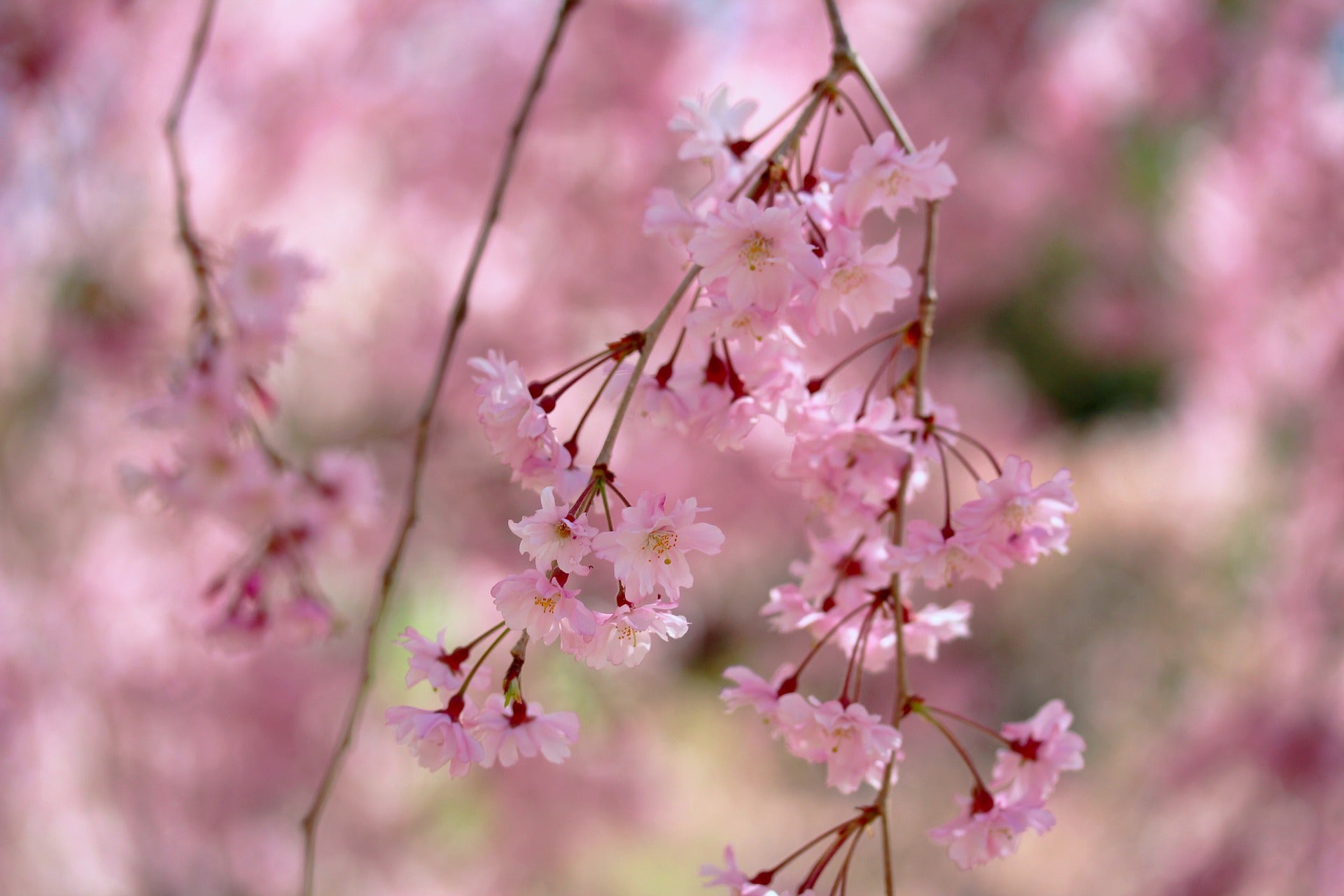
These trees feature pendulous branches that cascade elegantly downward, creating an umbrella-like canopy. The “double” refers to the flowers having multiple layers of petals—typically 10-30 per bloom—resulting in pom-pom-like clusters that are far showier than single-flowered varieties. Buds start deep pink, opening to softer rose-pink shades in mid-spring, often before leaves emerge for maximum impact.
Mature specimens reach 15-25 feet tall and wide (sometimes up to 30 feet in ideal conditions), with a spread that can match or exceed height due to the weeping form. Fall brings yellow-bronze foliage, and winter reveals attractive reddish-brown bark for year-round interest. Hardiness zones are typically USDA 5-8, making them suitable for many temperate regions.
Compared to single-flowering weeping cherries (like ‘Snow Fountains’ with white blooms), double pink varieties offer denser, longer-lasting flowers but may be slightly more susceptible to late frosts damaging buds.
Why Gardeners Love It
This tree excels as a specimen in small yards, near patios, ponds, or entryways—anywhere you want a romantic, fairy-tale vibe. Its compact size fits urban gardens, and the cascading branches provide natural screening or framing. Plus, it’s relatively low-maintenance once established, rewarding patient owners with increasingly spectacular blooms as it matures (peak flowering often starts around age 5-10).
Choosing the Perfect Double Pink Weeping Cherry Tree 🌱
Not all double pink weeping cherries are created equal. Selecting a healthy, high-quality specimen is the foundation for years of success.
Selecting a Healthy Nursery Specimen
Always buy from reputable nurseries—avoid big-box stores where trees may have been stressed. Look for:
- A strong graft union (visible scar about 4-6 feet up the trunk) that’s healed and secure—no splitting or suckers below it.
- Balanced branching with no major wounds or dieback.
- Healthy root ball: Moist but not waterlogged, with white roots visible if potted.
- Avoid trees with circling roots or those planted too deep in containers.
Grafted trees (most common) bloom reliably but can produce suckers from the rootstock. Own-root varieties are rarer but avoid sucker issues—though they may grow slower initially.
Top Recommended Cultivars
Here are some of the best double-flowering weeping cherry cultivars:
| Cultivar | Bloom Color & Intensity | Mature Height/Spread | Notable Features | Hardiness Zones |
|---|---|---|---|---|
| ‘Pendula Plena Rosea’ (Double Weeping Higan) | Deep to soft pink, very double | 15-25 ft | Classic choice, reliable bloomer | 5-8 |
| ‘Kiku-Shidare-Zakura’ | Rich pink, up to 125 petals | 10-15 ft | Extremely showy, chrysanthemum-like flowers | 5-8 |
| ‘Pleno-rosea’ (Double Weeping Rosebud) | Magenta buds to pink | 20-30 ft | Vigorous, cold-hardy buds | 5-8 |
| ‘Snow Fountains’ (dwarf, sometimes pink-tinged) | White to light pink | 8-12 ft | Compact for small spaces | 5-8 |
‘Pendula Plena Rosea’ remains a favorite for its waterfall-like cascade and abundant blooms.
Planting Your Double Pink Weeping Cherry Tree 🌳
Proper planting sets the stage for robust root development and prolific flowering.
Best Planting Time and Location
Plant in early spring (after last frost) or fall (6-8 weeks before first frost) for best establishment. Choose a site with:
- Full sun: At least 6-8 hours daily—essential for bloom production and disease resistance.
- Well-drained, loamy soil: Slightly acidic (pH 6.0-7.0). Avoid heavy clay or soggy spots.
- Wind protection: Young trees can suffer branch breakage in gusty areas.
Space 15-20 feet from structures or other trees to allow full weeping form.
Step-by-Step Planting Guide
- Dig a hole twice as wide as the root ball and just as deep—never deeper, as these trees are prone to graft burial issues.
- Amend soil with compost for fertility, but don’t overdo fertilizer at planting.
- Position the tree so the graft union is 2-4 inches above soil level.
- Backfill gently, watering as you go to eliminate air pockets.
- Mulch 2-3 inches deep around the base (keep away from trunk) with organic material like bark chips.
- Stake if needed for the first year in windy sites.
Common mistakes: Planting too deep (leads to rot), overwatering new plants, or skimping on sun exposure.

Essential Care Throughout the Year 📅
Consistent, thoughtful care is what separates a mediocre weeping cherry from a breathtaking specimen. These trees aren’t overly demanding, but they do require attention to a few key areas.
Watering Needs 💧
Newly planted double pink weeping cherries need regular moisture to establish deep roots. Water deeply (1-2 inches per week) during the first two growing seasons, especially in dry spells. Use a soaker hose or slow drip to encourage roots to grow downward rather than shallow.
Once established (after 2-3 years), these trees are moderately drought-tolerant but perform best with consistent moisture. Signs of under-watering include wilting leaves or early leaf drop; over-watering shows as yellowing foliage or fungal issues.
Pro tip from my experience: In hot summers, mulch heavily to retain soil moisture and keep roots cool—I’ve seen bloom quality improve dramatically with this simple step.

Fertilizing for Maximum Blooms 🌼
Ornamental cherries like the double pink weeping variety bloom best when not over-fed—too much nitrogen pushes leafy growth at the expense of flowers.
Apply a balanced, slow-release fertilizer (e.g., 10-10-10) or one formulated for flowering trees in early spring just as buds swell. Use half the recommended rate for young trees. Organic options like composted manure or bone meal work wonderfully and reduce burn risk.
Avoid late-summer feeding, as it encourages tender new growth vulnerable to winter damage. In my practice, soil tests every 3-5 years ensure perfect nutrient balance—most issues I’ve diagnosed stem from imbalances rather than deficiencies.
Pruning for Shape and Health ✂️
Proper pruning is perhaps the most critical (and most misunderstood) aspect of caring for a weeping cherry. Done correctly, it maintains the graceful cascading form, improves air circulation, and boosts flower production.
Best time: Immediately after flowering (late spring/early summer). Never prune in winter or early spring when diseases like bacterial canker spread easily.
Step-by-step pruning guide:
- Remove dead, diseased, or damaged branches first (the “3 Ds”).
- Thin out crowded interior branches to allow light and air penetration.
- Cut back any upright watersprouts growing from the graft or base.
- Shorten overly long weeping branches by 1/3 if needed for shape, cutting just above an outward-facing bud.
- Preserve the natural umbrella shape—avoid “lion’s tail” pruning (stripping interior branches).
Common errors: Pruning too late (reduces next year’s blooms) or too heavily (stresses the tree). In my consultations, I’ve rejuvenated many overgrown specimens by gradual thinning over 2-3 years rather than drastic cuts.
Winter Protection ❄️
Young trees (under 5 years) benefit from extra protection. Wrap trunks with tree guards to prevent sunscald and rodent damage. Mulch roots 3-4 inches deep (pull back from trunk) to insulate against freeze-thaw cycles.
In windy areas, temporary windbreaks help prevent branch breakage. Established trees are quite hardy but appreciate mulch renewal each fall.
Achieving Stunning Double Pink Blooms Every Spring 🌺
Nothing compares to the cloud of double pink flowers that envelopes a healthy weeping cherry. Here’s how to maximize that display.
Factors That Influence Bloom Quality
- Chill hours: Most cultivars need 800-1000 hours below 45°F (7°C) for proper bud set.
- Sun exposure: Full sun is non-negotiable—shade reduces flower numbers dramatically.
- Soil pH: Aim for 6.0-7.0; too alkaline locks up iron, causing chlorosis.
- Stress reduction: Consistent water and freedom from pests minimize bud drop.
Expert Tips for Bigger, Longer-Lasting Flowers
- Lightly deadhead spent blooms if practical—it redirects energy but isn’t essential.
- Apply a phosphorus boost (e.g., superphosphate) in fall to encourage bud formation.
- Protect emerging buds from late frosts with burlap covers on cold nights.
- In my experience, trees on slightly elevated sites bloom more reliably due to better cold air drainage.
Close-up of those fluffy double petals reveals why they’re so beloved—each flower a miniature rose!
Common Pests, Diseases, and How to Prevent Them 🛡️
While double pink weeping cherries are relatively resilient, they can fall victim to certain pests and diseases—especially if stressed by poor conditions. Early detection and prevention are key to keeping your tree healthy and blooming profusely.
Most Frequent Problems
- Aphids: Small, soft-bodied insects that cluster on new growth, causing curled leaves and sticky honeydew.
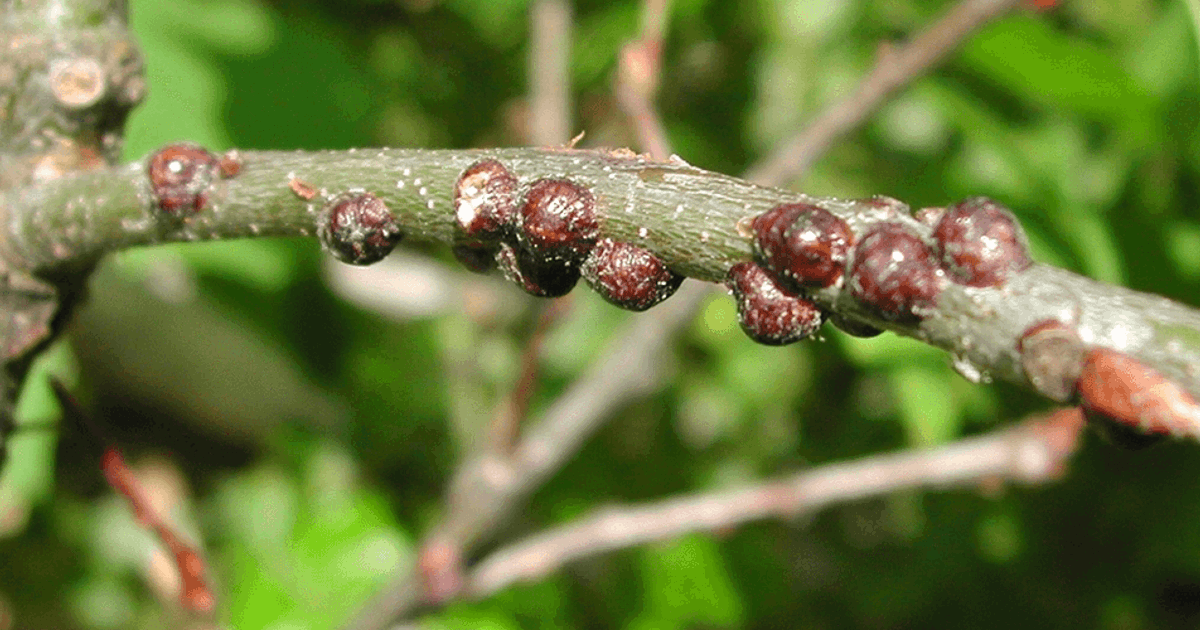
- Scale insects: Armored or soft scales appear as small bumps on branches, sucking sap and weakening the tree.
- Japanese beetles: Adults skeletonize leaves in summer, while grubs damage roots.
- Bacterial canker: Sunken, gummy lesions on trunk/branches, often killing limbs.
- Brown rot: Fungal disease causing blossom blight and fruit mummy (though ornamental, it affects flowers).
- Powdery mildew: White powdery coating on leaves, reducing vigor.
These issues are more common in humid climates or where air circulation is poor.
Prevention and Organic/Natural Treatments
Prevention starts with cultural practices:
- Prune for open canopy to improve air flow.
- Clean up fallen leaves and debris in fall to reduce overwintering pathogens.
- Avoid overhead watering to keep foliage dry.
- Monitor regularly—catch problems early.
For treatment:
- Aphids: Strong water spray or insecticidal soap.
- Scale: Horticultural oil dormancy sprays.
- Fungal issues: Copper-based fungicides in early spring (for canker prevention).
- Always follow integrated pest management (IPM)—encourage beneficial insects like ladybugs.
In severe cases, consult a certified arborist. I’ve successfully saved many trees by combining sanitation, proper pruning, and targeted organic sprays rather than broad-spectrum chemicals.
Troubleshooting Guide: Why Isn’t My Tree Blooming? ❓
Sparse or absent blooms are the most common complaint I hear from weeping cherry owners. Here’s a quick diagnostic checklist:
- Too young: Trees under 4-5 years often bloom lightly.
- Improper pruning: Winter/early spring cuts remove flower buds.
- Insufficient sun: Less than 6 hours daily drastically reduces flowers.
- Nutrient imbalance: Excess nitrogen promotes leaves over blooms.
- Root stress: Compacted soil, girdling roots, or drought.
- Late frost: Buds killed after swelling.
- Disease/pests: Weakened trees abort buds.
- Graft issues: Suckers robbing energy from scion.
Solution: Address the primary cause—most trees rebound within 1-2 seasons with corrected care.
Long-Term Maintenance and Landscape Ideas 🌸
With proper attention, your double pink weeping cherry can thrive for 20-40 years, becoming more spectacular with age.
Companion Planting Ideas
Enhance the understory with shade-tolerant, spring-blooming companions:
- Early bulbs (daffodils, tulips, hyacinths) for sequential color.
- Hostas and ferns for textural contrast in summer.
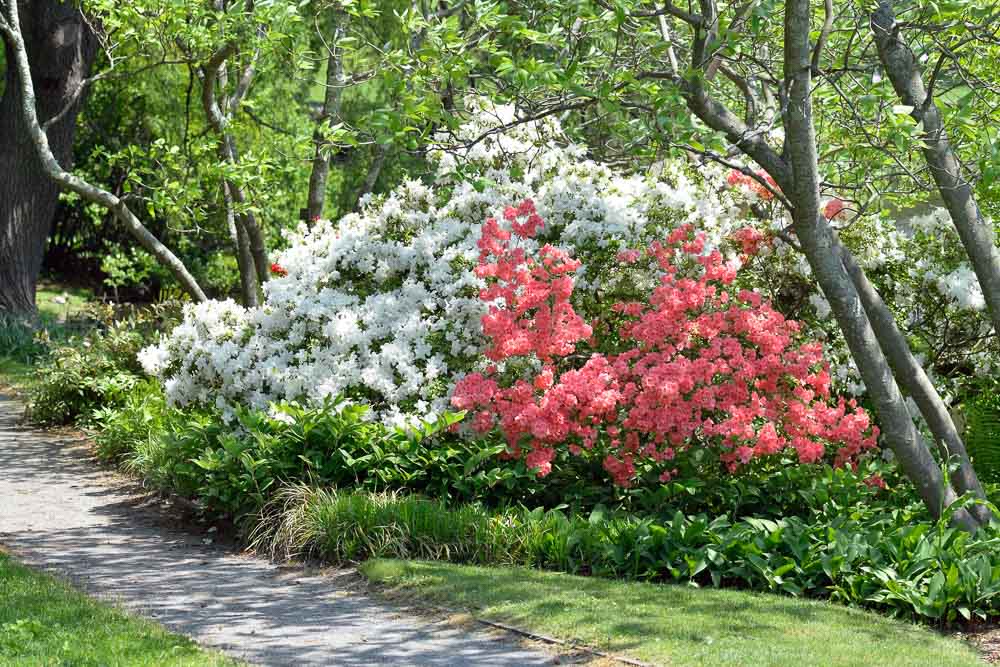
- Azaleas or rhododendrons for acid-loving harmony.
This creates a layered, multi-season garden bed centered on your weeping cherry.
Expected Lifespan and Rejuvenation
Ornamental cherries aren’t forever trees, but good care extends life significantly. Signs of decline (dieback, poor blooming) can often be reversed with rejuvenation pruning over several years or soil improvement.
Frequently Asked Questions (FAQs) 💬
How fast does a double pink weeping cherry grow? About 1-2 feet per year once established, reaching maturity in 10-15 years.
Is it deer-resistant? Moderately—deer may browse young branches, but mature trees are less appealing. Use repellents if needed.
Can it be grown in containers? Dwarf cultivars like ‘Snow Fountains’ yes, but standard ones outgrow pots quickly.
Will it produce fruit? No edible cherries—occasional small, bitter drupes that attract birds.
Differences between weeping cherry and weeping higan cherry? Higan (Prunus subhirtella) types bloom earlier and are hardier; standard weeping often Serrulata hybrids with showier doubles.
Best USDA zones? Reliably 5-8; protect in colder areas.
Conclusion: Your Path to a Show-Stopping Weeping Cherry 🌟
There you have it—the complete expert guide to growing a breathtaking double pink weeping cherry tree. From selecting the perfect specimen to fine-tuning care for maximum double pink blooms, these steps will help you avoid common pitfalls and enjoy decades of spring magic.
Remember: Patience and consistency are key. Your tree will reward proper planting, thoughtful pruning, and vigilant pest management with increasingly stunning displays year after year.
I’d love to see your progress—share photos of your blooming beauty in the comments below! If you implement these tips this season, you’re well on your way to that fairy-tale garden you’ve always dreamed of. Happy gardening! 🌸🌳











