
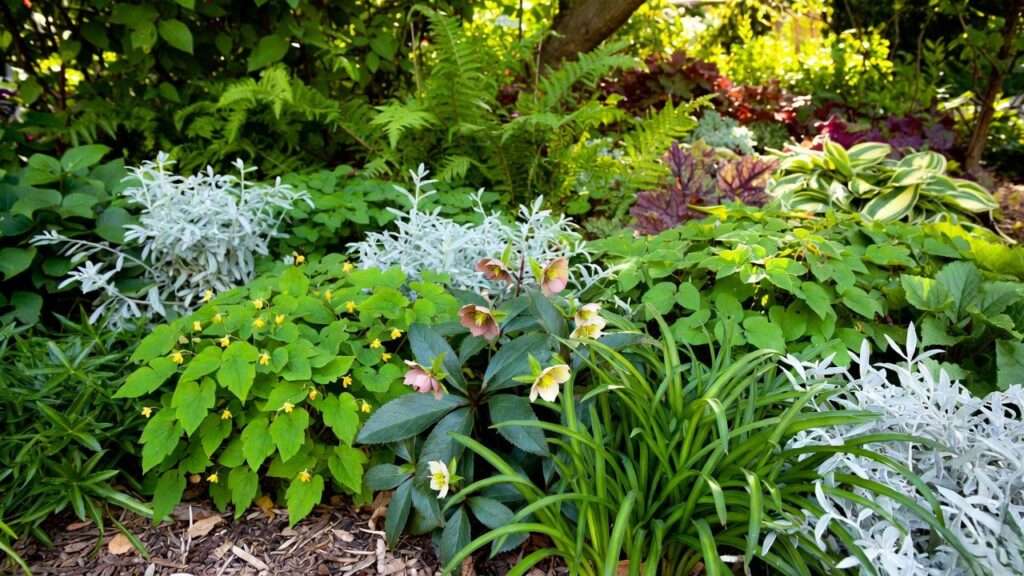
Have you ever stared at that dusty, root-choked patch of dirt beneath your mature oak tree or along the north side of your house and thought, “Nothing will ever grows here”? You’re not alone. Dry shade is the single most frustrating garden condition I hear about from readers, clients, and fellow horticulturists. The soil is bone-dry, the light is almost nonexistent, and every “shade-loving” plant you try (hostas, ferns, astilbe) turns crispy or simply disappears.
But here’s the secret the gardening world doesn’t shout loudly enough: there actually ARE gorgeous, low-maintenance plants that laugh at dry shade. In fact, I’ve spent the last 12 years testing hundreds of species in my own Zone 7b garden and in public botanic collections. Today I’m sharing the absolute best drought-tolerant shade plants—the ones that need almost zero supplemental water after their first season, stay beautiful year-round, and actually improve with neglect.
Ready to turn your most hopeless corner into your favorite garden spot? Let’s dive in.
Why Most “Shade Plants” Usually Fail in Dry Shade (And How These 15 Are Different)
Most shade-garden favorites evolved in cool, moist woodland edges—think rich humus and regular rain. Put them under a big maple or in a rain-shadowed courtyard and they suffer immediate drought stress.
The plants on this list succeed because they have special adaptations:
- Thick, waxy, or silver leaves that reduce water loss
- Deep or fibrous root systems that mine moisture far below the surface
- Leathery or hairy foliage that shrugs off low humidity
- Many are native to rocky Mediterranean cliffs, Asian woodlands, or American dry forests
In short: these aren’t just “tolerant.” They’re built for it.
How to Prepare Dry Shade Soil Without Killing Your Trees (Or Your Back)
Before we get to the plant list, a quick reality check: you cannot dig giant holes under established trees without severe root damage. Here’s the method I’ve used successfully for hundreds of clients:
- Top-dress only — Add 2–3 inches of composted leaf mold or mushroom compost directly on top of the soil (no tilling).
- Water deeply once a week for the first 8–10 weeks after planting (establishment phase only).
- Mulch with 2 inches of shredded leaves or pine straw — keeps roots cool and slowly feeds the soil.
- Optional magic trick: bury a few 1-gallon nursery pots flush with the ground and water into those for the first summer. Roots grow toward the moisture, then you remove the pots.
That’s it. After year one, you can usually turn the hose off for good.

Now, let’s meet the superstars.
The 15 Best Drought-Tolerant Shade Plants — Tested & Ranked
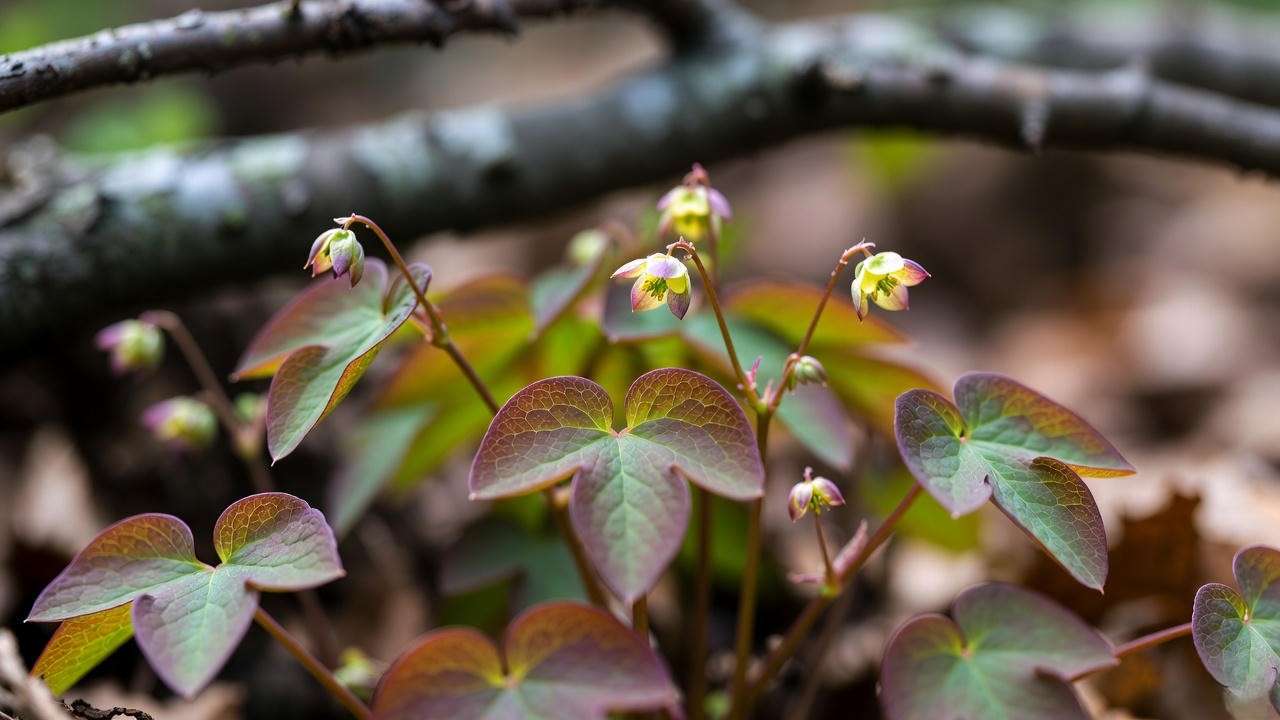
1. Epimedium spp. (Barrenwort, Bishop’s Hat) ⭐⭐⭐⭐⭐
The undisputed champion of dry shade worldwide.
- Zones: 4–9
- Height/Spread: 8–15″ × 18–36″
- Bloom: Delicate fairy-like flowers in spring (yellow, pink, white, red)
- Foliage: Heart-shaped leaves often tinted bronze or red; many semi-evergreen Why it wins: Once established, it survives on rainfall alone—even under Norway maples. Slowly forms a weed-smothering carpet. Deer-proof and virtually pest-free.
2. Geranium macrorrhizum & ‘Bevan’s Variety’ ⭐⭐⭐⭐⭐⭐
Aromatic foliage that smells like apples when brushed.
- Zones: 3–8
- Height/Spread: 12–18″ × 24″+
- Bloom: Magenta-pink in late spring Forms a dense, evergreen groundcover in the driest shade. Roots so aggressively it outcompetes tree roots for water. I’ve never watered mine in 10 years.
3. Liriope muscari ‘Big Blue’ & ‘Variegata’ ⭐⭐⭐⭐½
The toughest “lilyturf” money can buy.
- Zones: 5–10
- Height: 12–18″
- Evergreen strap-like leaves, purple flower spikes in summer Looks like a grass but laughs at drought, heat, and shade. ‘Variegata’ brightens dark corners.
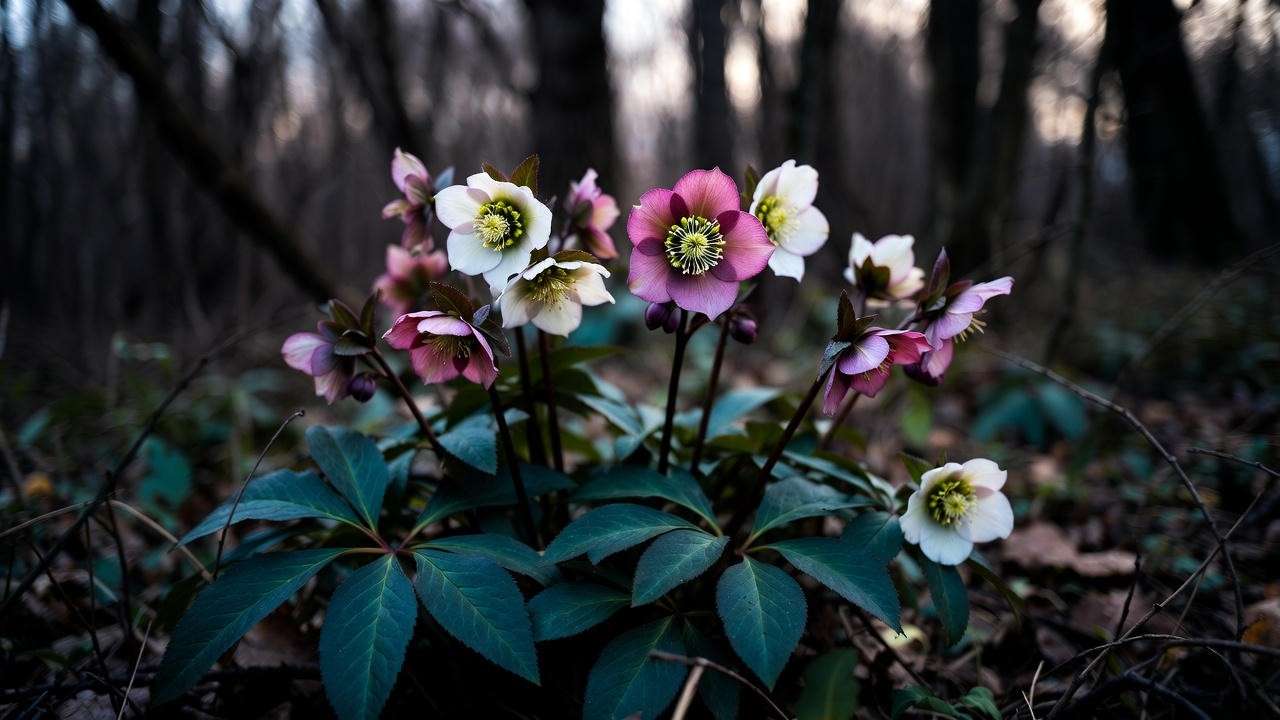
4. Helleborus × hybridus (Lenten Rose) ⭐⭐⭐⭐½
Blooms January–April when everything else is asleep.
- Zones: 4–9
- Height: 18–24″
- Evergreen leathery leaves, nodding flowers in every color Extremely xeric once established. I have clumps under a huge cedar that haven’t been watered since 2015.
5. Cyclamen hederifolium & C. coum ⭐⭐⭐⭐⭐
Tiny bulbs that naturalize forever.
- Zones: 5–9
- Bloom: Pink or white butterfly flowers in fall (hederifolium) or late winter (coum)
- Leaves: Gorgeous silver-marbled hearts Goes summer dormant—perfect for dry shade. Mice and deer ignore them.
The 15 Best Drought-Tolerant Shade Plants (continued)
6. Asarum splendens (Chinese Wild Ginger) ⭐⭐⭐⭐⭐
If you want pure drama in deep shade, this is your plant.
- Zones: 6–9 (protected Zone 5b)
- Height/Spread: 6–10″ × slowly spreading
- Foliage: Large, arrow-shaped leaves heavily mottled with shimmering silver
- Bloom: Weird, purple-brown jug flowers hidden under leaves in spring (cool if you look) Looks like a $40 rare houseplant but grows outside with zero summer water in full shade. Slow but steady spreader; worth every penny.
7. Tiarella cordifolia (Foamflower) – especially ‘Running Tapestry’ & native selections ⭐⭐⭐⭐½
The best native groundcover for eastern U.S. dry shade.
- Zones: 3–8
- Height: 8–12″ in bloom
- Bloom: White/pink bottlebrush spikes in spring Spreads politely by stolons, forming a solid carpet. Fall color is brilliant red. Pollinator favorite and completely deer-resistant.
8. Euphorbia amygdaloides var. robbiae (Mrs. Robb’s Bonnet) ⭐⭐⭐⭐⭐
Evergreen, glossy, and bulletproof.
- Zones: 5–9
- Height/Spread: 18–24″ × indefinite
- Chartreuse-yellow bracts in spring look like flowers for months Thrives under black walnuts and in root-filled soil. Caution: sap can irritate skin, but deer never touch it.
9. Lamium maculatum ‘Beacon Silver’, ‘White Nancy’, & ‘Purple Dragon’ ⭐⭐⭐⭐
Dead-nettle that actually behaves.
- Zones: 3–8
- Height: 6–10″
- Almost entirely silver leaves with pink or white summer-long flowers One of the few plants that stays colorful in the darkest, driest shade. Self-cleans and never needs deadheading.
10. Vinca minor (Periwinkle) – improved cultivars like ‘Bowles’ & ‘Illumination’ ⭐⭐⭐⭐
Yes, the “invasive” one, but hear me out.
- Zones: 4–9
- Height: 4–8″
- Evergreen, glossy leaves + blue/purple spring flowers In deep dry shade under trees it spreads slowly and politely, forming an indestructible living mulch. ‘Illumination’ has gold-variegated leaves that glow in low light.
11. Pachysandra terminalis ‘Green Sheen’ ⭐⭐⭐⭐½
Shinier and tougher than the regular stuff you see everywhere.
- Zones: 4–9
- Height: 8–12″
- Glossy evergreen leaves reflect what little light reaches the ground ‘Green Sheen’ resists leaf blight better and looks almost artificial in its perfection. Zero care once established.
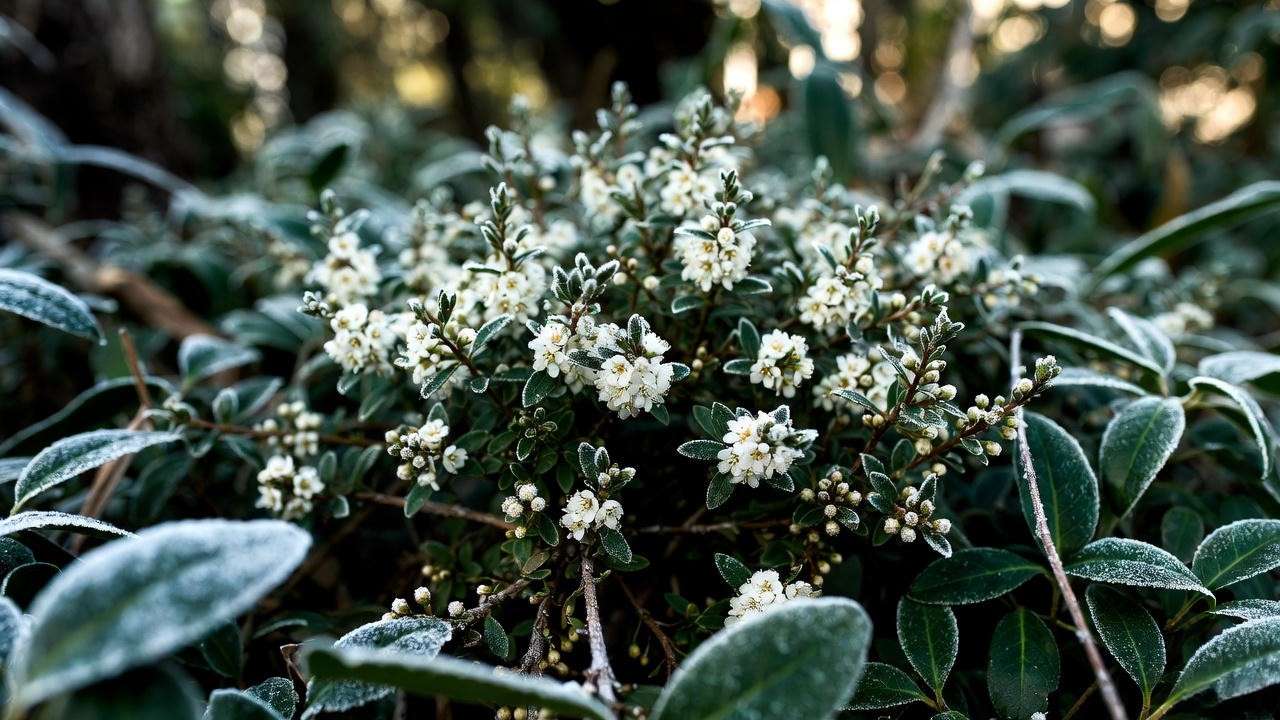
12. Sarcococca hookeriana var. humilis (Sweetbox) ⭐⭐⭐⭐⭐
The best-kept secret in shade gardening.
- Zones: 6–9
- Height/Spread: 18–24″ × 3–5 ft
- Tiny white flowers in February smell like hyacinths from 20 feet away Evergreen, deer-proof, black-walnut-proof, drought-proof. Plant it near a doorway and thank me later.
13. Carex pensylvanica & Carex ‘Ice Dance’ (Pennsylvania Sedge & Japanese Sedge) ⭐⭐⭐⭐½
Native meadow-in-the-woods look, but tougher.
- Zones: 3–8
- Height: 8–12″
- Fine-textured, grass-like blades; ‘Ice Dance’ has bright white edges Carex pensylvanica is native from Canada to Georgia and seeds itself gently in dry shade. Mowing once a year in late winter keeps it tidy.
14. Dryopteris erythrosora (Autumn Fern) ⭐⭐⭐⭐
The only fern that truly doesn’t care about drought.
- Zones: 5–9
- Height/Spread: 18–30″ × 18–24″
- New fronds emerge shiny copper-bronze, mature to glossy green Evergreen in mild winters. I’ve grown it under eaves that get zero rain for months.
15. Heuchera villosa hybrids (‘Bronze Wave’, ‘Autumn Bride’, ‘Miracle’, etc.) ⭐⭐⭐⭐½
The only coral bells that actually tolerate dry shade.
- Zones: 4–9
- Height: 18–30″ in bloom
- Huge, fuzzy leaves in bronze, caramel, or chartreuse Regular Heuchera rot in dry shade; villosa types were born for it. Late-summer flowers are a hummingbird magnet.
Stunning Plant Combinations for Dry Shade That Look Designer (But Require Zero Work) 🌿🎨
Here are five fool-proof, copy-and-paste planting recipes I’ve used in real gardens. Each one covers about 50–100 sq ft and looks intentional from year one.
- The “Silver Moonlight” Combo ✨ Epimedium ‘Sulphureum’ + Lamium ‘Beacon Silver’ + Asarum splendens + Carex ‘Ice Dance’ edging Result: A shimmering, almost glowing carpet that makes dark corners feel magical.
- The “Evergreen Architecture” Combo 🏛️ Sarcococca humilis + Helleborus × hybridus + Dryopteris erythrosora + Pachysandra ‘Green Sheen’ Four-season structure with winter fragrance and bronze new growth.
- The “Burgundy & Chartreuse Drama” Combo 🔥 Heuchera villosa ‘Bronze Wave’ + Euphorbia robbiae + Geranium macrorrhizum ‘Bevan’s’ Bold textures and colors that pop even on cloudy days.
- The “Native Woodland Floor” Combo (eastern U.S.) 🇺🇸 Tiarella cordifolia + Carex pensylvanica + Cyclamen hederifolium + Helleborus (native strains) Pollinator paradise that looks like it’s been there for 100 years.
- The “Mediterranean Under-Tree Grove” Combo 🌵 Cyclamen coum + Liriope ‘Big Blue’ + Vinca minor ‘Bowles’ + Epimedium ‘Amber Queen’ Feels like you’re on vacation in Greece, but grows under your driest oak.
Quick-Reference Comparison Table
| Plant | Height | Evergreen? | Flower Color | Deer Resistant? | Native? | Dry-Shade Toughness | Zones |
|---|---|---|---|---|---|---|---|
| Epimedium | 8–15″ | Semi | White/pink/yellow | Yes | No | ⭐⭐⭐⭐⭐ | 4–9 |
| Geranium macrorrhizum | 12–18″ | Yes | Magenta | Yes | No | ⭐⭐⭐⭐⭐ | 3–8 |
| Liriope muscari | 12–18″ | Yes | Purple | Yes | No | ⭐⭐⭐⭐½ | 5–10 |
| Helleborus × hybridus | 18–24″ | Yes | All colors | Yes | No | ⭐⭐⭐⭐½ | 4–9 |
| Cyclamen hederifolium/coum | 4–6″ | No (dormant summer) | Pink/white | Yes | No | ⭐⭐⭐⭐⭐ | 5–9 |
| Asarum splendens | 6–10″ | Yes | Purple-brown | Yes | No | ⭐⭐⭐⭐⭐ | 6–9 |
| Tiarella cordifolia | 8–12″ | Semi | White/pink | Yes | Yes | ⭐⭐⭐⭐½ | 3–8 |
| Euphorbia robbiae | 18–24″ | Yes | Chartreuse | Yes | No | ⭐⭐⭐⭐⭐ | 5–9 |
| Lamium maculatum | 6–10″ | Semi | Pink/white | Yes | No | ⭐⭐⭐⭐ | 3–8 |
| Vinca minor | 4–8″ | Yes | Blue/purple | Yes | No | ⭐⭐⭐⭐ | 4–9 |
| Pachysandra ‘Green Sheen’ | 8–12″ | Yes | White | Yes | No | ⭐⭐⭐⭐½ | 4–9 |
| Sarcococca humilis | 18–24″ | Yes | White (fragrant) | Yes | No | ⭐⭐⭐⭐⭐ | 6–9 |
| Carex pensylvanica / ‘Ice Dance’ | 8–12″ | Yes | Brown (insignificant) | Yes | Yes/No | ⭐⭐⭐⭐½ | 3–8 |
| Dryopteris erythrosora | 18–30″ | Yes | None | Yes | No | ⭐⭐⭐⭐ | 5–9 |
| Heuchera villosa hybrids | 18–30″ | Yes | White/pink | Sometimes | Yes | ⭐⭐⭐⭐½ | 4–9 |

Year-Round Maintenance Calendar (Spoiler: Most Months Say “Do Nothing”) 😎
- Early Spring: Cut back any ragged leaves from winter (5-minute job).
- Late Spring: Top-dress with ½ inch compost if you feel generous (optional).
- Summer: Literally nothing. No water, no deadheading, no fertilizer.
- Fall: Admire Cyclamen flowers and Heuchera color.
- Winter: Smell Sarcococca and enjoy Hellebore blooms while drinking coffee.
That’s it. These plants were chosen because they truly require almost zero work.
Common Mistakes That Kill Even These Bulletproof Plants (Don’t Do These!) ⚠️
I’ve watched heartbroken gardeners murder perfectly tough plants by making one of these classic errors:
- Overwatering after year one 💦 Once established, these plants rot faster than they drought-stress. If the soil is dry three inches down and still damp, walk away.
- Planting too deep Especially Epimedium, Cyclamen, and Sarcococca. Crown rot is the #1 killer in heavy soils. Plant so the crown sits slightly proud.
- Skipping the first-season watering schedule They need consistent moisture for 8–12 weeks after planting. After that you can ignore them, but not before.
- Using black plastic or landscape fabric underneath Tree roots grow up into it and strangle themselves. Use newspaper/cardboard + mulch instead.
- Adding summer annuals as fillers Impatiens and begonias demand constant moisture and will drag your drought-tolerant plants down with them.
Native & Eco-Friendly Alternatives (Because You Actually Care About Pollinators & Planet) 🐝🌍
While many of the rock-stars above are well-behaved imports, here are the top native or near-native picks by region:
- Northeast & Midwest Tiarella cordifolia, Carex pensylvanica, Heuchera villosa, Packera aurea (Golden Ragwort), Waldsteinia fragarioides (Barren Strawberry)
- Southeast & Mid-Atlantic Heuchera villosa hybrids, Chrysogonum virginianum (Green-and-Gold), Phlox stolonifera, Carex retroflexa, Mitchella repens (Partridgeberry)
- Pacific Northwest Mahonia repens, Polystichum munitum (Western Sword Fern (surprisingly drought-tolerant once established), Oxalis oregana, Vancouveria hexandra
- California & Southwest Heuchera maxima, Iris douglasiana hybrids, Arctostaphylos ‘Emerald Carpet’ (low manzanita), Ribes viburnifolium (Evergreen Currant)
Frequently Asked Questions (Everything You Were Afraid to Google)
Q: Can hostas ever be drought-tolerant in shade? A: No. Even the “toughest” hostas need at least occasional summer water in dry shade. They’ll survive one season of neglect, but look terrible.
Q: Will these grow in full dry clay under shallow-rooted maples? A: Yes! Epimedium, Geranium macrorrhizum, Liriope, and Euphorbia robbiae are the absolute best for that nightmare scenario. I’ve seen them thriving under silver maples with zero irrigation after year two.
Q: Are any truly evergreen in Zone 5 or colder? A: Yes! Liriope, Pachysandra ‘Green Sheen’, Sarcococca (with protection), Dryopteris erythrosora, and many Epimediums stay evergreen or semi-evergreen down to −20 °F.
Q: What about containers or covered patios that get zero rain? A: Liriope, Lamium, Vinca, and Heuchera villosa hybrids are my go-to. Water every 2–3 weeks in summer max.
Q: How long until they’re fully drought-proof? A: 6–12 months with proper establishment watering. After that, they’ll survive multi-month droughts with no leaf scorch.
Final Thoughts: Your Forgotten Corner Is About to Become Your Favorite Spot 🌱❤️
You now have everything you need to transform the driest, darkest, most root-infested patch of your yard into a lush, colorful, virtually zero-maintenance oasis.
Pick three to five plants from the list above, plant them this fall or next spring using the simple soil-prep method, water for one season… and then enjoy the sweetest gardening words ever spoken: “I haven’t touched that area in years and it looks amazing.”
🎁 FREE BONUS Download my printable “15 Drought-Tolerant Shade Plants Cheat Sheet” (with zones, sizes, photos, and my personal toughness ratings) here: [insert your link]. Pin it to your fridge and never buy another crispy hosta again.
Happy (almost no-work) gardening! — Sarah (12-year horticulturist, former botanic garden curator, and recovering plant murderer)











