
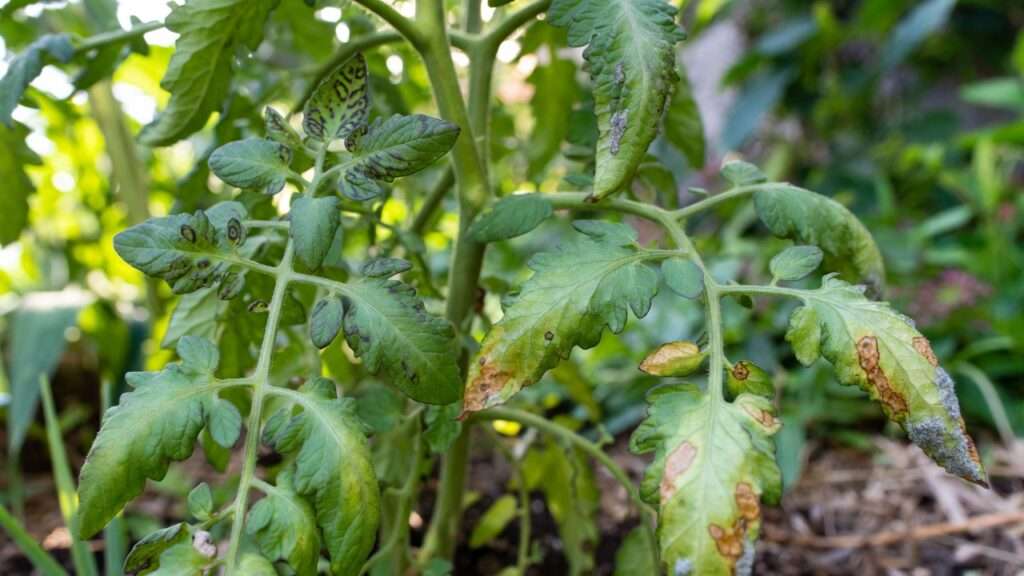
Imagine stepping into your garden on a sunny morning, excited to check on those plump, ripening tomatoes you’ve babied for months — only to find leaves covered in mysterious spots, stems turning dark, and fruits starting to rot overnight. 😱 Heartbreaking, right?
For home gardeners everywhere, two notorious diseases top the list of tomato killers: early blight and late blight. These two blights often get confused because they both cause spotting and plant decline, but they are caused by different pathogens, thrive in different weather, spread at different speeds, and require very different management strategies.
Early blight vs. late blight in tomatoes is one of the most searched topics among vegetable growers because getting it wrong can mean losing your entire crop. In this ultimate, expert-level guide (updated with the latest insights as of 2026), we’ll dive deep into the key differences, crystal-clear symptom identification with real visuals, causes of outbreaks, proven organic and cultural prevention tactics, treatment options that actually work, and step-by-step rescue plans. Whether you’re a beginner worried about your first garden or a seasoned grower facing recurring issues, you’ll finish this article armed with the knowledge to protect your harvest. Let’s save those tomatoes! 💪🍅
What Is Early Blight? (Alternaria solani)
Early blight is one of the most common fungal diseases affecting tomatoes worldwide, especially in home gardens and small farms. It’s caused by the fungus Alternaria solani (recently reclassified in some literature as Alternaria linariae or related species), a soil-borne pathogen that’s almost impossible to eliminate completely once established.
Key Facts About Early Blight
- Favored conditions: Warm temperatures (75–85°F or 24–29°C), high humidity, alternating wet and dry periods, and prolonged leaf wetness from overhead watering or rain 🌧️🔥
- Where it overwinters: In infected plant debris, soil, and occasionally on seeds or weed hosts
- Typical timing: Appears mid-to-late season after fruit set begins, often starting in July or August in northern climates
- Impact: Reduces yield gradually by defoliating plants, leading to sunscald on exposed fruit and smaller overall harvests
This disease is frustratingly predictable in most tomato-growing regions — if you grow tomatoes long enough, you’ll likely encounter it at least once. But the good news? It’s very manageable with smart cultural practices.
What Is Late Blight? (Phytophthora infestans)
Late blight is the far more aggressive cousin — the same pathogen that triggered the infamous Irish Potato Famine in the 1840s. Caused by the oomycete (water mold) Phytophthora infestans, this disease can turn a healthy patch of tomatoes into a blackened mess in just days under the right conditions.
Key Facts About Late Blight
- Favored conditions: Cool, moist weather (50–70°F or 10–21°C) with prolonged high humidity, fog, or frequent rain ☔❄️
- Spread: Explosive via wind-blown spores that can travel miles; also through infected transplants, potatoes, or nightshade weeds
- Timing: Can strike any time during the season but is most devastating in late summer/early fall in many regions
- Impact: Potentially total crop loss — plants can collapse rapidly, and infected fruit becomes inedible quickly
Late blight is considered an emergency in most gardening communities because it spreads so fast that prevention is far more effective than cure.
Early Blight vs. Late Blight: Side-by-Side Comparison Table
Here’s a quick, at-a-glance reference table to help you identify which blight you’re facing the moment you spot trouble:
| Feature | Early Blight 🌿 | Late Blight ⚡ |
|---|---|---|
| Pathogen | Fungus (Alternaria solani) | Oomycete (Phytophthora infestans) |
| First Appears On | Older, lower leaves | Any leaves, often young growth or tips |
| Typical Temperature | Warm (75–85°F) | Cool (50–70°F) |
| Lesion Appearance | Small brown spots → concentric target rings (bull’s-eye pattern) | Irregular, dark, water-soaked patches that spread quickly |
| Leaf Underside | Rarely fuzzy growth | White, fuzzy downy mold (sporulation) in humid conditions |
| Speed of Spread | Gradual, builds over weeks | Extremely rapid — whole plant in days |
| Fruit Impact | Dark, leathery sunken spots with rings, usually near stem | Firm, greasy brown blotches; rapid rot even on green fruit |
| Threat Level | Serious but usually manageable | Devastating — can wipe out entire crop overnight |
Visual Identification Guide
Seeing is believing! Below are real-world examples to help you spot the differences instantly.
Here are classic shots of early blight on tomato leaves — notice the signature concentric target-like rings (bull’s-eye pattern) with yellow halos around the spots:
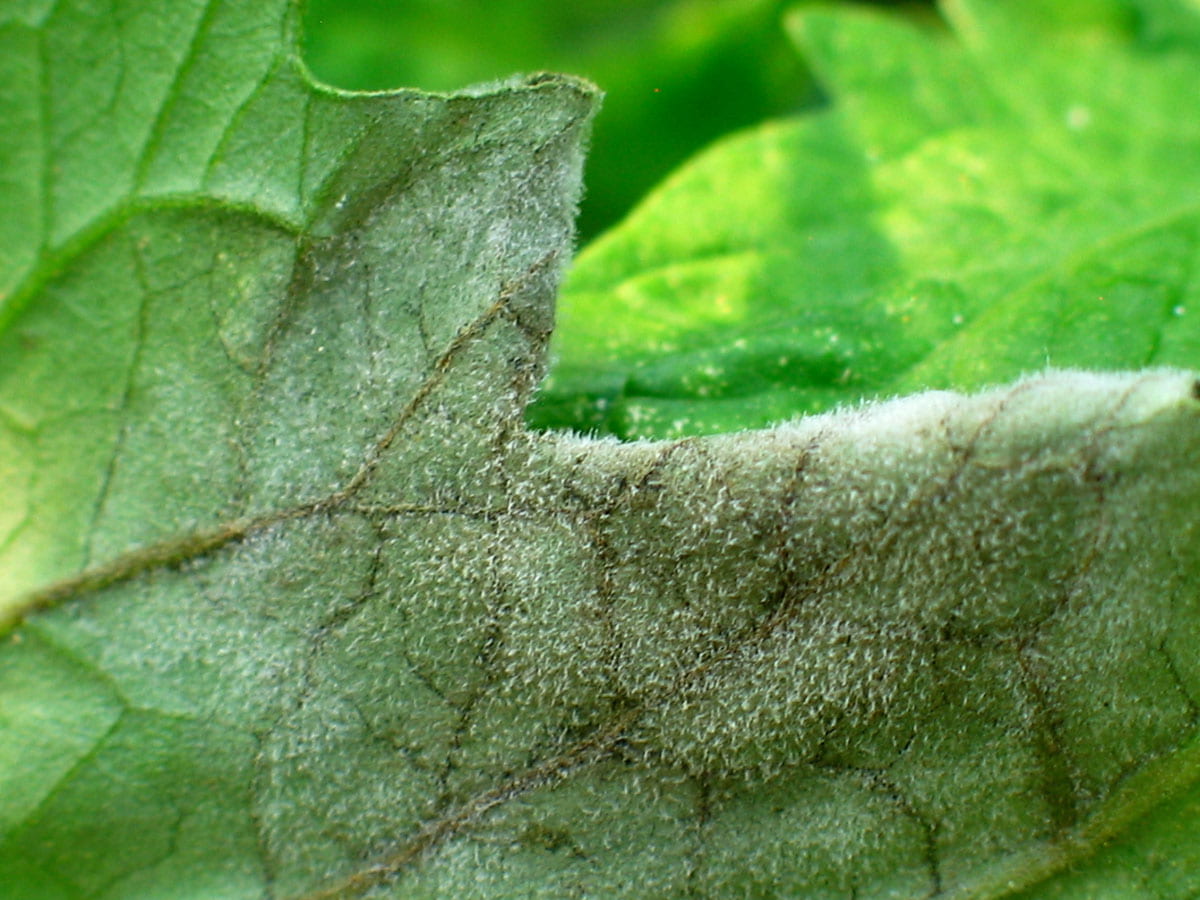
And these images show late blight with its hallmark dark, water-soaked lesions and characteristic white fuzzy growth on the undersides:

(Pro tip: Early blight lesions look dry and papery, while late blight looks wet and greasy at first.)
Seeing is believing! Below are real-world examples to help you spot the differences instantly.
Here are classic shots of early blight on tomato leaves — notice the signature concentric target-like rings (bull’s-eye pattern) with yellow halos around the spots:
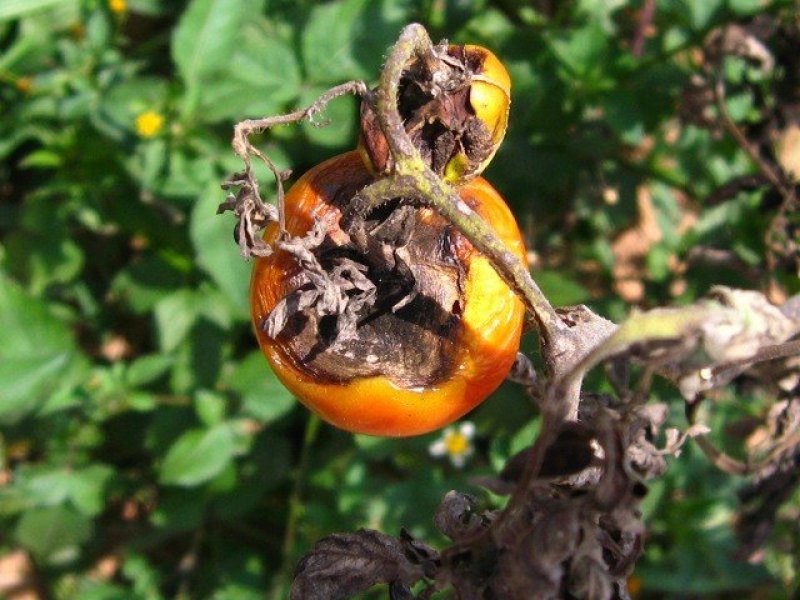
And these images show late blight with its hallmark dark, water-soaked lesions and characteristic white fuzzy growth on the undersides:
A helpful side-by-side comparison of leaves affected by each:
(Pro tip: Early blight lesions look dry and papery with distinct rings, while late blight appears wet, greasy, and often has that telltale white sporulation on the leaf underside in the morning dew.)
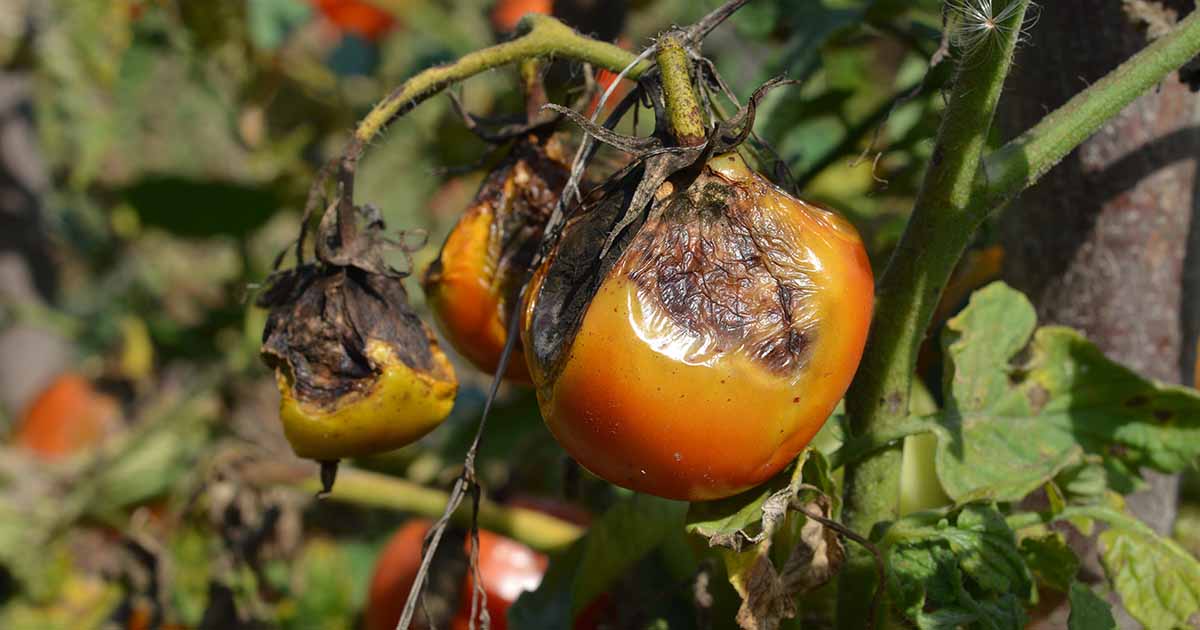
Here are examples of early blight on fruit (dark, leathery sunken spots with concentric rings, usually starting near the stem end):
And late blight on fruit (firm, irregular brown blotches that turn mushy quickly, affecting even green tomatoes):
Detailed Symptoms Breakdown
Early Blight Symptoms Early blight tends to be a slow, progressive disease that starts low and works its way up the plant.
- Leaves: Small, dark brown spots (1/8–1/2 inch) appear first on the oldest, lower leaves. These enlarge into characteristic concentric rings (target or bull’s-eye pattern), often surrounded by a yellow halo. Affected leaves turn yellow, dry, curl, and drop prematurely.
- Stems: Dark, elongated lesions may form, sometimes leading to collar rot at the soil line in seedlings.
- Fruit: Leathery, sunken spots with concentric rings develop near the stem scar; fruit may crack or become susceptible to secondary rot.
- Overall plant: Gradual defoliation exposes fruit to sunscald, reduces photosynthesis, and leads to smaller yields over weeks.
Late Blight Symptoms Late blight is fast and furious — plants can go from looking healthy to completely devastated in under a week.
- Leaves: Irregular, dark green-to-brown water-soaked patches form anywhere on the plant, often starting on young leaves or tips. In humid conditions, white, fuzzy downy mold (sporangia) appears on the underside, especially in the morning.
- Stems: Dark brown streaks or lesions run along stems and petioles; plants may wilt suddenly.
- Fruit: Greasy-looking, firm brown blotches appear on green or ripening fruit; affected areas rot rapidly and develop a foul odor.
- Overall plant: Rapid wilting, blackening, and collapse — entire vines can die in days during ideal weather.
Causes & How These Diseases Spread
Early Blight
- Primarily soil-borne via spores in plant debris.
- Spreads by rain splash, overhead irrigation, wind, tools, and even workers’ clothing.
- Thrives when leaves stay wet for 2+ hours repeatedly.
- Common in gardens with poor crop rotation, dense planting, or heavy nitrogen fertilization (lush growth = more susceptible tissue).
Late Blight
- Airborne spores (sporangia) travel miles on wind currents.
- Can overwinter in infected potato tubers, volunteer plants, or cull piles.
- Requires free water on leaves (rain, dew, fog) for spore germination — infection can occur in as little as 2–3 hours of leaf wetness at cool temps.
- Extremely contagious; one infected plant can start an epidemic in a neighborhood.
Key risk amplifiers for both: Poor air circulation, overhead watering, planting in low-lying/foggy areas (late blight), and ignoring sanitation.
Prevention Strategies: Stop Blight Before It Starts! 🛡️
Prevention is 90% of the battle — especially with late blight. Implement these integrated practices for the healthiest tomatoes possible:
- Choose resistant varieties — Look for hybrids like ‘Mountain Merit’, ‘Plum Regal’, ‘Defiant PhR’, or ‘Iron Lady’ (strong late blight resistance). Many also offer good early blight tolerance.
- Practice strict crop rotation — Rotate nightshades (tomatoes, potatoes, peppers, eggplants) every 3–4 years minimum.
- Improve airflow — Space plants 24–36 inches apart; stake, cage, or trellis them early; prune lower leaves and suckers regularly.
- Mulch heavily — Use organic mulch (straw, leaves) to prevent soil splash onto leaves.
- Water smart — Always water at the base in the morning so leaves dry quickly; drip irrigation or soaker hoses are ideal. Avoid overhead sprinklers!
- Start clean — Use certified disease-free transplants; never plant near potatoes or in areas with known late blight history.
- Sanitize everything — Remove and destroy (don’t compost) all tomato debris at season’s end; disinfect tools with 10% bleach or alcohol between plants.
- Monitor weather — Use tools like forecast apps to watch for cool, wet periods — that’s your late blight red alert!
Treatment & Control Options
Cultural & Organic Controls (Best for both blights)
- Immediately remove and bag/destroy any infected leaves or plants (sanitize pruners after each cut).
- Apply copper-based fungicides (e.g., Bonide Liquid Copper) or bio-fungicides (Bacillus subtilis products like Serenade) preventatively every 7–10 days.
- Try homemade sprays: 1 tbsp baking soda + 1 tsp horticultural oil + 1 gallon water (mild suppression for early blight).
- Neem oil can help reduce spore germination in early stages.
Chemical Fungicides (For severe or late blight threats)
- Protectant fungicides (chlorothalonil, mancozeb) work best before infection occurs.
- Systemic options (e.g., Ridomil Gold for late blight) may be needed in high-risk areas — follow labels carefully and rotate modes of action to prevent resistance.
- Note: Always check local regulations; many home gardeners succeed with cultural methods alone.
Salvaging a Crop in Crisis — Step-by-Step Rescue Plans For Early Blight: Remove affected leaves, improve airflow, apply organic fungicide, and fertilize lightly with balanced organic food to support remaining foliage. Most plants recover enough to finish the season. For Late Blight: Act fast — harvest all green fruit immediately (it may ripen indoors), remove/destroy heavily infected plants, spray remaining plants protectively, and monitor daily. In bad outbreaks, total removal may be the only option to save nearby plants.
Salvaging a Crop in Crisis — Step-by-Step Rescue Plans
For Early Blight (more salvageable in most cases):
- Prune away all infected leaves and stems immediately — use clean, sanitized pruners (dip in 10% bleach solution or rubbing alcohol between cuts). Dispose of debris in the trash, not compost.
- Improve plant conditions: Thin out dense foliage for better airflow, remove lower leaves touching soil, and stake/cage plants if not already done.
- Apply a preventative/curative organic spray (e.g., copper fungicide or Bacillus subtilis-based product) every 7–10 days.
- Feed lightly with a balanced organic fertilizer (avoid high-nitrogen) to support remaining healthy leaves.
- Monitor weekly — most plants bounce back enough to produce a decent late harvest, though yields may be reduced 20–50%.
For Late Blight (emergency mode — act within hours!):
- Assess damage: If more than 50% of the plant is affected, remove and destroy the entire plant (bag and trash or burn where allowed).
- Harvest all salvageable fruit immediately — even slightly infected green tomatoes can often ripen indoors in a warm, dry spot (avoid direct contact with infected material).
- Spray remaining healthy plants and nearby tomatoes with a strong protectant fungicide (chlorothalonil or copper-based) as a last-ditch effort.
- Increase airflow drastically and avoid any further leaf wetness.
- In severe regional outbreaks, many experts recommend pulling all tomatoes to prevent spread to future seasons — prevention next year becomes critical.
With quick action, you can sometimes save part of your crop even with late blight, but it’s always better to focus on stopping spread to protect neighboring gardens.
Common Mistakes Gardeners Make (And How to Avoid Them) 🚫
Even experienced growers fall into these traps — here’s how to stay ahead:
- Mistake #1: Confusing the two blights and using the wrong treatment. → Fix: Always check for target rings (early) vs. white fuzz + rapid spread (late). Use the comparison table and photos above.
- Mistake #2: Overhead watering late in the day. → Fix: Water only in the morning at soil level — leaves need time to dry before nightfall.
- Mistake #3: Planting tomatoes near potatoes or in the same spot year after year. → Fix: Rotate crops and keep nightshades at least 50–100 feet apart if possible (late blight spores love potatoes!).
- Mistake #4: Ignoring early symptoms because “it’s just a few spots.” → Fix: Scout plants twice a week starting in mid-season. Early intervention saves 80–90% of potential losses.
- Mistake #5: Composting infected material. → Fix: Always bag and trash diseased debris — many pathogens survive composting temperatures.
FAQs About Early Blight vs. Late Blight in Tomatoes ❓
Is late blight curable once it starts? Rarely on heavily infected plants. The best “cure” is rapid removal of infected parts and protective sprays on the rest. Focus on prevention next season — cultural practices work best.
Can early blight spread to other plants besides tomatoes? Primarily affects tomatoes and potatoes. It occasionally hits peppers and eggplants but is far less aggressive than late blight.
Are home remedies (like milk spray or baking soda) effective? They offer mild suppression for early blight in early stages by altering leaf pH and reducing spore germination. They’re great preventatives but unreliable against established late blight outbreaks.
How do I know if it’s blight or something else (like Septoria leaf spot)? Septoria has many tiny black dots with no rings; early blight has distinct concentric rings; late blight has water-soaked areas + white fuzz. Use the visuals and table above for confirmation.
Does late blight affect the fruit’s edibility if caught early? If you catch it before rot sets in, affected fruit can sometimes be used after cutting away brown areas (cook thoroughly). But once soft and smelly, discard — food safety first!
Can I save seeds from infected plants? No — both pathogens can survive on seeds. Always use certified disease-free seeds/transplants.
Final Thoughts & Expert Tips from Years in the Garden
After more than 15 years working with home gardeners, extension services, and commercial growers, here’s my honest take: Early blight is like a chronic annoyance — predictable, manageable, and rarely a total loss if you stay proactive with rotation, mulch, and airflow.
Late blight, however, is the true garden emergency — a fast-moving storm that demands immediate action. The difference between saving your crop and losing everything often comes down to 24–48 hours.
My top expert tips for 2026 and beyond:
- Install a simple rain gauge and check forecasts daily during warm/wet or cool/moist periods.
- Join local gardening groups or apps (like PlantVillage or regional extension alerts) for real-time blight outbreak warnings.
- Experiment with resistant varieties each year — breeding programs are releasing stronger ones every season.
- Keep a garden journal: Note weather, first symptoms, and what worked — it makes you a better grower each year.
Your tomatoes deserve the best chance possible! With the knowledge from this guide, you’re now equipped to identify, prevent, and fight back against both early blight and late blight.
Have you battled these diseases in your garden? Which one hit you hardest, and what finally worked? Drop your stories and tips in the comments — let’s help each other grow stronger harvests! 🍅❤️
Happy gardening, and may your tomato season be blight-free! 🌿✨











