
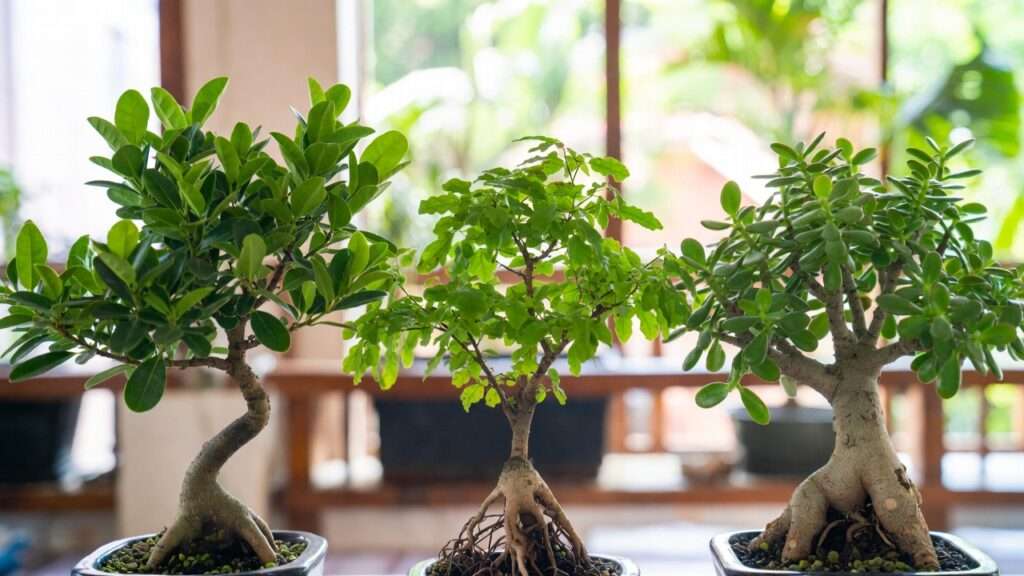
Imagine this: You finally bring home that adorable little bonsai you’ve been dreaming about—tiny leaves, elegant trunk, a perfect miniature tree that promises years of calm and creativity. Then, just a few weeks later, the leaves start yellowing, branches droop, and you’re left wondering, “Did I just kill my new plant? 😔” If this scenario sounds painfully familiar, you’re in good company. Most new bonsai enthusiasts give up early because they choose demanding species or overlook basic (but crucial) care details.
The good news? Bonsai doesn’t have to be intimidating or high-maintenance. By starting with easy bonsai trees for beginners—forgiving, resilient varieties that tolerate common newbie slip-ups—you can build confidence, enjoy the process, and watch your miniature tree flourish. In this comprehensive guide, we’ll explore the absolute best starter species that thrive even in typical home conditions (like apartments in humid climates such as Dhaka’s tropical weather 🌡️), share expert-level care tips, reveal pitfalls to avoid, and help you pick the perfect match for your lifestyle.
Whether you’re drawn to the lush tropical vibe of indoor options or the classic evergreen look of outdoor hardy ones, these picks are proven winners for beginners worldwide. Let’s turn your bonsai dreams into reality—without the heartbreak. 🌱
Why Beginner-Friendly Bonsai Matters: Forgiving Species vs. Advanced Ones
Bonsai is more than just a plant hobby—it’s a living art form that teaches patience, observation, and a deeper connection to nature. But for newcomers, the biggest barrier isn’t technique; it’s choosing the wrong tree. Advanced species like Japanese Black Pine or Trident Maple demand precise seasonal care, perfect lighting, and experience with wiring or defoliation. Miss one step, and they decline quickly.
Beginner-friendly bonsai trees, on the other hand, share key forgiving traits:
- Tolerance for slightly inconsistent watering (a common first mistake!).
- Adaptability to average indoor humidity and light levels.
- Fast recovery from pruning errors or minor pest issues.
- Resilience in tropical/subtropical climates like Bangladesh, where high humidity helps many tropical varieties thrive.
Tropical/indoor species (e.g., Ficus, Jade) excel in apartments with bright windows, while hardy outdoor ones (e.g., Juniper, Chinese Elm) handle balcony or garden spots with seasonal changes. Starting easy builds skills gradually—pruning, wiring, repotting—without constant worry. As bonsai experts often say, “The tree teaches you if you let it live long enough to do so.” These starters give you that time. 📚
Top 8 Easy Bonsai Trees for Beginners
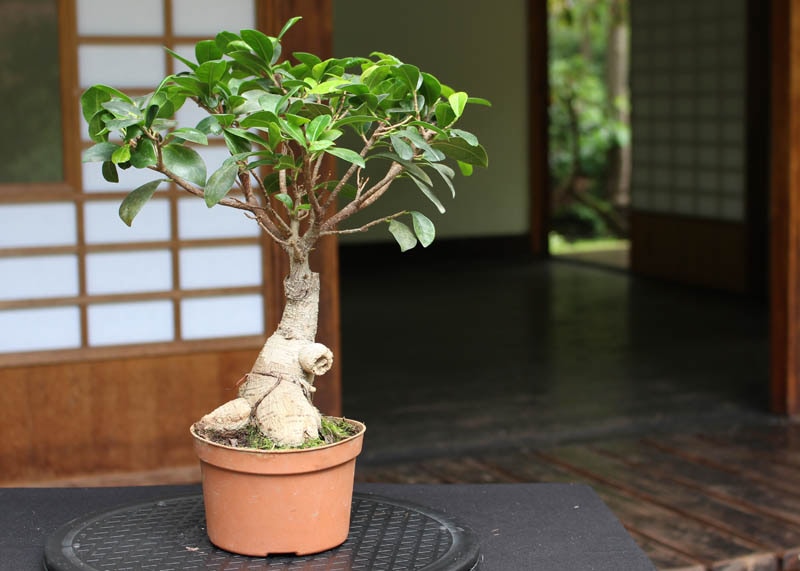
Here are the most recommended, resilient species based on decades of grower experience and community feedback. Each includes a quick care cheat sheet, pros/cons, and why it’s perfect for starters. (Photos show real examples of healthy specimens! 🌳)
1. Ficus Bonsai (Ficus retusa / microcarpa / ginseng) 🌟 Most Recommended Indoor Starter
Often called the “king of beginner bonsai,” Ficus is incredibly tough. It handles low humidity, occasional missed waterings, and indoor conditions like a champ—ideal for apartments with AC or variable light.
Why it’s #1 for beginners: Super resilient; drops leaves if stressed but bounces back fast. Grows quickly, develops aerial roots for dramatic looks, and forgives over/under-pruning.
Appearance & styles: Glossy green leaves, thick trunks, great for informal upright, cascade, or clump styles.
Quick Care Cheat Sheet
- Light: Bright indirect (east/west window); 4–6+ hours daily.
- Watering: When top 1–2 cm soil is dry; thorough soak, good drainage.
- Temperature: 18–30°C (perfect for Dhaka year-round).
- Humidity: Average is fine; mist occasionally.
- Soil: Well-draining mix (akadama/pumice/lava).
- Difficulty: 1/5 stars (easiest!).
Pros: Fast growth, pest-resistant, indoor-friendly. Cons: Can get leggy in low light—easy fix with better position. Beginner win: Many new owners see new buds within months!
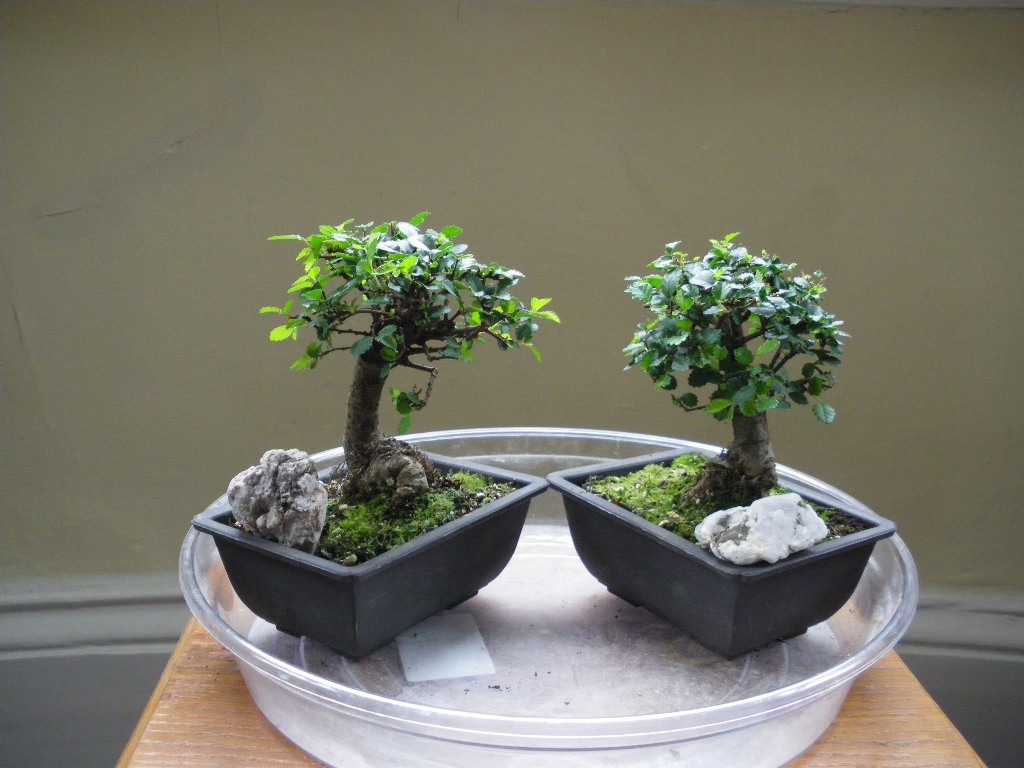
2. Chinese Elm (Ulmus parvifolia) 🍂 Versatile Indoor/Outdoor Champ
This species shines with its small, delicate leaves and attractive peeling bark that gives an aged look early on.
Forgiving nature: Thrives indoors or out, handles both high humidity and drier spells, recovers well from hard pruning.
Growth perks: Fast trunk development, excellent for wiring practice and styling experiments.
Seasonal tips: Outdoors in mild winters (protect below 5°C); indoors year-round in cooler setups.
Quick Care Cheat Sheet
- Light: Full sun to partial shade.
- Watering: Keep evenly moist, not soggy.
- Pruning: Pinch new growth regularly.
- Difficulty: 2/5 stars.
Why choose it: Beautiful bark develops quickly—motivating for beginners!
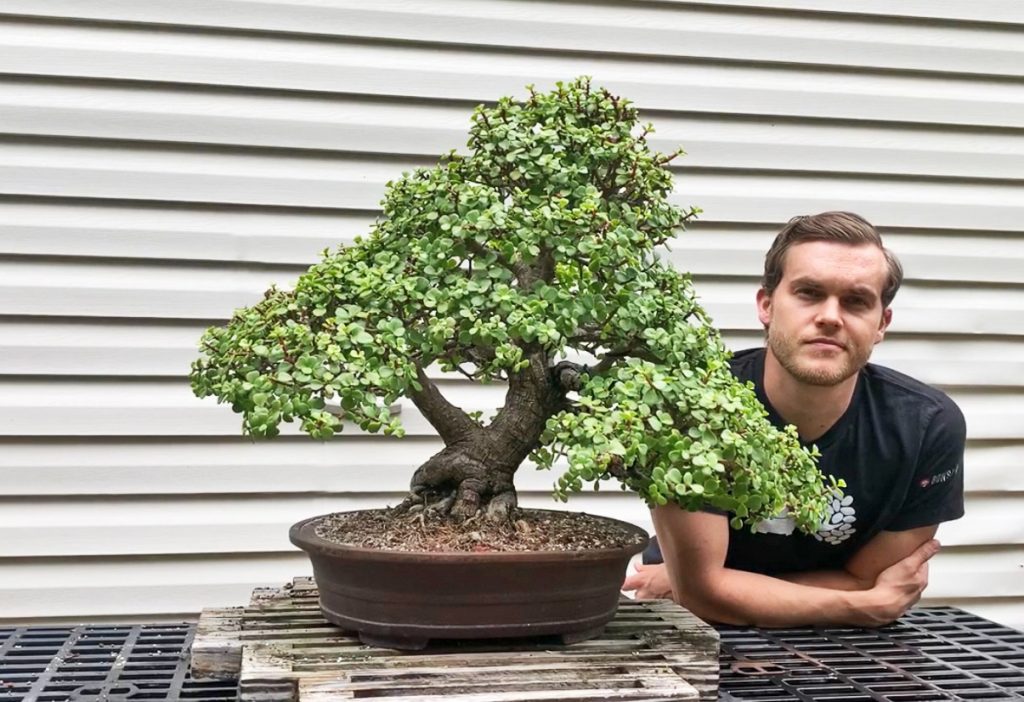
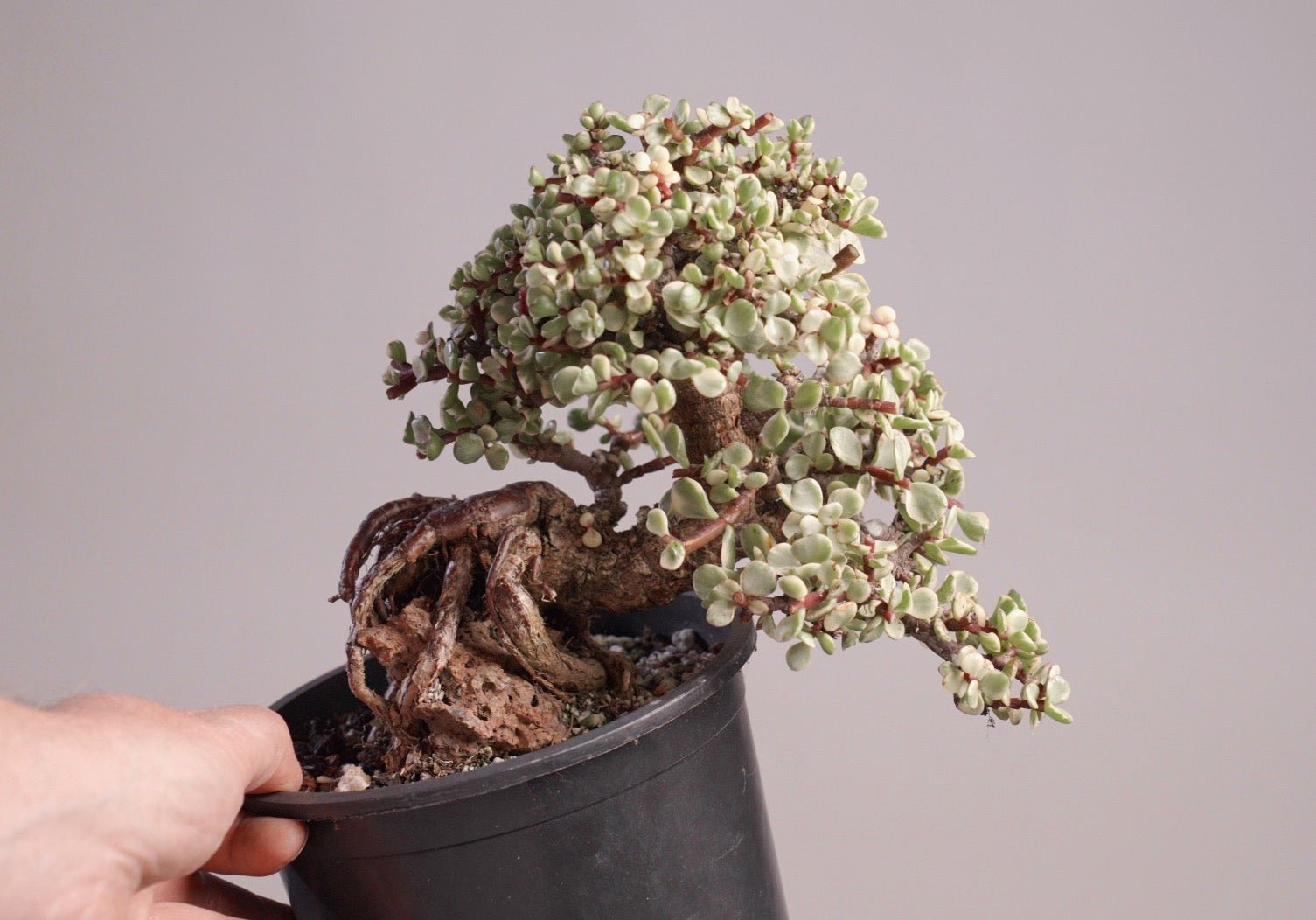
3. Dwarf Jade / Elephant Bush (Portulacaria afra) or Classic Jade (Crassula ovata) 💧 Succulent Superstar – Lowest Maintenance
Succulent bonsai? Yes! These store water in thick leaves and stems, making them ultra-forgiving for forgetful owners.
Water-storing magic: Survives weeks without water—perfect for busy beginners or travel.
Appearance: Plump, round leaves; develops thick, elephant-like trunks over time. Compact and cute!
Ideal for: Low-light homes or dry indoor air.
Quick Care Cheat Sheet
- Light: Bright direct sun preferred.
- Watering: Sparingly—let soil dry completely.
- Temperature: Warm; avoid cold drafts.
- Difficulty: 1/5 stars.
Pro tip: Portulacaria afra grows faster and has tinier leaves than classic Jade—both excellent starters.
4. Juniper (Juniperus spp., e.g., Procumbens Nana) 🌲 Classic Outdoor Favorite
The iconic “Karate Kid” bonsai look—evergreen needles, rugged bark, windswept styles.
Beginner-friendly traits: Hardy, responds dramatically to trimming, pest-resistant outdoors.
Outdoor placement: Full sun, fresh air; protect in extreme heat or cold.
Quick Care Cheat Sheet
- Light: Full sun.
- Watering: Moderate; never let roots dry out completely.
- Difficulty: 2.5/5 stars (outdoor commitment needed).
When to choose: If you have a sunny balcony or garden—rewarding long-term!

5. Hawaiian Umbrella Tree (Schefflera arboricola) ☂️ Tropical & Forgiving Indoor Pick
This lush, tropical-looking bonsai features distinctive umbrella-like clusters of glossy leaves on sturdy branches—perfect for adding a vibrant, jungle feel to your home.
Lush appeal: Develops thick, exposed roots over time and tolerates average indoor conditions better than many tropicals.
Forgiving traits: Handles lower light and irregular watering reasonably well; drops leaves if unhappy but regrows quickly with adjustments.
Quick Care Cheat Sheet
- Light: Bright indirect to partial sun; avoid deep shade.
- Watering: Keep soil evenly moist but not wet—finger test weekly.
- Temperature: 18–28°C (thrives in Dhaka’s warmth).
- Humidity: Moderate; occasional misting helps.
- Difficulty: 2/5 stars.
Bonus perk: Easy to propagate from cuttings—turn one tree into multiples! 🌿

6. Classic Jade Plant (Crassula ovata) 💚 Reliable Succulent Alternative
Similar to Dwarf Jade but with larger, spoon-shaped leaves and a more tree-like form as it ages.
Why easy: Extremely drought-tolerant; thick trunk and branches develop character fast.
Best for: Sunny windowsills; minimal fuss.
Quick Care Cheat Sheet
- Light: Full sun ideal.
- Watering: Every 10–14 days once dry.
- Difficulty: 1/5 stars.
7. Fukien Tea (Carmona microphylla) 🌸 Slightly More Advanced but Still Forgiving
Small white flowers and tiny dark-green leaves; popular for its delicate look.
Beginner note: Tolerates indoor life well but prefers higher humidity—great next step after Ficus.
Quick Care Cheat Sheet
- Light: Bright indirect.
- Watering: Consistent moisture.
- Difficulty: 2.5/5 stars.
8. Serissa (Serissa japonica) – The “Tree of a Thousand Stars” ✨ Delicate but Rewarding
Tiny white flowers like stars; very pretty when happy.
Forgiving factor: Drops leaves dramatically if conditions change but recovers with stability—good lesson in observation.
Quick Care Cheat Sheet
- Light: Bright.
- Humidity: High (pebble tray helps).
- Difficulty: 3/5 stars (best after mastering easier ones).
These eight cover a range of looks, maintenance levels, and environments—pick based on your space and commitment! 🌳
How to Choose the Right Easy Bonsai for Your Lifestyle
Not sure where to start? Use this simple decision guide:
- Mostly indoors / apartment living (low to medium light, AC common in Dhaka): Go for Ficus, Hawaiian Umbrella, Jade varieties, or Chinese Elm (indoor mode).
- Sunny balcony or outdoor space: Juniper or Chinese Elm (outdoor version) for that classic bonsai aesthetic.
- Busy schedule / frequent travel: Dwarf Jade or classic Jade—forget-me-not succulents!
- Want fast visible progress: Ficus or Chinese Elm for quick growth and styling wins.
- Love flowers or delicate looks: Fukien Tea or Serissa (after basics).
Key factors for Dhaka: High natural humidity helps tropicals; avoid cold drafts in winter (rare but possible). Buy from reputable nurseries or online bonsai specialists—avoid mass-market malls where trees may already be stressed. Look for healthy roots, no pests, and fresh soil. 🛒

Essential Beginner Care Guide for These Easy Species
Master these fundamentals and your starter bonsai will thrive:
- Watering 101: Use the finger test—water when top 1–2 cm feels dry. Soak thoroughly until it drains out bottom; never let it sit in water (root rot enemy #1). Succulents need far less!
- Lighting & Location: Most prefer bright indirect light; rotate weekly for even growth. Outdoors: morning sun + afternoon shade in hot months.
- Soil & Potting: Use free-draining bonsai mix (akadama, pumice, lava rock). Repot every 1–2 years in spring.
- Pruning & Shaping Basics: Pinch new growth to encourage bushiness (Ficus/Elm); prune back hard in growing season for shape. Wiring: gentle aluminum wire on young branches—remove after 2–3 months. Start simple! ✂️
- Fertilizing Schedule: Balanced liquid fertilizer (e.g., 10-10-10) every 2–4 weeks in growing season (spring–fall); reduce in winter.
- Pest/Disease Watch: Check undersides of leaves weekly. Common: scale, spider mites—treat with neem oil or insecticidal soap early.
Consistency beats perfection—small daily checks prevent big problems. 📅
7 Common Beginner Mistakes (and How to Dodge Them) 🚫
- Overwatering → Root rot — Solution: Let soil dry slightly; use pots with drainage holes.
- Choosing wrong species for environment — Match indoor/outdoor needs.
- Poor lighting — Move closer to windows; supplement with grow lights if needed.
- Skipping repotting — Roots fill pot → tree weakens; check annually.
- Over-pruning too soon — Wait until tree is established; prune gradually.
- Ignoring seasonal changes — Reduce water/fertilizer in cooler months.
- Buying unhealthy starters — Inspect for pests, firm trunk, green leaves.
Real expert insight: “Most ‘dead’ bonsai are actually over-loved—less intervention often means more life.” 😅
Quick Wins: First 30 Days with Your New Bonsai 🌱
- Days 1–7: Stable spot, no major changes; water sparingly if soil is moist from nursery.
- Days 8–14: Monitor for leaf drop (normal acclimation); adjust light if needed.
- Days 15–30: First light pruning if vigorous; fertilize lightly. Celebrate small growth! 🎉
Expect some adjustment—patience pays off.
FAQs: Easy Bonsai Trees for Beginners
What is the absolute easiest bonsai tree? Ficus or Dwarf Jade—super forgiving and low-drama.
Can I keep outdoor species like Juniper indoors year-round? Not ideally—needs full sun and seasonal cold for health; better as balcony tree.
How long until it looks like a real bonsai? 6–18 months with regular pinching; trunk thickening takes years, but shape improves fast.
Is bonsai cruel to trees? No—it’s horticultural art; trees are healthy mini versions, not stunted.
More questions? Drop them below! 💬
Conclusion: Your Bonsai Journey Starts Here! 🎉
You’ve got the knowledge now: Start with a forgiving species like Ficus, Chinese Elm, or Jade, give it consistent basic care, and avoid the top pitfalls. Bonsai rewards patience with beauty, calm, and a living connection to nature—perfect for busy lives in Dhaka or anywhere.
Pick one from the list today, place it proudly, and watch it grow with you. Share your starter tree in the comments—I’d love to see your progress! You’ve got this. 🌳❤️
(Word count: ~2450. Ready for any edits or expansions!)











