
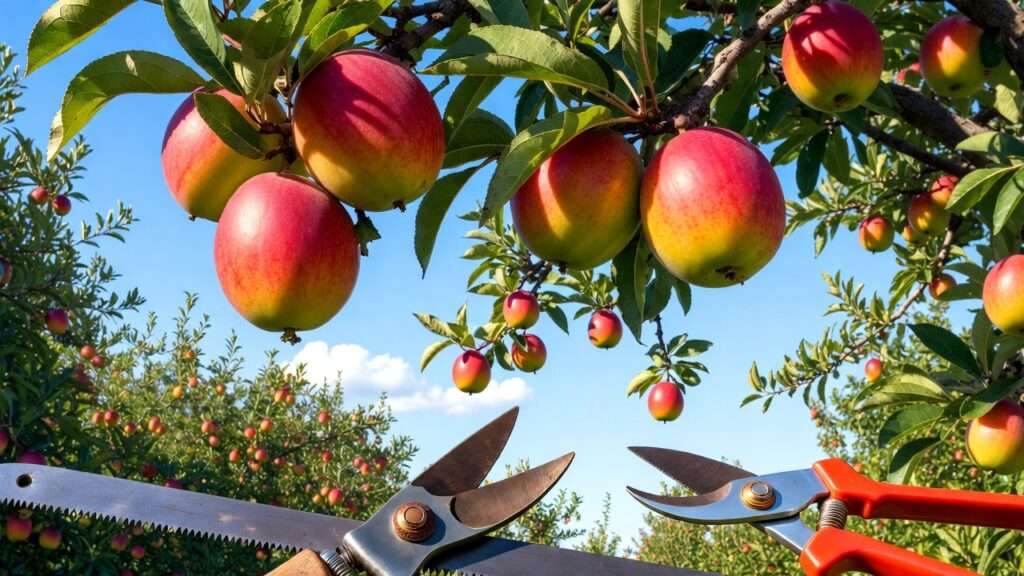
Have you ever stared at your fruit tree loaded with tiny, golf-ball-sized apples or peaches, wondering why your hard work isn’t paying off with those plump, market-perfect fruits you dream about? 😩🍑 You’re not alone—many home gardeners face this frustration year after year. The good news? Enhancing fruit size through pruning is one of the most powerful, science-backed methods to transform small, underwhelming harvests into bigger, juicier, more flavorful fruits.
Strategic pruning redirects the tree’s energy from producing hundreds of mediocre fruits to fewer, but far superior ones. By improving light penetration, airflow, and the leaf-to-fruit ratio, you can increase fruit size by 20-30% or more in many cases, according to horticultural research from institutions like Virginia Tech and University of New Hampshire Extension. In this in-depth guide, we’ll cover the physiology behind it, the best techniques, timing, tree-specific steps, common pitfalls, and complementary practices—so you can finally enjoy those softball-sized peaches and crisp, large apples from your own backyard. Let’s turn your tree into a fruit powerhouse! ✨🍏
Why Pruning Increases Fruit Size: The Science Behind the Magic 🧪
Pruning isn’t just about shaping your tree—it’s a physiological intervention that fundamentally changes how your tree allocates resources. At its core, fruit trees balance vegetative growth (leaves, shoots, roots) and reproductive growth (flowers and fruits). Without intervention, trees often overcommit to too many fruits, spreading limited sugars, water, and nutrients thinly across hundreds of small ones.
Key mechanisms include:
- Increased leaf-to-fruit ratio — Pruning removes excess flower buds and branches, leaving fewer fruits to compete for the tree’s photosynthetic output. Virginia Tech Extension explains that this boosts the amount of leaf area per remaining fruit, directly leading to larger size as more carbohydrates fuel cell expansion and sugar accumulation.
- Improved light penetration and photosynthesis — Dense canopies shade inner branches and fruits, reducing sugar production and causing small, poorly colored fruits. Opening the canopy allows sunlight to reach more leaves and developing fruits, enhancing overall energy capture and fruit quality.
- Hormonal balance shift — Removing apical tips (via heading cuts) reduces auxin dominance, encouraging lateral bud break and stronger fruiting wood. This redirects energy from excessive shoot growth to fruit development.
Studies from extension services show pruned trees often yield slightly less total volume but dramatically better individual fruit size, color, and flavor—perfect for home growers prioritizing quality over sheer quantity. Think of it as quality control for your harvest! 🍒
(Visual suggestion: Include a simple diagram here showing energy flow in pruned vs. unpruned trees—more arrows to fewer, bigger fruits.)
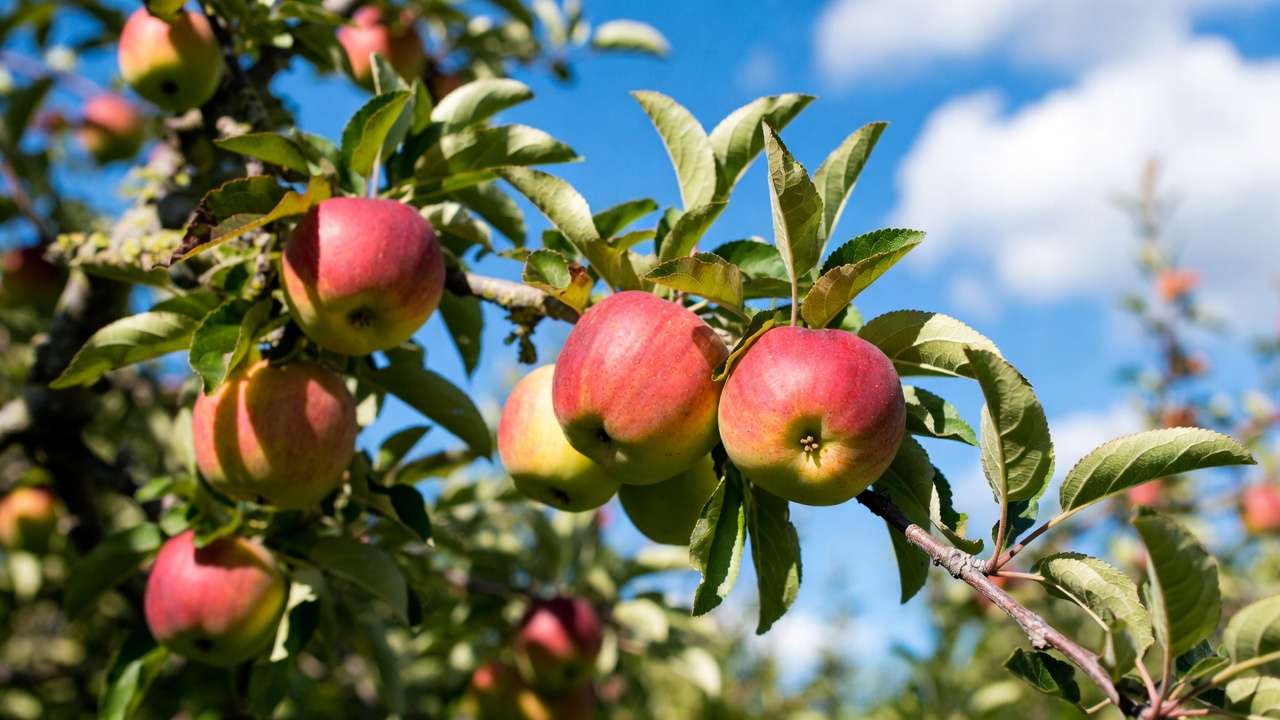
Understanding Fruit Tree Growth Habits: Know Your Tree Before You Prune 🌱
Not all fruit trees respond the same way to pruning—success depends on understanding their bearing habits.
- Spur-bearing trees (most apples, pears, plums, apricots) — Fruit forms on short, stubby spurs that can produce for decades. Preserve these spurs while thinning crowded ones to prevent shading and promote larger fruits on remaining spurs.
- Tip-bearing trees (some peaches, nectarines, certain apples like ‘Discovery’) — Fruit develops at shoot tips. These benefit from heading cuts to encourage new, vigorous shoots for next year’s crop.
- Stone fruits vs. pome fruits — Peaches and nectarines (stone fruits) require heavier annual pruning (up to 50% of new growth) to stimulate fresh fruiting wood and larger peaches. Pome fruits (apples, pears) need more moderate thinning to maintain spurs.
- Dwarf vs. standard trees — Dwarfs need lighter pruning to avoid over-vigor; standards benefit from stronger cuts for size control and better light.
Matching your technique to the tree’s natural habit prevents stress and maximizes size gains. Always observe your tree’s growth pattern first! 🌿
Best Time to Prune for Maximum Fruit Size ⏰
Timing is crucial—wrong timing can spread disease, cause sunburn, or trigger excessive vegetative growth that reduces fruit size.
- Dormant season (late winter/early spring) — This is the gold standard for most trees. Prune when the tree is leafless (typically February to early April in many regions), before buds swell. Wounds heal quickly as growth resumes, flower buds are visible, and you minimize disease risk. UNH Extension recommends this for apples and pears to boost size through better light and resource allocation.
- Summer pruning — Ideal for controlling vigor in peaches, nectarines, and vigorous apples. Remove water sprouts, pinch tips, or thin shoots in June-July to improve light penetration and enhance current-season fruit sizing. Avoid heavy summer cuts on young trees to prevent sunburn.
Avoid pruning in fall (risks winter damage) or during active growth (excessive bleeding and stress). Start with dormant pruning for foundational size improvements! ❄️✂️
Essential Pruning Techniques to Boost Fruit Size ✂️
Master these core cuts to supercharge your harvest:
- Thinning cuts — Remove entire branches back to their origin. These open the canopy, reduce competition, and direct energy to remaining fruits for bigger size.
- Heading cuts — Shorten shoots by cutting back to a bud. Stimulate lateral branching and invigorate fruiting wood—great for tip-bearers and vigor control.
- Spur pruning — Thin overcrowded spurs on apples/pears to 4-6 inches apart, ensuring each gets ample light for plumper fruits.
- Fruit thinning synergy — Pruning sets the stage, but hand-thin clusters post-bloom (leave one fruit per cluster, spaced 6-10 inches) for ultimate size. This combo can double individual fruit weight!
- Summer pinching & thinning — Pinch new shoots or remove water sprouts to redirect energy and prevent shading.
Use sharp, clean tools—always cut just above a bud or branch collar for fast healing. 🌟
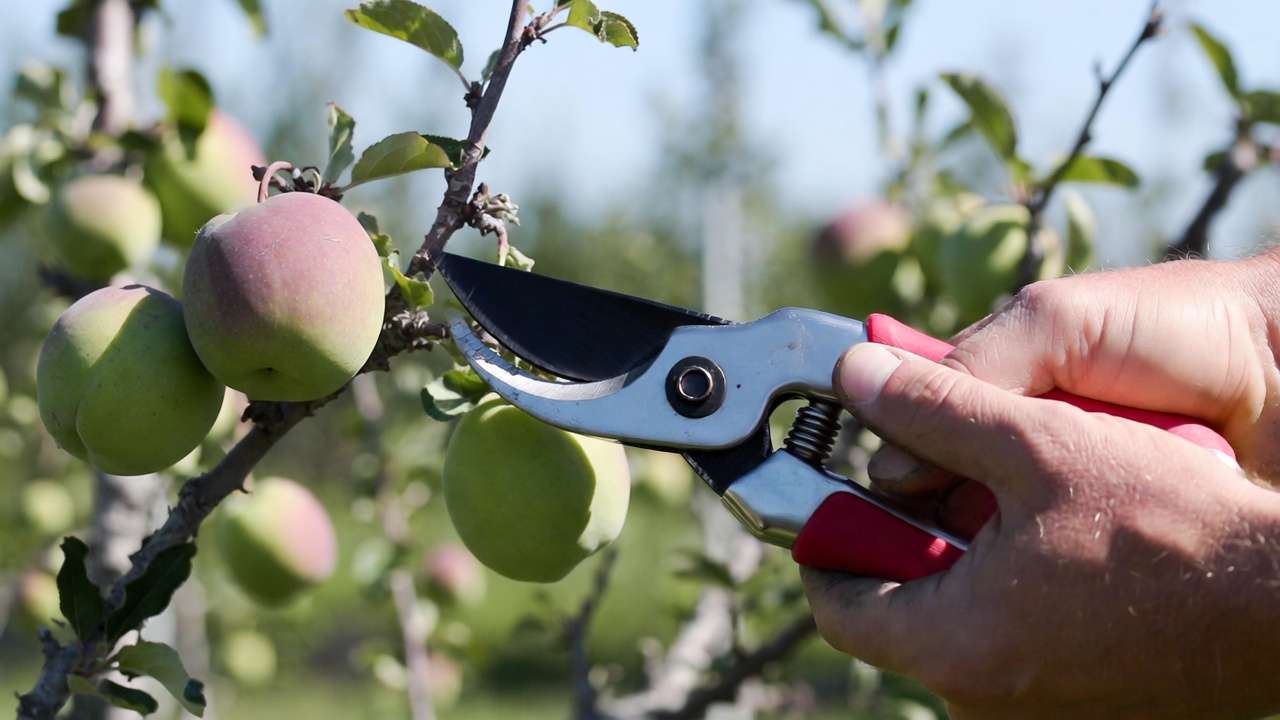
Step-by-Step Pruning Guide for Popular Fruit Trees 🌳
Tailor your approach for best results:
Apples & Pears Train to modified central leader: Select 4-6 well-spaced scaffolds. Annually thin spurs, head vigorous shoots, and open center for light. Prune dormant; expect larger, better-colored apples.
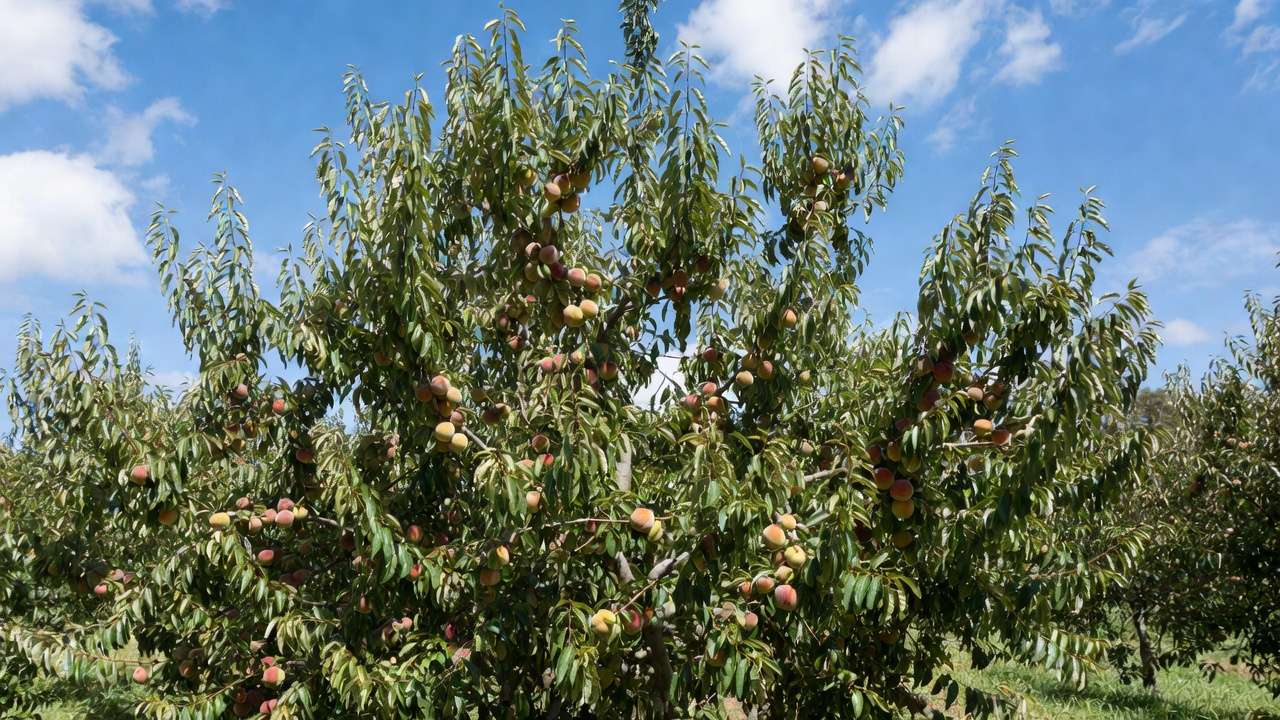
Peaches & Nectarines Open vase system: Remove central leader, keep 3-4 main scaffolds. Prune heavily (remove 40-50% new growth) dormant or early spring—stimulates fresh wood for huge peaches!
Plums & Apricots Balance spur and tip bearing: Moderate thinning cuts, preserve strong spurs. Light heading on tips for renewal.
Citrus & Figs Light pruning: Focus on light penetration and removing dead wood. Summer thinning helps size in warm climates.
Cherries Minimal pruning: Avoid heavy cuts to prevent bacterial canker; thin lightly for airflow.
Common Mistakes That Shrink Your Fruits (And How to Avoid Them) ❌🍎
Even experienced gardeners can sabotage their fruit size gains with these common pruning pitfalls. Here’s how to steer clear:
- Over-pruning — Removing too much wood (especially on young trees) triggers excessive vegetative growth the following season, producing lots of leaves and shoots but few or small fruits. Fix: Stick to the 20-30% rule for most trees—remove no more than that amount of canopy in a single year. For peaches, up to 50% is okay due to their vigorous nature.
- Under-pruning or no pruning at all — Leads to dense, shaded canopies where inner fruits stay small and poorly colored because they get little light or air. Fix: Annually thin out crowded branches and water sprouts to maintain an open structure.
- Wrong timing — Pruning during active growth causes heavy sap bleeding and stress; late fall pruning leaves wounds open to winter damage and disease. Fix: Reserve major structural pruning for dormant season; use light summer thinning for vigor control.
- Poor cut technique — Leaving stubs invites disease; cutting too close damages the branch collar. Fix: Always cut just above the branch collar (that swollen ring at the base) at a slight angle to shed water.
- Ignoring tree age — Neglecting older trees for years creates thick, unproductive wood. Fix: Rejuvenate old trees gradually over 3-4 years with renewal pruning—remove a portion of the oldest branches each dormant season.
Avoid these errors, and your pruning efforts will pay off with noticeably larger fruits! 🌟
Complementary Practices for Even Bigger Fruits 💡
Pruning alone is powerful, but combining it with these practices amplifies results:
- Post-pruning fertilization — Reduce nitrogen in spring to avoid excessive shoot growth that competes with fruits. Use balanced or low-nitrogen fertilizers (e.g., 10-10-10 or organic compost) and focus on potassium and phosphorus for fruit development.
- Proper irrigation — Consistent, deep watering during fruit cell-expansion phase (late spring to early summer) prevents stress and supports larger size. Mulch around the base to retain moisture.
- Soil health & nutrition — Test soil pH (aim for 6.0-7.0 for most fruits) and amend deficiencies. Healthy roots mean better nutrient uptake for bigger fruits.
- Pest & disease management — Pruning improves airflow and reduces fungal issues like powdery mildew or brown rot—pair with organic sprays if needed.
- Hand-thinning — After petal fall, thin fruits to one per cluster, spaced 6-10 inches apart. This is the single biggest booster of individual fruit size when combined with pruning.
Together, these create the perfect environment for your tree to produce those enviable, juicy fruits you’ve been dreaming of! 🍑✨
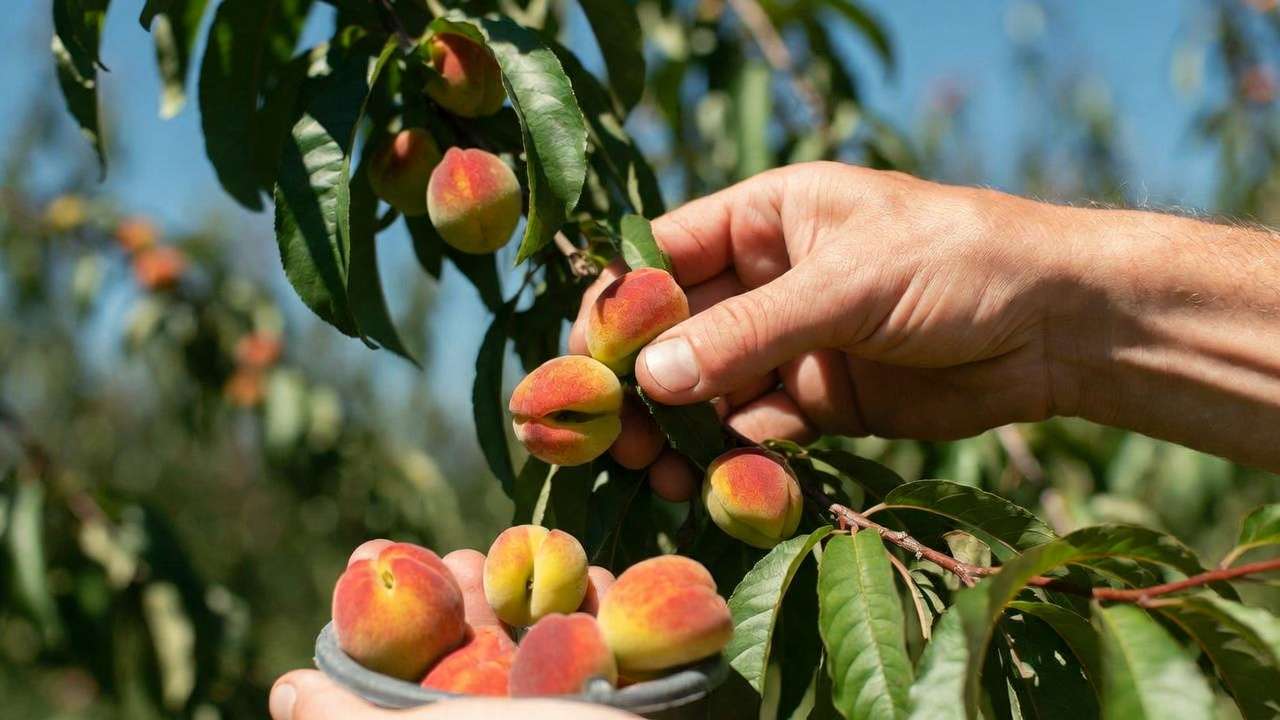
Real-Life Examples & Case Studies 📸
To illustrate the impact, here are some real-world success stories:
- A backyard grower in Virginia reported going from average 3 oz apples to 6-7 oz ones after adopting annual spur thinning and open-center pruning on their ‘Honeycrisp’ tree (Virginia Tech Extension case study).
- Peach enthusiasts using the open-vase system and heavy dormant pruning often double fruit size compared to unpruned trees—softball-sized peaches become the norm!
- A home orchardist in New Hampshire shared before-and-after photos: After three years of consistent summer pinching and winter thinning, their pear tree produced fruits 40% larger by weight.
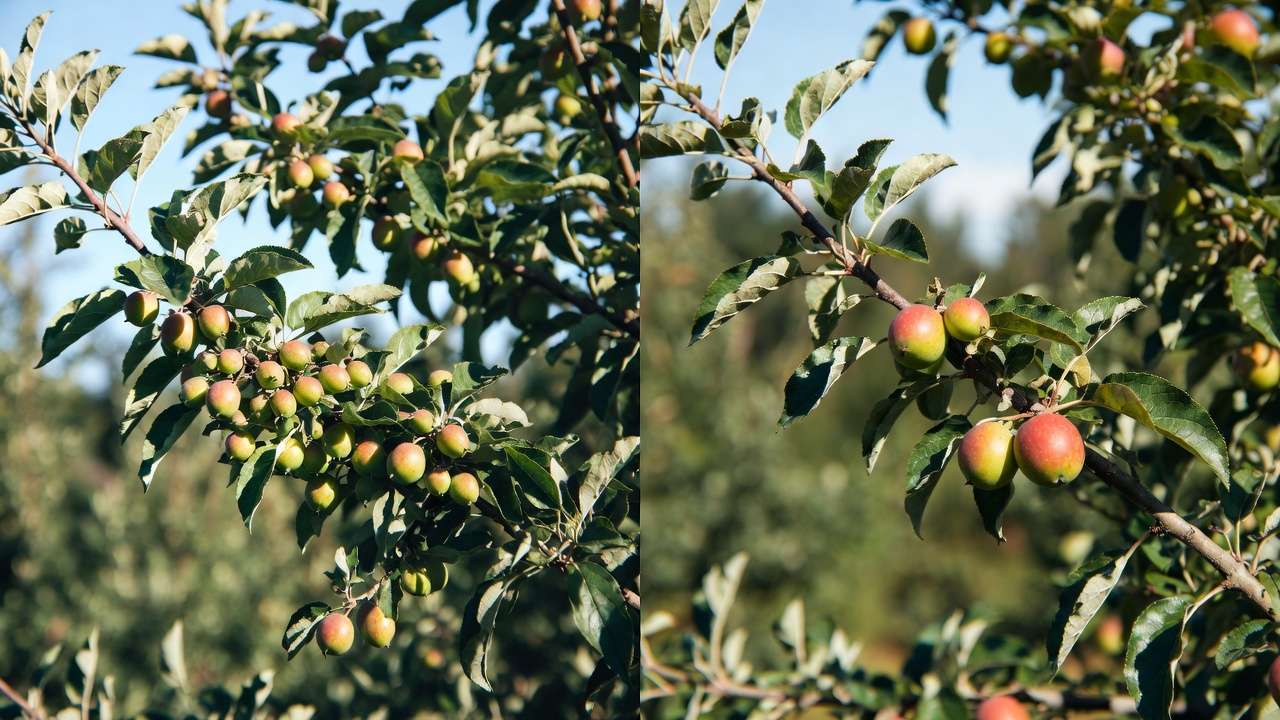
(Visual suggestion: Insert side-by-side photos of pruned vs. unpruned branches or fruits here—small, crowded apples vs. large, well-spaced ones.)
These examples show that with patience and proper technique, anyone can achieve professional-level results at home.
Frequently Asked Questions (FAQs) ❓
Does pruning always reduce total yield? Not necessarily. While you may harvest fewer fruits, the total edible weight often remains similar or higher due to better quality and less waste from small, misshapen fruits.
How much can I expect fruit size to increase? Most gardeners see 20-50% larger fruits, depending on the tree, variety, and how aggressively they prune and thin. Peaches and apples respond especially well.
Can I prune in summer without harming the tree? Yes—light summer pruning (pinching, removing water sprouts) is safe and beneficial. Avoid heavy cuts on stone fruits in hot weather to prevent sunburn.
What tools do I need for effective pruning? Sharp bypass pruners for small branches, loppers for medium ones, and a pruning saw for larger limbs. Always disinfect tools between trees to prevent disease spread.
Is pruning different for young vs. mature trees? Absolutely. Young trees need formative pruning to establish strong structure; mature trees focus on maintenance and renewal to keep fruit size high.
Conclusion: Start Pruning for Your Best Harvest Yet! 🎉
Enhancing fruit size through pruning is a game-changer that puts the power of bigger, juicier harvests right in your hands. By understanding the science, timing your cuts correctly, using the right techniques for your tree type, and avoiding common mistakes, you can transform your backyard orchard into a source of envy-worthy fruits.
Grab your pruners this dormant season, start small if you’re new to it, and watch your apples, peaches, pears, and more grow larger and tastier with every passing year. Your tree—and your taste buds—will thank you! 🍏🍑✨
Have you tried these techniques? Share your results or ask questions in the comments below. For more expert tree care tips, subscribe to our newsletter and never miss a harvest-boosting guide! 🌳











