
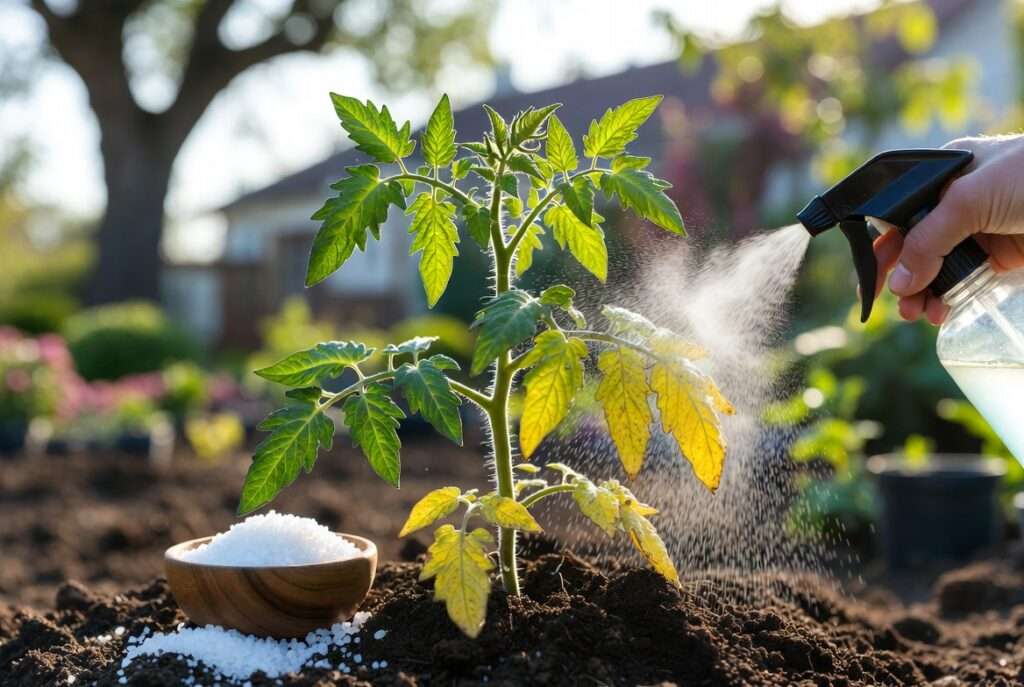
Imagine walking into your garden one morning, excited to check on your thriving tomato plants or beloved citrus tree, only to find vibrant green leaves turning a sickly yellow between the veins. The plants look stressed, growth has slowed, and fruit production is disappointing. If this sounds familiar, you’re not alone — magnesium deficiency is one of the most common yet fixable issues in plant and tree care.
Epsom salt uses for magnesium deficiency offer a simple, affordable, and natural way to help restore lush green foliage when applied correctly. As a plant care expert with years of hands-on experience supporting home gardeners and tree enthusiasts, I’ve seen how proper diagnosis and targeted use of Epsom salt (magnesium sulfate) can bring plants back to life — without harsh chemicals.
In this comprehensive guide, we’ll dive deep into understanding magnesium’s role, accurately identifying deficiency symptoms, safe application methods for plants and trees, myth-busting, comparisons with alternatives, risks to avoid, and long-term prevention strategies. By the end, you’ll have the knowledge to confidently address yellow leaves and build healthier soil for thriving gardens. Let’s get your plants glowing again! ✨
What Is Magnesium Deficiency in Plants and Trees? 🧪
Understanding Magnesium’s Critical Role in Plant Health
Magnesium (Mg) is the central atom in the chlorophyll molecule — the “green engine” that powers photosynthesis. Without enough magnesium, plants can’t efficiently convert sunlight into energy, leading to reduced growth, weaker stems, and lower yields of flowers, fruits, or vegetables.
Beyond chlorophyll production, magnesium activates enzymes involved in protein synthesis, carbohydrate transport, and nutrient uptake. It also helps plants manage stress from drought, heat, or disease. In trees, especially fruiting varieties like citrus or palms, magnesium supports overall vigor and fruit quality. LSI terms like “chlorophyll production,” “enzyme activation,” and “photosynthesis efficiency” highlight why this nutrient is non-negotiable for healthy plant and tree care.
Common Causes of Magnesium Deficiency
Magnesium deficiency often strikes in:
- Sandy or acidic soils that leach nutrients quickly, especially after heavy rainfall or irrigation.
- Soils with high levels of competing nutrients like potassium (K) or calcium (Ca), which block magnesium uptake.
- Container gardens, raised beds, or intensively cropped areas where nutrients deplete fast.
- Tropical or high-rainfall climates (common in regions like Bangladesh), where leaching is frequent.
Certain plants are more prone: tomatoes, peppers, roses, potatoes, and trees such as citrus, palms, apples, and conifers. In palms, for example, older fronds yellow from the tips while bases stay green.
How to Confirm Magnesium Deficiency (Don’t Guess!)
Visual symptoms usually appear first on older leaves because magnesium is mobile within the plant — it moves to support new growth. Key signs include:
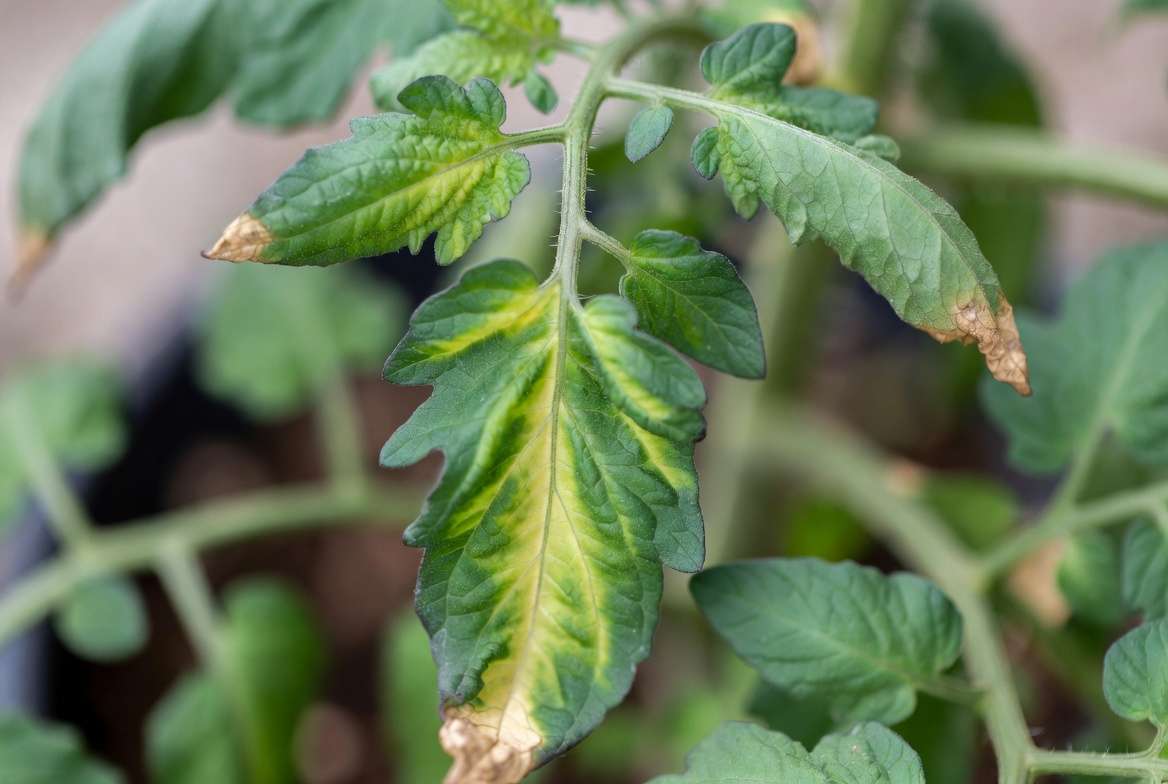
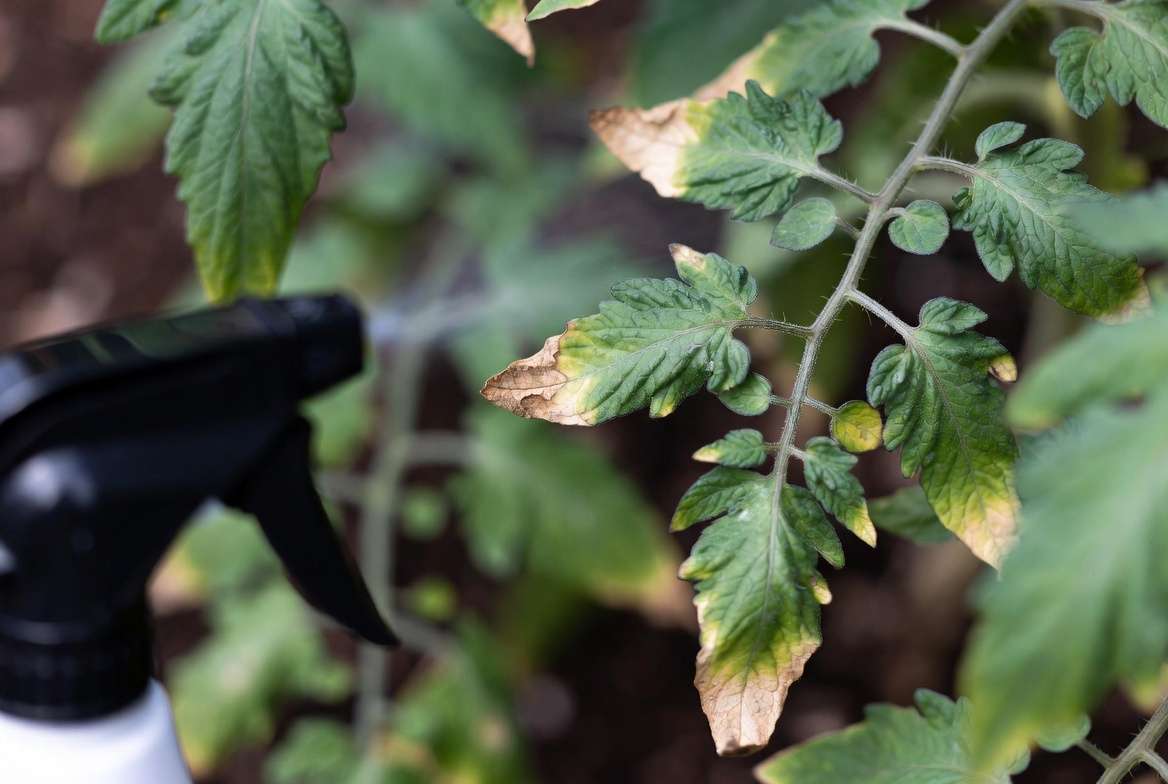
- Interveinal chlorosis: Yellowing between the veins while veins remain green (classic “green veins on yellow leaves”).
- Leaf curling, purple/red tinting in severe cases (especially tomatoes), necrosis (brown dead spots), and premature leaf drop.
- Stunted growth, fewer flowers/fruits, and overall poor vigor.
Important: These symptoms overlap with nitrogen deficiency (yellowing of entire older leaves), iron deficiency (yellowing on new leaves), or issues like pests and overwatering. Always confirm with a soil test through your local agricultural extension service or lab. A tissue test can also help. Guessing and adding supplements risks worsening imbalances.
Quick Observation Checklist:
- Older leaves affected first? → Likely magnesium or nitrogen.
- Yellow between veins only? → Strong magnesium deficiency indicator.
- Soil pH below 6.0 or very sandy? → Higher risk.
(Placeholder for image: Side-by-side comparison of healthy green leaf vs. magnesium-deficient leaf with interveinal chlorosis. Alt text: “Magnesium deficiency symptoms in tomato leaves showing yellowing between veins”)
Epsom Salt Uses for Magnesium Deficiency: The Science and Benefits 🌟
What Is Epsom Salt and Why It Works for Plants
Epsom salt is magnesium sulfate heptahydrate (MgSO₄·7H₂O). It dissolves easily in water, delivering bioavailable magnesium and sulfur quickly. Sulfur aids in chlorophyll formation and disease resistance too.
University extensions (WSU, UF/IFAS, NC State) note that Epsom salt effectively corrects confirmed magnesium deficiency in many crops, especially via foliar sprays for fast uptake. Benefits include greener leaves within days to weeks, improved photosynthesis, better nutrient absorption, and enhanced fruit/flower production in magnesium-hungry plants like tomatoes, peppers, and citrus.
However, it’s not a complete fertilizer or miracle cure. It works best as a targeted supplement when soil tests show low magnesium.
Busting Common Myths About Epsom Salt in Gardening
Myth 1: Epsom salt prevents blossom end rot in tomatoes. Fact: Blossom end rot is a calcium issue. Adding magnesium can actually compete with calcium uptake, potentially worsening the problem. Use consistent watering and gypsum for calcium instead.
Myth 2: You can’t overuse it because it’s “natural” and non-persistent. Fact: Over-application leads to salt buildup, root damage, leaf burn, and environmental leaching. Always follow soil-test recommendations.
Myth 3: It boosts growth, germination, and flowers in all plants. Fact: Studies show benefits only in magnesium-deficient conditions. In balanced soils, it offers little to no advantage and may harm soil microbes or water quality.
As experts at WSU and UF/IFAS emphasize, soil testing is the foundation of responsible plant care.
How to Use Epsom Salt Safely and Effectively for Plants and Trees 🛠️
Two Main Application Methods Explained
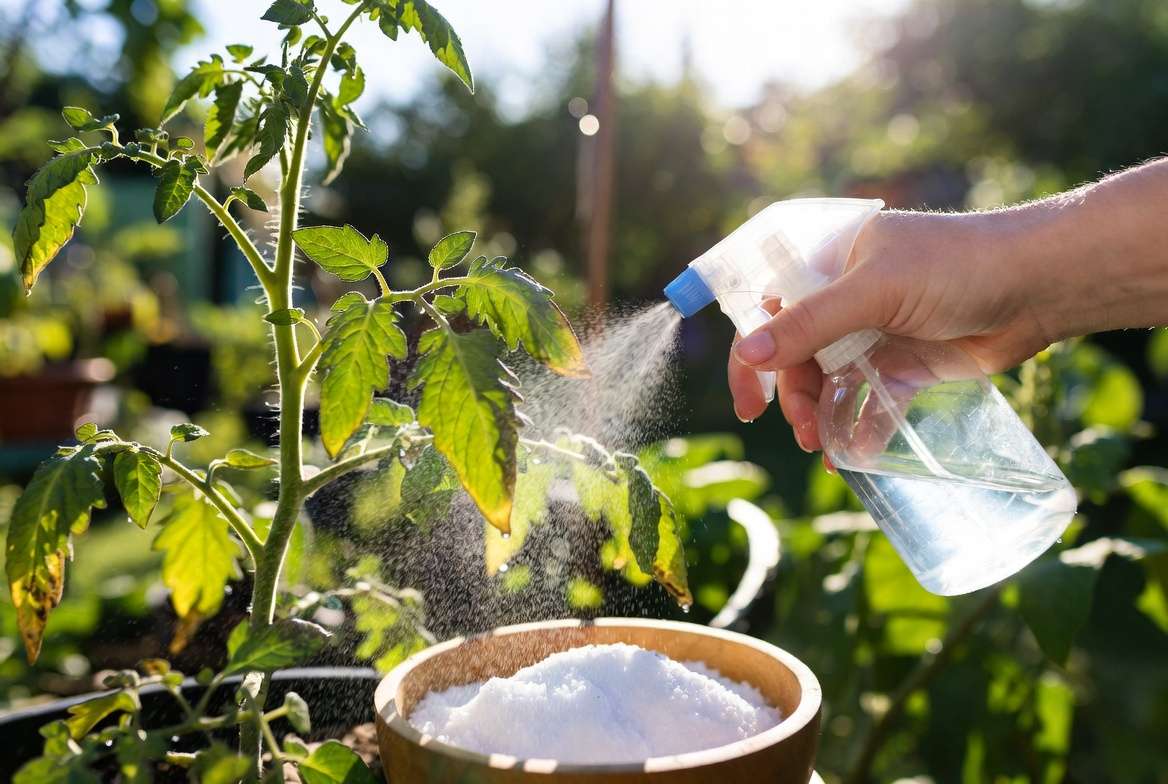
- Foliar Spray (Quickest for visible results): Magnesium absorbs rapidly through leaves. Mix 1–2 tablespoons of Epsom salt per gallon of water. Spray early morning or evening on undersides of leaves to avoid burn. Apply every 2–4 weeks during the growing season. Ideal for fast correction of yellow leaves.
- Soil Drench or Dry Amendment (For longer-term support): Dissolve 1–2 tablespoons per gallon and water the root zone, or sprinkle dry (e.g., 1 teaspoon per 3-gallon pot, or about 1 cup per 100 sq ft for gardens — adjust based on soil test). Water thoroughly afterward.
Safety Note: Use distilled or rainwater if possible (tap water with high calcium can interfere). Wear gloves and protect eyes.
Step-by-Step Guide to Treating Magnesium Deficiency
- Test your soil first — this is non-negotiable for expert-level care.
- Prepare the solution accurately (measure precisely; too strong can scorch leaves).
- Apply appropriately based on plant type and season.
- Monitor and follow up — retest soil after 4–6 weeks and observe new growth.
Pro Tip: Combine with organic compost for better soil structure and microbial health. Your plants will thank you with vibrant “high-fives”! ✋🌱
Dosage and Timing for Specific Plants and Trees
- Tomatoes & Peppers: Foliar spray at first sign of yellowing; soil drench after heavy rains.
- Roses: 1 tbsp/gallon foliar every 2 weeks for lush blooms.
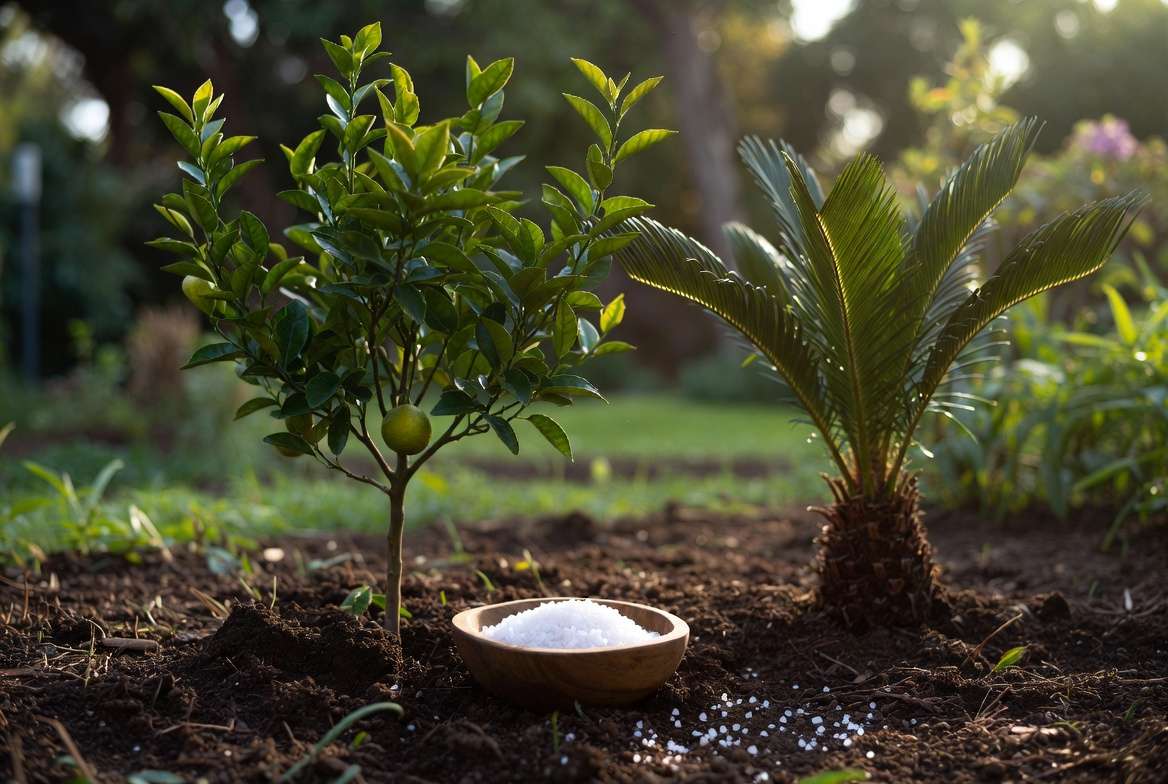
- Citrus & Fruit Trees: Soil application around drip line in spring; foliar for quick green-up.
- Palms: Higher magnesium needs — use foliar sprays regularly in deficient soils.
- Container Plants/Houseplants: Lower doses (½–1 tsp per gallon) to avoid salt buildup.
- Outdoor Trees: For large specimens, foliar may be impractical; prefer slow-release magnesium sources.
Adjust for your climate: In high-rainfall areas, more frequent light applications prevent leaching.
(Placeholder for image: Step-by-step photo series of preparing and applying Epsom salt foliar spray on a tomato plant. Alt text: “How to apply Epsom salt spray for magnesium deficiency in garden plants”)
Expert Insight: In my experience, foliar sprays show results in 7–14 days on vegetables, while trees may take longer due to size. Always start conservatively.
Comparing Epsom Salt to Other Magnesium Sources ⚖️
Epsom Salt vs. Dolomitic Lime: Epsom salt acts fast but doesn’t raise pH or add calcium. Dolomitic lime provides both calcium and magnesium slowly and corrects acidic soils (ideal pH 6.0–7.0 for most plants). Use Epsom for quick fixes; lime for long-term soil building.
Other Options: Magnesium chelates (expensive but efficient), Sul-Po-Mag (adds potassium too), or organic sources like composted manure.
Pros/Cons Table (imagine a clean table here):
- Epsom Salt: Fast, soluble, no pH change | Risk of overuse/salt buildup
- Dolomitic Lime: Slow-release, adds Ca, pH correction | Slower results
- Compost: Sustainable, improves soil health | Lower concentration
Choose based on your soil test results for best outcomes.
Potential Risks, Mistakes to Avoid, and Safety Guidelines ⚠️
Common mistakes include applying without testing (wastes money and risks imbalance), spraying in hot midday sun (causes leaf scorch), or over-dosing large trees (ineffective and wasteful).
Signs of overuse/toxicity: Leaf tip burn, wilting, or further yellowing. Flush soil with plain water if suspected.
Environmentally, excess magnesium sulfate can leach into waterways. Use responsibly as part of balanced plant and tree care.
(Placeholder for image: Infographic showing correct vs. incorrect Epsom salt application with warning icons. Alt text: “Risks of overusing Epsom salt on plants and trees”)
Long-Term Prevention Strategies for Healthy Plants and Trees 🌳
Building Magnesium-Rich Soil Naturally
- Add organic matter (compost, aged manure) annually to improve nutrient retention and reduce leaching.
- Mulch to conserve moisture and moderate soil temperature.
- Practice crop rotation and avoid over-fertilizing with high-potassium products.
- Maintain ideal soil pH (test yearly).
Sustainable Gardening Practices
Focus on soil health over quick fixes. Companion planting, biodiversity, and proper watering (consistent, deep) prevent many deficiencies. For trees, maintain a healthy root zone with mulch rings.
In the long run, a balanced organic approach keeps your garden resilient and beautiful. 🌱
Real-Life Examples and Case Studies 🌟
- A home gardener in a sandy soil area revived yellowing tomato plants with foliar Epsom sprays + compost — new growth turned deep green in 10 days, and yields improved.
- Citrus trees showing tip yellowing responded well to soil drench after a confirmed deficiency, combined with pH adjustment.
(Placeholder for before-and-after images: Yellow palm fronds vs. recovered green fronds after treatment.)
These examples show that when used wisely with soil testing, Epsom salt delivers real results.
Frequently Asked Questions (FAQs) ❓
Can I use Epsom salt on all plants? Only if a soil test confirms magnesium deficiency. Most healthy soils don’t need it.
How soon will I see results on yellow leaves? Foliar sprays often show greening in 7–14 days; soil applications take longer.
Is Epsom salt safe for organic gardening? Yes, it’s an inorganic mineral approved for organic use when needed, but overuse isn’t sustainable.
Does it help with blossom end rot? No — it can make it worse by competing with calcium.
Best time to apply on trees? Spring or early growing season; avoid late fall.
Can it burn leaves? Yes, if solution is too strong or applied in direct sun.
Alternatives if I don’t have Epsom salt? Dolomitic lime, magnesium chelates, or building soil with compost.
How often for houseplants vs. outdoor trees? Houseplants: Very sparingly (monthly at most). Trees: Based on size and test results — often less frequent.
Conclusion: Grow Greener, Healthier Gardens Naturally 🌱
Epsom salt uses for magnesium deficiency can be a valuable tool in your plant and tree care toolkit when yellow leaves signal a real problem. The key is test first, apply judiciously, and focus on long-term soil health.
By diagnosing accurately, using the right methods, avoiding myths, and preventing future issues, you’ll enjoy lush, productive gardens season after season. Your plants deserve vibrant health — and with this knowledge, you can deliver it naturally.
Have you tried Epsom salt after a soil test? Share your results in the comments below! For more expert tips, explore our guides on soil testing, organic fertilizers, and specific tree care.











