
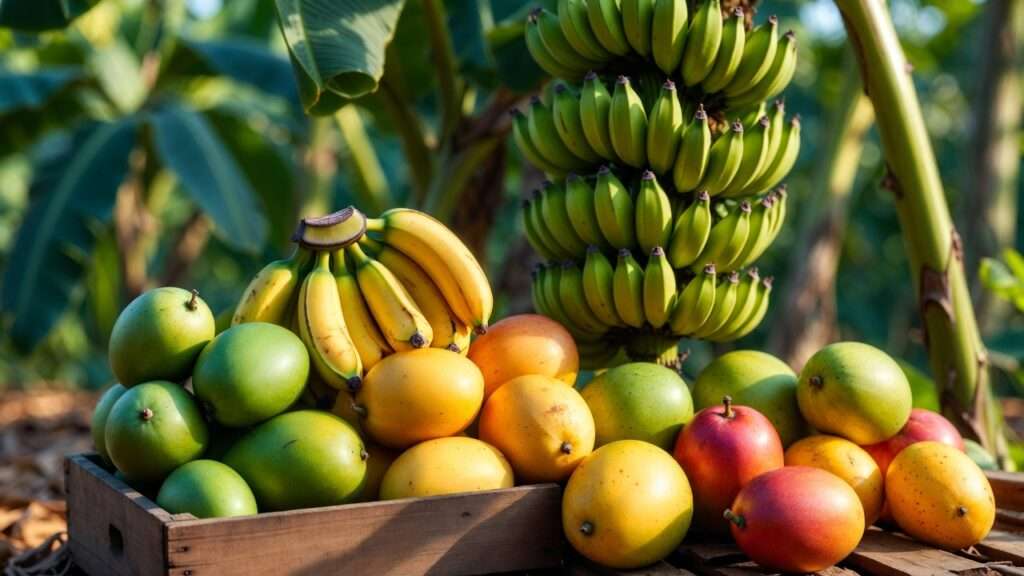
Have you ever picked a bunch of green mangoes from your backyard tree in Khulna, only to watch them stubbornly stay hard for weeks? Or noticed how one overripe banana in your fruit basket suddenly turns the rest yellow overnight? 🍌✨ The culprit (and the hero) behind these magical transformations is ethylene gas — a tiny, invisible plant hormone that orchestrates the entire fruit ripening process.
Ethylene gas and fruit ripening explained in simple terms: this natural gaseous hormone, produced by the fruits themselves, triggers a cascade of changes that turn firm, tart produce into soft, sweet, aromatic delights. For home gardeners and tree care enthusiasts like you in tropical regions such as Khulna, Bangladesh — where mangoes, jackfruits, bananas, and papayas thrive — understanding ethylene means fewer disappointments with uneven ripening, less waste from premature spoilage, and tastier harvests straight from your garden or orchard. In this comprehensive guide, we’ll dive deep into the science, debunk myths, and share practical tips to help you master this process for healthier, more flavorful homegrown fruits. Let’s unlock nature’s ripening wizard! 🌟
What Is Ethylene Gas? The Basics of Nature’s Ripening Hormone 🧪🌱
Ethylene (chemical formula C₂H₄) is a simple, colorless, odorless gas classified as the primary plant hormone responsible for fruit ripening in many species. Unlike animal hormones, ethylene is gaseous and diffuses easily through air, making it incredibly efficient at signaling nearby fruits and tissues.
Ancient farmers unknowingly harnessed ethylene effects — Egyptians slashed figs to speed ripening, while Chinese burned incense near stored fruits. Modern science pinpointed ethylene’s role in the 1930s, confirming it’s produced naturally by plants via a biochemical pathway starting from the amino acid methionine.
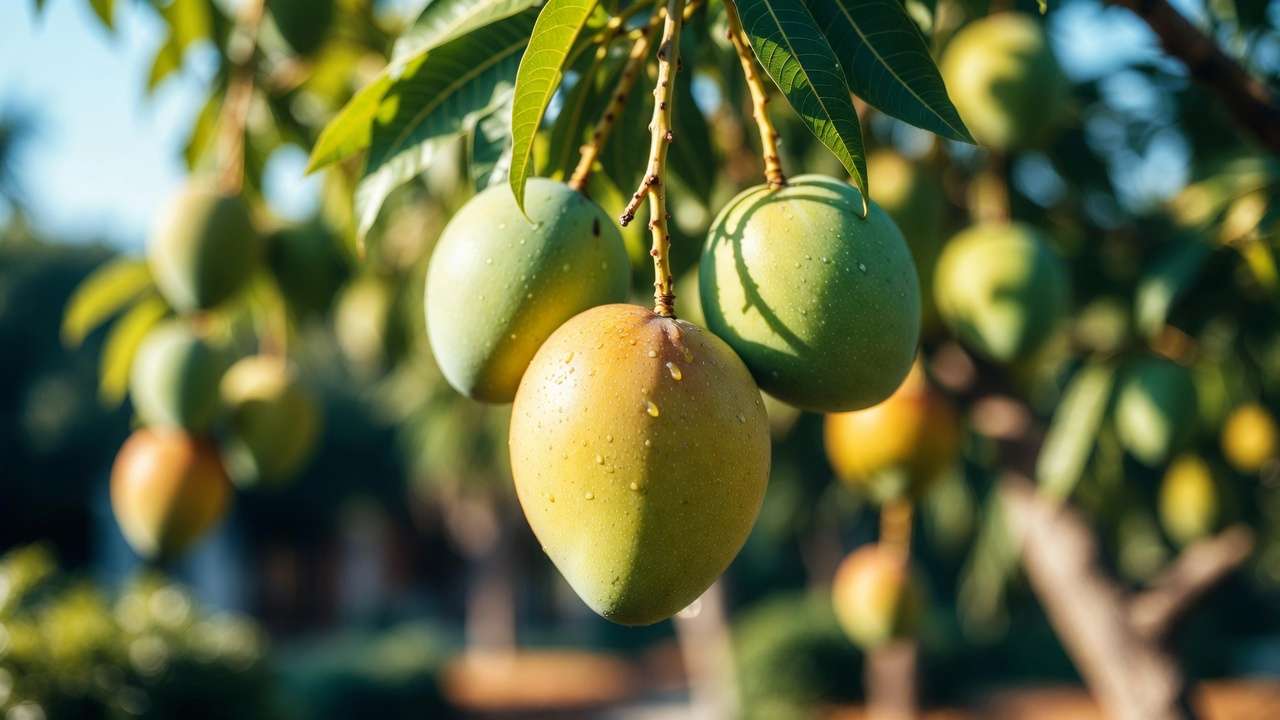
The biosynthesis pathway is fascinating:
- Methionine → S-adenosylmethionine (SAM)
- SAM → 1-aminocyclopropane-1-carboxylic acid (ACC) via ACC synthase (ACS), the rate-limiting enzyme
- ACC → ethylene via ACC oxidase (ACO), requiring oxygen and cofactors like iron and ascorbate
This pathway ramps up dramatically during ripening in certain fruits, creating an “autocatalytic” feedback loop where a little ethylene triggers even more production. In your home garden, factors like temperature (warmer speeds it up), wounding (increases output), and fruit maturity stage all influence ethylene levels. Understanding this helps explain why a bruised mango ripens faster than its intact siblings! 🍑
Climacteric vs. Non-Climacteric Fruits: Why Ethylene Matters More for Some 🍅🍓
Not all fruits respond to ethylene the same way — this is key for backyard growers deciding when to harvest or how to store.
Fruits fall into two categories:
Climacteric fruits (ethylene-dependent): These show a sharp “climacteric rise” in respiration and a burst of autocatalytic ethylene production. They continue ripening after harvest, making them perfect for home picking at mature-green stage.
Examples common in Khulna/Bangladesh home gardens:
- Mangoes 🥭 (Himsagar, Langra, Fazli varieties)
- Bananas 🍌
- Papayas 🍈
- Jackfruits (when ripe) 🌰
- Tomatoes 🍅
- Peaches, pears, avocados (less common locally)
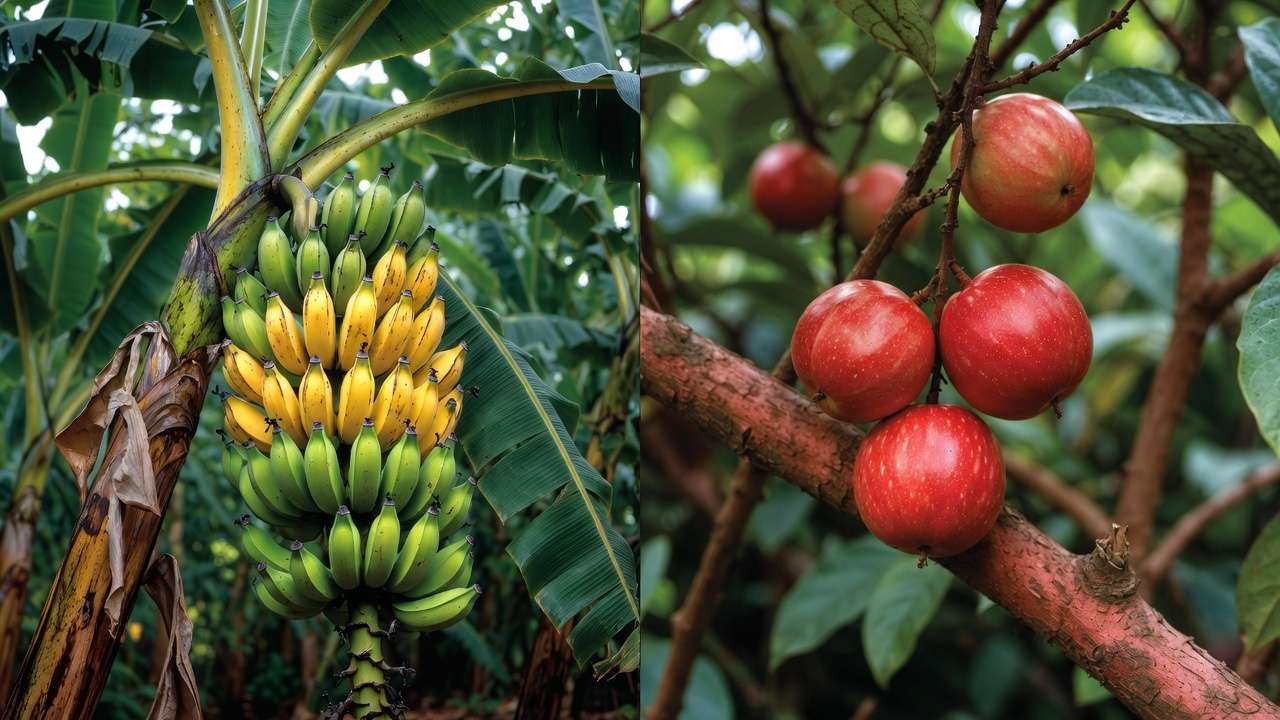
Non-climacteric fruits (ethylene-independent or minimally responsive): No dramatic ethylene burst or respiration spike; they must ripen fully on the plant/tree or stay under-ripe.
Examples:
- Pineapples 🍍
- Citrus (oranges, lemons) 🍊
- Guavas 🍈
- Litchis 🍇
- Strawberries, grapes (if grown)
Here’s a quick reference table for common homegrown fruits:
| Fruit | Type | Ethylene Production | Ripens After Harvest? | Best Harvest Tip for Home Growers |
|---|---|---|---|---|
| Mango | Climacteric | High | Yes | Mature-green stage; use paper bag to speed up 🍃 |
| Banana | Climacteric | High | Yes | Green-yellow; hang bunches indoors |
| Papaya | Climacteric | Medium-High | Yes | 50% color change; ethylene hacks work great |
| Jackfruit | Climacteric (ripe) | Medium | Partial | Harvest when tapping sounds hollow |
| Guava | Non-climacteric | Low | No | Tree-ripe for best flavor |
| Pineapple | Non-climacteric | Low | No | Must harvest fully mature |
Knowing your fruit type prevents common frustrations — like expecting a guava to soften indoors (it won’t!).
How Ethylene Triggers and Controls the Ripening Process Step-by-Step 🔄
Once ethylene levels hit a threshold (around 0.1–1.0 ppm internally), it binds to receptors on cell surfaces, kicking off a signaling cascade:
- Receptor binding → Inhibits CTR1 (negative regulator)
- EIN2 activation → Leads to EIN3/EIL1 transcription factors
- ERF genes → Turn on ripening-related genes
This results in visible and tasty changes:
- Softening — Enzymes like polygalacturonase and pectinase break down cell walls
- Color changes — Chlorophyll degrades; carotenoids (yellow/orange) and anthocyanins (red/purple) appear
- Sugar explosion — Starch converts to simple sugars via amylases
- Acid drop — Organic acids metabolized
- Aroma volatiles — New compounds create that irresistible ripe smell
- Respiration surge (climacteric only) — Higher CO₂ output and energy use
In molecular terms, it’s a beautifully coordinated symphony! For tropical fruits like mangoes in Khulna’s humid climate, this process happens fast once triggered — explaining why mango season feels explosive. 🌴
Ethylene in Your Home Garden and Orchard: Practical Impacts 🌳🏡
In a tropical climate like Khulna’s — with high humidity, warm temperatures year-round, and distinct wet/dry seasons — ethylene behaves dynamically in your backyard mango groves, banana patches, or jackfruit trees.
On the tree/plant:
- Ethylene production starts low during fruit development, helping coordinate cell expansion and protecting against premature drop.
- As fruits reach physiological maturity (full size, seeds developed), ethylene levels rise gradually.
- In climacteric species like local Himsagar or Langra mangoes, a sudden autocatalytic burst occurs right at the end of maturation. This is why you see an entire branch of mangoes suddenly showing color change and softening within days of each other — they’re all responding to the same ethylene wave! 🌴
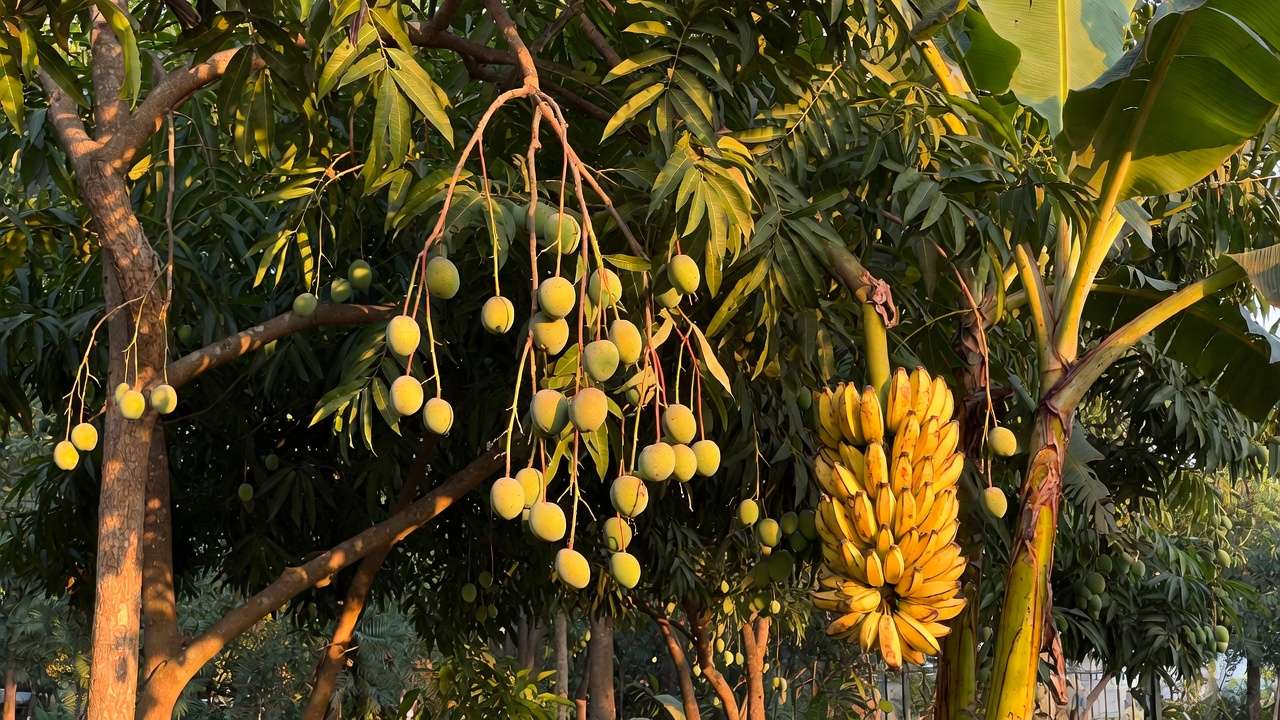
Post-harvest reality for home growers:
- Climacteric fruits you harvest at the mature-green stage (e.g., mangoes with shoulders rounded but still hard and green) will ripen indoors beautifully thanks to their own ethylene production.
- Non-climacteric fruits like guavas or pineapples? If picked too early, they’ll never reach full sweetness or flavor — no amount of ethylene exposure will fix that.
- The infamous “one bad apple spoils the bunch” phenomenon is real: a single overripe banana or mango can emit 10–100 times more ethylene than green ones, accelerating ripening (and eventual decay) of everything nearby.
Local Khulna factors that amplify ethylene effects:
- High ambient temperatures (often 30–35°C) speed up ethylene biosynthesis and action.
- Rainy season humidity keeps stomata open longer → more gas exchange → faster ripening.
- Mechanical damage from wind, birds, or rough handling during picking triggers wound-induced ethylene spikes.
Understanding these patterns helps you time harvests better: pick mangoes when the fruit begins to show the slightest yellow blush near the stem for indoor ripening, or leave guavas on the tree until they soften naturally.
Pro Tips: Harnessing Ethylene to Ripen Your Homegrown Fruits Faster 🍐🚀
Here are battle-tested, low-cost methods that thousands of tropical home gardeners use successfully:
- The classic paper bag trick Place green mangoes, papayas, avocados, or tomatoes in a brown paper bag with one ripe banana or apple. The bag traps ethylene while allowing some oxygen exchange. → Results in 2–5 days (faster in Khulna’s warmth!). Check daily to avoid over-ripening.
- Fruit companions Use high-ethylene “ripening buddies”:
- Ripe banana 🍌 (highest producer)
- Ripe apple 🍏
- Ripe mango or papaya Place 1–2 ripe fruits per 4–6 green ones in a ventilated box or basket.
- Warm, dark, ventilated spot Ideal ripening temperature: 20–25°C (room temperature away from direct sun). Higher speeds it up but risks uneven softening.
- Cardboard box method for larger batches For home orchard hauls of 20+ mangoes, use a ventilated cardboard box lined with newspaper. Add 2–3 ripe bananas and close loosely. This mimics commercial ripening rooms on a small scale.
- Ethylene from smoke (traditional hack) In some rural Bangladeshi villages, farmers still burn small amounts of mango leaves or jute sticks near stored green mangoes — the smoke contains trace ethylene and related compounds that gently trigger ripening.
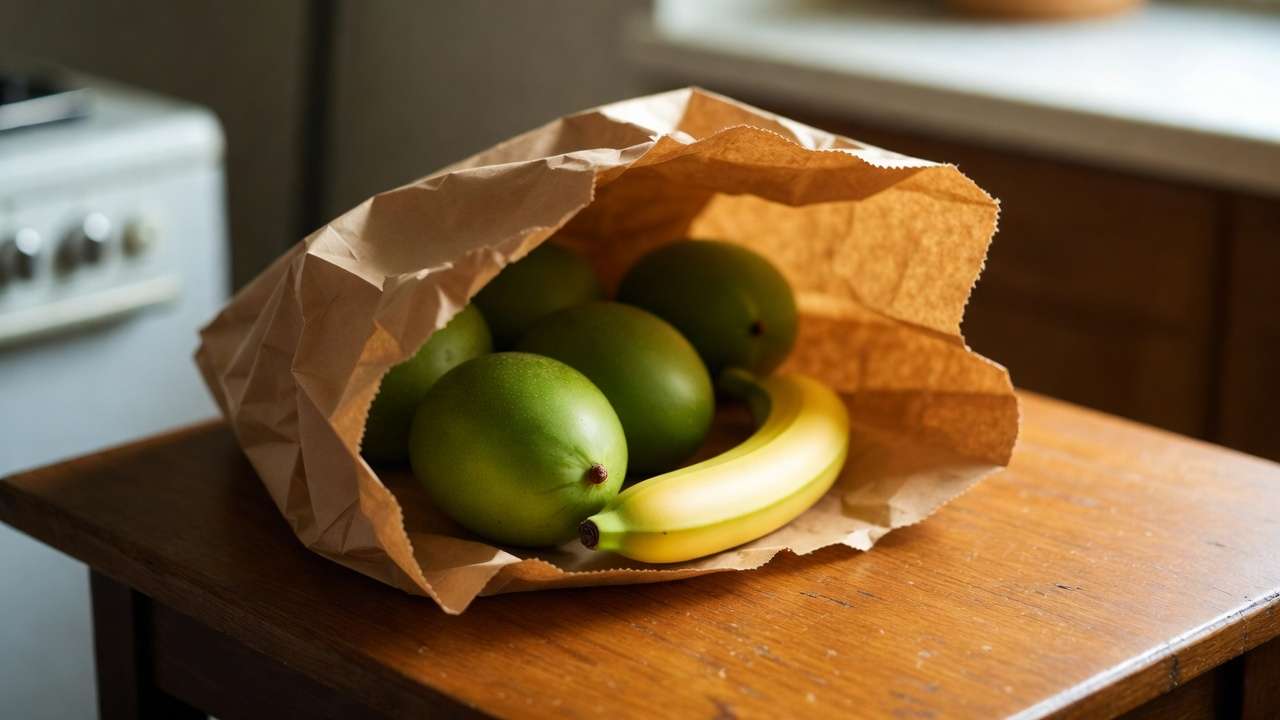
Pro tip: Always wash fruits after ripening to remove any surface residue, and never use plastic bags (they trap too much moisture → mold risk 🍄).
How to Slow Down or Prevent Unwanted Ripening (Extend Shelf Life) ⏳❄️
Sometimes you want to stretch your harvest — especially during peak mango season when you’re swimming in fruit!
-
Separate ethylene producers from ethylene-sensitive items Never store ripe bananas next to green mangoes, avocados, or leafy greens. Ethylene accelerates yellowing and spoilage in greens.
Quick storage guide table:
High Ethylene Producers (Keep Separate) Ethylene-Sensitive (Store Apart) Low/No Ethylene (Safe Together) Ripe bananas, apples, mangoes, tomatoes, avocados Broccoli, spinach, cucumber, lettuce, potatoes Citrus, pineapple, grapes, cherries, berries 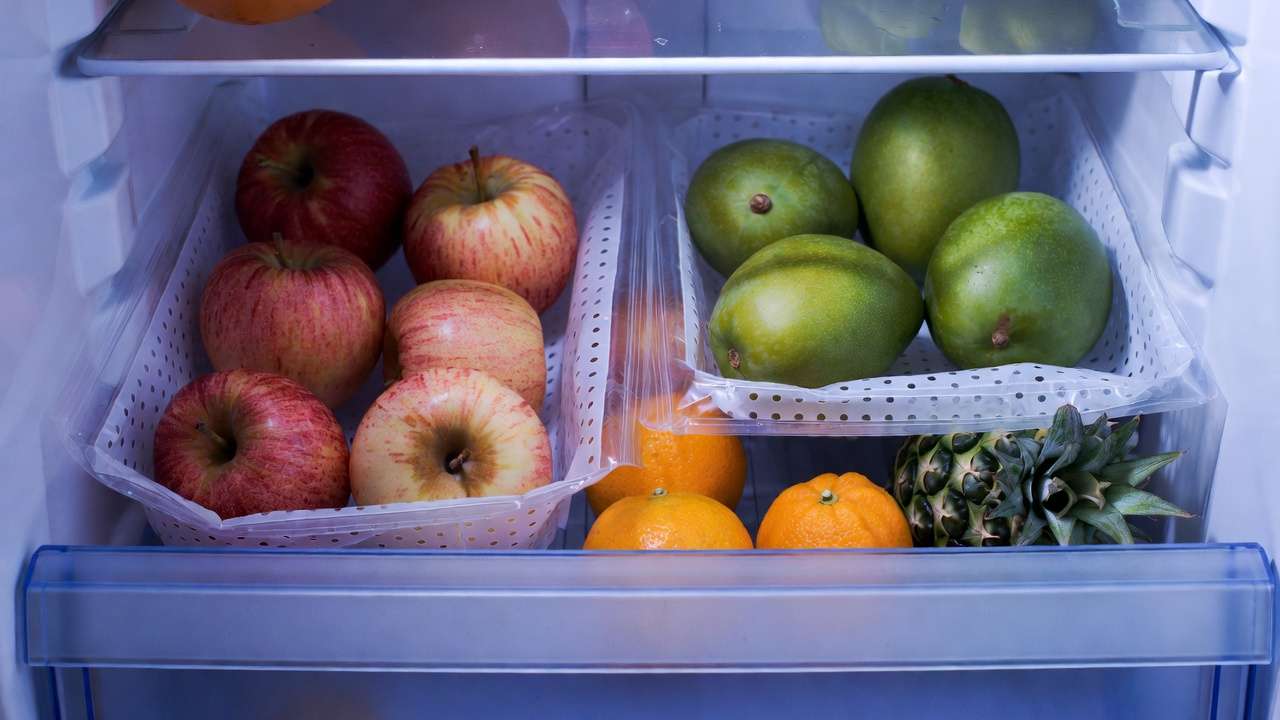
-
Refrigeration (with caveats)
- Store climacteric fruits at 10–13°C to slow ethylene action (works great for mangoes, papayas).
- Avoid chilling bananas, mangoes below 10°C, or avocados — causes chilling injury (black skin, uneven ripening).
-
DIY ethylene absorbers
- Place pieces of activated charcoal or potassium permanganate-soaked paper in storage boxes (purple crystals turn brown as they absorb ethylene).
- Commercial sachets are available online or at agricultural stores in Khulna/Dhaka.
-
Controlled atmosphere at home Use perforated plastic bags or crisper drawers to balance humidity and gas levels.
Common Myths and Mistakes Home Gardeners Make About Ethylene ❌🍎
- Myth: All fruits will ripen after picking. → False! Non-climacteric fruits (guava, pineapple, litchi) won’t improve much off the tree.
- Mistake: Storing everything together in one big basket. → Leads to chain reaction spoilage. Sort by ripening group!
- Myth: Ethylene is artificial or harmful like pesticides. → Completely natural — plants have used it for millions of years. Safe for humans in typical home concentrations.
- Mistake: Picking too early to “beat the birds.” → Immature climacteric fruits may ripen but lack full flavor and sweetness.
Expert Insights: Advanced Considerations for Serious Fruit Growers 🌟🔬
For those managing 10+ trees or small orchards:
- Pre-harvest ethylene management Balanced pruning, proper irrigation, and potassium-rich fertilizers can delay the ethylene burst slightly, spreading harvest over weeks instead of days.
- Varietal differences In Bangladesh:
- Himsagar mangoes produce moderate ethylene → ripen evenly.
- Langra can be more erratic due to higher ethylene sensitivity.
- Climate change impact Rising temperatures in Khulna are shortening the time between maturity and full ripening — plan earlier harvests.
- Emerging home-scale tools 1-MCP (1-methylcyclopropene) products like SmartFresh are used commercially to block ethylene receptors. Small sachets may become available for serious hobbyists in coming years.
Frequently Asked Questions (FAQs) ❓
Here are the questions I hear most often from home gardeners and fruit tree owners in tropical regions like Khulna:
1. Does ethylene gas affect vegetables too? Yes — many vegetables are sensitive to ethylene even if they don’t produce much themselves. Broccoli, spinach, cucumber, lettuce, asparagus, and potatoes yellow, wilt, or sprout faster when exposed. Always store these away from ripe bananas, mangoes, tomatoes, and apples. Leafy greens and brassicas are especially vulnerable.
2. Is ethylene production the same in all mango varieties grown in Bangladesh? No — there are noticeable differences. Himsagar and Gopalbhog tend to produce moderate ethylene and ripen quite evenly. Langra and Fazli can show higher ethylene output and more erratic ripening (some fruits soften very quickly while others lag). Amrapali and Mallika hybrids often behave more predictably thanks to breeding efforts. If you grow multiple varieties, observe their individual patterns over a season or two.
3. Can I use ethylene tricks to ripen green tomatoes from my garden? Absolutely — tomatoes are classic climacteric fruits. Pick them at the mature-green stage (full size, glossy skin, seeds fully developed) and use the paper bag method with a ripe banana or apple. They usually turn red and soft in 5–10 days at room temperature. For even better flavor, let some color develop on the vine first if birds aren’t an issue.
4. Why do my homegrown bananas ripen too fast (or unevenly) in Khulna? High ambient temperatures (often 30–35 °C) and humidity accelerate both ethylene production and its effects. Bananas are among the highest ethylene producers, so one fruit going soft triggers the rest rapidly. Solution: Harvest bunches when they are still mostly green with just a hint of yellow at the tips, hang them in a cooler, shaded, well-ventilated spot indoors, and separate any fully ripe fingers immediately.
5. Is ethylene gas dangerous to humans or pets? At the concentrations produced by ripening fruits (typically <1–10 ppm in a closed bag or room), ethylene is completely safe for humans, children, and pets. It’s naturally present in tiny amounts in the air we breathe and in many foods. Commercial ripening rooms use controlled levels up to 100–150 ppm — still considered safe. The gas is non-toxic, non-flammable at these low levels, and dissipates quickly in open air.
6. Can I slow down ripening of jackfruit once it’s harvested? Jackfruit is partially climacteric when ripe. If you harvest at the mature but still firm stage, refrigeration at 10–13 °C can slow ethylene action and extend usability by 1–2 weeks. Avoid colder temperatures (chilling injury causes internal browning). For very large home-harvested jackfruits, wrap cut sections tightly and refrigerate promptly.
Conclusion: Master Ethylene for Healthier, Tastier Homegrown Fruits 🎉🍑
You’ve now journeyed through the invisible world of ethylene gas — from its biochemical birth inside plant cells, through the dramatic climacteric burst that transforms green mangoes into golden sweetness, all the way to practical hacks you can use in your Khulna backyard tomorrow.
Key takeaways to carry into your next harvest season:
- Know your fruit type: Climacteric (mango, banana, papaya, tomato) = ripen off the tree with ethylene’s help. Non-climacteric (guava, pineapple, litchi) = harvest tree-ripe.
- Use ethylene as your ally: Paper bags, ripe-fruit companions, and warm shaded spots speed up ripening when you need it.
- Protect your bounty: Separate high-ethylene producers, refrigerate strategically, and use absorbers to stretch shelf life.
- Observe your own trees: Note variety differences, local weather impacts, and harvest timing — small adjustments yield big flavor and waste-reduction wins.
Armed with this knowledge, you’re no longer at the mercy of uneven ripening, premature spoilage, or bland off-tree fruit. Instead, you become the master of your home orchard’s ripening rhythm — turning every mango, banana, and papaya into peak-of-perfection treats for your family and friends.
Try one simple experiment this season: pick a few mature-green mangoes, place them in a paper bag with a ripe banana, and watch nature’s magic unfold in just a few days. Then come back and tell me how it went — I’d love to hear your results! 🌴✨
Happy gardening, happy ripening, and here’s to sweeter harvests from your own trees! 🍎🥭











