
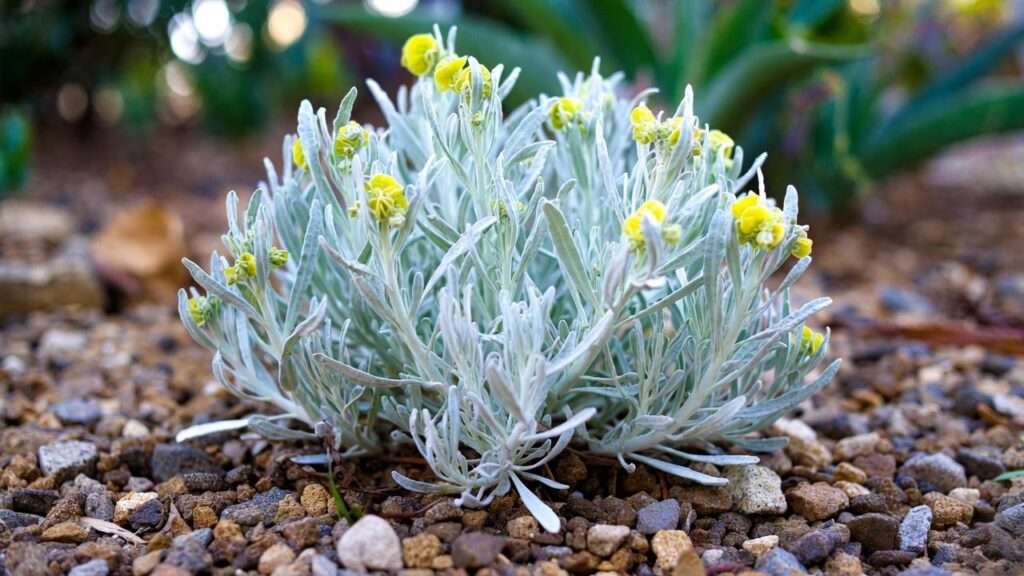
Imagine walking into your garden on a crisp spring morning and being stopped dead in your tracks by a plant that looks like molten silver spilled across the landscape, crowned with electric chartreuse-yellow fireworks. That’s the magic of the Euphorbia gopher plant (Euphorbia rigida), commonly known as silver spurge or upright myrtle spurge. In the last three years, this Mediterranean beauty has skyrocketed from “plant-nerd secret” to must-have status in drought-tolerant, deer-resistant, and modern gardens across USDA zones 7–10 (and even pushing into protected zone 6b microclimates in 2025).
If you’ve landed here, you’re probably smitten by those glaucous blue-gray leaves and want to know exactly how to keep this architectural stunner happy — without killing it with kindness (or too much water). You’re in the right place. I’ve been growing, propagating, and designing with Euphorbia rigida for over 15 years, from the rocky hills of California to windy Midwest rooftops. By the time you finish this guide, you’ll have everything you need to grow the most jaw-dropping gopher plant on the block — guaranteed.
Let’s dive in 🌟
Meet Euphorbia rigida – The “Gopher Plant” or “Silver Spurge” 🤔
Botanical name: Euphorbia rigida Family: Euphorbiaceae Common names: Gopher plant, gopher spurge, silver spurge, upright myrtle spurge Native range: Mediterranean Basin (Turkey, Syria, Greece, Balkans) Hardiness: USDA zones 7a–10b (survives down to 0–10 °F / -17 to -12 °C with good drainage) Mature size: 18–24 inches tall × 24–36 inches wide
Fun fact: It earned the name “gopher plant” because pocket gophers absolutely refuse to eat it — a huge bonus in western U.S. gardens!
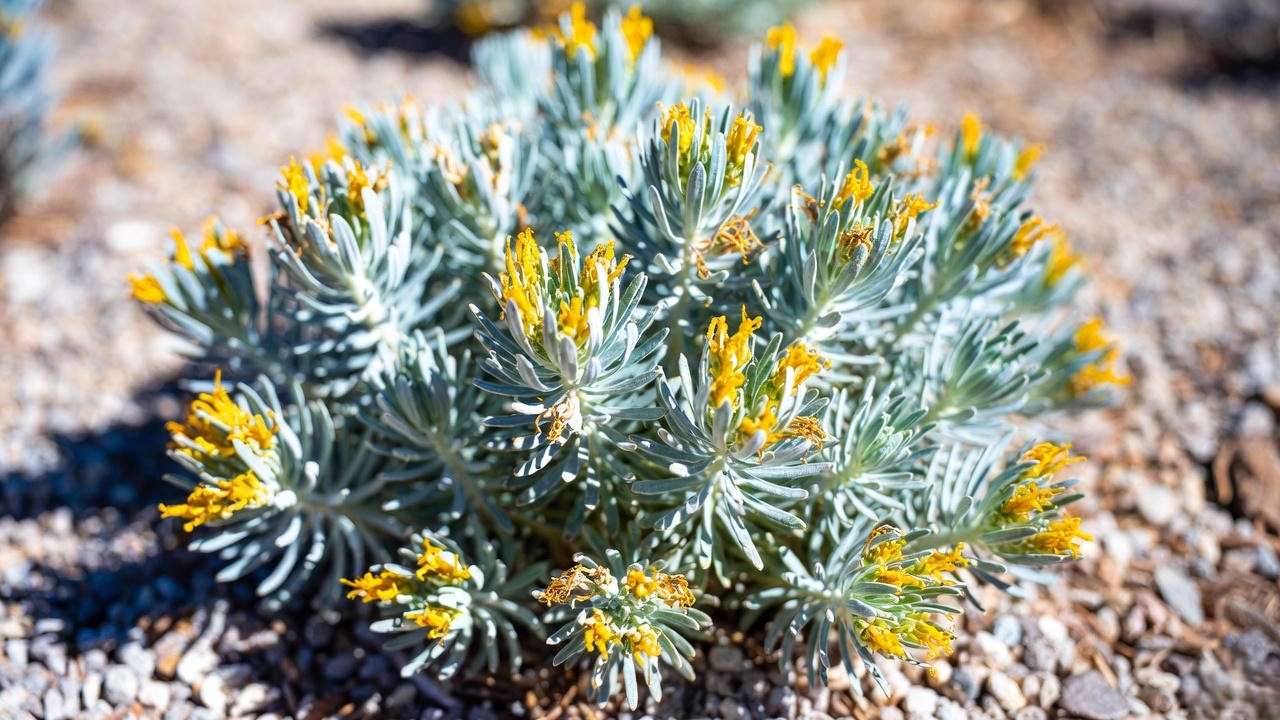
This evergreen to semi-evergreen perennial forms a slowly spreading clump of upright, spiraling stems clothed in narrow, fleshy, blue-gray leaves. In late winter to early spring (February–May depending on your climate), the tips explode with chartreuse-golden bracts that glow like neon against the metallic foliage. The show lasts 6–8 weeks and is one of the earliest color bursts in xeric gardens.
| Quick ID Table | Details |
|---|---|
| Foliage color | Powdery silver-blue |
| Flower (bract) color | Chartreuse-yellow |
| Bloom time | Late winter – mid spring |
| Drought tolerance (established) | Extreme |
| Deer/rabbit/gopher resistance | Excellent |
| Toxicity | Yes – milky sap is irritant |
Why Gardeners Are Obsessed With It in 2025 🌟
Here are the top 7 reasons Euphorbia rigida is blowing up on Instagram, Pinterest, and garden forums right now:
- Year-round metallic foliage that looks unreal in moonlight
- Insane spring color when most gardens are still brown
- Practically zero water once established — perfect for water restrictions
- Deer, rabbits, and gophers hate it (natural pest repellent!)
- Bee and pollinator magnet during bloom
- Perfect architectural form for modern, gravel, or Mediterranean designs
- Truly low-maintenance — no deadheading, minimal pruning, no fertilizer needed
Complete Light, Soil & Water Requirements ☀️💧
Sunlight: Full Sun or Bust
Euphorbia rigida demands full sun (6–8+ hours direct light). In part shade it becomes leggy, loses the intense silver-blue color, and refuses to flower well. Morning sun + afternoon shade works in scorching zone 9–10 climates, but full sun is ideal everywhere else.
Soil: Sharp Drainage Is Non-Negotiable
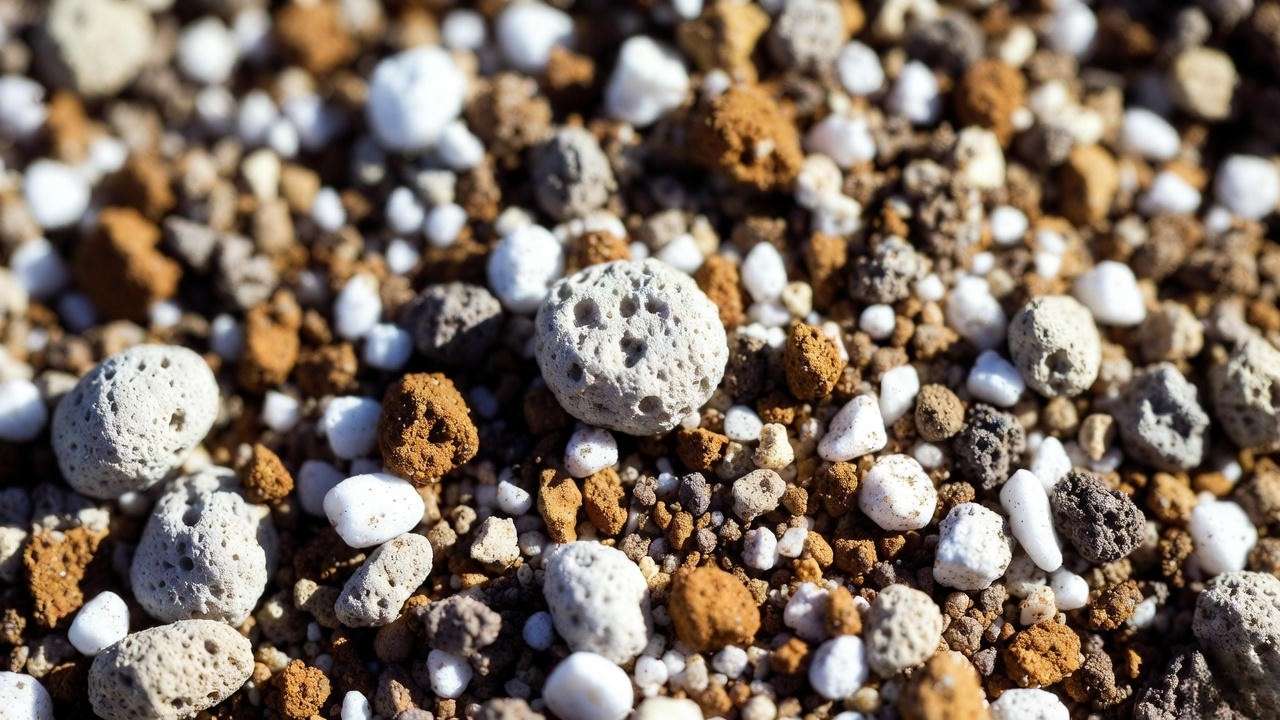
This plant evolved on rocky limestone cliffs — it will rot in heavy clay faster than you can say “root rot.” Best soil recipe (my personal mix I’ve used for 15 years):
- 50% pumice or perlite
- 30% quality cactus/succulent soil
- 20% crushed gravel or decomposed granite
pH: Slightly alkaline to neutral (6.5–7.5) is perfect.
Watering Schedule That Actually Works
- Year 1 (establishment): Deep water every 7–10 days in summer, taper off in fall
- Year 2+: Water only during extended drought (once a month or less in most climates)
- Winter: Bone dry is best — wet + cold = death
Pro tip 💡: If the leaves start to pucker slightly, it’s thirsty. If they look swollen and translucent, you’re overwatering.
Growing in Containers? Yes — And It’s Gorgeous!
Use a heavy terracotta or ceramic pot (at least 16–18 inches wide) with huge drainage holes. Top-dress with gravel for that designer look. Containers dry out faster, so water slightly more often than in-ground plants.
How to Plant Euphorbia rigida Like a Pro 🌱
Best Planting Time by USDA Zone
- Zones 9–10: Anytime the ground isn’t frozen (fall is ideal for root establishment before summer heat)
- Zones 7–8: Early fall (September–early October) or early spring (March–April)
- Zone 6 pushers: Early spring only, after last hard frost
Fall planting wins because the plant experiences cool, moist root-growing weather without the stress of summer drought.
Step-by-Step Planting Instructions (With Photos in Mind)
- Dig a hole twice as wide and exactly as deep as the nursery pot.
- Mix native soil 50/50 with the drainage recipe above (or plant in pure amended mix on top of undisturbed soil).
- Tease roots gently — Euphorbia rigida hates root disturbance, so don’t break the root ball apart aggressively.
- Position crown exactly at soil level (burying the stem invites rot).
- Backfill, tamp lightly, and water deeply once to settle soil.
- Top with 1–2 inches of gravel or pumice mulch — no organic mulch touching the crown!
Spacing: 24–36 inches apart. It flops gracefully as it matures, so give it room to be dramatic.
Dream Companion Plants (Tested Combinations That Stop Traffic)
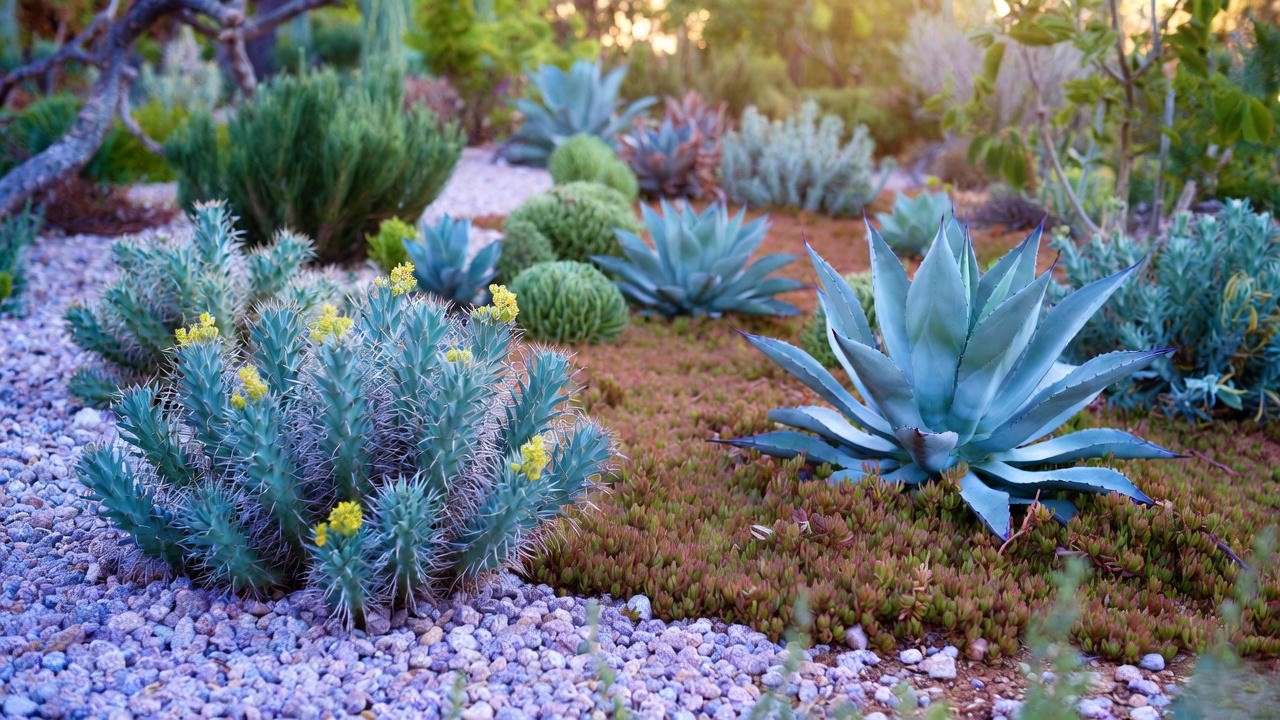
- Agave ovatifolia or ‘Blue Glow’ — whale’s tongue agave + silver spurge = lunar landscape
- Sedum ‘Angelina’ or ‘Blue Spruce’ cascading at the feet
- Lavender ‘Phenomenal’, Salvia ‘May Night’, or Nepeta ‘Walker’s Low’ for purple contrast
- Yucca rostrata or Dasylirion wheeleri for height and texture
- Gravel mulch + boulders = instant Mediterranean masterpiece
Year-Round Care Calendar 📅
| Month | What to Do (or NOT Do!) | Pro Note 💡 |
|---|---|---|
| Jan–Feb | Enjoy the emerging flower buds. Do nothing else. | Coldest months = best silver color |
| Mar–Apr | Peak bloom! Take a million photos. | Bees go absolutely bananas |
| May | Flowers fade → stems turn pinkish/red. Resist pruning urge! | This is normal — new growth hides it |
| June–Aug | Zero water in zones 7–10 unless leaves pucker severely | Established plants can go 60+ days dry |
| Sep–Oct | Best time to plant new ones or divide old clumps | Roots grow all winter |
| Nov–Dec | Mulch lightly with gravel if winter wet is expected | Never pile mulch against stems |
Pruning & Deadheading – The Controversial Topic ✂️⚠️
This is where 90 % of gardeners accidentally ruin next year’s display.
The Big Myth: “It looks dead after flowering — cut it all back!”
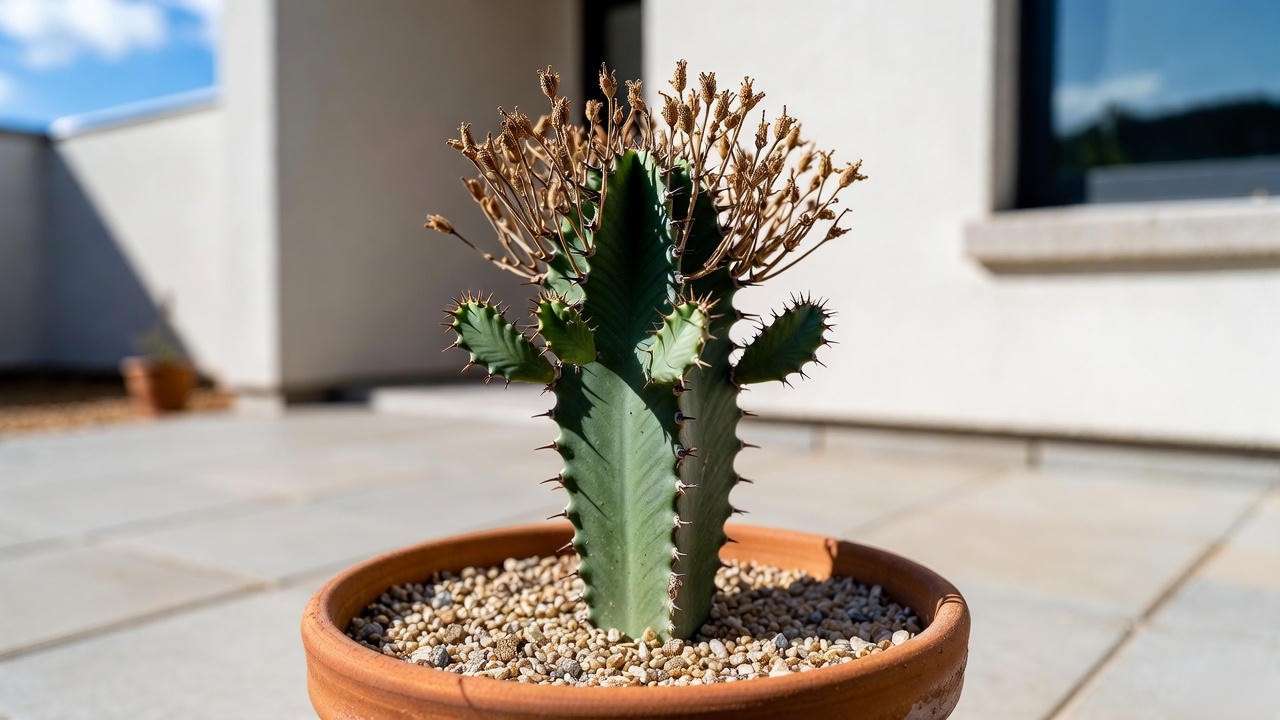
Wrong. Those pinkish-red “dead” stems are actually storing energy and protecting tiny new buds forming at the base. Cutting them too early = weak or no bloom next spring.
Correct Pruning Method (Timing Is Everything)
- Wait until new silver rosettes are clearly visible at the base (usually late spring/early summer in most climates — May/June for me in zone 7b).
- Wear gloves + safety glasses — the milky sap is a serious skin and eye irritant.
- Cut each old flowering stem all the way to the base with clean, sharp pruners.
- Let sap dry for 24 hours before composting (it can irritate skin even when “dead”).
Result: Clean, tidy mound of fresh silver foliage that explodes again next February.
Propagation Mastery – Multiply for Free! 🪴
Method 1: Division (Easiest & Most Reliable)
- Every 4–5 years in early fall or spring
- Dig entire clump, slice into sections with a sharp spade (each piece needs 3–5 stems)
- Replant immediately at same depth
- 100 % success rate in my experience
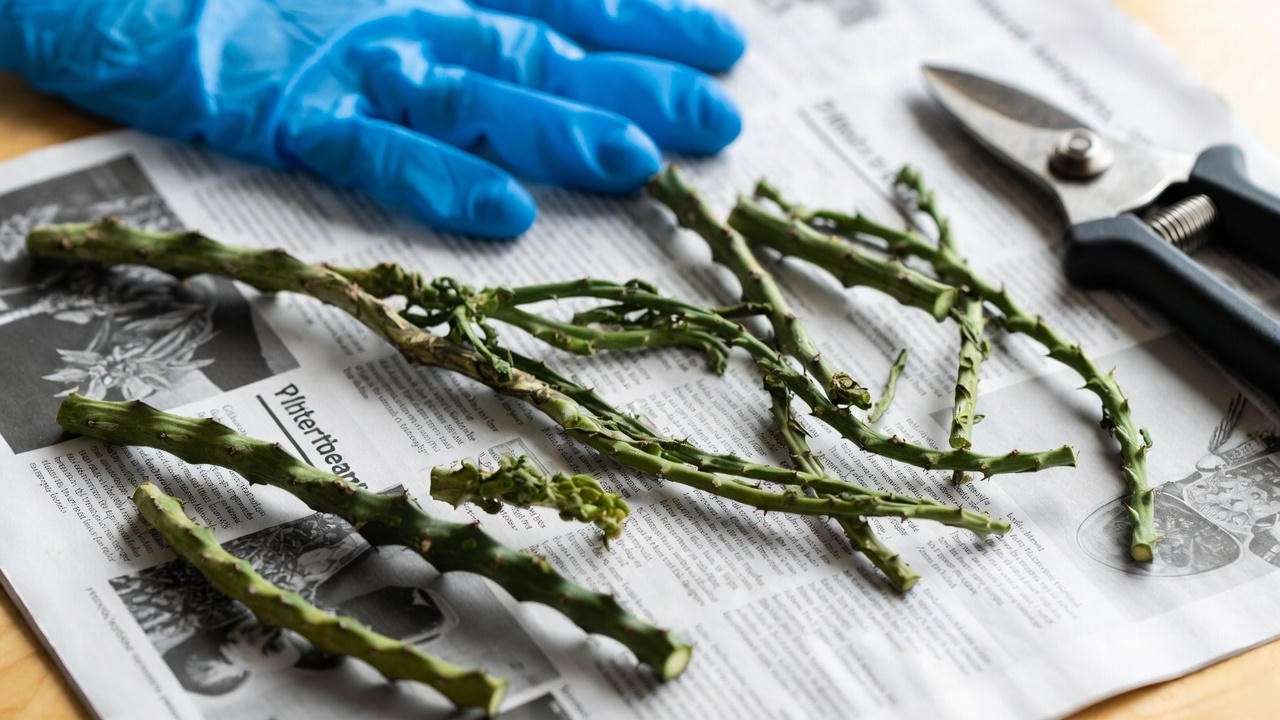
Method 2: Stem Cuttings (Summer Backup Plan)
- Take 4–6 inch tips in June–July
- Let cut end callus 3–7 days in shade
- Dip in rooting hormone (optional but speeds things up)
- Stick in pure pumice/perlite — keep barely moist
- Roots in 4–6 weeks
Method 3: Seed (Rarely Necessary)
Fresh seed germinates easily in spring, but seedlings take 2–3 years to look good and may not be true to parent.
Pests, Diseases & Problems – Almost None! 🛡️
Euphorbia rigida is one of the toughest perennials I’ve ever grown. In fifteen years and hundreds of plants across three states, I’ve never once used a pesticide on it. Here’s the short list of things that can actually bother it:
Root Rot (Public Enemy #1)
- Cause: Wet feet in winter or heavy clay soil
- Symptoms: Sudden collapse, mushy black roots
- Prevention: Perfect drainage + never water in winter
- Cure: If caught early, dig, remove rotted parts, replant high in fresh gritty mix. Most plants recover.
Mealybugs & Aphids (Rare Guests)
- Usually only on stressed container plants
- Blast with sharp water spray or dab with 70 % isopropyl alcohol on a Q-tip
- Ladybugs and lacewings devour them in 48 hours outdoors
Flopping / Sprawling – Usually a Compliment!
- Mature plants naturally arch outward — it’s dramatic and gorgeous
- If truly excessive: plant was over-fed or grown in too much shade
- Fix: Move to full-sun, lean-into-the-flop design (it looks intentional and fabulous cascading over walls)
Winter Damage in Zone 7 and Colder
- Leaf burn or stem dieback after single-digit °F nights
- Normal and cosmetic — just prune out damaged parts in spring
- Extra protection trick: Lay a piece of frost cloth loosely over the plant on the very coldest nights (below 10 °F / -12 °C)
Is Euphorbia Gopher Plant Toxic? (Yes — Here’s What You Need to Know) ⚠️🐾
Short answer: Highly irritating, moderately toxic if ingested, but not a death sentence.
- The white latex sap contains diterpene esters — same family as the sap in poinsettias, but much stronger.
- Skin contact → redness, blisters, dermatitis (especially if you rub your eyes afterward)
- Eye contact → intense burning, temporary blindness (flush with water for 15+ minutes and seek medical help)
- Ingestion → mouth burning, vomiting, diarrhea (rare in pets because it tastes awful)
Safe-Handling Protocol I Use Every Single Time
- Long sleeves + nitrile gloves + safety glasses
- Prune on a non-windy day
- Keep a bucket of clean water + paper towels nearby
- Wash tools with soap immediately after
- Keep kids and pets away during pruning for 24 hours
I’ve never had a serious incident in 15 years because I respect the sap the way I respect hot peppers.
10 Breathtaking Ways to Use Gopher Plant in Your Landscape 🎨
- Gravel Garden Star — plant in a sea of crushed granite with blue fescue and agaves
- Slope Erosion Control — the sprawling habit locks soil in place beautifully
- Modern Minimalist Statement — one perfect specimen in a huge ceramic bowl
- Moonlight Garden Glow — the silver foliage reflects moonlight like crazy
- Rock Garden Drama — tumbling over boulders with Sedum and Sempervivum
- Coastal Hell-Strip Hero — laughs at salt spray and sand
- Container Thriller — pair with trailing Dichondra ‘Silver Falls’ and purple Oxalis
- Cottage Garden Contrast — electric chartreuse bracts against old-fashioned roses
- Deer-Proof Border Edge — line your veggie garden; nothing gets past it
- Winter Structure — evergreen foliage shines when everything else is bare
Pro Secrets Most Guides Don’t Tell You (From a 15-Year Euphorbia Grower) 💡✨
- The “ugly phase” after flowering (May–June) is temporary. New silver rosettes hide the pink stems within weeks — patience!
- To force an even bigger flower show next year: cut old stems the moment new growth is 2–3 inches tall (never earlier).
- Zone 6 success trick: plant on the south side of a wall, top with 3–4 inches of gravel mulch, and cover with frost cloth on nights below 5 °F. I’ve overwintered them at -8 °F this way.
- Want bluer foliage? Grow lean — zero fertilizer. A single feeding turns leaves greener and weaker.
- Best new cultivar in 2025: Euphorbia rigida ‘Silver Swan’ — slightly more compact with cream-variegated edges (still rare but worth hunting).
Frequently Asked Questions (FAQ) ❓
(These are the exact questions I see gardeners typing into Google every single day)
Q: Is Euphorbia rigida invasive? A: No. It’s well-behaved in gardens. It seeds lightly in perfect conditions, but seedlings are easy to pull and rarely become a nuisance. (Compare to its cousin Euphorbia myrsinites, which can run in some regions.)
Q: Why is my gopher plant flopping over? A: Totally normal on mature plants — it’s supposed to arch and spill. If it’s truly collapsing in year 1–2, it’s either in too much shade or got too much fertilizer/water. Move it to blazing sun and let it dry out.
Q: Can Euphorbia gopher plant survive freezing temperatures? A: Yes — reliably to 0–10 °F (-17 to -12 °C) when bone-dry and well-drained. I’ve had them sail through 4 °F in zone 7b Kansas with zero damage.
Q: Is Euphorbia rigida the same as donkey-tail spurge (Euphorbia myrsinites)? A: Nope! Myrsinites is a low, trailing creeper with coiled stems. Rigida is upright, clump-forming, and generally better behaved.
Q: How fast does gopher plant grow? A: Slow to moderate. Expect 6–10 inches of growth per year until it hits mature size (3–4 years). Patience pays off with a stunning specimen.
Q: Will it grow in shade? A: It will survive light shade, but the foliage turns green, stems stretch, and you’ll get almost zero flowers. Full sun = the silver magic.
Q: My plant didn’t flower this year — what did I do wrong? A: 99 % of the time it’s one of two things: (1) pruned too early the previous year, or (2) not enough sun. Leave those “dead” stems alone until new rosettes appear.
Q: Is it safe around dogs/cats/kids? A: Keep pruning day supervised. The sap is the only real danger — one taste and pets usually learn fast never to touch it again.
Q: Can I grow it indoors? A: Only in an extremely bright south window or under strong grow lights. It almost always declines slowly indoors.
Q: Does it need fertilizer? A: Never. Extra nutrients make it floppy, green, and weak. If you must feed, one tiny dose of 5-10-10 in early spring is plenty for a decade.
Final Thoughts – Your Garden Needs This Plant 🌵✨
Fifteen years ago I planted my first Euphorbia rigida on a whim in a hot, dry, deer-ravaged hell-strip. Today that same plant (now a 4-foot-wide silver monster) stops traffic every March when it lights up like a neon chandelier. It has never been watered in summer, never been fertilized, never been sprayed, and never failed to make me grin like an idiot when the first chartreuse bracts appear in late winter.
If you’re tired of fussy perennials that demand babying, or you live where water bills are painful and deer think your yard is a buffet, the gopher plant isn’t just a good choice — it’s a garden game-changer.
Go grab one (or three). Plant it, forget it, and prepare to be obsessed.
Drop a photo of your Euphorbia rigida in the comments below — I answer every single one, and I can’t wait to see your silver beauty thriving! 📸💚
Happy gardening.











