
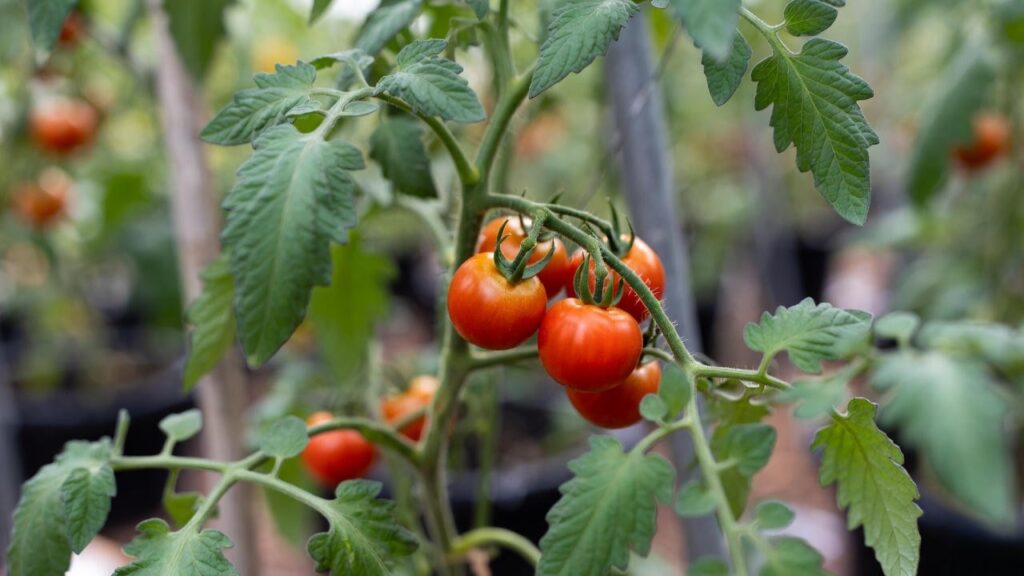
Imagine stepping into your backyard during the sweltering height of a Florida summer, when most tomato plants have wilted and surrendered to the heat, only to find vines loaded with hundreds of tiny, jewel-like red fruits bursting with intense, old-fashioned tomato flavor. That’s the everyday reality for gardeners who grow the Everglades tomato plant (Solanum pimpinellifolium), a wild currant tomato that’s perfectly adapted to hot, humid climates. If you’ve ever struggled with standard tomatoes dropping blossoms in high heat, succumbing to diseases, or delivering lackluster yields in summer, the Everglades tomato plant is the resilient, low-maintenance solution you’ve been searching for. This heirloom variety, naturalized in South Florida’s challenging conditions, produces prolifically year-round in subtropical zones and offers exceptional heat tolerance, drought resistance, and natural pest defenses—making it ideal for beginners and seasoned gardeners alike.

As a horticulture expert with years of experience growing tomatoes in humid, subtropical environments (including extensive trials in Florida gardens), I’ve seen firsthand how the Everglades tomato outperforms modern hybrids in tough conditions. Backed by insights from University of Florida/IFAS Extension research and real-world gardener reports, this comprehensive guide draws on proven practices to help you succeed. Whether you’re in USDA zones 9-11 for perennial growth or cooler areas for annual harvests, you’ll learn everything needed to cultivate this “tomato factory” successfully.
What Is the Everglades Tomato Plant? 🧑🌾
Origins and History of This Florida Favorite 📜
The Everglades tomato plant traces its roots to wild currant tomatoes native to northern Peru and southern Ecuador, where Solanum pimpinellifolium still grows untamed along coastal regions. This species is the closest wild ancestor—and a direct progenitor—of our modern cultivated tomatoes (Solanum lycopersicum). Introduced to Florida centuries ago (possibly through early trade or natural dispersal), it naturalized in the Everglades and South Florida wetlands, earning its common name.
University of Florida researchers note that while some debate its exact taxonomy (pure S. pimpinellifolium or a natural hybrid with cultivated genes), its adaptation to Florida’s alkaline soils, brackish water, and salt winds is undeniable. It’s been a staple in local gardens for decades, prized by Seminole and Miccosukee communities and now rediscovered by home growers seeking heat-proof varieties. Genetic studies highlight its value: breeders like UF’s Harry Klee use its traits to restore lost flavor and resilience to commercial tomatoes.
Key Characteristics and Why It’s Ideal for Challenging Climates 🔥
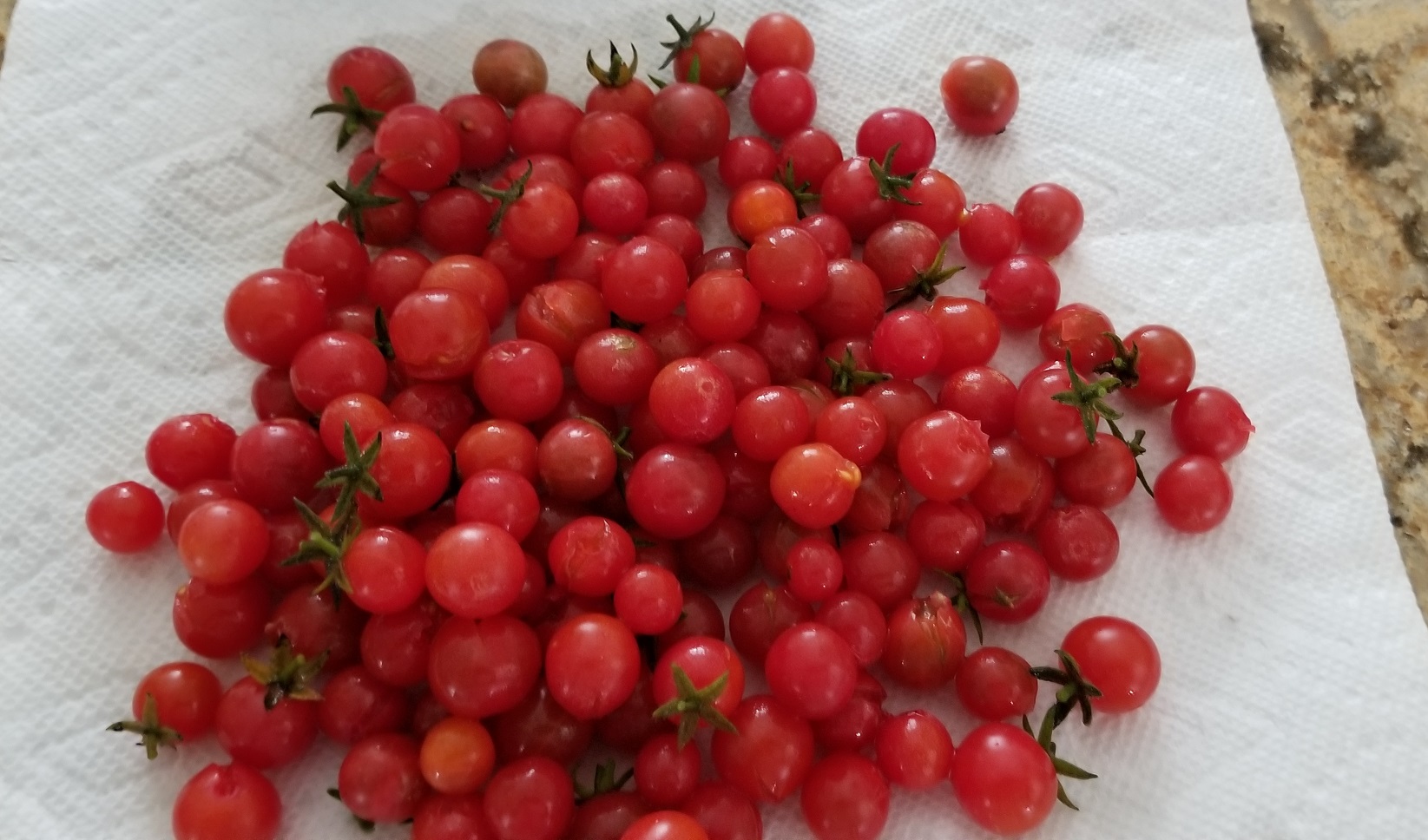
Everglades tomatoes produce tiny, currant-sized fruits—typically ½ inch in diameter, weighing just a fraction of an ounce—with thin, glossy red (sometimes pinkish) skins that burst with sweet-tangy, intensely “tomatoey” flavor reminiscent of heirlooms from generations past.
The plants are indeterminate vines, sprawling vigorously up to 10-12 feet (or more) if unsupported, with regular tomato-like leaves. Key traits include:
- Extreme heat and humidity tolerance: Sets fruit when nights exceed 75°F, unlike most tomatoes that stall.
- Drought and salt resistance: Thrives in poor, alkaline, or brackish conditions.
- Natural disease resistance: Strong against fusarium wilt, verticillium wilt, late blight, and other common fungal issues.
- Prolific self-seeding: Acts almost perennial in frost-free zones, volunteering reliably.
These adaptations make it a standout for Florida gardeners, coastal areas, or any hot-humid climate where standard tomatoes falter.
Everglades Tomato vs. Regular Cherry Tomatoes: A Side-by-Side Comparison 📊
While both offer bite-sized fruits, Everglades tomatoes shine in resilience and flavor:
| Aspect | Everglades Tomato | Regular Cherry Tomato (e.g., Sweet 100) |
|---|---|---|
| Fruit Size | Currant (½ inch) | Larger cherry (1-1½ inches) |
| Flavor | Intense, sweet-tart, “wild” umami | Sweet, milder |
| Heat Tolerance | Excellent; produces in 90°F+ summers | Often drops flowers in high heat |
| Disease Resistance | High (natural to wilts, blight) | Varies; many hybrids needed for resistance |
| Growth Habit | Sprawling, rampant vines | More compact, easier to stake |
| Productivity | Hundreds-thousands per plant, continuous | High, but seasonal pauses |
| Maintenance | Very low; minimal pruning/fertilizer | Higher; needs more support/feeding |
In short, Everglades wins for tough climates and hands-off growing, while cherries suit cooler seasons or controlled setups.
Benefits of Growing Everglades Tomatoes in Your Garden 🌱
Prolific Production and Low-Maintenance Appeal 🚀
One plant can yield thousands of fruits over months—or even year-round in South Florida—thanks to continuous flowering and fruiting. Its self-seeding nature means “perennial” returns without replanting in mild winters. Drought-tolerant once established and requiring little fertilizer, it’s perfect for busy or eco-conscious gardeners.
Nutritional and Culinary Value 🍴
These tiny gems pack antioxidants, vitamins A and C, and lycopene at levels rivaling larger tomatoes. Their explosive flavor elevates salads, snacks, roasted dishes, or dehydrated “tomato raisins.” Kids love popping them straight from the vine!
Eco-Friendly and Biodiversity Boost 🐝
As a wild relative, it attracts pollinators and supports garden ecosystems. Use as edible ground cover or living mulch to suppress weeds and enhance biodiversity.
How to Grow Everglades Tomato Plants: Step-by-Step Guide 👩🌾
Starting from Seed or Cuttings 🌱
The journey to a thriving Everglades tomato plant begins with propagation. Seeds are widely available from reputable heirloom seed companies like Baker Creek, Southern Exposure Seed Exchange, or Florida-based vendors specializing in native varieties.
Germination can be slow and erratic—often taking 14-21 days or longer—due to the wild genetics. To improve success rates:
- Soak seeds overnight in warm water or a dilute chamomile tea solution to soften the coat.
- Sow in seed-starting mix at ¼-inch depth, keeping soil consistently moist at 75-85°F.
- Use bottom heat (seedling heat mat) for faster emergence.
- Expect 50-80% germination; plant extra seeds to account for variability.
Once seedlings have true leaves, transplant into larger cells. For faster results, take cuttings from established plants: Snip 6-8 inch tips, remove lower leaves, and root in water or moist soil—they root in 7-10 days.
In Florida, start seeds indoors 4-6 weeks before your last frost (or anytime for summer planting). For continuous production, succession plant every few weeks.
Ideal Planting Conditions and Site Selection ☀️
Everglades tomatoes demand full sun—at least 6-8 hours daily—but tolerate light afternoon shade in extreme heat to prevent sunscald on fruits. They adapt to various soils, including sandy, alkaline, or nutrient-poor types common in Florida, but perform best in well-draining loam amended with compost.
pH tolerance is broad (5.5-7.5), and their salt resistance makes them suitable for coastal gardens. Avoid heavy clay without amendments to prevent root rot.
Space plants 3-4 feet apart to allow sprawling vines room, or closer (2 feet) if trellised. In raised beds or mounds, they excel by improving drainage.
Planting Techniques for Strong Roots 🕳️
Like all tomatoes, bury Everglades plants deeply: Remove lower leaves and plant up to the first set of true leaves. This encourages adventitious roots along the buried stem for better stability and nutrient uptake.
For containers (highly recommended for patios or small spaces), use at least 10-15 gallon pots with drainage holes. Fabric grow bags work wonderfully for airflow.

Harden off seedlings gradually over 7-10 days before transplanting outdoors.
Watering, Fertilizing, and Mulching Essentials 💧
Water deeply but infrequently once established—Everglades tomatoes are drought-tolerant and prefer even moisture without sogginess. Drip irrigation or soaker hoses minimize foliar diseases.
Fertilize lightly: At planting, incorporate a balanced organic fertilizer (e.g., 5-5-5) or compost. Side-dress with a bloom-booster (higher phosphorus) every 4-6 weeks. Avoid high-nitrogen feeds that promote foliage over fruit.
Mulch generously with straw, pine bark, or leaves to retain moisture, suppress weeds, and keep soil cool in summer heat.
Supporting and Pruning (Or Not!) ✂️
Everglades tomatoes are vigorous sprawlers—let them ramble as ground cover for a natural look, or provide support for easier harvesting and better airflow.
Options include:
- Florida weave or stakes for upright growth.
- Cattle panels or arched trellises for vertical training.
- Cages work but may get overwhelmed by growth.
Pruning is minimal: Remove only damaged leaves or suckers blocking airflow. Heavy pruning reduces yields in this prolific variety.

Common Problems and Solutions 🛠️
Pests to Watch For (And Why They’re Rare) 🐛
Thanks to natural defenses, Everglades tomatoes face fewer pests than hybrids. Occasional visitors include:
- Tomato hornworms: Hand-pick or use Bt (Bacillus thuringiensis).
- Aphids or whiteflies: Blast with water or apply insecticidal soap.
- Stink bugs: Trap or use kaolin clay barriers.
Companion plants like marigolds, basil, or nasturtiums deter many issues naturally.
Potential Diseases and Prevention Strategies 🦠
Disease resistance is a hallmark—rarely affected by common wilts or blights. Watch for:
- Fruit cracking from irregular watering: Maintain consistent moisture.
- Minor fungal spots in prolonged wet conditions: Ensure good spacing and morning watering.
Preventive sprays like diluted hydrogen peroxide or baking soda solutions help if needed.
Other Challenges: Overgrowth, Fruit Tearing, and Volunteers 🌿
Vines can become jungle-like—guide or trim selectively. Thin-skinned fruits tear easily; harvest gently by clusters.
Self-seeding volunteers are a bonus in mild climates but can become weedy—pull unwanted ones early.
Harvesting, Storage, and Delicious Uses 🍅
When and How to Harvest for Peak Flavor ⏰
Fruits ripen to deep red (or pink in some strains) and pop easily when ready. Harvest daily during peak production—one plant can yield hundreds to thousands!
Pick whole clusters for efficiency, leaving some to drop for natural reseeding.
Storage Tips and Preservation Ideas 🫙
Best enjoyed fresh due to thin skins—store at room temperature for 3-5 days. For longer keeping:
- Dehydrate into sweet “tomato raisins.”
- Freeze whole for sauces.
- Make quick salsas or roasted bursts.
Recipe Ideas and Expert Tips 👨🍳
- Fresh Salad: Toss with mozzarella, basil, and balsamic.
- Roasted: Oven-roast with garlic and olive oil for intensified flavor.
- Dehydrated Snacks: Slice in half, dry at 135°F for 8-12 hours.

Expert Insights and Advanced Tips 🔍
Growing in Containers or Hydroponics 🪴
Everglades tomatoes thrive in containers, making them accessible for urban gardeners, balconies, or those with limited space. Use large pots (15-20 gallons) or grow bags to accommodate vigorous root systems. A high-quality potting mix amended with compost and perlite ensures excellent drainage.
In hydroponic setups—such as Kratky or Dutch bucket systems—these plants perform exceptionally well due to their tolerance of fluctuating nutrient levels. Florida hydroponic growers report continuous production with EC levels around 1.8-2.5 mS/cm and pH 5.8-6.5. The key is strong support for heavy vines and frequent reservoir checks during peak summer heat.
Pro tip from seasoned growers: In containers, top-dress with worm castings monthly for steady micronutrients without burning roots.
Year-Round Growing in Different Zones 🌍
In USDA zones 10-11 (South Florida, coastal Texas, Hawaii), Everglades tomatoes behave as short-lived perennials, producing nearly year-round with only brief pauses during the shortest days. Light frost may knock back foliage, but plants often resprout from roots.
In zone 9, provide winter protection (row covers or greenhouse) for extended harvests. North of zone 9, treat as an annual—start early indoors and enjoy summer-long bounty. Many gardeners in the Midwest or Northeast report massive yields when planted after last frost, often outperforming cherries in humid summers.
For off-season fruiting, use grow lights or high tunnels to supplement short days.
Saving Seeds and Breeding for Your Garden 🧬
Seed saving is straightforward: Allow fruits to fully ripen (even over-ripen) on the vine, scoop pulp into a jar with water, ferment 3-5 days, rinse, and dry thoroughly. Viability remains high for 4-7 years.
Because Everglades tomatoes readily cross-pollinate with other tomatoes, isolation (200+ feet) or bagging flowers ensures pure seed. Many gardeners embrace natural hybrids—crosses with nearby cherries or beefsteaks can yield interesting larger-fruited, still heat-tolerant offspring. This citizen breeding contributes to resilient local strains.
Frequently Asked Questions (FAQs) ❓
Q: Can Everglades tomatoes grow successfully outside Florida? A: Absolutely! They excel anywhere with hot, humid summers (Southeast, Gulf Coast, Southwest). In cooler climates, grow as an annual for abundant summer production.
Q: How long do the plants produce fruit? A: In frost-free areas, a single plant can fruit for 12-18 months or longer. In seasonal climates, expect 4-6 months of heavy production.
Q: Are Everglades tomatoes truly perennial? A: Technically annual, but in zones 10+, they often regrow from roots or self-seed, behaving like perennials with minimal care.
Q: What are the best companion plants? A: Basil, marigolds, nasturtiums, borage, and onions deter pests and enhance flavor. Avoid planting near potatoes or fennel.
Q: Why is germination so poor, and how can I improve it? A: Wild genetics cause dormancy. Scarify lightly, use fresh seed, provide bottom heat, and be patient—success rates improve dramatically with these steps.
Q: My plant is huge but producing few fruits—what’s wrong? A: Likely excess nitrogen or insufficient sun/pollination. Reduce feeding, ensure 8+ hours direct sun, and gently shake vines to aid pollination.
Q: Do the fruits store well? A: Thin skins mean short shelf life—eat fresh within days or preserve quickly. Dehydrating is the most popular long-term option.
Conclusion: Start Your Everglades Tomato Adventure Today! 🚀
The Everglades tomato plant isn’t just another variety—it’s a game-changer for anyone frustrated with heat-stressed, disease-prone tomatoes in challenging climates. With its unmatched resilience, explosive flavor, and virtually effortless care, it delivers the joy of fresh, homegrown tomatoes when other plants have long given up.
Whether you’re in a sweltering Florida backyard, a coastal container garden, or a humid Midwest plot, this little currant tomato will reward you with basket after basket of sweet, jewel-like fruits. Start a few seeds (or snag a cutting from a fellow gardener), give it sun and space, and watch it transform your summer harvests.
Ready to experience the most prolific, heat-proof tomato you’ve ever grown? Order seeds today, plant boldly, and get ready for tomato bliss straight from the vine. Your garden—and your taste buds—will thank you. 🌴🍅✨











