
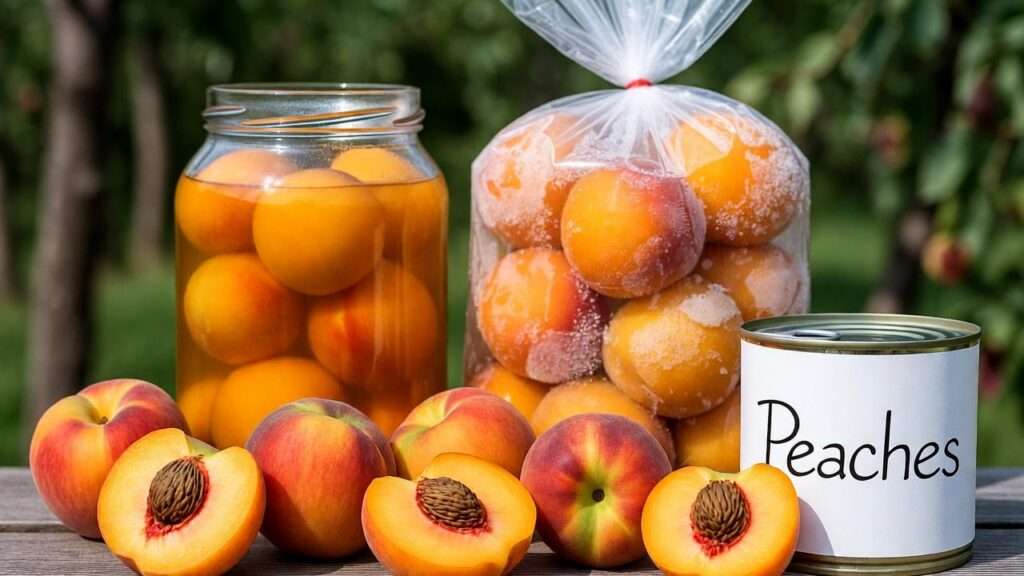
There’s something magical about biting into a perfectly ripe peach—juicy, sweet, and bursting with summer flavor. But all too often, that joy turns to disappointment when your beautiful peaches go from firm and fragrant to mushy and spotted in just a few days 😩. Whether you’re harvesting from your own backyard tree, picking up a flat from the farmers’ market, or stocking up on seasonal beauties, extending shelf life of peaches is a common challenge for home gardeners, fruit lovers, and home cooks alike.
The good news? With the right techniques, you can stretch fresh peaches from mere days to weeks—and preserve their delicious taste for months or even a full year. As a plant care and tree care enthusiast, I’ve drawn from trusted university extension resources (like UGA, OSU, USU, and NCHFP guidelines) to bring you proven, science-backed methods. These tips help reduce food waste, make the most of your tree’s bounty, and let you enjoy that home-grown or fresh-picked peach perfection longer.
In this comprehensive guide, we’ll cover everything from understanding why peaches spoil so quickly to step-by-step storage, ripening, and preservation strategies. By the end, you’ll have the tools to keep your peaches fresh longer and turn bumper crops into year-round treats. Let’s dive in! 🍑✨
Understanding Peach Ripening: Why They Spoil So Fast 🍑🔬
Peaches are climacteric fruits, meaning they continue to ripen after being picked thanks to a surge in ethylene gas production. This plant hormone triggers faster softening, aroma development, and sugar conversion—but it also accelerates spoilage once the fruit hits peak ripeness.
Key factors that speed up decay include:
- High temperatures — Room temperature (around 68–77°F) encourages rapid ethylene release and respiration.
- Bruising — Even minor damage from rough handling creates entry points for mold and speeds ethylene production.
- Ethylene exposure — Storing peaches near other high-ethylene fruits (like apples or bananas) can over-ripen them quickly.
- Moisture issues — Excess humidity promotes mold, while too-dry conditions cause wrinkling.
Yellow-fleshed peaches tend to be more forgiving for storage, while white-fleshed varieties are often sweeter but more prone to issues like internal browning. Late-season cultivars are generally more susceptible to problems than early ones.
Fresh peaches at room temperature last only 1–3 days once ripe. Refrigerated ripe ones? About 3–7 days in ideal conditions. Knowing this biology is the foundation for smart extending shelf life of peaches strategies. 🌿
Step 1: Harvest or Select Peaches at the Perfect Stage 🌳
The journey to longer shelf life starts before storage—with proper selection or harvest.
For home growers/tree owners:
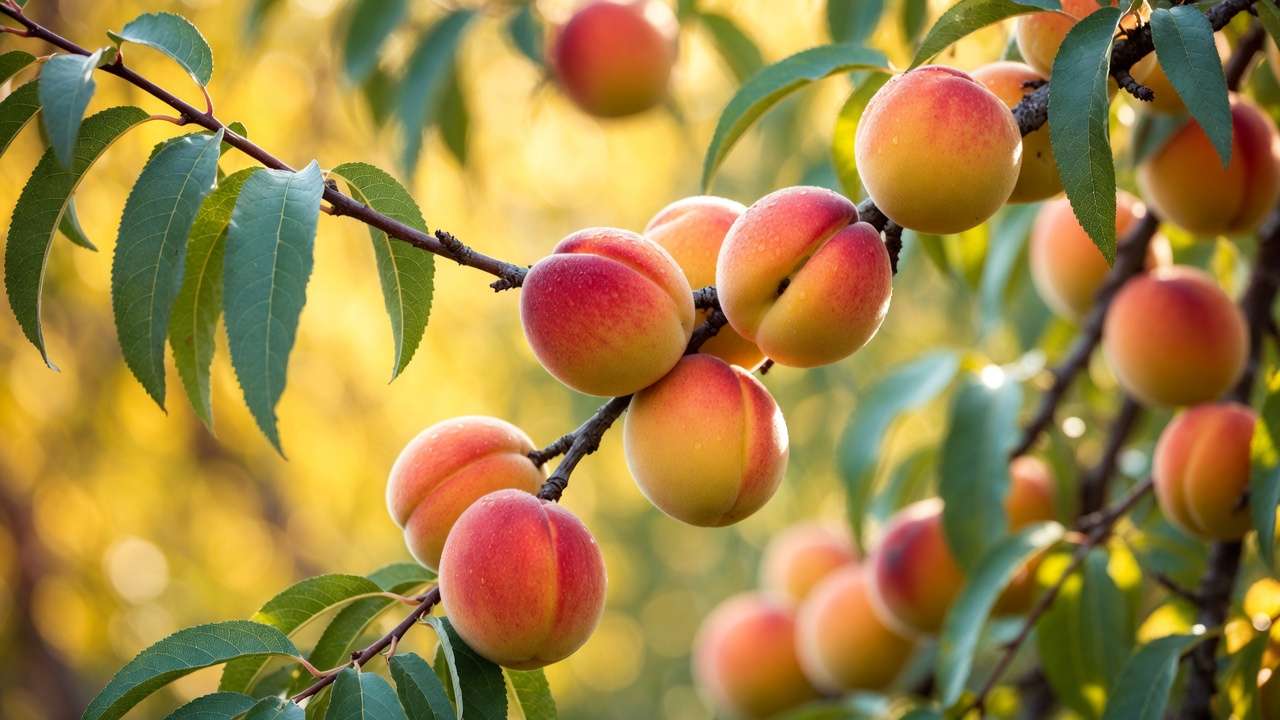
- Watch for maturity signs: The background color (under the red blush) shifts from green to yellow (yellow varieties) or creamy/white (white varieties).
- The fruit should separate easily from the stem with a gentle twist (freestone types) or show slight give.
- Harvest in the morning when cool to minimize field heat and bruising.
- Handle gently—use two hands and avoid dropping into buckets.
For store-bought or market peaches:
- Choose firm but fragrant fruits with vibrant color and no soft spots or wrinkles.
- Avoid overly green ones (they may not ripen fully) or very soft ones (already overripe).
Proper selection prevents early spoilage and sets you up for success in ripening and storage. Pro tip: Always prioritize bruise-free peaches—they last significantly longer! 🍑
Step 2: Ripening Peaches the Right Way (Without Speeding to Spoilage) 🕒
Many people rush ripening, but doing it thoughtfully preserves flavor and extends usability.
Standard room-temperature ripening:
- Place firm peaches stem-side down on the counter in a single layer, away from direct sun.
- Ideal spot: 68–77°F with good airflow.
- Check daily—they typically ripen in 1–3 days.
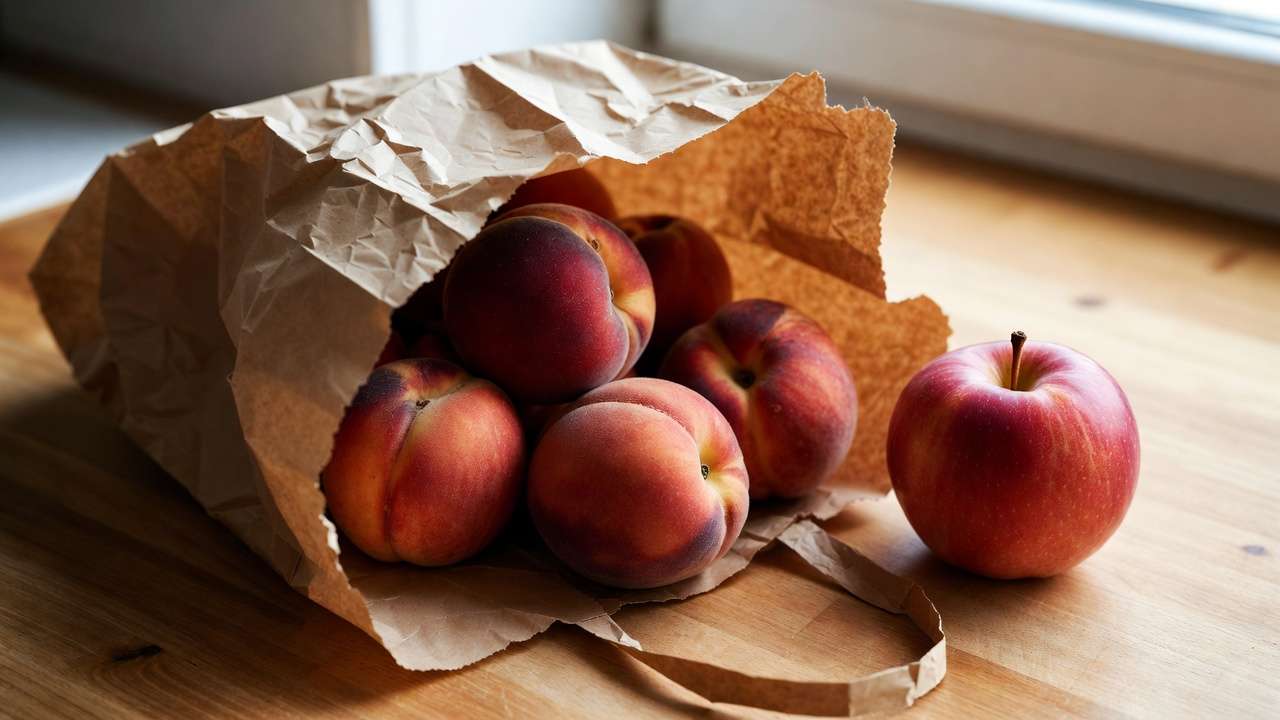
Paper bag method (for faster, even ripening):
- Put peaches in a brown paper bag (porous to allow some ethylene escape while trapping enough to speed things).
- Add an apple or banana for an ethylene boost 🍎🍌—this can cut ripening time to 1–2 days.
- Fold loosely and check every 12–24 hours to avoid over-ripening.
Avoid plastic bags—they trap too much moisture and ethylene, leading to mold faster.
Once they yield gently to pressure and smell sweetly fragrant, they’re at peak. Eat immediately or move to refrigeration. This careful ripening prevents the “all at once” spoilage wave that frustrates so many gardeners! 🌟
Step 3: Short-Term Storage – Keep Fresh Peaches for Days to a Week ❄️
Once your peaches reach that perfect ripe stage (gentle give when pressed, heavenly aroma), it’s time to slow things down without ruining the flavor. Refrigeration is your best friend here—but only for ripe fruit!
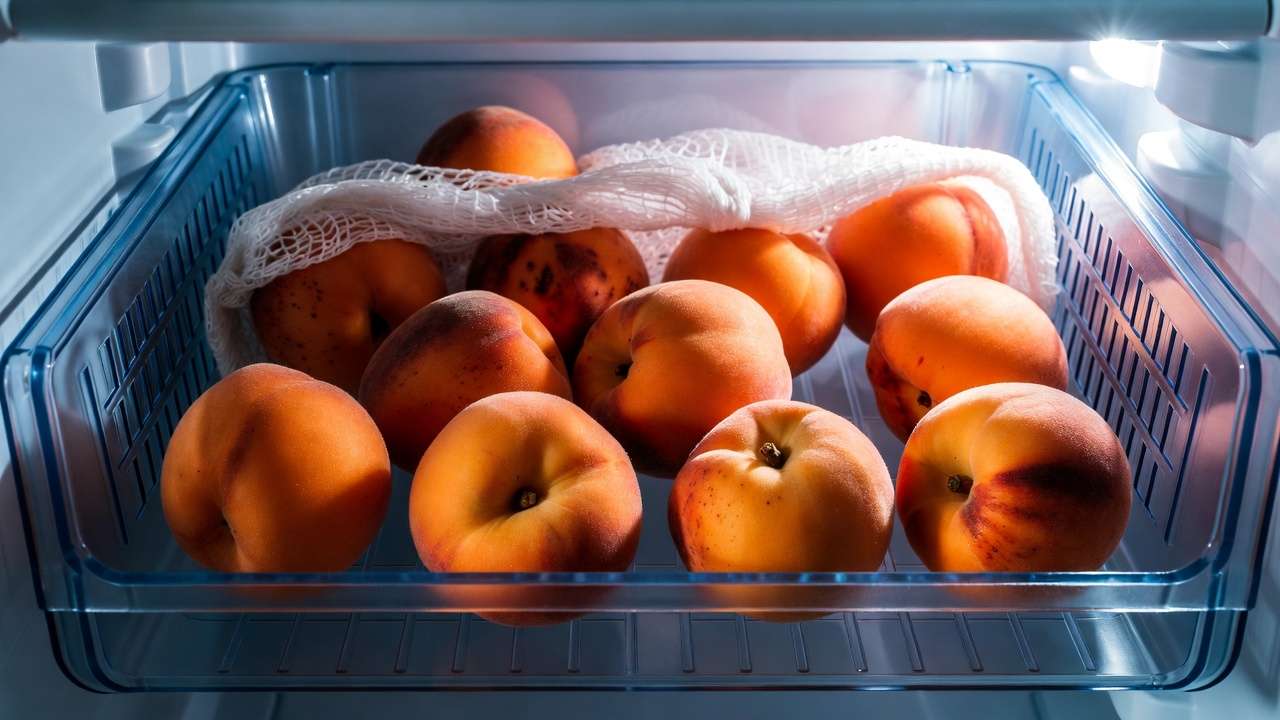
Refrigeration basics for peak freshness:
- Place ripe peaches in the crisper drawer of your refrigerator, where humidity is higher (around 90–95%).
- Use a breathable produce bag or perforated plastic bag to maintain moisture without trapping too much condensation (which leads to mold).
- Store them in a single layer, stem-side down, to minimize bruising and pressure points 🍑.
- Ideal temperature: 32–36°F (0–2°C) for maximum shelf life, but avoid the coldest spot near the back or vents.
How long can you expect?
- Ripe peaches in the fridge typically last 3–7 days, depending on variety and initial ripeness (yellow-fleshed often hold up better than white).
- Check daily—look for wrinkling, softening, or off odors as signs they’re past prime.
Avoid these common mistakes:
- Never refrigerate unripe peaches! They stop ripening properly and can become mealy or flavorless due to chilling injury (more on that below).
- Skip sealed plastic bags or airtight containers—excess moisture promotes mold growth.
- Don’t overcrowd—stacking causes bruising and faster ethylene buildup.
Quick comparison table (shelf life at different conditions):
| Storage Method | Temperature | Expected Shelf Life (Ripe Peaches) | Notes |
|---|---|---|---|
| Room temperature | 68–77°F | 1–3 days | Best for final ripening only |
| Refrigerator (crisper) | 32–36°F | 3–7 days | Ideal for short-term; prevents rapid decay |
| Too cold (below 32°F) | Near freezing | Variable | Risk of freezing damage |
Pro tip: Let refrigerated peaches sit at room temperature for 30–60 minutes before eating—the flavor pops much better when they’re not ice-cold! This simple step maximizes enjoyment while extending shelf life of peaches effectively.
Step 4: Advanced Fresh Storage Tricks for Extra Days ✨
For gardeners with bumper crops or anyone wanting to push beyond the basic week, try these expert-level techniques backed by university extension research (e.g., from UC Davis and UMD studies on chilling injury management).
Prevent chilling injury (CI): Peaches are chilling-sensitive fruits. Storing at 36–50°F (the “killing zone”) can cause mealy, woolly, or browning flesh once returned to room temp. Symptoms often show after cold storage.
- Store at near-freezing temps (32–34°F) instead—CI is minimized at true cold.
- Use preconditioning (delayed cooling): Hold freshly harvested peaches at 68°F (20°C) for 24–48 hours before refrigerating. This helps susceptible varieties (like many late-season ones) last longer without internal breakdown.
- Intermittent warming: Every 10–14 days, remove from cold storage and hold at room temp (68°F) for 1 day, then return to fridge. This resets the injury process for some cultivars.
Ethylene control:
- Use commercial ethylene absorbers (small packets available online) in your storage container to slow ripening.
- DIY option: Store away from high-ethylene producers like apples, bananas, or tomatoes.
Humidity sweet spot:
- Maintain 90–95% relative humidity in the crisper to prevent shriveling without excess moisture.
These methods can add several extra days to fresh storage—perfect for staggering your harvest enjoyment! 🌟
Step 5: Long-Term Preservation Methods – Enjoy Peaches Year-Round 🫙⛄
When fresh isn’t enough, preservation lets you savor tree-ripened peaches through winter. Here are the top methods, with detailed, safety-tested steps from sources like the National Center for Home Food Preservation (NCHFP/UGA) and university extensions.
Freezing Peaches (easiest, best flavor retention 🍦) Freezing preserves taste and texture closest to fresh. It’s the recommended method for white-fleshed peaches (due to low-acid concerns with canning).
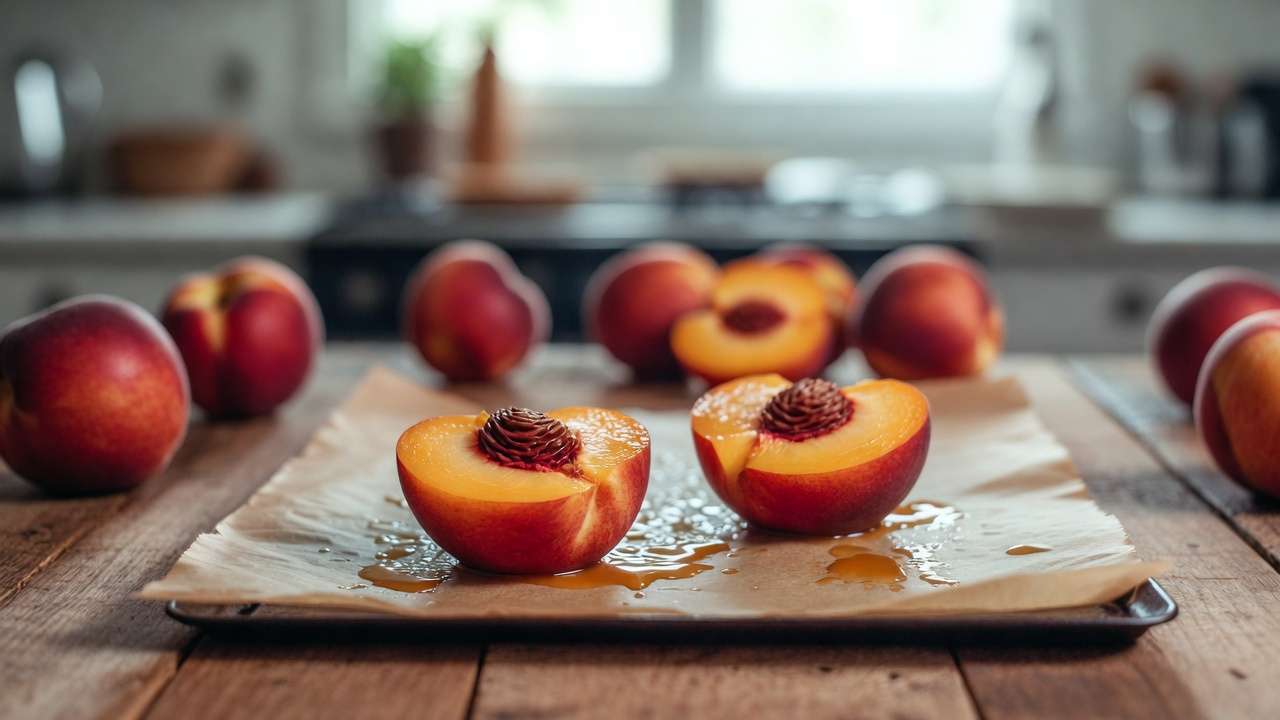
- Preparation: Select ripe, firm peaches. Wash, peel (blanch 30–60 seconds in boiling water, then ice bath for easy slip-off), pit, and slice/halve.
- Prevent browning: Soak slices in ascorbic acid solution (1 tsp crystalline ascorbic acid per gallon cold water) or lemon juice-water mix for 5–10 minutes. Drain well.
- Packing options:
- Syrup pack (best quality): Use 40% syrup (2¾ cups sugar + 4 cups water, chilled). Add ½ tsp ascorbic acid per quart syrup. Pack fruit in containers, cover with syrup, leave ½–1 inch headspace. Crumple wax paper on top to keep submerged.
- Sugar pack: Mix ⅔ cup sugar per quart fruit + ascorbic acid sprinkle.
- Unsweetened: Cover with water/juice + ascorbic acid.
- Flash freeze: For loose slices, spread on a baking sheet, freeze 2–3 hours, then transfer to bags/containers (prevents clumping).
- Storage: Seal, label, freeze at 0°F. Shelf life: 8–12 months for peak quality.
- Thaw in fridge or use frozen in smoothies/baking.
Canning Peaches (classic pantry staple 🏺) Only for yellow-fleshed varieties—do not can white peaches (low-acid; botulism risk per USDA/NCHFP guidelines). Use boiling water bath canner.
- Prep: Peel (blanch method), pit, slice/halve. Prevent browning with ascorbic soak.
- Syrup choices: Light (1½ cups sugar/quart water), medium, or juice pack for healthier.
- Hot pack (preferred): Simmer fruit in syrup 5 minutes, pack hot into jars, cover with hot liquid, ½ inch headspace.
- Raw pack: Pack raw fruit, add hot syrup/juice.
- Process: Pints/quarts 20–25 minutes in boiling water bath (adjust for altitude).
- Shelf life: 12–18+ months in cool, dark place (40–70°F ideal).
- Safety first: Follow current USDA/NCHFP recipes exactly.
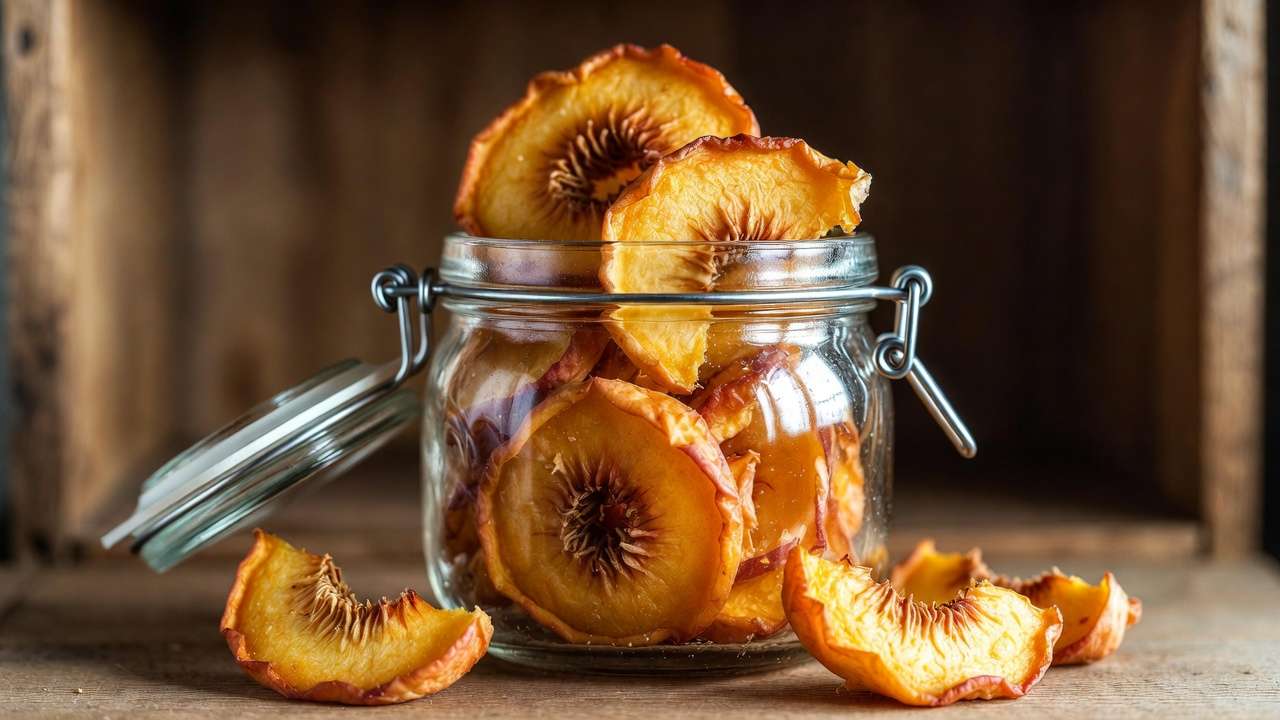
Dehydrating / Drying Peaches (space-saving, chewy snacks ☀️) Great for trail mix or baking.
- Prep: Peel (optional), slice ¼–½ inch thick. Pre-treat with ascorbic/lemon dip to prevent browning.
- Methods:
- Dehydrator: 135°F for 8–12 hours until leathery/pliable (no moisture when torn).
- Oven: Lowest setting (~170°F), door ajar, 6–12+ hours.
- Storage: Cool completely, store in airtight jars/bags. Shelf life: 6–12 months at room temp (longer if vacuum-sealed).
- Condition: Let dried fruit “condition” in jars for a week (shake daily) to equalize moisture.
Freeze-Drying (premium, crisp texture) If you have access to a home freeze-dryer, it yields light, crunchy peaches with excellent rehydration. Shelf life: Years when sealed.
Quick comparison chart:
| Method | Effort Level | Shelf Life | Best For | Notes |
|---|---|---|---|---|
| Freezing | Low | 8–12 months | Closest to fresh taste/texture | Ideal for white peaches |
| Canning | Medium | 12–18+ months | Pantry storage, ready-to-eat | Yellow only; boiling water bath |
| Dehydrating | Medium | 6–12 months | Snacks, compact storage | Chewy, great for baking |
| Freeze-Drying | High | Years | Crispy, lightweight | Equipment needed |
These methods turn a short-season harvest into year-round joy! 🍑
Bonus Tips & Common Mistakes to Avoid ⚠️
Even with the best methods, a few extra tricks and awareness of pitfalls can make a huge difference in successfully extending shelf life of peaches.
Helpful bonus tips:
- For cut peaches: Once sliced, toss immediately in a mixture of 1 tablespoon lemon juice per cup of water (or use Fruit-Fresh/ascorbic acid solution) to prevent enzymatic browning. Store in an airtight container in the fridge—use within 2–3 days for best texture.
- Rescue overripe peaches: Blend into smoothies, make peach salsa, bake into cobblers/crisps, or turn into quick jam/no-cook freezer jam. Nothing goes to waste! 🍑🥤
- Stagger consumption: Ripen small batches every few days using the paper bag method so you don’t end up with 20 ripe peaches at once.
- Eco-friendly waste reduction: Compost peels/pits (after removing any moldy bits), or use them to infuse water or make peach-pit vinegar for homemade shrubs.
- Label everything: When freezing or canning, always note the date and variety—helps you use oldest first.
Top 5 common mistakes (and how to fix them):
- Refrigerating unripe peaches → Results in mealy, flavorless fruit. Solution: Only chill when fully ripe.
- Storing in sealed plastic bags without ventilation → Traps moisture and ethylene → mold city. Use breathable bags or loose wrapping.
- Overcrowding the crisper drawer → Causes bruising and faster spoilage. Keep single layer whenever possible.
- Ignoring variety differences → White peaches are more delicate and prone to browning/CI. Prefer freezing over canning for whites.
- Forgetting to precondition late-season varieties → Leads to woolly texture after cold storage. Give them that 1–2 day room-temp hold first.
Avoid these, and your success rate skyrockets! 🌟
Expert Insights & Reader Q&A 💡
Drawing from decades of university extension research (University of Georgia, Oregon State, Utah State, Penn State, and the National Center for Home Food Preservation), here are some authoritative takeaways:
- Chilling injury is real and sneaky: Many gardeners blame “bad peaches” when it’s actually improper cold storage. Preconditioning and true low-temp storage (32–34°F) dramatically reduce incidence in susceptible cultivars.
- Myth busting: “Refrigeration ruins peach texture.” Partially true—only if you chill them while still unripe. Ripe peaches actually benefit from cold storage when done correctly.
- For home orchardists: Thin fruit early in the season for larger, higher-quality peaches that store better. Late-season varieties (e.g., ‘Elberta’, ‘Redhaven’ derivatives) often need more careful handling than early ones like ‘Cresthaven’.
- Sustainability angle: Proper storage and preservation cut household food waste (peaches are among the top-wasted fresh fruits) and maximize the yield from your tree-care efforts.
These insights come straight from peer-reviewed extension publications and tested home-preservation protocols—reliable, science-backed advice you can trust. 🍑📚
FAQs: Extending Shelf Life of Peaches ❓
Here are answers to the most common questions home gardeners and peach lovers ask:
How long do fresh peaches last at room temperature? Once fully ripe, only 1–3 days. Firm-ripe can last 4–7 days if kept cool and ventilated.
Can you freeze peaches with skins on? Yes! Many people prefer it for convenience and added fiber/nutrients. Blanching is optional—skins slip off easily after freezing if you want to remove them later. Just treat for browning as usual.
What’s the best way to prevent browning in frozen or cut peaches? Ascorbic acid (Fruit-Fresh or pure vitamin C powder) is most effective. Lemon juice works but can slightly alter flavor. Soak 5–10 minutes before packing.
How to tell if refrigerated peaches are still good? They should still have a sweet aroma (not fermented/alcoholic), no excessive wrinkling, no mold, and flesh that isn’t overly soft or discolored. Minor browning near the pit is normal in some varieties.
Is it safe to can white peaches? No—white-fleshed peaches are lower in acid and not recommended for water-bath canning without added acid (per current USDA guidelines). Freeze or dehydrate them instead.
Do ethylene absorbers really work for fresh storage? Yes, especially in larger quantities or mixed-fruit drawers. They can add 2–5 extra days by reducing ethylene levels.
Can I store peaches in the basement or garage? Only if you can maintain 32–40°F and high humidity (e.g., in a dedicated fruit cooler). Most home basements are too warm or dry.
What if my peaches are all ripening at once from the tree? Harvest slightly early (when background color just starts changing), ripen in small batches indoors, and preserve the rest via freezing/canning right away.
How do I revive slightly shriveled peaches? Soak in cold water for 30–60 minutes to rehydrate, then use immediately (great for cooking/baking).
These cover the majority of real-world scenarios you’ll encounter! ❓🍑
Conclusion 🌟
Mastering extending shelf life of peaches transforms a fleeting summer delight into months of enjoyment. Start by harvesting or selecting at peak maturity, ripen thoughtfully (paper bag trick included!), refrigerate ripe fruit properly to gain that crucial week, and lean on freezing, canning, or dehydrating when you want year-round access.
Whether you’re caring for a single backyard tree or managing a small orchard, these techniques reduce waste, honor your plant-care efforts, and keep that irresistible peach flavor in your kitchen far beyond the harvest season.
Ready to put these tips to work? Try one method this week—maybe freeze a batch or experiment with staggered ripening—and share your results in the comments below! What’s your favorite way to enjoy preserved peaches? Subscribe for more tree care and plant preservation guides so you never miss a tip. Happy peach preserving! 🍑🌸❄️🫙











