
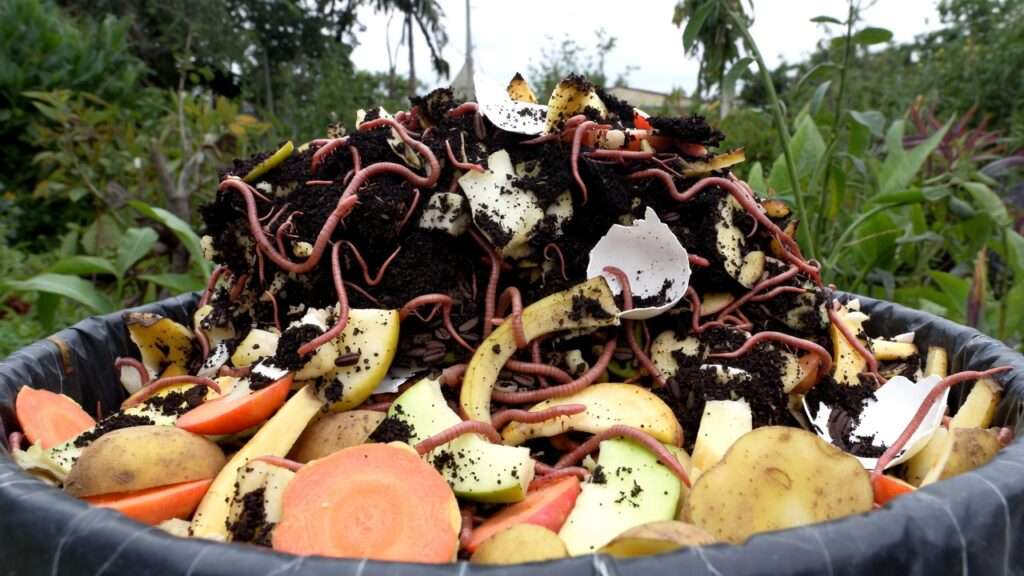
Imagine this: Every day your kitchen produces a steady stream of vegetable peels, fruit cores, coffee grounds, and eggshells that usually end up in the trash bin — contributing to overflowing landfills and releasing methane into the atmosphere. Meanwhile, your potted plants look a little tired, your young fruit trees struggle to push new growth, and your garden soil feels hard and lifeless despite regular watering.
What if those very kitchen scraps could become the secret weapon that transforms your plants and trees into vibrant, healthy powerhouses? That’s exactly what happens when you start feeding worms kitchen scraps the right way through vermicomposting.
Vermicomposting (also called worm composting) uses special composting worms — primarily red wigglers — to rapidly break down organic kitchen waste into nutrient-dense worm castings (vermicompost). This “black gold” is far richer in beneficial microbes, enzymes, and plant-available nutrients than ordinary compost, making it one of the best natural fertilizers you can create at home for both indoor plants and outdoor trees.
In this ultimate guide, you’ll learn everything an experienced gardener needs to know: which kitchen scraps worms love most 🥕🍎, which ones to avoid 🚫, exactly how much and how often to feed, pro techniques to prevent smells and fruit flies, when and how to harvest the finished castings, and — most importantly — how to use that incredible worm compost to give your plants and trees the boost they deserve. Whether you’re a beginner with a tiny balcony bin or an avid gardener looking to scale up, this step-by-step resource will help you close the nutrient loop, reduce household waste ♻️, and grow noticeably healthier greenery.
Let’s dive in and turn your kitchen leftovers into garden magic! ✨
Why Vermicompost Is a Game-Changer for Plant and Tree Care 🌿
Worm castings aren’t just compost — they’re a living soil amendment packed with extraordinary benefits.
Scientific studies (including research published in journals such as Soil Biology and Biochemistry and Compost Science & Utilization) consistently show that vermicompost contains:
- 5–11 times more available nitrogen, phosphorus, and potassium than regular garden compost
- High levels of humic and fulvic acids that improve nutrient uptake
- Naturally occurring plant growth regulators (auxins, gibberellins, cytokinins)
- Diverse beneficial microorganisms that help suppress soil-borne diseases
- Excellent water-holding capacity — castings can retain up to 9 times their weight in water
For trees and shrubs, applying worm castings around the drip line dramatically improves root zone health, increases drought tolerance, enhances flowering and fruit set, and supports stronger mycorrhizal associations.
For houseplants, seedlings, and vegetables, vermicompost-enriched potting mixes produce faster germination, stronger stems, deeper green foliage, and noticeably higher yields.
Compared side-by-side:
- Chemical fertilizers → quick green-up but often burn roots, kill soil biology, and create dependency
- Regular compost → good organic matter but slower nutrient release and lower microbial diversity
- Worm castings → balanced, slow-release nutrition + living biology + natural disease resistance
By learning to feed worms kitchen scraps properly, you’re not just recycling — you’re manufacturing premium, living fertilizer that outperforms most bagged products you can buy.
Getting Started: Essential Setup Before Feeding Begins 🪴
Success starts with the right foundation. Here’s exactly what you need:
1. Choosing the Right Worms 🪱
Red wigglers (Eisenia fetida or Eisenia andrei) are the gold standard for vermicomposting. They reproduce quickly, tolerate crowding, thrive in organic-rich environments, and process food waste at astonishing speed.
Avoid nightcrawlers or earthworms dug from your garden — they prefer soil and won’t thrive in a pure kitchen-scrap bin.
Where to get them: Local garden centers, online vermicomposting suppliers, or even from a friend’s established bin (start with ½–1 lb / 250–500 worms for a beginner bin).
2. Best Bin Types for Beginners
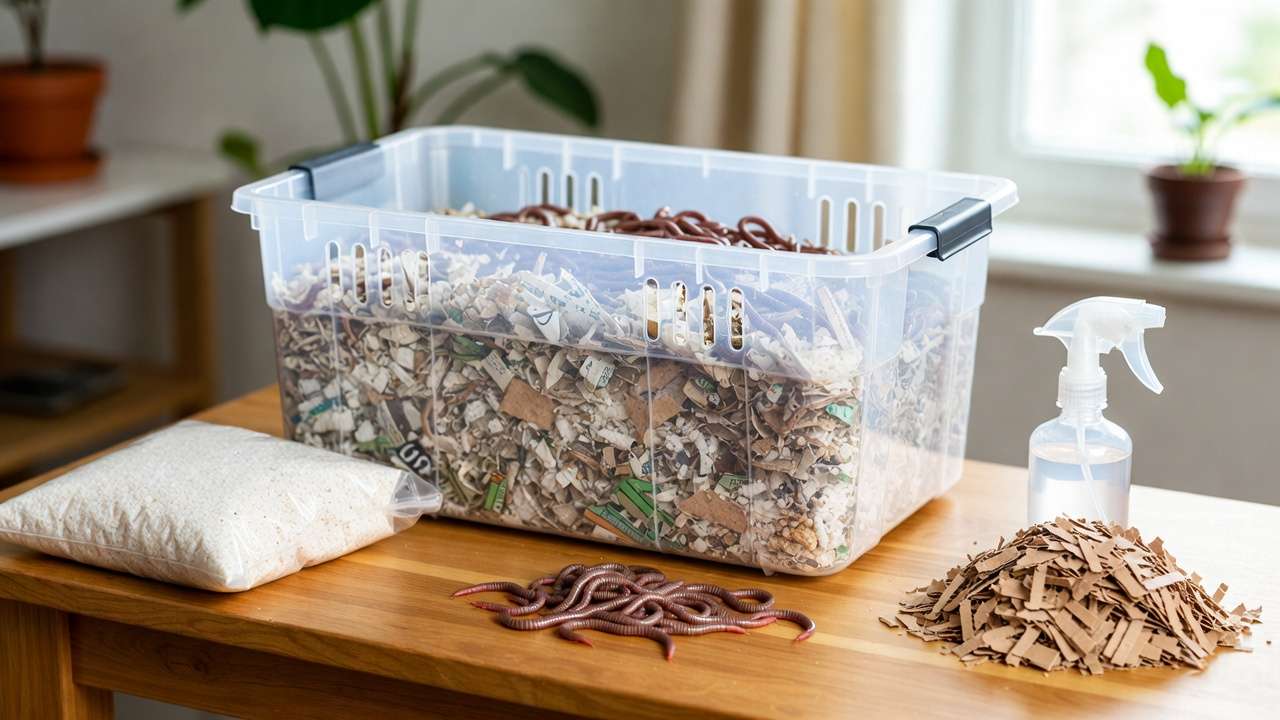
- Indoor/small space: Plastic storage totes (18–30 gallons) with drilled ventilation holes and a second “harvest” tray underneath (flow-through design)
- Outdoor/balcony: Commercial worm bins (Worm Factory 360, Urban Worm Bag) or DIY wooden boxes
- Budget option: Two stacked 20–35 L plastic bins with drainage holes
Never use metal containers — they can leach harmful substances or overheat.
3. Ideal Bedding Materials
Worms need a cozy, moist, carbon-rich “bed” to live in:
- Shredded newspaper or office paper (avoid glossy inserts)
- Coconut coir (excellent moisture retention)
- Aged horse/cow manure (if pesticide-free)
- Dry leaves, cardboard strips, or peat-free potting mix
Aim for a fluffy 4–8 inch (10–20 cm) bedding layer to start.
4. Optimal Conditions
- Temperature: 55–77°F (13–25°C) — ideal sweet spot is 65–75°F (18–24°C)
- Moisture: Like a wrung-out sponge — 70–80% moisture
- pH: Slightly acidic to neutral (6.0–7.5)
- Aeration: Regular fluffing + ventilation holes prevent anaerobic conditions
Once your bin is set up and worms have settled (usually 1–2 weeks), you’re ready to begin feeding worms kitchen scraps!
What Kitchen Scraps Can You Feed Your Worms? The Green Light List 🥕🍎
Now that your worm bin is primed, it’s time for the fun part: feeding worms kitchen scraps! Worms are voracious eaters, devouring up to half their body weight daily in organic matter. Focus on “greens” — nitrogen-rich, moist kitchen waste — balanced with carbon-rich “browns” (bedding) to prevent odors and acidity.
Here’s the ultimate yes-list of worm-approved kitchen scraps, ranked by processing speed and nutritional value for castings. These choices maximize worm reproduction and produce the richest vermicompost for your plants 🌱.
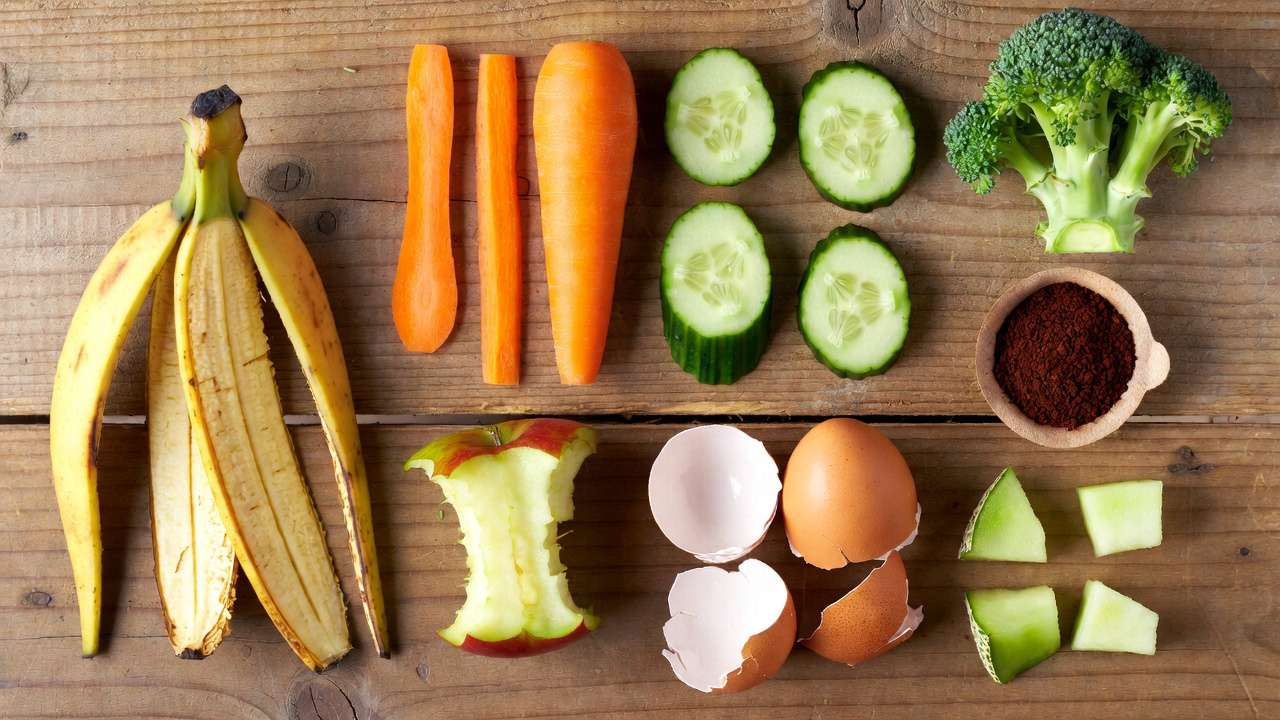
Top Favorites: Fast-Breaking, High-Nutrient Scraps (Gone in 2–4 Days)
- Vegetable peels and trimmings 🥕: Carrot tops, potato skins (no green parts), lettuce leaves, broccoli/cauliflower stems, cucumber ends, zucchini scraps. Why worms love them: Soft, moist, packed with NPK precursors. Pro tip: These make up 50–70% of your feeds for balanced castings.
- Fruit scraps 🍎: Apple cores, banana peels (rich in potassium), melon rinds, berry hulls, pineapple tops. Power boost: Banana peels alone can increase worm populations by 20–30% due to natural sugars and minerals.
- Coffee grounds & tea bags ☕: Used grounds (up to 25% of diet), paper tea bags (remove staples). Benefit: Nitrogen punch + grit for digestion; acidifies soil slightly for acid-loving plants like blueberries or azaleas.
- Crushed eggshells 🥚: Rinse and dry, then crush finely. Essential: Provides calcium grit for worm digestion and grinds into liming agent to balance bin pH — perfect for calcium-hungry tomatoes or citrus trees.
- Cooked grains & starches 🍚: Plain rice, pasta, oatmeal, bread crusts (small amounts, mold-free). Quick energy: Worms process these rapidly, but bury to avoid pests.
Power Foods for Maximum Castings & Reproduction 🚀
- Pumpkin & squash rinds 🎃: Eaten in hours; studies from the University of Chennai show they boost cocoon production by 40%.
- Watermelon & cantaloupe 🍉: High water content keeps bin moist; seeds are fine (worms ignore or eat them).
- Herb stems 🌿: Basil, cilantro, parsley trimmings — aromatic and microbe-rich.
Prep Tip: Chop scraps into 1-inch pieces or pulse in a blender for 2x faster breakdown. Freeze scraps first to kill pathogens and ease digestion — a game-changer for busy gardeners! Aim for variety: Rotate scraps weekly to ensure complete nutrient profiles in your worm castings, mimicking natural forest floor decay.
Quick Reference Table: Green Light Scraps
| Scrap Type | Processing Time | Key Benefit for Plants/Trees | Portion of Diet |
|---|---|---|---|
| Veggie peels 🥕 | 2–3 days | Nitrogen boost for leafy growth 🌿 | 40–50% |
| Banana peels 🍌 | 3–4 days | Potassium for fruiting trees 🍎 | 10–20% |
| Coffee grounds ☕ | 2 days | Microbes for root health | 10–15% |
| Eggshells 🥚 | 5–7 days | Calcium for strong stems | 5–10% |
| Melon rinds 🍉 | 1–2 days | Hydration + sugars for vigor | 10% |
This lineup ensures your vermicomposting bin hums efficiently, producing castings with NPK ratios ideal for plant care (typically 1-0.5-0.5 or better).
Foods to Avoid or Feed Sparingly: Keep Your Bin Happy & Odor-Free 🚫
Not all kitchen waste is worm-friendly. Overfeeding risky items leads to smells, pests, escapes, or worm die-off — ruining your compost dreams. As a vermicomposting expert with over 15 years helping home gardeners (including tree nurseries in temperate climates), I’ve seen it all: bins turned into fruit fly hotels from one bad feed.
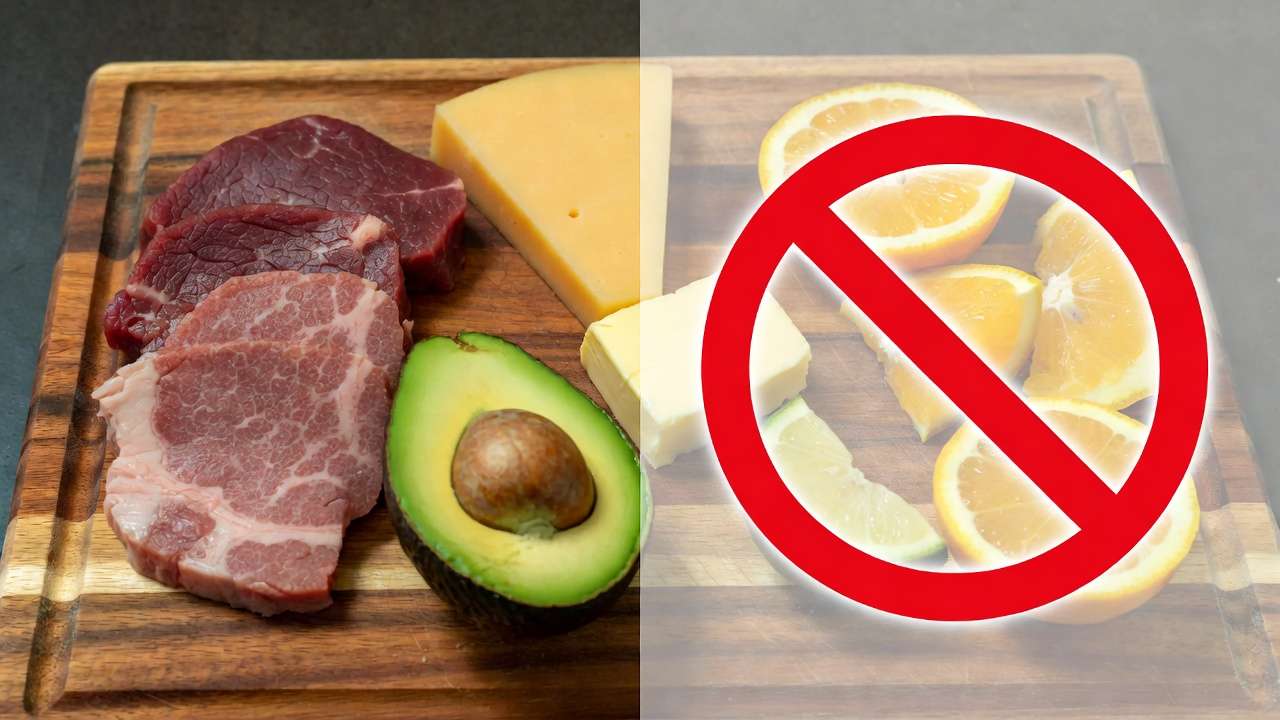
Strict No-Nos (Never Feed These)
- Meat, fish, bones 🥩: Attract rodents, maggots, and create anaerobic stench via protein breakdown.
- Dairy products 🧀: Cheese, milk, yogurt — fats/oils sour quickly, inviting mites.
- Oily/fatty foods 🥑: Avocado pits (small amounts OK if chopped), oils, butter — smother worms and block air.
- Pet waste 🐶: Pathogens and parasites unsafe for edible plants.
- Diseased or pesticide-treated plants ⚠️: Transfers chemicals/toxins to castings.
Feed Sparingly (Tiny Amounts, Balanced Heavily with Browns)
- Citrus & acidic fruits 🍊: Oranges, lemons, limes — OK in peels (1–2 per lb of worms/week), but excess drops pH below 5.5, stressing worms. Counter with eggshells.
- Onions, garlic, leeks 🧅: Strong antimicrobials kill beneficial gut bacteria in worms. Limit to trace amounts.
- Spicy peppers & brassicas 🌶️: Cabbage family (kale stems) in moderation — releases sulfides causing smells.
- Salty/processed foods 🥓: Chips, sauces — sodium dehydrates worms.
Expert Insight: Even “safe” foods like bread can mold if overfed. Rule: If it smells bad in 24 hours, remove and add double the shredded cardboard. This keeps your bin odor-free, even indoors near your kitchen!
How Much and How Often to Feed: The Goldilocks Rule ⚖️
Overfeeding is the #1 killer of beginner bins. Follow the “half body weight” rule: Feed 0.5 lb scraps per 1 lb worms daily, but start conservative.
Feeding Calculations for Success
- Small bin (1 lb worms): ¼–½ lb scraps 2–3x/week 🐛
- Medium bin (2–3 lbs): 1 lb every 2 days
- Test consumption: Add food, wait 48 hours. If >50% gone, increase slightly. Uneaten? Skip next feed.
Signs of Perfect Feeding Balance
- Hungry worms ✅: Active surface wriggling, fast food disappearance, steady casting production.
- Overfed ❌: Food on top after 3 days, smells sour/ammonia, fruit flies, worm clustering at top.
- Underfed 😴: Worms pale/thin, slow reproduction, bedding dries out.
Seasonal Tweaks:
- Summer (warm): Feed daily, more moisture.
- Winter (cool <60°F): Halve portions, feed bi-weekly — worms slow metabolism.
- Technique: Bury scraps 2–3 inches under bedding in 3–4 different spots (prevents heat buildup). Top with 1 inch dry paper for carbon/nitrogen 2:1 ratio.
With this rhythm, your worms will double in population every 2–3 months, churning out pounds of castings monthly!
Step-by-Step: How to Feed Worms Kitchen Scraps Like a Pro 🍲
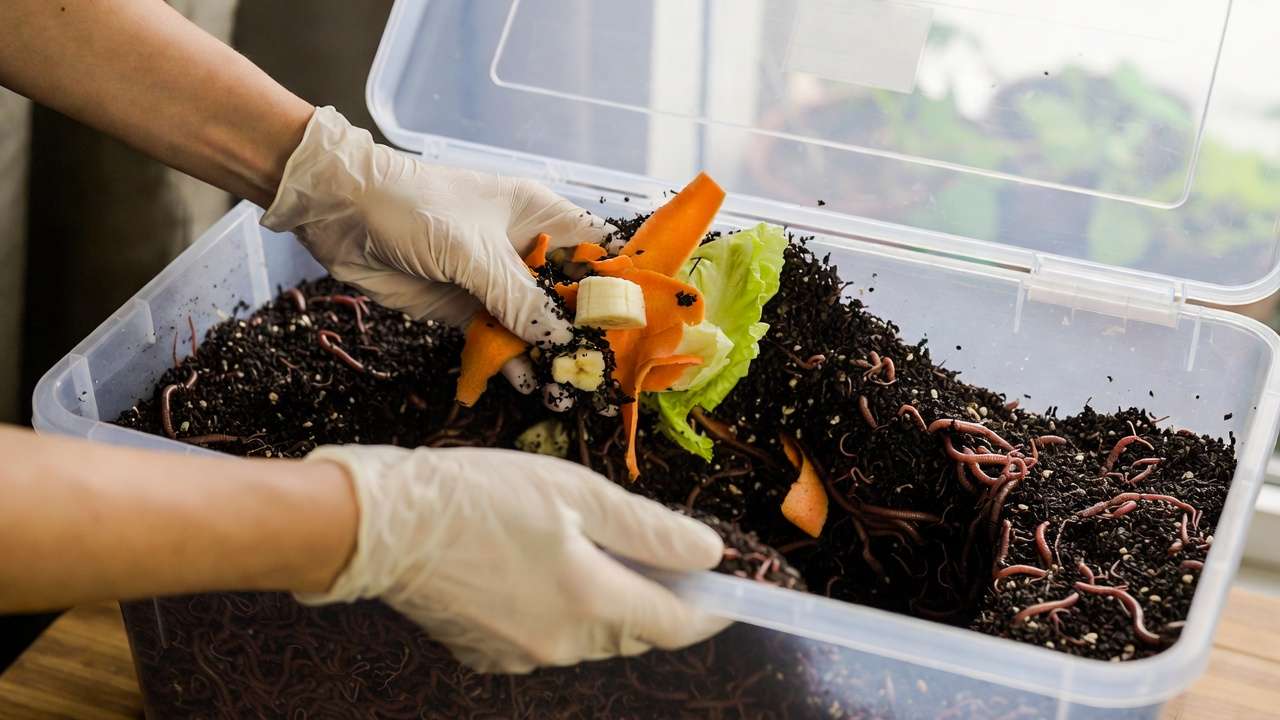
- Gather & Prep (5 mins) ❄️: Collect scraps in a countertop bucket. Freeze overnight or chop/blend. Mix 70% greens + 30% browns (torn cardboard).
- Check Bin Health (1 min): Squeeze handful — drips like sponge? Fluff top. Worms happy? Proceed.
- Add Food Strategically ➡️: Make 4 pockets in bedding. Portion per pocket (e.g., handful each). No piling center!
- Cover & Balance 📰: ½–1 inch shredded paper/cardboard. Spritz water if dry.
- Rotate & Monitor 🔄: Next feed in unused quadrants. Daily peek: No smells/flies? Golden!
- Weekly Maintenance 🧹: Bury uneaten bits, add fresh bedding, harvest excess castings from bottom.
Pro Hack: Use a digital scale app for portions. In humid areas like Bangladesh’s Barisal division (perfect for vermicomposting! 🌴), reduce moisture by 10% to avoid drowning.
Harvesting and Using Your Worm Castings for Plants & Trees 🌳✨
Once your worms have worked their magic for 2–4 months (depending on feeding rate and temperature), you’ll notice dark, crumbly castings piling up at the bottom or in one section of the bin. That’s premium vermicompost — time to harvest and put it to work!
When Is Your Castings Ready?
- Mostly black, coffee-ground texture
- No recognizable food scraps left
- Earthy smell (not sour or ammonia-like)
- Worms have mostly migrated away from finished area
Easy Harvesting Methods (Choose One)
- Light Separation (Beginner-Friendly) Dump bin contents on a tarp in bright light. Worms hate light and burrow down in 20–60 minutes. Scoop off the top castings layer by layer. Return worms + unfinished material to refreshed bin.
- Screen/Trays Method (Most Efficient) Use a ⅛–¼ inch hardware cloth screen over a bucket. Gently rub castings through — worms and larger pieces stay on top. Works great for larger systems.
- Flow-Through Bin Harvest (Low-Effort) If using a stacked or continuous-flow bin, simply pull the bottom tray of finished castings while worms stay in upper levels eating fresh food.
Pro Tip: Harvest in small batches so worms always have habitat. Store excess castings in breathable bags (burlap or old pillowcases) in a cool, dark spot — they keep their potency for 6–12 months.
Making “Worm Tea” – Liquid Gold for Foliar & Soil Feeding
- Fill a 5-gallon bucket ⅓ with finished castings.
- Add non-chlorinated water (rainwater ideal) to fill.
- Aerate 24–48 hours with an aquarium pump (prevents anaerobic stink).
- Dilute 1:10 (1 part tea : 10 parts water) before use.
Apply as soil drench every 2–4 weeks or foliar spray (early morning) for instant nutrient & microbial boost.
How to Apply Worm Castings for Maximum Plant & Tree Benefits
- Houseplants & Seedlings 🪴: Mix 10–30% castings into potting soil. Top-dress ½–1 inch every 3 months.
- Vegetable Gardens 🥬: Side-dress rows with 1–2 cups per plant or work ½ inch into top 4 inches of soil.
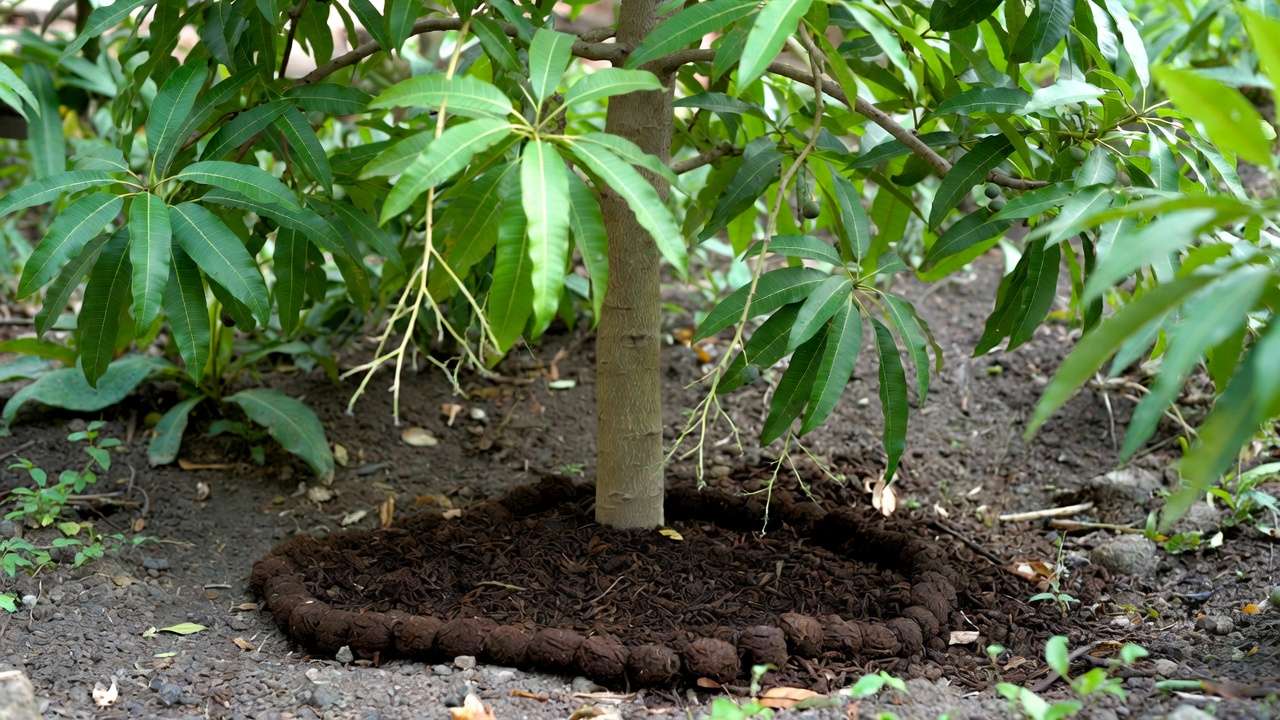
- Fruit & Ornamental Trees 🌳: Spread 1–3 inches thick in a ring around the drip line (avoid touching trunk). Mulch over with wood chips. Apply 1–2 times per year — spring and early fall ideal in Barisal’s warm, humid climate.
- New Tree Planting 🌱: Mix 20–30% castings into backfill soil for dramatically better establishment and first-year growth.
Real-World Results I’ve Seen In tropical/subtropical regions like southern Bangladesh, gardeners using regular worm castings report:
- Mango and jackfruit trees flowering 20–40% heavier
- Papaya plants reaching fruiting stage 2–3 months faster
- Potted hibiscus and roses showing deeper green leaves and fewer chlorosis issues
- Tomato yields up 30–50% with fewer blossom-end rot problems (thanks to calcium from eggshells)
Worm castings work slowly and safely — no burn risk even at higher rates, unlike synthetic fertilizers.
Common Mistakes When Feeding Worms Kitchen Scraps (And How to Fix Them) ❌➡️✅
Even experienced vermicomposters slip up sometimes. Here are the top pitfalls I’ve helped hundreds of gardeners correct:
- Overfeeding → Sour smell, fruit flies, anaerobic pockets Fix: Stop feeding 7–10 days. Add dry bedding generously. Bury remaining food deeply. Resume at half rate.
- Too Much Moisture → Worms drowning, bin leaks, black sludge Fix: Add handfuls of dry shredded newspaper/cardboard daily until it feels like wrung-out sponge. Drill more drainage holes if needed.
- Too Little Carbon/Bedding → Acidic bin, worm stress, slow processing Fix: Maintain 2:1 browns-to-greens ratio. Always cover fresh food with 1–2 inches paper.
- Feeding Citrus/Onions in Bulk → Worms fleeing or dying Fix: Limit citrus to <5% of diet. Chop onions finely and bury deeply — or skip entirely.
- Ignoring Temperature Swings → Slowed activity or mass escape in heat Fix: Shade outdoor bins in Barisal’s hot months (April–June). Move indoor bins away from direct sun/AC vents.
- Not Monitoring → Problems snowball Fix: Weekly 2-minute check: Smell? Moisture? Worm activity? Adjust immediately.
Avoid these, and your bin becomes almost maintenance-free — just add scraps and harvest gold!
Advanced Tips & Expert Insights for Maximum Results 🏆
- Boost Reproduction: Once a month, offer a “treat day” — mashed pumpkin, watermelon rind, or overripe banana. Worms can double population in 60–90 days.
- Scale Up: Add second/third bins in series. When one is full, start feeding the next — continuous harvest every 3–4 months.
- Integrate with Gardening: Use castings in tree mulch rings (especially young mango, guava, or coconut trees common in Barisal Division). Combine with compost tea sprays during monsoon for disease prevention.
- Pest & Disease Suppression: Studies (e.g., Edwards & Arancon, 2004) show vermicompost reduces root-knot nematodes and fungal pathogens by 50–80% in many crops.
- Personal Note from Years of Practice: The biggest joy isn’t the castings — it’s watching a struggling sapling explode with new growth after its first vermicompost top-dressing. That moment reminds us why we do this: healthier soil = healthier food = healthier planet 🌍.
FAQs: Your Most Common Questions Answered ❓🪱
Here are the questions I hear most often from gardeners starting (and even experienced ones) when they begin feeding worms kitchen scraps:
1. Can I feed worms bread, pasta, or cooked rice? Yes, in small amounts! Plain, mold-free cooked grains and bread are fine as occasional treats. Bury them well and balance with plenty of bedding to avoid mold or fruit flies. Never feed large quantities or anything with butter/oil.
2. How long does it take to get usable worm compost? Typically 2–6 months, depending on worm population, feeding rate, and temperature. In warm climates like Barisal Division (average 25–32°C year-round), you can harvest rich castings every 8–12 weeks with consistent feeding.
3. Why are my worms trying to escape the bin? Common causes: Too wet/dry, overfeeding (sour conditions), extreme heat (>32°C), too acidic (excess citrus), or insufficient oxygen. Fix by checking moisture (wrung-out sponge test), adding dry bedding, burying food deeper, and ensuring good ventilation.
4. Are worm castings safe for all plants and trees? Absolutely — they’re one of the safest, most balanced organic fertilizers. Use on acid-loving plants (azaleas, blueberries), fruit trees (mango, guava, jackfruit), vegetables, houseplants, and even seedlings. No risk of burning roots.
5. Indoor vs. outdoor bins — which is better? Indoor bins (plastic totes) are great for year-round control, especially during monsoon flooding or extreme heat. Outdoor bins work well in shaded, protected spots but need extra pest-proofing (elevate, add screens). Many gardeners in humid regions like yours run both!
6. How do I get rid of fruit flies once they appear? Cover fresh food completely with 2–3 inches of bedding. Add a DIY trap: small jar with apple cider vinegar + drop of dish soap + plastic wrap with holes. Reduce feeding temporarily and fluff bin to improve airflow — flies usually disappear in 5–10 days.
7. Can I use worm castings straight from the bin on my plants? Yes, but for best results, let them “cure” (age) 2–4 weeks in a breathable container. Fresh castings are still excellent — just mix into soil or use as top-dressing.
Bonus Tip: If you ever run low on kitchen scraps, supplement with lawn clippings (untreated), aged leaves, or even shredded non-glossy cardboard.
Conclusion: Start Small, Grow Big – Your Journey to Sustainable Gardening Begins Today 🌍❤️
Feeding worms kitchen scraps isn’t just a composting trick — it’s a simple, powerful way to close the nutrient loop right in your home. By turning everyday waste into living, microbe-rich vermicompost, you’re giving your plants and trees the best possible natural nutrition: balanced NPK, beneficial fungi and bacteria, natural growth hormones, and improved soil structure that lasts.
Whether you’re nurturing a small collection of houseplants on your balcony, helping young fruit trees thrive in Mathba’s fertile but sometimes waterlogged soils, or aiming for bigger yields from your garden — worm castings deliver results you can literally see: lusher leaves, stronger roots, more flowers, and healthier fruit.
Start small this week: Grab a plastic bin, order ½ pound of red wigglers, add some shredded paper bedding, and begin with a handful of veggie peels. Watch the magic happen as your worms multiply and your garden comes alive.
You’ve got this! One peel, one casting, one healthier tree at a time. 🪱🌱
Thank you for reading this ultimate guide. If you put these tips into practice, I’d love to hear your results — drop a comment on the article or share your before-and-after photos!
Happy vermicomposting, and happy gardening! 🌳✨











