
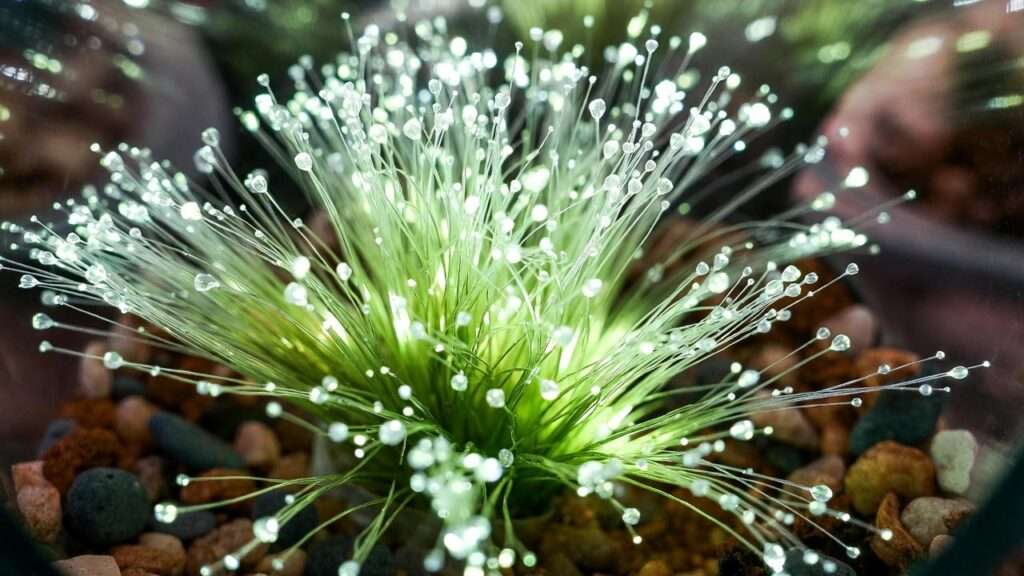
Imagine walking into a room and seeing hundreds of tiny green fiber-optic lights gently swaying, each tip glowing like a fairy-lit firefly. No electricity, no bulbs — just a living, breathing plant that looks like it escaped from a dream. That’s the magic of the fiber optic grass plant (Isolepis cernua), and right now it’s one of the most coveted houseplants on Instagram, TikTok, and Pinterest for good reason.
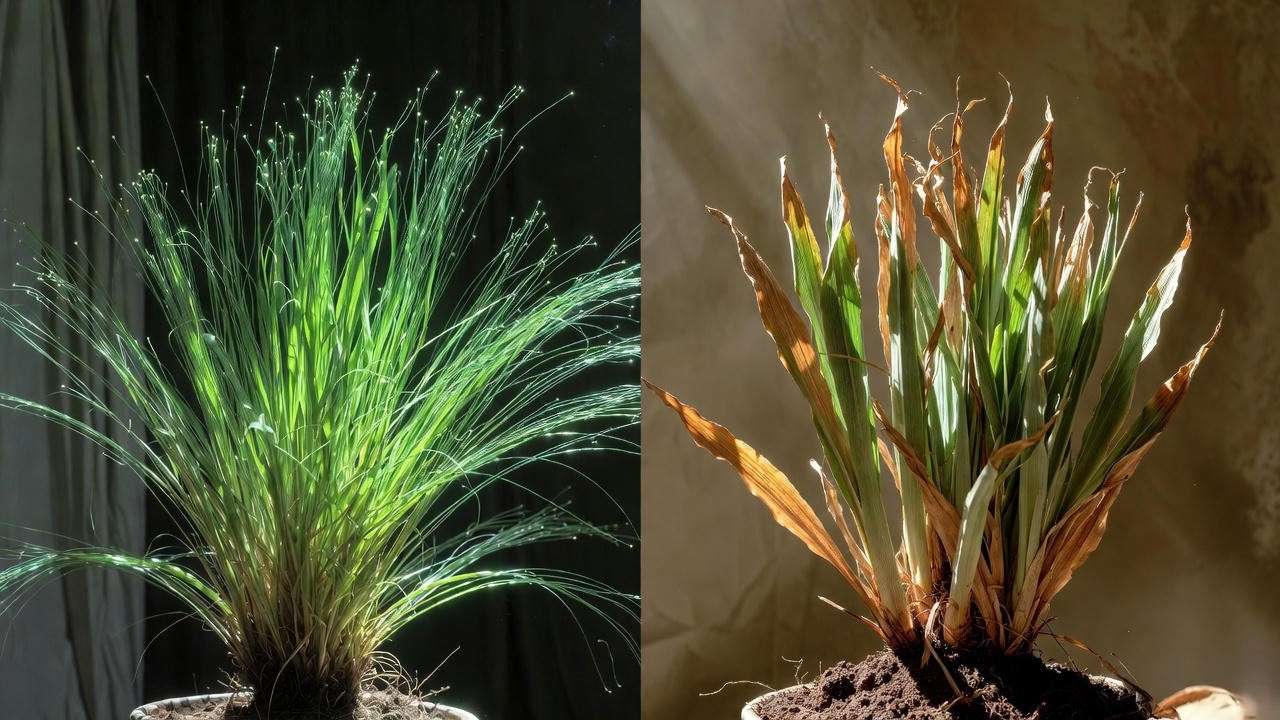
But here’s the harsh truth: 9 out of 10 people who bring this beauty home watch it slowly turn brown and collapse within weeks. I’ve been growing fiber optic grass successfully for over ten years (my oldest specimen is a 7-year-old glowing monster), and I’m going to hand you the exact playbook that keeps mine thriving while everyone else’s dies. By the time you finish this guide, you’ll know precisely how to grow a lush, glowing mound that lasts for years — even if you’ve killed every plant you’ve ever owned. 🌱✨
Let’s turn you into a fiber optic grass wizard.
What Exactly Is Fiber Optic Grass? (The Plant Behind the Magic) 🌟
Botanical name: Isolepis cernua (formerly Scirpus cernuus) Family: Cyperaceae (the sedge family — yes, it’s technically a sedge, not a true grass)
Native to cool, wet places across Europe, Australia, New Zealand, and parts of Africa, this little marvel grows naturally along riverbanks and swamp edges. In the wild, it forms shimmering emerald carpets that reflect sunlight like strands of living fiber-optic cable.
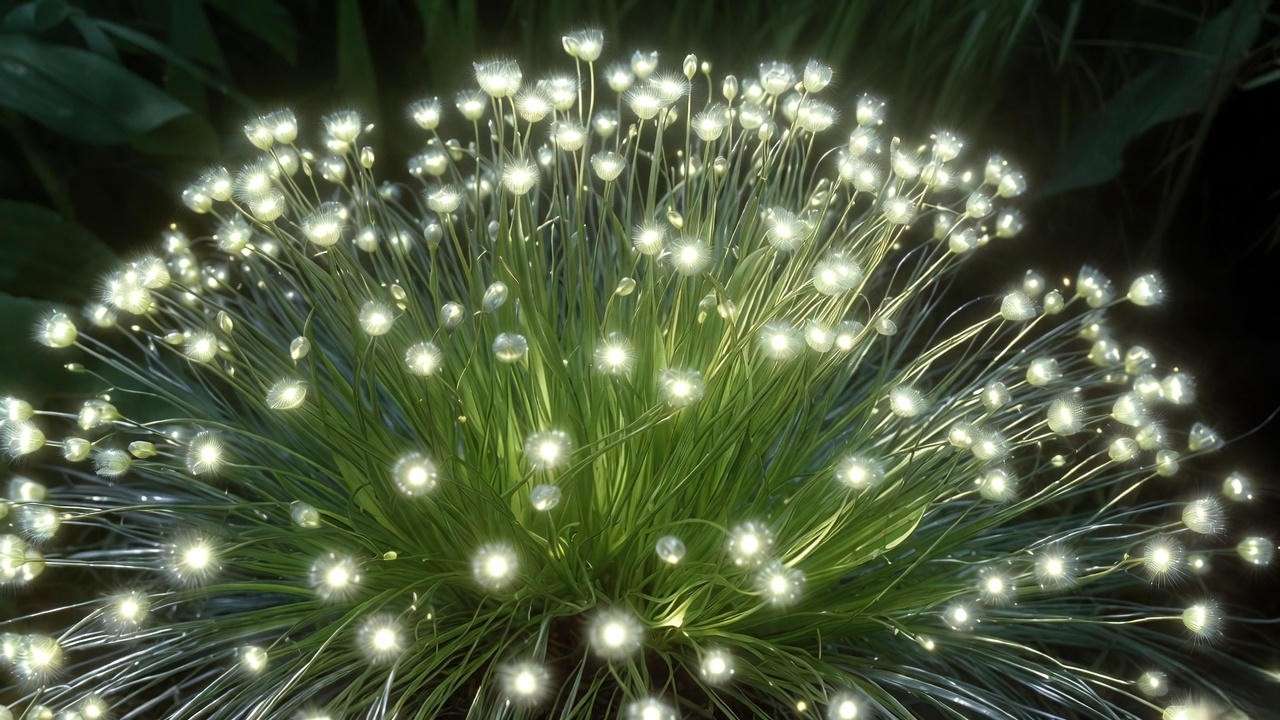
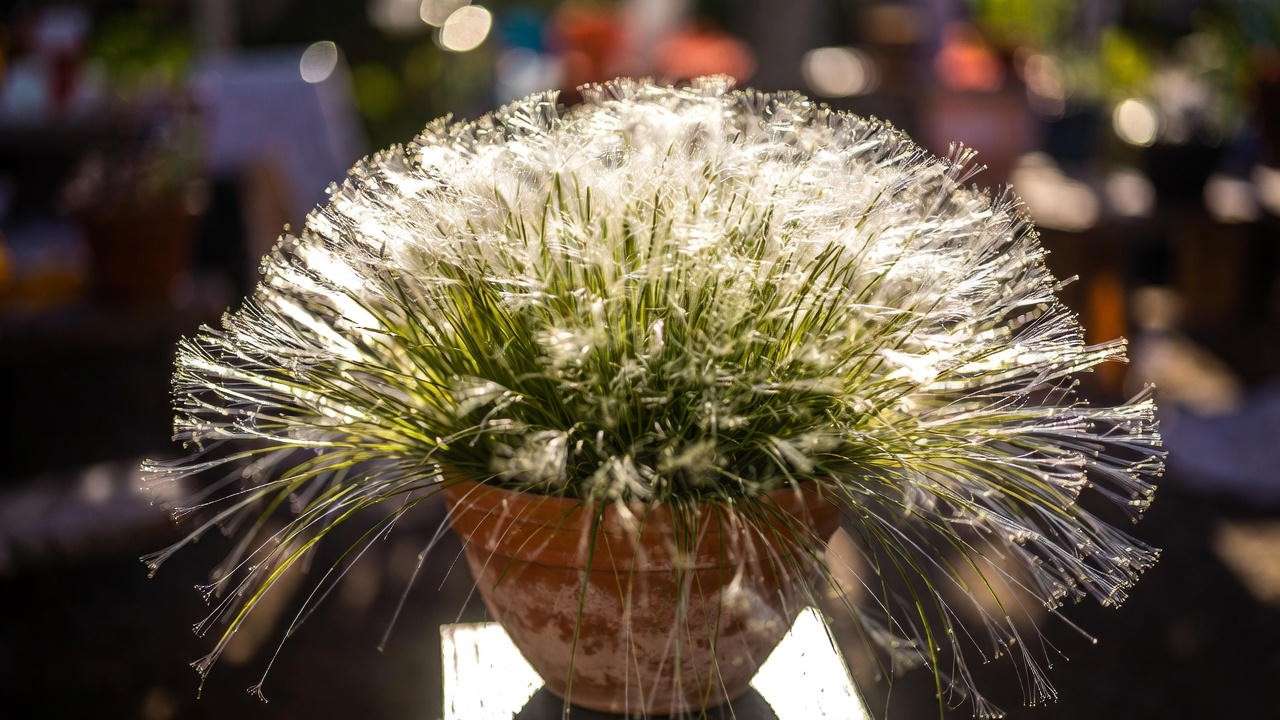
The “glow” comes from tiny bead-like flower heads at the end of each thread-thin leaf. When light hits them, they sparkle and refract, creating that signature fairy-light effect everyone loses their mind over. Other adorable nicknames include:
- Live Fiber Optics
- Fairy Lights Plant
- Glow Grass
- Mini Papyrus (though it’s not related)
Why Fiber Optic Grass Is the Perfect Statement Houseplant in 2025 🏡
2024–2025 plant trend reports from Pinterest and Google both show searches for “fiber optic grass plant” up over 400 % year-over-year. It’s not hard to see why:
- Fits perfectly in biophilic, cottagecore, and maximalist interiors
- Ideal size for shelves, bathrooms, terrariums, and fairy gardens
- Completely non-toxic to cats and dogs (ASPCA-approved) 🐱🐶
- Proven air-purifying qualities (removes benzene and formaldehyde)
- Low-allergen and kid-safe
Quick Comparison Table: Fiber Optic Grass vs. Lookalikes
| Plant | Light Tolerance | Water Needs | Pet Safe | “Glow” Effect |
|---|---|---|---|---|
| Fiber Optic Grass | High | Constantly moist | Yes | ★★★★★ |
| Baby’s Tears | Medium | Moist | Yes | ★★ |
| Irish Moss | High | Moist | Yes | ★ |
| Mini Papyrus | Very High | Wet | Yes | ★★★ |
Where to Buy Healthy Fiber Optic Grass in 2025 (Avoid the Big-Box Trap!) 🛒
Rule #1: Never buy the sad, root-bound ones at grocery stores or Home Depot — they’re already halfway dead.
Trusted sources (updated December 2025):
- Etsy sellers: “GlasshouseWorksOhio”, “BubbleBlooms”, “PlantProper”
- Specialist nurseries: Steve’s Leaves, Gabriella Plants, NSE Tropicals
- eBay (look for 4–6″ pots with bright green tips and white roots showing)
Healthy plant checklist ✅:
- Bright lime-green thread-like leaves
- No brown bases or mushy stems
- Moist (but not soggy) soil
- At least 50–100 “fiber optic” strands
Average price: $10–$15 for a 4″ pot, $20–$28 for a lush 6″ hanging basket.
Fiber Optic Grass Care – The Complete Step-by-Step Guide 🌿
Light Requirements – How Bright Is “Bright Indirect”? ☀️
This plant is a light hog. It evolved in open wetlands with full sun reflecting off water.
Ideal placement:
- East or west window (4–6 hours of gentle direct morning or evening sun is perfect)
- 12–18 inches from a south-facing window with sheer curtain
- Under a strong grow light: 1000–2000 foot-candles (I use Barrina T5 or Spider Farmer SF-1000)
Low light = leggy, pale, no glow. Period. I learned this the hard way in my old north-facing apartment.
Watering – The Make-or-Break Factor 💧
Here’s the paradox everyone gets wrong: fiber optic grass wants constantly moist soil (it grows in swamps!), but it will rot in 48 hours if drainage is poor.
My foolproof “saucer method”:
- Use a pot with drainage holes.
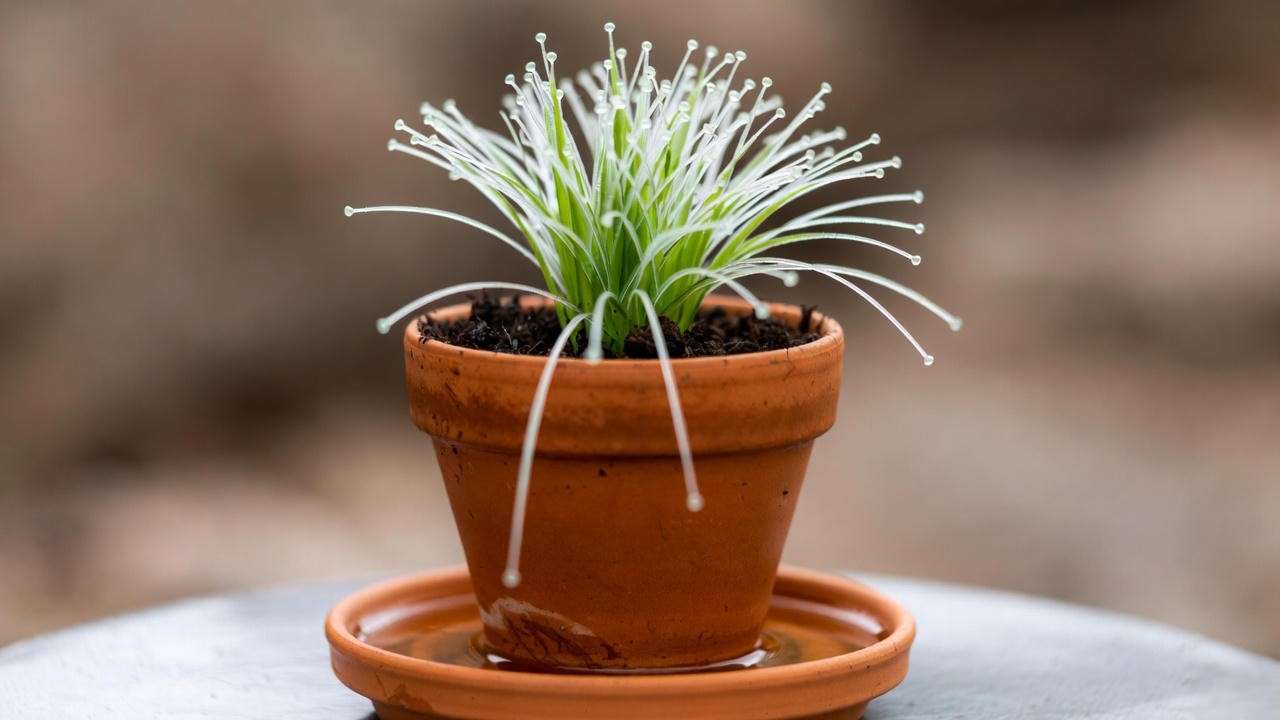
- Place the pot in a saucer filled with ½–1 inch of water.
- Let it drink from the bottom — top water only once a week to flush salts.
- Refill saucer when empty (usually every 2–3 days in summer, 5–7 days in winter).
Never let it sit in bone-dry soil — the tips brown in hours.
Seasonal schedule:
- Spring/Summer: saucer never dry
- Fall/Winter: let saucer go dry 1 day between refills
Soil & Potting Mix Recipe (The One I Swear By After 10+ Years) 🪴
Fiber optic grass will forgive a lot… but not the wrong soil. Regular houseplant potting mix stays too wet and turns to concrete — death sentence.
My never-fail recipe (I’ve used this for a decade):
- 40 % peat moss or coco coir (holds moisture but still breathes)
- 30 % perlite or pumice (drainage + oxygenation)
- 20 % fine orchid bark or seramis
- 10 % horticultural charcoal (prevents souring and gnats)
2025 ready-made alternatives that actually work:
- Pro-Mix HP + extra perlite (50/50)
- Rosy Soil Houseplant Mix (my current lazy-day favorite)
- Sol Soils “Tropical” blend (specifically mentions Isolepis cernua on the bag!)
pH sweet spot: 5.5–6.5 (slightly acidic — exactly what sedges crave).
Pot choice: unglazed terracotta or a clear orchid pot so you can see when the roots are happy and white (not brown and slimy).
Ideal Temperature & Humidity 🌡️💦
- Daytime: 65–75 °F (18–24 °C)
- Night: never below 55 °F (13 °C) — cold drafts = instant brown tips
- Humidity: 60 %+. Below 50 % and the tips crisp faster than you can say “fairy lights.”
Easy humidity hacks that actually work:
- Pebble tray with water just below the stones (refill weekly)
- Grouping with other plants (transpiration party!)
- Cool-mist humidifier on a smart plug (Inkbird + Levoit Classic 300S combo = set-and-forget)
- Bathroom or kitchen window — free humidity from showers and cooking
I run a 4-tray system in my plant room at 68–72 % year-round. Zero crispy tips since 2019.
Fertilizing – Less Is More (Seriously) 🌱
Over-fertilizing is the #1 silent killer I see in Facebook plant groups.
My exact routine:
- Fertilizer: liquid 1/4-strength balanced (e.g., Dyna-Gro Grow 7-9-5 or MSU 13-3-15)
- Frequency: every 3rd watering from March to September only
- October–February: zero fertilizer (it’s resting)
If you see yellow tips with green bases — you over-fed. Flush with 3 full pots of distilled water and skip feeding for 6 weeks.
Pruning & Grooming – Keep the Glow Alive ✂️
The plant looks prettiest when it’s a symmetrical glowing orb, but it grows fast in good conditions.
How to trim without ruining the magic:
- Use sharp, alcohol-wiped scissors.
- Snip brown or yellow tips at a 45° angle — never pull.
- Remove no more than 10 % at once.
- Do it right after watering when blades are turgid.
Division & propagation (foolproof method):
- Every 18–24 months in spring
- Gently tease apart into 3–5 sections (each with roots)
- Pot up immediately into fresh mix and the saucer method
- New plants reach full glow in 6–8 weeks
I’ve created over 40 babies from one original plant this way — zero failures.
Common Problems & How to Fix Them (Troubleshooting Chart) 🚑
| Symptom | Cause | Fix (Step-by-Step) |
|---|---|---|
| Brown tips | Dry air, underwatering, salts | Raise humidity → flush soil → resume saucer method |
| Entire strands brown | Root rot | Unpot → trim black roots → fresh mix → 1 week clear water only |
| Leggy + pale | Low light | Move to brighter spot or add grow light within 24 h |
| Yellow lower leaves | Over-fertilizing or old growth | Stop feeding → trim yellow leaves → normal care resumes |
| Fungus gnats | Wet top soil | Let top ½ inch dry → bottom water only → add Mosquito Bits |
| Plant suddenly collapses | Cold shock or root death | 70 °F+ room → trim dead → pray (50 % survival if caught in first 12 h) |
Creative Ways to Display Your Fiber Optic Grass ✨
- Fairy garden centerpiece in a shallow bowl with moss and tiny houses
- Hanging basket (yes, it works! Use a 6–8″ coco liner and keep saucer below)
- Glass terrarium with Fittonia and miniature ferns — humidity paradise
- Christmas décor hack: weave tiny warm-white fairy lights through the strands (looks unreal)
- Bathroom vanity glow: pair with a small LED mirror for next-level ambiance
Winter Care – How to Keep It Alive When Days Are Short ❄️
Fiber optic grass does NOT go fully dormant, but growth slows dramatically November–February.
Winter checklist:
- Reduce water by ~40 % (saucer empty 1–2 days between refills)
- Supplemental lighting: 12–14 hours daily (I use a 20W Sansi bulb on a $15 timer)
- No fertilizer
- Keep away from heaters and drafts
My plants actually look better in February than August because of the forced rest period.
Expert Tips from a 10-Year Fiber Optic Grass Grower (Things You Won’t Read Anywhere Else) 🌟
After growing more than fifty specimens (and killing exactly three in my early days), here are the secrets that turned me from “plant murderer” to “fiber optic grass whisperer”:
- The ice-cube trick is a myth — don’t do it. Ice cubes shock the roots and cause tip burn in sedges. Room-temperature water only.
- Unglazed terracotta is life-changing. It wicks excess moisture from the outer root ball and prevents the rot that plastic/nursery pots guarantee.
- Force more “fiber optic” sparkle. Give it 2–3 hours of gentle direct morning sun (east window) → the tiny white flower beads appear weekly instead of monthly.
- Use rainwater or distilled in winter. Tap-water salts build up when evaporation is low → sudden yellow tips in January. I keep a 5-gallon jug under my dehumidifier — free and perfect pH.
- Bottom heat = rocket fuel. A seedling heat mat set to 72 °F under the pot in spring doubles growth rate with zero downside.
- My 7-year-old plant is still going strong because I repot EVERY spring. Fresh mix + root pruning = perpetual youth.
- If you ever see tiny white flowers at the tips — celebrate! That means you’ve nailed light + humidity. Most people never see them indoors.
Frequently Asked Questions (FAQ) 🙋♀️
Is fiber optic grass plant safe for cats and dogs? Yes — 100 % non-toxic (ASPCA & Pet Poison Helpline confirmed). Cats sometimes nibble, but it causes zero issues.
Can fiber optic grass live outside? USDA zones 8–11: yes, as a marginal pond plant or groundcover. Colder climates: treat as an annual or bring indoors before first frost.
Why is my fiber optic grass plant turning brown at the tips? 99 % of the time: humidity below 50 % or inconsistent moisture. Fix both within 48 hours and new growth comes in green.
Does fiber optic grass need misting? Misting helps a little, but it’s not enough. Pebble tray + grouping + humidifier is the winning combo.
How fast does fiber optic grass grow? In perfect conditions: 1–2 inches per month in spring/summer. A 4″ nursery pot becomes a 12″ glowing orb in one season.
Can it grow in water only like lucky bamboo? Short answer: no. It will survive 2–3 months hydroponically, then slowly decline from lack of oxygen at the roots. Semi-hydro (leca + constant water level) works beautifully though — I run two that way.
Is fiber optic grass a perennial or annual indoors? True perennial. With proper care, 5–10+ years is common.
Conclusion: Your Turn to Grow the Magic ✨
You now have every single tool, trick, and schedule that took me a decade (and a few tears) to perfect. Here’s your 5-step cheat sheet to print or screenshot:
✅ Bright indirect light (or grow light) ✅ Saucer always has water (but great drainage) ✅ 60 %+ humidity year-round ✅ 1/4-strength fertilizer March–Sept only ✅ Fresh soil + terracotta every spring
Follow that and your fiber optic grass plant will outlive most of your other houseplants — and probably become your most complimented one.
I’d love to see your glowing success! Drop a photo in the comments or tag me wherever you share it. You’ve got this. 🌱✨











