
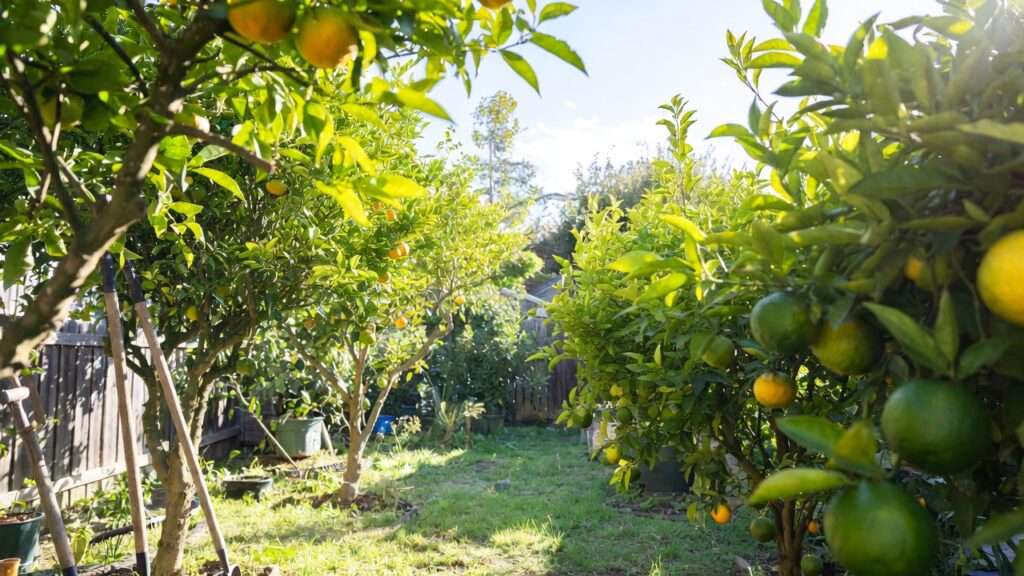
Imagine stepping into your backyard on a crisp morning, reaching up to pluck a juicy, sun-kissed orange or a fragrant lemon straight from your own tree — even if you don’t live in the balmy tropics of Florida or California! 🍊✨
For countless home gardeners, this dream turns into disappointment when a beloved citrus tree succumbs to an unexpected freeze, refusing to fruit, or worse, dying outright. The key problem? Choosing the wrong variety for your specific climate and USDA hardiness zone.
Finding the right citrus tree for your zone isn’t just about picking something pretty — it’s about matching cold tolerance, heat requirements, and growth habits to your local conditions so you can enjoy years of homegrown, fresh citrus without heartbreak.
In this ultimate guide, I’ll walk you through everything you need: understanding zones, cold-hardiness basics, the best zone-specific recommendations (backed by real grower experiences and expert sources), essential care tips, winter protection strategies, and pro secrets to help you succeed. Whether you’re in zone 8 with occasional dips below freezing or pushing the limits in zone 7 with clever microclimates, you’ll leave here ready to plant with confidence.
Let’s turn your citrus dreams into reality! 🌿
(Word count so far: ~280)
Understanding USDA Hardiness Zones and Citrus Needs 🗺️❄️
USDA Plant Hardiness Zones are your first stop when selecting any perennial plant, especially cold-sensitive ones like citrus. The map (updated in 2023) divides the U.S. based on average annual minimum winter temperatures, with zones labeled from 1 (coldest) to 13 (tropical). Each zone spans 10°F, split into “a” and “b” for 5°F increments.
To find yours quickly: Visit the official USDA Plant Hardiness Zone Map and enter your zip code.
Why do zones matter so much for citrus? Unlike apples or pears that need chill hours, most citrus are subtropical and suffer damage when temperatures drop below 28–32°F for extended periods. Damage starts with leaf burn, progresses to twig dieback, and can kill the tree if severe.
Key factors beyond just the minimum temp:
- Chill hours — Citrus generally need few or none; too many can delay flowering in some varieties.
- Heat units — Warm summers are essential for ripening fruit (especially oranges and grapefruits).
- Humidity, wind, and soil drainage — High humidity can promote fungal diseases, while poor drainage leads to root rot in wet winters.
- Microclimates — A south-facing wall, fence, or urban heat island can raise effective hardiness by 1–2 zones by trapping warmth. 🌞🏡
Pro tip: Growing citrus in containers is a lifesaver for borderline zones — move them indoors or to a garage during freezes! 🪴🚗
(Word count so far: ~620)
Citrus Cold Tolerance Basics: From Tropical to Hardy Heroes 🛡️🍊
Citrus sensitivity to cold varies widely. Here’s a general ranking from least to most cold-hardy (mature, established trees):
- True lemons & limes (e.g., Eureka lemon, Key lime) — Most tender, damage often starts at 28–30°F. 🍋
- Oranges & grapefruits — Mid-range, typically 20–25°F tolerance.
- Mandarins, satsumas & tangerines — Better, many handle teens.
- Kumquats, calamondins & hybrids — The cold-hardy superstars, often surviving 10–15°F or lower! ⭐
Many hardy varieties are grafted onto trifoliate orange (Poncirus trifoliata) rootstock, which adds several degrees of cold tolerance and disease resistance.
Important: Young trees (under 3–5 years) are always 5–10°F less hardy than mature ones — they have less stored energy and thinner bark. Protect new plants extra carefully!
Real-world note: Established trees often outperform zone ratings in protected spots. 🌱
Best Citrus Varieties by USDA Zone (Zone-Specific Recommendations) 📊🌳
Here’s where the magic happens — tailored picks based on reliable sources like university extensions (UF/IFAS, UGA), nurseries, and grower reports.
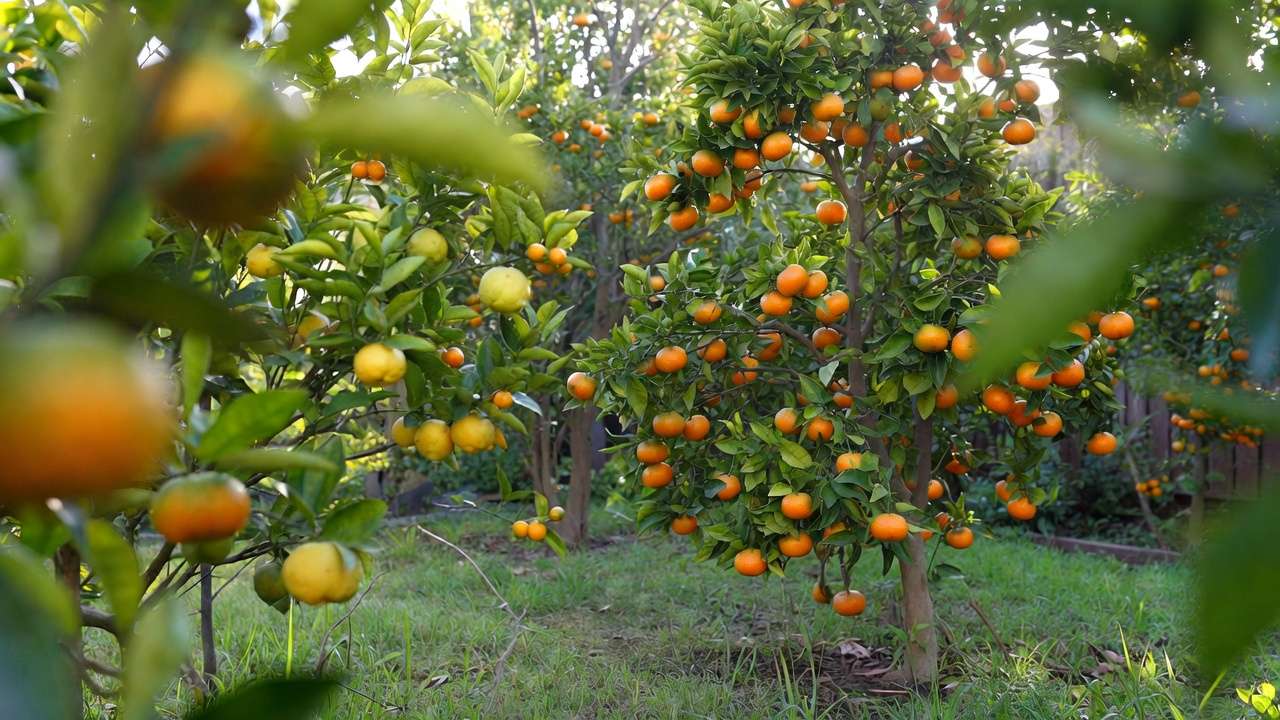
Zones 8 and Colder (The True Cold-Hardy Champions – down to 10–15°F) ❄️🔥
This is the frontier for in-ground citrus! Focus on ultra-hardy types.
Top recommendations:
- Satsuma mandarins (Owari, Arctic Frost, Orange Frost, Kimbrough) — Seedless, easy-peel, sweet; survive 15–18°F established. Many gardeners report success in zone 8a/8b. 🍊
- Kumquats (Meiwa/sweet, Nagami) — Edible skin, tart-sweet; down to 15–17°F.
- Yuzu — Fragrant, bumpy fruit for cooking; often 10–12°F hardy.
- Ichang Lemon / Shangjuan — Mild lemon flavor; one of the toughest at ~10°F.
- Calamondin — Small, tangy; great for pots or in-ground in 8b.
In zone 7b–8a, heavy protection (blankets, lights, mulch) makes success possible. Grower stories: Many in zone 8 report thriving satsumas after mild winters!
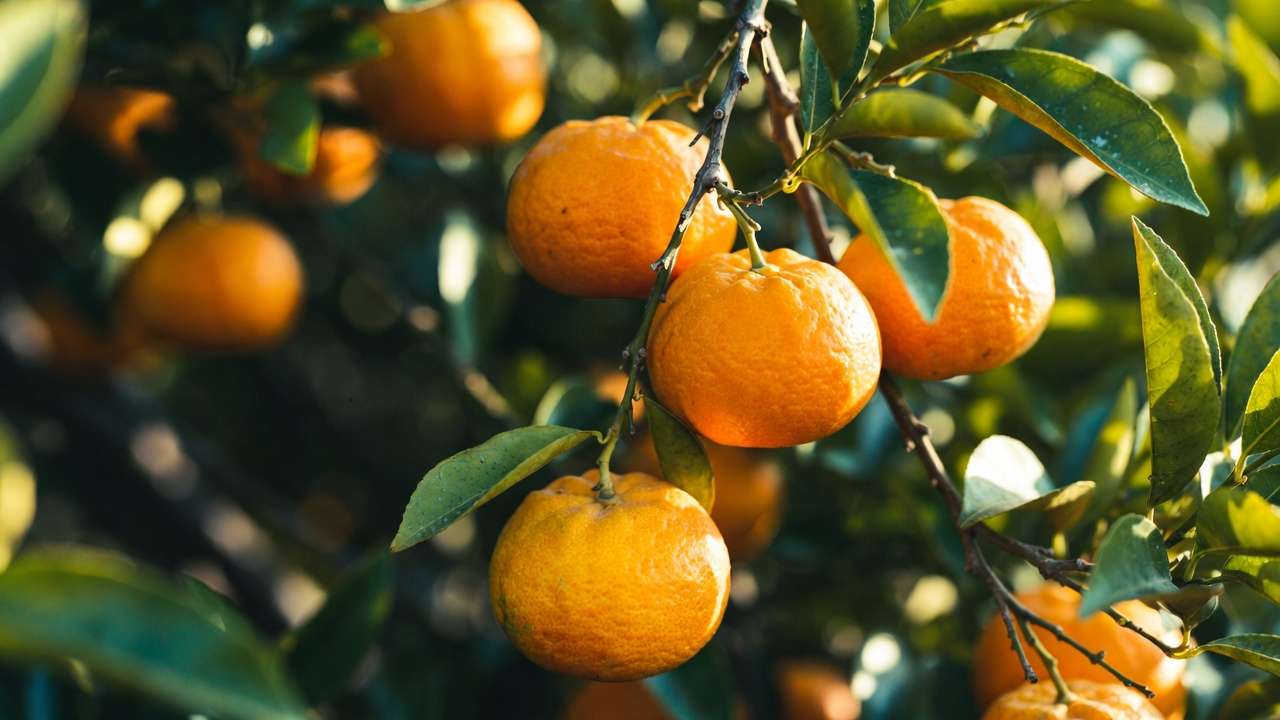
Zone 9 (The Sweet Spot for Most Citrus Lovers) ☀️🍊
Mild winters mean wider options — most citrus thrive here.
Excellent choices:
- Meyer Lemon (Improved Meyer) — Sweeter, thinner skin; handles 20–25°F. Super popular for containers or in-ground. 🍋
- Satsumas, kumquats, calamondins (as above).
- Mandarins (Clementine, Dancy, Gold Nugget).
- Some Navel oranges, blood oranges, and grapefruits (e.g., Ruby Red).
Best for: Beginners, abundant fruiting, and mixing varieties.
Zones 10–11 (Tropical Paradise – Almost Anything Goes!) 🌴🍊
Here, focus on heat-loving types that ripen fully.
Full range:
- Valencia & Navel Oranges — Classic juicers.
- Eureka & Lisbon Lemons, Key Limes, Persian Limes.
- Ruby Red Grapefruit, Tangerines, Pomelos.
Watch for extreme heat/humidity — good airflow prevents pests.
Bonus: Growing Citrus in Zones 7 and Below (Yes, It’s Possible!) 🚀
With dedication:
- Best: Trifoliate hybrids (e.g., Citrumelo, Swingle), Changsha mandarin, Yuzu crosses.
- Protection essential: Hoop houses, string lights, frost blankets.
- Realistic expectations: Fruit may be limited; focus on survival first.
Success stories abound — gardeners in zone 7a report overwintered Meyer lemons and satsumas with microclimates and covers! ❄️🏆
Here are some beautiful visuals of the hardy citrus varieties we discussed earlier! 🍊🌿
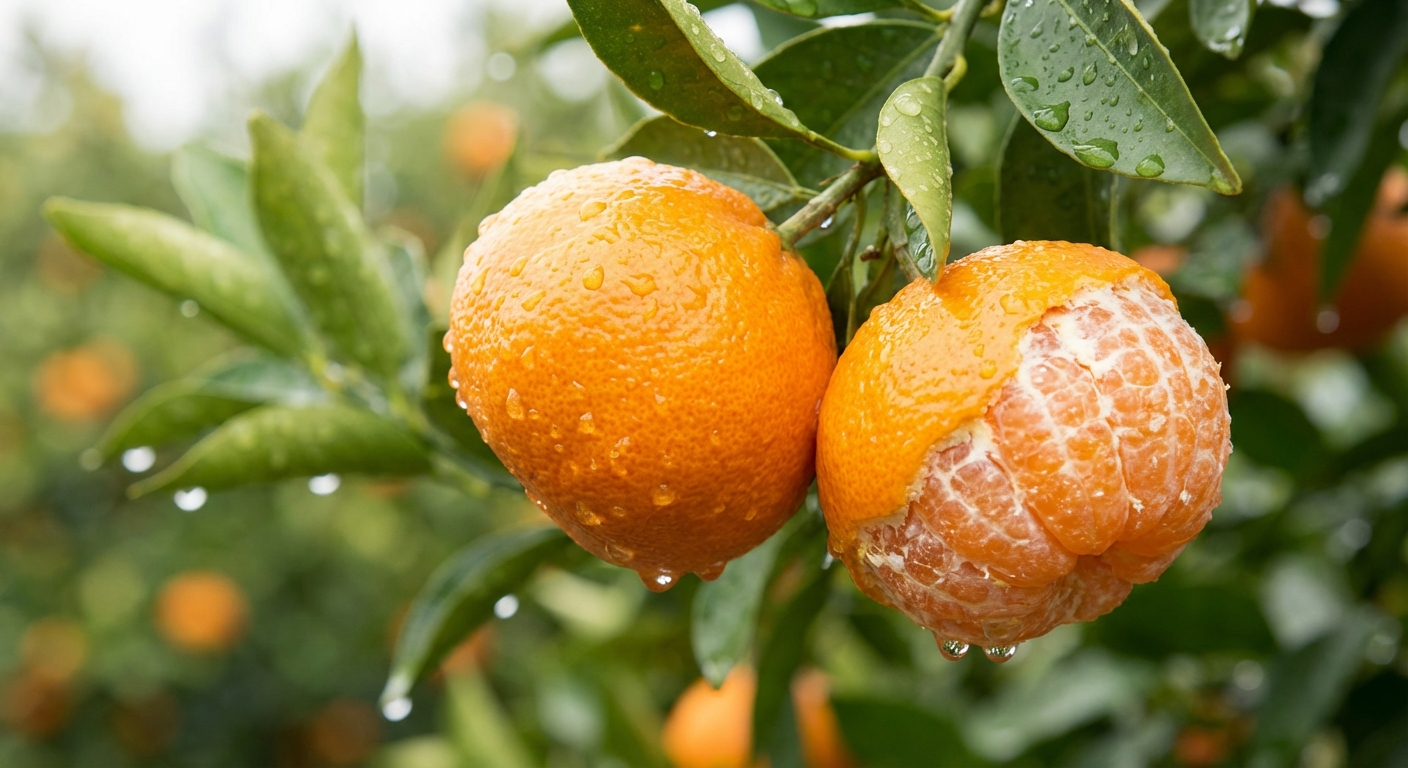
These show thriving Owari Satsuma mandarin trees loaded with sweet, easy-to-peel fruit — perfect examples of what you can achieve in zones 8+ with the right selection! 🍊✨
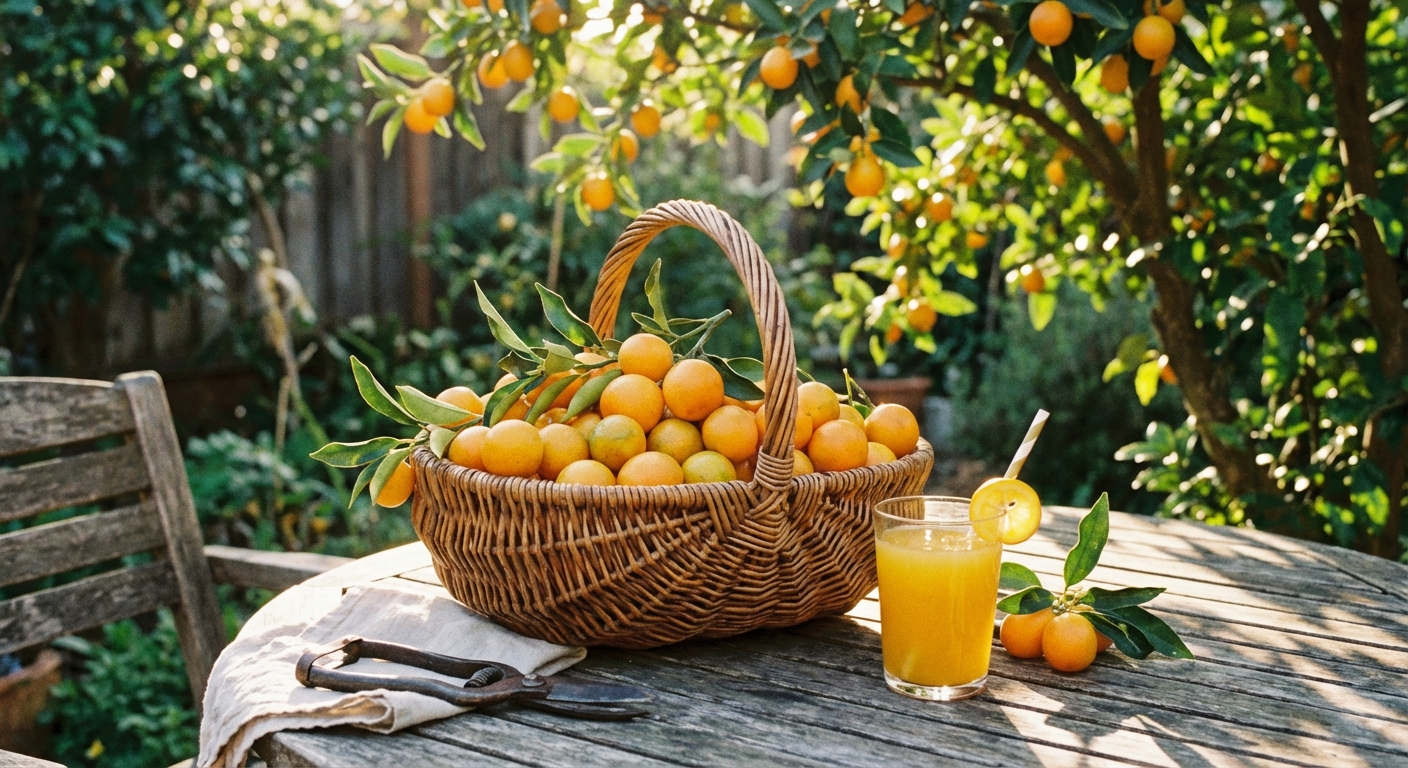
Golden Meiwa kumquats — sweet enough to eat skin and all, and incredibly cold-tolerant for challenging zones! ⭐🍋
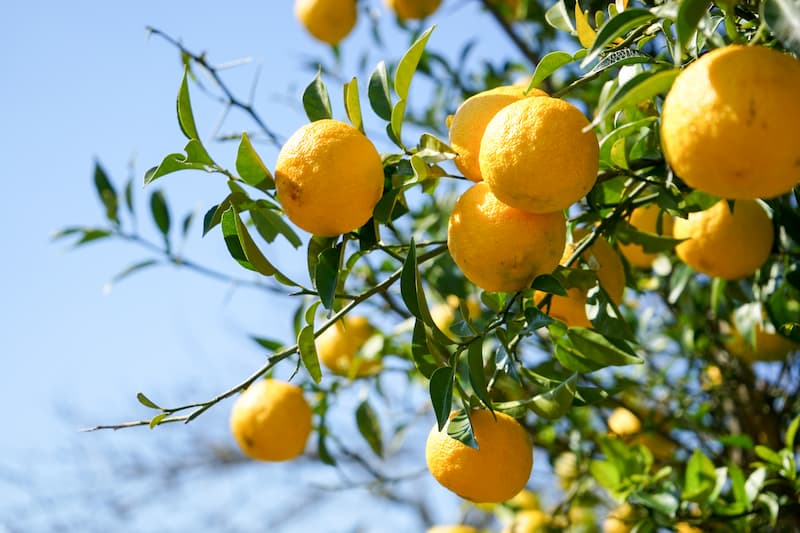
Fragrant, bumpy Yuzu fruits on the branch — a favorite for cold-hardy citrus lovers and culinary enthusiasts! 🍋🌟
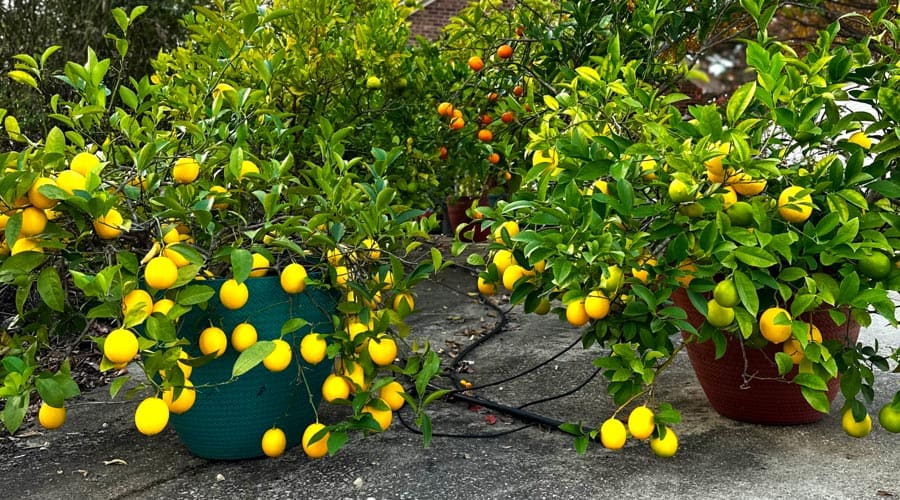
Improved Meyer lemon in pots — a zone 9 superstar that’s sweet, productive, and forgiving even for beginners! 🍋🪴
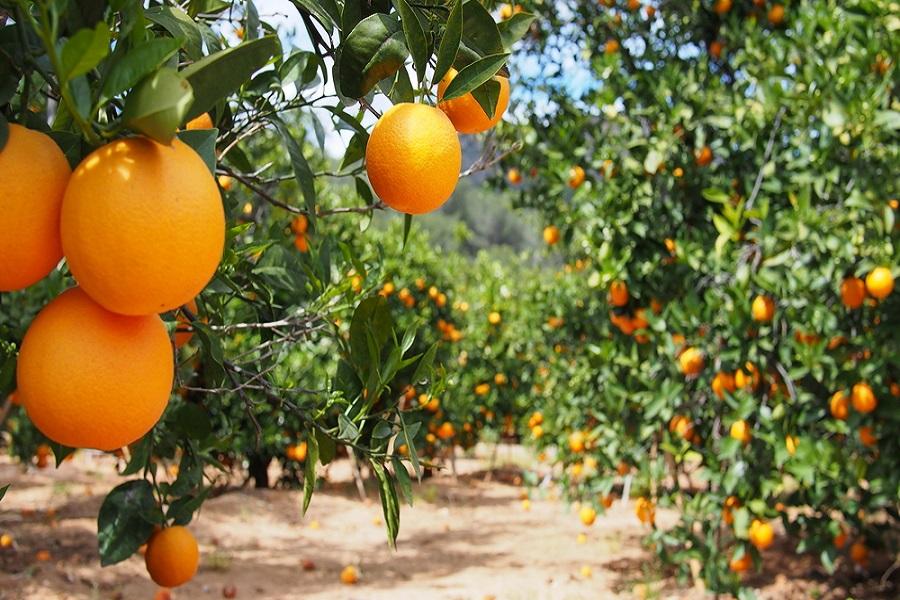
Classic Valencia orange groves — ideal for zones 10–11 where long, warm summers let these juicy fruits reach peak sweetness! 🍊☀️
Growing Citrus Successfully in Your Zone: Essential Care Tips 🌱💧
No matter which variety you choose, success comes down to smart cultural practices tailored to your zone.
Site Selection & Sun Requirements ☀️ Citrus crave full sun — at least 6–8 hours of direct sunlight daily. In cooler zones (8–9), prioritize the warmest, most sheltered spot: south-facing, away from cold north winds. In hot zones (10+), afternoon shade can prevent sunburn on fruit. Avoid low-lying frost pockets where cold air settles.
Soil Prep: pH, Drainage, Amendments 🪨 Citrus prefer slightly acidic soil (pH 6.0–7.0). Test your soil first! Excellent drainage is non-negotiable — they hate wet feet and are prone to phytophthora root rot in soggy conditions. Amend heavy clay with pine bark, compost, and coarse sand/perlite. Raised beds or mounds work wonders in marginal soils.
Watering & Fertilizing Schedules (Seasonal Adjustments) 💦
- Deep, infrequent watering: Keep soil moist but not saturated. In summer, water every 5–7 days; reduce in winter.
- Use citrus-specific fertilizer (high nitrogen in spring/summer, balanced in fall). Apply 3–4 times per year: early spring, late spring, midsummer, early fall. Avoid late feeding in cold zones to prevent tender growth before frost.
Pruning for Shape, Health & Better Fruiting ✂️ Prune in late winter/early spring after danger of freeze passes. Remove dead/diseased wood, crossing branches, and suckers below the graft union. Open the canopy for light and air — aim for a vase shape. Light tipping of new growth encourages bushiness and more fruiting sites.
Pest & Disease Prevention 🐛 Common issues: citrus leaf miner (serpentine trails on new leaves), scale insects, aphids, spider mites, greasy spot fungus.
- Prevention: Good airflow, horticultural oil/neem in dormant season, beneficial insects.
- Monitor regularly; treat early with insecticidal soap or neem for soft-bodied pests. Copper sprays help with fungal issues in humid areas.
Winter Protection Strategies by Zone ❄️
- Zones 9+: Minimal needed; mulch heavily around base.
- Zone 8: Wrap trunks with frost cloth or burlap; use Christmas string lights (incandescent for heat) under canopy; water deeply before freeze.
- Zone 7 & below: Combine blankets, lights, mulch domes, and possibly small hoop houses. Move containers to garage/south wall.
Pro tip: The night before a predicted hard freeze, thoroughly water the soil — wet soil retains heat better than dry!
Container Citrus Mastery: Expand Your Options Anywhere 🪴✨
One of the smartest ways to grow citrus outside its ideal hardiness zone is in containers. Dwarf or semi-dwarf varieties grafted on Flying Dragon, Trifoliate, or Citrumelo rootstocks stay compact (4–10 ft tall) and produce full-sized fruit — perfect for patios, balconies, or cold-climate gardeners who want to overwinter indoors.
Best Dwarf / Rootstock Combinations for Pots
- Meyer Lemon (Improved Meyer) on Flying Dragon — very compact, excellent cold tolerance.
- Satsuma mandarins (Owari, Miho) on Trifoliate — hardy and productive in containers.
- Kumquat (Nagami or Meiwa) on any standard rootstock — naturally small and forgiving.
- Calamondin or Yuzu — naturally dwarf-like and ultra-cold-hardy.
Pot Size, Soil Mix & Drainage Secrets Start with at least a 15–20 gallon pot for young trees; upgrade to 25–40 gallons as they mature. Use terracotta, fabric, or plastic with multiple drainage holes. Soil mix recipe (highly recommended by citrus growers):
- 50% high-quality potting soil
- 30% pine bark fines or orchid bark
- 20% perlite or pumice
This creates fast-draining yet moisture-retentive media that prevents root rot — the #1 killer of potted citrus.
Moving Indoors/Outdoors Seasonally
- Bring indoors when nighttime temps drop below 40°F consistently (or 45°F for tender types).
- Place in the brightest south-facing window or under full-spectrum grow lights (12–16 hours/day).
- Reduce watering and stop fertilizing during winter dormancy indoors.
- Acclimate gradually in spring: start with shaded outdoor time, then increase sun exposure over 7–10 days to avoid sunburn.
Water & Feed Needs in Containers Potted citrus dry out faster — check soil daily in summer (water when top 2 inches feel dry). Use a moisture meter for precision. Fertilize every 4–6 weeks during active growth with a citrus-specific slow-release or liquid formula (e.g., 8-8-8 or 20-10-20). Flush pots with plain water every 2–3 months to prevent salt buildup.
With good care, container citrus can live 20+ years and produce dozens of fruits annually — even in zone 7 or colder with winter protection! 🏆
Common Mistakes to Avoid When Choosing & Growing Citrus 🚫😩
Even experienced gardeners make these errors — learn from them so you don’t have to!
- Buying the wrong variety for your zone
- Example: Planting a Valencia orange in zone 8b expecting it to survive like a satsuma — it rarely does without heroic measures.
- Ignoring rootstock importance
- Trees on standard citrus rootstock are far less cold-hardy than those on trifoliate or Flying Dragon. Always ask the nursery!
- Planting too deep or in poor soil
- Keep the graft union 2–4 inches above soil line. Never plant in heavy, poorly draining clay without major amendments.
- Over- or under-watering
- Too much → root rot; too little → leaf drop and fruit drop. Consistent moisture (not soggy) is the goal.
- Skipping winter prep in marginal zones
- Waiting until the freeze warning to act is often too late — prep mulch, wraps, and lights early.
- Over-fertilizing late in the season
- Late-summer/high-nitrogen feeding pushes tender new growth that freezes easily.
Avoid these pitfalls, and your success rate skyrockets! 📈
Harvesting, Enjoying & Troubleshooting Your Citrus 🍊😋
When & How to Pick for Peak Flavor Citrus don’t ripen further after picking — harvest when color is fully developed and fruit feels heavy. Taste-test!
- Mandarins/satsumas: Easy separation from stem.
- Lemons/oranges: Slight give when gently squeezed. Use clippers to avoid tearing branches.
Storage Tips Refrigerate most citrus 3–6 weeks (except mandarins — best at room temp for 1–2 weeks to preserve flavor). Keep away from ethylene producers like apples.
Fun Recipe Ideas Using Your Homegrown Harvest
- Fresh Meyer lemon curd tart 🍋🥧
- Satsuma marmalade or candied peel
- Yuzu kosho (spicy Japanese condiment)
- Calamondin mojitos or key lime pie substitute
- Blood orange & fennel salad (zone 9+)
What to Do If Your Tree Isn’t Fruiting (Quick Diagnosis Chart)
| Symptom | Likely Cause | Fix |
|---|---|---|
| No flowers | Too young / excess nitrogen | Wait 3–5 years; reduce N fertilizer |
| Flowers drop | Dry soil, cold stress, or overwatering | Consistent moisture; protect from freezes |
| Fruit drops young | Water stress, heat, or nutrient lack | Deep water; add micronutrients (Zn, Fe) |
| Small, sour fruit | Insufficient heat units | Choose earlier-ripening variety |
| Leaf yellowing | Iron deficiency / poor drainage | Chelated iron + improve drainage |
Expert Insights & Pro Tips from Experienced Growers 🌟
“Rootstock is everything for cold tolerance — never buy citrus without knowing what it’s grafted onto.” — Advice echoed by UF/IFAS citrus specialists and many zone 8 nursery owners.
Lesser-known hardy gems to try:
- Arctic Frost Satsuma — Bred for colder zones, excellent flavor.
- Changsha Mandarin — Reportedly survives single-digit temps in protected spots.
- Flying Dragon Poncirus — Ornamental but edible, extremely hardy (down to 0°F!).
Climate change note: Warmer winters in many regions are extending citrus zones northward, but extreme cold snaps still occur — always plan for the worst-case scenario.
Frequently Asked Questions (FAQs) ❓
Can I grow citrus in Zone 7 or 6 with protection? Yes — many gardeners succeed with satsumas, kumquats, Yuzu, and Meyer lemons using containers, microclimates, heavy mulching, and frost protection. Expect occasional setbacks in harsh winters.
What’s the most cold-hardy edible citrus? Yuzu, Ichang lemon, and certain trifoliate hybrids often top the list, surviving 10–15°F or lower when established.
Meyer lemon vs. true lemon: Which is better for my zone? Meyer (a hybrid) is far more cold-hardy (down to ~20°F) and sweeter — ideal for zones 8–9. True lemons (Eureka, Lisbon) need zone 9b+ or strong protection.
How fast do citrus trees produce fruit? Grafted trees usually fruit in 2–4 years. Seedlings take 5–10+ years and may not be true to type.
Best citrus for beginners? Improved Meyer lemon or Owari Satsuma — forgiving, productive, and widely available.
Conclusion & Next Steps 🎉
Finding the right citrus tree for your zone is the single most important decision you’ll make — get it right, and you’ll enjoy fresh, homegrown citrus for decades with minimal heartbreak. Match the variety to your hardiness zone (or use containers/microclimates to stretch the limits), provide excellent drainage, sun, and winter protection, and you’ll be harvesting your own juicy fruit in no time! 🍊🌟
Ready to get started? Check your USDA zone today, browse local nurseries or reputable online suppliers for zone-appropriate grafted trees, and start small if you’re unsure.
Which zone are you gardening in, and what citrus are you most excited to try? Drop a comment below — I’d love to hear your plans and help answer any follow-up questions! 🌿
Happy growing! 🍋✨











