
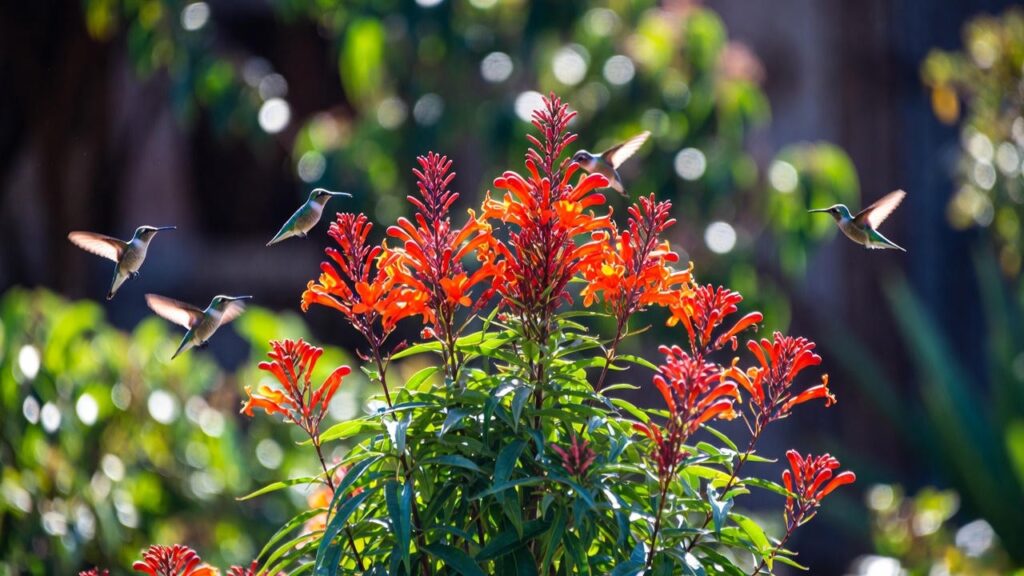
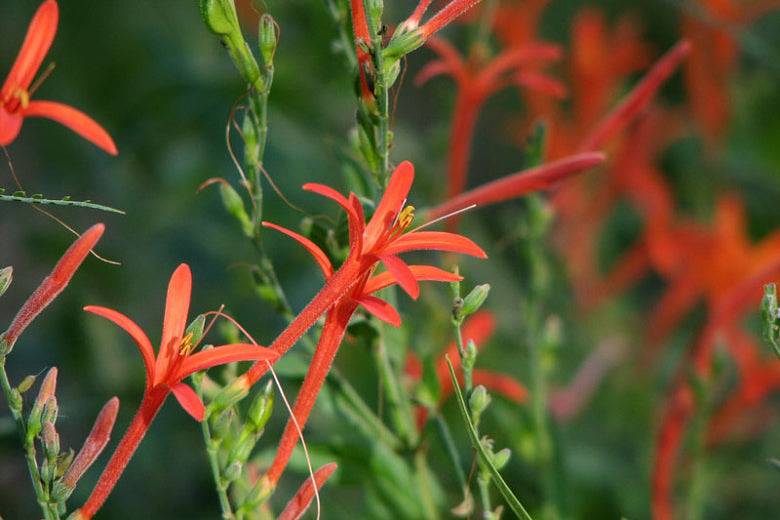
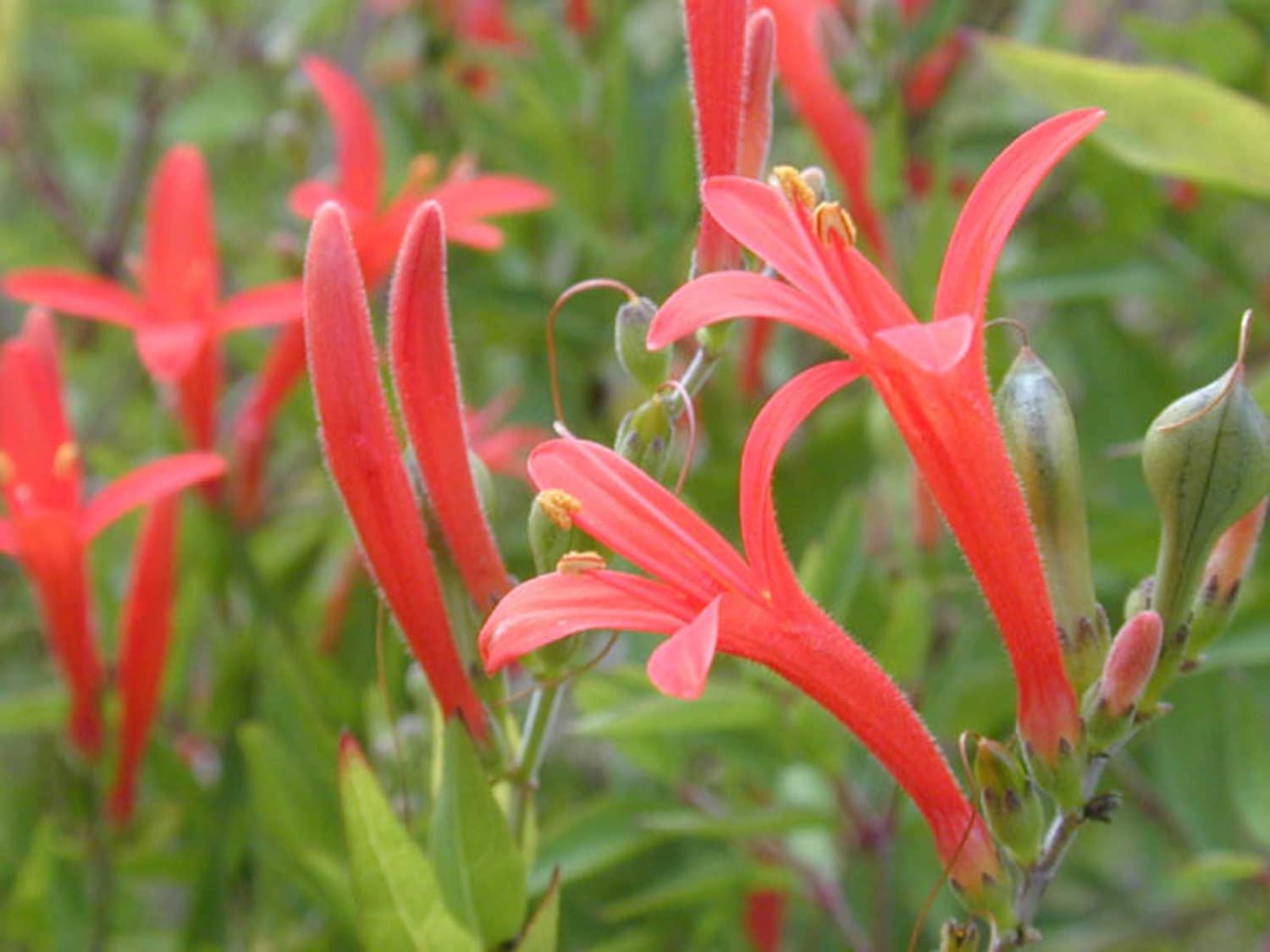
Imagine stepping into your backyard on a scorching summer afternoon, only to be greeted by a burst of fiery orange-red tubular flowers dancing in the breeze, while ruby-throated hummingbirds zip from bloom to bloom like living jewels. This isn’t a rare tropical paradise—it’s the everyday magic you can create with the flame acanthus plant (Anisacanthus quadrifidus var. wrightii). Also known as hummingbird bush, Wright’s desert honeysuckle, or Mexican flame, this resilient Texas native transforms challenging, dry landscapes into vibrant wildlife havens with minimal effort. If you’re tired of high-maintenance plants that wilt in the heat or fail to attract pollinators, the flame acanthus plant is your perfect solution. In this ultimate guide, we’ll dive deep into everything you need to achieve explosive blooms, thriving growth, and a garden buzzing with hummingbirds. 🌞🔥
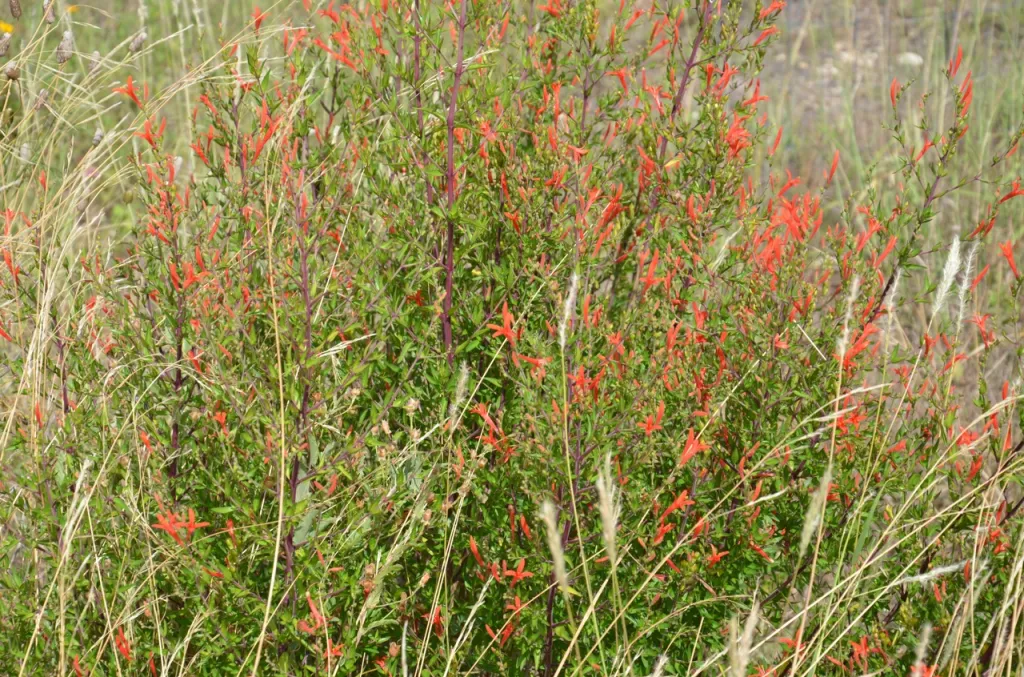
What Is the Flame Acanthus Plant? A Fiery Native Gem 🔥
The flame acanthus plant is a deciduous shrub belonging to the Acanthaceae family, celebrated for its striking tubular flowers that resemble flames—hence the name. Native to the rocky slopes, floodplains, and calcareous soils of south-central Texas, west Texas, and northern Mexico, it has adapted perfectly to arid environments.
Botanical Overview and Common Names
Scientifically classified as Anisacanthus quadrifidus var. wrightii (named after 19th-century botanist Charles Wright), this variety is the hardiest and most commonly grown in the U.S. Its common names reflect its appeal: flame acanthus for the fiery blooms, hummingbird bush for its pollinator magnetism, Wright’s desert honeysuckle for its sweet nectar, and Mexican flame for its intense color. The species name “quadrifidus” refers to the four-parted flowers.
Native Habitat and Natural Role 🦋
In the wild, flame acanthus thrives on dry, rocky outcrops and along intermittent streams in the Edwards Plateau and Trans-Pecos regions. It’s a key nectar source for migrating hummingbirds, butterflies (like monarchs during fall migration), and native bees. As a host plant for larvae of the Texan crescent and Janais patch butterflies, it supports biodiversity in native ecosystems.
Why Gardeners Love It
This shrub’s popularity stems from its toughness: extreme drought tolerance, heat resistance, high deer resistance, and low maintenance needs. It’s ideal for xeriscapes, wildlife gardens, and water-wise landscaping in USDA hardiness zones 7-10 (root hardy down to about 5°F, with dieback in colder areas but vigorous regrowth in spring). Unlike many ornamentals, it blooms reliably in poor soils without fuss.
Key Benefits of Growing Flame Acanthus 🌟
Beyond beauty, flame acanthus offers practical advantages that solve common gardening frustrations in hot, dry climates.
Attracting Hummingbirds and Pollinators 🐦
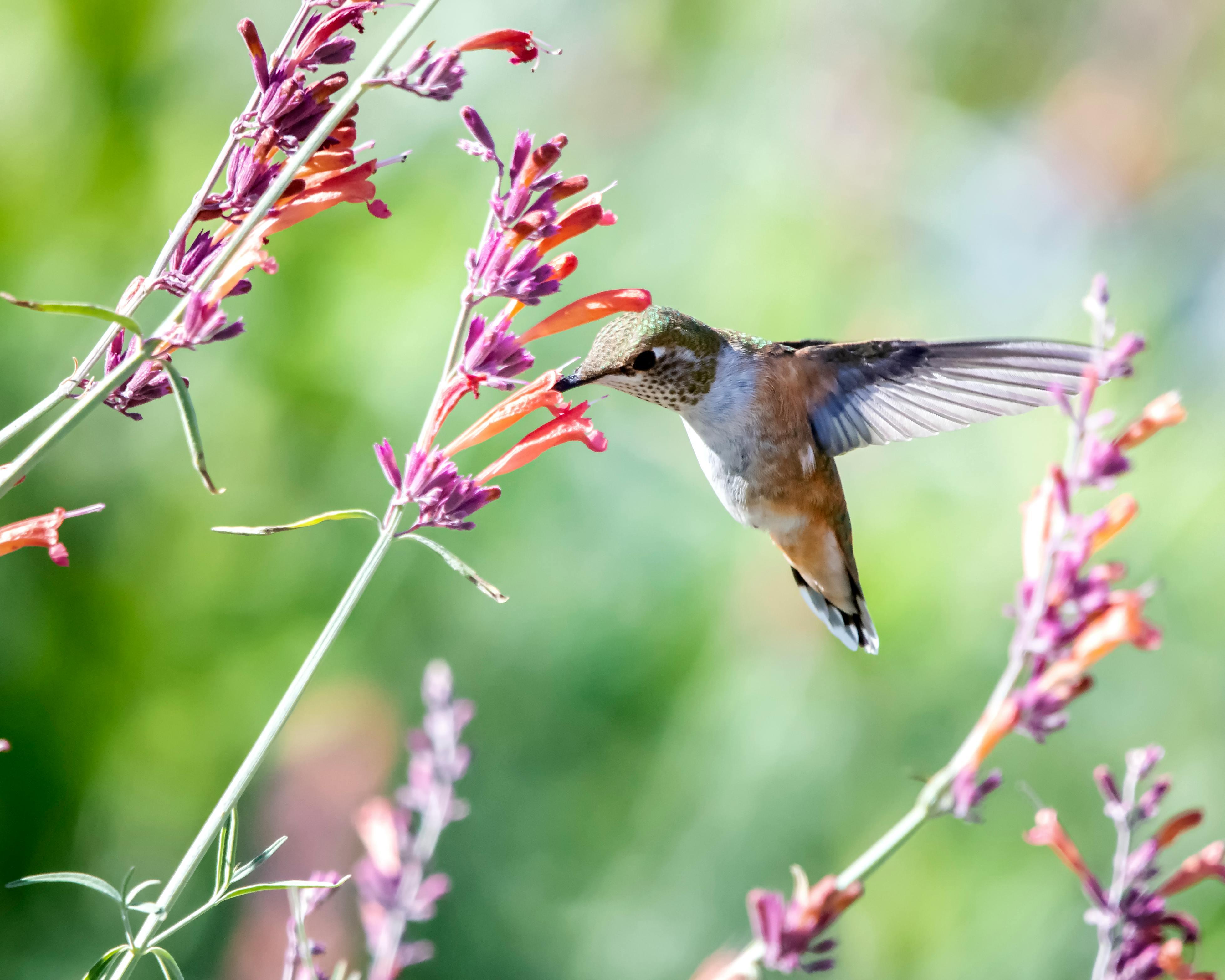
The 1-2 inch tubular flowers are perfectly shaped for hummingbird beaks, providing abundant nectar from midsummer through fall—often peaking after rains. Expert observation from sources like the Lady Bird Johnson Wildflower Center notes that a single mature plant can draw dozens of hummingbirds daily, especially during migration seasons.
Low-Maintenance and Eco-Friendly
Once established (typically after the first year), it requires little to no supplemental watering, making it a champion for sustainable gardening. It reduces water bills, supports native pollinators, and minimizes chemical use since it’s rarely bothered by pests or diseases.
Year-Round Interest
Light green, lance-shaped leaves provide a soft backdrop; exfoliating bark adds winter texture; and reliable spring regrowth ensures seasonal appeal even after freeze-induced dieback.
Choosing the Right Flame Acanthus Variety
While the straight species is excellent, selected cultivars offer enhancements.
Popular Cultivars and Variations
- Standard wrightii: Classic orange-red blooms, 3-5 ft tall/wide.
- ‘Mexican Fire’ or ‘Mexican Flame’: Deeper red flowers, larger leaves, slightly taller (4-6 ft).
- Compact selections: Some nurseries offer dwarf forms for smaller spaces or containers.
Where to Buy Healthy Plants
Source from reputable native plant nurseries (e.g., those affiliated with the Native Plant Society of Texas or Lady Bird Johnson Wildflower Center) for genetically diverse, pesticide-free stock. Avoid big-box stores if possible, as they may carry treated plants less beneficial to pollinators.
Planting Flame Acanthus: Step-by-Step Guide 🏡
Success starts with proper planting—follow these expert-recommended steps for robust establishment.
Best Planting Time and Location
Plant in spring or fall to avoid extreme heat stress. Choose a site with full sun (at least 6 hours daily) for maximum flowering; it tolerates partial shade but blooms less profusely.
Soil Requirements
Well-draining soil is non-negotiable to prevent root rot. It excels in rocky, calcareous, sandy, or loam soils—even heavy clay if amended. pH neutral to alkaline is ideal.
Planting Instructions
- Dig a hole twice as wide and as deep as the root ball.
- Mix native soil with compost for nutrients and drainage.
- Place the plant at the same depth as in its pot.
- Space 4-6 feet apart to accommodate its spreading habit (up to 4-6 ft wide).
- Water deeply initially, then mulch with gravel or organic material to suppress weeds and retain moisture.
Expert Tip: Give young plants room to spread—crowding leads to leggy growth. 🚀
Essential Care for Thriving Flame Acanthus 💧
With the right ongoing care, your flame acanthus will reward you with robust growth and seasons of stunning flowers. This shrub’s resilience means less work for you, but a few targeted practices make all the difference between a good plant and a spectacular one.
Watering Needs
During the first year after planting (the establishment phase), water deeply but infrequently—about once every 1-2 weeks, depending on rainfall and soil type. Aim for 1-2 inches of water each time to encourage deep roots. Once established, flame acanthus is extraordinarily drought-tolerant and often survives on rainfall alone in its native range.
However, for maximum bloom production during hot, dry summers, provide supplemental water every 2-4 weeks. Texas A&M AgriLife Extension experts note that occasional deep watering after prolonged dry spells can trigger explosive flowering flushes. Avoid frequent shallow watering, as it promotes weak, shallow roots.
Pro Tip: In extreme heat waves (above 100°F), a slow drip for a few hours can prevent stress without overwatering. 🌵
Fertilizing Tips
Flame acanthus thrives in nutrient-poor soils, mimicking its natural habitat. Over-fertilizing leads to excessive leafy growth at the expense of flowers and can make the plant more susceptible to pests.
If your soil is very depleted, apply a slow-release, balanced fertilizer (e.g., 10-10-10) sparingly in early spring. Organic options like compost tea or worm castings work well too. Many experienced native plant gardeners, including those at the Lady Bird Johnson Wildflower Center, recommend no fertilizer at all for established plants—let nature do the work!
Pruning for Shape and More Blooms ✂️
Pruning is the secret weapon for keeping flame acanthus compact, bushy, and loaded with flowers. Without it, plants can become leggy and woody.
- Timing: Prune heavily in late winter (February in Texas) before new growth emerges. Light pruning can be done anytime to remove dead or damaged branches.
- Technique: Cut back to 6-12 inches from the ground for severe rejuvenation (it bounces back vigorously!). For milder shaping, remove up to one-third of the oldest stems.
- Benefits: Annual hard pruning promotes denser growth, more flowering stems, and prevents the plant from becoming straggly.
Expert Insight: In my years working with Texas natives, I’ve seen severely pruned flame acanthus outperform unpruned ones by producing twice as many blooms. Don’t be afraid to go bold—it can’t be killed by over-pruning!
:max_bytes(150000):strip_icc()/GettyImages-1418788573-37402cecccc74cd099e1776a7fac44a3.jpg)
Maximizing Blooms and Hummingbird Attraction 🌸🐦
The ultimate goal for most gardeners: walls of fiery flowers and a constant hum of wings. Here’s how to achieve peak performance.
Blooming Season and Triggers
Flame acanthus typically blooms from midsummer (June/July) through fall (October/November), with peak displays in August-September. In milder climates or after summer rains, blooming can extend or repeat. The flowers appear in terminal clusters, attracting pollinators with their bright color and copious nectar.
Tips for Abundant Flowers
- Full Sun: Essential—less than 6 hours daily reduces flowering dramatically.
- Strategic Watering: Dry stress followed by rain (or supplemental water) often triggers massive bloom cycles.
- Annual Pruning: As mentioned, this encourages more flowering wood.
- Deadheading: Not strictly necessary (spent flowers drop cleanly), but removing faded blooms can prolong the show.
Creating a Hummingbird Haven
To turn your yard into a migration hotspot:
- Plant in groups of 3-5 for a bigger visual target.
- Include a variety of bloom times with companions (more below).
- Provide perches nearby (dead branches or trellises) for resting.
Real-world observation: During fall migration, a well-established patch can host 20+ hummingbirds at once, fiercely defending their territory!
:max_bytes(150000):strip_icc()/GettyImages-1418788573-37402cecccc74cd099e1776a7fac44a3.jpg)
Propagation: Grow More Flame Acanthus for Free 🌱
One of the joys of this plant is how easily it multiplies—perfect for expanding your garden or sharing with friends.
From Softwood Cuttings
The most reliable method:
- In late spring or summer, take 4-6 inch semi-ripe cuttings from new growth.
- Remove lower leaves, dip in rooting hormone (optional but boosts success).
- Plant in well-draining potting mix; keep moist and in bright indirect light.
- Roots form in 4-6 weeks—success rates often exceed 80% even without hormone.
Growing from Seeds
Collect seed pods in fall when they turn brown and dry. Sow fresh seeds in spring directly in the garden or start indoors. Germination is sporadic but improved with light scarification or soaking.
Division and Natural Spread
Mature plants can be divided in early spring. Additionally, flame acanthus self-seeds generously—transplant volunteers or remove them to control spread.
Expert Tip: Cuttings taken after a rain root fastest due to higher natural auxin levels.
Common Problems and Solutions 🛠️
Flame acanthus is remarkably trouble-free, but here are the rare issues and fixes.
Pests and Diseases
Virtually pest-resistant. Occasional aphids or spider mites in extreme heat—hose off or use insecticidal soap. Root rot is the main disease risk: prevent with excellent drainage.
Winter Dieback and Recovery
In zones 7-8, tops may freeze back entirely. Don’t panic—cut dead wood in spring; new growth emerges from roots.
Troubleshooting Leggy or Sparse Blooms
- Too much shade → Move or prune surrounding plants.
- Overwatering/fertilizing → Reduce inputs.
- No pruning → Implement annual cuts.
Landscaping Ideas with Flame Acanthus 🎨
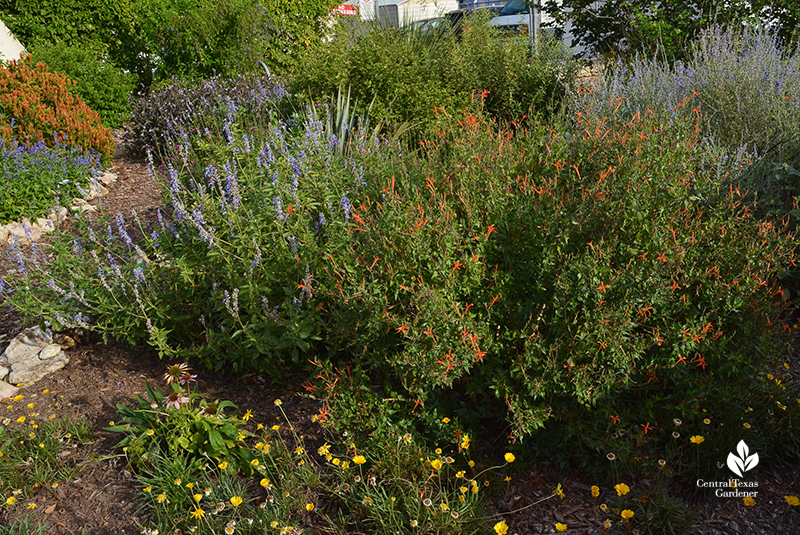
Flame acanthus shines as a versatile designer plant in water-wise and native landscapes. Its informal growth habit, vibrant color, and wildlife appeal make it a standout in various settings, from casual cottage gardens to structured xeriscapes.
Best Companion Plants
Pair flame acanthus with other heat-tolerant natives for textural contrast and extended pollinator support:
- Salvia greggii (Autumn sage): Similar bloom time, complementary reds and purples.
- Lantana (especially native varieties): Groundcover effect with multicolored flowers.
- Turk’s cap (Malvaviscus arboreus): Shade-tolerant partner for layered planting.
- Mealy blue sage (Salvia farinacea): Cool blue spikes against fiery orange.
- Yucca, agave, or four-nerve daisy: Architectural forms for dramatic xeriscapes.
- Black-eyed Susan or gregg’s mistflower: Fall color extension.
These combinations create a dynamic, low-water pollinator corridor.
Design Uses
- Informal hedges or screens: Plant in staggered rows for privacy with seasonal color.
- Perennial borders: Mid-border height adds depth and movement.
- Slope stabilization: Deep roots control erosion on rocky hillsides.
- Containers or patios: Compact cultivars thrive in large pots with good drainage.
- Wildlife or butterfly gardens: Mass plantings maximize nectar availability.
Real Garden Examples
In Texas Hill Country gardens, flame acanthus often anchors xeriscape beds alongside gravel mulch and boulders. Austin designers frequently use it in “hell strips” (areas between sidewalk and street) for tough, beautiful curb appeal. Public demonstrations at the Lady Bird Johnson Wildflower Center showcase massed plantings that burst into flame-like color during late summer.

Frequently Asked Questions (FAQs) ❓
Is flame acanthus deer-resistant?
Yes—highly deer-resistant! The aromatic foliage and tough texture deter browsing in most regions. 🦌
How tall does flame acanthus grow?
Typically 3-5 feet tall and wide, though well-established plants in ideal conditions can reach 6 feet.
When should I prune flame acanthus?
Late winter (February in warmer zones) for the heaviest cutback. Light shaping can occur anytime.
Does it need full sun?
Absolutely—for vibrant blooms and hummingbird attraction. Partial shade reduces flowering significantly.
Can I grow it in pots?
Yes! Use large containers with excellent drainage; perfect for patios or small spaces.
Why isn’t my plant blooming?
Common causes: insufficient sun, overwatering/fertilizing, or lack of pruning. Adjust care and expect improvement next season.
Is flame acanthus invasive?
No—it’s a well-behaved native that self-seeds moderately but is easy to control.
How cold-hardy is it?
Root-hardy in zones 7b-10; tops may die back below 10°F but regrow reliably.
Conclusion: Bring the Flame to Your Garden Today 🔥🌿
The flame acanthus plant stands out as one of the most rewarding natives for hot, dry climates—delivering explosive color, effortless maintenance, and unparalleled wildlife entertainment. Whether you’re battling drought, seeking deer-proof options, or simply wanting a garden alive with hummingbirds, this resilient beauty solves those challenges beautifully.
Backed by decades of observation from experts at Texas A&M AgriLife, the Lady Bird Johnson Wildflower Center, and countless native gardeners, its performance is proven. Plant one (or a dozen) this season, follow this guide, and prepare for your own fiery spectacle next summer. Your garden—and the hummingbirds—will thank you! 🐦💚











