
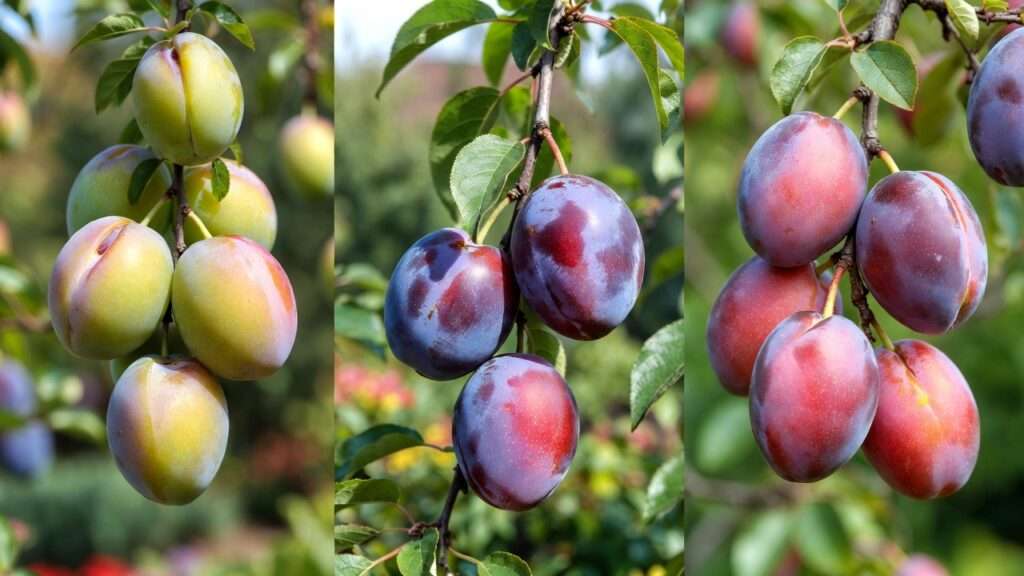
Imagine sinking your teeth into a sun-warmed plum straight from your own tree—the juice bursting forth in a perfect harmony of sweetness, subtle tartness, and floral notes that make every bite feel like a little celebration 😍. Yet, too many home gardeners plant plum trees only to discover the fruit tastes bland, overly tart, or just “meh” when they were hoping for something extraordinary. The secret? Flavor profiles of popular plum varieties vary dramatically depending on the type—Japanese, European, or exciting hybrids—and understanding these differences helps you select trees that match your taste buds, climate, and garden goals.
As a plant care and tree care expert with years of hands-on experience growing, tasting, and recommending fruit trees in diverse conditions (from warm subtropical zones to cooler temperate areas), I’ve seen firsthand how the right variety transforms a backyard into a flavorful oasis. In this comprehensive guide, we’ll dive deep into the signature tastes of the most beloved plums, compare their sweetness-tartness balance, share ripening cues, and provide practical growing tips to maximize flavor. Whether you’re dreaming of the sweetest dessert plums 🍯, tart-sweet sensations for salads, or complex hybrids for wow-factor snacking, you’ll walk away knowing exactly which varieties to plant—and how to care for them—for the best-tasting harvest possible.
Understanding Plum Types: Japanese, European, and Hybrids Basics 🌳
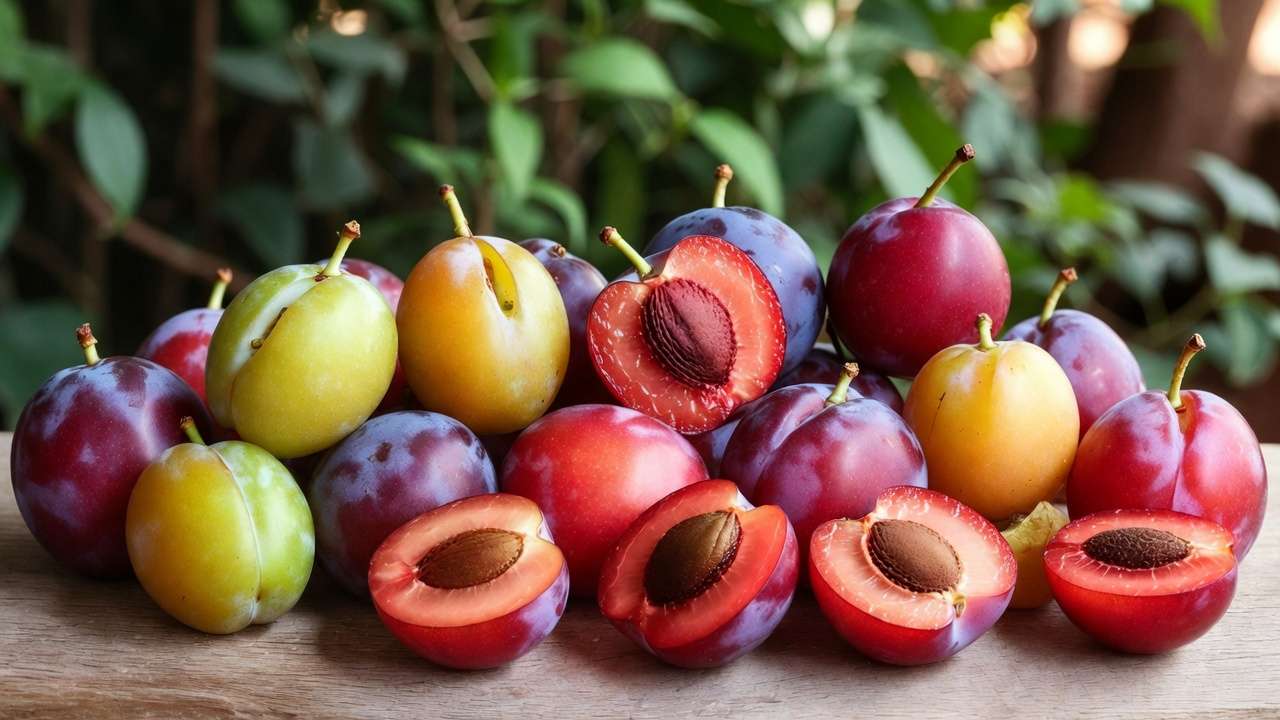
Plums fall into three main categories, each with distinct flavor traits shaped by genetics, texture, and uses.
Japanese Plums (Prunus salicina) 🌸 These are the juicy showstoppers you often see in markets—larger, softer, with vibrant red, purple, or black skins. They tend to be tangier and more acidic when young but develop rich, sweet-tart profiles when fully ripe. Perfect for fresh eating, their high juice content makes them ideal for grilling, salads, or eating out of hand. Japanese types ripen earlier in the season and thrive in warmer climates with lower chill hours (around 500-900).
European Plums (Prunus domestica) 🍇 Firmer, denser, and often oval-shaped with blue-purple or yellow-green skins, European plums lean sweeter with lower acidity. Their meaty texture shines in baking, drying into prunes, jams, and preserves. They require more chill hours (700-1,100+), suiting cooler regions, and many are self-fertile for easier home growing.
Hybrids (Pluots, Plucots, Apriums) 🔥 Modern crosses between plums and apricots bring explosive complexity—think intense sweetness with hints of tropical fruit, berry, or vanilla. Pluots (mostly plum genetics) offer bold, crunchy textures and extended hang time on the tree for peak flavor development. These are gardener favorites for their disease resistance and standout taste.
Quick comparison: Japanese plums = juicy & tangy; European = sweet & firm; Hybrids = extreme & innovative. Choosing the right type sets the foundation for delicious results!
Top Popular Plum Varieties and Their Signature Flavor Profiles 🍎
Here’s an in-depth look at standout varieties, based on real grower experiences, horticultural data, and taste notes.
Santa Rosa Plum 🌹 Developed by Luther Burbank, this Japanese classic features reddish-purple skin and pinkish-amber flesh. Flavor: Rich sweet-tart balance with raspberry-like undertones and a bright zing—intensely juicy when ripe. Sweetness level: High (often 14-18° Brix). Best uses: Fresh eating, jams, grilling, or pies. It’s a home garden staple because it’s self-fertile, productive, and adaptable to many zones (5-9). Many gardeners call it the “perfect everyday plum” for its reliable flavor punch.
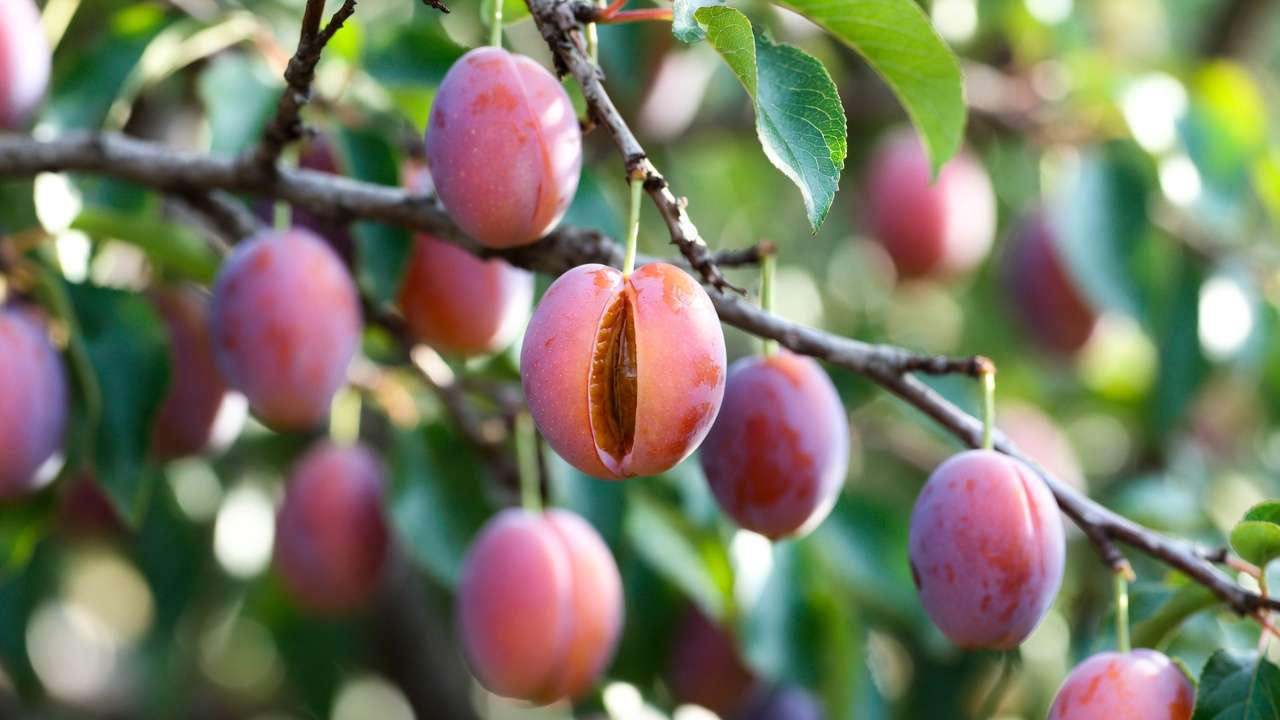
Elephant Heart (Blood Plum) 🐘❤️ A Japanese heirloom with heart-shaped fruit, mottled purple-green skin, and striking deep crimson (blood-red) flesh. Flavor: Tart-sweet with floral vanilla and berry hints—intensely juicy and complex, often described as “rich and distinctive.” The skin can be thin and tart, but the flesh delivers a perfect sweet-tart harmony. Late-season ripener (August-September), it needs a pollinator like Santa Rosa. Ideal for fresh eating or salads; the vivid color makes stunning tarts.
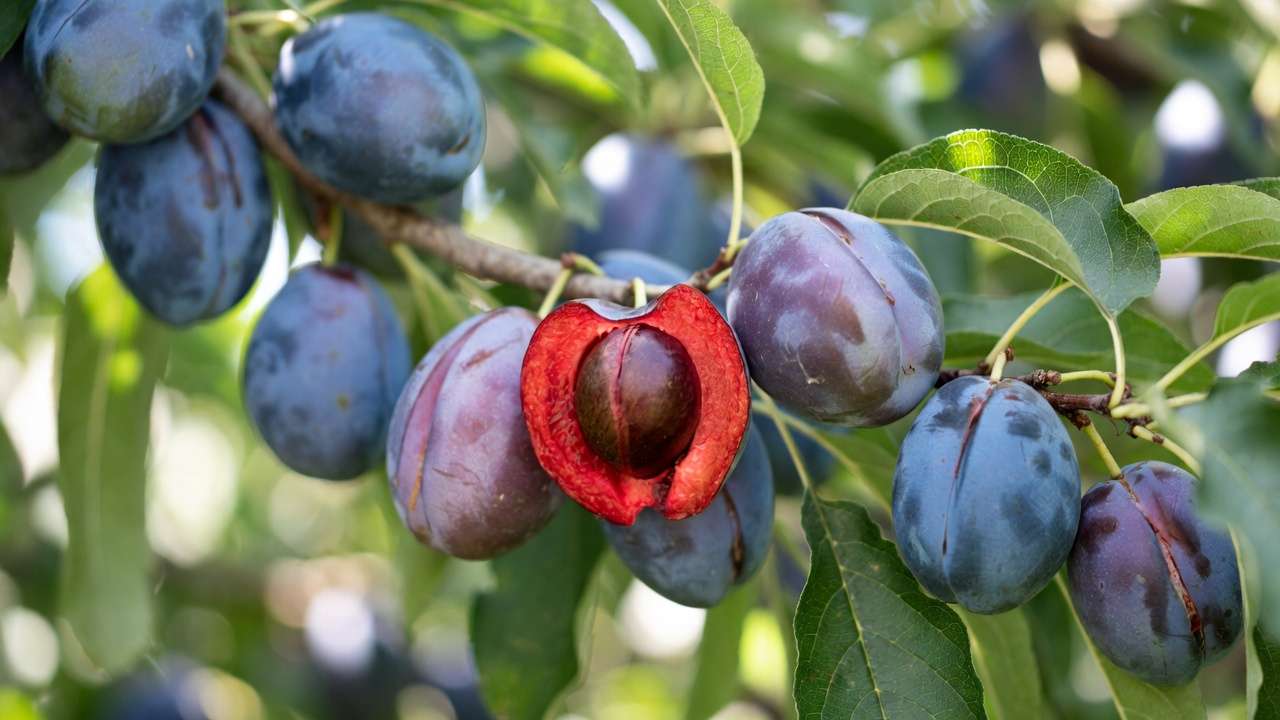
Methley Plum 🌿 Early-ripening Japanese variety with reddish-purple skin and juicy red flesh. Flavor: Mildly sweet with a subtle tart edge—very approachable and less acidic than many Japanese types. Sweetness level: Medium-high, great for beginners. Self-fertile and compact, it’s excellent for small gardens or containers. Ripens early summer; versatile for fresh snacking or preserves.
Black Amber Plum ⚫ Deep purple-black skin with firm amber-yellow flesh (Japanese). Flavor: Sweet and mild, low acidity—clean, straightforward juiciness without overpowering tartness. Drought-tolerant and reliable in warmer areas. Best for fresh eating; holds well off the tree.
Greengage (Reine Claude) 💚 A legendary European type with yellow-green skin (stays green even when ripe) and pale flesh. Flavor: Honeyed sweetness with delicate floral notes—often called one of the sweetest and finest dessert plums. Low acid, rich complexity like “the truffle of plums.” Perfect for fresh eating or gourmet preserves. Needs a pollinator; thrives in cooler climates.
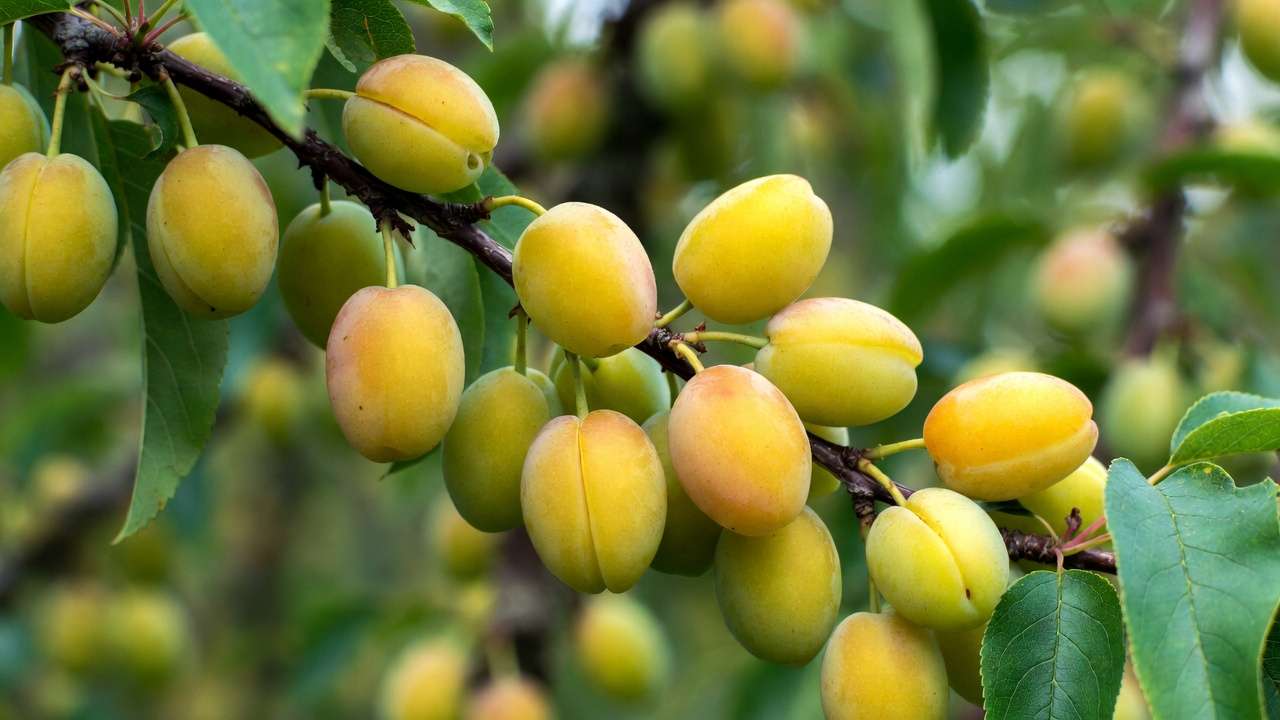
Italian Prune / Empress 🫐 Classic European oval plum with purple-black skin and yellow-green flesh. Flavor: Very sweet, firm, and low-tart—ideal for drying into prunes or fresh snacking. Heavy bearer and self-fertile; excellent for baking or canning.
Mirabelle Plum ✨ Tiny golden-yellow European fruits. Flavor: Intensely sweet, candy-like—frequently hailed as one of the sweetest accessible plums with honeyed richness. Used in Europe for tarts, jams, or eau-de-vie. Compact trees; high sugar content makes them irresistible fresh.
Flavor Grenade Pluot (Hybrid Highlight) 💥 Elongated green fruit with red blush, crisp texture. Flavor: Explosive sweet-tart with tropical nectarine-plum fusion—crunchy, honey-like, and extreme (taste-test winner). Hangs on the tree 4-6 weeks, getting sweeter. Needs a Japanese plum pollinator; modern gardeners love it for bold, long-lasting flavor.
Sweetest vs Tartest vs Most Complex: Head-to-Head Comparisons 📊
- Sweetest picks 🍬: Greengage and Mirabelle top the list for pure honeyed sweetness; Santa Rosa and Italian Prune follow closely for balanced high-sugar profiles. Brix levels often exceed 18° in ripe fruit.
- Tartest standouts 😋: Elephant Heart leads with bold tart berry notes balanced by sweetness; early Japanese like some Methley picks add zing.
- Most flavorful/complex 🌈: Hybrids like Flavor Grenade win for layered tropical-berry-vanilla explosions; Elephant Heart offers floral depth.
Ripeness, soil nutrients, and sunlight heavily influence taste—full sun and proper thinning boost Brix (sugar) for sweeter results.
How to Choose the Best Plum Variety for Your Garden & Taste Buds 🏡
Selecting the perfect plum tree goes beyond just flavor—it’s about matching your preferences, space, climate, and intended use. Here’s a step-by-step guide to make the smartest choice:
- Match Flavor to Your Favorite Uses
- Fresh eating/snacking 😋: Go for juicy, balanced types like Santa Rosa (sweet-tart zing), Methley (mild and approachable), or hybrids like Flavor Grenade (explosive crunch and complexity).
- Baking, pies, and tarts 🥧: Firmer European varieties shine—Greengage for honeyed richness, Italian Prune for deep sweetness without excess juice.
- Jams, preserves, and drying 🍯: High-sugar, low-water options like Mirabelle (candy-like intensity), Italian Prune (perfect for prunes), or Black Amber (mild and consistent).
- Salads or grilling 🔥: Tart-sweet standouts like Elephant Heart (floral berry notes) add wow-factor color and contrast.
- Consider Your Climate & USDA Zone
- Warm climates (zones 8-10, low chill 300-600 hours): Japanese plums and hybrids thrive—Santa Rosa, Methley, Black Amber, Flavor Grenade.
- Cooler climates (zones 5-7, higher chill 700+ hours): European types excel—Greengage, Italian Prune, Mirabelle.
- Check your local chill hours (hours below 45°F/7°C in winter)—mismatching leads to poor blooming and flavor development.
- Tree Size, Pollination, & Space Needs
- Self-fertile (no second tree needed): Santa Rosa, Methley, Italian Prune—ideal for small yards or beginners.
- Needs a pollinator: Elephant Heart, Greengage, many hybrids—pair with a compatible variety (e.g., Santa Rosa pollinates many Japanese types).
- Dwarf or semi-dwarf rootstocks keep trees 8-12 ft tall for patios; standard trees reach 15-20 ft but produce more fruit.
- Bonus Factors for Flavor-Focused Growers
- Disease resistance: Hybrids often have better tolerance to bacterial spot or plum curculio.
- Ripening spread: Plant early (Methley), mid (Santa Rosa), and late (Elephant Heart) varieties for an extended harvest season.
Pro tip: Taste local plums at farmers’ markets or nurseries first—flavor perception varies by personal palate and growing conditions!
Growing Tips to Maximize Flavor in Your Plum Trees 🌱
Even the best variety won’t deliver peak taste without proper care. Follow these expert strategies to coax out the sweetest, juiciest plums:
- Site Selection for Flavor Power ☀️ Choose full sun (6-8+ hours daily)—more sunlight = higher sugar (Brix) levels. Well-drained, loamy soil with pH 6.0-7.0 prevents blandness from waterlogging.
- Planting & Soil Prep Dig a hole twice as wide as the root ball; mix in compost for nutrients. Plant at the same depth as in the nursery pot. Mulch 2-3 inches deep (keep away from trunk) to retain moisture and suppress weeds.
- Watering & Fertilizing 💧 Deep, infrequent watering during fruit development promotes concentrated flavor—avoid overwatering, which dilutes sugars. Apply balanced organic fertilizer in early spring; add potassium-rich amendments (e.g., wood ash) mid-season for sweeter fruit.
- Thinning for Bigger, Better Taste ✂️ Thin fruit clusters to 4-6 inches apart when plums are marble-sized. This directs energy to fewer fruits, boosting size, sugar content, and flavor intensity—thin aggressively for dessert-quality plums!
- Pruning for Health & Flavor 🌿 Prune in late winter: Open the center for airflow and sun penetration. Remove crossing branches and water sprouts. Good structure means better light exposure = riper, tastier fruit.
- Harvest Timing: When Flavor Peaks ⏰ Watch for: Full color development, slight softening (gentle give), and sweet aroma. Pluck with a gentle twist—plums ripen off the tree minimally, so tree-ripe = maximum flavor. Taste-test daily during the ripening window!
- Common Mistakes That Dull Taste ⚠️
- Picking too early (tart and bland).
- Poor pollination (small, flavorless fruit).
- Over-fertilizing nitrogen (lush leaves, weak flavor).
- Ignoring pests (e.g., aphids or borers sap tree energy).
With these practices, homegrown plums often outshine store-bought in richness and complexity.
Bonus: Fun Ways to Enjoy Your Plums 🍰
Once you’ve harvested your flavorful bounty, try these variety-specific ideas:
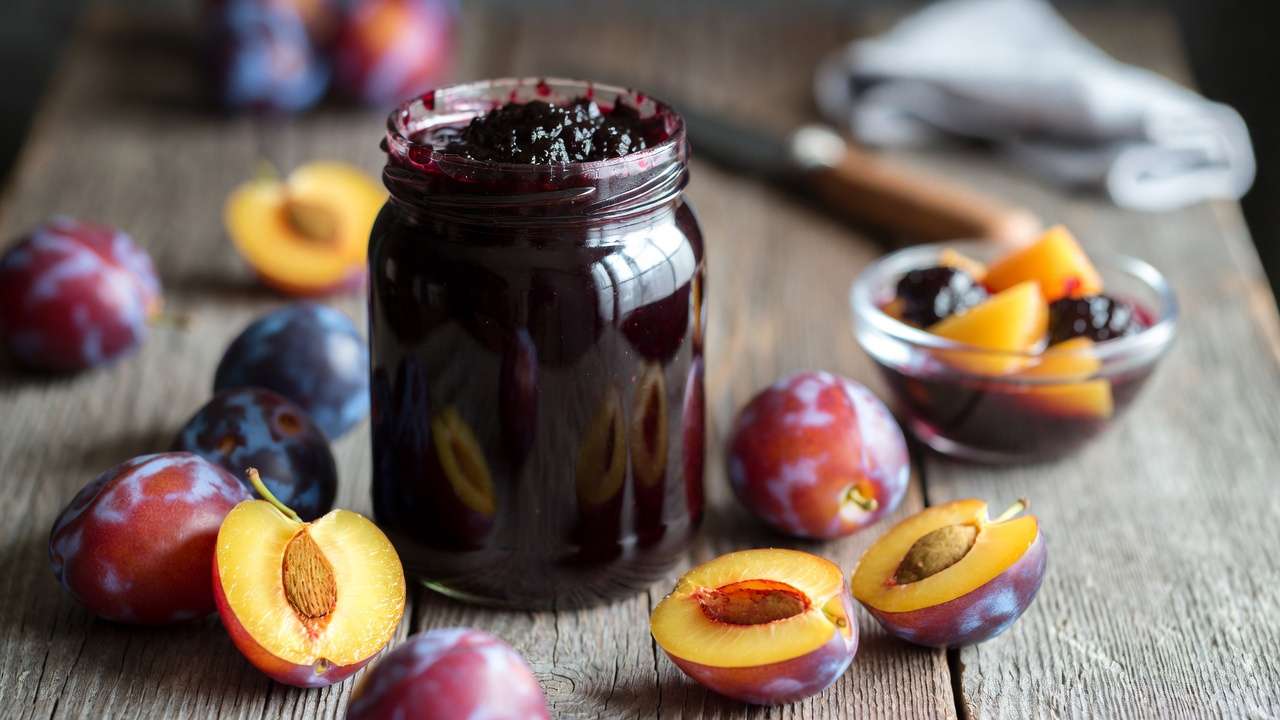
- Santa Rosa Jam 🌹: Simmer with sugar and lemon—tart edge balances beautifully.
- Greengage Tart 💚: Simple custard tart highlights honeyed notes.
- Elephant Heart Salad 🐘❤️: Slice over greens with goat cheese for vivid color and floral pop.
- Mirabelle Compote ✨: Spoon over yogurt or ice cream—pure candy bliss.
- Preservation 🫙: Dry Italian Prunes in a dehydrator for chewy, sweet snacks; freeze halves for smoothies.
Experiment and discover your signature plum recipes!
Frequently Asked Questions (FAQs) ❓
What is the sweetest plum variety for home growing? Mirabelle and Greengage often top the list for intense honeyed sweetness (high Brix, low acid); Santa Rosa offers great balanced sweetness for easier growing.
Are Japanese or European plums better for beginners? Japanese (like Santa Rosa or Methley) ripen earlier and suit warmer areas; European are sweeter/firmer but need more chill hours. Start with self-fertile varieties in your zone.
How do I know when plums are ripe for best flavor? Look for full color, slight softness, easy detachment, and sweet scent. Brix peaks tree-ripe—avoid picking green!
Can I grow pluots in a small garden? Yes! On dwarf rootstock, Flavor Grenade or similar hybrids stay compact and deliver huge flavor payoff.
Why do my plums taste bland? Common culprits: Early harvest, insufficient sun/thinning, overwatering, or low-potassium soil. Adjust care next season for sweeter results.
Conclusion: Plant Your Perfect Plum Today! 🌟
The world of plums is wonderfully diverse—flavor profiles of popular plum varieties range from candy-sweet Greengages to tart-floral Elephant Hearts and explosive hybrid sensations. By understanding these differences and pairing them with smart growing practices, you’ll enjoy plums that burst with taste far beyond supermarket fruit.
Start small: Pick 1-2 varieties that match your taste and climate (Santa Rosa is a forgiving all-rounder 🍑). Plant, nurture, and soon your garden will reward you with juicy, homegrown perfection. What’s your dream plum flavor—super sweet, zesty tart, or complex and bold? Share in the comments below, and explore more tree care guides here for your best orchard yet! Happy planting! 🚀🍒











