
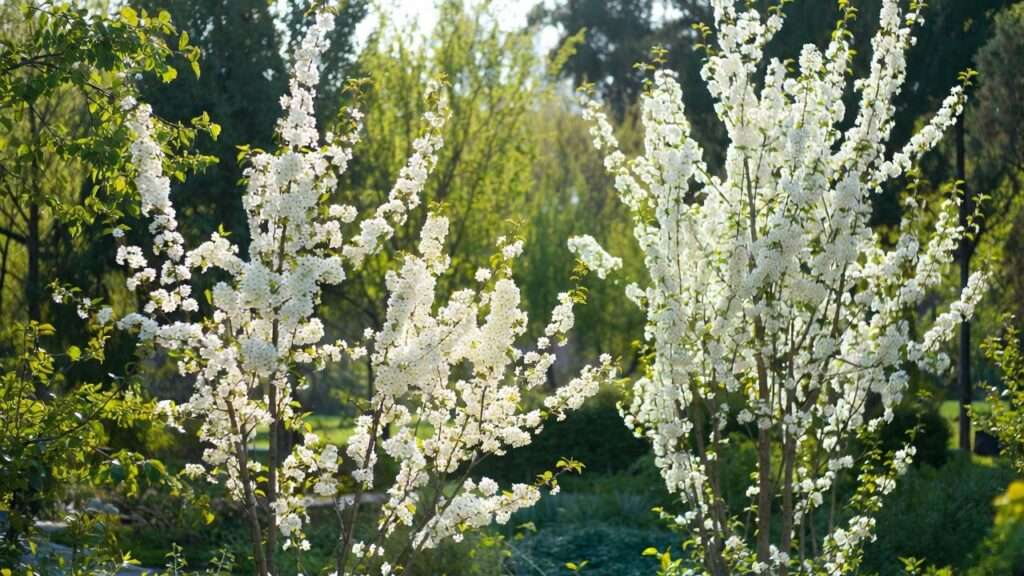
Picture this: It’s early spring, and your garden awakens under a canopy of pure, ethereal white blooms, transforming your outdoor space into a serene paradise that feels like a scene from a fairy tale. If you’ve been searching for flowering trees with white blossoms to add elegance, tranquility, and timeless beauty to your landscape, you’re in the right place. These stunning trees not only deliver breathtaking spring displays but also provide year-round interest, attract beneficial pollinators, and enhance curb appeal without clashing with your existing plants.
As a horticulturist with over 20 years of experience designing gardens and caring for ornamental trees across various climates, I’ve seen firsthand how white-flowering varieties can elevate any yard—from compact urban lots to sprawling rural properties. In this comprehensive guide, we’ll explore 10 of the most stunning options, complete with detailed selection advice, planting tips, and expert maintenance strategies to ensure your trees thrive for decades. Whether you’re a beginner gardener dreaming of a moonlit-like glow or an experienced landscaper seeking low-maintenance beauties, this article will help you make informed choices that solve common challenges like limited space, poor soil, or harsh weather. Let’s dive in and discover how these white-blossomed wonders can become the highlight of your garden! ❄️

Why Choose Flowering Trees with White Blossoms? ❄️
White blossoms offer a unique versatility that colorful flowers sometimes can’t match. Their clean, crisp hue symbolizes purity and peace, creating a calming backdrop that complements any garden style—be it modern minimalist, cottage charm, or formal elegance. Unlike bold pinks or reds that demand attention, white blooms softly reflect moonlight, making your garden magical at night.
Beyond aesthetics, these trees support biodiversity. Many produce nectar-rich flowers that draw bees, butterflies, and hummingbirds, boosting pollination in your yard and contributing to local ecosystems. Several varieties follow their spring spectacle with attractive summer fruit, vibrant fall foliage, or interesting winter bark, ensuring multi-season appeal.
From a practical standpoint, white-flowering trees often tolerate a range of conditions. Many are drought-resistant once established, disease-tolerant in modern cultivars, and adaptable to various soil types. They’re ideal for homeowners seeking low-maintenance options that deliver high visual impact. Plus, in colder climates (USDA zones 4-9 for most), they herald the end of winter with early blooms, lifting spirits after long months of dormancy.
Expert insight: In my years consulting for botanical gardens and private estates, I’ve recommended white-blossomed trees as alternatives to invasive species like Bradford pear, which can dominate landscapes and harm native plants. Choosing natives or improved hybrids promotes ecological health while providing superior beauty.
How to Choose the Right White-Flowering Tree for Your Garden 🏡
Selecting the perfect tree starts with assessing your site’s specifics. Here’s a step-by-step approach based on proven horticultural principles:
Key Factors to Consider
- USDA Hardiness Zone: Match the tree to your region’s climate. Most white-flowering options thrive in zones 5-9, but some like Star Magnolia extend to zone 4.
- Mature Size: Consider height and spread to avoid overcrowding. Compact varieties suit small yards; larger ones make striking specimens.
- Bloom Time and Duration: Early bloomers like dogwoods kick off spring; summer-flowering crape myrtles extend the show.
- Soil and Sun Requirements: Prefer well-drained, slightly acidic to neutral soil. Full sun (6+ hours) maximizes blooms for most.
- Additional Features: Fragrance (e.g., magnolias), edible fruit (serviceberry), or fall color add bonus value.
Expert Tip 🌟
Always avoid invasive trees. Steer clear of outdated choices like Bradford pear, which weaken easily and spread aggressively. Opt for native species or bred cultivars—they’re more resilient and environmentally friendly. Check resources like your local extension service for zone-specific recommendations.
Pro tip from experience: Test your soil pH before planting. Many white-blossomed trees prefer acidic conditions; amending with organic matter can make all the difference.
Top 10 Stunning Flowering Trees with White Blossoms 🌳
Here are my top picks, selected for beauty, reliability, and gardener feedback. Each includes detailed descriptions, growing info, and care advice to help you succeed.
1. Flowering Dogwood (Cornus florida) 🐕
The iconic native flowering dogwood is a spring superstar, boasting large, showy white bracts (modified leaves that look like petals) surrounding tiny true flowers. In early to mid-spring, branches explode into clouds of white, creating a dreamy understory effect.
- Size: 15-30 feet tall and wide—a perfect mid-sized tree.
- Best For: Woodland edges, shaded patios, or as a specimen; red berries in fall attract birds, and scarlet foliage dazzles in autumn.
- Hardiness: Zones 5-9.
- Care Tips: Prefers partial shade to protect from hot afternoon sun, acidic well-drained soil, and consistent moisture. Good airflow prevents anthracnose fungus—space properly and prune sparingly.
In my practice, dogwoods thrive when mulched with leaf litter to mimic forest floors. They’re sensitive to drought, so deep watering in the first years is crucial.

2. Southern Magnolia (Magnolia grandiflora) 🌺
For evergreen drama, nothing beats the southern magnolia’s massive, lemon-scented white flowers up to 12 inches across, blooming from late spring through summer.
- Size: 60-80 feet (opt for compact cultivars like ‘Little Gem’ at 20-25 feet for smaller spaces).
- Best For: Southern gardens as a shade tree; glossy dark leaves provide year-round privacy.
- Hardiness: Zones 7-10.
- Care Tips: Full sun, rich moist soil; mulch heavily to retain moisture and suppress weeds. Tolerant of heat and humidity once established.
These majestic trees remind me of classic estate landscapes—plant them where their fragrance can waft through open windows.

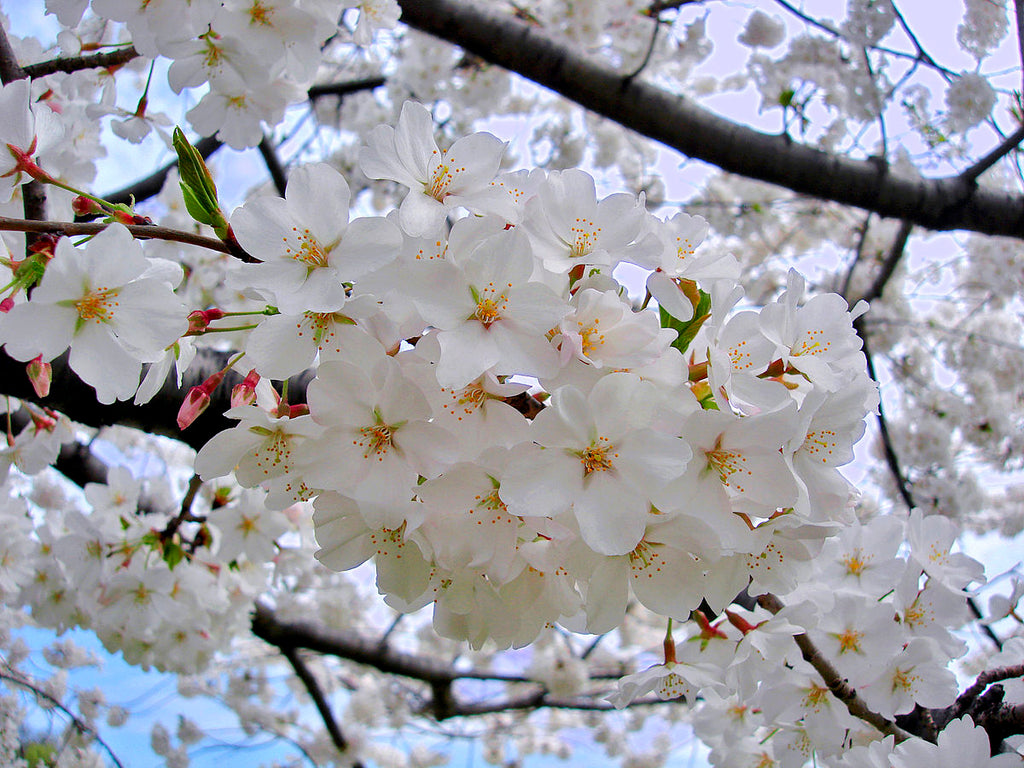
3. Yoshino Cherry (Prunus x yedoensis) 🍒
Few sights rival the breathtaking spectacle of Yoshino cherry trees in full bloom, with branches draped in soft, almond-scented white (sometimes faintly pink-tinged) flowers that create billowy clouds against the spring sky. Famous for the National Cherry Blossom Festival in Washington, D.C., this hybrid is a timeless favorite for ornamental landscapes.
- Size: 20-40 feet tall with a spreading, vase-shaped canopy.
- Best For: Focal point in lawns, along driveways, or in mass plantings for dramatic effect; ephemeral blooms last 1-2 weeks.
- Hardiness: Zones 5-8.
- Care Tips: Full sun, well-drained slightly acidic soil; prune only after flowering to avoid removing next year’s buds. Protect from strong winds to extend bloom time.
From experience, Yoshino cherries perform best in cooler climates with distinct seasons—hot summers can stress them. Plant on a slight slope for drainage, as they dislike wet feet.
4. Serviceberry (Amelanchier spp.) 🍓
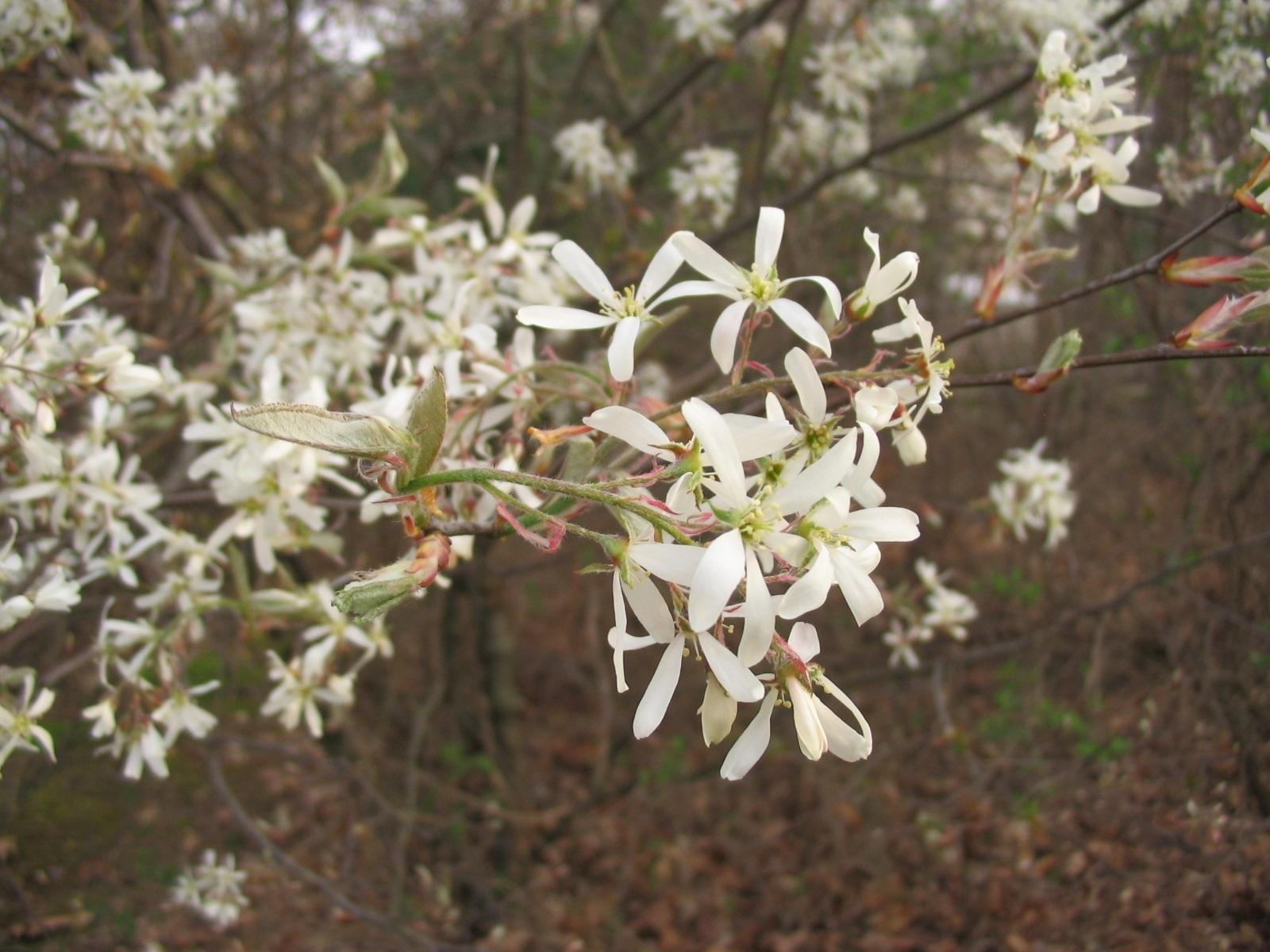
Serviceberries (also called Juneberry or shadbush) are multi-talented natives, starting the season with delicate clusters of pure white flowers in early spring, followed by sweet, blueberry-like edible berries in summer and fiery orange-red fall foliage.
- Size: 15-25 feet (shrub-like forms available for hedges).
- Best For: Naturalized gardens, bird-friendly yards, or edible landscapes—the berries are delicious in pies or fresh.
- Hardiness: Zones 4-9, highly adaptable.
- Care Tips: Full sun to partial shade, tolerant of various soils including clay; minimal pruning needed.
I’ve planted dozens of serviceberries in client gardens—they’re forgiving for beginners and provide “four-season interest” that’s hard to beat. The berries ripen just as birds need them, creating lively wildlife activity.
5. Kousa Dogwood (Cornus kousa) ⭐
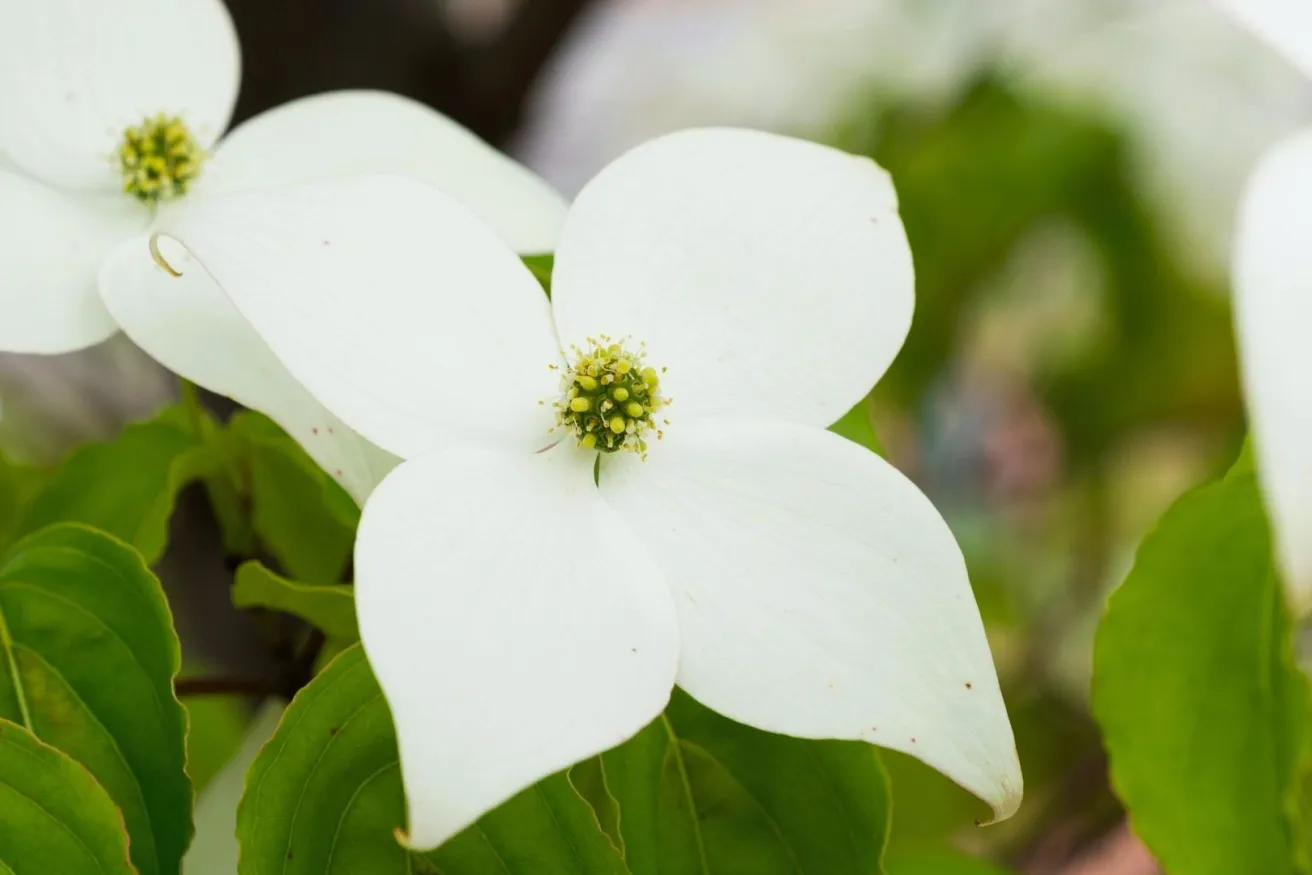
A superior alternative to the native dogwood, Kousa blooms later (late spring to early summer) with pointed, creamy-white bracts that last longer and resist disease better. Exfoliating bark and red raspberry-like fruit add summer and fall appeal.
- Size: 15-30 feet, often wider than tall.
- Best For: Small yards or as an understory tree; more urban-tolerant than its cousin.
- Hardiness: Zones 5-8.
- Care Tips: Full sun to partial shade, well-drained soil; highly resistant to anthracnose and powdery mildew.
In my fieldwork, Kousa dogwoods have proven reliable even in challenging sites. Their fruit is edible (though tart) and attracts wildlife long after blooms fade.
6. Fringe Tree (Chionanthus virginicus) ☁️
Known as “Grancy graybeard” in the South, this native delights with airy, fragrant, fringe-like white flowers dangling in clusters during late spring—truly ethereal when backlit by sunlight.
- Size: 12-20 feet, slow-growing and multi-stemmed.
- Best For: Shade gardens or near patios to enjoy the sweet scent; female plants produce blue berries beloved by birds.
- Hardiness: Zones 5-9.
- Care Tips: Full sun to deep shade, moist acidic soil; very low-maintenance once established.
Fringe trees are underused gems—I’ve recommended them for clients wanting subtle elegance without fuss. They’re dioecious, so plant both sexes for fruit.
:max_bytes(150000):strip_icc()/Chionanthusvirginicus-01-8a660533b8f940e7b9c709289c970a27.jpg)
7. Star Magnolia (Magnolia stellata) ✨
One of the earliest bloomers, star magnolia unfurls multi-petaled, star-shaped white flowers in early spring (sometimes as soon as March), often before leaves emerge for maximum impact.
- Size: 15-20 feet, compact and slow-growing.
- Best For: Small gardens, foundation plantings, or containers; protect from late frosts.
- Hardiness: Zones 4-9.
- Care Tips: Partial shade (especially in hotter zones), well-drained acidic soil; mulch to keep roots cool.
Cultivars like ‘Royal Star’ bloom slightly later, reducing frost risk. In colder regions, site against a south-facing wall for extra warmth.
:max_bytes(150000):strip_icc()/star-magnolia-trees-2132137-hero-304aaed0ada44503baa089905ead1e09.jpg)
8. White Crape Myrtle (Lagerstroemia ‘Natchez’) 🌸
For summer-long color in warmer climates, ‘Natchez’ crape myrtle delivers massive panicles of pure white crinkled flowers from July to September, plus cinnamon-colored exfoliating bark for winter interest.
- Size: Up to 30 feet (dwarf white varieties like ‘White Chocolate’ for smaller spaces).
- Best For: Hot, sunny spots; heat- and drought-tolerant champion.
- Hardiness: Zones 7-10.
- Care Tips: Full sun, well-drained soil; prune in late winter to encourage blooms (the infamous “crape murder” isn’t necessary—light shaping suffices).
‘Natchez’ is mildew-resistant and one of the tallest whites—perfect for screening or specimens in southern gardens.

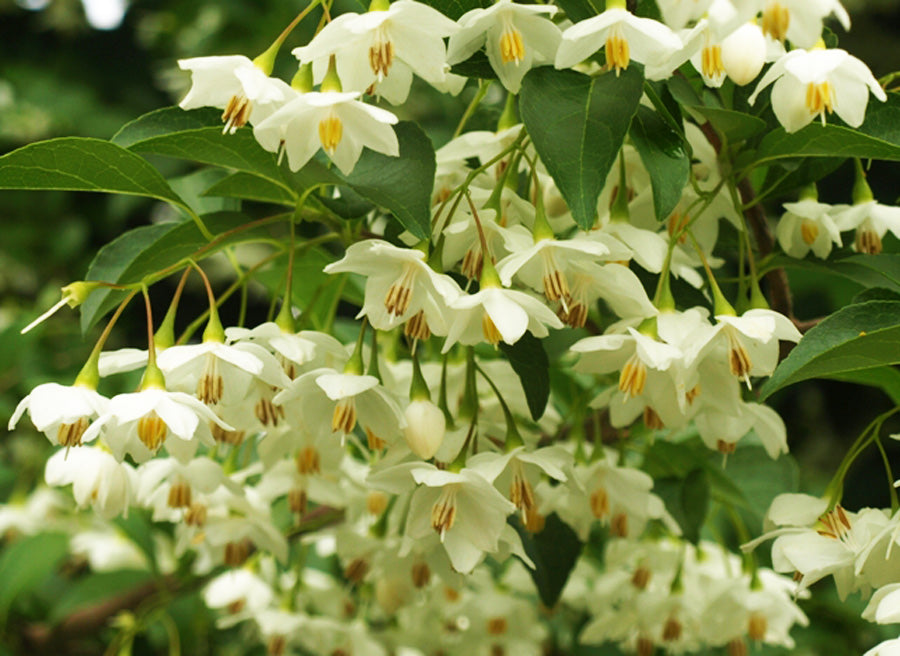
9. Japanese Snowbell (Styrax japonicus) 🔔
Elegant and understated, this tree hangs clusters of pendant, bell-shaped fragrant white flowers beneath branches in late spring to early summer, creating a snowfall effect.
- Size: 20-30 feet, horizontal branching habit.
- Best For: Patio or lawn specimens where flowers can be viewed from below.
- Hardiness: Zones 5-9.
- Care Tips: Partial shade, moist well-drained soil; avoid heavy fertilization.
Snowbells shine in Asian-inspired gardens—pair with ferns or hostas underneath.
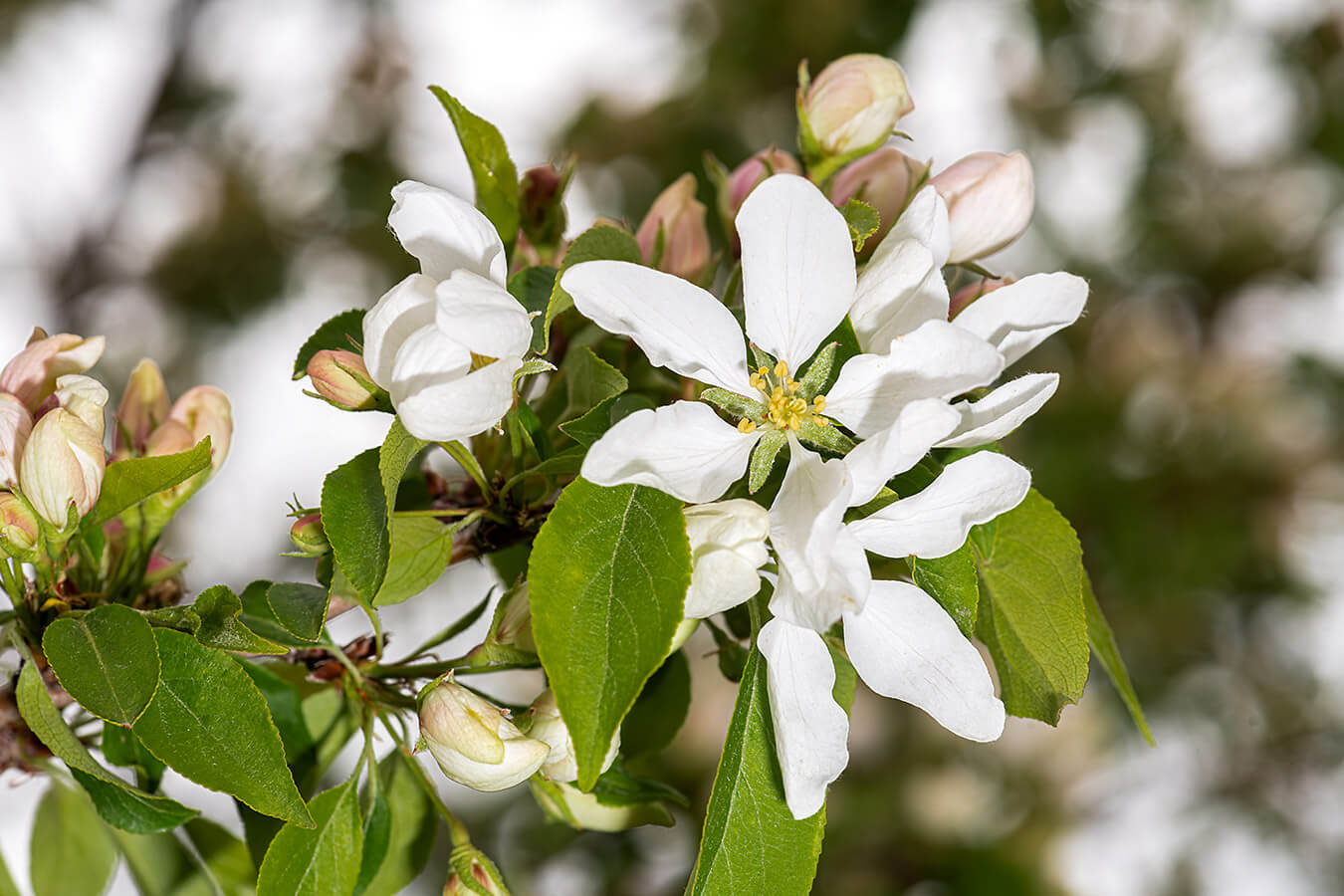
10. Crabapple (Malus spp., white varieties like ‘Spring Snow’) 🍏
Modern sterile crabapples like ‘Spring Snow’ offer profuse pure white spring blooms without messy fruit, while others provide small ornamental apples for wildlife or jelly.
- Size: 15-25 feet, rounded form.
- Best For: Urban tolerant, disease-resistant options for streetside or yards.
- Hardiness: Zones 4-8.
- Care Tips: Full sun, good airflow; select fire blight-resistant cultivars like ‘Prairifire’ (white-pink) or pure whites.
Choose fruitless types for tidy landscapes—I’ve seen ‘Spring Snow’ thrive in tough conditions.
Expert Care Tips for Healthy White-Flowering Trees 🌱
To ensure your flowering trees with white blossoms flourish, follow these professional guidelines honed from decades in the field.
Planting Guidelines
Plant in fall or early spring when dormant for best root establishment. Dig a hole twice as wide as the root ball but no deeper—keep the graft union (if present) above soil level. Amend heavy clay with compost for drainage, but avoid rich mixes that encourage weak growth.
Expert insight: Bare-root trees establish faster than container-grown in many cases. Soak roots overnight before planting.
Watering and Fertilizing 💧
Newly planted trees need deep watering weekly for the first two years—aim for 1-2 inches per session. Once established, most are moderately drought-tolerant, but consistent moisture boosts blooms.
Fertilize sparingly in early spring with a slow-release, balanced formula (e.g., 10-10-10) or organic options like compost tea. Avoid high-nitrogen fertilizers on flowering trees, as they promote leaves over blooms.
Pruning and Maintenance ✂️
Prune right after flowering to shape and remove dead wood—never in late summer/fall, as it stimulates growth vulnerable to winter damage. Thin crowded branches for airflow, reducing disease risk.
Monitor for common pests: Scale insects appear as bumps on bark; treat with horticultural oil in dormancy. Aphids can distort new growth—blast with water or use insecticidal soap.
Common Problems and Solutions ⚠️
- Frost Damage: Early bloomers like magnolias risk bud kill in late freezes. Plant in sheltered microclimates or cover with frost cloth.
- Powdery Mildew: Choose resistant varieties (e.g., Kousa dogwood, ‘Natchez’ crape); improve circulation.
- Root Issues: Poor drainage leads to rot—ensure good site prep.
Pro tip: Mulch 2-3 inches deep with organic material (keep away from trunk) to regulate soil temperature and retain moisture.
Conclusion: Transform Your Garden with White Blossoms Today! 🌟
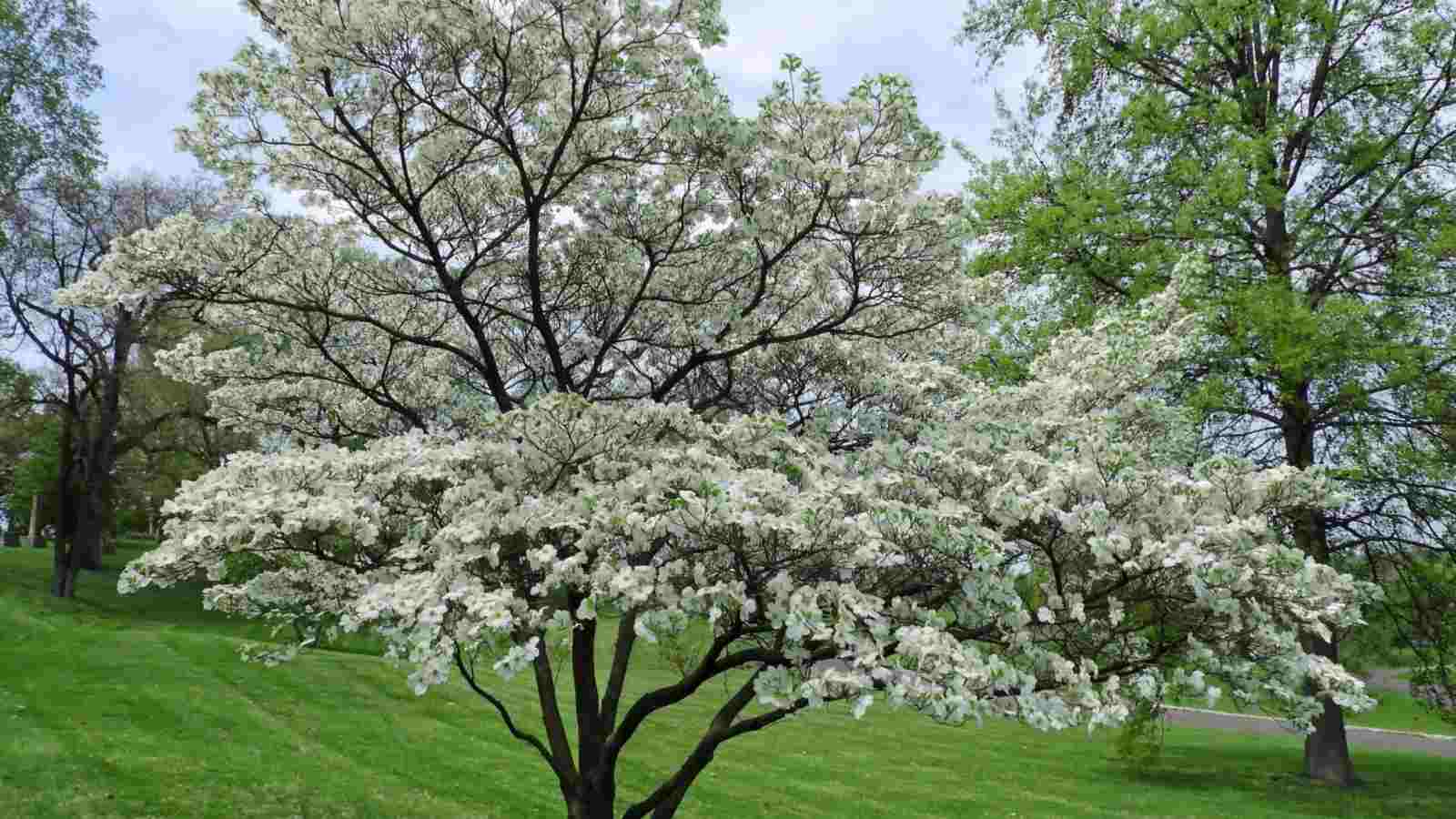
These 10 stunning flowering trees with white blossoms represent the pinnacle of ornamental elegance, offering solutions for every garden size, climate, and style. From the early whispers of star magnolia to the summer extravagance of crape myrtle, there’s a perfect match waiting to elevate your landscape.
Start by assessing your USDA zone and space, then source healthy specimens from reputable nurseries. With proper selection and care, these trees will reward you with decades of breathtaking beauty, pollinator support, and seasonal joy. Your dream garden is just one white-blossomed tree away—happy planting! 🌳❄️
Frequently Asked Questions (FAQs) ❓
What is the best small flowering tree with white blossoms? Star Magnolia or Fringe Tree—both stay under 20 feet and pack huge visual punch in compact spaces.
Are white-flowering trees deer-resistant? Moderately; Kousa Dogwood and Serviceberry are less browsed than others, but no tree is fully deer-proof in high-pressure areas. Use repellents or fencing for protection.
When do most white-blossoming trees bloom? Primarily early to late spring (March-May in most zones), with exceptions like Crape Myrtle extending into summer and fall.
Can I grow these in containers? Yes! Dwarf varieties of Star Magnolia, certain Crabapples, or compact Magnolias thrive in large pots with excellent drainage. Use quality potting mix and fertilize regularly.
How do I prevent common diseases in white-flowering trees? Select resistant cultivars, ensure good airflow through pruning, avoid overhead watering, and clean up fallen leaves in autumn.
Thank you for reading—may your garden bloom beautifully! 🌸











