
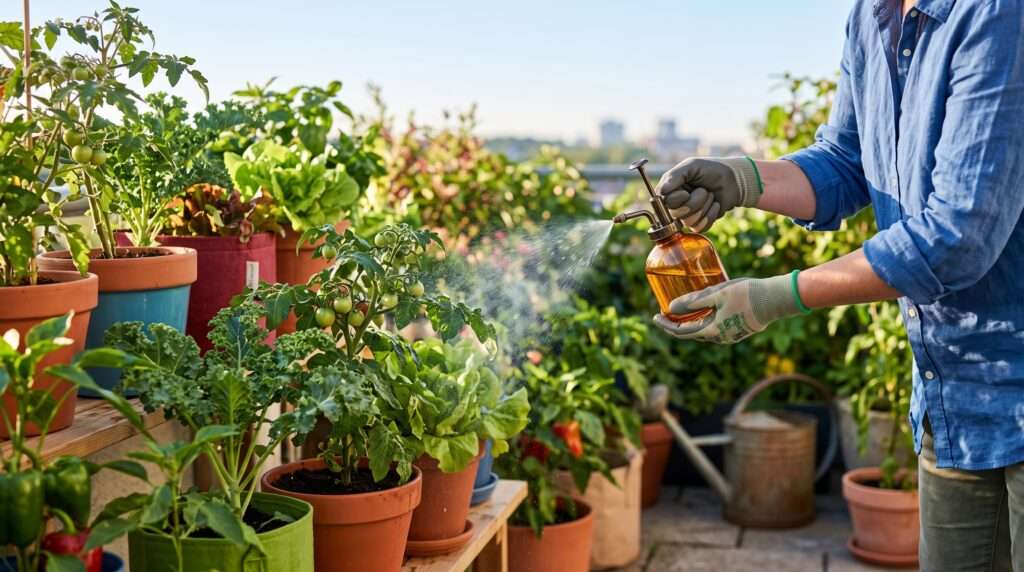
Container gardening is incredibly rewarding, but it comes with a frustrating caveat: every time you deeply water your plants, essential nutrients wash right out the bottom drainage holes. This relentless nutrient leaching can leave your prized tomatoes, peppers, and greens stunted, yellowing, and struggling to produce a harvest despite your best efforts. If you want to bypass depleted potting soil and deliver vital minerals directly to where they are needed most, you need to master foliar feeding potted vegetables. This rapid-response technique acts like an IV drip for your plants, allowing them to absorb life-saving nutrients through their leaves in a matter of hours.
Whether you are trying to rescue a struggling pepper plant or simply want to push your harvest to the absolute maximum, this comprehensive guide covers the science, the formulas, and the exact steps to effectively feed your container garden through its foliage. 🍅
What is Foliar Feeding and Why Do Potted Vegetables Need It? 🤔
At its core, foliar feeding is the practice of applying liquid fertilizer directly to the leaves of a plant rather than pouring it into the soil. While roots are a plant’s primary engine for nutrient uptake, evolution has equipped leaves with a remarkable backup system.
The Science of Stomata: How Leaves Eat 🔬
If you look at a vegetable leaf under a microscope, you will see thousands of microscopic pores called stomata, primarily located on the underside of the leaf. These pores are designed to facilitate gas exchange (taking in carbon dioxide and releasing oxygen), but they also possess the ability to absorb water and water-soluble nutrients directly into the plant’s vascular system.
When you spray a fine mist of liquid fertilizer onto the plant epidermis, the nutrients bypass the root system entirely. Botanical studies have shown that for certain micronutrients and trace minerals, foliar absorption can be 8 to 20 times more efficient than root uptake. The nutrients are mobilized almost instantly, making this the fastest way to correct severe deficiencies.
Container Garden Woes: The Nutrient Leaching Problem 💧
Why is this specifically crucial for potted plants? In a traditional raised bed or in-ground garden, the soil food web is vast. Fungi, bacteria, and deep soil reserves constantly replenish the available nutrients.
A container, however, is a closed, finite ecosystem. Potting mixes are highly porous to ensure adequate drainage, but this means that every time you water to the point of runoff, water-soluble macronutrients—especially nitrogen and potassium—are flushed out of the pot. By mid-summer, a standard potting mix is often entirely depleted. Foliar feeding allows you to supplement the plant’s diet without constantly flushing high doses of heavy fertilizers through your soil, which can lead to toxic salt buildup in containers.
Recognizing When to Foliar Feed ⚖️
When you are constantly observing your plants—perhaps capturing highly visual photos to track their growth, designing aesthetic pins to share your gardening journey online, or filming your seasonal progress—you become intensely attuned to subtle visual cues. Plants communicate their needs through their leaves long before they drop their fruit.
Reading Your Leaves: A Visual Guide to Deficiencies 🍂
Foliar feeding is your first line of defense when you spot these common issues:
-
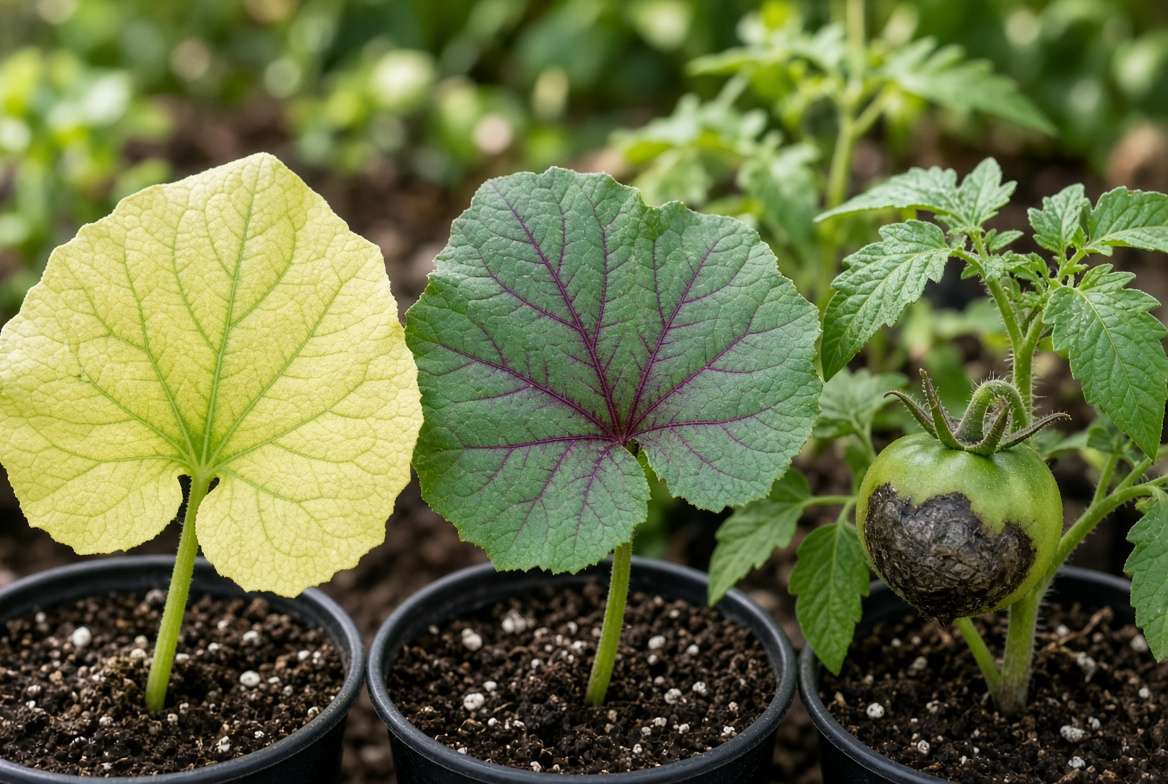
Yellowing Lower Leaves (Nitrogen Deficiency): If older leaves are turning pale yellow while new growth remains green, the plant is cannibalizing itself to support new shoots. A foliar nitrogen boost will green them up in 24 to 48 hours.
-
Purple Tints on Undersides (Phosphorus Deficiency): Often seen in early spring when cool soil temperatures prevent roots from absorbing phosphorus.
-
Blossom End Rot (Calcium Deficiency): The dreaded black, sunken spots on the bottom of tomatoes and peppers. A targeted foliar spray of liquid calcium can save the rest of your developing fruit.
Environmental Stressors 🌡️
Extreme weather shuts down a plant’s root system. During intense heatwaves, unseasonable cold snaps, or periods of heavy rain that leave potting soil waterlogged, roots stop functioning efficiently. During these stress periods, foliar feeding is often the only way to sustain the plant until the weather normalizes.
The Best Fertilizers for Foliar Feeding Potted Veggies 🧪
Not all fertilizers belong in a spray bottle. Granular fertilizers and heavy synthetic soil drenches will burn foliage on contact. You need highly diluted, water-soluble nutrients.
Organic Liquid Gold 🌱
-
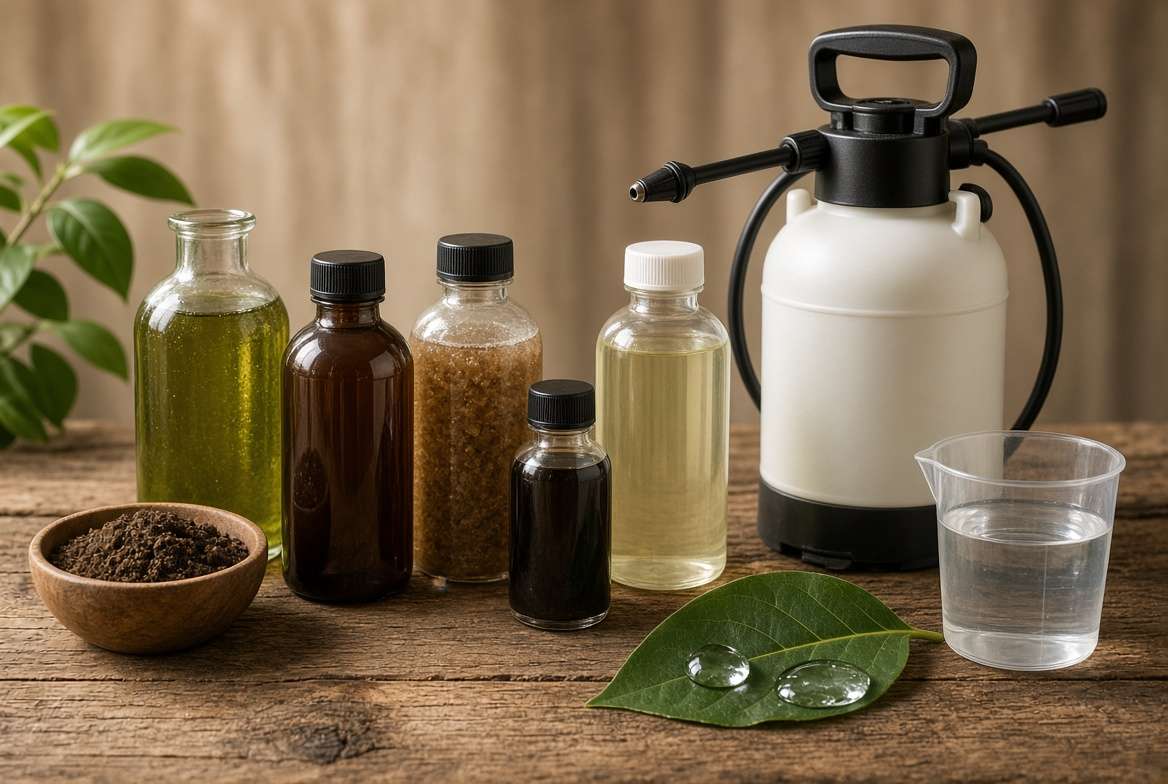
Kelp Extract: The undisputed king of foliar sprays. Kelp is packed with over 60 trace minerals and natural growth hormones (cytokinins and auxins) that stimulate cellular division and help plants bounce back from heat stress.
-
Fish Emulsion: Provides a rapid, easily absorbed dose of organic nitrogen. (Note: It does have a strong odor for a day or two, so apply cautiously if your containers are on an enclosed apartment balcony).
-
Compost Tea & Worm Casting Extract: Brewing aerated compost tea provides a dual benefit. It delivers a gentle dose of nutrients while coating the leaf surface with beneficial microbes that actively outcompete pathogenic fungi like powdery mildew.
Synthetic & Mineral Options 🪨
-
Water-Soluble Calcium: Essential for heavy-fruiting crops to build strong cell walls.
-
Epsom Salts (Magnesium Sulfate): A highly effective, inexpensive spray (1 tablespoon per gallon of water) for correcting magnesium deficiencies, which present as yellowing leaves with dark green veins.
The Magic of Surfactants 🫧
Plant leaves naturally repel water. If you spray a liquid fertilizer onto a waxy cabbage or kale leaf, it will simply bead up and roll off into the soil. To maximize absorption, you must use a surfactant (also known as a “sticker” or “spreader”). Adding just a few drops of organic, mild dish soap or a commercial yucca extract to your sprayer breaks the surface tension of the water, allowing the fertilizer to spread into a thin, even film across the entire leaf.
Step-by-Step Guide: How to Foliar Feed Like a Pro 🛠️
Step 1: Preparing the Solution (Dilution is Key!) 💧
The golden rule of foliar feeding is: less is more. Because leaves absorb nutrients so efficiently, standard soil-drench concentrations will cause severe chemical burns to the foliage. Always dilute your chosen liquid fertilizer to 1/4 or 1/2 of the manufacturer’s recommended root-feeding dose.
Step 2: Selecting the Right Equipment 🚿
While a cheap, handheld trigger bottle works for a single potted basil plant, serious container gardeners need a pump-action pressure sprayer. A high-quality pressure sprayer allows you to adjust the nozzle to the finest possible mist. A fine mist ensures maximum surface coverage and prevents heavy droplets from rolling off the leaves. Plus, a steady, cinematic mist looks incredibly satisfying if you happen to be filming your garden care routine for an audience.
Step 3: Application Technique for Maximum Absorption ✨
Do not just spray the top canopy. The highest concentration of stomata is located on the underside of the leaves. Point your spray wand upward from the base of the plant, ensuring the undersides are thoroughly coated. Spray until you reach the “dew point”—the exact moment the leaves are glistening and a single drop forms at the leaf tip, but before heavy runoff occurs.
Golden Rules of Foliar Feeding 🌟
To prevent damage and maximize your harvest, these environmental rules are non-negotiable.
Timing is Everything: Morning vs. Evening 🌅🌆
Stomata are not open 24/7. They open in response to light and moderate temperatures. The absolute best time to foliar feed is early morning, between 6:00 AM and 9:00 AM. The stomata are fully open, the plant is actively transpiring, and the morning sun will gently dry the leaves before evening, preventing fungal diseases. Late evening is an acceptable alternative, but leaves staying wet overnight can invite blight in humid climates.
Temperature and Humidity Factors ☁️
Never foliar feed when temperatures exceed 80°F (27°C). In high heat, stomata tightly close to conserve water, meaning your fertilizer will sit on the leaf surface unabsorbed.
Warning: Avoiding the Sunburn Effect ☀️🚫
Never apply a foliar spray during the midday sun. The water droplets act as miniature magnifying glasses, concentrating the sun’s rays and scorching the leaf epidermis. Always spray during cooler, shaded hours.
Plant-Specific Foliar Strategies 🍅🥒
Different potted crops require different nutritional strategies to thrive.
Heavy Feeders (Tomatoes, Peppers, Eggplants) 🌶️
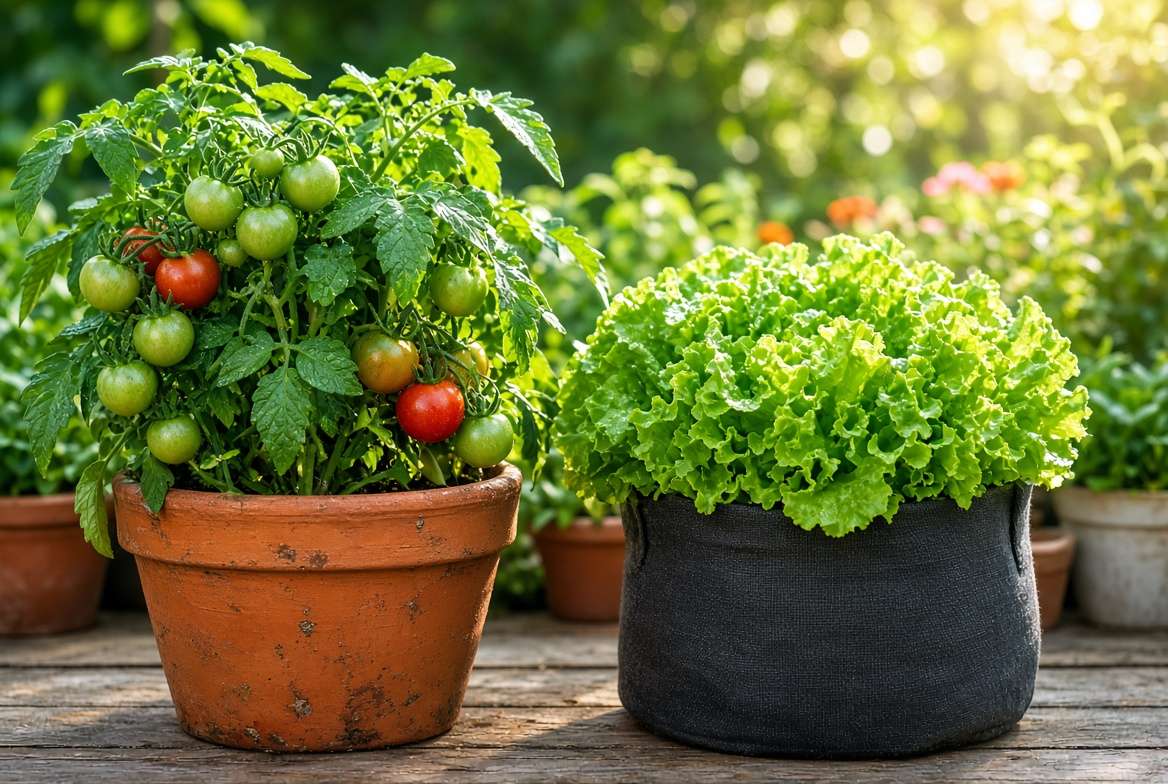
These fruiting giants rapidly deplete container soils. During the vegetative stage, use a balanced kelp and fish emulsion spray every two weeks. The moment blossoms appear, switch to a calcium and magnesium-heavy spray to support flower retention and prevent blossom end rot.
Leafy Greens (Lettuce, Spinach, Kale) 🥬
Greens are grown entirely for their foliage, meaning nitrogen is their primary currency. A bi-weekly foliar application of a nitrogen-rich fish emulsion or worm casting tea will result in explosive, tender leaf expansion and a much faster time-to-harvest.
Vining Crops (Cucumbers, Squash, Melons) 🍈
Cucumbers and squash grown in containers are notoriously susceptible to powdery mildew. By using an aerated compost tea as your primary foliar spray, you simultaneously feed the heavy vines and populate the leaf surface with beneficial bacteria that suppress mildew spores.
Troubleshooting Common Foliar Feeding Mistakes ⚠️
Mistake 1: Treating it as a Soil Replacement 🛑
Foliar feeding is a supplement, not a substitute for a healthy root zone. Your potting soil still needs organic matter, compost, and a baseline of granular slow-release fertilizer. Foliar sprays are the vitamin supplements to your plant’s main meals.
Mistake 2: Over-Fertilizing and “Crispy” Leaves 🔥
If you mix your solution too strong, you will notice the very edges of your leaves turning brown and crispy within 24 hours. If this happens, immediately take a hose and thoroughly wash down the foliage with plain water to dilute the remaining salts on the leaf surface.
Mistake 3: Spraying Open Blooms 🌸
Be careful with your spray wand when plants are actively flowering. Spraying liquid fertilizer directly into delicate, open blossoms can damage the reproductive organs, cause the flower to abort entirely, or deter vital pollinators like bees from visiting the plant.
Frequently Asked Questions (FAQs) ❓
Can I foliar feed my potted veggies every day? Absolutely not. Over-application can lead to toxic buildups of micronutrients and cause leaf burn. Limit foliar feeding to once every 10 to 14 days, or once a week max during periods of severe deficiency recovery.
Does foliar feeding work on all vegetables? It works on almost all leafy and fruiting vegetables. However, it is highly ineffective on root vegetables (like carrots and radishes) where the primary goal is underground biomass, as foliar feeding disproportionately stimulates above-ground leafy growth.
Can I mix different fertilizers in the same sprayer? Yes, but with caution. Mixing kelp and fish emulsion is a classic, highly effective combination. However, never mix synthetic calcium products with high-phosphorus fertilizers in the same tank, as they can react and form an insoluble sludge that will clog your sprayer nozzle.
How long does it take to see results? The beauty of this technique is its speed. When correcting a nitrogen or magnesium deficiency, you will often see a noticeable greening and perking up of the foliage within 24 to 48 hours of application.
Integrating a precise, well-timed foliar feeding routine into your container garden management is one of the most high-impact techniques you can master. By understanding plant biology and bypassing the limitations of depleted potting soil, you ensure your vegetables receive exactly what they need, exactly when they need it—resulting in incredibly lush growth and bountiful harvests right up until the end of the season











