
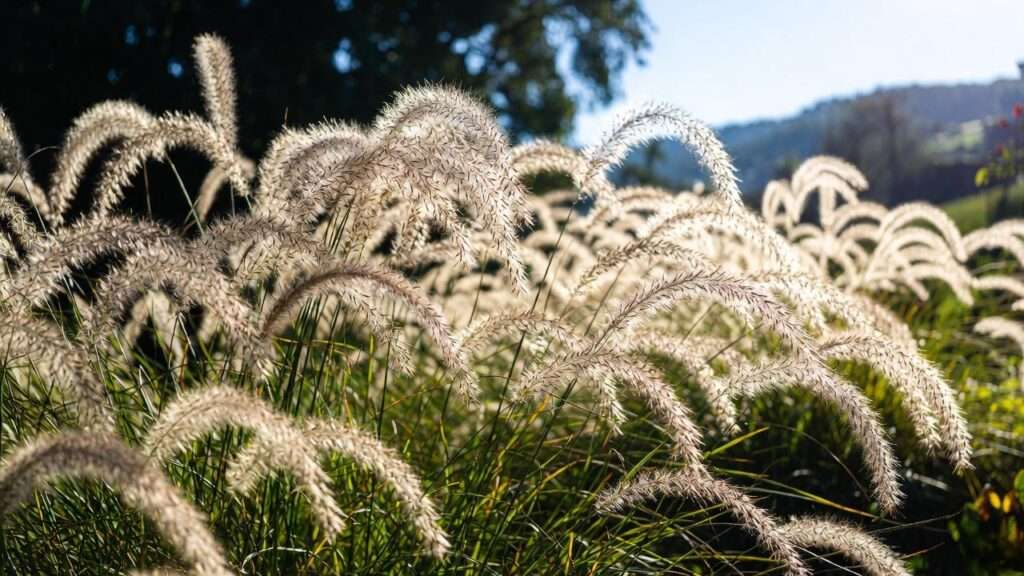
Whether you’re a beginner gardener frustrated with high-maintenance plants or a seasoned enthusiast seeking low-effort drama, fountain grass plants deliver. Known scientifically as Pennisetum alopecuroides (and its popular cultivars), these clump-forming perennials are prized for their drought tolerance, deer resistance, and stunning foxtail-like blooms that emerge in late summer. In this complete guide, we’ll dive deep into everything you need to grow thriving fountain grass plants—from selecting the best varieties to troubleshooting common issues—so you can achieve that coveted “stunning ornamental texture” in your own yard.
As a horticulturist with over 15 years of experience specializing in ornamental grasses and sustainable landscaping, I’ve grown countless fountain grass specimens in diverse climates and soils. Drawing from trusted sources like the Missouri Botanical Garden and university extensions, this guide is packed with proven, expert advice to help you succeed.
What Are Fountain Grass Plants? Understanding the Basics 🌱
Fountain grass plants belong to the genus Pennisetum (recently reclassified by some as Cenchrus, though Pennisetum remains widely used). The most common perennial type is Pennisetum alopecuroides, native to open meadows, hillsides, and stream banks in East Asia and Australia.
These warm-season grasses form dense, mounded clumps with narrow, arching leaves that cascade outward, mimicking a fountain’s spray—hence the common name. Mature plants typically reach 2.5–5 feet tall and wide, with foliage turning golden-yellow in fall before fading to beige.
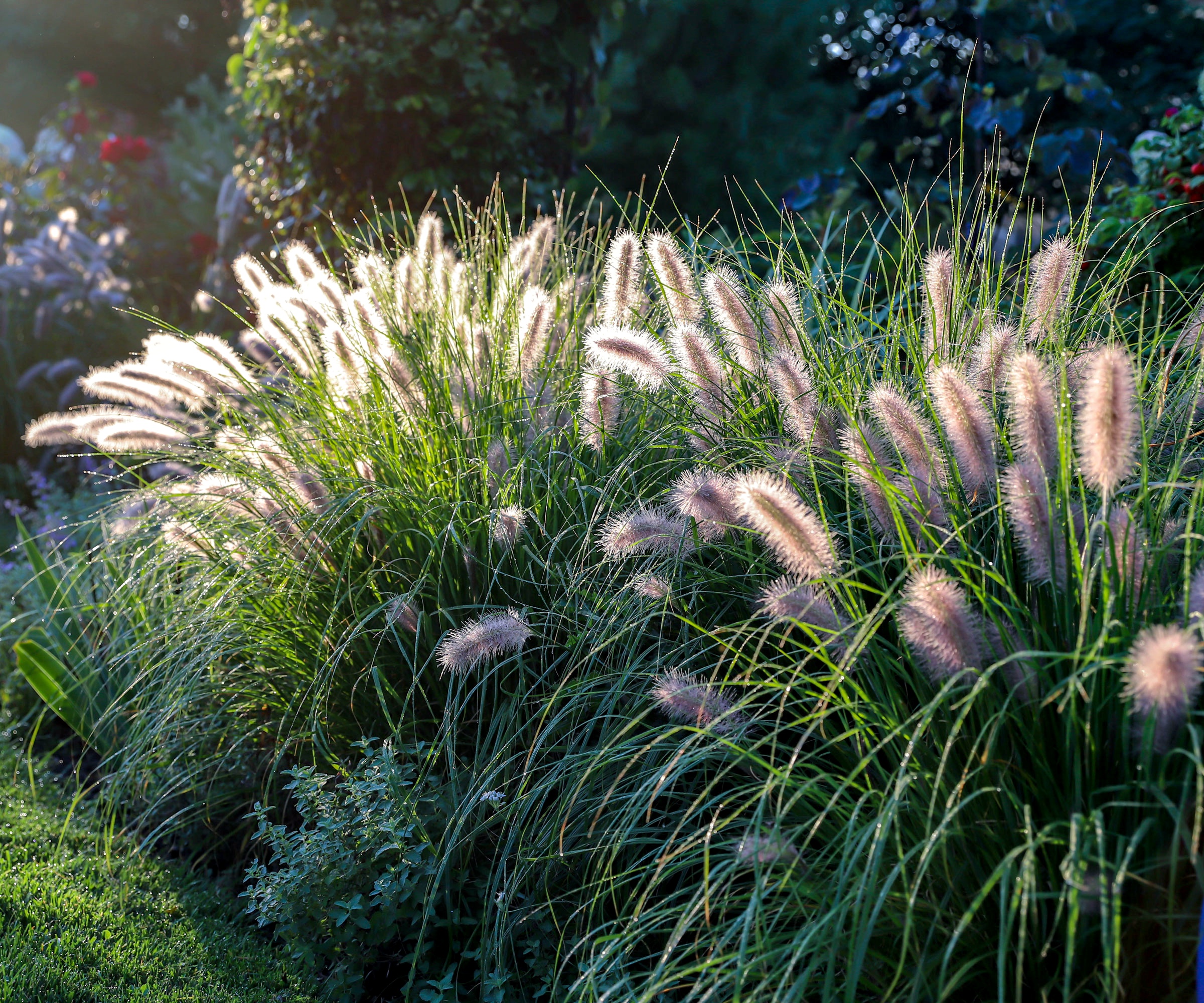
In late summer, they produce distinctive bottlebrush-like flower spikes (inflorescences) that rise above the foliage. These foxtail plumes start creamy white or pinkish and mature to tan or brownish, persisting into winter for added interest.
Botanical Overview and Popular Species
- Hardiness: USDA Zones 5–9 (some cultivars hardy to Zone 4 with protection).
- Growth Habit: Clump-forming (non-rhizomatous, so non-spreading).
- Key Differences: Perennial fountain grass (P. alopecuroides) is cold-hardy and returns yearly in most regions. In contrast, purple fountain grass (Pennisetum setaceum ‘Rubrum’) is a tender perennial or annual in cooler climates, valued for its burgundy foliage but potentially invasive in warm zones (more on this later).
:max_bytes(150000):strip_icc()/purple-fountain-grass-2132874-hero-d5fb5c7f97094c18ac92b5a0d48e70fc.jpg)
Most Popular Varieties for Home Gardens
Here are some top-performing cultivars, based on popularity and performance in 2025 landscapes:
| Variety | Height | Bloom Color | Key Features | Best For |
|---|---|---|---|---|
| ‘Hameln’ 🏆 | 2–3 ft | Creamy white | Compact, early blooming, golden fall color | Borders, containers |
| ‘Little Bunny’ | 1–1.5 ft | Tan | Dwarf, prolific plumes | Rock gardens, edges |
| ‘Moudry’ | 2–3 ft | Dark purple-black | Dramatic dark plumes | Focal points |
| ‘Red Head’ | 3–4 ft | Smoky purple | Large, early blooms | Mass plantings |
| ‘Rubrum’ (Purple) | 3–5 ft | Pinkish-purple | Burgundy foliage (annual in cold areas) | Dramatic color accents |
‘Hameln’ remains a perennial favorite for its reliability and compact size, while newer introductions like ‘Foxtrot’ offer taller, more vigorous growth with enhanced fall color.
Why Choose Fountain Grass? Benefits and Landscape Uses 🎨
Fountain grass plants aren’t just beautiful—they’re practical powerhouses that solve common gardening challenges like lack of texture, wildlife damage, and water waste.
Aesthetic and Textural Advantages
The arching foliage and swaying plumes create unparalleled movement, softening rigid hardscapes like patios or walls. In fall, the golden hues and persistent seed heads provide seasonal drama, extending interest well into winter.
Low-Maintenance and Eco-Friendly Perks
- Drought Tolerant: Once established (about one season), they thrive with minimal supplemental water.
- Deer and Rabbit Resistant: The coarse texture deters browsing.
- Pollinator Friendly: Plumes attract birds for seeds; foliage offers habitat.
- Low Fertility Needs: Rarely requires fertilizer, reducing runoff.
Versatile Design Ideas
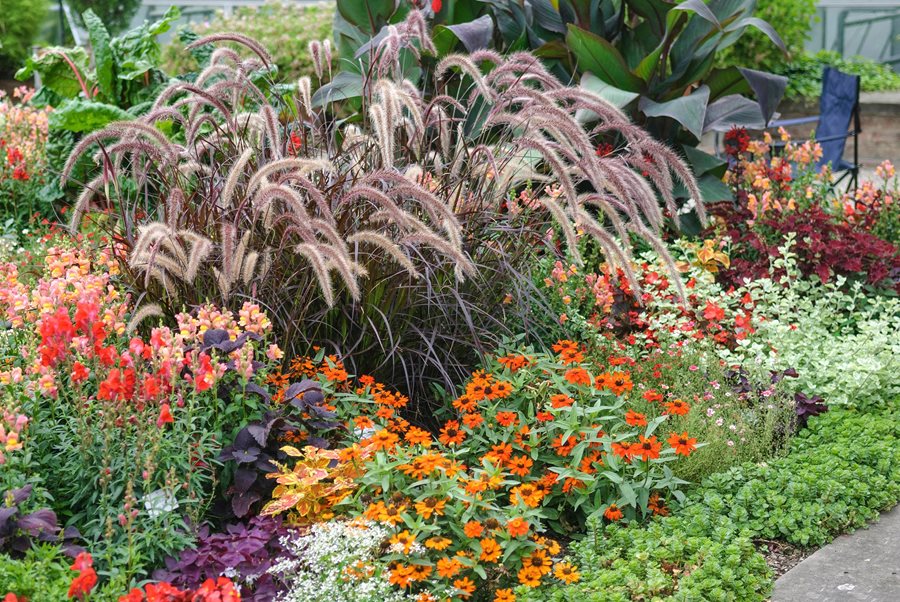
- Borders and Mass Plantings: Create flowing edges along walkways.
- Containers: Dwarf varieties like ‘Little Bunny’ shine in pots.
- Slopes and Erosion Control: Deep roots stabilize soil.
- Mixed Beds: Pair with echinacea (coneflowers), rudbeckia (black-eyed Susans), or sedum for contrasting textures and colors.
Pro Tip: For a modern meadow look, combine ‘Hameln’ with salvia and coreopsis 🌸.
How to Plant Fountain Grass Successfully 🏡
Success starts with proper planting—get this right, and your fountain grass plants will thrive for years.
Choosing the Right Location
- Sun: Full sun (6+ hours) for best blooming and color; tolerates light afternoon shade in hot climates.
- Soil: Well-drained is non-negotiable—avoid heavy clay or soggy spots to prevent root rot. Amend with compost if needed.
Best Planting Time and Spacing
- Timing: Spring after last frost (ideal for root establishment) or early fall in mild climates.
- Spacing: 2–4 feet apart, depending on variety (closer for dwarfs).
Step-by-Step Planting Guide
- Dig a hole twice as wide and as deep as the root ball.
- Mix native soil with organic matter for drainage.
- Place the plant so the crown is level with soil surface.
- Backfill, firm gently, and water deeply.
- Mulch with 2–3 inches of organic material to retain moisture and suppress weeds.
Expert Insight: In Zone 5 or colder, plant in a sheltered spot and mulch heavily for winter protection.
Essential Care Guide for Thriving Fountain Grass 🌿
Once established, fountain grass plants are remarkably low-maintenance, often thriving on neglect rather than pampering. The key is understanding their warm-season growth cycle—they emerge late in spring, peak in summer, and provide structure through winter.
Watering Needs Through the Seasons
- First Year (Establishment): Water deeply once or twice weekly during dry spells to encourage deep roots. Aim for 1 inch of water per week, including rainfall.
- Mature Plants: Extremely drought-tolerant; supplemental watering only during prolonged heat waves (every 2–3 weeks if no rain).
- Signs of Issues: Yellowing lower leaves may indicate overwatering (leading to rot), while browning tips suggest underwatering or wind burn.
Pro Tip 💧: Use a soaker hose or drip irrigation to deliver water directly to roots, avoiding wet foliage that could invite fungal problems.
Fertilizing Tips (Less Is More!)
Fountain grass performs best in average to lean soils. Over-fertilizing causes weak, floppy growth and fewer blooms.
- General Rule: Skip fertilizer entirely in fertile soils.
- If Needed: Apply a slow-release, balanced granular fertilizer (e.g., 10-10-10) lightly in early spring at half the recommended rate.
- Organic Alternative: Top-dress with compost in spring for gentle nutrients.
Expert Insight: In my trials across various soil types, unfertilized plants consistently produced sturdier clumps and more prolific plumes than heavily fed ones.
Pruning and Maintenance
Annual pruning is the most important (and satisfying) task for fountain grass plants.
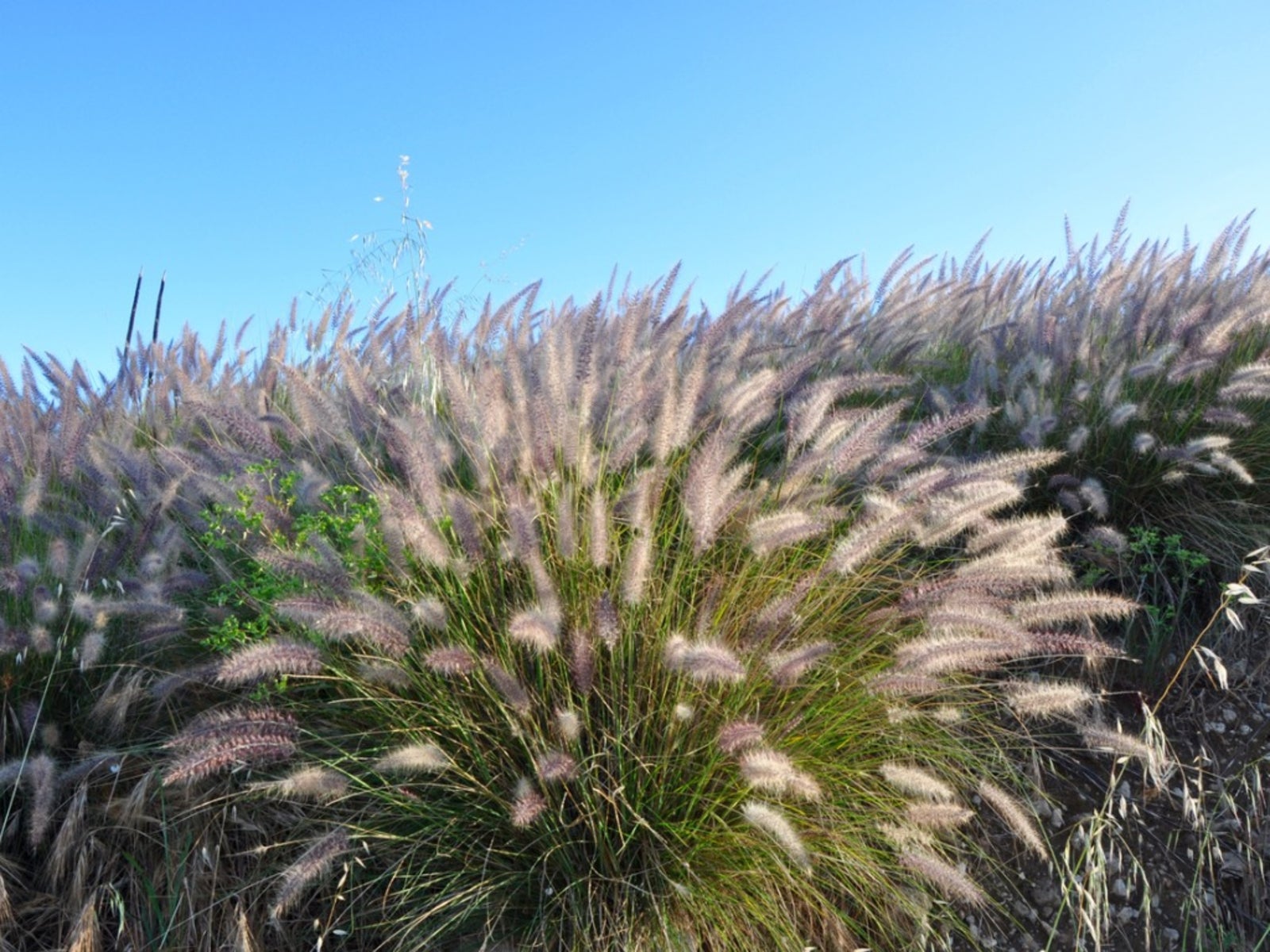
- When: Late winter or early spring, before new growth emerges (typically February–March in Zones 7–9, April in cooler zones).
- How:
- Bundle the foliage with twine for easy handling.
- Cut back to 4–6 inches above ground using sharp shears, pruners, or even a hedge trimmer for large clumps.
- Remove debris to prevent disease.
- Alternative: The “Chelsea chop” method—cut back by half in late May for more compact growth and delayed blooming (useful in mixed borders).
Beginner Mistake to Avoid 🚫: Never prune in fall! Leaving foliage provides winter protection and stunning seasonal interest.
Winter Care and Protection
In Zones 5–6, fountain grass is marginally hardy but reliable with minimal help.
- Leave Plumes Standing: They trap snow for insulation and feed birds.
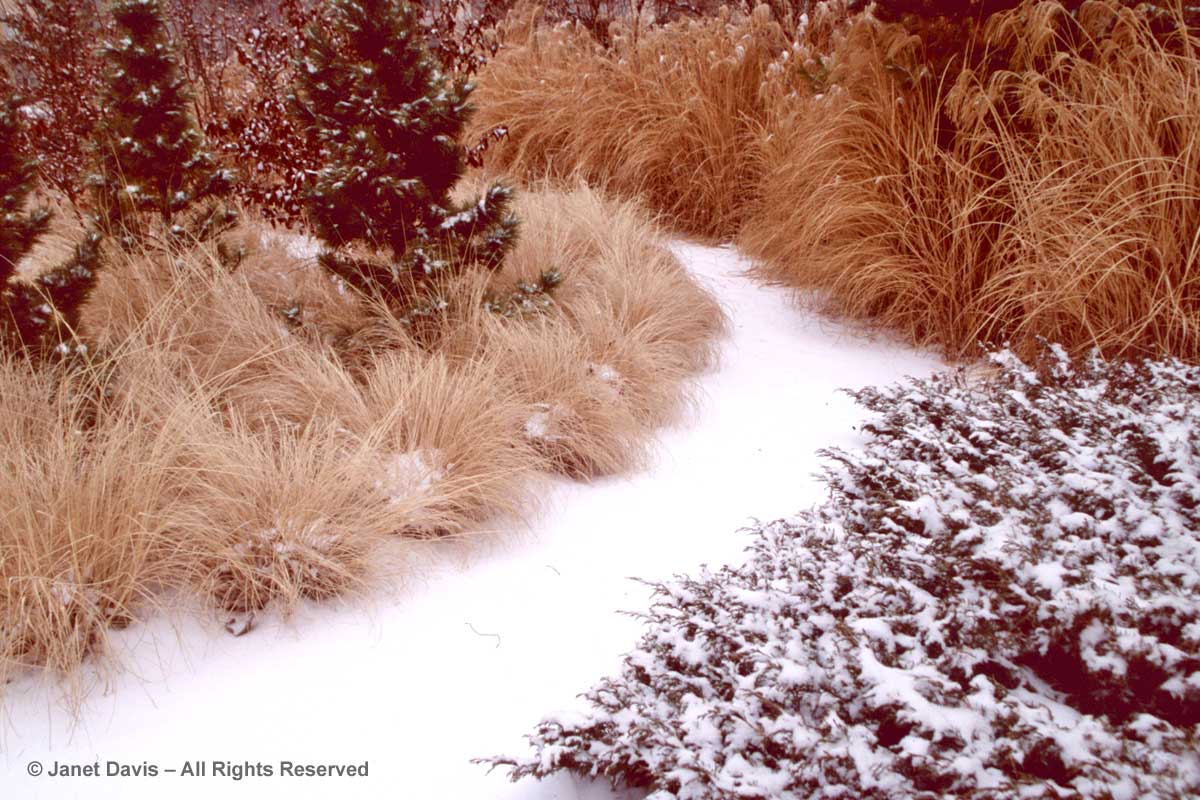
- Mulch: Apply 2–3 inches of shredded leaves or straw over the crown after ground freezes.
- In Harsh Winters: Some dieback is normal—new shoots will emerge from roots in spring.
Common Problems and Solutions 🛠️
Fountain grass plants are generally pest- and disease-resistant, but awareness prevents minor issues from escalating.
Pests and Diseases (Rare but Possible)
- Common Pests: Aphids (soft-bodied insects on new growth) or lace bugs (causing stippled foliage).
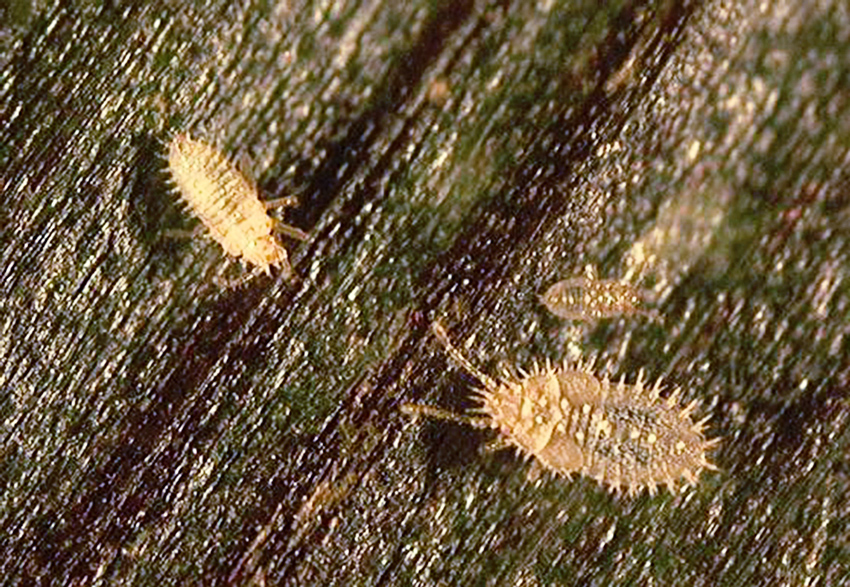
- Treatment: Blast with strong water spray; use insecticidal soap or neem oil for persistent infestations. Encourage ladybugs as natural predators.
- Diseases: Rust (orange pustules) or fungal leaf spot in humid, poorly ventilated conditions.
- Prevention: Ensure good air circulation via proper spacing; avoid overhead watering.
Flopping or Poor Blooming
- Causes: Excessive shade, over-fertilization, overcrowding, or overly rich soil.
- Fixes: Transplant to full sun, divide mature clumps, and withhold fertilizer.
Invasiveness Concerns
Perennial Pennisetum alopecuroides cultivars are clump-forming and non-invasive. However, purple fountain grass (Pennisetum setaceum ‘Rubrum’) self-seeds aggressively in Zones 9–11 and is considered invasive in states like California, Arizona, and Hawaii.
Responsible Choice: Opt for sterile hybrids or native alternatives like little bluestem in sensitive regions.
Propagating Fountain Grass: Multiply Your Plants for Free 💚
Division is the easiest and most reliable method, ensuring identical offspring.
Division Method (Most Reliable)
- Best Time: Early spring as new growth appears.
- Steps:
- Dig up the entire clump.
- Use a sharp spade, serrated knife, or two forks back-to-back to divide into sections (each with 3–5 shoots and healthy roots).
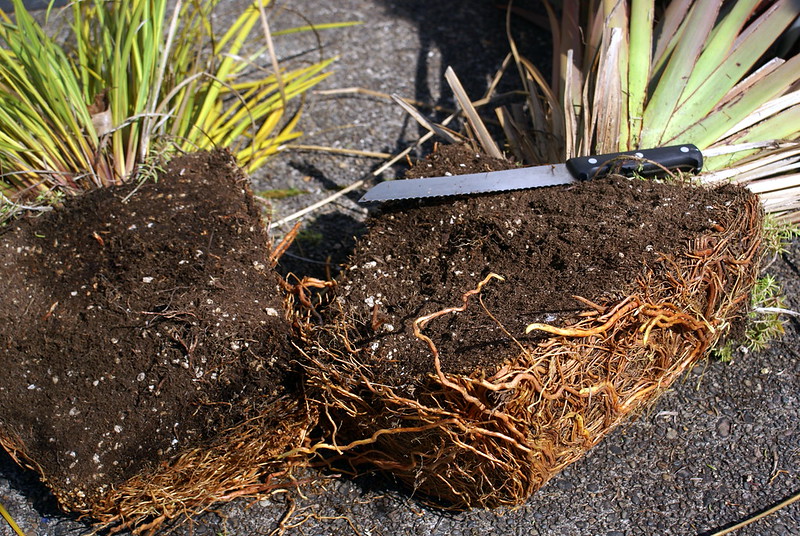
- Replant divisions immediately at the same depth.
- Water well and mulch.
- Frequency: Every 3–5 years to rejuvenate and control size.
Growing from Seed
Purple fountain grass grows easily from seed, but perennial types have lower germination rates.
- Sow indoors 6–8 weeks before last frost; barely cover seeds.
- Requires warmth (70–75°F) and consistent moisture.
- Note: Seed-grown plants may vary from parents.
Expert Tip: Starting in Containers
Dwarf varieties excel in pots—use well-draining mix and fertilize monthly during the growing season.
Year-Round Beauty: Seasonal Care Calendar 📅
One of the greatest joys of growing fountain grass plants is their ability to deliver visual interest in every season. Unlike many perennials that fade after blooming, these ornamental grasses evolve beautifully throughout the year.
Here’s a practical, month-by-month care calendar tailored for perennial fountain grass (Pennisetum alopecuroides) in USDA Zones 5–9. Adjust slightly for your local climate.
| Season | Months | Key Tasks | What to Expect 🌿 |
|---|---|---|---|
| Spring | March–May | Cut back old foliage to 4–6 inches; divide clumps if needed; light compost top-dress; watch for new shoots | Fresh green growth emerges; compact mounds form |
| Summer | June–August | Water during extreme dry spells; deadhead spent plumes if desired; enjoy peak foliage and emerging blooms | Arching leaves cascade; foxtail plumes begin to appear |
| Fall | September–November | Minimal care—let it shine!; supplemental water only if very dry | Plumes mature to tan/gold; foliage turns amber-yellow |
| Winter | December–February | Leave standing for interest and wildlife; mulch crowns in cold zones | Beige plumes and structure provide texture in snow |
Frequently Asked Questions (FAQs) ❓
Here are the most common questions I receive about fountain grass plants, answered with practical, experience-based advice.
Is fountain grass invasive? No—not the perennial types like ‘Hameln’ or ‘Moudry’. These form tidy clumps and do not spread aggressively. However, purple fountain grass (Pennisetum setaceum ‘Rubrum’) can self-seed and become invasive in warm climates (Zones 9+). Check local regulations and choose sterile cultivars for peace of mind.
Can fountain grass grow in pots? Absolutely! Dwarf varieties like ‘Little Bunny’ or ‘Hameln’ thrive in containers. Use a large pot (at least 15–20 gallons) with excellent drainage, quality potting mix, and water more frequently than in-ground plants.
Why is my fountain grass not blooming? Common culprits: too much shade, excessive nitrogen fertilizer, or overcrowding. Move to full sun, skip feeding, and divide if mature.
Is fountain grass deer resistant? Yes—highly! Deer typically avoid the coarse, swaying foliage. It’s one of the most reliable choices for deer-prone gardens.
How tall does ‘Hameln’ fountain grass get? Typically 2–3 feet tall and wide, with plumes adding another 6–12 inches. Perfect for mid-border placement.
Can I grow fountain grass in shade? It tolerates light shade but performs best in full sun. In deep shade, expect leggy growth, fewer plumes, and potential flopping.
Does fountain grass die in winter? The top growth dies back naturally in cold climates, but roots are hardy to Zone 5. It reliably returns each spring.
How do I overwinter fountain grass in containers? Move pots to an unheated garage or bury them in the ground; insulate with bubble wrap or mulch.
Is fountain grass pet-safe? Generally yes—non-toxic to dogs and cats, though large quantities of any grass can cause mild stomach upset.
When should I divide fountain grass? Every 3–5 years in early spring to maintain vigor and prevent center die-out.
Can fountain grass be used as a privacy screen? Taller varieties like ‘Red Head’ can create soft, seasonal screens when mass-planted.
Why are my fountain grass leaves browning at the tips? Often wind burn, underwatering, or salt exposure (near roads). Increase watering consistency and shelter from harsh winds.
Final Thoughts: Create Your Own Fountain Grass Masterpiece 🌅
Fountain grass plants truly are a gardener’s dream: low-maintenance, versatile, and capable of delivering that elusive “wow” factor with their stunning ornamental texture and graceful movement.
Whether you’re softening a modern landscape, adding rhythm to a cottage garden, or simply seeking drought-tolerant beauty, these grasses reward minimal effort with maximum impact.
Start small—perhaps with a few ‘Hameln’ along a border—and watch how they transform your space. Experiment with companions like purple coneflowers, sedum ‘Autumn Joy’, or Russian sage for breathtaking combinations.
I’d love to hear about your experiences! Which variety are you trying, and how has it performed in your garden? Share in the comments below 🌾💬.
As a horticulturist with over 15 years specializing in ornamental grasses, I’ve seen fountain grass bring joy to countless landscapes—from coastal gardens to Midwest prairies. Trust these proven steps, and you’ll enjoy healthy, stunning plants for years to come.











