
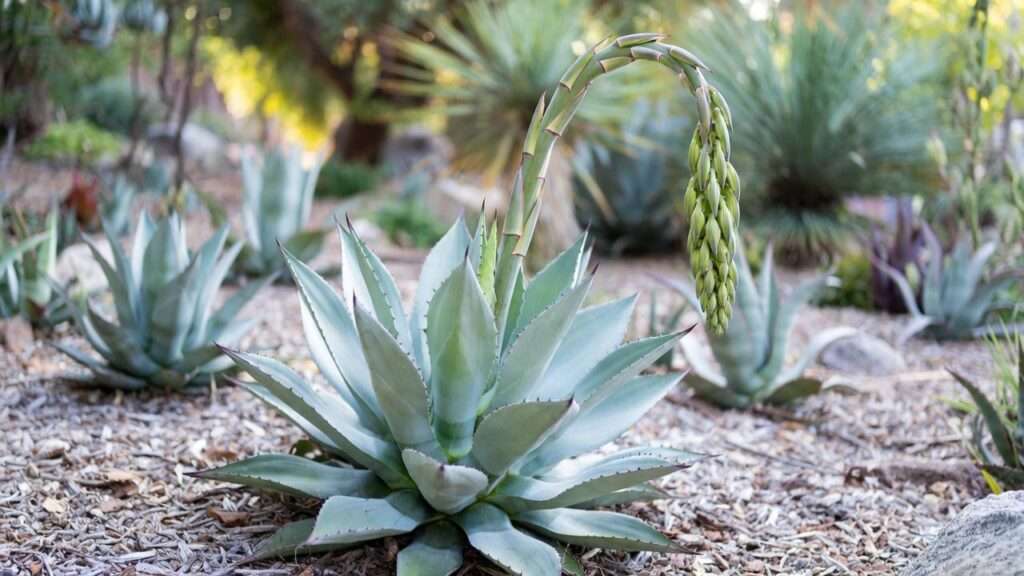
Imagine a succulent so elegant it looks like a living sculpture—soft, arching pale green leaves forming graceful rosettes atop a sturdy trunk, swaying gently in the breeze. Then, after years of patient growth, a massive, curving flower stalk erupts skyward, arching dramatically like a fox’s bushy tail before cascading with hundreds of greenish-yellow blooms. This isn’t fantasy; it’s the magic of the fox tail agave plant (Agave attenuata), one of the most beloved and forgiving succulents for gardeners worldwide.
Whether you’re a beginner dreaming of a low-maintenance masterpiece or an experienced plant enthusiast seeking that rare, show-stopping bloom, the fox tail agave plant delivers. Unlike its sharp-spined cousins, this spineless beauty is safe around kids and pets, making it ideal for patios, pathways, and family gardens. But many growers struggle with common pitfalls like root rot from overwatering, frost damage in cooler climates, or never witnessing that legendary bloom.
In this ultimate care guide, we’ll dive deep into proven strategies—drawn from horticultural expertise, real-world cultivation in diverse climates, and insights from succulent specialists—to help your fox tail agave plant thrive for decades. You’ll learn exactly how to provide optimal light, water sparingly yet effectively, propagate effortlessly, and even encourage that once-in-a-lifetime floral spectacle. Let’s transform your fox tail agave from surviving to spectacular! 🌟
What Is the Fox Tail Agave Plant? 🦊🌵
Overview and Unique Features
The fox tail agave plant, botanically known as Agave attenuata, hails from the highlands of central Mexico, where it grows on rocky slopes and cliffs. Rare in the wild today due to habitat loss, it’s thankfully widespread in cultivation. Common names like lion’s tail agave, swan’s neck agave, or dragon tree agave reflect its graceful, curving form.
What sets the fox tail agave apart from the 200+ other agave species? First, it’s completely spineless—no sharp teeth along the leaf margins or terminal spines at the tips. The broad, fleshy leaves are a soft pale green to bluish-gray, tapering gently (hence “attenuata”). They form open rosettes up to 4-5 feet wide, perched on thick trunks that can reach 4 feet tall in mature specimens.
As it ages, the plant forms clumps via offsets (pups), creating stunning colonies. Varieties like ‘Boutin Blue’ offer bluer tones, while variegated forms like ‘Ray of Light’ add creamy white stripes for extra drama.
Compared to spiky agaves like Agave americana, the fox tail is softer, safer, and more versatile—perfect for high-traffic areas or container displays.
The Magic of the Blooming Cycle
One of the most thrilling aspects of growing a fox tail agave plant is its monocarpic nature: it blooms once in its lifetime, typically after 10-25 years, then the flowering rosette dies. But don’t worry—the pups live on!
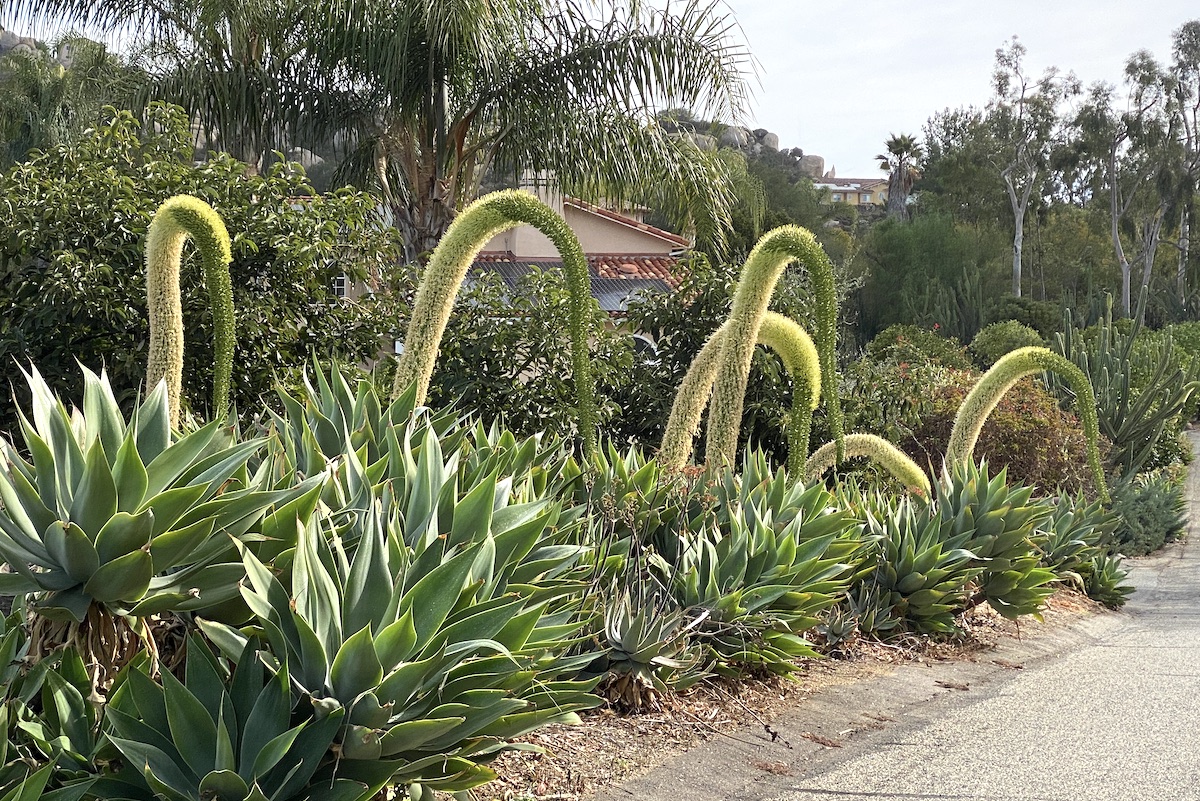
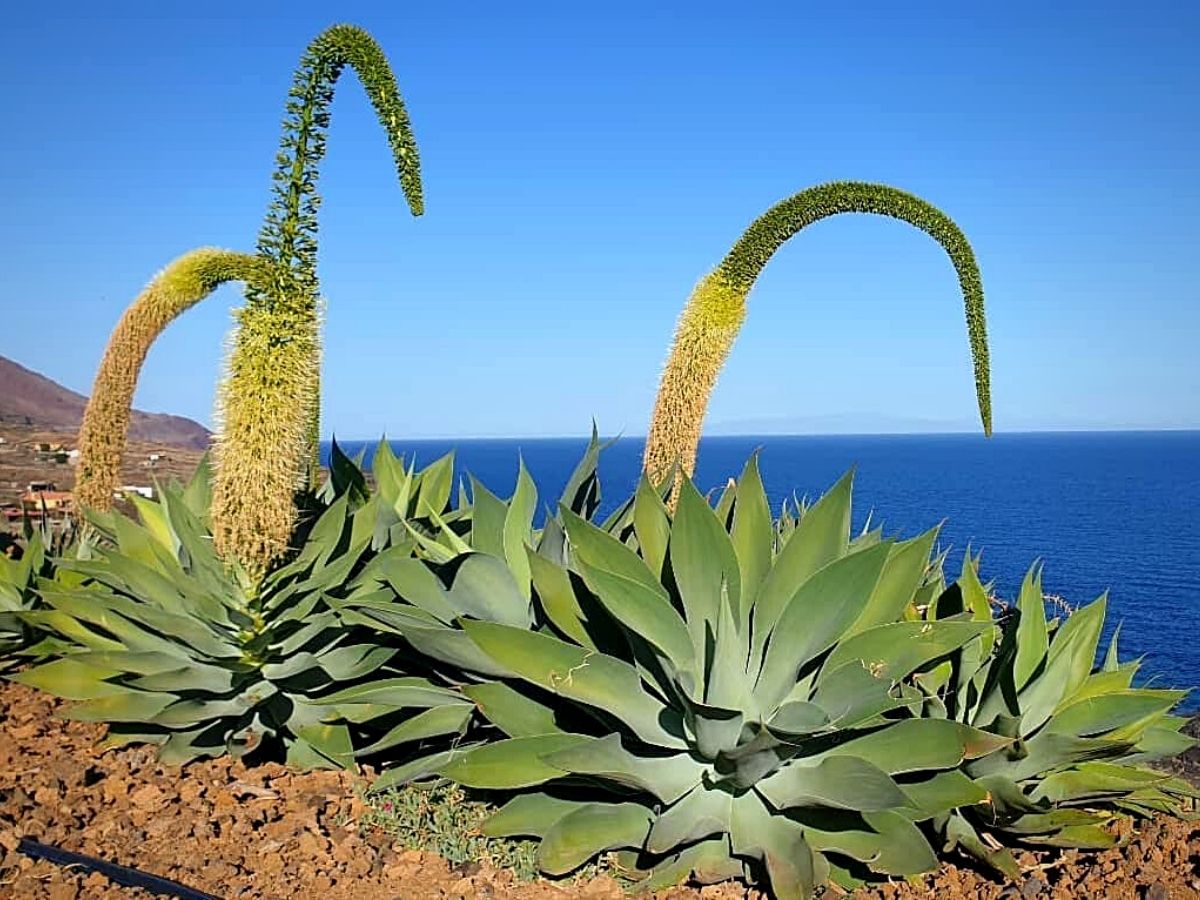
The bloom is unforgettable. From the rosette’s center emerges a thick stalk, soaring 5-14 feet high. Unlike stiff agave spikes, this one arches elegantly downward before curving up, mimicking a fox’s tail—hence the name. It branches slightly, laden with clusters of pale greenish-yellow tubular flowers that attract pollinators like hummingbirds and bats.
Post-bloom, flowers give way to seed pods and bulbils (tiny plantlets) for easy propagation. The mother rosette fades, but offsets ensure longevity.
Expert Tip: To encourage blooming, provide consistent care—bright light, minimal stress, and maturity. In optimal conditions (warm, sunny spots), plants may flower sooner. Patience pays off! 🌸
Ideal Growing Conditions for Your Fox Tail Agave Plant ☀️
Light Requirements
Fox tail agave plants crave bright light for compact, vibrant growth. Outdoors, full sun (6+ hours direct) produces the best color and form. They tolerate partial shade, especially in scorching desert climates, where afternoon shade prevents leaf scorch.
Indoors, place near a south-facing window. If light is insufficient, leaves stretch (etiolate), losing their rosette shape. Gradually acclimate plants moved outdoors to avoid sunburn—start in shade, increase exposure over weeks.
Pro Insight: In coastal areas like California, full sun yields robust trunks; inland heat may require dappled shade.
Temperature and Hardiness
Native to mild Mexican plateaus, fox tail agave thrives in USDA Zones 9b-11 (minimum 25-50°F/-4-10°C). It’s frost-sensitive—temperatures below 28°F cause damage like scarred leaves or mushy tissue.
In cooler zones, grow in pots for winter indoor relocation. Protect outdoor plants with frost cloth or burlap during cold snaps.
Real-World Experience: Gardeners in Zone 9 report success with microclimate protection (south-facing walls). In humid subtropical areas, good airflow prevents rot.
Soil and Drainage Essentials
Drainage is non-negotiable—root rot is the #1 killer. Use well-draining cactus/succulent mix or DIY: 50% potting soil, 30% perlite/pumice, 20% coarse sand/gravel.
pH: Slightly acidic to neutral (6.0-7.5). Avoid heavy clay; amend with grit for in-ground planting.
Why It Matters: Poor drainage traps moisture, inviting fungal issues. Raised beds or slopes work wonders outdoors.
Watering and Feeding Your Fox Tail Agave Plant 💧
Watering Schedule and Techniques
As a drought-tolerant succulent, the fox tail agave plant follows the “soak and dry” rule: water deeply, then let soil dry completely.
- Summer/Growing Season: Every 1-2 weeks (more in extreme heat, less in humidity).
- Winter/Dormancy: Monthly or less—overwatering here is risky.
Check soil: Insert finger 2-3 inches deep; water only if bone-dry.
Signs of Issues:
- Overwatering: Soft, yellowing leaves; mushy base (root rot).
- Underwatering: Shriveled, curling leaves (revives quickly with water).
Troubleshooting Table
| Symptom | Likely Cause | Solution |
|---|---|---|
| Yellow, mushy leaves | Overwatering/rot | Repot in dry soil; trim damaged roots 🛠️ |
| Shriveled leaves | Underwatering | Soak thoroughly; resume schedule |
| Brown tips | Low humidity/salt | Rinse leaves; use rainwater |
| Leaning growth | Uneven light | Rotate plant |
Seasonal Adjustments: In rainy climates, shelter pots; hot/dry areas may need weekly checks.
Fertilizing Tips
Fox tail agaves are light feeders—overdoing it spurs weak growth or premature blooming.
Feed sparingly in spring/summer with diluted (half-strength) balanced fertilizer (e.g., 10-10-10) or succulent-specific. Once monthly max.
Established plants often need none, thriving on natural soil nutrients.
Expert Note: Avoid high-nitrogen formulas; they promote leggy growth over compact rosettes.
Planting, Repotting, and Container Growing 🪴
Planting Outdoors
Site selection: Sunny slopes, rock gardens, or as focal points. Space 6-8 feet apart for clumping.
Dig holes twice root ball width; backfill with gritty mix. Mulch with gravel to retain heat/suppress weeds.
Growing in Pots
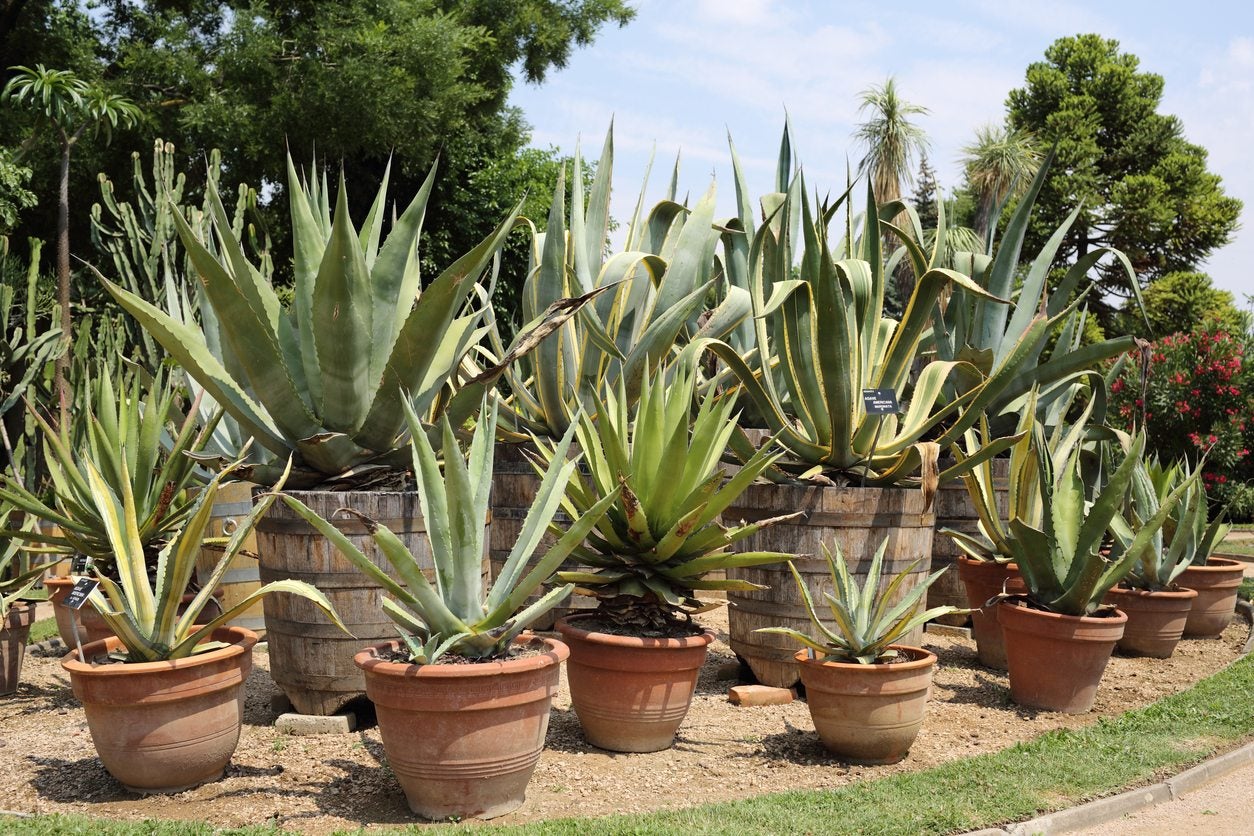
Terracotta or clay pots excel for breathability. Choose wide, stable containers—mature plants get top-heavy.
Repot every 2-3 years or when roots crowd. Spring is ideal.
Indoor Tips: Brightest spot; rotate for even growth.
Pruning and Maintenance
Minimal needed. Remove dead lower leaves at base with clean shears. Clean rosette centers of debris.
Leaning trunks? Stake gently or reposition during repotting.
Propagation: Multiply Your Fox Tail Agave Easily! 🌱
Propagating from Pups/Offsets (Easiest Method)
The simplest way—pups form at the base.
- Wait until pups are 1/3 mother size (spring best).
- Gently twist or cut with sterile knife.
- Let cut callous 3-7 days.
- Plant in well-draining mix; water sparingly until rooted (2-4 weeks).
Success rate: Near 100% with care.
From Bulbils on Flower Stalks
Post-bloom, harvest tiny plantlets; root like pups.
Seed Propagation (Advanced)
Collect fresh seeds; sow in gritty mix. Germination erratic; slower growth.
Expert Tips: Avoid overwatering new plants. Common mistake: Planting pups too deep—keep base at soil level.
Common Problems, Pests, and Diseases 🚨
Identifying and Fixing Issues
While the fox tail agave plant is remarkably resilient, a few issues can arise, mostly from environmental stress or care mistakes. Early detection is key to recovery.
Overwatering and Root Rot: The most common killer. Symptoms include yellowing lower leaves, a soft/mushy base, or sudden collapse. Roots turn black and slimy.
Recovery Steps:
- Remove from soil gently.
- Trim rotten roots with sterilized tools.
- Let dry/callous for days.
- Repot in fresh, dry mix; withhold water 1-2 weeks.
Frost Damage: In cold snaps, leaves scar with brown/black spots or become translucent/mushy.
Protection: Cover with frost cloth or move indoors. Damaged leaves won’t recover—prune for aesthetics.
Sunburn/Hail Damage: Sudden intense sun causes bleached patches; hail leaves dents/scars.
Prevention: Gradual acclimation; shade cloth in extreme heat.

Pests to Watch For
Fox tail agaves have few pests, but these can strike:
-
Agave Snout Weevil: Devastating beetle. Adults chew leaves; larvae bore into core, causing collapse.
Signs: Wilting despite care; sawdust-like frass; sudden death.
Control: Preventive systemic insecticides (imidacloprid) in spring; remove/destroy infested plants promptly. No cure once larvae inside.
-
Scale and Mealybugs: White cottony or armored bumps on leaves.
Treatment: Hose off; dab with alcohol; neem oil or insecticidal soap.
-
Snails/Slugs: Chew leaf tips at night.
Eco-friendly: Beer traps, copper tape, or hand-pick.
Expert Insight: In weevil-prone areas (e.g., Texas, California), inspect bases regularly. Healthy, well-drained plants resist better.

Diseases
Fungal issues like anthracnose (brown spots) or crown rot occur in humid, poorly ventilated conditions.
Prevention: Excellent drainage, spacing for airflow, avoid overhead watering.
Treatment: Remove affected parts; fungicide if severe.
Troubleshooting Table
| Symptom | Likely Cause | Solution |
|---|---|---|
| Sudden collapse | Agave snout weevil | Inspect core; destroy if infested 🪲 |
| Yellow/mushy base | Root rot | Repot, trim roots, dry out |
| Brown leaf scars | Frost damage | Protect in winter; prune damaged leaves ❄️ |
| White cottony residue | Mealybugs | Alcohol wipes + neem oil |
| Chewed leaf edges | Snails/slugs | Traps or barriers |
Landscaping Ideas and Companion Plants 🎨
Design Inspiration
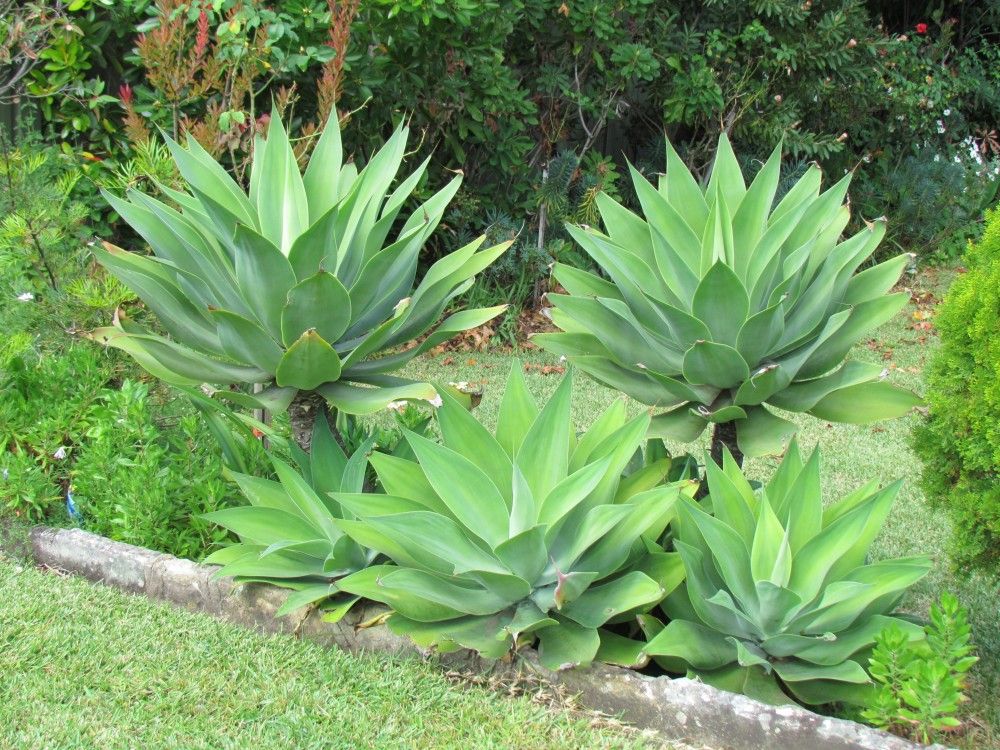
The fox tail agave plant shines as a landscape star—its soft curves and trunk add architectural drama without danger.
- Focal Point: Plant singly on mounds or patios for sculpture-like appeal.
- Mass Plantings: Clumps along driveways or slopes create flowing waves.
- Containers: Large pots on decks; mix sizes for dimension.
- Xeriscape Gardens: Drought-tolerant centerpiece in water-wise designs.
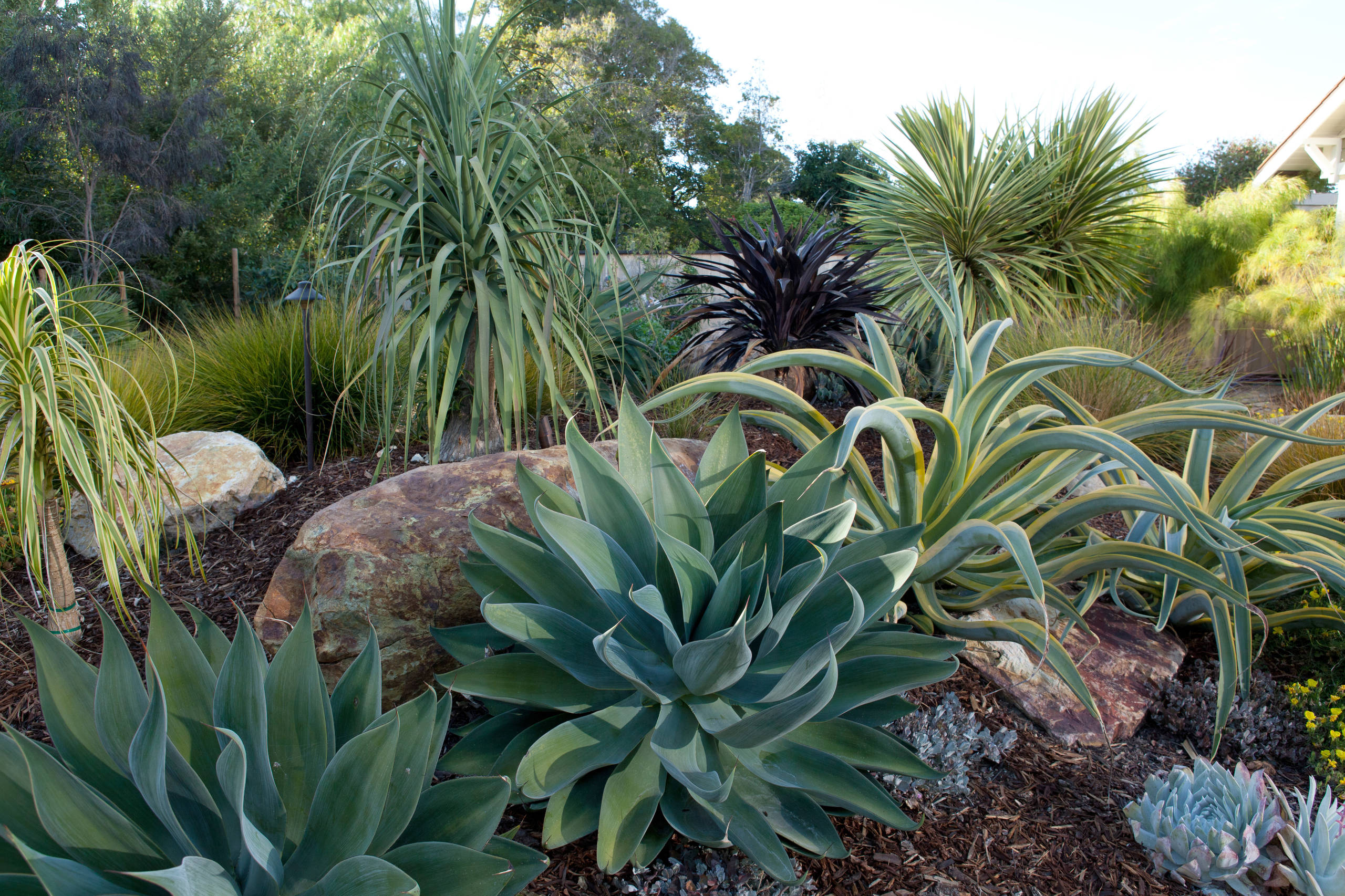
- Coastal/Mediterranean Styles: Pairs with gravel mulch and boulders.
Mature specimens with trunks resemble palm trees—perfect for tropical vibes in mild climates.
Best Companions
Choose drought-tolerant, sun-loving plants with similar needs:
- Aloes (e.g., Aloe vera, tree aloes)
- Yuccas and nolinas for height contrast
- Sedums, echeverias, and groundcover succulents
- Ornamental grasses (e.g., Mexican feather grass) for movement
- Lavender, rosemary, or salvia for fragrance/color
Avoid: Water-hungry plants like ferns or impatiens—they’ll drown your agave!
Pro Design Tip: Layer textures—spiky grasses against soft agave leaves create stunning contrasts.
Safety and Toxicity Notes
Spineless leaves make it family-friendly—no painful pricks! Mildly toxic if ingested (saponins cause stomach upset), so keep from curious pets/kids. ASPCA lists as non-toxic to dogs/cats in small amounts, but monitor.
Frequently Asked Questions (FAQs) ❓
1. How often should I water my fox tail agave plant? “Soak and dry”—every 1-2 weeks in summer, monthly in winter. Always check soil dryness first 💧
2. Will my fox tail agave bloom indoors? Unlikely—needs maturity (10+ years) and bright outdoor conditions for energy.
3. How do I protect my fox tail agave from frost? Use frost cloth, move pots indoors, or plant near heat-retaining walls ❄️
4. Can fox tail agave grow in full shade? Tolerates partial shade but grows leggy; best in bright indirect or morning sun.
5. Why is my plant leaning? Uneven light—rotate regularly. Mature trunks naturally curve for character!
6. How big does fox tail agave get? Rosettes 4-5 ft wide; trunks up to 4 ft; clumps wider.
7. Is fox tail agave pet-safe? Yes for spines (none!), but mildly toxic if eaten—better safe than sorry.
8. When should I repot? Every 2-3 years or when roots fill pot; spring ideal.
9. How to deal with agave snout weevil? Prevent with soil drench insecticides; remove infested plants immediately 🪲
10. Can I grow fox tail agave from seed? Yes, but slow and variable—pups are faster.
11. Why are lower leaves dying? Normal aging—remove for tidiness.
12. Best soil mix? 50% potting soil + 50% grit (perlite/pumice/sand).
13. Does it need fertilizer? Minimal—diluted balanced feed 1-2 times in growing season.
14. How to encourage blooming? Provide optimal care, patience, and space for maturity 🌸
15. Suitable for beginners? Absolutely—forgiving and low-maintenance!
Conclusion 🌟
With its graceful rosettes, safe spineless form, and potential for that breathtaking fox-tail bloom, the fox tail agave plant is a true garden treasure. By following this ultimate guide—bright light, sparing water, excellent drainage, and vigilant pest checks—you’ll enjoy decades of thriving growth and architectural beauty.
Remember: Patience is key. Your agave may reward you with pups for sharing or that once-in-a-lifetime floral show. Whether in a pot on your patio or starring in a xeriscape, proper care turns this Mexican native into a lifelong companion.
Happy gardening! Share your fox tail agave successes (or questions) in the comments below—I’d love to hear from you. 🌵🦊











