
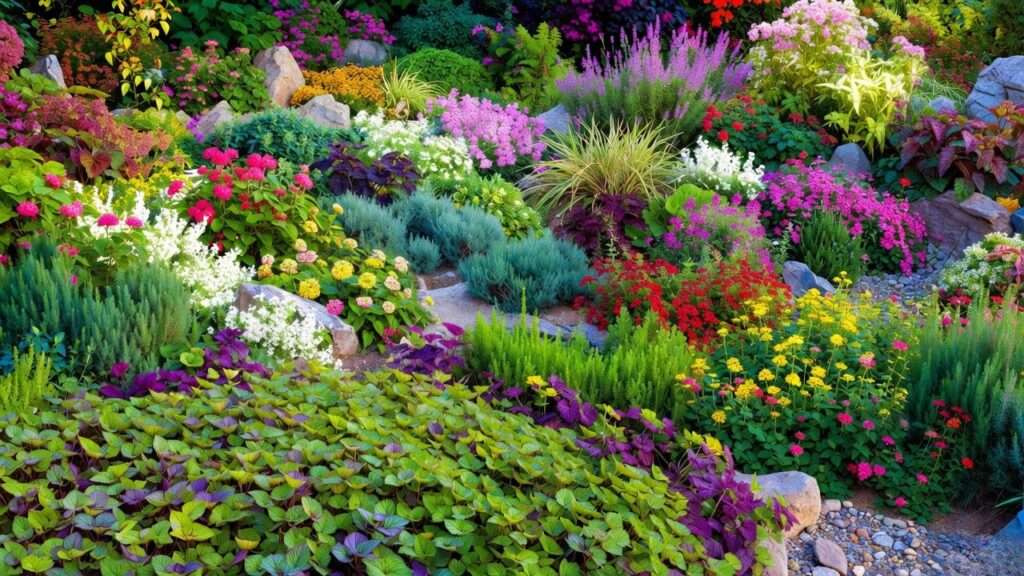
Picture this: a scorching summer day, your yard bathed in relentless sunlight, yet it’s bursting with vibrant colors, lush textures, and not a weed in sight—all without you spending hours mowing, watering, or weeding. Sound too good to be true? It’s not! Full sun ground cover plants are the secret weapon for homeowners craving a stunning, low-maintenance landscape that thrives in bright, sunny conditions.
These resilient beauties spread quickly to form dense mats, suppressing weeds, preventing soil erosion, and adding year-round interest to bare spots, slopes, rock gardens, or even as lawn alternatives. Whether you’re dealing with hot, dry climates or simply want to reduce yard work while boosting curb appeal, the right full sun ground covers can transform challenging sunny areas into effortless showstoppers. In this expert guide, we’ll dive deep into the 10 best full sun ground cover plants, selected based on proven performance, drought tolerance, and aesthetic appeal—helping you create a beautiful, sustainable yard with minimal effort. 🌱
Why Choose Ground Covers for Full Sun Areas? ☀️
Sunny spots in your yard—those receiving at least 6 hours of direct sunlight daily—can be tough to landscape. Traditional grass often struggles, turning brown and patchy, while bare soil invites weeds and erosion. That’s where full sun ground cover plants shine (pun intended!).
Benefits of Full Sun Ground Covers
- Low Maintenance Mastery: Once established, many of these plants need little to no mowing, infrequent watering, and rare fertilizing—perfect for busy lifestyles or water-restricted areas 🛠️.
- Weed Suppression & Erosion Control: Their dense growth habits create a living mulch that chokes out unwanted weeds and holds soil in place, especially valuable on slopes or embankments 🌱.
- Drought Tolerance Superstars: Adapted to intense sun and heat, these plants often survive on rainfall alone after the first year, making them eco-friendly choices for xeriscaping and water conservation 💧.
- Year-Round Visual Interest: From evergreen foliage that stays green through winter to explosive seasonal blooms and textural contrasts, they provide multi-season appeal 🐝.
- Eco-Friendly Boost: Many attract pollinators like bees and butterflies, support biodiversity, and reduce the need for chemical lawn treatments—promoting a healthier environment 🌍.
As a horticulturist with over 15 years of experience designing sustainable landscapes, I’ve seen firsthand how these plants solve common problems like patchy lawns in sunny zones or high-maintenance beds. They’re not just fillers; they’re smart, long-term investments in your outdoor space.
Key Considerations Before Planting
Success starts with matching plants to your conditions:
- Check your USDA Hardiness Zone (most of our picks thrive in Zones 3-9).
- Evaluate soil type—most prefer well-drained soil to avoid root rot.
- Aim for non-invasive species; natives or well-behaved cultivars prevent ecological issues ⚠️.
How to Choose the Right Full Sun Ground Cover 🧭
With so many options, selecting the perfect one involves balancing aesthetics, function, and site specifics.
Factors to Evaluate
- Growth Habit: Creeping (low and spreading), mat-forming (dense carpets), or clumping (controlled spread).
- Height and Spread Rate: Low-growers (under 6 inches) for walkways; faster spreaders for quick coverage.
- Bloom Time, Foliage, and Seasonality: Evergreen for winter interest? Colorful flowers for pollinators? Textured leaves for contrast?
- Special Tolerances: Foot traffic (for pathways), deer resistance, or poor soil adaptability.
Common Mistakes to Avoid
- Choosing invasives like English ivy or periwinkle—these can escape gardens and harm local ecosystems 🚫.
- Poor site prep: Ignoring drainage leads to failures in heavy clay soils.
- Overplanting: Space properly to allow establishment without competition.
Pro Tip: Start small with a test patch to observe performance in your microclimate.
The 10 Best Full Sun Ground Cover Plants 🌟
Here are my top 10 recommendations, chosen for reliability, beauty, and low care needs. Each thrives in full sun (6+ hours), spreads effectively, and offers unique benefits. I’ve included hardiness zones, pros/cons, and expert care tips based on real-world trials.
1. Creeping Thyme (Thymus serpyllum) 🌿
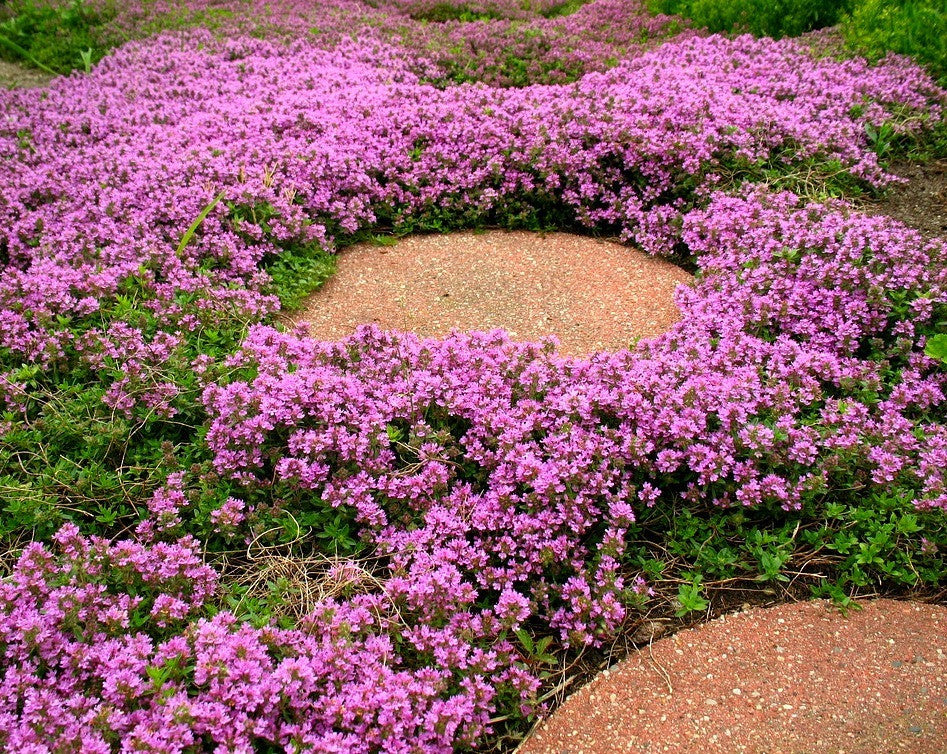
This aromatic herb forms a low (2-4 inches), dense mat of tiny green leaves topped with pink, purple, or white flowers in summer. It’s a favorite for pathways as it releases a delightful scent when stepped on.
Pros: Extremely drought-tolerant, attracts bees, tolerates light foot traffic, edible leaves. Cons: Slow to establish initially; not for deep shade. Hardiness: Zones 4-9. Spread: 12-18 inches per plant.
Care Tips
Plant in well-drained, average to poor soil. Water regularly the first season, then minimally. Shear after flowering to encourage density. Ideal for rock gardens or between pavers 🏡.
2. Sedum (Stonecrop) varieties (e.g., ‘Angelina’, ‘Dragon’s Blood’) 🍂
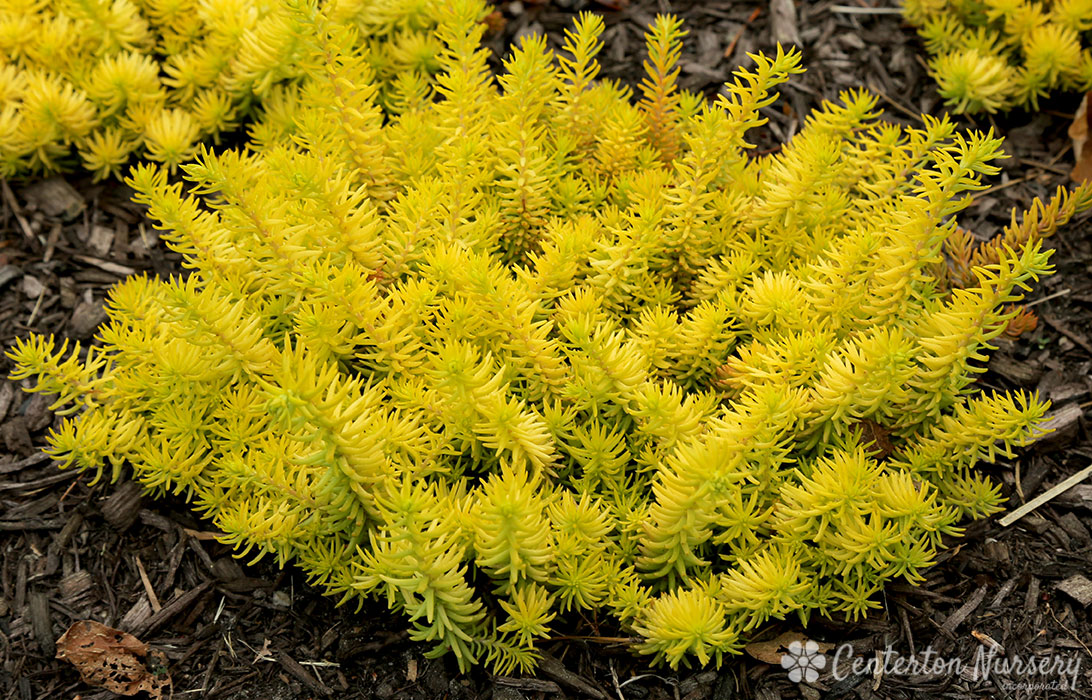
Succulent ground covers like Sedum are unbeatable for hot, dry sunny spots. Popular varieties include the golden ‘Angelina’ (Sedum rupestre) with needle-like leaves that turn orange in winter, and ‘Dragon’s Blood’ (Sedum spurium) with rich burgundy foliage and starry pink flowers.
Pros: Exceptional drought tolerance, evergreen or semi-evergreen, colorful foliage year-round, attracts butterflies, virtually pest-free. Cons: Can spread aggressively in fertile soil (but easy to control); dislikes wet feet. Hardiness: Zones 3-9. Spread: 12-24 inches per plant; height 3-6 inches.
Care Tips
Plant in gritty, well-drained soil—perfect for rocky or sandy areas. Full sun intensifies foliage color. Water sparingly after establishment; overwatering causes rot. Divide every 3-4 years for vigor. Excellent for green roofs, containers, or spilling over walls 🏔️.
3. Creeping Phlox (Phlox subulata) 💜

Also known as moss phlox, this perennial forms evergreen needle-like foliage mats that erupt in a sea of star-shaped flowers (pink, purple, white, or blue) every spring—often completely covering the plant.
Pros: Spectacular floral show, semi-evergreen, good erosion control on slopes, pollinator magnet. Cons: Foliage can look sparse after blooming if not sheared; occasional mildew in humid climates. Hardiness: Zones 3-9. Spread: 18-24 inches; height 4-6 inches.
Care Tips
Prefers average to sandy, well-drained soil. Full sun for best flowering. Shear back by half after bloom to promote bushiness and prevent woody centers. Drought-tolerant once established but benefits from occasional summer water in extreme heat 🌷.
4. Ice Plant (Delosperma cooperi) 🌺
:max_bytes(150000):strip_icc()/purple-ice-plant-2132553_03-ef9bd2eb3d514477b1f15a33ea90887f.jpg)
This South African succulent delivers dazzling daisy-like blooms in electric purple-pink from late spring through fall, with fleshy leaves that shimmer in sunlight—hence the “ice” name.
Pros: Prolonged blooming period, extreme drought and heat tolerance, salt-tolerant (great for coastal gardens), low-growing mat. Cons: Not fully hardy below Zone 6 without protection; can melt in poor drainage. Hardiness: Zones 6-10 (some cultivars to Zone 5). Spread: 18-24 inches; height 3-6 inches.
Care Tips
Requires sharp drainage—amend with gravel if needed. Full sun essential for flowering. Minimal watering; perfect xeriscape plant. Avoid fertilizer to prevent leggy growth. Stunning in hot, dry banks or containers 🔥.
5. Juniper (Juniperus horizontalis cultivars, e.g., ‘Blue Rug’) 🌲
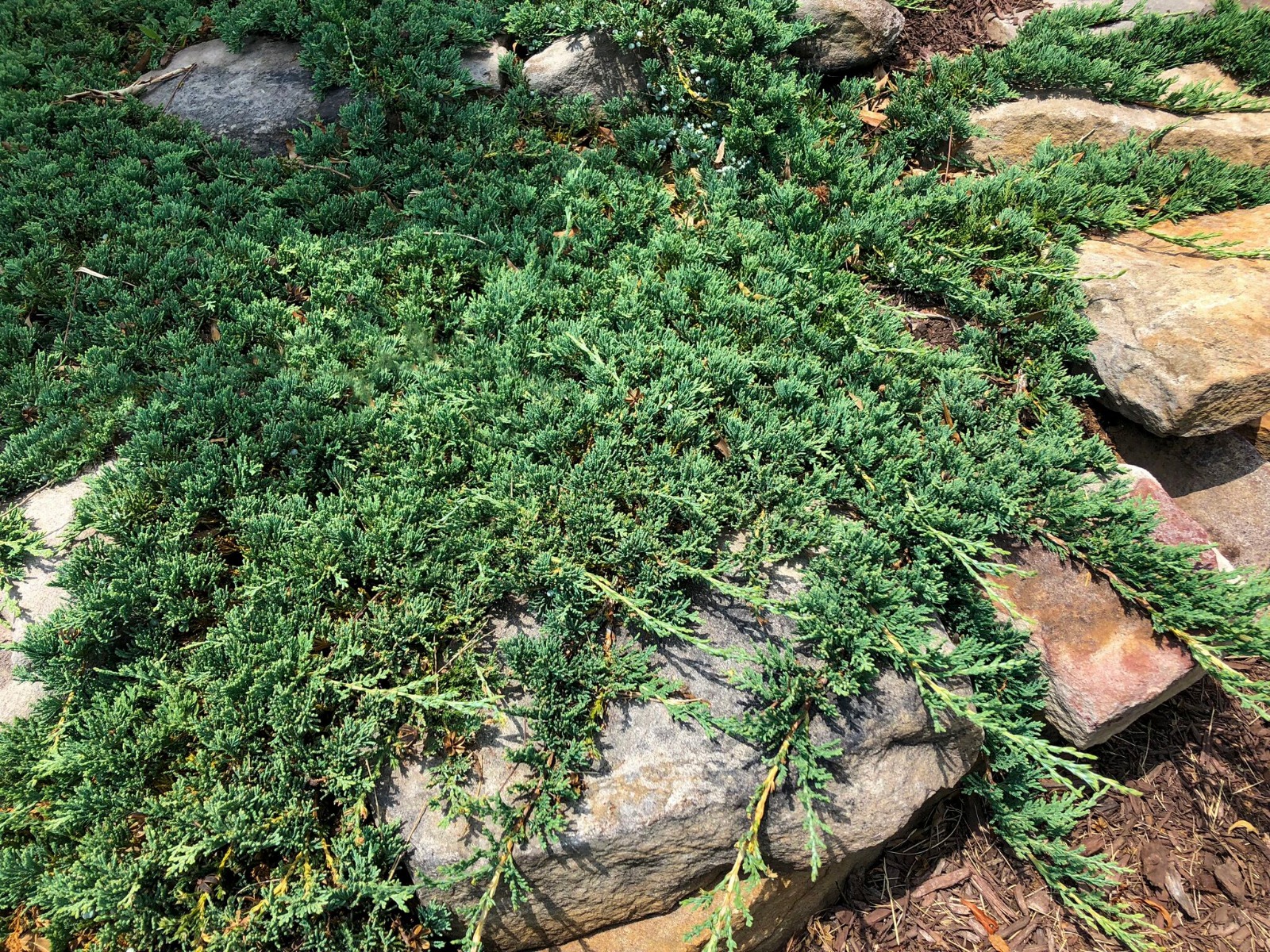
‘Blue Rug’ (also called Wiltonii) is the gold standard creeping juniper, with intense silver-blue scale-like needles forming an ultra-low, trailing carpet.
Pros: Tough-as-nails evergreen, excellent erosion control on slopes, deer and rabbit resistant, no pruning needed. Cons: Slow initial growth; can brown in very wet conditions or winter wind. Hardiness: Zones 3-9. Spread: 6-8 feet; height 4-6 inches.
Care Tips
Tolerates poor, dry soil and full sun to light shade (but color best in sun). Plant on berms if drainage is questionable. Avoid shearing—let it spread naturally. Ideal for large areas or embankments where maintenance is impossible ❄️.
2. Sedum (Stonecrop) varieties (e.g., ‘Angelina’, ‘Dragon’s Blood’) 🍂
Succulent ground covers like Sedum are unbeatable for hot, dry sunny spots. Popular varieties include the golden ‘Angelina’ (Sedum rupestre) with needle-like leaves that turn orange in winter, and ‘Dragon’s Blood’ (Sedum spurium) with rich burgundy foliage and starry pink flowers.
Pros: Exceptional drought tolerance, evergreen or semi-evergreen, colorful foliage year-round, attracts butterflies, virtually pest-free. Cons: Can spread aggressively in fertile soil (but easy to control); dislikes wet feet. Hardiness: Zones 3-9. Spread: 12-24 inches per plant; height 3-6 inches.
Care Tips
Plant in gritty, well-drained soil—perfect for rocky or sandy areas. Full sun intensifies foliage color. Water sparingly after establishment; overwatering causes rot. Divide every 3-4 years for vigor. Excellent for green roofs, containers, or spilling over walls 🏔️.
3. Creeping Phlox (Phlox subulata) 💜
Also known as moss phlox, this perennial forms evergreen needle-like foliage mats that erupt in a sea of star-shaped flowers (pink, purple, white, or blue) every spring—often completely covering the plant.
Pros: Spectacular floral show, semi-evergreen, good erosion control on slopes, pollinator magnet. Cons: Foliage can look sparse after blooming if not sheared; occasional mildew in humid climates. Hardiness: Zones 3-9. Spread: 18-24 inches; height 4-6 inches.
Care Tips
Prefers average to sandy, well-drained soil. Full sun for best flowering. Shear back by half after bloom to promote bushiness and prevent woody centers. Drought-tolerant once established but benefits from occasional summer water in extreme heat 🌷.
4. Ice Plant (Delosperma cooperi) 🌺
This South African succulent delivers dazzling daisy-like blooms in electric purple-pink from late spring through fall, with fleshy leaves that shimmer in sunlight—hence the “ice” name.
Pros: Prolonged blooming period, extreme drought and heat tolerance, salt-tolerant (great for coastal gardens), low-growing mat. Cons: Not fully hardy below Zone 6 without protection; can melt in poor drainage. Hardiness: Zones 6-10 (some cultivars to Zone 5). Spread: 18-24 inches; height 3-6 inches.
Care Tips
Requires sharp drainage—amend with gravel if needed. Full sun essential for flowering. Minimal watering; perfect xeriscape plant. Avoid fertilizer to prevent leggy growth. Stunning in hot, dry banks or containers 🔥.
5. Juniper (Juniperus horizontalis cultivars, e.g., ‘Blue Rug’) 🌲
‘Blue Rug’ (also called Wiltonii) is the gold standard creeping juniper, with intense silver-blue scale-like needles forming an ultra-low, trailing carpet.
Pros: Tough-as-nails evergreen, excellent erosion control on slopes, deer and rabbit resistant, no pruning needed. Cons: Slow initial growth; can brown in very wet conditions or winter wind. Hardiness: Zones 3-9. Spread: 6-8 feet; height 4-6 inches.
Care Tips
Tolerates poor, dry soil and full sun to light shade (but color best in sun). Plant on berms if drainage is questionable. Avoid shearing—let it spread naturally. Ideal for large areas or embankments where maintenance is impossible ❄️.
6. Catmint (Nepeta spp., low-growing varieties) 🐱
Low-growing Nepeta varieties like ‘Walker’s Low’ (technically taller but shearable) or true ground-huggers like Nepeta racemosa offer aromatic gray-green foliage and continuous lavender-blue flower spikes from spring to fall.
Pros: Long-blooming, highly heat and drought tolerant, deer and rabbit resistant, attracts pollinators galore, fragrant when brushed. Cons: Can self-seed if not deadheaded; needs occasional shearing to stay compact. Hardiness: Zones 4-8. Spread: 18-36 inches; height 6-12 inches (lower with shearing).
Care Tips
Thrives in average, well-drained soil and full sun. Cut back by half in early summer after first bloom for repeat flowering and denser habit. Minimal water needed once established—perfect for hot, dry borders or edging paths 🌸.
7. Lamb’s Ear (Stachys byzantina) 🐑
Known for its velvety, silver-white leaves that feel like a lamb’s ear, this perennial spreads steadily to form a soft, shimmering carpet with tall purple flower spikes in summer.
Pros: Striking foliage contrast, drought-tolerant, deer-resistant, low maintenance, tactile appeal for gardens. Cons: Leaves can melt in high humidity or wet soil; flowers sometimes considered weedy (remove if desired). Hardiness: Zones 4-9. Spread: 12-18 inches; height 6-12 inches (foliage).
Care Tips
Full sun and sharp drainage are essential—avoid overhead watering to keep foliage dry. Divide every few years to rejuvenate. Excellent paired with darker foliage or hot-colored flowers for contrast ✨.
8. Bearberry (Arctostaphylos uva-ursi) 🍓
A native North American evergreen with glossy dark green leaves, pink bell flowers in spring, and bright red berries persisting into winter—beloved by wildlife.
Pros: Extremely hardy, excellent erosion control, native pollinator support, year-round interest, very low maintenance. Cons: Slow to establish; prefers acidic, sandy soil; not for heavy clay. Hardiness: Zones 2-7. Spread: 3-6 feet; height 6-12 inches.
Care Tips
Best in poor, acidic, well-drained soil and full sun. Water regularly first year, then drought-tolerant. Prune lightly if needed. Outstanding native alternative for cold climates and coastal areas 🌲.
9. Veronica (Speedwell, creeping varieties) 🔵
Creeping types like Veronica prostrata or ‘Georgia Blue’ produce mats of small green leaves topped with vibrant blue flower spikes in spring and often reblooming.
Pros: Fast-spreading, reliable bloomer, good for edging or rock gardens, attracts bees. Cons: May need division to prevent thinning in center; moderate water needs. Hardiness: Zones 4-8. Spread: 12-24 inches; height 4-8 inches.
Care Tips
Average to moist, well-drained soil in full sun. Shear after first bloom for compactness and rebloom. Tolerates some foot traffic—great between stepping stones 💙.
10. Candytuft (Iberis sempervirens) ⚪
This evergreen perennial creates tidy, dark green mounds that explode with pure white flower clusters in spring, often lightly reblooming.
Pros: Compact habit, long-lived, evergreen structure, excellent for borders or walls. Cons: Dislikes wet soil; benefits from shearing post-bloom. Hardiness: Zones 4-8. Spread: 12-18 inches; height 6-10 inches.
Care Tips
Full sun and well-drained, slightly alkaline soil. Shear by one-third after flowering to maintain shape and encourage density. Drought-tolerant once established—perfect for formal or rock gardens 🌸.
Planting and Establishment Guide 🚜
Getting your full sun ground cover plants off to a strong start is crucial for quick coverage and long-term success. Proper planting ensures roots establish deeply, leading to drought-tolerant, weed-suppressing mats faster.

Step-by-Step Planting Tips
- Site Preparation: Clear weeds, rocks, and debris. Till the top 6-8 inches of soil and amend with organic compost or grit for better drainage—most full sun ground covers hate soggy roots.
- Timing: Plant in spring or early fall for root establishment before extreme heat or cold.
- Spacing: Follow plant-specific recommendations (e.g., 12 inches for sedum, 18-24 inches for juniper) to allow spread without overcrowding. Closer spacing means faster coverage but higher initial cost.
- Planting Depth: Set at the same depth as the nursery pot. Water deeply after planting to settle soil.
- Mulching: Apply 1-2 inches of organic mulch (avoid piling against stems) to retain moisture and suppress weeds during establishment.
Watering Schedule During the First Year
Water deeply but infrequently—once or twice weekly—to encourage deep roots. Taper off as plants establish; by year two, many need only supplemental water during prolonged dry spells 💧.
Maintenance for Long-Term Success
These plants earn their “low-maintenance” title, but minimal care keeps them thriving.
- Pruning and Shearing: Trim back phlox, candytuft, or catmint after blooming for compactness. Divide overcrowded clumps every 3-5 years.
- Fertilizing: Rarely needed—over-fertilizing causes leggy growth. Use a slow-release, low-nitrogen formula in spring if soil is poor.
- Pest and Disease Management: These tough plants rarely have issues. Watch for aphids on catmint (hose off) or root rot in poor drainage (improve soil).
- Winter Care: In cold zones, evergreen types like juniper or bearberry provide structure; mulch lightly for protection.
Expert Note: In my experience, neglecting division leads to thinning centers—stay ahead for dense coverage.
Expert Insights: Design Ideas and Combinations 🎨
Elevate your yard beyond basic coverage with creative designs that maximize beauty and function.
:max_bytes(150000):strip_icc()/ms-rock-garden-getty-fea057e4670d413b8335ecd58dde8c8b.jpg)
- Rock Gardens: Pair sedum, ice plant, or creeping thyme with boulders for a natural alpine look.
- Slopes and Erosion Control: Use juniper, bearberry, or creeping phlox to stabilize banks while adding color.
- Pathways and Stepping Stones: Traffic-tolerant options like creeping thyme or low veronica release fragrance underfoot.
- Pollinator Mixes: Combine catmint, phlox, and sedum for continuous blooms attracting bees and butterflies 🐝.
- Lawn Alternatives: Large areas with mixed ground covers (e.g., sedum and juniper) create no-mow “meadows.”
Pro Combinations: Golden ‘Angelina’ sedum with blue juniper for contrast, or lamb’s ear with ice plant for textural drama.
Plants to Avoid: Invasive Ground Covers in Full Sun ⚠️
Not all ground covers are garden-friendly. Avoid these common invasives that escape control and harm ecosystems:

- English Ivy (Hedera helix): Climbs trees, blocks light, and spreads aggressively.
- Vinca Minor (Periwinkle): Forms impenetrable mats, outcompeting natives.
- Others: Bugleweed (Ajuga reptans) in some regions, or goutweed.
Choose natives or well-behaved alternatives like bearberry instead—better for biodiversity and easier long-term management.
Frequently Asked Questions (FAQs) ❓
What is the fastest-growing full sun ground cover? Creeping phlox or sedum varieties spread quickly (full coverage in 1-2 years with proper spacing); ice plant excels in hot climates.
Are these plants deer-resistant? Yes, many: Juniper, lamb’s ear, catmint, and thyme are rarely browsed due to fragrance or texture. No plant is fully deer-proof, but these rank high.
Can they replace a traditional lawn? Absolutely! Mix low-growers like creeping thyme or sedum for a walkable, no-mow alternative—saves water and time.
Best options for hot, dry climates? Ice plant, sedum (‘Dragon’s Blood’ or ‘Angelina’), and creeping thyme thrive in Zones 8-10 with minimal water.
Do full sun ground covers work in containers or walls? Yes—trailing types like ice plant or sedum spill beautifully over edges.
Conclusion: Start Your Low-Maintenance Yard Today! 🌼
:strip_icc()/bhg-bugelweed-cordial-canary-8a29a4c52d6e40c983c7cf0ef8aefd70.jpg)
With these 10 best full sun ground cover plants, you’re equipped to create a resilient, beautiful yard that demands little while delivering big rewards—weed-free zones, erosion control, pollinator habitat, and stunning visuals year-round. Assess your site, choose 2-3 complementary varieties, and plant this season for transformation by next year. Your low-maintenance dream landscape awaits—happy gardening! 🌱✨











